StartseiteMCPWorkbenchSkills
StartseiteWorkbenchBenachrichtigungenMein Bereich
Huagongshe Open Project:[email protected]KI-Anbindung: llms.txt · MCP-AnleitungDatenschutz · Nutzungsbedingungen · Supportv1.7.8
  1. Startseite
  2. /Verbindung

Metam-Natrium

Metam-sodium

HCID 5366415
NotizenReaktionen

Daten werden ergänzt – lade die Seite später neu, um den aktuellen Stand zu sehen

GrundinformationenÜberblickNamen und BezeichnerEigenschaftenSicherheit und RegulatorischesChemie und IndustrieZugehörige ReaktionenNotizen zur Verbindung
TeilstruktursucheÄhnliche Strukturen suchen

Grundinformationen

CAS
137-42-8
Standard-SMILES
CNC(=S)[S-].[Na+]
InChIKey
AFCCDDWKHLHPDF-UHFFFAOYSA-M
Summenformel
C2H4NNaS2
Durchschnittliche Molmasse
129,18 g/mol
Monoisotopische Masse
128,96828541

Überblick

Metham Sodium can cause cancer and developmental toxicity according to The Environmental Protection Agency (EPA).

Namen und Bezeichner

Bevorzugter Name
Metam-sodium
IUPAC
sodium N-methylcarbamodithioate
Lokaler Name
Metam-Natrium
Englischer Name
Metam sodium
Summenformel
C2H6NNaS2
Molmasse
131.19

Namen und Synonyme

Metam-sodiumMetam sodiumCarbathioneCarbothionMetamsodiumTrimatonSMDCCarbationKarbationMasposolMapasolSepivam
Weitere Namen anzeigen
metamvpmmethamvdmvapamVPM(R)
SistanSometamCarbamGeortMonamSodium methamSodium metamSectagon II

Datenbank-Bezeichner

CAS
137-42-8、6734-80-1
PubChem CID
5366415
DTXSID
DTXSID2029167
ChEMBL
CHEMBL2251719
ChEBI
CHEBI:81737
UNII
3CD7UKN224
EC Number
205-293-0
Nikkaji
J6.124G

Eigenschaften

Berechnete StruktureigenschaftenWird ergänzt

Polarare Oberfläche (TPSA)
45,1 Ų
H-Brücken-Donoren
1
H-Brücken-Akzeptoren
2
Frei drehbare Bindungen
0
Schwere Atome
6
Formalladung
0
Komplexität
46,8

Experimentelle und physikochemische Eigenschaften

PesticidesPesticides -> Dithiocarbamates (Pesticide)
LogPlog Kow <1 at 25 °C
Color/Form · 2 Einträge

White crystals

White crystalline solid

Solubility · 4 Einträge

Crystals; anhydrous at 130 °C; moderately sol in alcohol; 72.2 g/100 mL water at 20 °C; moderately sol in alcohol; sparingly sol in other solvents; unpleasant odor, similar to that of disulfide. /Sodium methyldithiocarbamate dihydrate/

Moderately soluble in alcohol; stable in concentrated aqueous solution but decomposes in dilute aqueous solutions

In acetone, ethanol, kerosene, xylene < 5 g/L. Practically insoluble in most other organic solvents.

In water, 7.22X10+5 mg/L at 20 °C

Corrosivity · 2 Einträge

THE AQUEOUS SOLUTION IS CORROSIVE TO BRASS, COPPER AND ZINC

Aluminum, very rapid corrosion; mild steel, 0.7 mg/day/sq m; stainless steel, <0.2 mg/day/sq m

Endocrine DisruptorsPotential endocrine disrupting compound
Boiling PointBP: 110 °C /Commercial product/

Sicherheit und Regulatorisches

Sicherheitsangaben dienen nur zur Orientierung und ersetzen weder das Sicherheitsdatenblatt (SDB) des Lieferanten noch geltende Vorschriften oder eine fachliche Bewertung.

GHS-Klassifizierung

GHS Classification · 6 Einträge

Danger

H302: Harmful if swallowed [Warning Acute toxicity, oral]

P260, P261, P264, P270, P272, P273, P280, P301+P317, P301+P330+P331, P302+P352, P302+P361+P354, P304+P340, P305+P354+P338, P316, P321, P330, P333+P317, P362+P364, P363, P391, P405, and P501 (click each P-code to see the statement)

Danger

H302 (99.5%): Harmful if swallowed [Warning Acute toxicity, oral]

P260, P261, P262, P264, P264+P265, P270, P271, P272, P273, P280, P301+P317, P301+P330+P331, P302+P352, P302+P361+P354, P304+P340, P305+P351+P338, P305+P354+P338, P316, P317, P321, P330, P333+P317, P337+P317, P361+P364, P362+P364, P363, P391, P405, and P501 (click each P-code to see the statement)

Gefahrenhinweise

Regulatory Information · 6 Einträge

Chemical: Carbamodithioic acid, methyl-, monosodium salt

Hazard Traits - Carcinogenicity; Developmental Toxicity

Commission Regulation (EC) No 1490/2002

Status: Cease Manufacture Update: 04-04-2018 https://echa.europa.eu/registration-dossier/-/registered-dossier/23312

Metam sodium: Does not have an individual approval but may be used under an appropriate group standard

The New Jersey Worker and Community Right to Know Act requires public and private employers to provide information about hazardous substances at their workplaces. (N.J.S.A. 34:5A-1 et. seq.)

Hazards Summary · 1 Eintrag

Allergic contact dermatitis reported in farmworkers; [Kanerva, p. 1834] Slowly reacts with water forming flammable and toxic decomposition products (carbon disulfide, monomethylamine, methylisothiocyanate, and hydrogen sulfide); A skin, eye, and respiratory tract irritant; [CAMEO] A skin, eye, and mucous membrane irritant; May cause skin sensitization; Formation of methylisothiocyanate in water or from skin moisture may also illicit an allergic response; May be fatal by skin absorption; Emergency treatment: Carbamate herbicides and fungicides; [HSDB] Rapidly degraded in the environment forming methyl isothiocyanate (MITC), which is the primary volatile active fumigant; Metabolites include MITC and carbon disulfide; [Reference #2] Causes zonal hepatitis in oral studies of rats and mice; [RTECS] Causes burns; Inhalation may cause corrosive injuries to upper respiratory tract and lungs; May cause skin sensitization; Toxic by ingestion and skin absorption; [Aldrich MSDS] See Methyl isothiocyanate.

Chemie und Industrie

Pharmakologische Informationen

Biological Half-Life · 2 Einträge

Pharmacokinetic and metabolism studies in rats for ... metam sodium ... /were/ tested at two /oral/ dose levels. ... Plasma half-lives after 24 hr were long, ranging from around 60 to 74 hr ...

The biokinetics and metabolism of metam sodium was studied in rats following oral admin of nominal doses of 10 and 100 mg/kg. ... After a single oral dose of 10 mg/kg (14)C-metam sodium, peak mean plasma concn of radioactivity occurred at 1 hr for males and females. Within the first 48 hr mean plasma radioactivity declined with a half-live of approx 24 hr. From 72 hr to 240 hr mean concn of plasma radioactivity declined with a half-life of 60.8 hr for males and 74.1 hr for females. After a single oral dose of 100 mg/kg (14)C-metam sodium the peak mean plasma concn of radioactivity occurred at 1 to 2 hr for males and 0.25 to 1 hr for females. Mean concn of plasma radioactivity declined with a half-life of approx 24 hr (males and females) within the first 48 hr after treatment and 62 hr for males and 64 hr for females within 72 to 240 hr after treatment. ...

Metabolism/Metabolites · 5 Einträge

Diethyldithiocarbamic acid, the main metabolite of disulfiram, forms methyldithiocarbamate when incubated with 14(C)-nitrosoacetoxymethylmethylamine or 14(C)-methylnitrosourea in different media (bacteria, esterases, rat liver 9000 x g supernatant fraction and microsomes). ...

Pharmacokinetic and metabolism studies in rats for ... metam sodium ... /were/ tested at two dose levels ... Three different cmpd (MITC, CO2, COS/CS2 ) were found to be excreted via the lungs. Total excretion of the 3 products of the lungs over a 73 hr collection period were about 35% and 50% ... at low and high doses, respectively.

At higher doses levels of metam sodium, the neurotoxic effects from the in vivo production of CS2 begin to manifest. Specifically, incidence of meningocele has been noted following oral administration ... Following soil application of metam sodium, both CS2 and H2S can be formed; the relative amt depend on the pH of the soil. Following oral exposure to metam sodium, rats metabolize approximately 20 to 25% of the dose (on a molar basis) to CS2. CS2 is a neurotoxic agent known to cause a variety of effects such as neuropathology and changes in sensory conduction velocity and peroneal motor conduction velocity. Exposure to H2S at low levels in humans can result in eye injury, headaches, nausea, and insomnia.

... Neither metam sodium, MITC, nor any related thioureas or methylated ureas were detected in the extractable radioactivity or the post-extraction solids. The observed radioactivity was shown to be distributed over a variety of natural products indicating complete incorporation of metam sodium into the carbon pool ... Based upon the results of the metabolism studies, residues of metam sodium and MITC are not expected to occur in plants. MITC's volatility in the environment, phytotoxity to crops, and metabolism in plants assure that there is no reasonable expectation of finite residues to be incurred in/on any raw agricultural commodity when these products are applied according to label directions.

Zugehörige Reaktionen

17
Reaktionsaufzeichnung erstellen
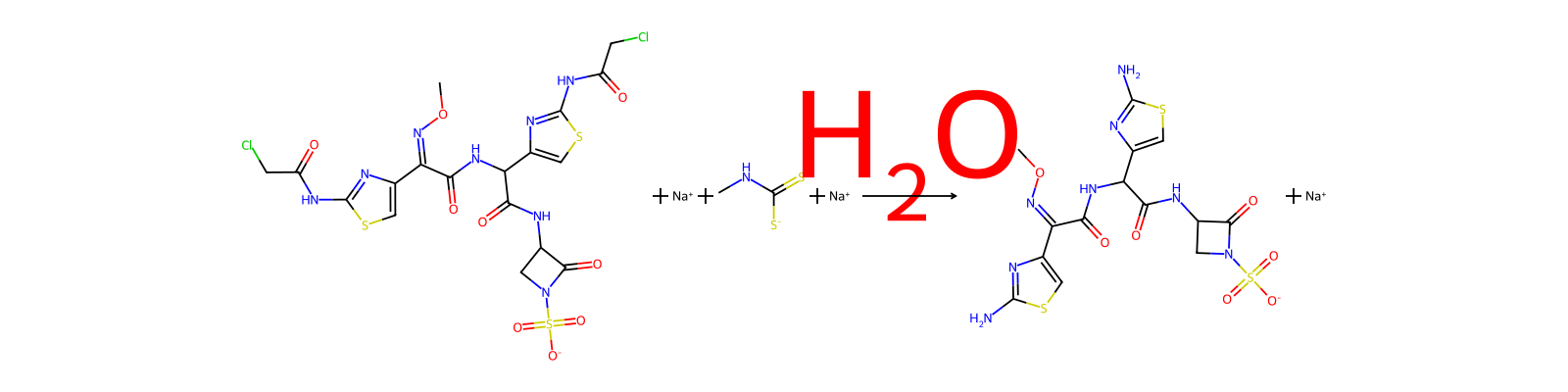
Reaktionsgleichung von HRID 329543
HRID 329543als Eduktuspto-grants-1990_01
Reaktionsgleichung von HRID 330707
HRID 330707als Eduktuspto-grants-1990_01
Reaktionsgleichung von HRID 465178
HRID 465178als Eduktuspto-grants-1985_10
Reaktionsgleichung von HRID 465179
HRID 465179als Eduktuspto-grants-1985_10
Reaktionsgleichung von HRID 465181
HRID 465181als Eduktuspto-grants-1985_10
Reaktionsgleichung von HRID 620977
HRID 620977als Eduktuspto-grants-1989_04
Reaktionsgleichung von HRID 621069
HRID 621069als Eduktuspto-grants-1989_04
Reaktionsgleichung von HRID 653234
HRID 653234als Eduktuspto-grants-1987_06
Seite 1 von 3

Notizen zur Verbindung

Wird geladen…

Auf dieser SeiteGrundinformationenÜberblickNamen und BezeichnerEigenschaftenSicherheit und RegulatorischesChemie und IndustrieZugehörige ReaktionenNotizen zur Verbindung
DecompositionWhen heated to decomposition, it emits very toxic fumes of /nitrogen oxides, sulfur oxides, and disodium oxide/...
Melting PointDecomposes without melting
Vapor PressureNon-volatile
Physical DescriptionWhite crystals; [HSDB] Aqueous solution: Yellow to light yellow-green liquid with an odor of amine and sulfur; [CAMEO] White solid with an odor of sweet onions; [EFSA] White crystals; [Aldrich MSDS]
Stability/Shelf Life · 3 Einträge

Stable with only slight decomp on storage for several yr in glass containers as 32.7% solution in alkaline water; pure solid decomposes in several weeks.

Concentrated aqueous soln are stable /Metham Sodium Dihydrate/

Metam-sodium is stable in its dry, crystalline state, and in concentrated aqueous solution. ...Metam-sodium is very stable at a pH greater than 8.8, but at pH 7 and below it readily hydrolyzes. In soil or when diluted with water, metam-sodium is converted to methyl isothiocyanate (MITC). Other degradates of metam-sodium include carbon disulfide (CS2) and hydrogen sulfide (H2S).

Physikochemische Eigenschaften

Siedepunkt
110 °C · 110°C
Dichte
1.2 · 1.2[at 20℃]
Dampfdruck
6 x · 6 x 10-4 Pa (25 °C; free acid)
storage temp.
-18 °C · APPROX -18°C
Löslichkeit
DMSO (Slightly), Methanol (Slightly)
Aggregatzustand
Liquid
Wasserlöslichkeit
72.2 g/100 · 72.2 g/100 mL at 20 ºC
Stabilität
Hygroscopic
InChI
InChI=1S/C2H5NS2.Na.H/c1-3-2(4)5;;/h1H3,(H2,3,4,5);;
InChIKey
WGXKLRCNAQZSNP-UHFFFAOYSA-N
SMILES
C(S)(=S)NC.[NaH]
LogP
-1.89 · -1.89
CAS Datenbank
137 · 137-42-8(CAS DataBase Reference)
EPA chemische Informationen
Sodium methyldithiocarbamate (137-42-8)
Special Reports · 5 Einträge

USEPA/Office of Pesticide Programs; Reregistration Eligibility Decision (RED) for Methyldithiocarbamate Salts -Metam Sodium/Potassium and MITC 142 p. EPA 738-R-08-006 (July 2008). Available from the Database Query page at http://www.epa.gov/pesticides/reregistration/status.htm as of October 3, 2008.

USEPA Office of Pesticide Programs; RED Fact Sheet: Methyldithiocarbamate Salts - Metam Sodium/Potassium and MITC 8 pp. (July 10, 2008) Available from the Database Query page at http://www.epa.gov/pesticides/reregistration/status.htm as of October 3, 2008.

California Environmental Protection Agency/Department of Pesticide Regulation; Toxicology Data Review Summaries. Available from: http://www.cdpr.ca.gov/docs/toxsums/toxsumlist.htm on Metam-sodium as of February 20, 2008.

USEPA/OPP; Health Effects Division (7509C). Metam Sodium: Revised HED Human Health Risk Assessment For Phase 3: DP Barcode: D318051, Metam Sodium PC Code: 039003, MITC PC Code: 068103 (JUNE 20, 2005) EPA-HQ-OPP-2005-0125-003. Available from the Database Query page at http://www.regulations.gov as of February 19, 2008.

For more Special Reports (Complete) data for SODIUM METHYLDITHIOCARBAMATE (6 total), please visit the HSDB record page.

FIFRA Requirements · 4 Einträge

As the federal pesticide law FIFRA directs, EPA is conducting a comprehensive review of older pesticides to consider their health and environmental effects and make decisions about their future use. Under this pesticide reregistration program, EPA examines health and safety data for pesticide active ingredients initially registered before November 1, 1984, and determines whether they are eligible for reregistration. In addition, all pesticides must meet the new safety standard of the Food Quality Protection Act of 1996. Pesticides for which EPA had not issued Registration Standards prior to the effective date of FIFRA, as amended in 1988, were divided into three lists based upon their potential for human exposure and other factors, with List B containing pesticides of greater concern and List D pesticides of less concern. Sodium N-methyldithiocarbamate, or metam-sodium is found on List B. Case No: 2390; Pesticide type: Fungicide (Nematicide), Herbicide, Antimicrobial; Case Status: OPP is reviewing data from the pesticide's producers regarding its human health and/or environmental effects, or OPP is determining the pesticide's eligibility for reregistration and developing the Reregistration Eligibility Decision (RED) document.; Active ingredient (AI): Sodium N-methyldithiocarbamate, or metam-sodium; Data Call-in (DCI) Date(s): 09/19/91, 10/13/95; AI Status: The producers of the pesticide has made commitments to conduct the studies and pay the fees required for reregistration, and are meeting those commitments in a timely manner.

EPA and five makers of /metham sodium/ have agreed to certain restrictions on its use: The restrictions are meant to reduce human exposure to the pesticide. Metham sodium ... is a fumigant used to control weeds, nematodes, bacteria, and insects in soil. EPA says its review of animal studies indicates pregnant women exposed to the pesticide may risk birth defects. Under the new restrictions, individuals using metham sodium must wear protective clothing, and only certified applicators may use it around homes. Metham sodium producers have agreed to voluntarily recall the product from home owners and noncertified applicants.

The /USEPA/ has determined that certain uses of (1) metam sodium (including use as a pre-plant soil fumigant in certain crops, specified /in the R.E.D./, and as a root control agent in sewers and drains, and as an antimicrobial agent to treat wood poles and timbers and sewage sludge and animal waste); (2) metam-potassium (including as a pre-plant soil fumigant in certain crops, specified later in this document, and as an antimicrobial agent for treatment of pulp and paper, tanning drum leather applications, recirculating cooling water systems; and industrial water purification systems); and (3) MITC (as an antimicrobial agent to treat wood poles and pilings) are eligible for reregistration, provided the risk mitigation measures outlined in /the R.E.D./ are adopted, label amendments are made to reflect these measures ... , and data are developed to assess intermediate- and long-term risk to bystanders.

Based on its evaluation of metam-sodium, metam-potassium, and MITC, the /USEPA/ has determined that products containing these chemicals, unless labeled and used as specified in /the 2008 R.E.D./, would present risks inconsistent with FIFRA. Accordingly, should a registrant fail to implement any of the risk mitigation measures identified in /the 2008 R.E.D., the EPA/ may take regulatory action to address the risk concerns from the use of these chemicals. If all changes outlined in this /R.E.D./ are incorporated into the product labels, then current risks for metam sodium, metam-potassium, and MITC will be adequately mitigated for the purposes of this determination under FIFRA. Once a comprehensive endangered species assessment is completed, further changes to these registrations may be necessary.

Flammable LimitsNon flammable. /Metham Sodium Dihydrate/
History and Incidents · 2 Einträge

A Southern Pacific Railroad /tank car/ derailment near Dunsmuir, CA on July 14, 1991 sent into the Sacramento River roughly 13,000 gallons of liquid metham-sodium formulation. ... The spill killed an estimated 100,000 sport fish and heavily damaged other aquatic life as it passed along the river's 45 mile course and entered Shasta Lake. ...

An outbreak of irritant dermatitis among workers cleaning up a pesticide spill was examined. Twenty two of 42 Shasta County, California jail inmates who had been engaged in removing dead fish from the Sacramento River after a spill of sodium-methyldithiocarbamate (metam-sodium) on July 14, 1991 developed dermatitis. The dermatitis consisted of an erythematous or purplish macular rash that developed primarily on the anterior feet and ankles 0 to 18 days after exposure. The peak incidence occurred 3 to 4 days after exposure. No dermatitis developed in the other cleanup workers which also included personnel from other state and federal agencies. None of the affected workers were atopic, although 67% reported a prior episode of poison oak. The concentrations of methyl-isothiocyanate (MITC) at the time of exposure were only 20 to 40 parts per billion. Interviews were conducted with the affected jail inmates and 32 other persons who did not develop dermatitis. Lower extremity dermatitis occurred in 25 of 33 inmates who reported water contact with their legs and feet compared to only two of nine whose feet remained dry. This yielded a risk ratio of 3.4. The risk of developing dermatitis increased with increasing time spent in the river. Only five of 36 workers who reported upper extremity contact with the water developed dermatitis on their arms or hands. The upper extremity rash was seen only in those with lower extremity dermatitis. More than 75% of the workers who did not develop dermatitis reported that if their feet and lower extremities became wet they quickly changed to dry clothing. Thirty three of the jail inmates whose feet became wet did not change to dry clothing immediately. The authors suggest that prolonged wetness, occlusive boots, and other factors contributed to the outbreak of dermatitis despite the low concentrations of MITC in the river at the time of cleanup.

DOT Emergency Guidelines · 5 Einträge

/GUIDE 131: FLAMMABLE LIQUIDS-TOXIC/ Health: TOXIC; may be fatal if inhaled, ingested or absorbed through skin. Inhalation or contact with some of these materials will irritate or burn skin and eyes. Fire will produce irritating, corrosive and/or toxic gases. Vapors may cause dizziness or suffocation. Runoff from fire control or dilution water may cause pollution. /Dithiocarbamate pesticide, liquid, flammable, poisonous; Dithiocarbamate pesticide, liquid, flammable, toxic; Dithiocarbamate pesticide, liquid, poisonous, flammable; Dithiocarbamate pesticide, liquid, toxic, flammable/

/GUIDE 131: FLAMMABLE LIQUIDS-TOXIC/ Fire or Explosion: HIGHLY FLAMMABLE: Will be easily ignited by heat, sparks or flames. Vapors may form explosive mixtures with air. Vapors may travel to source of ignition and flash back. Most vapors are heavier than air. They will spread along ground and collect in low or confined areas (sewers, basements, tanks). Vapor explosion and poison hazard indoors, outdoors or in sewers. Those substances designated with a "P" may polymerize explosively when heated or involved in a fire. Runoff to sewer may create fire or explosion hazard. Containers may explode when heated. Many liquids are lighter than water. /Dithiocarbamate pesticide, liquid, flammable, poisonous; Dithiocarbamate pesticide, liquid, flammable, toxic; Dithiocarbamate pesticide, liquid, poisonous, flammable; Dithiocarbamate pesticide, liquid, toxic, flammable/

/GUIDE 131: FLAMMABLE LIQUIDS-TOXIC/ Public Safety: CALL Emergency Response Telephone Number ... . As an immediate precautionary measure, isolate spill or leak area for at least 50 meters (150 feet) in all directions. Keep unauthorized personnel away. Stay upwind. Keep out of low areas. Ventilate closed spaces before entering. /Dithiocarbamate pesticide, liquid, flammable, poisonous; Dithiocarbamate pesticide, liquid, flammable, toxic; Dithiocarbamate pesticide, liquid, poisonous, flammable; Dithiocarbamate pesticide, liquid, toxic, flammable/

/GUIDE 131: FLAMMABLE LIQUIDS-TOXIC/ Protective Clothing: Wear positive pressure self-contained breathing apparatus (SCBA). Wear chemical protective clothing that is specifically recommended by the manufacturer. It may provide little or no thermal protection. Structural firefighters' protective clothing provides limited protection in fire situations ONLY; it is not effective in spill situations where direct contact with the substance is possible. /Dithiocarbamate pesticide, liquid, flammable, poisonous; Dithiocarbamate pesticide, liquid, flammable, toxic; Dithiocarbamate pesticide, liquid, poisonous, flammable; Dithiocarbamate pesticide, liquid, toxic, flammable/

For more DOT Emergency Guidelines (Complete) data for SODIUM METHYLDITHIOCARBAMATE (16 total), please visit the HSDB record page.

DOT Hazard Classification · 2 Einträge

Metam-sodium

Marine pollutant

Hazard Classes and Categories · 4 Einträge

Acute Tox. 4 (99.5%)

Acute toxicity - category 4

Acute toxicity (Oral) - Category 4

Acute Tox. 4 *

State Drinking Water Guidelines(CA) CALIFORNIA 20 ug/L
Shipment Methods and Regulations · 3 Einträge

No person may /transport,/ offer or accept a hazardous material for transportation in commerce unless that person is registered in conformance ... and the hazardous material is properly classed, described, packaged, marked, labeled, and in condition for shipment as required or authorized by ... /the hazardous materials regulations (49 CFR 171-177)./

The International Air Transport Association (IATA) Dangerous Goods Regulations are published by the IATA Dangerous Goods Board pursuant to IATA Resolutions 618 and 619 and constitute a manual of industry carrier regulations to be followed by all IATA Member airlines when transporting hazardous materials.

The International Maritime Dangerous Goods Code lays down basic principles for transporting hazardous chemicals. Detailed recommendations for individual substances and a number of recommendations for good practice are included in the classes dealing with such substances. A general index of technical names has also been compiled. This index should always be consulted when attempting to locate the appropriate procedures to be used when shipping any substance or article.

Shipping Name/ Number DOT/UN/NA/IMO · 5 Einträge

UN 2771; Dithiocarbamate pesticides, solid or liquid, toxic, not otherwise specified.

UN 2772; Dithiocarbamate pesticides, liquid, flammable, toxic, (cmpds & preparations), not otherwise specified, flash point less than 23 °C

UN 3005; Dithiocarbamate pesticides, liquid, flammable, toxic, not otherwise specified, flash point between 23 °C and 61 °C.

UN 3006; Dithiocarbamate pesticides, liquid, toxic, not otherwise specified.

For more Shipping Name/ Number DOT/UN/NA/IMO (Complete) data for SODIUM METHYLDITHIOCARBAMATE (6 total), please visit the HSDB record page.

Sicherheit und Schutzausrüstung

Fire Fighting Procedures · 3 Einträge

If material on fire or involved in fire: Do not extinguish fire unless flow can be stopped. Use water in flooding quantities as fog. Solid streams of water may be ineffective. Cool all affected containers with flooding quantities of water. Apply water from as far a distance as possible. Use "alcohol" foam, dry chemical or carbon dioxide. /Thiocarbamate pesticides, liquid, toxic, flammable; Thiocarbamate pesticides, liquid, flammable, toxic/

If material on fire or involved in fire: Do not extinguish fire unless flow can be stopped. Use water in flooding quantities as fog. Cool all affected containers with flooding quantities of water. Apply water from as far a distance as possible. Solid streams of water may be ineffective. Use foam, dry chemical or carbon dioxide. /Thiocarbamate pesticides, liquid, toxic/

If material on fire or involved in fire: Extinguish fire using agent suitable for type of surrounding fire (Material itself does not burn or burns with difficulty). Use water in flooding quantities as fog. Use "alcohol" foam, dry chemical or carbon dioxide. /Thiocarbamate pesticides, solid, toxic/

Storage Conditions · 1 Eintrag

Store in a cool, dry place. Keep container closed when not in use. Do not store below 32 dg F. Product crystalizes at lower tempratures. Warm or store at higher tempratures and mix to redissolve crystals and assure uniformity before use. /Vapam/

Cleanup Methods · 5 Einträge

Environmental considerations: Land spill: Dig a pit, pond, lagoon, holding area to contain liquid or solid material. Dike surface flow using soil, sand bags, foamed polyurethane, or foamed concrete. Absorb bulk liquid with fly ash, cement powder, or commercial sorbents. /SRP: If time permits, pits, ponds, lagoons, soak holes, or holding areas should be sealed with an impermeable flexible membrane liner./ /Thiocarbamate pesticides, liquid, toxic, flammable; Thiocarbamate pesticides, liquid, flammable, toxic; Thiocarbamate pesticides, liquid, toxic/

Environmental considerations: Water spill: Use natural barriers or oil spill control booms to limit spill travel. Remove trapped material with suction hoses. /Thiocarbamate pesticides, liquid, toxic, flammable; Thiocarbamate pesticides, liquid, flammable, toxic; Thiocarbamate pesticides, liquid, toxic/

Environmental considerations: Air spill: Apply water spray or mist to knock down vapors. /Thiocarbamate pesticides, liquid, toxic, flammable; Thiocarbamate pesticides, liquid, flammable, toxic; Thiocarbamate pesticides, liquid, toxic/

Environmental considerations: Land spill: Dig a pit, pond, lagoon, holding area to contain liquid or solid material. Cover solids with a plastic sheet to prevent dissolving in rain or fire fighting water. Dike surface flow using soil, sand bags, foamed polyurethane, or foamed concrete. /SRP: If time permits, pits, ponds, lagoons, soak holes, or holding areas should be sealed with an impermeable flexible membrane liner./ /Thiocarbamate pesticides, solid, toxic/

Environmental considerations: Water spill: Use natural barriers or oil spill control booms to limit spill travel. Use natural deep water pockets, excavated lagoons, or sand bag barriers to trap material at bottom. Remove trapped material with suction hoses. /Thiocarbamate pesticides, solid, toxic/

Disposal Methods · 4 Einträge

SRP: The most favorable course of action is to use an alternative chemical product with less inherent propensity for occupational exposure or environmental contamination. Recycle any unused portion of the material for its approved use or return it to the manufacturer or supplier. Ultimate disposal of the chemical must consider: the material's impact on air quality; potential migration in soil or water; effects on animal, aquatic, and plant life; and conformance with environmental and public health regulations.

Pesticide disposal: Pesticide wastes are toxic. Improper disposal of excess pesticide, spray mixture, or rinsate is a violation of Federal law. If these wastes cannot be disposed of by use according to label instructions, contact your State Pesticide or Environmental Control Agency, or the Hazardous Waste Representative at the nearest EPA regional office for guidance. /Vapam/

Container Disposal: Triple rinse or equivalent. Then offer for recycling or reconditioning, or puncture and dispose of in a sanitary landfill, or if allowed by state and local authorities, by burning. If burned, stay out of smoke. /Vapam/

This pesticide is toxic to fish. Do not discharge effluent containing this product into lakes, streams, ponds, estuaries, oceans or public waters unless in accordance with the requirements of a National Pollutant Discharge Elimination System (NPDES) permit and the permitting authority has been notified in writing prior to discharge. Do not discharge effluent containing this product to sewer systems without previously noti'ing the local sewage treatment plant authority. For guidance, contact your State Water Board or Regional Office of the Environmental Protection Agency. /Vapam/

Preventive Measures · 5 Einträge

To reduce the potential for metam-sodium and metam-potassium exposure to bystanders, handlers, and workers, and to address associated risks of concern, EPA is requiring a number of mitigation measures which include: (1) Buffer zones; (2) Dermal protection for handlers; (3) Respiratory protection and air monitoring for handlers; (3) Restrictions on the timing of perforation and removing of tarps; (4) Posting; (5) Good agricultural practices; (6) Fumigant management plans; (7) Emergency preparedness and response plans; (8) Notice to state lead agencies. The Agency also believes that registrant-developed training and community outreach programs, which are also implemented by the registrant, will help reduce risk. Additionally, EPA is interested in working with registrants to identify additional measures that could be implemented as part of product stewardship. These additional measures should include efforts to assist users' transition to the new label requirements. Some of the required mitigation measures only address one group of potentially exposed individuals (i.e., bystanders, handlers, or workers), while other measures will help reduce risk to more than one group. All mitigation measures are designed to work together to reduce exposures, enhance safety, and facilitate compliance and enforcement. ... EPA has determined that these measures, working together, will prevent unreasonable adverse effects on human health.

Buffer zones, of varying sizes based on application method, application rate, and application block size, and emission control measures are required /for fumigant use/. Buffer zones will be in effect from the time the fumigation begins until 48 hours following the application.

/For fumigant use/ EPA is requiring that buffer zones be posted at usual points of entry and along likely routes of approach to the buffer unless (1) a physical barrier such as a fence prevents access to the buffer, or (2) all of the area within 300 feet of the buffer is under the control of the owner/operator. The posting requirement is intended to prevent passersby from entering a buffer zone.

/Fumigant/ Handlers exposed to MITC vapors from metam sodium/potassium or MITC applications will either wear respirators or follow an air monitoring program. Additional dermal PPE is required for some handler tasks.

For more Preventive Measures (Complete) data for SODIUM METHYLDITHIOCARBAMATE (27 total), please visit the HSDB record page.

Personal Protective Equipment (PPE) · 3 Einträge

Approved respirator. Chemical-resistant apron when cleaning equipment, mixing or loading. Chemical-resistant headgear for overhead exposure. Protective eyewear. handlers in enclosed cabs: Coveralls, shoes, and socks. If pungent rotten egg odor of product can be detected inside of cab, face-sealing goggles, unless full-face respirator is worn.

Personnel protection: ... Wear appropriate chemical protective gloves, boots and goggles. ... Wear positive pressure self-contained breathing apparatus when fighting fires involving this material. /Thiocarbamate pesticides, liquid, toxic, flammable; Thiocarbamate pesticides, liquid, flammable, toxic; Thiocarbamate pesticides, solid, toxic/

Personnel protection: ... Wear positive pressure self-contained breathing apparatus. ... Wear appropriate chemical protective clothing. /Thiocarbamate pesticides, liquid, toxic/

Toxikologische Informationen

Interactions · 2 Einträge

The drug acts by interfering with alcohol metabolism so that the ingestion of alcohol is followed by distressing & occasionally dangerous symptoms. ... The disulfiram-alcohol reaction ... is not a simple intensification of alcoholic intoxication, although this may play a role. ... The acute drug-alcohol reaction ... is usually considered unpleasant, at times alarmingly so. It consists of flushing, headache, vasodilation, tachycardia, hypotension (after a transient rise in systolic pressure), nausea, restlessness, confusion & many other signs & symptoms. ... The disulfiram-alcohol reaction appears at the same time as excessive concentrations of acetaldehyde in the blood. The enzyme alcohol dehydrogenase generates acetaldehyde from ethanol. Acetaldehyde accumulates presumably because disulfiram inhibits aldehyde dehydrogenase, the enzyme which normally oxidizes this intermediary product of alcohol metabolism to "active" acetate. ... Disulfiram is a potent inhibitor of dopamine beta-oxidase. This enzyme requires copper, which disulfiram apparently removes by chelation. Dopamine beta-oxidase is an essential enzyme in the norepinephrine biosynthetic pathway. ... Disulfiram /exposure/ leads to the depletion of norepinephrine at adrenergic nerve terminals. ... With the sympathomimetic effects of acetaldehyde blocked by disulfiram depletion of the adrenergic transmitter, the direct vasodilator effect of acetaldehyde is unmasked. The latter is presumably responsible for the fall in blood pressure in the disulfiram-alcohol reaction. /Disulfiram/

The effects of dithiocarbamates on the tissue distribution and excretion of lead were examined in rats, with special emphasis on the central nervous system. /One of the compounds tested was/ sodium monomethyldithiocarbamate (metham). Male Sprague-Dawley rats received radioactively labeled lead acetate injected into a tail vein. The dithiocarbamates or thiurams were administered by gastric intubation. One dose was given 2 hr before lead, and another immediately after. The uptake of lead by the brain was increased by ... metham. /It was concluded that/ combined exposure to lead and dithiocarbamates should be avoided.

Ecotoxicity Values · 5 Einträge

LC50 Colinus virginianus (Bobwhite quail) oral >5000 ppm in 5 day diet ad libitum, age 14 days /Vapam; purity: technical/

LC50 Coturnix japonica (Japanese quail) oral >5000 ppm in 5 day diet ad libitum age 14 days /Vapam; purity: technical/

LC50 Phasianus colchicus (Ring-necked pheasant) >5000 ppm in 5 day diet ad libitum, age 14 days /Vapam; purity: technical/

LC50 Anas platyrhynchos (Mallard) oral >5000 ppm in 5 day diet ad libitum, age 14 days /Vapam; purity: technical/

For more Ecotoxicity Values (Complete) data for SODIUM METHYLDITHIOCARBAMATE (11 total), please visit the HSDB record page.

Environmental Fate · 5 Einträge

TERRESTRIAL FATE: /IT IS/ NON-PERSISTENT IN SOIL AND DISAPPEARS, UNDER MOIST CONDITIONS, WITHIN 2 WK.

TERRESTRIAL FATE: METHAM ... IS DEGRADED IN SOIL TO METHYLISOTHIOCYANATE AND HYDROGEN SULFIDE. ONE ALSO EXPECTS THAT SIMPLE HYDROLYSIS SHOULD FORM METHYL AMINE AND CARBON DISULFIDE.

TERRESTRIAL FATE: Methan is weakly adsorbed to soil ... subject to photolysis ... typical field half-life is 7 days ... not volatile /Metham/

TERRESTRIAL FATE: Sodium methyldithiocarbamate hydrolyzes rapidly(1) and therefore is unlikely to adsorb to soil(SRC). Volatilization of sodium methyldithiocarbamate from moist soil or dry soil surfaces is not expected to be an important fate process(SRC) as the compound is non-volatile(2). Sodium methyldithiocarbamate is extremely hygroscopic and unstable as the dry salt(3), exhibiting a half-life of approximately 0.06 days(2). It breaks down in moist soil to methyl isothiocyanate, the acid exhibiting a half-life range of 0.23 minutes to 4 days(3). Sodium methyldithiocarbamate was degraded 73-96% to methyl isothiocyanate within 0.1 to 4 days using acclimated and unacclimated soil inoculums(4); however its rapid transformation via abiotic processes leaves the importance of biodegradation as inconclusive(SRC).

For more Environmental Fate (Complete) data for SODIUM METHYLDITHIOCARBAMATE (6 total), please visit the HSDB record page.

Adverse EffectsOccupational hepatotoxin - Secondary hepatotoxins: the potential for toxic effect in the occupational setting is based on cases of poisoning by human ingestion or animal experimentation.
Ecotoxicity Excerpts · 2 Einträge

/AQUATIC SPECIES/ Lepomis macrochirus (bluegill) was exposed to metam-sodium (aq formulation containing 42.2% methylcarbamodithionic acid monosodium salt as ai corresponding to 510 g/L) in a static system for 86 /or 96/ hr. NOEC/LC0 = 0.215 mg/L (nominal concentration) and LC50 = 0.175 to 0.82 mg/L/86 or 96 hr (analytically detected concentration). Symptoms: abnormal swimming behavior and apathy. /Metam-sodium aq formulation containing 42.2% methylcarbamodithionic acid monosodium salt as ai corresponding to 510 g/L/

/AQUATIC SPECIES/ /Oncorhynchus mykiss (Rainbow trout)/ was exposed to metam-sodium (aqueous formulation containing 42.2% methylcarbamodithionic acid monosodium salt as ai corresponding to 510 g/L) in a static system for 96/ hr. NOEC = 0.464 mg/L (nominal concentration); LC0 = 21.5 mg/L (nominal concentration); and LC50 = 35 mg/L/96 hr (analytically detected concentration). Symptoms: discoloration, gasping, lying on the bottom, /CNS depressed/-like state, tumbling. /Metam-sodium aq formulation containing 42.2% methylcarbamodithionic acid monosodium salt as ai corresponding to 510 g/L/

Acute Toxicity LinkChemical: METAM-SODIUM
Effluent ConcentrationsSodium methyldithiocarbamate (approx 72,000 liters) was accidently released into the Upper Sacramento River on July 14, 1991 due to a railroad car derailment(1).
Soil Adsorption/Mobility · 1 Eintrag

Sodium methyldithiocarbamate hydrolyzes rapidly to form methyl isothiocyanate(1) and therefore is unlikely to adsorb or leach(SRC). In soil, this transformation occurs at an extent >90% (following first-order kinetics), corresponding to a half-life of about 0.06 days at 25 °C(2). However, a coefficient of adsorption on soil organic matter (Kom) of 228 L/kg has been reported(2).

Human Toxicity Excerpts · 5 Einträge

/SIGNS AND SYMPTOMS/ May be fatal if absorbed through skin.

/SIGNS AND SYMPTOMS/ The salts /of methyldithiocarbamate (sodium, ammonium, potassium)/ are irritating ... prolonged or repeated contact may cause skin burns and systemic intoxication ... .

/SIGNS AND SYMPTOMS/ In wet soil, different substances are produced as result of hydrolytic decomposition. In contact with sweating wet skin this process occurs on the skin surface. Methyl mustard oil (methylisothiocyanate) is formed as a result. Indications of an allergic response: strong focal flare-up reaction in the previous contact areas when patch testing on the back; itching and burning on the skin when in contact with nematin-containing air of the test lab or in a repair workshop; strong incorporation of radionuclides only in nematin-eczema patients as a specific reaction in the lymphocyte transformation test; and exposure time of at least one week. Metham-sodium solution may also cause toxic dermatitis with typical circinate bullae as in mustard gas. A 0.5% nematin solution (0.15% metham-sodium) causes such toxic bullous reactions.

/SIGNS AND SYMPTOMS/ Prolonged or frequently repeated skin contact may cause allergic reactions in some individuals. /Vapam/

For more Human Toxicity Excerpts (Complete) data for SODIUM METHYLDITHIOCARBAMATE (6 total), please visit the HSDB record page.

Artificial Pollution SourcesSodium methyldithiocarbamate's production may result in its release to the environment through various waste streams; its use as a soil fumigant(1) will result in its direct release to the environment(SRC).
Environmental Biodegradation · 2 Einträge

AEROBIC: Sodium methyldithiocarbamate in soil breaks down by chemical means rather than by soil microorganisms(1). Data on the biodegradation of sodium methyldithiocarbamate in aquatic systems were not available(SRC, 2008).

AEROBIC: Sodium methyldithiocarbamate degradation was studied using moist soil inoculums incubated in gastight flasks in the dark at 15 °C and 3.75 mg of test compound. Soils were from seven nematode-infected fields, six previously fumigated greenhouses, and nine trials with plots treated annually and plots left untreated in the Netherlands, where the compound is used on a large scale in agriculture and horticulture(1). The compound was transformed 73-96% in all soils tested to methyl isothiocyanate, within 0.1 to 4 days after the addition of sodium methyldithiocarbamate(1). The slowest rate of methylisothiocyanate formation at 73% in 4 days was observed using Odoorn soil (2.4% clay, 18.0% silt, 0.0% CaCO3, 4.1% organic matter, pH 4.4 and 0.1 kg moisture content); typically rates were at 95% in 0.1 days such as when using Geerlig loam (36.0% clay, 45.0% silt, 8.0% CaCO3, 4.2% organic matter, pH 7.3 and 0.3 kg moisture content)(1).

Environmental BioconcentrationSodium methyldithiocarbamate hydrolyzes rapidly to form methyl isothiocyanate(1) and therefore is unlikely to bioconcentrate in aquatic organisms(SRC).

Regulatorische Informationen

FIFRA Requirements · 4 Einträge

As the federal pesticide law FIFRA directs, EPA is conducting a comprehensive review of older pesticides to consider their health and environmental effects and make decisions about their future use. Under this pesticide reregistration program, EPA examines health and safety data for pesticide active ingredients initially registered before November 1, 1984, and determines whether they are eligible for reregistration. In addition, all pesticides must meet the new safety standard of the Food Quality Protection Act of 1996. Pesticides for which EPA had not issued Registration Standards prior to the effective date of FIFRA, as amended in 1988, were divided into three lists based upon their potential for human exposure and other factors, with List B containing pesticides of greater concern and List D pesticides of less concern. Sodium N-methyldithiocarbamate, or metam-sodium is found on List B. Case No: 2390; Pesticide type: Fungicide (Nematicide), Herbicide, Antimicrobial; Case Status: OPP is reviewing data from the pesticide's producers regarding its human health and/or environmental effects, or OPP is determining the pesticide's eligibility for reregistration and developing the Reregistration Eligibility Decision (RED) document.; Active ingredient (AI): Sodium N-methyldithiocarbamate, or metam-sodium; Data Call-in (DCI) Date(s): 09/19/91, 10/13/95; AI Status: The producers of the pesticide has made commitments to conduct the studies and pay the fees required for reregistration, and are meeting those commitments in a timely manner.

EPA and five makers of /metham sodium/ have agreed to certain restrictions on its use: The restrictions are meant to reduce human exposure to the pesticide. Metham sodium ... is a fumigant used to control weeds, nematodes, bacteria, and insects in soil. EPA says its review of animal studies indicates pregnant women exposed to the pesticide may risk birth defects. Under the new restrictions, individuals using metham sodium must wear protective clothing, and only certified applicators may use it around homes. Metham sodium producers have agreed to voluntarily recall the product from home owners and noncertified applicants.

The /USEPA/ has determined that certain uses of (1) metam sodium (including use as a pre-plant soil fumigant in certain crops, specified /in the R.E.D./, and as a root control agent in sewers and drains, and as an antimicrobial agent to treat wood poles and timbers and sewage sludge and animal waste); (2) metam-potassium (including as a pre-plant soil fumigant in certain crops, specified later in this document, and as an antimicrobial agent for treatment of pulp and paper, tanning drum leather applications, recirculating cooling water systems; and industrial water purification systems); and (3) MITC (as an antimicrobial agent to treat wood poles and pilings) are eligible for reregistration, provided the risk mitigation measures outlined in /the R.E.D./ are adopted, label amendments are made to reflect these measures ... , and data are developed to assess intermediate- and long-term risk to bystanders.

Based on its evaluation of metam-sodium, metam-potassium, and MITC, the /USEPA/ has determined that products containing these chemicals, unless labeled and used as specified in /the 2008 R.E.D./, would present risks inconsistent with FIFRA. Accordingly, should a registrant fail to implement any of the risk mitigation measures identified in /the 2008 R.E.D., the EPA/ may take regulatory action to address the risk concerns from the use of these chemicals. If all changes outlined in this /R.E.D./ are incorporated into the product labels, then current risks for metam sodium, metam-potassium, and MITC will be adequately mitigated for the purposes of this determination under FIFRA. Once a comprehensive endangered species assessment is completed, further changes to these registrations may be necessary.

State Drinking Water Guidelines(CA) CALIFORNIA 20 ug/L

Sicherheitsdaten

ridadr
UN 2811
hs_code
29302000
RTECS-Nr.
FC2100000
risk_code
22-31-34-50/53-43
Toxizität
LD50 oral in rabbit: 320mg/kg
hazard_code
C;N,N,C
safety_code
26-36/37/39-45-60-61
hazard_class
6.1(b)
packing_group
III
Giftige Stoffe Daten
137-42-8(Hazardous Substances Data)

Metam sodium technical (purity not stated, conc. = 512.8 g/L ... ) and (14)C-metam sodium ( ... radiochemical purity > 99%; specific activity = 64.52 uCi/mg), buffered at pH 8 (potassium phosphate), were dermally admin to female Crl:CD(SD)BR rats (5 for pretests/2 for the definitive study) at 10 mg/rat (20 uCi/rat) ... MITC (0.7%) and carbon dioxide (1.9%) were the only radioactive components detected in the expired air traps. MITC was detected at a maximum between 10 to 24 hr (after removal of /residual metam sodium/ ... )

MeSH Pharmacological Classification · 3 Einträge

Agents that kill parasitic worms. They are used therapeutically in the treatment of HELMINTHIASIS in man and animal.

Substances used in the treatment or control of nematode infestations. They are used also in veterinary practice.

Chemicals used to destroy pests of any sort. The concept includes fungicides (FUNGICIDES, INDUSTRIAL); INSECTICIDES; RODENTICIDES; etc.

Absorption, Distribution and Excretion · 5 Einträge

Pharmacokinetic and metabolism studies in rats for ... metam sodium ... /were/ tested at two /oral/ dose levels. It was ... excreted mainly in urine with urinary recoveries over 168 hr of ... 37 to 58% ... Excretion via the feces was low --usually ranging from 1.5% to 3.3%. Three different cmpd (MITC, CO2, COS/CS2 ) were found to be excreted via the lungs. Total excretion of the 3 products of the lungs over a 73 hr collection period were about 35% and 50% ... at low and high doses, respectively. There were no differences between males and females in amt excreted via the three excretion routes. Tissue retention at 168 hr was about 2% ... at both dose levels. Total recoveries, incl the % of the doses excreted and that remaining in the tissues combined after 168 hr, ranged from 92.6% to 106%, indicating virtually complete absorption from the GI tract. By the first 24 hr, 85% or more ... at both dose levels had been excreted. /Metam sodium was/ rapidly absorbed from the GI tract with plasma t-max between 0.25 and 1.0 hr. However, plasma half-lives after 24 hr were long, ranging from around 60 to 74 hr ... Tissue and plasma levels at all time periods, and plasma AUCs were consistently higher in females than in males by a substantial amt. The tissue with the highest uptake ... was the thyroid gland. High uptake were also seen by the liver, kidneys, and lung, with the lowest level in testes, brain and eyes.

(14)-Metam sodium was applied to male rats in aq formulations at the nominal dose levels of 0.1, 1 and 10 mg/rat to an area of 11.6 sq cm on the back ... The application site was protected by a glass saddle which contained an activated charcoal filter to adsorb any volatile radioactivity which evaporated from the skin surface. Within each group, 4 animals were killed following a 1, 2, 10, and 24 hr exposure and excreta collected over the study period. For 4 additional animals in each treatment group, the treatment area was washed 10 hr after admin and excretion monitored over a total of 72 hr. Mean % absorbed dose at 10 hr was 2.5% (2.355%, 3.683%, 1.514%, respectively).

Metam sodium technical (purity not stated, conc. = 512.8 g/L ... ) and (14)C-metam sodium ( ... radiochemical purity > 99%; specific activity = 64.52 uCi/mg), buffered at pH 8 (potassium phosphate), were dermally admin to female Crl:CD(SD)BR rats (5 for pretests/2 for the definitive study) at 10 mg/rat (20 uCi/rat). A "saddle" apparatus (consisting of glass) was attached to the backs of an area clipped free of hair ... Males were excluded, as their coarse body hair might have prevented adhesion of the saddle to the skin ... Activated charcoal was suspended between 2 sinters in the saddle and covered with gauze ... At 10 hr post application, the gauzes and the top sinters were removed, the charcoal was collected and the lower sinters removed /and/ ... the treated area of skin and the inside of the saddle were /cleaned/ ... Urine (0 to 4, 4 to 10, 10 to 24, 24 to 48 and 48 to 72 hr), feces (same as urine) and expired air were collected over 72 hr. Volatiles were collected in 4 expired air traps in series: 1) trap for methyl isothiocyanate, 2) carbon dioxide, 3) carbon disulphide, 4) any volatiles which may pass through the first 3 traps (air trap collection times for traps 1, 2 & 3 = same as urine; trap 4 = 0 to 72 hr). At termination, urine, feces, cage washings, cage debris, expired air traps, charcoal adsorbant, back and gauze washings (including elastic bands and sinters) were assessed for radioactivity. Rat blood was also sampled, as was residual carcass. RESULTS: Stability of metam sodium was virtually 100% of radioactivity at 24 hr. The saddle provided a non-occluded, enclosed application site with an adsorbant suspended above it. Saddles remained firmly attached for 12 to 72 hr. No pharmacological or toxicological signs were observed in test animals that were metam sodium induced. After a single dermal application of (14)C-metam sodium to 2 animals, a mean of 85% of radioactivity was recovered within 72 hr, primarily in charcoal adsorbant wash (38%), application site washings (38%) and urine (4.1%) ... MITC (0.7%) and carbon dioxide (1.9%) were the only radioactive components detected in the expired air traps. MITC was detected at a maximum between 10 to 24 hr (after removal of saddle packing). Radioactivity in feces, carcasses, cage washings, air trap 4 washings and the trap for carbon disulphide were low or below the limit of detection throughout the study. The report concluded that metam sodium was not readily absorbed during 10 hr of exposure, since < 8.2% of the applied radioactivity was recovered in urine, feces, expired air traps, cage wash and carcass ...

The biokinetics and metabolism of metam sodium was studied in rats following oral admin of nominal doses of 10 and 100 mg/kg. After a single oral dose of (14)C-metam sodium at 10 mg/kg, means of 52 and 58% dose were excreted in the urine of male and female rats during 0 to 168 hr. A total of 38% was found in the expired air of male rats during 0 to 72 hr of which 0.45% was in trap 1 (containing 2-ethoxyethanol), 19.5% dose was in trap 2 (containing sodium hydroxide soln) and 18.3% dose in trap 3 (containing Viles reagent). In female rats a total of 33.2% was found in the expired air during 0 to 72 hr of which 1.3, 18.1 and 13.8% were found in traps 1, 2, 3. Fecal excretion accounted for 4.5 and 2.9% dose in male and female rats during 0 to 168 hr. After a single oral dose of (14)C-metam sodium at 100 mg/kg, means of 37 and 42% dose were excreted in the urine of male and female rats, respectively, during 0 to 168 hr. A mean of 50% dose was excreted in the expired air of all rats of which 24.3, 6.4 and 19.5% dose were found in traps 1, 2, 3, respectively. Fecal excretion accounted for 1.9 and 1.6% dose in male and female rats. The concn of radioactivity in the tissues of rats sacrificed 168 hr after a single oral dose of (14)C-metam sodium at both doses showed that the highest levels were in the thyroids, adrenals and tissues responsible for excretion and metabolism (liver, kidneys, lungs). After a single oral dose of 10 mg/kg (14)C-metam sodium, peak mean plasma concn of radioactivity occurred at 1 hr for males and females. Within the first 48 hr mean plasma radioactivity declined with a half-live of approx 24 hr. From 72 hr to 240 hr mean concn of plasma radioactivity declined with a half-life of 60.8 hr for males and 74.1 hr for females. After a single oral dose of 100 mg/kg (14)C-metam sodium the peak mean plasma concn of radioactivity occurred at 1 to 2 hr for males and 0.25 to 1 hr for females. Mean concn of plasma radioactivity declined with a half-life of approx 24 hr (males and females) within the first 48 hr after treatment and 62 hr for males and 64 hr for females within 72 to 240 hr after treatment. Using thin-layer chromatography 2 metabolites were detected in the urine. The major metabolite, identified as N-acetyl-S-(N-methylthiocarbamoyl)-L-cycteine, represented 16 to 25% of the dose. The second metabolite, accounting for ca 5 to 10% of the admin dose, could not be exactly characterized but there is evidence that it is a similar type of conjugate as the major metabolite.

For more Absorption, Distribution and Excretion (Complete) data for SODIUM METHYLDITHIOCARBAMATE (6 total), please visit the HSDB record page.

Verwendung und Herstellung

Uses · 6 Einträge

Used as a fungicide and nematicide; [Kanerva, p. 1834] Used as a soil fumigant for control of weeds, weed seeds, nematodes, fungi, and soil insects; [Merck Index] Used as non-selective soil fumigant that possesses fungicidal, herbicidal, insecticidal, and nematicidal properties; Approved for use on food, feed, and fiber crops, turf grass, sewers, and drained ponds and lakes (California only); Also used as antimicrobial agent for wood poles, leather processing, sugar cane and beet processing, sewage sludge, and animal waste; [Reference #2] Approved for use in the EU as a pre-plant soil disinfectant for vegetables, fruit trees, grape vines, nurseries, ornamentals, and other crops; [EFSA]

Restricted use pesticide for application on golf courses, small areas of turf and soil, and in sewers and drains; [Reference #2]

Applying Wood Preservatives [Category: Other]

For Sodium Methyldithiocarbamate (USEPA/OPP Pesticide Code: 039003) ACTIVE products with label matches. /SRP: Registered for use in the U.S. but approved pesticide uses may change periodically and so federal, state and local authorities must be consulted for currently approved uses./

Metam-sodium and metam-potassium are broad spectrum fumigants with fungicidal, bactericidal, algaecide, herbicidal, insecticidal, nematicidal, and antimicrobial properties. They are dithiocarbamate salts that break down quickly in the environment to the primary toxic degradate, methyl isothiocyanate (MITC). MITC is highly volatile and is responsible for the fumigant properties of metam-sodium and metam-potassium.

Restricted Use Pesticide (RUP) Classification. MITC, the byproduct of metam sodium, metam potassium, and dazomet, meets the criteria for restricted use based on human hazard criteria and exposure incidents. All soil fumigant products containing metam sodium or metam potassium will be RUPs.

U.S. Production · 1 Eintrag

Carbamodithioic acid, methyl-, monosodium salt is listed as a High Production Volume (HPV) chemical (65FR81686). Chemicals listed as HPV were produced in or imported into the U.S. in >1 million pounds in 1990 and/or 1994. The HPV list is based on the 1990 Inventory Update Rule. (IUR) (40 CFR part 710 subpart B; 51FR21438).

Consumption PatternsApproximately 51-55 million pounds of metam-sodium and 1-2 million pounds of metam-potassium used in the U.S. in 2002.
Methods of Manufacturing · 2 Einträge

/It is/ prepared from methylamine, carbon disulfide and sodium hydroxide; From methyl isothiocyanate and sodium bisulfide.

Metam sodium is produced by reaction of methylamine with carbon disulfide and sodium hydroxide.

Formulations/Preparations · 5 Einträge

Soluble concentrates, aqueous solutions.

... Since /pure metham/ is unstable, the commercial formulation (Vapam) is always kept as a concentrated 32.7% solution in water.

Trade Names ... Metam 426, Polefume, Turfcure, Vapam, Vapam HL, Busan 1236, Nemasol, Metam CLR, Sectagon 42, Sistan, Meter, Soldier

Basamid liquid (aq formulation containing 45% methylcarbamodithionic acid monosodium salt as ai); Metam-Fluid (aq formulation containing 42.2% methylcarbamodithionic acid monosodium salt as ai); VAPAM technical (technical formulation containing 32.9% methylcarbamodithionic acid monosodium salt as ai)

For more Formulations/Preparations (Complete) data for SODIUM METHYLDITHIOCARBAMATE (37 total), please visit the HSDB record page.

Use ClassificationSOIL FUNGICIDES
General Manufacturing Information · 5 Einträge

The WHO Recommended Classification of Pesticides by Hazard identifies Metam-sodium (technical grade) as Class II: moderately hazardous; Main Use: fungicide-applied to soil: not used with herbicides or plant growth regulators.

The /USEPA/ has determined that certain uses of (1) metam sodium (including use as a pre-plant soil fumigant in certain crops, specified /in the R.E.D./, and as a root control agent in sewers and drains, and as an antimicrobial agent to treat wood poles and timbers and sewage sludge and animal waste); (2) metam-potassium (including as a pre-plant soil fumigant in certain crops, specified later in this document, and as an antimicrobial agent for treatment of pulp and paper, tanning drum leather applications, recirculating cooling water systems; and industrial water purification systems); and (3) MITC (as an antimicrobial agent to treat wood poles and pilings) are eligible for reregistration, provided the risk mitigation measures outlined in /the R.E.D./ are adopted, label amendments are made to reflect these measures ... , and data are developed to assess intermediate- and long-term risk to bystanders.

Metham-sodium was introduced by Stauffer Chemical Company & later by EI du Pont de Nemours & Company, Inc, & ICI Plant Protection Division (neither of whom now market it). US patents 2,766,554; 2,791,605; GBP /British patent/ 789,690 all Stauffer Chemical Company as code number N-869 (Stauffer); trade marks Vapam (Stauffer), VPM (formerly du Pont), Sistan (ICI).

... /Metham sodium gives/ a complete kill of root knot nematodes in sandy soil at 5 ppm. It is an effective non-selective herbicide at rates of ... 200 lb/acre. ... it is particularly effective in cracks & under walks where the methyl isothiocyanate is confined.

For more General Manufacturing Information (Complete) data for SODIUM METHYLDITHIOCARBAMATE (11 total), please visit the HSDB record page.

Anwendungen

BeschreibungMetam sodium is a crystalline material with an unpleasant odor of sulfur compounds. It reacts in water to generate methyl isothiocyanate, which is the active material. It is applied as a freshly diluted solution in water.

VerwendenMetam Sodium is useful as an environmental-friendly and sustainable electrocatalyst for oxygen reduction reactions.

Vor- und nachgelagerte Produkte

Nachgelagerte Produkte

Bis(piperidinothiocarbonyl)tetrasulfid6-Methoxy-N-methyl-5-nitropyrimidin-4-amine

Anbieter73 Anbieter

阿诺西(上海)生物技术有限公司400-1107768 15058188853 · [email protected]
湖北永阔科技有限公司027-59223108 15972152991 · [email protected]
湖北万得化工有限公司15377098680 15377098680 · [email protected]
湖北威德利化学试剂有限公司186-02735115 18062128043 · [email protected]
Hebei baicao biology science and technology co., ltd+86-19131911055 17824879454 · [email protected]
山东海舟生物工程有限公司130-0567-0367 13006570367 · [email protected]
杭州品高化工有限公司0571-87658025 · [email protected]
河北展药生物科技有限公司15369953316 +8615369953316 · [email protected]
湖北云镁科技有限公司027-59206672 18327059871 · [email protected]
Dayang Chem (Hangzhou) Co.,Ltd.+86-0571-88938639 17705817739 · [email protected]
山东艾格利特生物科技有限公司15053330977 · [email protected]
Syntechem Co.,Ltd[email protected]
安耐吉化学&3A(安徽泽升科技有限公司)021-58432009 400-005-6266 · [email protected]
淄博容纳生物科技有限公司+86-86-13583358881 +8618560316533 · [email protected]
湖北广奥生物科技有限公司027-02702759223056 18162699093 · [email protected]
湖北成海化工有限公司027-59220433 18327245847 · [email protected]
唐山默内德贸易有限公司0315-8309571 15633399667 · [email protected]
四川库利南科技有限公司400-1166-196 18981987031 · [email protected]
Xiamen AmoyChem Co., Ltd+86-86-5926051114 · [email protected]
广东元丰化学试剂有限公司0751-2829979 13376591640 · [email protected]
艾科试剂4008-755-333 18080918076 · [email protected]
上海丽康新材料有限公司+86-16631818819 +86-17736933208 · [email protected]
PT CHEM GROUP LIMITED+86-85511178; +86-85511178 · [email protected]
HBCChem, Inc.+1-510-219-6317 · [email protected]
杭州杰恒化工有限公司0571-87396432 · [email protected]
Xiamen Eagle Chemical Limited Corporation+86-18900207489 · [email protected]
LUYUNJIA CHEMISTRY XIAMEN LIMITED+86-592-5360779 +86-13055435203
湖北巨胜科技有限公司027-59599241 18871490274 · [email protected]
池州凯隆进出口贸易有限公司[email protected]
湖北赛恩斯化工有限公司15994282563 15994282563 · [email protected]
上海陶术生物科技股份有限公司+1-781-999-5354; +1-00000000000 · [email protected]
厦门志信化学有限公司+86-5922680277 +86-13806087780 · [email protected]
陕西缔都医药化工有限公司029-029-81120477 17792793610 · [email protected]
湖北万业众诚化学试剂有限责任公司18671296875 · [email protected]
南通市苏北化工原料有限公司0513-85290972 18762756250 · [email protected]
湖北齐飞医药化工有限公司027-59322506 18071128681 · [email protected]
安泰精细化工技术有限公司18503026267 · [email protected]
广东翁江化学试剂有限公司0751-2886750 13927877953 · [email protected]
河南中梵实业发展有限公司+86-18906033525 · [email protected]
Shanghai Acmec Biochemical Technology Co., Ltd.+86-18621343501 · [email protected]
杭州洁汉化工有限公司+86-571-86217390; +8618058761490 · [email protected]
Capot Chemical Co.,Ltd.+86-(0)57185586718 +86-13336195806 · [email protected]
河南天孚化工有限公司+86-0371-55170693 +86-19937530512 · [email protected]
厦门盈融达化工有限公司+86-0592-6210733 · [email protected]
career henan chemical co+86-0371-86658258 · [email protected]
海蔚化学86-21-51086038 · [email protected]
湖北摆渡化学有限公司027-59106051 13627137652 · [email protected]
湖北达豪化工有限公司027-59106191 13986034860 · [email protected]
爆牛贸易重庆有限公司+86-023-6139-8061 +86-86-13650506873 · [email protected]
湖北信康医药化工有限公司027-027-59308705 18871579363 · [email protected]