

Grundinformationen
- Standard-SMILES
c1ccc2[nH]c(-c3cscn3)nc2c1- InChIKey
WJCNZQLZVWNLKY-UHFFFAOYSA-N- Summenformel
- C10H7N3S
- Durchschnittliche Molmasse
- 201,25 g/mol
- Monoisotopische Masse
- 201,03606841
Namen und Bezeichner
- Bevorzugter Name
- Thiabendazole
- IUPAC
- 4-(1H-benzimidazol-2-yl)-1,3-thiazole
- Lokaler Name
- Thiabendazol
- Englischer Name
- Thiabendazole
- Summenformel
- C10H7N3S
- Molmasse
- 201.25
Namen und Synonyme
thiabendazole148-79-8TiabendazoleMintezol2-(4-Thiazolyl)benzimidazoleOmnizoleMinzolumLombristopThiabenzoleThibenzoleTiabendazolEquizole
Weitere Namen anzeigen
TBZTestoLSP2-(1,3-Thiazol-4-yl)benzimidazoleMertec
BovizoleMintesolNemapanThiabendazolEprofilMertectThiabenThibenzol
Datenbank-Bezeichner
- CAS
148-79-8- PubChem CID
- 5430
- DTXSID
DTXSID0021337- ChEMBL
CHEMBL625- ChEBI
CHEBI:45979- UNII
- N1Q45E87DT
- EC Number
- 205-725-8
- Nikkaji
- J2.961K
Eigenschaften
Berechnete Struktureigenschaften
- XLogP
- 2,5
- Polarare Oberfläche (TPSA)
- 69,8 Ų
- H-Brücken-Donoren
- 1
- H-Brücken-Akzeptoren
- 3
- Frei drehbare Bindungen
- 1
- Schwere Atome
- 14
- Formalladung
- 0
- Komplexität
- 212
Experimentelle und physikochemische Eigenschaften
LogP
2.47
log Kow = 2.47
2.2
OdorOdorless
TasteTasteless
DensityAmber liquid; density: 1.103 at 25 °C /Thiabendazole hypophosphite/
Color/Form
Colorless crystals
White crystals
Off-white powder
White to practically white powder
White to tan crystals
Solubility
less than 1 mg/mL at 70 °F (NTP, 1992)
50
Max solubility in water at pH 2.2: 3.84%; slightly sol in alcohols, esters, chlorinated hydrocarbons
In n-heptane <0.1, xylene 0.13, methanol 8.28, 1,2-dichloroethane 0.81, acetone 2.43, ethyl acetate 1.49, n-octanol 3.91, all in g/L at 25 °C
Slightly soluble in ethanol
In water, 50 mg/L at 25 °C
DecompositionWhen heated to decomposition, it emits toxic fumes of /sulfur and nitrogen oxides/.
Melting Point
579 to 581 °F (NTP, 1992)
300
304-305 °C
300 °C
Vapor Pressure
Negligible (NTP, 1992)
4X10⁻⁹ mm Hg at 25 °C
Physical Description
Thiabendazole appears as white or cream-colored odorless, tasteless powder. Sublimes above 590 °F. Fluoresces in acidic solution. Formulated as a dust, flowable powder or wettable powder for use as a systemic fungicide and anthelmintic.
Colorless, white, or tan odorless solid; [HSDB] Colorless solid; [EPA REDs] Off-white to yellow-tan solid; [CPSQ]
Solid
Stability/Shelf LifeNon-volatile at room temp; stable in water and in acid and alkaline soln; stable under normal conditions to hydrolysis, light, and heat.
Dissociation Constants
4.64 (at 25 °C)
pKa = 4.64
Physikochemische Eigenschaften
- Schmelzpunkt
- 298 · 298-301°C
- Siedepunkt
- 446 · 446.0±37.0 °C(Predicted)
- Dichte
- 1.2271 · 1.2271 (rough estimate)
- Dampfdruck
- Negligible at room temperature
- Brechungsindex
- 1.55 · 1.5500 (estimate)
- storage temp.
- Sealed in dry,Room Temperature
- Löslichkeit
- Soluble in methanol and dimethyl sulfoxide.
- Aggregatzustand
- powder
- pka
- 4.7 · pKa 4.7 (Uncertain)
- Farbe
- light yellow
- Wasserlöslichkeit
- 0.005 g/100 · 0.005 g/100 mL
- Merck
- 14 · 14,9289
- BRN
- 611403 · 611403
- Henry's Law Constant
- 4.7 · 4.7×105 mol/(m3Pa) at 25℃, Duchowicz et al. (2020)
- Kosmetik-Inhaltsstoffe Funktionen
- ANTIMICROBIAL
- InChI
- 1S/C10H7N3S/c1-2-4-8-7(3-1)12-10(13-8)9-5-14-6-11-9/h1-6H,(H,12,13)
- InChIKey
- WJCNZQLZVWNLKY-UHFFFAOYSA-N
- SMILES
- c1ccc2[nH]c(nc2c1)-c3cscn3
- LogP
- 2.47 · 2.470
- CAS Datenbank
- 148 · 148-79-8(CAS DataBase Reference)
- NIST chemische Informationen
- Thiabendazole(148-79-8)
- EPA chemische Informationen
- Thiabendazole (148-79-8)
Sicherheit und Regulatorisches
GHS-Klassifizierung
GHS Classification
Warning
H400: Very toxic to aquatic life [Warning Hazardous to the aquatic environment, acute hazard];H410: Very toxic to aquatic life with long lasting effects [Warning Hazardous to the aquatic environment, long-term hazard]
P273, P391, and P501 (click each P-code to see the statement)
This chemical does not meet GHS hazard criteria for 0.3% (1 of 393) of reports.
Gefahrenhinweise
Regulatory Information
Chemical: 1H-Benzimidazole, 2-(4-thiazolyl)-
Regulation (EC) No 396/2005 (amended)
Thiabendazole + salt is listed in the dataset of EPA Human Health Benchmarks for Pesticides under the Safe Drinking Water Act (40 eCFR 141)
01/21/EC, 2010/77/EU, Reg. (EU) 2015/1885, Reg. (EU) 2016/549, Reg. (EU) 2017/157, Reg. (EU) No 540/2011
Thiabendazole: Does not have an individual approval but may be used under an appropriate group standard
The New Jersey Worker and Community Right to Know Act requires public and private employers to provide information about hazardous substances at their workplaces. (N.J.S.A. 34:5A-1 et. seq.)
DOT LabelClass 9
Fire HazardsFlash point data for this chemical are not available; however, it is probably combustible. (NTP, 1992)
Health Hazards
SYMPTOMS: Symptoms of exposure to this compound include anorexia, nausea, vomiting, epigastric distress, vertigo, pruritus, skin rashes, diarrhea, headache, fatigue, drowsiness, hyperglycemia, xanthopsia, leukopenia, bradycardia, hypotension, crystalluria and erythema multiforme. Other symptoms include dry eyes, dry mouth, cholestatic jaundice, hypersensitivity, jaundice, parenchymal liver damage, giddiness, numbness, hyperirritability, convulsions, collapse, psychic disturbances, tinnitus, abnormal sensation in eyes, blurring of vision, hematuria, enuresis, malodor of the urine, facial flush, chills, conjunctival injection, angiodema, anaphylaxis and lymphadenopathy. Exposure may also cause fever, itching, body odor, hypotension and fainting. Central nervous system depression may occur. Decrease in pulse rate and systolic blood pressure and perianal rash may also occur.;ACUTE/CHRONIC HAZARDS: When heated to decomposition this compound emits toxic fumes of sulfur oxides and nitrogen oxides. (NTP, 1992)
Hazards Summary
Allergic contact dermatitis (ACD) reported in feed mill workers; [Kanerva, p. 1839] Ingestion of high doses can cause hepatic injury. [Zimmerman, p. 412] Reports of liver injury, CNS effects, and hypersensitivity reactions (rashes, conjunctivitis, erythema multiforme, Stevens-Johnson syndrome, and angioedema) in patients; Report of ACD in banana plantation employees; [HSDB] The hypophosphite salt (CAS# 28558-32-9) is used in the non-food applications; Not irritating to skin or eyes and not a skin sensitizer; May interfere with thyroid-pituitary homeostasis; Likely to be carcinogenic at doses high enough to cause disturbance of the thyroid hormone balance. It is not likely to be carcinogenic at doses lower than those which could cause a disturbance of this hormonal balance. [EPA REDs]
FDA Requirements
Tolerances are established at 0.1 part per million for negligible residues of thiabendazole in uncooked edible tissues of cattle, goats, sheep, pheasants, and swine, and at 0.05 part per million for negligible residues in milk.
The Approved Drug Products with Therapeutic Equivalence Evaluations List identifies currently marketed prescription drug products, incl thiabendazole, approved on the basis of safety and effectiveness by FDA under sections 505 of the Federal Food, Drug, and Cosmetic Act.
The Generic Animal Drug and Patent Restoration Act requires that each sponsor of an approved animal drug must submit to the FDA certain information regarding patents held for the animal drug or its method of use. The Act requires that this information, as well as a list of all animal drug products approved for safety and effectiveness, be made available to the public. Thiabendazole is included on this list.
Thiabendazole ... is used in feed for animals as follows: (1) Cattle - (i) Amount. 3 grams per 100 lb. body weight. (a) Indications for use. Control of infections of gastrointestinal roundworms ( Trichostrongylus spp., Haemonchus spp., Ostertagia spp., Nematodirus spp., Oesophagostomum radiatum). (b) Limitations. Use 3 grams per 100 lb. body weight at a single dose; may repeat once in 2 to 3 weeks; do not treat animals within 3 days of slaughter; milk taken from treated animals within 96 hours (8 milkings) after the latest treatment must not be used for food. (ii) Amount. 5 grams per 100 lb. body weight. (a) Indications for use. Control of severe infections of gastrointestinal roundworms (Trichostrongylus spp., Haemonchus spp., Ostertagia spp., Nematodirus spp., Oesophagostomum radiatum); control of infections of Cooperia spp. (b) Limitations. 5 grams per 100 lb. body weight at a single dose or divided into 3 equal doses, administered 1 dose each day, on succeeding days; may repeat once in 2 to 3 weeks; do not treat animals within 3 days of slaughter; milk taken from treated animals within 96 hours (8 milkings) after the latest treatment must not be used for food.
For more FDA Requirements (Complete) data for THIABENDAZOLE (18 total), please visit the HSDB record page.
Reactive GroupAmines, Phosphines, and Pyridines;Hydrocarbons, Aromatic;Sulfides, Organic
Special Reports
USEPA/Office of Prevention, Pesticides and Toxic Substances; Reregistration Eligibility Decision Document - Thiabendazole EPA 738-R-02-xxx (October 2002). The RED summarizes the risk assessment conclusions and outlines any risk reduction measures necessary for the pesticide to continue to be registered in the U.S.[Available from, as of May 28, 2009: http://www.epa.gov/pesticides/reregistration/status.htm]
FIFRA Requirements
Tolerances are established for the combined residues of the fungicide thiabendazole (2-(4-thiazolyl)benzimidazole) and its metabolite benzimidazole (free and conjugated) in or on the following food commodities: [Table#3787]
Tolerances are established for the combined residues of thiabendazole (2-(4-thiazolyl)benzimidazole) and its metabolites 5-hydroxythiabendazole (free and conjugated) and benzimidazole in or on the following food commodities: [Table#3788]
Time-limited tolerances are established for the combined residues of thiabendazole (2-(4-thiazolyl)benzimidazole) and its metabolite benzimidazole (free and conjugated), in connection with use of the pesticide under section 18 emergency exemptions granted by EPA. The tolerances are specified in the following table. The tolerances will expire on the dates specified in the table. [Table#3789]
The following pesticide chemical uses on food or feed, or food or feed crops, do not need a tolerance or exemption from the requirement of a tolerance, and may be registered under the Federal Insecticide, Fungicide, and Rodenticide Act, 7 U.S.C. 136 et seq ., without obtaining such tolerance or exemption, based on EPA's determination that the uses are below the threshold of regulation. Pesticide chemical: Thiabendazole; CAS Registry Number: 148-79-8; Use/Limits: As a seed treatment for dry pea (including field pea, pigeon pea, chickpea or lentil), using a maximum application rate of 0.075 pounds of active ingredient per 100 pounds of seed. Vines or hay grown from treated seed may not be fed to livestock.
For more FIFRA Requirements (Complete) data for THIABENDAZOLE (6 total), please visit the HSDB record page.
Reactivity ProfileTHIABENDAZOLE is incompatible with a number of pesticides, including copper-containing fungicides, and with highly alkaline materials. It is a chelating agent, binding many metals including iron, but not calcium (NTP, 1992)
Air and Water ReactionsInsoluble in water.
Hazard Classes and Categories
Aquatic Acute 1 (99.2%);Aquatic Chronic 1 (99.5%)
Hazardous to the aquatic environment (acute) - category 1;Hazardous to the aquatic environment (chronic) - category 1
Reproductive toxicity - Category 1B;Specific target organ toxicity - Single exposure - Category 1 (kidney);Specific target organ toxicity - Repeated exposure - Category 2 (kidney, thyroid, hematopoietic system);Hazardous to the aquatic environment (Acute) - Category 1;Hazardous to the aquatic environment (Long-term) - Category 1
Aquatic Acute 1;Aquatic Chronic 1
Sicherheit und Schutzausrüstung
Fire FightingFires involving this material can be controlled with a dry chemical, carbon dioxide or Halon extinguisher. (NTP, 1992)
First Aid
EYES: First check the victim for contact lenses and remove if present. Flush victim's eyes with water or normal saline solution for 20 to 30 minutes while simultaneously calling a hospital or poison control center. Do not put any ointments, oils, or medication in the victim's eyes without specific instructions from a physician. IMMEDIATELY transport the victim after flushing eyes to a hospital even if no symptoms (such as redness or irritation) develop.;SKIN: IMMEDIATELY flood affected skin with water while removing and isolating all contaminated clothing. Gently wash all affected skin areas thoroughly with soap and water. If symptoms such as redness or irritation develop, IMMEDIATELY call a physician and be prepared to transport the victim to a hospital for treatment.;INHALATION: IMMEDIATELY leave the contaminated area; take deep breaths of fresh air. If symptoms (such as wheezing, coughing, shortness of breath, or burning in the mouth, throat, or chest) develop, call a physician and be prepared to transport the victim to a hospital. Provide proper respiratory protection to rescuers entering an unknown atmosphere. Whenever possible, Self-Contained Breathing Apparatus (SCBA) should be used; if not available, use a level of protection greater than or equal to that advised under Protective Clothing.;INGESTION: DO NOT INDUCE VOMITING. If the victim is conscious and not convulsing, give 1 or 2 glasses of water to dilute the chemical and IMMEDIATELY call a hospital or poison control center. Be prepared to transport the victim to a hospital if advised by a physician. If the victim is convulsing or unconscious, do not give anything by mouth, ensure that the victim's airway is open and lay the victim on his/her side with the head lower than the body. DO NOT INDUCE VOMITING. IMMEDIATELY transport the victim to a hospital. (NTP, 1992)
Exposure Control and Personal Protection20.0 [mg/m3], inhalable fraction[German Research Foundation (DFG)]
Storage ConditionsThiabendazole tablets and oral suspension should be stored in tight containers at 15 - 30 °C. The oral suspension should be protected from freezing.
Cleanup Methods
SRP: Wastewater from contaminant suppression, cleaning of protective clothing/equipment, or contaminated sites should be contained and evaluated for subject chemical or decomposition product concentrations. Concentrations shall be lower than applicable environmental discharge or disposal criteria. Alternatively, pretreatment and/or discharge to a POTW is acceptable only after review by the governing authority. Due consideration shall be given to remediation worker exposure (inhalation, dermal and ingestion) as well as fate during treatment, transfer and disposal. If it is not practicable to manage the chemical in this fashion, it must meet Hazardous Material Criteria for disposal.
Nonfire Spill Response
SMALL SPILLS AND LEAKAGE: Should a spill occur while you are handling this chemical, FIRST REMOVE ALL SOURCES OF IGNITION, then you should dampen the solid spill material with 60-70% ethanol and transfer the dampened material to a suitable container. Use absorbent paper dampened with 60-70% ethanol to pick up any remaining material. Seal the absorbent paper, and any of your clothes, which may be contaminated, in a vapor-tight plastic bag for eventual disposal. Solvent wash all contaminated surfaces with 60-70% ethanol followed by washing with a soap and water solution. Do not reenter the contaminated area until the Safety Officer (or other responsible person) has verified that the area has been properly cleaned.;STORAGE PRECAUTIONS: You should store this material under ambient temperatures. (NTP, 1992)
Disposal Methods
SRP: The most favorable course of action is to use an alternative chemical product with less inherent propensity for occupational exposure or environmental contamination. Recycle any unused portion of the material for its approved use or return it to the manufacturer or supplier. Ultimate disposal of the chemical must consider: the material's impact on air quality; potential migration in soil or water; effects on animal, aquatic, and plant life; and conformance with environmental and public health regulations.
If reuse is not possible thiabendazole should be incinerated in a unit equipped with an effluent gas scrubber to remove SO2 /sulfur dioxide/. Incineration temp above 1000 °C about 1-2 sec. Recommendable method: Incineration.
Do not discharge effluent containing this product into lakes, streams, ponds, estuaries oceans or other waters unless in accordance with the requirements of a National Pollutant Discharge Elimination System (NPDES) permit and the permitting authority has been notified in writing prior to discharge.
Preventive Measures
SRP: Contaminated protective clothing should be segregated in such a manner so that there is no direct personal contact by personnel who handle, dispose, or clean the clothing. Quality assurance to ascertain the completeness of the cleaning procedures should be implemented before the decontaminated protective clothing is returned for reuse by the workers. Contaminated clothing should not be taken home at end of shift, but should remain at employee's place of work for cleaning.
SRP: The scientific literature for the use of contact lenses in industry is conflicting. The benefit or detrimental effects of wearing contact lenses depend not only upon the substance, but also on factors including the form of the substance, characteristics and duration of the exposure, the uses of other eye protection equipment, and the hygiene of the lenses. However, there may be individual substances whose irritating or corrosive properties are such that the wearing of contact lenses would be harmful to the eye. In those specific cases, contact lenses should not be worn. In any event, the usual eye protection equipment should be worn even when contact lenses are in place.
Users should wash hands before eating, drinking, chewing gum, tobacco, or using the toilet.
Users should remove clothing/PPE immediately if pesticides get inside. Then wash thoroughly and put on clean clothing.
For more Preventive Measures (Complete) data for THIABENDAZOLE (8 total), please visit the HSDB record page.
Isolation and Evacuation
Excerpt from ERG Guide 171 [Substances (Low to Moderate Hazard)]:;IMMEDIATE PRECAUTIONARY MEASURE: Isolate spill or leak area in all directions for at least 50 meters (150 feet) for liquids and at least 25 meters (75 feet) for solids.;SPILL: Increase the immediate precautionary measure distance, in the downwind direction, as necessary.;FIRE: If tank, rail tank car or highway tank is involved in a fire, ISOLATE for 800 meters (1/2 mile) in all directions; also, consider initial evacuation for 800 meters (1/2 mile) in all directions. (ERG, 2024)
Allowable Tolerances
Tolerances are established for the combined residues of the fungicide thiabendazole (2-(4-thiazolyl)benzimidazole) and its metabolite benzimidazole (free and conjugated) in or on the following food commodities: [Table#3784]
Tolerances are established for the combined residues of thiabendazole (2-(4-thiazolyl)benzimidazole) and its metabolites 5-hydroxythiabendazole (free and conjugated) and benzimidazole in or on the following food commodities: [Table#3785]
Time-limited tolerances are established for the combined residues of thiabendazole (2-(4-thiazolyl)benzimidazole) and its metabolite benzimidazole (free and conjugated), in connection with use of the pesticide under section 18 emergency exemptions granted by EPA. The tolerances are specified in the following table. The tolerances will expire on the dates specified in the table. [Table#3786]
The following pesticide chemical uses on food or feed, or food or feed crops, do not need a tolerance or exemption from the requirement of a tolerance, and may be registered under the Federal Insecticide, Fungicide, and Rodenticide Act, 7 U.S.C. 136 et seq ., without obtaining such tolerance or exemption, based on EPA's determination that the uses are below the threshold of regulation. Pesticide chemical: Thiabendazole; CAS Registry Number: 148-79-8; Use/Limits: As a seed treatment for dry pea (including field pea, pigeon pea, chickpea or lentil), using a maximum application rate of 0.075 pounds of active ingredient per 100 pounds of seed. Vines or hay grown from treated seed may not be fed to livestock.
Personal Protective Equipment (PPE)
RECOMMENDED RESPIRATOR: Where the neat test chemical is weighed and diluted, wear a NIOSH-approved half face respirator equipped with an organic vapor/acid gas cartridge (specific for organic vapors, HCl, acid gas and SO2) with a dust/mist filter. (NTP, 1992)
Mixers, loaders, applicators, and other handlers must wear long sleeve shirt and long pants, shoes, plus socks. In addition to the above, handlers making applications to mushroom houses using hand held sprayers must wear chemical resistant gloves.
Toxikologische Informationen
Interactions
Thiabendazole had no protective effects against pentylenetetrazole-induced convulsions in rats at 20-100 mg/kg, whereas 200 mg/kg sc incr frequency of clonic convulstions resulting in 100% mortality.
Strongyloidiasis in immunosuppressed pt often requires prolonged admin of the anthelmintic, thiabendazole. The case described herein represents the first report of theophylline toxicity induced by concurrent admin of thiabendazole. Preliminary studies suggest that interference with theophylline clearance by thiabendazole may be the mechanism in this drug interaction.
Thiabendazole may compete with other drugs (eg, theophylline) for sites of metabolism in the liver and thereby increase serum concentrations of such drugs to potentially toxic levels. When thiabendazole and a xanthine derivative are used concomitantly, it may be necessary to monitor serum concentrations of the xanthine derivative and/or reduce its dosage. Patients receiving the drugs concomitantly should be carefully monitored.
A probable drug interaction between theophylline and thiabendazole is reported in a 49-yr-old asthmatic male patient initially receiving 300 mg of oral sustained-action theophylline anhydrous 2 times/day, who was given oral thiabendazole suspension at a dose of 1.8 g 2 times/day (total of 6 doses) for the treatment of strongyloidiasis. The patient's serum theophylline concentration was 14 ug/mL before thiabendazole therapy. The dosage of Theo-Dur was decreased to 200 mg twice daily; however, serum theophylline concentrations increased to 22 ug/mL. The dose was then decreased to 150 mg 2 times/day, resulting in serum theophylline levels of 12 ug/mL. Before initiation of thiabendazole therapy, the patient's estimated baseline theophylline clearance was about 1.7 L/hr; after thiabendazole therapy was begun, this clearance fell to about 0.8 L/hr. Nine days after cessation of thiabendazole therapy, theophylline clearance was close to the baseline value. It was concluded that in patients on theophylline therapy, a 50% reduction in theophylline dosage should be considered when thiabendazole therapy is initiated.
Hepatotoxicity
Thiabendazole therapy is associated with serum aminotransferase elevations in up to 36% of patients, but it is usually given for a brief period only and its effects on serum enzyme levels after single dose administration has not been systematically evaluated. Importantly, thiabendazole therapy has also been associated with clinically apparent liver injury which can be prolonged and severe. The onset of injury is usually within 1 to 2 weeks of finishing a 1 to 5 day course of therapy. The pattern of serum enzyme elevations is typically cholestatic. Autoantibodies are usually negative and fever, arthralgias and rash are uncommon. Several reported cases have been associated with sicca complex marked by parotid enlargement and tenderness, dry eyes and dry mouth arising before the onset of jaundice (Case 1). The cholestatic injury can be associated with damage to small bile ducts and with prolonged jaundice and/or pruritus and alkaline phosphatase elevations. Several instances of prolonged cholestasis and chronic vanishing bile duct syndrome and end stage liver disease has been reported even after a single dose of thiabendazole.;Likelihood score: B (highly likely cause of clinically apparent liver injury)
Ecotoxicity Values
LC50; Species: Anas platyrhynchos (Mallard duck) diet >10000 ppm for 8 days
LC50; Species: Anas platyrhynchos (Mallard duck, age 14 days) diet >5620 ppm for 8 days
LC50; Species: Colinus virginianus (northern bobwhite) diet >10000 ppm for 8 days
LC50; Species: Colinus virginianus (northern bobwhite, age 10 days) diet >5620 ppm for 8 days
For more Ecotoxicity Values (Complete) data for THIABENDAZOLE (26 total), please visit the HSDB record page.
Environmental Fate
TERRESTRIAL FATE: Based on a classification scheme(1), Koc values of 2,500 to 4,680(2) indicate that thiabendazole is expected to have slight mobility in soil(SRC). Volatilization of thiabendazole from moist soil surfaces is not expected to be an important fate process(SRC) given an estimated Henry's Law constant of 2.1X10⁻¹¹ atm-cu m/mole(SRC), based upon its vapor pressure, 4.0X10⁻⁹ mm Hg(2), and water solubility, 50 mg/L(2). Thiabendazole is not expected to volatilize from dry soil surfaces(SRC) based upon its vapor pressure(2). A half-life of 403 days in soil(2) suggests that biodegradation is not an important environmental fate process in soil(SRC).
AQUATIC FATE: Based on a classification scheme(1), Koc values of 2,500 to 4,680(2) indicate that thiabendazole is expected to adsorb to suspended solids and sediment(SRC). Volatilization from water surfaces is not expected(3) based upon an estimated Henry's Law constant of 2.1X10⁻¹¹ atm-cu m/mole(SRC), derived from its vapor pressure, 4.0X10⁻⁹ mm Hg(2), and water solubility, 50 mg/L(2). According to a classification scheme(4), an estimated BCF of 20(SRC), from its log Kow of 2.47(5) and a regression-derived equation(6), suggests the potential for bioconcentration in aquatic organisms is low(SRC). Thiabendazole is stable in aqueous environments(1) and therefore is not expected to undergo hydrolysis(SRC). A half-life of 403 days in soil(2) suggests that biodegradation is not an important environmental fate process in water(SRC).
ATMOSPHERIC FATE: According to a model of gas/particle partitioning of semivolatile organic compounds in the atmosphere(1), thiabendazole, which has a vapor pressure of 4.0X10⁻⁹ mm Hg at 25 °C(2), is expected to exist solely in the particulate phase in the ambient atmosphere. Particulate-phase thiabendazole may be removed from the air by wet or dry deposition(SRC). Thiabendazole absorbs light at 298 nm(3) and therefore thiabendazole may be susceptible to direct photolysis by sunlight(SRC).
Food Survey Values
Thiabendazole residues were found in monitoring of domestic and import commodities during the years 1978-1982 and 1983-1986 above the approximate detection limit of 0.01 ppm(1,2). In a study of 836 samples of infant foods during 1985-1991, thiabendazole was detected 12 times at trace-0.26 ppm levels(3). In the same study, thiabendazole residues were found in 11 fruit samples: applesauce (4 samples) at trace-0.09 ppm, pears with pineapple (2 samples) at trace and 0.17 ppm, plums (2 samples) at 0.24 and 0.26 ppm, apple juice (1 sample) at 0.17 ppm, pear juice (1 sample) at 0.05 ppm, and pears (1 sample) at 0.21 ppm(3). In adult foods eaten by infants/children, thiabendazole was found in: 141 of the 152 samples of apples at trace-4.2 ppm, 24 of the 64 samples of bananas at trace-0.26 ppm, 38 of 44 samples of oranges at trace-3.5 ppm, 17 of 49 samples of pears at trace-1.2 ppm during the years 1985-1991(3).
Thiabendazole has also been detected in Danish foods during the period of 1978-1979: 22 of 30 imported samples of oranges at 0.28-6.85 ppm, 4 of 5 samples of imported bananas at 0.55-1.52 ppm, 11 of 30 samples of imported clementines, satsumas, and tangerines at 0.21-6.25 ppm, 6 of 7 samples of imported grapefruit at 0.11-4.66 ppm, 1 of 313 of Danish lettuce at an average of 0.05 ppm, 13 of 137 samples of Danish strawberries, 2 of 302 samples of Danish potatoes, 10 of 135 samples of Danish tomatoes, and 36 of 353 samples of Danish apples at 0.13-2.47 ppm(1). Of 6391 domestic agricultural commodities tested during the period of 1981-1986, 1 sample contained 0.05 ppm thiabendazole, 3 samples contained 0.5 ppm thiabendazole, 14 samples contained 1.0 ppm thiabendazole, 34 samples contained 2.0 ppm thiabendazole, and 53 samples contained >2.0 ppm thiabendazole although none of these samples exceeded EPA guideline levels(2). Of 12,044 imported agricultural commodities tested during this same period, 14 samples contained 0.5 ppm thiabendazole, 3 samples contained 1.0 ppm thiabendazole, and 2 samples contained 2.0 ppm thiabendazole and twelve of these samples violated EPA guidelines(2).
In a survey of 13,980 samples of foods, 25 contained thiabendazole at levels below guideline limits during the years of 1988-1989(1). In a study of 13,230 samples of agricultural food commodities available in Canada during the years 1988-1991, 3 domestic samples contained less than 0.5 ppm thiabendazole which did not exceed the guideline levels(2). Thiabendazole was found in 14 out of 4,329 samples of large fruits in the years 1971, and 1973-1975(3).
Thiabendazole was detected in 78 of 109 imported citrus fruits (grapefruit, lemon, orange) at residue levels ranging from <0.01 to 1 ug/g as a result of 5-year monitoring survey of 478 domestic and 287 imported agricultural products conducted from April 1995-March 200 in Hyogo Prefecture, Japan(1). Pesticide residues on 270 apple and citrus fruit samples from 1999-2001 revealed thiabendazole concentrations ranging from a trace to 12.52 ppm on 12 apple and 17 citrus samples(2).
Adverse Effects
Occupational hepatotoxin - Secondary hepatotoxins: the potential for toxic effect in the occupational setting is based on cases of poisoning by human ingestion or animal experimentation.;Skin Sensitizer - An agent that can induce an allergic reaction in the skin.
Exposure RoutesRapidly absorbed and peak plasma concentration is reached within 1 to 2 hours after the oral administration of a suspension. Some systemic absorption may occur from topical preparations applied to the skin.
Toxicity SummaryThe precise mode of action of thiabendazole on the parasite is unknown, but it most likely inhibits the helminth-specific enzyme fumarate reductase.
Average Daily Intake
In a total diet study analysis, the pesticide intake of thiabendazole for 1986-1991 has been determined to be 0.2461 (6-11 months of age), 0.6685 (2 years old), 0.1326 (14-16 year old females), 0.1655 (14-16 year old males), 0.1506 (25-30 year old females), 0.1139 (25-30 year old males), 0.1853 (60-65 year old females), and 0.1432 (60-65 year old males) ug/kg body wt/day(1).
Ecotoxicity Excerpts
/AQUATIC SPECIES/ Aquatic toxicities of six benzimidazole-based anthelmintics /including/ thiabendazole ...were evaluated with a marine bacterium, Vibrio fischeri, and a freshwater invertebrate, Daphnia magna. ... Vibrio fischeri was greater than 10-fold less sensitive to most of the benzimidazoles tested compared to daphnids. For D. magna, the most acutely toxic anthelmintic compound tested was fenbendazole (48-hr median effective concentration [EC50s], 16.5 ug/L), followed by flubendazole (48-hr EC50, 66.5 ug/L), albendazole (48-hr EC50, 67.9 ug/L), febantel (48-hr EC50, 216.5 ug/L), thiabendazole (48-hr EC50, 843.6 ug/L), and oxfendazole (48-hr EC50, 1,168.4 ug/L). The lipophilicity parameter, log Kow, explained the observed acute D. magna toxicity of the individual benzimidazoles (r = -0.91, p < 0.01)...
Effluent Concentrations
Thiabendazole was reported at concentrations of <11 ng/L in two effluents entering Assunpink Creek, in the vicinity of Trenton, New Jersey(1). Thiabendazole concentrations ranged from 1-100 ug/L in effluents from treatment plants in the Suerte River Basin, Costa Rica, an area characterized by banana plantations(2).
Soil Adsorption/Mobility
The Koc range of thiabendazole is 2,500 to 4,680(1,2). According to a classification scheme(3), this Koc value suggests that thiabendazole is expected to have slight mobility in soil. A mean Kd value of 9.55 has been reported with absorption being affected by organic carbon, clay content, and soil pH(4).
Increasing soil acidity increased adsorption of TBZ. Studies indicated this resulted from ionization at lower pH values and adsorption of ionized molecules. After 9 months, 85-95% of the TBZ applied to soil was recovered from air dried soils; 75-90% from moist soils.
Regulatorische Informationen
Regulatory Information
Chemical: 1H-Benzimidazole, 2-(4-thiazolyl)-
Regulation (EC) No 396/2005 (amended)
Thiabendazole + salt is listed in the dataset of EPA Human Health Benchmarks for Pesticides under the Safe Drinking Water Act (40 eCFR 141)
01/21/EC, 2010/77/EU, Reg. (EU) 2015/1885, Reg. (EU) 2016/549, Reg. (EU) 2017/157, Reg. (EU) No 540/2011
Thiabendazole: Does not have an individual approval but may be used under an appropriate group standard
The New Jersey Worker and Community Right to Know Act requires public and private employers to provide information about hazardous substances at their workplaces. (N.J.S.A. 34:5A-1 et. seq.)
FDA Requirements
Tolerances are established at 0.1 part per million for negligible residues of thiabendazole in uncooked edible tissues of cattle, goats, sheep, pheasants, and swine, and at 0.05 part per million for negligible residues in milk.
The Approved Drug Products with Therapeutic Equivalence Evaluations List identifies currently marketed prescription drug products, incl thiabendazole, approved on the basis of safety and effectiveness by FDA under sections 505 of the Federal Food, Drug, and Cosmetic Act.
The Generic Animal Drug and Patent Restoration Act requires that each sponsor of an approved animal drug must submit to the FDA certain information regarding patents held for the animal drug or its method of use. The Act requires that this information, as well as a list of all animal drug products approved for safety and effectiveness, be made available to the public. Thiabendazole is included on this list.
Thiabendazole ... is used in feed for animals as follows: (1) Cattle - (i) Amount. 3 grams per 100 lb. body weight. (a) Indications for use. Control of infections of gastrointestinal roundworms ( Trichostrongylus spp., Haemonchus spp., Ostertagia spp., Nematodirus spp., Oesophagostomum radiatum). (b) Limitations. Use 3 grams per 100 lb. body weight at a single dose; may repeat once in 2 to 3 weeks; do not treat animals within 3 days of slaughter; milk taken from treated animals within 96 hours (8 milkings) after the latest treatment must not be used for food. (ii) Amount. 5 grams per 100 lb. body weight. (a) Indications for use. Control of severe infections of gastrointestinal roundworms (Trichostrongylus spp., Haemonchus spp., Ostertagia spp., Nematodirus spp., Oesophagostomum radiatum); control of infections of Cooperia spp. (b) Limitations. 5 grams per 100 lb. body weight at a single dose or divided into 3 equal doses, administered 1 dose each day, on succeeding days; may repeat once in 2 to 3 weeks; do not treat animals within 3 days of slaughter; milk taken from treated animals within 96 hours (8 milkings) after the latest treatment must not be used for food.
For more FDA Requirements (Complete) data for THIABENDAZOLE (18 total), please visit the HSDB record page.
FIFRA Requirements
Tolerances are established for the combined residues of the fungicide thiabendazole (2-(4-thiazolyl)benzimidazole) and its metabolite benzimidazole (free and conjugated) in or on the following food commodities: [Table#3787]
Tolerances are established for the combined residues of thiabendazole (2-(4-thiazolyl)benzimidazole) and its metabolites 5-hydroxythiabendazole (free and conjugated) and benzimidazole in or on the following food commodities: [Table#3788]
Time-limited tolerances are established for the combined residues of thiabendazole (2-(4-thiazolyl)benzimidazole) and its metabolite benzimidazole (free and conjugated), in connection with use of the pesticide under section 18 emergency exemptions granted by EPA. The tolerances are specified in the following table. The tolerances will expire on the dates specified in the table. [Table#3789]
The following pesticide chemical uses on food or feed, or food or feed crops, do not need a tolerance or exemption from the requirement of a tolerance, and may be registered under the Federal Insecticide, Fungicide, and Rodenticide Act, 7 U.S.C. 136 et seq ., without obtaining such tolerance or exemption, based on EPA's determination that the uses are below the threshold of regulation. Pesticide chemical: Thiabendazole; CAS Registry Number: 148-79-8; Use/Limits: As a seed treatment for dry pea (including field pea, pigeon pea, chickpea or lentil), using a maximum application rate of 0.075 pounds of active ingredient per 100 pounds of seed. Vines or hay grown from treated seed may not be fed to livestock.
For more FIFRA Requirements (Complete) data for THIABENDAZOLE (6 total), please visit the HSDB record page.
Sicherheitsdaten
- wgk
- 2
- tsca
- TSCA listed
- ridadr
- UN 3077 9/PG 3
- hs_code
- 29341000
- RTECS-Nr.
- DE0700000
- risk_code
- 50/53-36/37/38
- Toxizität
- LD50 in mice, rats, rabbits (g/kg): 3.6, 3.1, >3.8 orally (Robinson)
- hazard_code
- N,Xi
- safety_code
- 60-61-36-26
- hazard_class
- 9
- packing_group
- III
- Speicherklasse
- 11 - Combustible Solids
- Giftige Stoffe Daten
- 148-79-8(Hazardous Substances Data)
- Hazard Classifications
- Aquatic Acute 1Aquatic Chronic 1
Chemie und Industrie
Pharmakologische Informationen
ATC Code
P - Antiparasitic products, insecticides and repellents;P02 - Anthelmintics;P02C - Antinematodal agents;P02CA - Benzimidazole derivatives;P02CA02 - Tiabendazole
D - Dermatologicals;D01 - Antifungals for dermatological use;D01A - Antifungals for topical use;D01AC - Imidazole and triazole derivatives;D01AC06 - Tiabendazole
QP - Antiparasitic products, insecticides and repellents;QP52 - Anthelmintics;QP52A - Anthelmintics;QP52AC - Benzimidazoles and related substances;QP52AC10 - Tiabendazole
QD - Dermatologicals;QD01 - Antifungals for dermatological use;QD01A - Antifungals for topical use;QD01AC - Imidazole and triazole derivatives;QD01AC06 - Tiabendazole
Pharmacodynamics
Thiabendazole is a fungicide and parasiticide. Thiabendazole is also a chelating agent, which means that it is used medicinally to bind metals in cases of metal poisoning, such as lead poisoning, mercury poisoning or antimony poisoning. Thiabendazole is vermicidal and/or vermifugal against <i>Ascaris lumbricoides</i> ("common roundworm"), <i>Strongyloides stercoralis</i> (threadworm), <i>Necator americanus</i>, <i>Ancylostoma duodenale</i> (hookworm), <i>Trichuris trichiura</i> (whipworm), <i>Ancylostoma braziliense</i> (dog and cat hookworm), <i>Toxocara canis</i>, <i>Toxocara cati</i> (ascarids), and <i>Enterobius vermicularis</i> (pinworm). Thiabendazole also suppresses egg and/or larval production and may inhibit the subsequent development of those eggs or larvae which are passed in the feces.
Mechanism of Action
The precise mode of action of thiabendazole on the parasite is unknown, but it most likely inhibits the helminth-specific enzyme fumarate reductase.
Thiabendazole and other benzimidazole anthelmintics act by binding strongly to tubulin in the absorptive cells in the gut of parasitic worms. This interferes with the uptake of nutrients and the worms effectively starve to death. The host is less affected as the binding to mammalian tubulin is less strong and is reversible.
Although the exact mechanism of anthelmintic activity of thiabendazole has not been fully elucidated, the drug has been shown to inhibit the helminth-specific enzyme, fumarate reductase. In animals, thiabendazole has anti-inflammatory, antipyretic, and analgesic effects.
Biological Half-LifeThe half-life for thiabendazole in both normal and anephric patients is 1.2 hours (range 0.9 to 2 hours). The half-life for the 5-hydroxythiabendazole metabolite in both normal and anephric patients is 1.7 hours (range 1.4 to 2 hours).
Metabolism/Metabolites
Hepatic. Metabolized almost completely to the 5-hydroxy form which appears in the urine as glucuronide or sulfate conjugates.
In mice, rats and humans, the main pathway of metabolism of thiabendazole is an initial hydroxylation to form 5-hydroxythiabendazole, followed by conjugation to 5-hydroxythiabendazole glucuronide and 5-hydroxythiabendazole sulfate. In rats, 4-hydroxythiabendazole and 2-acetylbenzimidazole have been identified as minor metabolites or degradation products in urine.
... Treated beet leaves were exposed to sunlight for equiv of 14 8-hr days ... in addn to benzimidazole-2-carboxamide, benzimidazole and polar and polymer products were formed ... Thiabendazole was not metabolized by potatoes or cotton ...
A single oral dose of thiabendazole was administered to four male human subjects. Feces and urine were collected. After an oral dose of 1.0 g of (14)C thiabendazole, plasma levels peaked at 1 to 2 hr and large amounts of radioactivity appeared rapidly in the urine. More than 40% of the label was excreted within 4 hr and 80% in 24 hr. Most of the dose appeared in urine as the glucuronide (35%) and sulfate (13%) of 5-hydroxy-TBZ. A small amount of unchanged TBZ and unconjugated 5-HO-TBZ were also present. The same compounds were observed with rats and dogs. It has also been reported that (14)C-labeling of the benzene ring in thiabendazole gave rise to some (14)CO2 by rats, indicating ring cleavage.
Rat hepatic mixed function oxidase /activities in microsomal/ preparations hydroxylated thiabendazole. This activity seemed to be greatest in microsomal preparations > hepatocytes > slices.
For more Metabolism/Metabolites (Complete) data for THIABENDAZOLE (9 total), please visit the HSDB record page.
FDA Pharmacological Classification
N1Q45E87DT
THIABENDAZOLE
Established Pharmacologic Class [EPC] - Anthelmintic
Thiabendazole is an Anthelmintic.
MeSH Pharmacological ClassificationAgents that kill parasitic worms. They are used therapeutically in the treatment of HELMINTHIASIS in man and animal.
Absorption, Distribution and Excretion
Rapidly absorbed and peak plasma concentration is reached within 1 to 2 hours after the oral administration of a suspension. Some systemic absorption may occur from topical preparations applied to the skin.
It is metabolized almost completely to the 5-hydroxy form which appears in the urine as glucuronide or sulfate conjugates.
Investigations in mice, rats and dogs using (14)C-labelled thiabendazole indicated that oral doses were rapidly absorbed from the gut and were distributed throughout the body (including the brain). Only 0.01% of the (14)C-thiabendazole given to rats was recovered as (14)C-carbon dioxide. Thiabendazole readily crossed the placental barrier to expose the fetuses.
It becomes distributed throughout most of the body tissues, its highest concn in blood occurring at 4-7 hr after admin /in animals/.
Absorption of thiabendazole by parasites is probably through the cuticle. Evidence from in vitro studies ... suggests that absorption ... is by means of passive diffusion of molecule through lipid barrier of nematode cuticle. This ... is not necessarily the case in vivo.
Thiabendazole is rapidly absorbed and peak plasma concentrations occur within 1 to 2 hours. It is metabolized almost completely and appears in the urine as conjugates. In 48 hours, approximately 5% of the administered dose is recovered from feces and approximately 90% from urine. Most is excreted within the first 24 hours.
Cellular LocationsMembrane
Verwendung und Herstellung
Uses
Used to treat roundworm infections in animals and humans; also added to animal feed; [Kanerva, p. 1839] Used as a paint biocide; [Adams, p. 475] Used as a fungicide for potatoes and citrus fruit, for treatment and prevention of Dutch elm disease in trees, and as a human anthelmintic and veterinary anthelmintic and fungicide; [Merck Index] Used as a fungicide for various fruits and vegetables, soybeans, and wheat (seed treatment and post-harvest dip or spray); Also used to preserve paints, carpet, adhesives, paper products, and textiles; [EPA REDs] Used as a wood preservative; [ExPub: CPSQ]
Pulp and Paper Processing [Category: Industry];Painting (Pigments, Binders, and Biocides) [Category: Paint];Working with Glues and Adhesives [Category: Other];Applying Wood Preservatives [Category: Other];Farming (Pesticides) [Category: Industry];Textiles (Printing, Dyeing, or Finishing) [Category: Industry];Farming (Feed Additives) [Category: Industry]
For thiabendazol (USEPA/OPP Pesticide Code: 060101) ACTIVE products with label matches. /SRP: Registered for use in the U.S. but approved pesticide uses may change periodically and so federal, state and local authorities must be consulted for currently approved uses./
Fungicide for spoilage control of citrus fruit; for treatment of dutch elm disease in trees; for control of fungal diseases of seed potatoes.
Agricultural fungicide
Fungicide
Consumption PatternsApproximately 150,000 lbs. active ingredient of thiabendazole are used annually, according to registrant and Agency estimates.
Methods of Manufacturing
Thiabendazole is produced by heating thiazoly-2-formamide with o-phenylenediamine in the presence of polyphosphoric acid.
Prepared by reaction of 4-thiazolecarboxamide with o-phenylenediamine in polyphosphoric acid.
L. H. Sarett, H. D. Brown, US 3017415 (1962 to Merck & Company)
Formulations/Preparations
USEPA/OPP Pesticide Code 060101; Trade Names: Arbotect; Mertect; TBZ; Apl-luster; Bioguard; Bovizole; Eprofil; Equizole; Lombristop; Mertect 160; Metasol TK 100; Mintesol; Mycozol; MK 360; Nemapan; Omnizole; Polival; Tebuzate; Tecto; Thibenzole 200; Thiprazole; Top Form Wormer; Agrosol, component of (with 081301); Agrosol T, component of (with 079801).
The following thiabendazole formulation types are registered: a ready-to-use, dusts, flowable concentrates, emulsifiable concentrates, wettable powders, granules, and water dispersable granules.
Oral: Suspension: 500 mg/5 mL Mintezol (Merck); Tablets, chewable: 500 mg Mintezol (scored) (Merck).
40, 60 AND 90% WETTABLE POWDERS; 45% WT/VOL FLOWABLE SUSPENSION; THERMAL FUMIGATION TABLET CONTAINING 7 G THIABENDAZOLE; 5 AND 10% DUSTS AND OTHERS.
For more Formulations/Preparations (Complete) data for THIABENDAZOLE (31 total), please visit the HSDB record page.
Household ProductsInformation on 3 consumer products that contain Thiabendazole (Biogard) in the following categories is provided:;• Home Maintenance;• Pet Care
Use Classification
Animal Drugs -> FDA Approved Animal Drug Products (Green Book) -> Active Ingredients
Veterinary Drug -> ANTHELMINTHIC_AGENT -> JECFA Functional Classes
Veterinary Drug -> ANTHELMINTHIC_AGENT -> JECFA Functional Classes
Veterinary Drug -> ANTHELMINTHIC_AGENT -> JECFA Functional Classes
Veterinary Drug -> ANTHELMINTHIC_AGENT -> JECFA Functional Classes
Veterinary Drug -> ANTHELMINTHIC_AGENT -> JECFA Functional Classes
General Manufacturing Information
1H-Benzimidazole, 2-(4-thiazolyl)-: ACTIVE
The WHO Recommended Classification of Pesticides by Hazard identifies Thiabendazole as unlikely to present an acute hazard in normal use; Main Use: Fungicide.
It is also effective for the post-harvest treatment of fruit and vegetables for the control of storage diseases (bananas, citrus, apples, and pears, etc).
Anwendungen
BeschreibungThiabendazole is also a broad-spectrum systemic fungicide against many fungal pathogens, although this compound was originally introduced as an anthelminthic (25).
VerwendenThiabendazole is widely used as a post-harvest systemic fungicide on citrus and bananas. It is active against fruit rots in bananas, citrus, apples and pears; bulb and corm rots in ornamentals; storage rots in sweet potato and potato and is also used to control Dutch elm disease. It is the original benzimidazole anthelmintic for both human and animal health usages.
Vor- und nachgelagerte Produkte
Vorgelagerte Rohstoffe
Anbieter50 Anbieter
国药集团化学试剂有限公司86-21-63210123 · [email protected]
梯希爱(上海)化成工业发展有限公司021-67121386 · [email protected]
上海阿拉丁生化科技股份有限公司400-6206333 13167063860 · [email protected]
爱斯特(成都)生物制药股份有限公司+86-28-85122536 85324413 · [email protected]
Hebei Yanxi Chemical Co., Ltd.+86-17531190177 · [email protected]
上海迈瑞尔生化科技有限公司4006356688 18621169109 · [email protected]
武汉易泰科技有限公司上海分公司18930552037 · [email protected]
安耐吉化学&3A(安徽泽升科技股份有限公司)400-0056266 · [email protected]
石家庄斯迪亚诺精细化工有限公司0311-89250318 13582355795 · [email protected]
上海钰康生物科技有限公司+86-18930848214 +86-021-56762820 · [email protected]
Pure Chemistry Scientific Inc.001-857-928-2050 or 1-888-588-9418 · [email protected]
MedChemexpress LLC021-58955995 · [email protected]
武汉丰泰威远科技有限公司+86-27-8746-5837 +86-18627785180 · [email protected]
武汉丰泰威远科技有限公司027-87465837 19945049750 · [email protected]
山东西亚化学有限公司13355009207 13355009207 · [email protected]
玛雅试剂+86 (573) 82222445 (0)18006601000 452520369 · [email protected]
四川库利南科技有限公司400-1166-196 18981987031 · [email protected]
天津希恩思生化科技有限公司400 638 7771 · [email protected]
斯百全化学(上海)有限公司021-021-021-67601398-809-809-809 15221380277 · [email protected]
上海源叶生物科技有限公司13636370518 · [email protected]
上海思域化工科技有限公司86-21-34053660 · [email protected]
江苏艾康生物医药研发有限公司025-66113011 13913916777 · [email protected]
TOKYO CHEMICAL INDUSTRY CO., LTD.03-36680489 · [email protected]
上海贤鼎生物科技有限公司4009209199 · [email protected]
深圳振强药物研发有限公司0755-66853366 13670046396 · [email protected]
南京杜莱生物技术有限公司025-84699383-8003;025-846993838003-8003 18013301590 · [email protected]
广州爱纯医药科技有限公司020-39119399 18927568969 · [email protected]
南京生利德生物科技有限公司025-57798810 18652991625 · [email protected]
湖北威德利化学试剂有限公司186-02735115 18602735115 · [email protected]
HBCChem, Inc.+1-510-219-6317 · [email protected]
上海御略医药科技有限公司021-60345187 13671753212 · [email protected]
上海麦克林生化科技股份有限公司15221275939 15221275939 · [email protected]
杭州杰恒化工有限公司0571-87396432 · [email protected]
上海有朋化工有限公司021-69005955 13701776567 · [email protected]
北京海力扬化学科技有限公司13718199399 · [email protected]
北京欣赛维化学科技有限公司010-56218822 13717722232 · [email protected]
四川海诺威科技有限公司13708085536 13708085536 · [email protected]
上海凯赛化工有限公司021-33516722 13701817765 · [email protected]
上海彤源化工有限公司021-021-69182866 13701855675 · [email protected]
凯试(上海)科技有限公司021-50135380 · [email protected]
上海蓝润化学有限公司021-69515658 ; 69515628 13701998368 · [email protected]
上海容立化学科技有限公司021-69992220 13701886816 · [email protected]
上海康拓化工有限公司021-69185552 13701777608 · [email protected]
湖北巨胜科技有限公司027-59599241 18871490274 · [email protected]
池州凯隆进出口贸易有限公司[email protected]
天津阿尔塔科技有限公司022-6537-8550 15522853686 · [email protected]
TargetMol中国(陶术生物)021-021-33632979 15002134094 · [email protected]
郑州科豫隆化工产品有限公司17319789407 17319789407 · [email protected]
上海昕凯医药科技有限公司21-619849051-1 18521059765 · [email protected]
上海陶术生物科技股份有限公司+1-781-999-5354; +1-00000000000 · [email protected]
Ergänzende Hinweise
DefinitionChEBI: A member of the class of benzimidazoles carrying a 1,3-thiazol-4-yl substituent at position 2. A mainly post-harvest fungicide used to control a wide range of diseases including Aspergillus, Botrytis, Cladosporium and Fusarium.
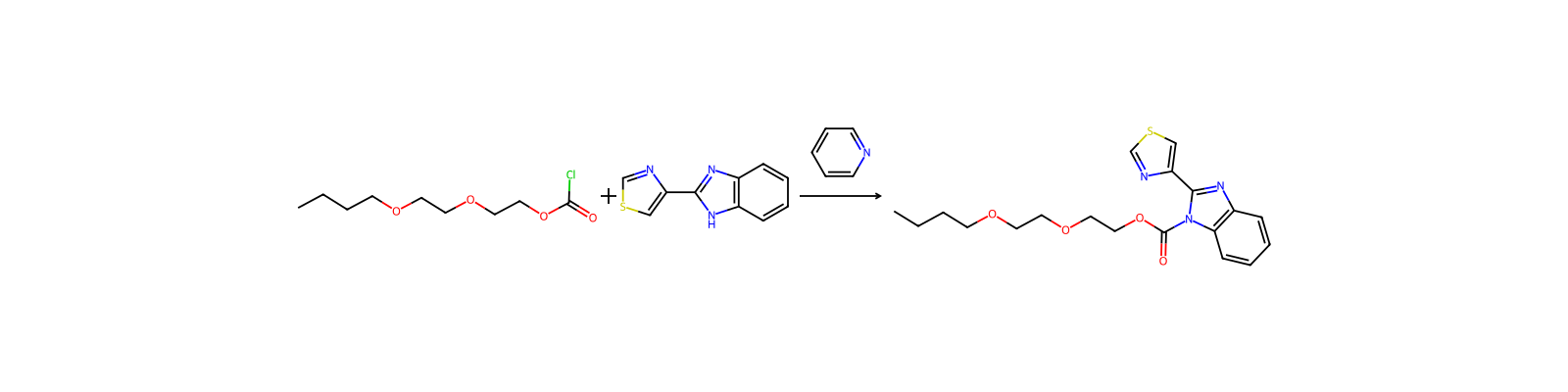
Zugehörige Reaktionen
29



Verknüpfte Notizen
Wird geladen…