

Grundinformationen
- Standard-SMILES
CC[C@H](C)C(=O)O[C@H]1C[C@H](O)C=C2C=C[C@H](C)[C@H](CC[C@@H](O)C[C@@H](O)CC(=O)O)[C@H]21- InChIKey
TUZYXOIXSAXUGO-PZAWKZKUSA-N- Summenformel
- C23H36O7
- Durchschnittliche Molmasse
- 424,5 g/mol
- Monoisotopische Masse
- 424,24610349
Überblick
Pravastatin is a carboxylic ester resulting from the formal condensation of (S)-2-methylbutyric acid with the hydroxy group adjacent to the ring junction of (3R,5R)-7-[(1S,2S,6S,8S,8aR)-6,8-dihydroxy-2-methyl-1,2,6,7,8,8a-hexahydronaphthalen-1-yl]-3,5-dihydroxyheptanoic acid. Derived from microbial transformation of mevastatin, pravastatin is a reversible inhibitor of 3-hydroxy-3-methylglutaryl-coenzyme A (HMG-CoA). The sodium salt is used for lowering cholesterol and preventing cardiovascular disease. It is one of the lower potency statins, but has the advantage of fewer side effects compared with lovastatin and simvastatin. It has a role as a metabolite, a xenobiotic, an anticholesteremic drug and an environmental contaminant. It is a carboxylic ester, a secondary alcohol, a hydroxy monocarboxylic acid, a carbobicyclic compound, a 3-hydroxy carboxylic acid and a statin (semi-synthetic). It is functionally related to a (S)-2-methylbutyric acid and a (3R,5R)-7-[(1S,2S,6S,8S,8aR)-6,8-dihydroxy-2-methyl-1,2,6,7,8,8a-hexahydronaphthalen-1-yl]-3,5-dihydroxyheptanoic acid. It is a conjugate acid of a pravastatin(1-).
Namen und Bezeichner
- Bevorzugter Name
- Pravastatin
- IUPAC
- (3R,5R)-7-[(1S,2S,6S,8S,8aR)-6-hydroxy-2-methyl-8-[(2S)-2-methylbutanoyl]oxy-1,2,6,7,8,8a-hexahydronaphthalen-1-yl]-3,5-dihydroxyheptanoic acid
- Englischer Name
- Pravastatin
- Summenformel
- C23H36O7
- Molmasse
- 424.53
Namen und Synonyme
pravastatin81093-37-0PravastatinaPravastatinePravastatinumEptastatinPravatorPravastatinum [Latin]KXO2KT9N0G(3R,5R)-7-[(1S,2S,6S,8S,8aR)-6-hydroxy-2-methyl-8-[(2S)-2-methylbutanoyl]oxy-1,2,6,7,8,8a-hexahydronaphthalen-1-yl]-3,5-dihydroxyheptanoic acidC10AA03DTXSID6023498
Weitere Namen anzeigen
MEVALOTINPRAVACHOLELISORKOPOSTATPravatatinPRAVASELECTPravastatin-D9PRAVASTATIN(RG)EPTASTATIN SODIUM
CHEBI:63618Pravastatinum (Latin)1-Naphthaleneheptanoic acid, 1,2,6,7,8,8a-hexahydro-beta,delta,6-trihydroxy-2-methyl-8-((2S)-2-methyl-1-oxobutoxy)-, (betaR,deltaR,1S,2S,6S,8S,8aR)-1-Naphthaleneheptanoic acid, 1,2,6,7,8,8a-hexahydro-beta,delta,6-trihydroxy-2-methyl-8-(2-methyl-1-oxobutoxy)-, (1S-(1alpha(betas*,deltas*),2alpha,6alpha,8beta(R*),8aalpha))-(+)-(3R,5R)-3,5-dihydroxy-7-[(1S,2S,6S,8S,8aR)-6-hydroxy-2-methyl-8-{[(S)-2-methylbutyryl]oxy}-1,2,6,7,8,8a-hexahydro-1-naphthyl]heptanoic acidApo PravastatinLin PravastatinNu Pravastatin
Datenbank-Bezeichner
- CAS
81093-37-0- PubChem CID
- 54687
- DTXSID
DTXSID6023498- ChEMBL
CHEMBL1144- ChEBI
CHEBI:63618- UNII
- KXO2KT9N0G
- EC Number
- 689-360-3
- Nikkaji
- J139.432K
Eigenschaften
Berechnete Struktureigenschaften
- XLogP
- 1,6
- Polarare Oberfläche (TPSA)
- 124 Ų
- H-Brücken-Donoren
- 4
- H-Brücken-Akzeptoren
- 7
- Frei drehbare Bindungen
- 11
- Schwere Atome
- 30
- Formalladung
- 0
- Komplexität
- 656
Experimentelle und physikochemische Eigenschaften
Drugs
Pharmaceuticals -> Statins
Pharmaceuticals -> Antilipidemics
Pharmaceuticals -> Used in Switzerland
Pharmaceuticals -> Listed in ZINC15
LipidsFatty Acyls [FA] -> Fatty alcohols [FA05]
LogP
log Kow = 2.18
2.2
Solubility2.42e-01 g/L
Human Drugs
Breast Feeding; Lactation; Milk, Human; Anticholesteremic Agents; Hypolipidemic Agents; Hydroxymethylglutaryl-CoA Reductase Inhibitors
Lipid-lowering agents
Boiling Point>600 ºC at 760 mmHg
Melting Point326 °C
Physical DescriptionSolid
Stability/Shelf LifeStable under recommended storage conditions. /Pravastatin sodium salt hydrate/
Dissociation Constants4.2
Collision Cross Section
201.5 Ų [M-H]- [CCS Type: DT; Buffer gas: N2; Ionization: ESI-; Dataset: TOXCAST; Source Identifier: DTXSID6047525]
204.52 Ų [M+Na]+ [CCS Type: TW; Method: calibrated with polyalanine and drug standards]
206.51 Ų [M-H]-
Other Experimental Properties
MW: 446.52. Odorless, white to off-white, fine or crystalline powder. Hygroscopic. UV max (ethanol): 230, 237, 245 nm. Freely soluble in water, methanol; soluble in alcohol; slightly soluble in isopropanol; very slightly soluble in acetonitrile. Practically insoluble in acetone, ethyl acetate, chlroform, ether. /Pravastatin sodium/
Colorless plate crystals. MP: 138-142 °C. Specific optical rotation: +194.0 deg at 22 °C/D ( c = 1 in methanol). UV max ethanol: 230, 237, 245 /Pravastatin lactone/
Physikochemische Eigenschaften
- Schmelzpunkt
- 171.2 · 171.2-173 °C
- Siedepunkt
- 634.5 · 634.5±55.0 °C(Predicted)
- Dichte
- 1.21 · 1.21±0.1 g/cm3(Predicted)
- storage temp.
- Sealed in dry,Room Temperature
- Löslichkeit
- 2 O: · H2O: 19 mg/mL
- pka
- 4.31 · 4.31±0.10(Predicted)
- Aggregatzustand
- powder
- Farbe
- white
- InChIKey
- VWBQYTRBTXKKOG-SYYCFNTLNA-M
- SMILES
- C12=C[C@@H](O)C[C@H](OC([C@@H](C)CC)=O)[C@]1([H])[C@H]([C@@H](C)C=C2)CC[C@@H](O)C[C@@H](O)CC(=O)[O-].[Na+] |&1:2,5,8,13,15,16,22,25,r|
- CAS Datenbank
- 81093 · 81093-37-0(CAS DataBase Reference)
- EPA chemische Informationen
- 1 · 1-Naphthaleneheptanoic acid, 1,2,6,7,8,8a-hexahydro-.beta.,.delta.,6-trihydroxy-2-methyl-8-[(2S)-2-methyl-1-oxobutoxy]-, (.beta.R,.delta,R,1S,2S,6S,8S,8aR)- (81093-37-0)
Sicherheit und Regulatorisches
GHS-Klassifizierung
GHS Classification
Danger
H228 (100%): Flammable solid [Danger Flammable solids]
P210, P240, P241, P260, P264, P273, P280, P301+P330+P331, P302+P361+P354, P304+P340, P305+P354+P338, P316, P321, P363, P370+P378, P391, P405, and P501 (click each P-code to see the statement)
Aggregated GHS information provided per 9 reports by companies from 1 notifications to the ECHA C&L Inventory. Each notification may be associated with multiple companies.
Gefahrenhinweise
FDA Requirements
The Approved Drug Products with Therapeutic Equivalence Evaluations identifies currently marketed prescription drug products, including pravastatin sodium, approved on the basis of safety and effectiveness by FDA under sections 505 of the Federal Food, Drug, and Cosmetic Act. /Pravastatin sodium/
Toxic Combustion ProductsSpecial hazards arising from the substance or mixture: Carbon oxides, sodium oxides. /Pravastatin sodium salt hydrate/
Hazard Classes and CategoriesFlam. Sol. 2 (100%)
Hazardous Reactivities and IncompatibilitiesIncompatible materials: Strong oxidizing agents. /Pravastatin sodium salt hydrate/
Sicherheit und Schutzausrüstung
Fire Fighting Procedures
Suitable extinguishing media: Use water spray, alcohol-resistant foam, dry chemical or carbon dioxide. /Pravastatin sodium salt hydrate/
Advice for firefighters: Wear self contained breathing apparatus for fire fighting if necessary. /Pravastatin sodium salt hydrate/
Storage Conditions
Keep container tightly closed in a dry and well-ventilated place. Recommended storage temperature: 2-8 °C. /Pravastatin sodium salt hydrate/
Store at 25 °C (77 °F); excursions permitted to 15 °C to 30 °C (59 °F to 86 °F). Keep tightly closed (protect from moisture). Protect from light.
Cleanup Methods
ACCIDENTAL RELEASE MEASURES: Personal precautions, protective equipment and emergency procedures: Avoid dust formation. Avoid breathing vapors, mist or gas. Environmental precautions: Do not let product enter drains. Methods and materials for containment and cleaning up: Sweep up and shovel. Keep in suitable, closed containers for disposal. /Pravastatin sodium salt hydrate/
Disposal Methods
SRP: Expired or waste pharmaceuticals shall carefully take into consideration applicable DEA, EPA, and FDA regulations. It is not appropriate to dispose by flushing the pharmaceutical down the toilet or discarding to trash. If possible return the pharmaceutical to the manufacturer for proper disposal being careful to properly label and securely package the material. Alternatively, the waste pharmaceutical shall be labeled, securely packaged and transported by a state licensed medical waste contractor to dispose by burial in a licensed hazardous or toxic waste landfill or incinerator.
Product: Offer surplus and non-recyclable solutions to a licensed disposal company; Contaminated packaging: Dispose of as unused product. /Pravastatin sodium salt hydrate/
Preventive Measures
ACCIDENTAL RELEASE MEASURES: Personal precautions, protective equipment and emergency procedures: Avoid dust formation. Avoid breathing vapors, mist or gas. Environmental precautions: Do not let product enter drains. /Pravastatin sodium salt hydrate/
Precautions for safe handling: Provide appropriate exhaust ventilation at places where dust is formed. /Pravastatin sodium salt hydrate/
Appropriate engineering controls: General industrial hygiene practice. /Pravastatin sodium salt hydrate/
Gloves must be inspected prior to use. Use proper glove removal technique (without touching glove's outer surface) to avoid skin contact with this product. Dispose of contaminated gloves after use in accordance with applicable laws and good laboratory practices. Wash and dry hands. /Pravastatin sodium salt hydrate/
SRP: Local exhaust ventilation should be applied wherever there is an incidence of point source emissions or dispersion of regulated contaminants in the work area. Ventilation control of the contaminant as close to its point of generation is both the most economical and safest method to minimize personnel exposure to airborne contaminants. Ensure that the local ventilation moves the contaminant away from the worker.
Personal Protective Equipment (PPE)
Eye/face protection: Use equipment for eye protection tested and approved under appropriate government standards such as NIOSH (US) or EN 166(EU). /Pravastatin sodium salt hydrate/
Skin protection: Handle with gloves. /Pravastatin sodium salt hydrate/
Body Protection: Choose body protection in relation to its type, to the concentration and amount of dangerous substances, and to the specific work-place. /Pravastatin sodium salt hydrate/
Respiratory protection: Respiratory protection is not required. Where protection from nuisance levels of dusts are desired, use type N95 (US) or type P1 (EN 143) dust masks. Use respirators and components tested and approved under appropriate government standards such as NIOSH (US) or CEN (EU). /Pravastatin sodium salt hydrate/
Toxikologische Informationen
Interactions
The HMG-CoA reductase inhibitors are a class of drugs also known as statins. These drugs are effective and widely prescribed for the treatment of hypercholesterolemia and prevention of cardiovascular morbidity and mortality. Seven statins are currently available: atorvastatin, fluvastatin, lovastatin, pitavastatin, pravastatin, rosuvastatin and simvastatin. Although these drugs are generally well tolerated, skeletal muscle abnormalities from myalgia to severe lethal rhabdomyolysis can occur. Factors that increase statin concentrations such as drug-drug interactions can increase the risk of these adverse events. Drug-drug interactions are dependent on statins' pharmacokinetic profile: simvastatin, lovastatin and atorvastatin are metabolized through cytochrome P450 (CYP) 3A, while the metabolism of the other statins is independent of this CYP. All statins are substrate of organic anion transporter polypeptide 1B1, an uptake transporter expressed in hepatocyte membrane that may also explain some drug-drug interactions. Many HIV-infected patients have dyslipidemia and comorbidities that may require statin treatment. HIV-protease inhibitors (HIV PIs) are part of recommended antiretroviral treatment in combination with two reverse transcriptase inhibitors. All HIV PIs except nelfinavir are coadministered with a low dose of ritonavir, a potent CYP3A inhibitor to improve their pharmacokinetic properties. Cobicistat is a new potent CYP3A inhibitor that is combined with elvitegravir and will be combined with HIV-PIs in the future. The HCV-PIs boceprevir and telaprevir are both, to different extents, inhibitors of CYP3A. This review summarizes the pharmacokinetic properties of statins and PIs with emphasis on their metabolic pathways explaining clinically important drug-drug interactions. Simvastatin and lovastatin metabolized through CYP3A have the highest potency for drug-drug interaction with potent CYP3A inhibitors such as ritonavir- or cobicistat-boosted HIV-PI or the hepatitis C virus (HCV) PI, telaprevir or boceprevir, and therefore their coadministration is contraindicated. Atorvastatin is also a CYP3A substrate, but less potent drug-drug interactions have been reported with CYP3A inhibitors. Non-CYP3A-dependent statin concentrations are also affected although to a lesser extent when coadministered with HIV or HCV PIs, mainly through interaction with OATP1B1, and treatment should start with the lowest available statin dose. Effectiveness and occurrence of adverse effects should be monitored at regular time intervals.
The risk of skeletal muscle effects may be enhanced when pravastatin is used in combination with niacin; a reduction in Pravachol dosage should be considered in this setting.
Because it is known that the risk of myopathy during treatment with hydroxymethylglutaryl-coenzyme A (HMG-CoA) reductase inhibitors is increased with concurrent administration of other fibrates, Pravachol should be administered with caution when used concomitantly with other fibrates
Due to an increased risk of myopathy/rhabdomyolysis when hydroxymethylglutaryl-coenzyme A (HMG-CoA) reductase inhibitors are coadministered with gemfibrozil, concomitant administration of Pravachol with gemfibrozil should be avoided
For more Interactions (Complete) data for Pravastatin (16 total), please visit the HSDB record page.
Hepatotoxicity
Pravastatin therapy is associated with mild, asymptomatic and usually transient serum aminotransferase elevations. In summary analyses of large scale studies with prospective monitoring, ALT elevations above normal occurred in 3% to 7% of patients; but levels above 3 times the upper limit of normal (ULN) occurred in less than 1.2% of both pravastatin- as well as in placebo-treated subjects. Most of these elevations were self-limited and did not require dose modification. Pravastatin has been only rarely associated with clinically apparent hepatic injury with symptoms or jaundice at a rate estimated to be 1 per 100,000 users or less. In the case reports, latency varied from 2 to 9 months and the pattern of serum enzyme elevations from cholestatic to hepatocellular. Recovery was complete within a few months. Rash, fever and eosinophilia were uncommon as were autoantibodies, but few cases have been reported and the full clinical syndrome not well defined. Pravastatin appears to be less likely to cause clinically apparent liver injury than atorvastatin, simvastatin and rosuvastatin.
Environmental Fate
TERRESTRIAL FATE: Based on a classification scheme(1), an estimated Koc value of 250(SRC), determined from a structure estimation method(2), indicates that pravastatin is expected to have moderate mobility in soil(SRC). The estimates pKa of pravastatin is 4.2(3), indicating that this compound will exist partially in the anion form in the environment and anions generally do not adsorb more strongly to soils containing organic carbon and clay than their neutral counterparts(4). Volatilization of pravastatin from moist soil surfaces is not expected to be an important fate process(SRC) given an estimated Henry's Law constant of 2.0X10⁻¹⁵ atm-cu m/mole(SRC), using a fragment constant estimation method(5). Pravastatin is not expected to volatilize from dry soil surfaces(SRC) based upon an estimated vapor pressure of 6.0X10⁻¹⁶ mm Hg at 25 °C(SRC), determined from a fragment constant method(2). Biodegradation data in soil were not available(SRC, 2017).
AQUATIC FATE: Based on a classification scheme(1), an estimated Koc value of 250(SRC), determined from a structure estimation method(2), indicates that pravastatin is not expected to adsorb to suspended solids and sediment(SRC). Volatilization from water surfaces is not expected(3) based upon an estimated Henry's Law constant of 2.0X10⁻¹⁵ atm-cu m/mole((SRC), developed using a fragment constant estimation method(4). According to a classification scheme(5), an estimated BCF of 3(SRC), from its log Kow of 2.18(6) and a regression-derived equation(2), suggests the potential for bioconcentration in aquatic organisms is low(SRC). Biodegradation data in water were not available(SRC, 2017).
ATMOSPHERIC FATE: According to a model of gas/particle partitioning of semivolatile organic compounds in the atmosphere(1), pravastatin, which has an estimated vapor pressure of 6.0X10⁻¹⁶ mm Hg at 25 °C(SRC), determined from a fragment constant method(2), is expected to exist solely in the particulate phase in the ambient atmosphere. Particulate-phase pravastatin may be removed from the air by wet and dry deposition(SRC). Pravastatin contains chromophores that absorb at wavelengths >290 nm(3) and, therefore, may be susceptible to direct photolysis by sunlight(SRC).
Adverse Effects
Some common adverse effects associated with pravastatin therapy include nausea and vomiting, dizziness, arthralgia, myalgia, headache, constipation, diarrhea, abdominal pain, flushing, dyspepsia, insomnia, increased creatine phosphokinase, and urinary tract infection. In addition, fatigue, pruritus, rash, cough, heartburn, and flu-like symptoms may also present in patients taking pravastatin. Some potentially serious adverse effects that require adjustment of dose or frequency of administration may include chest pain, edema, hepatitis, jaundice, renal impairment, blurred vision, and confusion.
Toxicity Summary
IDENTIFICATION AND USE: Pravastatin, a hydroxymethylglutaryl-CoA (HMG-CoA) reductase inhibitor (i.e., statin), is an antilipemic agent. Pravastatin occurs as an odorless, white to off-white, fine or crystalline powder formulated into a tablet. It is used as an adjunct to lifestyle modifications for prevention of cardiovascular events and for the management of dyslipidemias. HUMAN EXPOSURE AND TOXICITY: Pravastatin is contraindicated for use in pregnant woman because of the potential for fetal harm. There have also been rare reports of fatal and non-fatal hepatic failure in patients taking statins, including pravastatin. Also, rare cases of rhabdomyolysis with acute renal failure secondary to myoglobinuria have been reported with pravastatin and other drugs in this class. A history of renal impairment may be a risk factor for the development of rhabdomyolysis. ANIMAL STUDIES: Acute studies were performed in both mice and rats. Signs of toxicity in mice were decreased activity, irregular respiration, ptosis, lacrimation, soft stool, diarrhea, urine-stained abdomen, ataxia, creeping behavior, loss of righting reflex, hypothermia, urinary incontinence, pilo-erection convulsion and/or prostration. Signs of toxicity in rats were soft stool, diarrhea, decreased activity, irregular respiration, waddling gait, and ataxia, loss of righting reflex and/or weight loss. In a 2-year study in rats fed pravastatin at doses of 10, 30, or 100 mg/kg bw, there was an increased incidence of hepatocellular carcinomas in males at the highest dose. Likewise, in a 2-year study in mice fed pravastatin at doses of 250 and 500 mg/kg/day, there was an increased incidence of hepatocellular carcinomas in males and females; lung adenomas in females were increased. In dogs, pravastatin sodium was toxic at high doses and caused cerebral hemorrhage with clinical evidence of acute CNS toxicity such as ataxia, convulsions. The threshold dose for CNS toxicity is 25 mg/kg. Cerebral hemorrhages have not been observed in any other laboratory species and the CNS toxicity in dogs may represent a species-specific effect. In pregnant rats given oral gavage doses of 4, 20, 100, 500, and 1000 mg/kg/day from gestation days 7 through 17 (organogenesis) increased mortality of offspring and increased cervical rib skeletal anomalies were observed at >/= 100 mg/kg/day. In pregnant rats given oral gavage doses of 10, 100, and 1000 mg/kg/day from gestation day 17 through lactation day 21 (weaning), increased mortality of offspring and developmental delays were observed at >/= 100 mg/kg/day. In a fertility study in adult rats with daily doses up to 500 mg/kg, pravastatin did not produce any adverse effects on fertility or general reproductive performance. No evidence of mutagenicity was observed in vitro, with or without metabolic activation, in the following studies: microbial mutagen tests, using mutant strains of Salmonella typhimurium or Escherichia coli; a forward mutation assay in L5178Y TK +/- mouse lymphoma cells; a chromosomal aberration test in hamster cells; and a gene conversion assay using Saccharomyces cerevisiae. In addition, there was no evidence of mutagenicity in either a dominant lethal test in mice or a micronucleus test in mice.
Rhabdomyolysis and other muscle symptoms can be indicative of toxicity. Several studies and case reports have also suggested an association between statin therapy and neuromuscular disorders such as dermatomyositis, polymyositis, and necrotizing myopathies. If rhabdomyolysis is ruled out and other muscle symptom pathologies are suspected, the statin-associated muscle symptoms clinical index (SAMS-CI) must be administered to determine if muscle symptoms are due to statin therapy. Stopping statin use, administration of replacement vitamin D (associated with myopathy), and switching statins are all viable options depending on the etiology of myopathy.
Effluent Concentrations
Pravastatin was not reported (limit of quantitation = 0.27 ug/L) in influent to a wastewater treatment plant of Lausanne, Switzerland. It was however detected in 2 samples of effluent into Vidy Bay, Lake Geneva, Switzerland at concentrations of approximately 0.26 ug/L. Sampling was conducted between Feb 20 and March 11, 2009(1).
Soil Adsorption/Mobility
Using a structure estimation method based on molecular connectivity indices(1), the Koc of pravastatin can be estimated to be 250(SRC). According to a classification scheme(2), this estimated Koc value suggests that pravastatin is expected to have moderate mobility in soil. The pKa of pravastatin is 4.2(3), indicating that this compound will exist partially in the anion form in the environment and anions generally do not adsorb more strongly to soils containing organic carbon and clay than their neutral counterparts(4).
Human Toxicity Excerpts
/SIGNS AND SYMPTOMS/ Rare cases of rhabdomyolysis with acute renal failure secondary to myoglobinuria have been reported with pravastatin and other drugs in this class. A history of renal impairment may be a risk factor for the development of rhabdomyolysis. Such patients merit closer monitoring for skeletal muscle effects.
/SIGNS AND SYMPTOMS/ There have been rare postmarketing reports of fatal and non-fatal hepatic failure in patients taking statins, including pravastatin. If serious liver injury with clinical symptoms and/or hyperbilirubinemia or jaundice occurs during treatment with Pravachol, promptly interrupt therapy. If an alternate etiology is not found do not restart Pravachol.
/SIGNS AND SYMPTOMS/ The risk of myopathy during treatment with statins is increased with concurrent therapy with either erythromycin, cyclosporine, niacin, or fibrates. However, neither myopathy nor significant increases in CPK levels have been observed in 3 reports involving a total of 100 post-transplant patients (24 renal and 76 cardiac) treated for up to 2 years concurrently with pravastatin 10 to 40 mg and cyclosporine. Some of these patients also received other concomitant immunosuppressive therapies. Further, in clinical trials involving small numbers of patients who were treated concurrently with pravastatin and niacin, there were no reports of myopathy. Also, myopathy was not reported in a trial of combination pravastatin (40 mg/day) and gemfibrozil (1200 mg/day), although 4 of 75 patients on the combination showed marked CPK elevations versus 1 of 73 patients receiving placebo. There was a trend toward more frequent CPK elevations and patient withdrawals due to musculoskeletal symptoms in the group receiving combined treatment as compared with the groups receiving placebo, gemfibrozil, or pravastatin monotherapy. The use of fibrates alone may occasionally be associated with myopathy. The benefit of further alterations in lipid levels by the combined use of Pravachol with fibrates should be carefully weighed against the potential risks of this combination.
/SIGNS AND SYMPTOMS/ Hypersensitivity reactions have occurred rarely with statin therapy during clinical trials or postmarketing surveillance. Such reactions may include anaphylaxis, angioedema, head/neck edema, contact dermatitis, lupus erythematosus-like syndrome, polymyalgia rheumatica, dermatomyositis, vasculitis, purpura, thrombocytopenia, leukopenia, hemolytic anemia, positive antinuclear antibody (ANA) titer, increased erythrocyte sedimentation rate, eosinophilia, arthritis, arthralgia, urticaria, asthenia, photosensitivity, fever, chills, flushing, malaise, dyspnea, toxic epidermal necrolysis, erythema multiforme, and Stevens-Johnson syndrome. /Statins/
For more Human Toxicity Excerpts (Complete) data for Pravastatin (17 total), please visit the HSDB record page.
Artificial Pollution SourcesPravastatin's production and administration as a medication(1) may result in its release to the environment through various waste streams(SRC).
Drug Induced Liver Injury
Benchmark Dataset for the Liver Toxicity Knowledge Base (LTKB)
pravastatin
Pravachol®
Antihyperlipidemics
3
less-DILI-concern drugs
Environmental Bioconcentration
An estimated BCF of 3 was calculated in fish for pravastatin(SRC), using a log Kow of 2.18(1) and a regression-derived equation(2). According to a classification scheme(3), this BCF suggests the potential for bioconcentration in aquatic organisms is low(SRC).
Volatilization from Water/Soil
The Henry's Law constant for pravastatin is estimated as 2.01X10⁻¹⁵ atm-cu m/mole(SRC) using a fragment constant estimation method(1). This Henry's Law constant indicates that pravastatin is expected to be essentially nonvolatile from water surfaces(2). Pravastatin is not expected to volatilize from dry soil surfaces(SRC) based upon an estimated vapor pressure of 6.0X10⁻¹⁶ mm Hg(SRC), determined from a fragment constant method(3).
Regulatorische Informationen
FDA Requirements
The Approved Drug Products with Therapeutic Equivalence Evaluations identifies currently marketed prescription drug products, including pravastatin sodium, approved on the basis of safety and effectiveness by FDA under sections 505 of the Federal Food, Drug, and Cosmetic Act. /Pravastatin sodium/
Sicherheitsdaten
- wgk
- 2
- RTECS-Nr.
- QJ7185000
- risk_code
- 11-34
- hazard_code
- F,C
- safety_code
- 16-26-36/37/39-45
- Giftige Stoffe Daten
- 81093-37-0(Hazardous Substances Data)
Chemie und Industrie
Pharmakologische Informationen
ATC Code
C10AA03
C - Cardiovascular system
QC - Cardiovascular system
Protein Binding
Due its polarity, pravastatin binding to plasma proteins is very limited and the bound form represents only about 43-48% of the administered dose. However, the activity of p-glycoprotein in luminal apical cells and OATP1B1 produce significant changes to pravastatin distribution and elimination.
Pharmacodynamics
The action of pravastatin on the 3-hydroxy-3-methyl-glutaryl-coenzyme A (HMG-CoA) reductase produces an increase in the expression of hepatic LDL receptors which in order decreases the plasma levels of LDL cholesterol. The effect of pravastatin has been shown to significantly reduce the circulating total cholesterol, LDL cholesterol, and apolipoprotein B. As well, it modestly reduces very low-density-lipoproteins (VLDL) cholesterol and triglycerides while increasing the level of high-density lipoprotein (HDL) cholesterol and apolipoprotein A. In clinical trials with patients with a history of myocardial infarction or angina with high total cholesterol, pravastatin decreased the level of total cholesterol by 18%, decreased of LDL by 27%, decreased of triglycerides by 6% and increased of high-density lipoprotein (HDL) by 4%. As well, there was reported a decrease in risk of death due to coronary disease of 24%. When coadministered with [cholestyramine], pravastatin can reduce by 50% the levels of LDL and slow the progression of atherosclerosis and the risk of myocardial infarction and death.
Mechanism of Action
Pravastatin is a specific inhibitor of the hepatic HMG-CoA reductase in humans. The inhibition of this enzyme produces a reduction in cholesterol biosynthesis as HMG-CoA reductase activity is an early-limiting step in cholesterol biosynthesis. The inhibitory mechanism of action produces a reduction in cholesterol synthesis which in order has been observed to increase the number of LDL receptors on cell surfaces and an enhancement in receptor-mediated metabolism of LDL and clearance. On the other hand, pravastatin-driven inhibition of LDL production inhibits hepatic synthesis of VLDL as the LDL is the precursor for these molecules.
Statins are largely used in clinics in the treatment of patients with cardiovascular diseases for their effect on lowering circulating cholesterol. Lectin-like oxidized low-density lipoprotein (LOX-1), the primary receptor for ox-LDL, plays a central role in the pathogenesis of atherosclerosis and cardiovascular disorders. We have recently shown that chronic exposure of cells to lovastatin disrupts LOX-1 receptor cluster distribution in plasma membranes, leading to a marked loss of LOX-1 function. Here we investigated the molecular mechanism of statin-mediated LOX-1 inhibition and we demonstrate that all tested statins /including pravastatin/ are able to displace the binding of fluorescent ox-LDL to LOX-1 by a direct interaction with LOX-1 receptors in a cell-based binding assay. Molecular docking simulations confirm the interaction and indicate that statins completely fill the hydrophobic tunnel that crosses the C-type lectin-like (CTLD) recognition domain of LOX-1. Classical molecular dynamics simulation technique applied to the LOX-1 CTLD, considered in the entire receptor structure with or without a statin ligand inside the tunnel, indicates that the presence of a ligand largely increases the dimer stability. Electrophoretic separation and western blot confirm that different statins binding stabilize the dimer assembly of LOX-1 receptors in vivo. The simulative and experimental results allow us to propose a CTLD clamp motion, which enables the receptor-substrate coupling. These findings reveal a novel and significant functional effect of statins.
Pravastatin is a reversible inhibitor of 3-hydroxy-3-methylglutaryl-coenzyme A (HMG-CoA) reductase, the enzyme that catalyzes the conversion of HMG-CoA to mevalonate, an early and rate limiting step in the biosynthetic pathway for cholesterol. In addition, pravastatin reduces very-low-density lipoprotein (VLDL) and triglyceride (TG) and increases high-density lipoprotein cholesterol (HDL-C).
The HMG-CoA reductase inhibitors (statins) have been shown to exert several vascular protective effects that are not related to changes in cholesterol profile, and these effects of statins are partly caused by the activation of angiogenesis. Endothelial cell (EC) proliferation and migration are crucial events for angiogenesis and statins are known to enhance these events. However, the molecular mechanism by which statins promote EC proliferation and migration is not fully understood. In this study, we show Akt and its downstream target mammalian target of rapamycin (mTOR) play an important role in pravastatin-induced EC proliferation and migration. We found that pravastatin significantly enhanced the proliferation and migration of rat aortic endothelial cells (rAECs). The addition of pravastatin to rAECs resulted in rapid phosphorylation of Akt and p70 S6 kinase (p70S6K). LY294002, a specific inhibitor of phosphatidylinositol 3-kinase (PI3K), blocked both Akt and p70S6K phosphorylation, whereas rapamycin, a specific inhibitor of mTOR, suppressed only p70S6K phosphorylation induced by pravastatin. Furthermore, both LY294002 and rapamycin inhibited pravastatin-induced rAEC proliferation and migration. Taken together, our findings indicate that pravastatin activates PI3K/Akt/mTOR /p70S6K signaling in this sequential manner and this pathway contributes to pravastatin-induced rAEC proliferation and migration.
Statins (HMG CoA reductase inhibitors) have beneficial effects independent of reducing cholesterol synthesis and this includes their ability to acutely activate endothelial nitric oxide synthase (eNOS). ... We characterized the pathways by which statins activate NOS, including involvement of scavenger receptor-B1 (SR-B1), which is expressed in endothelial cells and maintains cholesterol concentrations. Nitric oxide production was monitored in bovine aortic endothelial cells (BAECs) exposed to lovastatin (LOV) or pravastatin (PRA) for 10-20 min, alone or following pre-exposure to the end product of HMG-CoA reductase (mevalonate), G protein inhibitors (pertussis/cholera toxins), phospholipase C (PLC) inhibitor (U-73122), or intracellular and extracellular calcium chelators - BAPTA-AM and EGTA (respectively), or a function blocking antibody to SR-B1. Both statins increased NO production in a rapid, dose-dependent and HMG-CoA reductase-independent manner. Inhibiting Gi protein or PLC almost completely blocked statin-induced NO generation. Additionally, removing extracellular calcium inhibited statin-induced NO production. COS-7 cells co-transfected with eNOS and SR-B1 increased NO production when exposed to LOV or high-density lipoprotein (HDL), an agonist of SR-B1. These effects were not observed in COS-7 cells with eNOS alone or co-transfected with bradykinin receptor 2, indicating specificity for SR-B1. Further, pretreatment of BAEC with blocking antibody for SR-B1 blocked NO responses to statins and HDL. LOV and PRA acutely activate eNOS through pathways that include the cell surface receptor SR-B1, Gi protein, phosholipase C and entry of extracellular calcium into endothelial cells.
It has been shown previously that inhibitors of 3-hydroxy-3-methylglutaryl coenzyme A (HMG-CoA) reductase, such as compactin, lovastatin, and pravastatin, block cholesterol synthesis, suppress lymphocyte functions, and beneficially affect atherogenesis. Recently, it was reported that compactin and lovastatin inhibit the respiratory burst of DMSO-differentiated HL-60 cells, an effect reversed by mevalonic acid. The mode of action of these inhibitors in this role is not understood fully. Thus, we studied the mechanism of inhibition of neutrophil superoxide (O2*-) generation by pravastatin and found that pravastatin at 0.5 mM inhibited the receptor-mediated tyrosine kinase (TK)-dependent pathway of O2*- generation and also luminol chemiluminescence but not the protein kinase C (PKC)-dependent or the TK- and PKC-independent pathways of O2*- generation in neutrophils. Pravastatin also inhibited the tumor necrosis factor-alpha- and formyl-methionyl-leucyl-phenylalanine-induced phosphorylation of a tyrosine of a 115-kDa protein. These effects were not reversed by mevalonate. From these results it is concluded that pravastatin inhibited receptor-mediated O2*-generation by decreasing tyrosine phosphorylation but not by inhibiting the formation of an intermediate in the biosynthesis of cholesterol.
Biological Half-Life
The reported elimination half-life of pravastatin is reported to be of 1.8 hours.
Following single dose oral administration of (14)C-pravastatin, the radioactive elimination half life for pravastatin is 1.8 hours in humans.
In a two-way crossover study, eight healthy male subjects each received an intravenous and an oral dose of (14)C-pravastatin sodium. ... The estimated average plasma elimination half-life of pravastatin was 0.8 and 1.8 hr for the intravenous and oral routes, respectively. ...
Metabolism/Metabolites
After initial administration, pravastatin undergoes extensive first-pass extraction in the liver. However, pravastatin's metabolism is not related to the activity of the cytochrome P-450 isoenzymes and its processing is performed in a minor extent in the liver. Therefore, this drug is highly exposed to peripheral tissues. The metabolism of pravastatin is ruled mainly by the presence of glucuronidation reactions with very minimal intervention of CYP3A enzymes. After metabolism, pravastatin does not produce active metabolites. This metabolism is mainly done in the stomach followed by a minor portion of renal and hepatic processing. The major metabolite formed as part of pravastatin metabolism is the 3-alpha-hydroxy isomer. The activity of this metabolite is very clinically negligible.
The major biotransformation pathways for pravastatin are: (a) isomerization to 6-epi pravastatin and the 3a-hydroxyisomer of pravastatin (SQ 31,906) and (b) enzymatic ring hydroxylation to SQ 31,945. The 3a-hydroxyisomeric metabolite (SQ 31,906) has 1/10 to 1/40 the HMG-CoA reductase inhibitory activity of the parent compound. Pravastatin undergoes extensive first-pass extraction in the liver (extraction ratio 0.66).
FDA Pharmacological Classification
KXO2KT9N0G
PRAVASTATIN
Established Pharmacologic Class [EPC] - HMG-CoA Reductase Inhibitor
Mechanisms of Action [MoA] - Hydroxymethylglutaryl-CoA Reductase Inhibitors
Pravastatin is a HMG-CoA Reductase Inhibitor. The mechanism of action of pravastatin is as a Hydroxymethylglutaryl-CoA Reductase Inhibitor.
MeSH Pharmacological Classification
Substances used to lower plasma CHOLESTEROL levels.
Compounds that inhibit HYDROXYMETHYLGLUTARYL COA REDUCTASES. They have been shown to directly lower CHOLESTEROL synthesis.
Absorption, Distribution and Excretion
Pravastatin is absorbed 60-90 min after oral administration and it presents a low bioavailability of 17%. This low bioavailability can be presented due to the polar nature of pravastatin which produces a high range of first-pass metabolism and incomplete absorption. Pravastatin is rapidly absorbed from the upper part of the small intestine via proton-coupled carrier-mediated transport to be later taken up in the livery by the sodium-independent bile acid transporter. The reported time to reach the peak serum concentration in the range of 30-55 mcg/L is of 1-1.5 hours with an AUC ranging from 60-90 mcg.h/L.
From the administered dose of pravastatin, about 70% is eliminated in the feces while about 20% is obtained in the urine. When pravastatin is administered intravenously, approximately 47% of the administered dose is eliminated via the urine with 53% of the dose eliminated either via biotransformation of biliary.
The reported steady-state volume of distribution of pravastatin is reported to be of 0.5 L/kg. This pharmacokinetic parameter in children was found to range from 31-37 ml/kg.
The reported clearance rate of pravastatin ranges from 6.3-13.5 ml.min/kg in adults while in children it has been reported to be of 4-11 L/min.
/MILK/ In lactating rats, up to 7 times higher levels of pravastatin are present in the breast milk than in the maternal plasma, which corresponds to exposure 2 times the MRHD of 80 mg/day based on body surface area (mg/sq m).
In pregnant rats, pravastatin crosses the placenta and is found in fetal tissue at 30% of the maternal plasma levels following administration of a single dose of 20 mg/day orally on gestation day 18, which corresponds to exposure 2 times the MRHD of 80 mg daily based on body surface area (mg/ssq m).
Tissue LocationsBlood
Cellular LocationsMembrane
Metabolite PathwaysPravastatin Action Pathway
Verwendung und Herstellung
Uses
MEDICATION
Anticholesteremic Agents; Hydroxymethylglutaryl-CoA Reductase Inhibitors
Use (kg) in Switzerland (2009): >1000
Methods of Manufacturing
Pravastatin is the bioactive metabolite of mevastatin, isolated from Penicillium citrinum and is prepared by microbial hydroxylation with Mucor hiemalis or Phaseolus coccineus or Rhizoctonia solani or Nocardia strains.
Preparation by microbial hydroxylation: A. Terahara, M. Tanaka, German patent 3122499; eidem, United States of America patent 4346227 (1981, 1982 both to Sankyo). /Pravastatin sodium/
Formulations/Preparations1
Anwendungen
BeschreibungPravastatin is the third HMG-CoA reductase inhibitor introduced for the treatment of atherosclerosis. Compared with lovastatin and simvastatin launched earlier, pravastatin is equipotent as an HMG-CoA reductase inhibitor in vitro, yet it is reported to be more tissue-selective.
Verwendenantiglaucoma,
Vor- und nachgelagerte Produkte
Vorgelagerte Rohstoffe
Anbieter50 Anbieter
北京华美互利生物化工010-56205725 · [email protected]
上海麦克林生化科技股份有限公司021-50706066 15221275939 · [email protected]
湖北金梭生物科技有限公司00123456789 · [email protected]
武汉众志诚生物技术有限公司13628624121 13628604890 · [email protected]
Dayang Chem (Hangzhou) Co.,Ltd.+86-0571-88938639 17705817739 · [email protected]
LGM Pharma1-(800)-881-8210 · [email protected]
Syntechem Co.,Ltd[email protected]
湖南瑞威尔生物科技有限公司15608648206 13297919155 · [email protected]
江西瑞威尔生物科技有限公司18502762009 · [email protected]
XI'AN TIANGUANGYUAN BIOTECH CO., LTD.—
上海瀚鸿科技股份有限公司021-54306202 13764082696 · [email protected]
西安泽邦生物科技有限公司[email protected]
MedBio脉铂医药021-69568360 18916172912 · [email protected]
上海相辉医药科技有限公司13761987713; 13761987713 · [email protected]
Pure Chemistry Scientific Inc.001-857-928-2050 or 1-888-588-9418 · [email protected]
MedChemexpress LLC021-58955995 · [email protected]
武汉丰泰威远科技有限公司027-87465837 19945049750 · [email protected]
BOC Sciences1-631-485-4226; 16314854226 · [email protected]
广州爱纯医药科技有限公司020-39119399 18927568969 · [email protected]
南京生利德生物科技有限公司025-57798810 18652991625 · [email protected]
上海陶素生化科技有限公司021-33632979 · [email protected]
PT CHEM GROUP LIMITED+86-85511178; +86-85511178 · [email protected]
北京奥秘佳得医药科技有限公司+86-13522808617 · [email protected]
雷丁试剂0510-85629785 18013409632 · [email protected]
天津普西唐生物医药科技有限公司010-60605840 · [email protected]
Sigma-Aldrich西格玛奥德里奇(上海)贸易有限公司021-61415566 800-8193336 · [email protected]
上海陶术生物科技股份有限公司+1-781-999-5354; +1-00000000000 · [email protected]
武汉鑫儒化工有限公司15927387915 15337108568
HANGZHOU LEAP CHEM CO., LTD.+86-571-87711850 +86-15355479329 · [email protected]
厦门志信化学有限公司+86-5922680277 +86-13806087780 · [email protected]
武汉匠信生物科技有限公司19272768272 18007157445 · [email protected]
陕西缔都医药化工有限公司+86-29-81139210 +86-17392587031 · [email protected]
上海前衍生物科技有限公司02781293128 · [email protected]
上海源叶生物科技有限公司13636370518 · [email protected]
湖北齐飞医药化工有限公司027-59322506 18071128681 · [email protected]
南京罗迈美生物科技有限公司[email protected]
Clearsynth Canada Inc.+1.415.685.4395 · [email protected]
湖北威德利化学科技有限公司027-83991130 18627774460 · [email protected]
安徽酷尔生物工程有限公司0551-65171243 13856024262 · [email protected]
武汉魔力生物科技有限公司18872289958、027-52304252、3400508168 · [email protected]
广州卡芬生物科技有限公司18029243487 2355327168 · [email protected]
武汉曙欧科技有限公司17792809151;18872220797 · [email protected]
武汉中瑞希康化学制品有限公司15623071665 · [email protected]
Shaanxi Dideu New Materials Co. Ltd18192503167 · [email protected]
武汉研哲科技有限公司15527250409 · [email protected]
Shanghai Acmec Biochemical Technology Co., Ltd.+86-18621343501 · [email protected]
Musechem+1-800-259-7612 · [email protected]
Capot Chemical Co.,Ltd.+86-(0)57185586718 +86-13336195806 · [email protected]
江苏艾康生物医药研发有限公司025-58859352 15955137747 · [email protected]
佛山道麒生物科技有限公司18062666947 · [email protected]
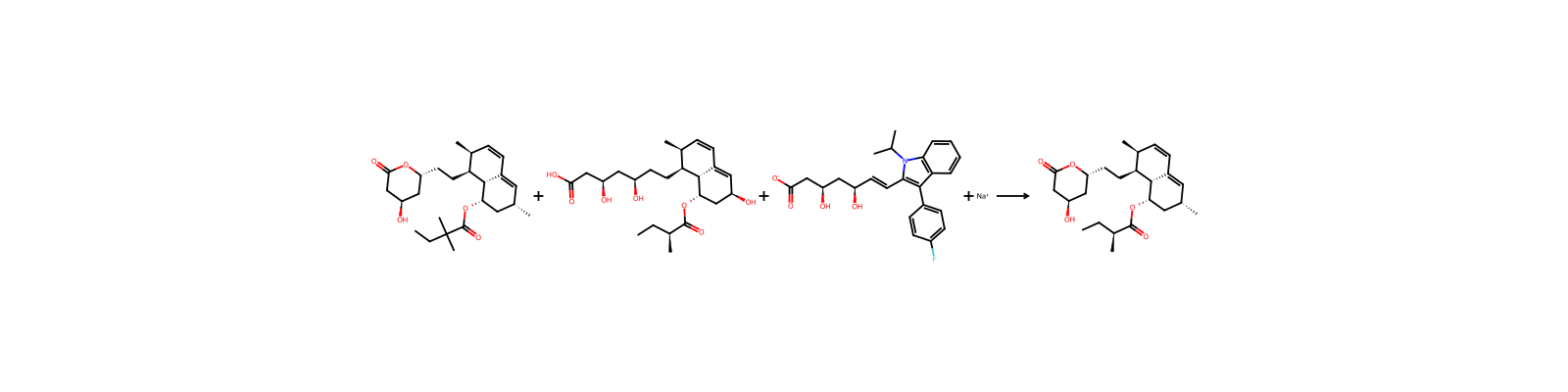
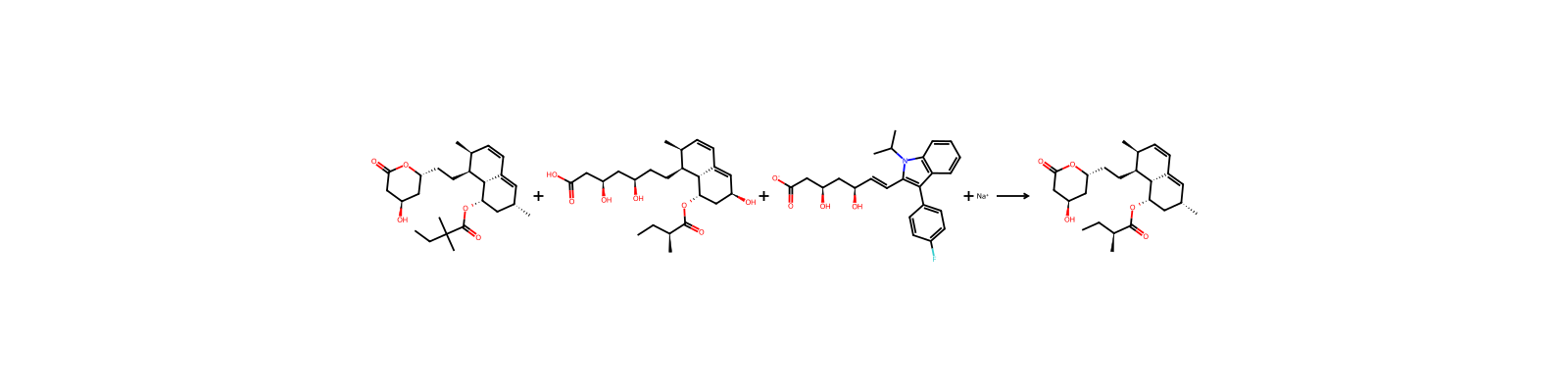
Zugehörige Reaktionen
18



Verknüpfte Notizen
Wird geladen…