

Grundinformationen
- Standard-SMILES
C[C@@H]1C[C@H]2[C@@H]3CCC4=CC(=O)C=C[C@]4(C)[C@@]3(F)[C@@H](O)C[C@]2(C)[C@@]1(O)C(=O)CO- InChIKey
UREBDLICKHMUKA-CXSFZGCWSA-N- Summenformel
- C22H29FO5
- Durchschnittliche Molmasse
- 392,5 g/mol
- Monoisotopische Masse
- 392,19990225
Überblick
Dexamethazone is an odorless white to off-white crystalline powder with a slightly bitter taste. (NTP, 1992)
Namen und Bezeichner
- Bevorzugter Name
- Dexamethasone
- IUPAC
- (8S,9R,10S,11S,13S,14S,16R,17R)-9-fluoro-11,17-dihydroxy-17-(2-hydroxyacetyl)-10,13,16-trimethyl-6,7,8,11,12,14,15,16-octahydrocyclopenta[a]phenanthren-3-one
Namen und Synonyme
dexamethasone50-02-2DecadronAeroseb-DexCortisummanCalonatDecadermDexacortalDexacortinPrednisolone FFluormethylprednisoloneDeltafluorene
Weitere Namen anzeigen
HexadecadrolSuperprednolVisumetazoneAphtasolonDecasoneDecasprayDekacortDesadrene
Datenbank-Bezeichner
- CAS
23495-06-9、50-02-2- PubChem CID
- 5743
- DTXSID
DTXSID3020384- ChEMBL
CHEMBL384467- ChEBI
CHEBI:41879- UNII
- 7S5I7G3JQL
- EC Number
- 200-003-9
- Nikkaji
- J1.356K
Eigenschaften
Berechnete Struktureigenschaften
- XLogP
- 1,9
- Polarare Oberfläche (TPSA)
- 94,8 Ų
- H-Brücken-Donoren
- 3
- H-Brücken-Akzeptoren
- 6
- Frei drehbare Bindungen
- 2
- Schwere Atome
- 28
- Formalladung
- 0
- Komplexität
- 805
Experimentelle und physikochemische Eigenschaften
Drugs
Pharmaceuticals -> Cortico-adrenal hormones
Pharmaceuticals -> Dermatologicals -> Corticosteroids, dermatological preparations
Pharmaceuticals -> Listed in ZINC15
LipidsLipids -> Sterol Lipids [ST] -> Steroids [ST02] -> C21 steroids (gluco/mineralocorticoids, progestogins) and derivatives [ST0203]
LogP
log Kow = 1.83
1.1
Color/Form
Crystals from ether
WHITE TO PRACTICALLY WHITE CRYSTALLINE POWDER
Solubility
less than 1 mg/mL at 77 °F (NTP, 1992)
Crystals; sol in water; max absorption (ethanol): 238-239 nm (e= 14,000); specific optical rotation: +57 deg/D (water); mp 233-235 °C; specific optical rotation: +74 +- 4 deg at 25 °C/D (water- and alc-free basis, 10 mg/mL) /21-phosphate disodium salt of dexamethasone/
ODORLESS OR HAS SLIGHT ODOR OF ALCOHOL; WHITE, OR SLIGHTLY YELLOW, CRYSTALLINE POWDER; 1 G DISSOLVES IN ABOUT 2 ML OF WATER; INSOL IN DIOXANE; SLIGHTLY SOL IN ALC; INSOL IN ETHER & CHLOROFORM; VERY HYGROSCOPIC /DEXAMETHASONE SODIUM PHOSPHATE/
Solubility in water (25 °C): 10 mg/100 mL; sol in acetone, ethanol, chloroform
In water, 89.0 mg/L at 25 °C
Human Drugs
Breast Feeding; Lactation; Milk, Human; Corticosteroids, Topical; Corticosteroids, Ophthalmic; Glucocorticoids; Anti-Inflammatory Agents; Dermatologic Agents
Breast Feeding; Lactation; Milk, Human; Corticosteroids, Systemic; Glucocorticoids; Anti-Inflammatory Agents
FDA approved drugs -> Active ingredient
EMA approved medicines: Human medicine
EMA approved medicines: Human medicine
FDA approved drugs -> Active ingredient
Animal Drugs
Active Ingredients (Dexamethasone) -> FDA Greenbook
Pharmaceuticals -> Animal Drugs -> Approved in Taiwan
Pharmaceuticals -> UK Veterinary Medicines Directorate List
Endocrine DisruptorsPotential endocrine disrupting compound
DecompositionWhen heated to decomposition it emits toxic fumes of /hydrogen fluoride/.
Melting Point
504 to 507 °F (NTP, 1992)
260-264
262-264 °C
262 °C
Optical RotationSpecific optical rotation: +77.5 deg at 25 °C/D (dioxane)
Physical Description
Dexamethazone is an odorless white to off-white crystalline powder with a slightly bitter taste. (NTP, 1992)
Solid
Sicherheit und Regulatorisches
GHS-Klassifizierung
GHS Classification
This chemical does not meet GHS hazard criteria for 0.5% (1 of 187) of reports.
Danger
H315 (24.6%): Causes skin irritation [Warning Skin corrosion/irritation]
P203, P233, P260, P261, P264, P264+P265, P271, P272, P273, P280, P284, P302+P352, P304+P340, P305+P351+P338, P318, P319, P321, P332+P317, P333+P317, P337+P317, P342+P316, P362+P364, P391, P403, P403+P233, P405, and P501 (click each P-code to see the statement)
Aggregated GHS information provided per 187 reports by companies from 31 notifications to the ECHA C&L Inventory. Each notification may be associated with multiple companies.
Gefahrenhinweise
Regulatory Information
Status: Active Update: 25-01-2022 https://echa.europa.eu/registration-dossier/-/registered-dossier/21080
Dexamethasone: Does not have an individual approval but may be used under an appropriate group standard
Other Safety InformationIMAP assessments - Pregna-1,4-diene-3,20-dione, 9-fluoro-11,17,21-trihydroxy-16-methyl-, (11.beta.,16.alpha.)-: Environment tier I assessment
Fire HazardsFlash point data for this chemical are not available; however, it is probably combustible. (NTP, 1992)
Health Hazards
SYMPTOMS: Symptoms of exposure to this type of compound include fluid and electrolyte disturbances, pituitary-adrenal suppression, hyperglycemia, increased susceptibility to infection including tuberculosis, myopathy, growth arrest, hypokalemic alkalosis and Cushing's syndrome consisting of "moon-face", "buffalo-hump", striae, acne and hirsuitism. Other symptoms of Cushing's syndrome include enlargement of supraclavicular fat pads, "central obesity" and ecchymoses. Flushing and increased bruising may also occur with this syndrome. Other symptoms of exposure include behavioral disturbances, glycosuria, nervousness, changes in mood or psyche, psychopathies of the manic-depressive or schizophrenic type and suicidal tendencies. Exposure may cause candidiasis, gluconeogenesis, cardiac failure (in extreme cases), spontaneous fractures, increased appetite, delayed wound healing, hyperhidrosis, mental and neurological disturbances, intracranial hypertension and increase in coagulability of the blood. It may also cause peptic ulceration with perforation or hemorrhage, amenorrhea, aseptic necrosis of the bone, muscular weakness, salt and water retention, hypertension, edema, increase in severity of diabetes, pancreatitis, thrombatic episodes and osteoporosis. Other symptoms of exposure to this type of compound include sleeplessness, skin eruptions, depression, euphoria, decrease in pain sensation, weakness, deafness, convulsions, intestinal perforation in ulcerative colitis, hypokalemia, muscle degeneration, rupture of the Achilles tendon, pseudotumor cerebri and cardiac conduction defect. It may cause congestive heart failure, suppression of the immune response mechanism, impairment of glucose tolerance, habituation and unmasking of latent psychiatric disorder. It may also cause potassium loss, loss of muscle mass, vertebral compression fractures, abdominal distention, ulcerative esophagitis, thin and fragile skin, petechiae, erythema, increased sweating, suppressed reactions to skin tests, allergic dermatitis, urticaria, angioneurotic edema, vertigo, headache, menstrual irregularities, secondary adrenocorticol and pituitary unresponsiveness, decreased carbohydrate tolerance, exophthalmos, hypersensitivity, thromboembolism, malaise, weight gain, nausea and intracranial pressure with papilledema. Ascites may occur. Skin exposure to this type of compound may cause loss of skin collagen and subcutaneous atrophy. Other symptoms via this route include burning, secondary infections, itching, irritation, pigmentation, dryness, folliculitis and hypertrichosis. Eye exposure to this type of compound may lead to corneal ulceration, raised intraocular pressure, reduced visual function and cataracts. Glaucoma may also occur.
FDA Requirements
The Approved Drug Products with Therapeutic Equivalence Evaluations List identifies currently marketed prescription drug products, incl dexamethasone sodium phosphate approved on the basis of safety and effectiveness by FDA under sections 505 of the Federal Food, Drug, and Cosmetic Act. /Dexamethasone sodium phosphate/
The Approved Drug Products with Therapeutic Equivalence Evaluations List identifies currently marketed prescription drug products, incl dexamethasone, approved on the basis of safety and effectiveness by FDA under sections 505 of the Federal Food, Drug, and Cosmetic Act.
The Generic Animal Drug and Patent Restoration act requires that each sponsor of an approved animal drug must submit to the FDA certain information regarding patents held for the animal drug or its method of use. The Act requires that this information, as well as a list of all animal drug products approved for safety and effectiveness, be made available to the public. Dexamethasone-21-isonicotinate is included on this list. /Dexamethasone-21-isonicotinate/
The Generic Animal Drug and Patent Restoration act requires that each sponsor of an approved animal drug must submit to the FDA certain information regarding patents held for the animal drug or its method of use. The Act requires that this information, as well as a list of all animal drug products approved for safety and effectiveness, be made available to the public. Dexamethasone sodium phosphate is included on this list. /Dexamethasone Sodium Phosphate/
For more FDA Requirements (Complete) data for DEXAMETHASONE (9 total), please visit the HSDB record page.
Reactive GroupAlcohols and Polyols
Special Reports
Joint FAO/WHO Expert Committee on Food Additives; WHO Food Additive Series 33: Toxicological Evaluation of Ceratain Veterinary Drug Residues in Food: Dexamethasone (1994). Available from: http://www.inchem.org/documents/jecfa/jecmono/v33je09.htm as of November 6, 2007
Reactivity ProfileDEXAMETHAZONE may be sensitive to prolonged exposure to light. This chemical is incompatible with strong oxidizers, strong acids, acid chlorides and acid anhydrides. Oxidation may occur with bases. (NTP, 1992)
Air and Water ReactionsInsoluble in water.
Hazard Classes and CategoriesSkin Irrit. 2 (24.6%)
Sicherheit und Schutzausrüstung
Fire FightingFires involving this material can be controlled with a dry chemical, carbon dioxide or Halon extinguisher. A water spray may also be used. (NTP, 1992)
First Aid
EYES: First check the victim for contact lenses and remove if present. Flush victim's eyes with water or normal saline solution for 20 to 30 minutes while simultaneously calling a hospital or poison control center. Do not put any ointments, oils, or medication in the victim's eyes without specific instructions from a physician. IMMEDIATELY transport the victim after flushing eyes to a hospital even if no symptoms (such as redness or irritation) develop.
Nonfire Spill Response
SMALL SPILLS AND LEAKAGE: Should a spill occur while you are handling this chemical, FIRST REMOVE ALL SOURCES OF IGNITION, then you should dampen the solid spill material with 60-70% ethanol and transfer the dampened material to a suitable container. Use absorbent paper dampened with 60-70% ethanol to pick up any remaining material. Seal the absorbent paper, and any of your clothes, which may be contaminated, in a vapor-tight plastic bag for eventual disposal. Solvent wash all contaminated surfaces with 60-70% ethanol followed by washing with a soap and water solution. Do not reenter the contaminated area until the Safety Officer (or other responsible person) has verified that the area has been properly cleaned.
Disposal Methods
SRP: At the time of review, criteria for land treatment or burial (sanitary landfill) disposal practices are subject to significant revision. Prior to implementing land disposal of waste residue (including waste sludge), consult with environmental regulatory agencies for guidance on acceptable disposal practices.
Personal Protective Equipment (PPE)MINIMUM PROTECTIVE CLOTHING: If Tyvek-type disposable protective clothing is not worn during handling of this chemical, wear disposable Tyvek-type sleeves taped to your gloves.
Toxikologische Informationen
Interactions
The effect of dexamethasone in gastrointestinal constipation induced by morphine, verapamil and atropine in mice has been studied. These drugs caused a dose related inhibition of charcoal meal transit, which was reversed by dexamethasone. Dexamethasone resulted more active in reversing morphine and atropine constipation, than in modifying verapamil effect. It was concluded that the interaction of dexamethasone on its receptor could release a larger amt of acetylcholine resulting in a reversion of atropine or morphine induced constipation. The minor effect of dexamethasone on verapamil induced constipation suggested a reduced involvement of calcium influx. The above results suggest a role for steroid in gastrointestinal transit and propose a possible mechanism through which dexamethasone could reverse morphine and atropine induced constipation.
The central interference induced by dexamethasone and RU-38486, (a glucocorticoid receptor antagonist) on morphine antinociception were studied by using the tail flick test in mice. Dexamethasone, injected intracerebrally 10 min before morphine, dose dependently reduced morphine antinociception, whereas RU-38486 which was injected with the same lag time, potentiated it. When dexamethasone and RU-38486 were administered together intracerebrally, 10 min before morphine, an overall reduction of morphine antinociception was observed, similar to that observed with dexamethasone pretreatment only. The present results strongly suggest a central site of interaction for dexamethasone and RU-38486 on morphine antinociception; the short latency and the dose related slope for this interaction may suggest a mechanism at least in part different from the glucocorticoid induced genomic activation.
Acute myelomonocytic leukemia develops in 10-30% of irradiated (300 rad) SJL/J mice, after a lag period of around one yr. Additional treatment with dexamethasone shortly after irradiation increased leukemia incidence up to 50%. Experiments were conducted in order to demonstrate the existence of preleukemic cells in irradiated mice and to explore the possible role of dexamethasone, cyclophosphamide, and different hemopoietic growth factors on their promotion to overt leukemia. Transplantation of bone marrow cells from mice exposed to 300 rad plus dexamethasone into appropriate recipients, performed 4-5 mo after leukemogenic treatment, resulted in acute myeloid leukemia development of donor origin in 70% of the recipients. Transfer of fractionated preleukemic bone marrow showed that the highest acute myeloid leukemia incidence developed in the recipients of fractions enriched in early hemopoietic precursors. The promoting effect of dexamethasone on preleukemic cells was confirmed by demonstrating its similar coleukemogenic effect whether administered within several hr or 130 days after radiation. Treatment with cyclophosphamide shortly after radiation could not replace the dexamethasone effect but was found to be complementary to the coleukemogenic effect of dexamethasone. Early administration of hemopoietic growth factors (starting 14 days after radiation and dexamethasone) showed that colony stimulating factor 1 increased the acute myeloid leukemia incidence (75%) and reduced its latency. Treatment with recombinant granulocyte colony stimulating factor had a reduced effect and recombinant granulocyte-macrophage colony stimulating factor had no promoting effect. However, administration of different factors several months after the leukemogenic treatment revealed that recombinant granulocyte-macrophage colony stimulating factor increased acute myeloid leukemia incidence (75%) and shortened its latency, whereas recombinant granulocyte colony stimulating factor and colony stimulating factor 1 had no effect. In contrast, the late administration of recombinant interleukin 6 reduced acute myeloid leukemia incidence significantly (23%). The present results indicate that murine radiation induced acute myeloid leukemia is a multiphase process involving radiation induced preleukemia that can be promoted by different treatments.
It was of interest to determine if pregnenolone-16 alpha-carbonitrile, as well as another steroid microsomal enzyme inducer, dexamethasone, would decrease the toxicity of acetaminophen in mice, another species sensitive to acetaminophen hepatotoxicity. Mice were pretreated with pregnenolone-16 alpha-carbonitrile or dexamethasone (100 and 75 mg/kg, ip, for 4 days, respectively) and were given acetaminophen (300-500 mg/kg, ip). Twenty-four hours after acetaminophen administration, liver injury was assessed by measuring serum activities of sorbitol dehydrogenase and alanine aminotransferase and by histopathological examination. Neither pregnenolone-16 alpha-carbonitrile nor dexamethasone protected markedly against acetaminophen hepatotoxicity in mice; pregnenolone-16 alpha-carbonitrile tended to decrease acetaminophen induced hepatotoxicity, whereas dexamethasone was found to enhance acetaminophen induced hepatotoxicity and it produced some hepatotoxicity itself. Dexamethasone decreased the glutathione concn (36%) in liver and increased the biliary excretion of acetaminophen-glutathione, which reflects the activation of acetaminophen, whereas pregnenolone-16 alpha-carbonitrile produced neither effect. Thus, whereas pregnenolone-16 alpha-carbonitrile has been shown to markedly decrease the hepatotoxicity of acetaminophen in hamsters, apparently by decreasing the isoform of p450 responsible for activating acetaminophen to N-acetyl-p-benzoquinoneimine, this does not occur in mice after induction with either pregnenolone-16 alpha-carbonitrile or dexamethasone. In contrast, dexamethasone enhances acetaminophen hepatotoxicity apparently by decreasing liver glutathione levels and increasing the activation of acetaminophen to a cytotoxic metabolite.
For more Interactions (Complete) data for DEXAMETHASONE (26 total), please visit the HSDB record page.
Environmental Fate
TERRESTRIAL FATE: Based on a classification scheme(1), an estimated Koc value of 240(SRC), determined from a log Kow of 1.83(2) and a regression-derived equation(3), indicates that dexamethasone is expected to have moderate mobility in soil(SRC). Volatilization of dexamethasone from moist soil surfaces is not expected to be an important fate process(SRC) given an estimated Henry's Law constant of 7.2X10⁻⁸ atm-cu m/mole(SRC), using a fragment constant estimation method(4). Dexamethasone is not expected to volatilize from dry soil surfaces(SRC) based upon an estimated vapor pressure of 8.9X10⁻¹⁴ mm Hg(SRC), determined from a fragment constant method(5). Biodegradation data for dexamethasone were not available(SRC, 2007).
AQUATIC FATE: Based on a classification scheme(1), an estimated Koc value of 240(SRC), determined from a log Kow of 1.83(2) and a regression-derived equation(3), indicates that dexamethasone is not expected to adsorb to suspended solids and sediment(SRC). Volatilization from water surfaces is not expected(3) based upon an estimated Henry's Law constant of 7.2X10⁻⁸ atm-cu m/mole(SRC), developed using a fragment constant estimation method(4). According to a classification scheme(6), an estimated BCF of 14(SRC), from its log Kow(2) and a regression-derived equation(7), suggests the potential for bioconcentration in aquatic organisms is low(SRC). Biodegradation data for dexamethasone were not available(SRC, 2007).
ATMOSPHERIC FATE: According to a model of gas/particle partitioning of semivolatile organic compounds in the atmosphere(1), dexamethasone, which has an estimated vapor pressure of 8.9X10⁻¹⁴ mm Hg at 25 °C(SRC), determined from a fragment constant method(2), is expected to exist solely in the particulate phase in the ambient atmosphere. Particulate-phase dexamethasone may be removed from the air by wet or dry deposition(SRC). Dexamethasone contains chromophores that absorb at wavelengths >290 nm(3) and therefore may be susceptible to direct photolysis by sunlight(SRC).
Adverse Effects
Although dexamethasone is generally well tolerated, it does have its drawbacks as a medication. The most frequently reported adverse effect by patients is the presence of insomnia after use. Other frequent adverse effects include acne, indigestion, fluid retention, electrolyte imbalances, weight gain, increased appetite, anorexia, nausea, vomiting, acne, agitation, and depression. There have been reports of adrenal suppression, arrhythmias, spermatogenic changes, glaucoma, hypokalemia, pulmonary edema, pseudotumor cerebri, and increased intracranial pressure.
Exposure Routes80-90%
Milk ConcentrationsCorticosteroids may be distributed into milk ... . /Corticosteroids/
Toxicity Summary
According to the manufacturer’s labeling information, the oral LD50 of dexamethasone in female mice is 6.5 g/kg. The intravenous formulation of dexamethasone has an LD50 of 794 mg/kg in female mice. In the case of overdosage, no specific antidote is available. Therefore, treatment is supportive and symptomatic.
Dexamethasone is a glucocorticoid agonist. Unbound dexamethasone crosses cell membranes and binds with high affinity to specific cytoplasmic glucocorticoid receptors. This complex binds to DNA elements (glucocorticoid response elements) which results in a modification of transcription and, hence, protein synthesis in order to achieve inhibition of leukocyte infiltration at the site of inflammation, interference in the function of mediators of inflammatory response, suppression of humoral immune responses, and reduction in edema or scar tissue. The antiinflammatory actions of dexamethasone are thought to involve phospholipase A<sub>2</sub> inhibitory proteins, lipocortins, which control the biosynthesis of potent mediators of inflammation such as prostaglandins and leukotrienes.
Ecotoxicity Excerpts
/AQUATIC SPECIES/ The induction of CYP1A by the polycyclic aromatic hydrocarbon (PAH)-type inducer beta-naphthoflavone (BNF) in the Poeciliopsis-lucida hepatocellular carcinoma cell line (PLHC-1), and the effects of the glucocorticoid receptor (GR) agonist dexamethasone (DEX) on this response were examined. Dose-response studies revealed that BNF is three orders of magnitude less potent than the planar halogenated aromatic hydrocarbon 2,3,7,8-tetrachlorodibenzo-p-dioxin (TCDD) as an inducer of the CYP1A activity ethoxyresorufin-O-deethylase (EROD), and that the apparent efficacy for the induction by BNF is 50% of that obtained with TCDD. Addition of 10 uM DEX resulted in potentiation of CYP1A induction at all doses of BNF tested. The degree of that potentiation of induction of CYP1A protein levels and EROD activity differed substantially between doses of BNF and at different times of exposure. For example, the maximal degree of potentiation of EROD induction by DEX was 12-fold in PLHC-1 cells treated with 0.1 uM BNF, 19-fold in cells treated with 1 uM BNF, and 8-fold in cells treated with 10 uM BNF. These maximal degrees of potentiation of EROD induction were obtained after 30 hr with 0.1 uM BNF, 48 hr with 1 uM BNF, and 72 hr with 10 uM BNF. These results demonstrate interactions between GR and aryl hydrocarbon receptor pathways that could influence the response of fish to xenobiotic exposure.
/AQUATIC SPECIES/ Light exposure of aqueous suspensions of prednisolone and dexamethasone causes their partial phototransformation. The photoproducts, isolated by chromatographic techniques, have been identified by spectroscopic means. Prednisolone, dexamethasone and their photoproducts have been tested to evaluate their acute and chronic toxic effects on some freshwater chain organisms. The rotifer Brachionus calyciflorus and the crustaceans Thamnocephalus platyurus and Daphnia magna were chosen to perform acute toxicity tests, while the alga Pseudokircheneriella subcapitata (formerly known as Selenastrum capricornutum) and the crustacean Ceriodaphnia dubia to perform chronic tests. The photochemical derivatives are more toxic than the parent compounds. Generally low acute toxicity was found. Chronic exposure to this class of pharmaceuticals caused inhibition of growth population on the freshwater crustacean C. dubia while the alga P. subcapitata seems to be less affected by the presence of these drugs.
Soil Adsorption/Mobility
The Koc of dexamethasone is estimated as 240(SRC), using a log Kow of 1.83(1) and a regression-derived equation(2). According to a classification scheme(3), this estimated Koc value suggests that dexamethasone is expected to have moderate mobility in soil.
Human Toxicity Excerpts
/SIGNS AND SYMPTOMS/ Children with acute lymphoblastic leukemia (ALL) receive as part of induction therapy a 4-week course of high-dose glucocorticoid, which is either abruptly discontinued or shortly tapered. The aim of this study was to evaluate the signs and symptoms of steroid withdrawal syndrome and performance status (according to Lansky scale) during the 9-day tapering period and 1 week after withdrawal of the steroid in 63 children randomly allocated to receive prednisone or dexamethasone as part of induction treatment according the AIEOP ALL 2000 protocol. Twenty of 28 (75%) patients on dexamethasone versus 18 of 35 (51.4%) on prednisone (P < 0.05) developed at least one steroid withdrawal symptom during the study period. Three or more symptoms were observed in 39.3% (11/28) of the dexamethasone group and 8.6% (3/35) of the prednisone group (P < 0.05). Dexamethasone patients developed clinical signs earlier (within 3 days from the steroid tapering) than symptomatic prednisone patients. In the prednisone group, the symptoms were less severe and the performance status was higher (P < 0.05). Steroid withdrawal morbidity in ALL children during induction is a frequent and clinically relevant complaint. A more gradual (for dexamethasone) or a more prolonged (for prednisone) tapering might be suggested.
/SIGNS AND SYMPTOMS/ Dexamethasone may increase or decrease spermatozoa count or motility in some patients.
/SIGNS AND SYMPTOMS/ Glucocorticoids may cause fetal damage when administered to pregnant women. One retrospective study of 260 women who received pharmacologic dosages of glucocorticoids during pregnancy revealed 2 instances of cleft palate, 8 stillbirths, 1 spontaneous abortion, and 15 premature births. Another study reported 2 cases of cleft palate in 86 births. Occurrence of cleft palate in these studies is higher than in the general population but could have resulted from the underlying diseases as well as from the steroids. Other fetal abnormalities that have been reported following glucocorticoid administration in pregnant women include hydrocephalus and gastroschisis. Women should be instructed to inform their physicians if they become or wish to become pregnant while receiving glucocorticoids. If glucocorticoids must be used during pregnancy or if the patient becomes pregnant while taking one of these drugs, the potential risks should be carefully considered. /Corticosteroids/
/CASE REPORTS/ A 59-year-old male developed intractable hiccups during monthly therapy with high dose dexamethasone for multiple myeloma. Hiccups would begin hours after his first dose and continue over the 4 days of therapy. He sought assistance after his attempt at home remedies failed and the hiccups became exhausting. The strong temporal relation between dexamethasone administration and the occurrence of hiccups indicated that dexamethasone was the cause of the patient's hiccups. Because he was responding to dexamethasone, the decision was made to continue therapy and to relieve his hiccups with metoclopramide. Low dose oral metoclopramide allowed the patient to continue therapy without a recurrence of the hiccups. Dexamethasone administration can result in intractable hiccups that persist for the duration of therapy. Low dose oral metoclopramide may prevent hiccups in patients in whom the discontinuation of dexamethasone therapy is not appropriate.
For more Human Toxicity Excerpts (Complete) data for DEXAMETHASONE (12 total), please visit the HSDB record page.
Artificial Pollution Sources
Dexamethasone's production and use as a glucocorticoid and anti-inflammatory diagnostic aid(1), a treatment for leukemias and lymphomas of the central nervous system(2), treatment for primary bovine ketosis, an anti-inflammatory agent in cattle, horses, dogs, and cats, treatment of physiological parturient udder edema in cattle in combination with Naquasone(3), and acute arthritic lameness in cattle and horses(4) may result in its release to the environment through various waste streams(SRC).
Carcinogen ClassificationNo indication of carcinogenicity to humans (not listed by IARC).
Drug Induced Liver Injury
Drug Induced Liver Injury Rank (DILIrank 2.0)
Dexamethasone
Ambiguous-DILI-concern
3
Adverse reactions
DOI:10.1016/j.drudis.2016.02.015
Regulatorische Informationen
FDA Requirements
The Approved Drug Products with Therapeutic Equivalence Evaluations List identifies currently marketed prescription drug products, incl dexamethasone sodium phosphate approved on the basis of safety and effectiveness by FDA under sections 505 of the Federal Food, Drug, and Cosmetic Act. /Dexamethasone sodium phosphate/
The Approved Drug Products with Therapeutic Equivalence Evaluations List identifies currently marketed prescription drug products, incl dexamethasone, approved on the basis of safety and effectiveness by FDA under sections 505 of the Federal Food, Drug, and Cosmetic Act.
The Generic Animal Drug and Patent Restoration act requires that each sponsor of an approved animal drug must submit to the FDA certain information regarding patents held for the animal drug or its method of use. The Act requires that this information, as well as a list of all animal drug products approved for safety and effectiveness, be made available to the public. Dexamethasone-21-isonicotinate is included on this list. /Dexamethasone-21-isonicotinate/
The Generic Animal Drug and Patent Restoration act requires that each sponsor of an approved animal drug must submit to the FDA certain information regarding patents held for the animal drug or its method of use. The Act requires that this information, as well as a list of all animal drug products approved for safety and effectiveness, be made available to the public. Dexamethasone sodium phosphate is included on this list. /Dexamethasone Sodium Phosphate/
For more FDA Requirements (Complete) data for DEXAMETHASONE (9 total), please visit the HSDB record page.
Chemie und Industrie
Pharmakologische Informationen
ATC Code
H02AB02
H02AB02
R - Respiratory system
A - Alimentary tract and metabolism
S - Sensory organs
S - Sensory organs
Protein BindingDexamethasone is approximately 77% protein bound in plasma. The majority of protein binding is with serum albumin. Dexamethasone does not significantly bind to corticosteroid binding protein.
Pharmacodynamics
Corticosteroids bind to the glucocorticoid receptor, inhibiting pro-inflammatory signals, and promoting anti-inflammatory signals. Dexamethasone's duration of action varies depending on the route. Corticosteroids have a wide therapeutic window as patients may require doses that are multiples of what the body naturally produces. Patients taking corticosteroids should be counselled regarding the risk of hypothalamic-pituitary-adrenal axis suppression and increased susceptibility to infections.
Mechanism of Action
The short term effects of corticosteroids are decreased vasodilation and permeability of capillaries, as well as decreased leukocyte migration to sites of inflammation. Corticosteroids binding to the glucocorticoid receptor mediates changes in gene expression that lead to multiple downstream effects over hours to days. Glucocorticoids inhibit neutrophil apoptosis and demargination; they inhibit phospholipase A2, which decreases the formation of arachidonic acid derivatives; they inhibit NF-Kappa B and other inflammatory transcription factors; they promote anti-inflammatory genes like interleukin-10. Lower doses of corticosteroids provide an anti-inflammatory effect, while higher doses are immunosuppressive. High doses of glucocorticoids for an extended period bind to the mineralocorticoid receptor, raising sodium levels and decreasing potassium levels.
Corticosteroids diffuse across cell membranes and complex with specific cytoplasmic receptors. These complexes then enter the cell nucleus, bind to DNA, and stimulate transcription of mRNA and subsequent protein synthesis of enzymes ultimately responsible for anti-inflammatory effects of topical application of corticosteroids to the eye. In high concentrations which may be achieved after topical application, corticosteroids may exert direct membrane effects. Corticosteroids decrease cellular and fibrinous exudation and tissue infiltration, inhibit fibroblastic and collagen-forming activity, retard epithelial regeneration, diminish postinflammatory neovascularization and reduce toward normal levels the excessive permeability of inflamed capillaries. /Corticosteroids (Otic)/
Glucocorticoids are capable of suppressing the inflammatory process through numerous pathways. They interact with specific intracellular receptor proteins in target tissues to alter the expression of corticosteroid-responsive genes. Glucocorticoid-specific receptors in the cell cytoplasm bind with steroid ligands to form hormone-receptor complexes that eventually translocate to the cell nucleus. There these complexes bind to specific DNA sequences and alter their expression. The complexes may induce the transcription of mRNA leading to synthesis of new proteins. Such proteins include lipocortin, a protein known to inhibit PLA2a and thereby block the synthesis of prostaglandins, leukotrienes, and PAF. Glucocorticoids also inhibit the production of other mediators including AA metabolites such as COX, cytokines, the interleukins, adhesion molecules, and enzymes such as collagenase. /Glucocorticoids/
Corticosteroids diffuse across cell membranes and complex with specific cytoplasmic receptors. These complexes then enter the cell nucleus, bind to DNA (chromatin), and stimulate transcription of messenger RNA (mRNA) and subsequent protein synthesis of various inhibitory enzymes responsible for the anti-inflammatory effects of topical corticosteroids. These anti-inflammatory effects include inhibition of early processes such as edema, fibrin deposition, capillary dilatation, movement of phagocttes into the area, and phagocytic activities. Later processes, such as capillary production, collagen deposition, and keloid formation also are inhibited by corticosteroids. The overall actions of topical corticosteroids are catabolic. /Corticosteroids (topical)/
Biological Half-Life
The mean terminal half life of a 20mg oral tablet is 4 hours. A 1.5mg oral dose of dexamethasone has a half life of 6.6±4.3h, while a 3mg intramuscular dose has a half life of 4.2±1.2h.
190 minutes (plasma) /Dexamethasone sodium phosphate/
Dogs (mixed-breed) were administered dexamethasone alcohol or dexamethasone 21-isonicotinate as a solution iv or im (1 mg/kg bw), or dexamethasone 21-isonicotinate as a suspension im (0.1 or 1 mg/kg bw). Plasma concentrations were determined with HPLC up to 120 hours after treatment. The elimination half-life after iv administration was 120-140 minutes for both formulations.
Metabolism/Metabolites
Dexamethasone is 6-hydroxylated by CYP3A4 to 6α- and 6β-hydroxydexamethasone. Dexamethasone is reversibly metabolized to 11-dehydrodexamethasone by corticosteroid 11-beta-dehydrogenase isozyme 2 and can also be converted back to dexamethasone by Corticosteroid 11-beta-dehydrogenase isozyme 1.
Male Wistar albino rats were administered (3)H-dexamethasone orally at a dose of 1.14 nmol/kg bw. Thirty-one percent of the administered radioactivity was excreted in the urine within 4 days (most of it within the first 24 hours) as unconjugated metabolites. Unchanged dexamethasone accounted for 14%, 6-hydroxydexamethasone for 7.4%, and 20-dihydrodexamethasone for 1.1% of the urine radioactivity.
In the urine of rats administered 0.23 umol/kg bw (1,2-3H)- dexamethasone ip, 10% of the administered radioactivity was associated with one polar metabolite of dexamethasone, likely to be 6-hydroxy-dexamethasone
No parent compound could be detected in urine of patients after oral administration of a small dose of dexamethasone (<4 mg/day) for a few weeks. However, 60% was recovered as 6-beta-hydroxy-dexamethasone and 5-10% as 6-beta-hydroxy-20-dihydrodexamethasone. After the administration of about 15 mg dexamethasone/day metabolism occurred by an additional route involving epoxidation and subsequent hydrolysis, resulting in glycol formation in ring A
Dexamethasone has known human metabolites that include 6-alpha-OH DEXAMETHASONE and 6-beta-OH DEXAMETHASONE.
Hepatic.
FDA Pharmacological Classification
7S5I7G3JQL
DEXAMETHASONE
Established Pharmacologic Class [EPC] - Corticosteroid
Mechanisms of Action [MoA] - Corticosteroid Hormone Receptor Agonists
Dexamethasone is a Corticosteroid. The mechanism of action of dexamethasone is as a Corticosteroid Hormone Receptor Agonist.
DEXAMETHASONE
MeSH Pharmacological Classification
Substances that reduce or suppress INFLAMMATION.
Drugs used to prevent NAUSEA or VOMITING.
A group of CORTICOSTEROIDS that affect carbohydrate metabolism (GLUCONEOGENESIS, liver glycogen deposition, elevation of BLOOD SUGAR), inhibit ADRENOCORTICOTROPIC HORMONE secretion, and possess pronounced anti-inflammatory activity. They also play a role in fat and protein metabolism, maintenance of arterial blood pressure, alteration of the connective tissue response to injury, reduction in the number of circulating lymphocytes, and functioning of the central nervous system.
Antineoplastic agents that are used to treat hormone-sensitive tumors. Hormone-sensitive tumors may be hormone-dependent, hormone-responsive, or both. A hormone-dependent tumor regresses on removal of the hormonal stimulus, by surgery or pharmacological block. Hormone-responsive tumors may regress when pharmacologic amounts of hormones are administered regardless of whether previous signs of hormone sensitivity were observed. The major hormone-responsive cancers include carcinomas of the breast, prostate, and endometrium; lymphomas; and certain leukemias. (From AMA Drug Evaluations Annual 1994, p2079)
Absorption, Distribution and Excretion
Absorption via the intramuscular route is slower than via the intravenous route. A 3mg intramuscular dose reaches a Cmax of 34.6±6.0ng/mL with a Tmax of 2.0±1.2h and an AUC of 113±38ng\*h/mL. A 1.5mg oral dose reaches a Cmax of 13.9±6.8ng/mL with a Tmax of 2.0±0.5h and an AUC of 331±50ng\*h/mL. Oral dexamethasone is approximately 70-78% bioavailable in healthy subjects.
Corticosteroids are generally eliminated predominantly in the urine. However, dexamethasone is <10% elminated in urine.
A 1.5mg oral dose of dexamethasone has a volume of distribution of 51.0L, while a 3mg intramuscular dose has a volume of distribution of 96.0L.
A 20mg oral tablet has a clearance of 15.7L/h. A 1.5mg oral dose of dexamethasone has a clearance of 15.6±4.9L/h while a 3.0mg intramuscular dose has a clearance of 9.9±1.4L/h.
Absorbed into aqueous humor, cornea, iris, choroid ciliary body, and retina. Systemic absorption occurs, but may be significant only at higher dosages or in extended pediatric therapy. /Corticosteroids (Ophthalmic)/
Dogs (mixed-breed) were administered dexamethasone alcohol or dexamethasone 21-isonicotinate as a solution iv or im (1 mg/kg bw), or dexamethasone 21-isonicotinate as a suspension im (0.1 or 1 mg/kg bw). Plasma concentrations were determined with HPLC up to 120 hours after treatment. The elimination half-life after iv administration was 120-140 minutes for both formulations. Following im administration, absorption was rapid with peak plasma concentrations at 30-40 minutes for both solutions. Bioavailability after im administration was 100% for dexamethasone alcohol but 40% for dexamethasone 21-isonicotinate. After im administration of dexamethasone 21-isonicotinate as a suspension, dexamethasone was not detected in plasma, suggesting a long absorption phase
Cellular LocationsCytoplasm
Verwendung und Herstellung
Uses
Marketed as Azium powder for cattle and horses and as Azium solution for intramuscular and intravenous administration for treating primary bovine ketosis, and as an anti-inflammatory agent in cattle, horses, dogs, and cats. Dexamethasone is also marketed in combination with the diuretic trichlormethiazide as Naquasone for the treatment of physiological parturient udder edema in cattle.
... Useful in treatment of leukemias and lymphomas of the central nervous system.
Supportive therapy for cattle and horse management or inflammatory conditions such as acute arthritic lameness; and for various stress conditions where corticosteroids are required while the animal is being treated for a specific condition. /Azium Powder/
THERAP CAT: Glucocorticoid; anti-inflammatory. Diagnostic aid (Cushing's Syndrome, depression)
For more Uses (Complete) data for DEXAMETHASONE (7 total), please visit the HSDB record page.
Use (kg) in Switzerland (2009): >10
Methods of ManufacturingPreparation: Muller et al., US 3007923 (1961 to Lab Franc Chimiother); Arth et al., DE 1113690 (1961 to Merck & Co.)
Formulations/Preparations
Parenteral Injection, for IM or IV use: 4 mg (of dexamethasone phosphate) per mL Dexmethasone Sodium Phosphate Injection (with benzyl alcohol 1%), (Abraxis), Dexamethasone Sodium Phosphate Injection ( with benzyl alcohol 1%), American Regent 10 mg (of dexamethasone phosphate) per mL Dexmethasone Sodium Phosphate Injection (preservative-free), (Abraxis). /Dexamethasone sodium phosphate/
Oral: Elixir 0.5 mg/5 mL Dexamethasone Elixir (with alcohol 5%), (Actavis), Dexamethasone Elixir (with alcohol 5%), (Morton Grove Pharmaceuticals) Solution: 0.5 mg/5 mL Dexamethasone Oral Solution, (Roxane). Solution, concentrate: 0.5 mg/0.5 mL Dexamethasone Intensol (with alcohol 30%), (Roxane). Tablets: 0.25 mg 0.5 mg Decadron (scored), (Merck); 0.75 mg Decadron (scored), (Merck); 1 mg Dexamethasone Tablets, (Roxane); 1.5 mg Dexpak Taperpak (available as 13-day mnemonic pack of 51 tablets), (ECR), Dexamethasone Tablets, (Par), Dexamethasone Tablets, (Roxane), Dexamethasone Tablets, (Par), Dexamethasone Tablets, (Roxane); 2 mg Dexamethasone Tablets, (Roxane); 4 mg Dexamethasone Tablets, (Par), Dexamethasone Tablets, (Roxane); 6 mg Dexamethasone Tablets, (Par), Dexamethasone Tablets, (Roxane).
Ophthalmic: Solution: 0.1% (of dexamethasone phosphate) Dexamethasone Sodium Phosphate Ophthalmic Solution, Bausch & Lomb).
Ophthalmic Suspension: 0.1% Maxidex (with benzalkonium chloride; viscous), (Alcon).
Use Classification
Animal Drugs -> FDA Approved Animal Drug Products (Green Book) -> Active Ingredients
Veterinary Drug -> GLUCOCORTICOSTEROID -> JECFA Functional Classes
Pharmaceuticals -> Animal Drugs -> Approved in Taiwan
Pharmaceuticals -> Systemic hormonal preparations -> Corticosteroids for systemic use -> Glucocorticoids
General Manufacturing InformationPregna-1,4-diene-3,20-dione, 9-fluoro-11,17,21-trihydroxy-16-methyl-, (11.beta.,16.alpha.)-: ACTIVE
Zugehörige Reaktionen
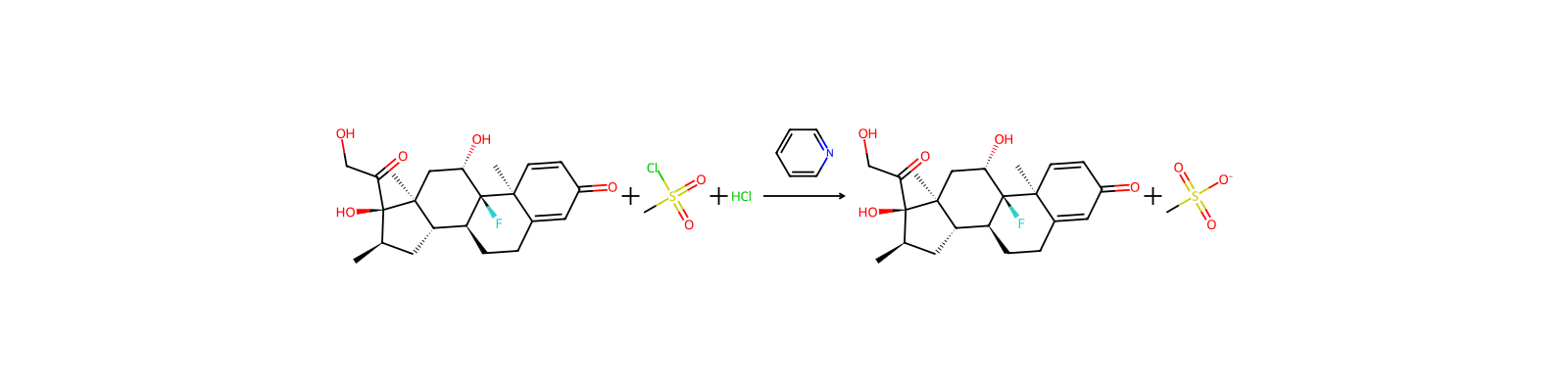
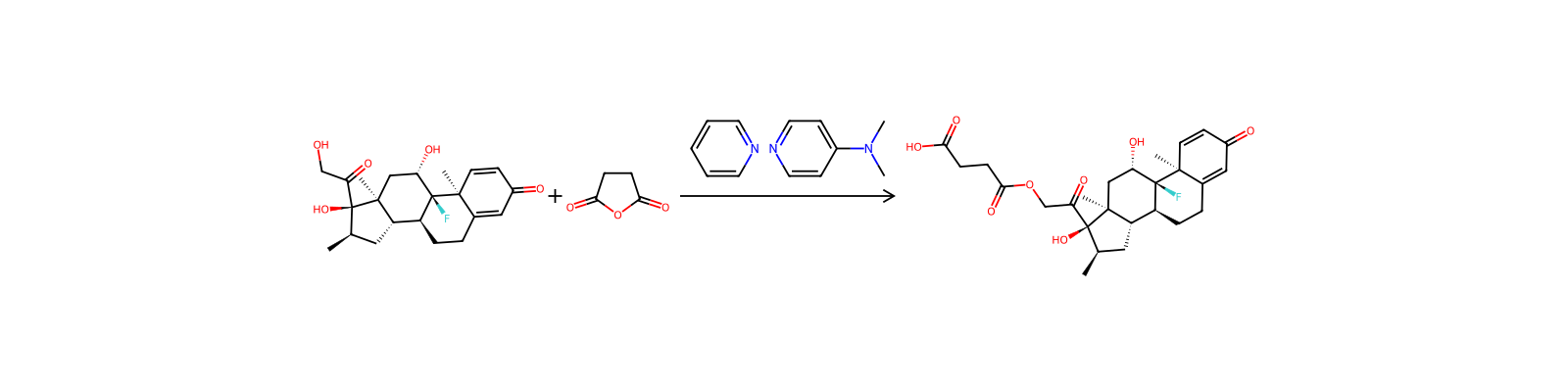
14




Verknüpfte Notizen
Wird geladen…