
Grundinformationen
- Standard-SMILES
CC(C)Cn1cnc2c(N)nc3ccccc3c21- InChIKey
DOUYETYNHWVLEO-UHFFFAOYSA-N- Summenformel
- C14H16N4
- Durchschnittliche Molmasse
- 240,3 g/mol
- Monoisotopische Masse
- 240,13749651
Überblick
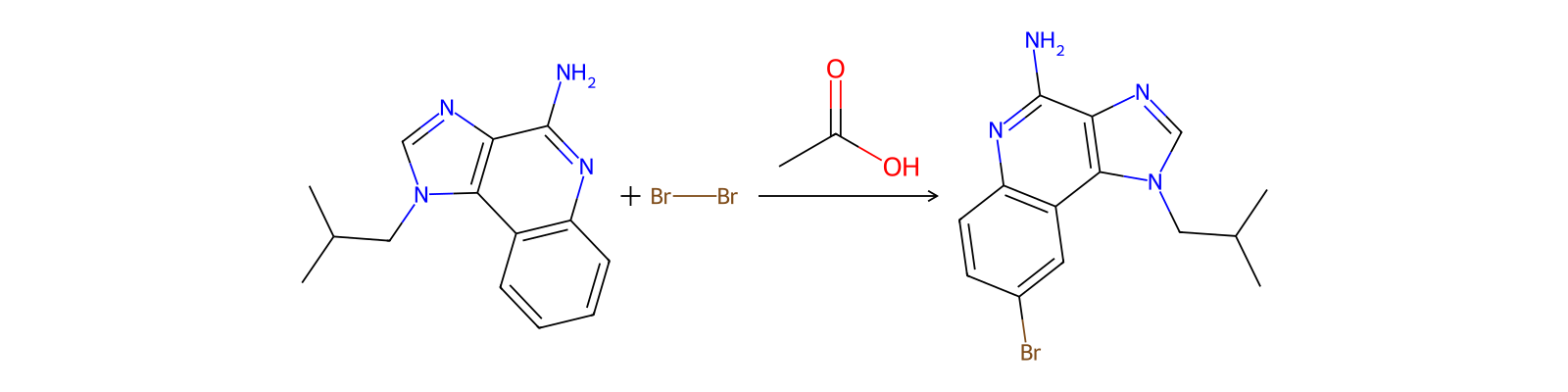
Imiquimod is an imidazoquinoline fused [4,5-c] carrying isobutyl and amino substituents at N-1 and C-4 respectively. A prescription medication, it acts as an immune response modifier and is used to treat genital warts, superficial basal cell carcinoma, and actinic keratosis. It has a role as an antineoplastic agent and an interferon inducer.
Namen und Bezeichner
- Bevorzugter Name
- Imiquimod
- IUPAC
- 1-(2-methylpropyl)imidazo[4,5-c]quinolin-4-amine
- Englischer Name
- Imiquimod
- Summenformel
- C14H16N4
- Molmasse
- 240.3
Namen und Synonyme
IMIQUIMOD99011-02-6Aldara1-(2-methylpropyl)-1H-imidazo[4,5-c]quinolin-4-amineZyclara1-isobutyl-1H-imidazo[4,5-c]quinolin-4-amine4-Amino-1-isobutyl-1H-imidazo[4,5-c]quinolineR-837R 8374-Amino-1-isobutyl-1H-imidazo(4,5-c)quinolineS-26308DTXSID7041047
Weitere Namen anzeigen
MiquimodImiquimod-d9TMX101
TMX-101S 26308ImiquimodumS26308NSC-369100NSC-759651P1QW714R7MTMX 101
Datenbank-Bezeichner
- CAS
9050-31-1、99011-02-6- PubChem CID
- 57469
- DTXSID
DTXSID7041047- ChEMBL
CHEMBL1282- ChEBI
CHEBI:36704- UNII
- P1QW714R7M
- EC Number
- 618-567-3、619-387-8
- Nikkaji
- J501.447F
Eigenschaften
Berechnete Struktureigenschaften
- XLogP
- 2,6
- Polarare Oberfläche (TPSA)
- 56,7 Ų
- H-Brücken-Donoren
- 1
- H-Brücken-Akzeptoren
- 3
- Frei drehbare Bindungen
- 2
- Schwere Atome
- 18
- Formalladung
- 0
- Komplexität
- 294
Experimentelle und physikochemische Eigenschaften
Drugs
Pharmaceuticals -> Listed in ZINC15
Pharmaceuticals
LogP
2.7
2.89
Color/FormCrystals from DMF
Solubility
Poorly soluble
2.47e-01 g/L
Human Drugs
Breast Feeding; Lactation; Adjuvants, Immunologic; Antineoplastic Agents; Interferon Inducers
FDA approved drugs -> Active ingredient
EMA approved medicines: Human medicine
EMA approved medicines: Human medicine
FDA approved drugs -> Active ingredient
DecompositionWhen heated to decomposition material emits toxic fumes.
Melting Point
292-294 °C
292-294 °C
292 - 294 °C
Physical DescriptionSolid
Physikochemische Eigenschaften
- Schmelzpunkt
- 292 · 292-294°C
- Siedepunkt
- 456.7 · 456.7±48.0 °C(Predicted)
- Dichte
- 1.28 · 1.28±0.1 g/cm3(Predicted)
- storage temp.
- -20 °C · Keep in dark place,Inert atmosphere,Store in freezer, under -20°C
- Löslichkeit
- DMSO: soluble
- pka
- 6.28 · 6.28±0.30(Predicted)
- Aggregatzustand
- White solid
- Farbe
- White
- Wasserlöslichkeit
- Soluble in dimethyl sulfoxide and dimethyl formamide. Slightly soluble in water. Insoluble in ethanol.
- Merck
- 14 · 14,4922
- Henry's Law Constant
- 1.2 · 1.2×107 mol/(m3Pa) at 25℃, HSDB (2015)
- Stabilität
- Incompatible with strong oxidizing agents.
- InChI
- InChI=1S/C14H16N4/c1-9(2)7-18-8-16-12-13(18)10-5-3-4-6-11(10)17-14(12)15/h3-6,8-9H,7H2,1-2H3,(H2,15,17)
- InChIKey
- DOUYETYNHWVLEO-UHFFFAOYSA-N
- SMILES
- N1C2C(=CC=CC=2)C2N(CC(C)C)C=NC=2C=1N
- CAS Datenbank
- 99011 · 99011-02-6(CAS DataBase Reference)
Sicherheit und Regulatorisches
GHS-Klassifizierung
GHS Classification
This chemical does not meet GHS hazard criteria for 2.1% (1 of 47) of reports.
Danger
H300 (83%): Fatal if swallowed [Danger Acute toxicity, oral]
P261, P264, P264+P265, P270, P271, P280, P301+P316, P302+P352, P304+P340, P305+P351+P338, P319, P321, P330, P332+P317, P337+P317, P362+P364, P403+P233, P405, and P501 (click each P-code to see the statement)
Aggregated GHS information provided per 47 reports by companies from 9 notifications to the ECHA C&L Inventory. Each notification may be associated with multiple companies.
This chemical does not meet GHS hazard criteria for 50% (1 of 2) of reports.
Gefahrenhinweise
Regulatory Information
Chemical: Cellulose, hydrogen 1,2-benzenedicarboxylate, 2-hydroxypropyl methyl ether
FRI - indicates a polymeric substance containing no free-radical initiator in its Inventory name but is considered to cover the designated polymer made with any free-radical initiator regardless of the amount used.
Other Safety InformationIMAP assessments - Cellulose, hydrogen 1,2-benzenedicarboxylate, 2-hydroxypropyl methyl ether: Human health tier I assessment
Fire PotentialThis material is assumed to be combustible.
FDA Requirements
The Approved Drug Products with Therapeutic Equivalence Evaluations identifies currently marketed prescription drug products, including imiquimod, approved on the basis of safety and effectiveness by FDA under sections 505 of the Federal Food, Drug, and Cosmetic Act.
Toxic Combustion ProductsEmits toxic fumes under fire conditions.
Hazard Classes and Categories
Aquatic Chronic 4 (50%)
Acute Tox. 2 (83%)
Skin, Eye, and Respiratory IrritationsModerate to severe irritant to the skin and eyes.
Sicherheit und Schutzausrüstung
Fire Fighting Procedures
Water spray, dry chemical, carbon dioxide or foam as appropriate for surrounding fire and materials.
As with all fires, evacuate personnel to a safe area. Firefighters should use self-contained breathing equipment and protective clothing.
Storage Conditions
Imiquimod topical cream should be stored at 4-25 °C; freezing should be avoided.
Store in tight container as defined in the USP-NF. This material should be handled and stored per label instructions to ensure product integrity.
Cleanup Methods
Wear approved respiratory protection, chemically compatible gloves and protective clothing. Wipe up spillage or collect spillage using a high efficiency vacuum cleaner. Avoid breathing dust. Place spillage in appropriately labeled container for disposal. Wash spill site.
Disposal Methods
SRP: Expired or waste pharmaceuticals shall carefully take into consideration applicable DEA, EPA, and FDA regulations. It is not appropriate to dispose by flushing the pharmaceutical down the toilet or discarding to trash. If possible return the pharmaceutical to the manufacturer for proper disposal being careful to properly label and securely package the material. Alternatively, the waste pharmaceutical shall be labeled, securely packaged and transported by a state licensed medical waste contractor to dispose by burial in a licensed hazardous or toxic waste landfill or incinerator.
Place material in a thick plastic hazardous waste disposal bag or leakproof container and label it CAUTION: HAZARDOUS CHEMICAL WASTE. Dispose of waste in accordance with all applicable Federal, State and local laws.
Preventive Measures
SRP: The scientific literature for the use of contact lenses by industrial workers is inconsistent. The benefits or detrimental effects of wearing contact lenses depend not only upon the substance, but also on factors including the form of the substance, characteristics and duration of the exposure, the uses of other eye protection equipment, and the hygiene of the lenses. However, there may be individual substances whose irritating or corrosive properties are such that the wearing of contact lenses would be harmful to the eye. In those specific cases, contact lenses should not be worn. In any event, the usual eye protection equipment should be worn even when contact lenses are in place.
As with all dry powders it is advisable to ground mechanical equipment in contact with dry material to dissipate the potential buildup of static electricity.
SRP: Local exhaust ventilation should be applied wherever there is an incidence of point source emissions or dispersion of regulated contaminants in the work area. Ventilation control of the contaminant as close to its point of generation is both the most economical and safest method to minimize personnel exposure to airborne contaminants. Ensure that the local ventilation moves the contaminant away from the worker.
As a general rule, when handling USP Reference Standards, avoid all contact and inhalation of dust, mists, and/or vapors associated with the material. Clean equipment and work surfaces with suitable detergent or solvent after use. After removing gloves, wash hands and other exposed skin thoroughly.
Avoid exposure to heat and moisture.
Personal Protective Equipment (PPE)
Airborne exposure should be controlled primarily by engineering controls such as general dilution ventilation, local exhaust ventilation, or process enclosure. Local exhaust ventilation is generally preferred to general exhaust because it can control the contaminant at its source, preventing dispersion into the work area. An industrial hygiene survey involving air monitoring may be used to determine the effectiveness of engineering controls. Effectiveness of engineering controls intended for use with highly potent materials should be assessed by use of nontoxic surrogate materials. Local exhaust ventilation such as a laboratory fume hood or other vented enclosure is recommended, particularly for grinding, crushing, weighing, or other dust-generating procedures.
Respiratory Protection: Where respirators are deemed necessary to reduce or control occupational exposures, use NIOSH-approved respiratory protection and have an effective respirator program in place. Gloves: Chemically compatible. For handling solutions, ensure that the glove material is protective against the solvent being used. Use handling practices that minimize direct hand contact. Employees who are sensitive to natural rubber (latex) should use nitrile or other synthetic nonlatex gloves. Use of powdered latex gloves should be avoided due to the risk of latex allergy. Eye Protection: Safety glasses with sideshields are recommended. Face shields or goggles may be required if splash potential exists or if corrosive materials are present. Approved eye protection (e.g., bearing the ANSI Z87 or CSA stamp) is preferred. Maintain eyewash facilities in the work area. Protective Clothing: For handling of laboratory scale quantities, a cloth lab coat is recommended. Where significant quantities are handled, work clothing may be necessary to prevent take-home contamination.
Toxikologische Informationen
Environmental Fate
TERRESTRIAL FATE: Based on a classification scheme(1), an estimated Koc value of 1000(SRC), determined from a structure estimation method(2), indicates that imiquimod is expected to have moderate mobility in soil(SRC). Aromatic amines are expected to bind strongly to humus or organic matter in soils due to the high reactivity of the aromatic amino group(3,4), suggesting that mobility may be much lower in some soils(SRC). Volatilization of imiquimod from moist soil surfaces is not expected to be an important fate process(SRC) given an estimated Henry's Law constant of 8.3X10⁻¹² atm-cu m/mole(SRC), using a fragment constant estimation method(5). Imiquimod is not expected to volatilize from dry soil surfaces(SRC) based upon an estimated vapor pressure of 7.8X10⁻⁹ mm Hg at 25 °C(SRC), determined from a fragment constant method(2). Biodegradation data in soil were not available(SRC, 2013).
AQUATIC FATE: Based on a classification scheme(1), an estimated Koc value of 1000(SRC), determined from a structure estimation method(2), indicates that imiquimod is expected to adsorb to suspended solids and sediment(SRC). Volatilization from water surfaces is not expected(3) based upon an estimated Henry's Law constant of 8.3X10⁻¹³ atm-cu m/mole(SRC), developed using a fragment constant estimation method(4). According to a classification scheme(5), an estimated BCF of 50(SRC), from an estimated log Kow of 3.06(6) and a regression-derived equation(2), suggests the potential for bioconcentration in aquatic organisms is moderate(SRC). Biodegradation data in water were not available(SRC, 2013).
ATMOSPHERIC FATE: According to a model of gas/particle partitioning of semivolatile organic compounds in the atmosphere(1), imiquimod, which has an estimated vapor pressure of 7.8X10⁻⁹ mm Hg at 25 °C(SRC), determined from a fragment constant method(2), is expected to exist solely in the particulate phase in the ambient atmosphere. Particulate-phase imiquimod may be removed from the air by wet and dry deposition(SRC). Imiquimod contains chromophores that absorb at wavelengths >290 nm(3) and, therefore, may be susceptible to direct photolysis by sunlight(SRC).
Adverse Effects
Reported side effects of 5% imiquimod cream, when used to treat external anogenital warts, are often mild and include erythema, edema, erosion, excoriation, induration, or scabbing. Patients have also reported pain, pruritus, and irritation at the site of application or local cutaneous edema or erythema with the use of topical 2.5% or 3.75% imiquimod creams to treat external anogenital warts. When used to treat actinic keratoses, reported local adverse effects of imiquimod cream include erythema, flaking, scabbing, edema, weeping, and erosion, but the presence of these reactions correlates with improved lesion clearance. Less common systemic adverse effects when 5% imiquimod cream was applied to the scalp, face, or upper extremity to treat actinic keratosis included flu-like symptoms, headache, fever, anorexia, somnolence, fatigue, nausea, myalgia, and diarrhea. When applied for the treatment of superficial basal cell carcinoma, adverse effects include pruritus, burning, and pain at the application site and uncommon upper respiratory tract infections, back pain, or sinusitis. Application site reactions usually do not result in treatment withdrawal due to their frequent lack of severity.
Toxicity Summary
While most side effects of topical imiquimod use are mild, there are reports of severe local or systemic adverse effects associated with topical imiquimod use, in which case the prescriber may need to halt treatment. For patients with autoimmune conditions, the application of imiquimod over large areas of the body should prompt caution, given the potential for a systemic immune response.
Soil Adsorption/Mobility
Using a structure estimation method based on molecular connectivity indices(1), the Koc of imiquimod can be estimated to be 1000(SRC). According to a classification scheme(2), this estimated Koc value suggests that imiguimod is expected to have low mobility in soil. Aromatic amines are expected to bind strongly to humus or organic matter in soils due to the high reactivity of the aromatic amino group(3,4), suggesting that mobility may be much lower in some soils(SRC).
Human Toxicity Excerpts
/SIGNS AND SYMPTOMS/ Topical overdosing of Aldara Cream could result in an increased incidence of severe local skin reactions and may increase the risk for systemic reactions. The most clinically serious adverse event reported following multiple oral imiquimod doses of >200 mg (equivalent to imiquimod content of >16 packets) was hypotension, which resolved following oral or intravenous fluid administration.
/CASE REPORTS/ Erosive pustular dermatosis of the scalp (EPDS) is a rare condition characterized by sterile pustules, erosions, and crusted lesions on the scalp of elderly patients. This inflammatory disorder has an unknown origin and it could develop into areas of alopecia that tend to be atrophic. An 84-year-old Caucasian man presented with a several months history of painful erythematous erosions and crusts on his scalp. The lesions appeared after treatment with imiquimod cream for actinic keratoses. Previous therapies included topical antibiotics and topical steroids. Physical examination revealed the presence of extensive erosions and crusts on the scalp, with minute pustules on the sides. The clinical features and the medical history led us to the diagnosis of EPDS. Treatment with systemic steroid was administered with improvement observed after ten days. The clinical manifestations of EPDS completely resolved after 2 months, without clinical relapses.
/CASE REPORTS/ Imiquimod is a topical immune response modifier used to treat anogenital warts. Although considered a safe drug, mild to moderate local and systemic side-effects may occasionally occur. /The researchers/ report three cases of local and systemic adverse effects related to imiquimod, including one case that mimicked meningitis, which promptly resolved with drug cessation.
/CASE REPORTS/ A 44-year-old man who was previously diagnosed with actinic cheilitis was prescribed imiquimod cream 5%, which resulted in thick hemorrhagic crusting of the lower lip after 4 applications. He subsequently noted the development of lichen planus lesions on his arms and legs for the first time in 15 years following imiquimod use. On follow-up he also was noted to have characteristic Wickham striae on his lower lip. Lichen planus is an autoimmune inflammatory condition in which autoreactive T lymphocytes attack keratinocytes. The mechanism of action for imiquimod is upregulation of IFN-alpha and IFN-beta. Treatment with clobetasol cream 0.05% led to resolution of his lichen planus lesions.
For more Human Toxicity Excerpts (Complete) data for Imiquimod (6 total), please visit the HSDB record page.
Artificial Pollution SourcesImiquimod's production and use as an immunologic adjuvant and antineoplastic agent(1) may result in its release to the environment through various waste streams(SRC).
Environmental BiodegradationBiodegradation data in soil or water were not available. (SRC, 2013)
Environmental Bioconcentration
An estimated BCF of 50 was calculated in fish for imiquimod(SRC), using an estimated log Kow of 3.06(1) and a regression-derived equation(2). According to a classification scheme(3), this BCF suggests the potential for bioconcentration in aquatic organisms is moderate(SRC).
Volatilization from Water/Soil
The Henry's Law constant for imiquimod is estimated as 8.3X10⁻¹³ atm-cu m/mole(SRC) using a fragment constant estimation method(1). This Henry's Law constant indicates that imiquimod is expected to be essentially nonvolatile from water and moist soil surfaces(2). Imiquimod is not expected to volatilize from dry soil surfaces(SRC) based upon an estimated vapor pressure of 7.8X10⁻⁹ mm Hg(SRC), determined from a fragment constant method(3).
Non-Human Toxicity Excerpts
/LABORATORY ANIMALS: Chronic Exposure or Carcinogenicity/ In a 52-week dermal photoco-carcinogenicity study, the median time to onset of skin tumor formation was decreased in hairless mice following chronic topical dosing (3X/week; 40 weeks of treatment followed by 12 weeks of observation) with concurrent exposure to UV radiation (5 days per week) with the Aldara Cream vehicle alone. No additional effect on tumor development beyond the vehicle effect was noted with the addition of the active ingredient, imiquimod, to the vehicle cream.
/LABORATORY ANIMALS: Chronic Exposure or Carcinogenicity/ In a dermal mouse carcinogenicity study, imiquimod cream (up to 5 mg/kg/application imiquimod or 0.3% imiquimod cream) was applied to the backs of mice 3X/week for 24 months. A statistically significant increase in the incidence of liver adenomas and carcinomas was noted in high dose male mice compared to control male mice (251X MRHD based on weekly AUC comparisons). An increased number of skin papillomas was observed in vehicle cream control group animals at the treated site only. The quantitative composition of the vehicle cream used in the dermal mouse carcinogenicity study is the same as the vehicle cream used for Aldara Cream, minus the active moiety (imiquimod).
/LABORATORY ANIMALS: Chronic Exposure or Carcinogenicity/ In an oral (gavage) rat carcinogenicity study, imiquimod was administered to Wistar rats on a 2X/week (up to 6 mg/kg/day) or daily (3 mg/kg/day) dosing schedule for 24 months. No treatment related tumors were noted in the oral rat carcinogenicity study up to the highest doses tested in this study of 6 mg/kg administered 2X/week in female rats (87X MRHD based on weekly AUC comparisons), 4 mg/kg administered 2X/week in male rats (75X MRHD based on weekly AUC comparisons) or 3 mg/kg administered 7X/week to male and female rats (153X MRHD based on weekly AUC comparisons).
/LABORATORY ANIMALS: Chronic Exposure or Carcinogenicity/ /The researchers/ have provided evidence for a multifaceted antitumor-function of the Toll-like receptor 7 (TLR7) agonist imiquimod, which rapidly recruits plasmacytoid dendritic cells and possibly other immune cells into tumors by inducing the secretion of CCL2 by dermal cells. Imiquimod induces pDC maturation and their conversion into cytolytic killer cells, which are capable of eliminating tumors independently from the adaptive immune system.
For more Non-Human Toxicity Excerpts (Complete) data for Imiquimod (9 total), please visit the HSDB record page.
Populations at Special Risk
Imiquimod cream should be used with caution in organ transplant patients. Consideration should be given to balancing the benefit of imiquimod treatment for these patients with the risk associated with the possibility of organ rejection or graft-versus-host disease.
Imiquimod should be used with caution in patients with reduced hematologic reserve.
Imiquimod cream should be used with caution in patients with autoimmune conditions. Consideration should be given to balancing the benefit of imiquimod treatment for these patients with the risk associated with a possible worsening of their autoimmune conditions.
Environmental Abiotic Degradation
Imiquimod is not expected to undergo hydrolysis in the environment due to the lack of functional groups that hydrolyze under environmental conditions(1). Imiquimod contains chromophores that absorb at wavelengths >290 nm(1) and, therefore, may be susceptible to direct photolysis by sunlight(SRC).
Regulatorische Informationen
FDA Requirements
The Approved Drug Products with Therapeutic Equivalence Evaluations identifies currently marketed prescription drug products, including imiquimod, approved on the basis of safety and effectiveness by FDA under sections 505 of the Federal Food, Drug, and Cosmetic Act.
Sicherheitsdaten
- wgk
- 3
- ridadr
- UN 2811 6.1/PG 3
- hs_code
- 29339900
- RTECS-Nr.
- NJ5903450
- risk_code
- 25-36/37/38
- hazard_code
- T,Xi
- safety_code
- 26-45-36/37/39-27
- hazard_class
- 6.1
- packing_group
- III
- Speicherklasse
- 6.1C - Combustible acute toxic Cat.3toxic compounds or compounds which causing chronic effects
- Giftige Stoffe Daten
- 99011-02-6(Hazardous Substances Data)
- Hazard Classifications
- Acute Tox. 3 OralEye Irrit. 2Skin Irrit. 2
Chemie und Industrie
Pharmakologische Informationen
ATC Code
D06BB10
D - Dermatologicals
QD - Dermatologicals
Pharmacodynamics
Imiquimod is an immune response modifier that acts as a toll-like receptor 7 agonist. Imiquimod is commonly used topically to treat warts on the skin of the genital and anal areas. Imiquimod does not cure warts, and new warts may appear during treatment. Imiquimod does not fight the viruses that cause warts directly, however, it does help to relieve and control wart production. It is not used on warts inside the vagina, penis, or rectum. Imiquimod is also used to treat a skin condition of the face and scalp called actinic keratoses. Imiquimod can also be used to treat certain types of skin cancer called superficial basal cell carcinoma. Imiquimod is particularly useful on areas where surgery or other treatments may be difficult, complicated or otherwise undesirable, especially the face and lower legs.
Mechanism of Action
Imiquimod's mechanism of action is via stimulation of innate and acquired immune responses, which ultimately leads to inflammatory cell infiltration within the field of drug application followed by apoptosis of diseased tissue. Imiquimod does not have direct antiviral activity. Studies of mice show that imiquimod may induce cytokines, including interferon-alpha (IFNA) as well as several IFNA genes (IFNA1, IFNA2, IFNA5, IFNA6, and IFNA8) as well as the IFNB gene. Imiquimod also induced the expression of interleukin (IL)-6, IL-8, and tumor necrosis factor alpha genes. In the treatment of basal cell carcinoma, Imiquimod appears to act as a toll-like receptor-7 agonist, and is thought to exert its anti-tumor effect via modification of the immune response and stimulation of apoptosis in BCC cells. In treating basal cell carcinoma it may increase the infiltration of lymphocytes, dendritic cells, and macrophages into the tumor lesion.
Imiquimod and resiquimod represent Toll-like receptor (TLR) 7 and 8 agonists, which emerged as attractive candidates for tumor therapy. To elucidate immune cells, which mainly contribute to TLR7/8-mediated antitumoral activity, /the researchers/ investigated the impact of imiquimod and resiquimod on native human 6-sulfo LacNAc (slan) dendritic cells (DCs). /The researchers/ found that both TLR7/8 agonists significantly improve the release of various proinflammatory cytokines by slanDCs and promote their tumor-directed cytotoxic activity. Furthermore, resiquimod efficiently augmented the ability of slanDCs to stimulate T cells and natural killer cells. These results indicate that imiquimod and resiquimod trigger various immunostimulatory properties of slanDCs, which may contribute to their antitumor effects.
Aldara is a cream used for topical treatment of non-melanoma skin cancer, and is thought to act through stimulation of anti-tumour immunity. The active ingredient, imiquimod, has been shown to stimulate toll-like receptor 7. Aldara also induces psoriasis-like lesions when applied to naive murine skin, and as such is used as a mouse model for psoriasis. Here we find that in naive murine skin, Aldara induces inflammation largely independently of toll-like receptor 7. Surprisingly, inflammasome activation, keratinocyte death and interleukin 1 release also occur in response to the vehicle cream in the absence of imiquimod. We show that isostearic acid, a major component of the vehicle, promotes inflammasome activation in cultured keratinocytes, and so may contribute to the observed effects of Aldara on murine skin. Aldara therefore stimulates at least two immune pathways independently, and both imiquimod and vehicle are required for a full inflammatory response. Although it remains to be tested, it is possible that imiquimod-independent effects also contribute to the therapeutic efficacy of Aldara.
Imiquimod is recognized as an agonist for Toll-like receptor 7 (TLR7) in immunocompetent cells. TLR7, as well as TLR3 and TLR8, triggers the immune responses, such as the production of type I interferons (IFNs) and proinflammatory cytokines via recognition of viral nucleic acids in the infected cells. In this study, /the reseachers/ proposed that imiquimod has an IFN-independent antiviral effect in nonimmune cells. Imiquimod, but not resiquimod, suppressed replication of human herpes simplex virus 1 (HSV-1) in FL cells. We analyzed alternation of gene expression by treatment with imiquimod using microarray analysis. Neither type I IFNs, nor TLRs, nor IFN-inducible antiviral genes were induced in imiquimod-treated FL cells. Cystatin A, a host cysteine protease inhibitor, was strongly upregulated by imiquimod and took a major part in the anti-HSV-1 activity deduced by the suppression experiment using its small interfering RNA. Upregulation of cystatin A was suggested to be mediated by antagonizing adenosine receptor A(1) and activating the protein kinase A pathway. Imiquimod, but not resiquimod, was shown to interact with adenosine receptor A(1). Imiquimod-induced anti-HSV-1 activity was observed in other cells, such as HeLa, SiHa, and CaSki cells, in a manner consistent with the cystatin A induction by imiquimod. These results indicated that imiquimod acted as an antagonist for adenosine receptor A(1) and induced a host antiviral protein, cystatin A. The process occurred independently of TLR7 and type I IFNs.
Toll-like receptor (TLR) agonists have anticancer effect by inducing apoptosis or activating immune cells. In this study, we investigated whether imiquimod, TLR7 agonist, inhibits the proliferation of oral cancer cells. Toll-like receptor 7 expression and IL-6/8 production by imiquimod were examined using RT-PCR and Enzyme-linked immunosorbent assay, respectively. Cell viability was examined by MTT assay. To examine apoptotic cell death, Annexin V/PI staining for flow cytometry and Western blot analysis were performed. Necrotic cell death was determined by leakage of lactate dehydrogenase (LDH), HMGB1, and PI staining in imiquimod-treated oral squamous cell carcinoma (OSCC) cells. Toll-like receptor 7 mRNA was expressed in OSCC cells. Imiquimod induced IL-6 and IL-8 production in OSCC cells, suggesting the functional expression of TLR7. Imiquimod inhibited cells proliferation in a dose-dependent manner. The ratio of annexin V-positive cells and cleaved caspase-3/7 was increased by imiquimod treatment in OSCC cells, suggesting that imiquimod-induced cell death in OSCC cells may be owing to apoptosis. In addition, LDH secretion and PI staining were detected in OSCC cells treated with imiquimod, showing that imiquimod also induced necrotic cell death in the OSCC cells. Imiquimod inhibited effectively the growth of OSCC cells by inducing apoptosis and necrosis.
Biological Half-Life
20 hours (topical dose), 2 hours (subcutaneous dose)
Studies using subcutaneous imiquimod indicate the drug has an apparent half-life of 2 hours. Following topical application, imiquimod appears to be retained in the skin for prolonged periods since the half-life is approximately 10 times greater than that reported following subcutaneous administration.
FDA Pharmacological Classification
P1QW714R7M
IMIQUIMOD
Physiologic Effects [PE] - Increased Cytokine Activity
Physiologic Effects [PE] - Increased Cytokine Production
Mechanisms of Action [MoA] - Interferon Inducers
The mechanism of action of imiquimod is as an Interferon Inducer. The physiologic effect of imiquimod is by means of Increased Cytokine Activity and Increased Cytokine Production.
MeSH Pharmacological Classification
Substances that augment, stimulate, activate, potentiate, or modulate the immune response at either the cellular or humoral level. The classical agents (Freund's adjuvant, BCG, Corynebacterium parvum, et al.) contain bacterial antigens. Some are endogenous (e.g., histamine, interferon, transfer factor, tuftsin, interleukin-1). Their mode of action is either non-specific, resulting in increased immune responsiveness to a wide variety of antigens, or antigen-specific, i.e., affecting a restricted type of immune response to a narrow group of antigens. The therapeutic efficacy of many biological response modifiers is related to their antigen-specific immunoadjuvanticity.
Substances that inhibit or prevent the proliferation of NEOPLASMS.
Agents that stimulate TOLL-LIKE RECEPTOR signaling, and the activity of both the INNATE IMMUNE RESPONSE and ADAPTIVE IMMUNITY.
Agents that promote the production and release of interferons. They include mitogens, lipopolysaccharides, and the synthetic polymers Poly A-U and Poly I-C. Viruses, bacteria, and protozoa have been also known to induce interferons.
Absorption, Distribution and Excretion
Well absorbed through skin (as a cream)
Following topical application to the skin in adults with actinic keratosis (75-mg doses 3 times weekly for 16 weeks), 0.08-0.15% of the dose is eliminated in urine as unchanged drug and metabolites. Following topical application in patients with HPV warts, 0.11 or 2.41% of the dose is eliminated in urine as unchanged drug and metabolites in men or women, respectively.
Imiquimod is absorbed systemically following topical application to skin. In adults with actinic keratosis who received topical imiquimod 5% cream 3 times weekly for 16 weeks, mean peak serum concentrations at the end of week 16 were approximately 0.1, 0.2, or 3.5 ng/mL in those treated on the face (12.5-mg doses), scalp (25-mg doses), or hands/arms (75-mg doses), respectively. Systemic exposure appeared to depend more on the surface area of the application site than on the total applied dose. In patients with external genital and perianal human papillomavirus (HPV) warts who received topical imiquimod 5% cream (average dose 4.6 mg), mean peak serum concentrations were 0.4 ng/mL.
Cellular LocationsMembrane
Verwendung und Herstellung
Uses
MEDICATION
Adjuvants, Immunologic; Antineoplastic Agents
Use (kg; approx.) in Germany (2009): >10
Methods of ManufacturingPreparation: J. F. Gerster, European Patent Office 145340; idem, United States of America 4689338 (1985, 1987 both to Riker)
Formulations/Preparations
For topical use, imiquimod is commercially /available/ as a 5% cream. Each gram of the cream contains 50 mg of imiquimod in an off-white, oil-in-water vanishing cream base. Imiquimod topical cream contains methylparaben and propylparaben as preservatives.
Topical: Cream 5%, Aldara (Graceway).
Zyclara, Beselna
General Manufacturing InformationCellulose, hydrogen 1,2-benzenedicarboxylate, 2-hydroxypropyl methyl ether: ACTIVE
Anwendungen
BeschreibungAldara was launched in the US for the topical treatment of genital warts caused by human papillomavirus (HPV). It can be prepared in a six step approach beginning with the nucleophilic substitution of 4-chloro-3-nitroquinolone with isobutylamine or via a thermal electrocyclic ring closure of 1 - and 2-azahexatriene systems. Aldara has antiviral and antitumor properties, with the former activity arising from the induction of cytokines, in particular, INF-α. Aldara also induces TNF-γ, IL-1α, IL-1β, IL-1ra, IL-6, IL-8, IL-10, GM-CSF, G-CSF and MID-la formation 1-4 hr after stimuli. The exact cells responsible for the response have not been determined, however, it is not activating T lymphocytes, NK cells, B lymphocytes, or dendritic stem cells but monocytes (CD14+, CD36+, HLA-DR+, HLA-DQ±, CD19-, CD16- and CD23-) are partly responsible. The speculation is that Aldara may interact with a kinase modulating the transduction pathway leading to cytokine genes. There is no direct antiviral activity (induction of IFN does not follow true dose response) and it is not mutagenic. The hydroxylated metabolite also induces IFN-α.
VerwendenImiquimod is a caspase 3 activator which acts as an immunomodulator and displays antiviral and anti-tumor activity. It is a patient-applied cream used for the treatment of genital warts and basal cell carcinoma. It is also used to cure actinic keratosis on the face and scalp. It belongs to a group of drugs called immune response modifiers, which work by activating the immune system to fight abnormal skin growth.
Vor- und nachgelagerte Produkte
Vorgelagerte Rohstoffe
Anbieter50 Anbieter
国药集团化学试剂有限公司86-21-63210123 · [email protected]
湖北永阔科技有限公司027-59223108 15972152991 · [email protected]
Shandong chuangyingchemical Co., Ltd.18853181302 · [email protected]
湖北万得化工有限公司15377098680 15377098680 · [email protected]
湖北威德利化学试剂有限公司181-6332-1995 18062128043 · [email protected]
上海康朗生物科技有限公司021-61998208 18217752821 · [email protected]
武汉远启医药化工有限公司18971192297 · [email protected]
上海毕得医药科技股份有限公司400-1647117 13681763483 · [email protected]
Baoji Guokang Healthchem co.,ltd+8615604608665 15604608665 · [email protected]
Dayang Chem (Hangzhou) Co.,Ltd.+86-0571-88938639 17705817739 · [email protected]
Hebei Yanxi Chemical Co., Ltd.+86-17531190177 · [email protected]
江西瑞威尔生物科技有限公司18502728206 · [email protected]
上海迈瑞尔生化科技有限公司4006356688 18621169109 · [email protected]
湖北威德利化学试剂有限公司17771473825 13385289472 · [email protected]
上海晶抗生物工程有限公司021-54721350 13524668266 · [email protected]
江西瑞威尔生物科技有限公司18502762009 · [email protected]
湖北兴琰新材料科技有限公司13129948835 · [email protected]
梯希爱(上海)化工贸易有限公司021-61109150 · [email protected]
湖北广奥生物科技有限公司027-02702759223056 18162699093 · [email protected]
苏州启航生物科技有限公司18662190603;18151111370 · [email protected]
天津希恩思生化科技有限公司400 638 7771 · [email protected]
Xiamen AmoyChem Co., Ltd+86-86-5926051114 · [email protected]
赛默飞世尔科技(中国)有限公司800-810-5118 · [email protected]
北京伊诺凯科技有限公司400-810-7969 010-59572699 · [email protected]
武汉卡诺斯科技有限公司153-37111468 15337111468 · [email protected]
越林试剂021-62960152 · [email protected]
武汉普洛夫生物科技有限公司17612776928 · [email protected]
成都零六生物科技有限公司400-1166-196 13458535857 · [email protected]
天津普西唐生物医药科技有限公司010-60605840 · [email protected]
上海麦克林生化科技股份有限公司15221275939 15221275939 · [email protected]
武汉贝乐叶生物医药科技有限公司18086118078 · [email protected]
湖北巨胜科技有限公司027-59599241 18871490274 · [email protected]
桦特昇生物科技(武汉)有限公司027-59207879 1972026995 18140587686 · [email protected]
Henan Alfa Chemical Co., Ltd+8618339805032 · [email protected]
湖北威德利化学试剂有限公司18327179646 · [email protected]
广东翁江化学试剂有限公司0751-2815987 13927875076 · [email protected]
武汉鑫儒化工有限公司15927387915 15337108568
厦门志信化学有限公司+86-5922680277 +86-13806087780 · [email protected]
湖北魏氏化学试剂股份有限公司13125137732 18686406941
武汉匠信生物科技有限公司19272768272 18007157445 · [email protected]
浙江珲达生物科技有限公司0571-89903022 18679456698 · [email protected]
南京择优新材料科技有限公司173-40521416 17340521416 · [email protected]
上海炎泽化工有限公司15345144255 19901447308 · [email protected]
上海源叶生物科技有限公司13636370518 · [email protected]
上海西格生物科技有限公司021-57810052 18930344717 · [email protected]
湖南瑞威尔生物科技有限公司18502762003
武汉市承天精细化工有限公司18164098996 · [email protected]
湖北齐飞医药化工有限公司027-59322506 18071128681 · [email protected]
武汉克米克生物医药技术有限公司027-13163388153 13163388153 · [email protected]
山东西亚化学有限公司4009903999 13395398332 · [email protected]
Zugehörige Reaktionen
43


Verknüpfte Notizen
Wird geladen…