StartseiteMCPWorkbenchSkills
StartseiteWorkbenchBenachrichtigungenMein Bereich
llms.txt · MCP-AnleitungDatenschutz · Nutzungsbedingungen · Supportv1.8.3
  1. Startseite
  2. /Verbindung

Dichlorobis(triphenylphosphin)palladium

Dichlorobis(triphenylphosphine)palladium

HCID 6102075
Neue Reaktion
Drucken
GrundinformationenÜberblickNamen und BezeichnerEigenschaftenSicherheit und RegulatorischesChemie und IndustrieZugehörige ReaktionenNotizen zur Verbindung
TeilstruktursucheÄhnliche Strukturen suchen

Grundinformationen

CAS
13965-03-2
Standard-SMILES
[Cl][Pd][Cl].c1ccc(P(c2ccccc2)c2ccccc2)cc1.c1ccc(P(c2ccccc2)c2ccccc2)cc1
InChIKey
YNHIGQDRGKUECZ-UHFFFAOYSA-L
Summenformel
C36H30Cl2P2Pd
Durchschnittliche Molmasse
701,9 g/mol
Monoisotopische Masse
700,02346

Überblick

trans-Dichlorobis-(triphenylphosphine) palladium(II) is a chemical compound of palladium. Palladium is a chemical element with the chemical symbol Pd and an atomic number of 46. It is found as a free metal alloyed with gold and other platinum group metals and in the rare minerals cooperite and polarite. (L794)

Namen und Bezeichner

Bevorzugter Name
Dichlorobis(triphenylphosphine)palladium
IUPAC
dichloropalladium;bis(triphenylphosphane)
Lokaler Name
Dichlorobis(triphenylphosphin)palladium
Englischer Name
Bis(triphenylphosphine)palladium(II) chloride
Summenformel
C36H30Cl2P2Pd
Molmasse
701.9

Namen und Synonyme

13965-03-2Dichlorobis(triphenylphosphine)palladiumEINECS 237-744-2NSC 122924RefChem:133048237-744-2Dichlorobis(triphenylphosphine)palladium(II)Bis(triphenylphosphine)palladium(II) dichloridebis(triphenylphosphine)palladium(ii) chloridePALLADIUM, DICHLOROBIS(TRIPHENYLPHOSPHINE)-trans-dichlorobis(triphenylphosphine)palladium(ii)MFCD00009593
Weitere Namen anzeigen
Pd(PPh3)2Cl2PdCl2(PPh3)2Pd(PPh3)Cl2(PPh3)2PdCl2BIS(TRIPHENYLPHOSPHINE)PALLADIUM CHLORIDEBis(triphenylphosphine)palladium(ll) chloride
bis(triphenylphosphine)palladium(ii)chloridedichloropalladium;triphenylphosphaneBis(triphenylphosphine)dichloropalladiumBIS(TRIPHENYLPHOSPHINE)DICHLOROPALLADIUM(II)Dichlorobis(triphenylphosphine) Palladium (II)Palladium(II)bis(triphenylphosphine) dichloridebis(triphenylphosphine) palladiuml(ii) dichloride28966-81-6

Eigenschaften

Berechnete Struktureigenschaften

Polarare Oberfläche (TPSA)
0 Ų
H-Brücken-Donoren
0
H-Brücken-Akzeptoren
0
Frei drehbare Bindungen
6
Schwere Atome
41
Formalladung
0
Komplexität
204

Physikochemische Eigenschaften

Schmelzpunkt
260 °C · 260°C
Dampfdruck
0 Pa · 0Pa at 25℃
storage temp.
30 °C · Store below +30°C.
Löslichkeit
Chloroform (Slightly), Dichloromethane (Slightly, Heated), Methanol (Slightly,
Aggregatzustand
Powder
Farbe
Yellow
Wasserlöslichkeit
Insoluble in water. Soluble in benzene, and toluene.
BRN
4935975 · 4935975
InChI
InChI=1S/2C18H15P.2ClH.Pd/c2*1-4-10-16(11-5-1)19(17-12-6-2-7-13-17)18-14-8-3-9-15-18;;;/h2*1-15H;2*1H;/q;;;;+2/p-2
InChIKey
ILBDOZRDKNIJBS-UHFFFAOYSA-N
SMILES
P(C1C=CC=CC=1)(C1=CC=CC=C1)C1C=CC=CC=1.P(C1C=CC=CC=1)(C1C=CC=CC=1)C1C=CC=CC=1.[Pd](Cl)Cl
LogP
5.69 at · 5.69 at 20℃
CAS Datenbank
13965 · 13965-03-2(CAS DataBase Reference)

Sicherheit und Regulatorisches

Sicherheitsangaben dienen nur zur Orientierung und ersetzen weder das Sicherheitsdatenblatt (SDB) des Lieferanten noch geltende Vorschriften oder eine fachliche Bewertung.

GHS-Klassifizierung

GHS Classification · 5 Einträge

This chemical does not meet GHS hazard criteria for 19.7% (46 of 233) of reports.

Warning

H302 (18.5%): Harmful if swallowed [Warning Acute toxicity, oral]

P261, P264, P264+P265, P270, P272, P273, P280, P301+P317, P302+P352, P305+P351+P338, P321, P330, P332+P317, P333+P317, P337+P317, P362+P364, and P501 (click each P-code to see the statement)

Aggregated GHS information provided per 233 reports by companies from 16 notifications to the ECHA C&L Inventory. Each notification may be associated with multiple companies.

Gefahrenhinweise

Regulatory Information · 2 Einträge

REACH registered substance: Dichlorobis(triphenylphosphine)palladium (EC: 237-744-2)

Bis(triphenylphosphine)palladium (II) chloride: Does not have an individual approval but may be used under an appropriate group standard

Hazard Classes and CategoriesAcute Tox. 4 (18.5%)

Toxikologische Informationen

Health EffectsContact with palladium may cause palladium sensitivity and allergy. Animal studies have shown that palladium may damage the liver and kidney. (L798)
Toxicity Summary · 1 Eintrag

Due to their ability to form strong complexes with both inorganic and organic ligands, palladium ions can disturb cellular equilibria, replace other essential ions, and interact with functional groups of macromolecules, such as proteins or DNA. Palladium complexes binding to DNA and RNA leads to strand breakage. Palladium ions are able to inhibit most major cellular functions, including DNA and RNA synthesis. Palladium compounds have been shown to bind to and inhibit various enzymes, including creatine kinase and prolyl hydroxylase. (L798)

Chemie und Industrie

Pharmakologische Informationen

Metabolism/Metabolites · 1 Eintrag

Palladium may be absorbed through oral, dermal, and inhalation exposure. Once in the body it distributes to the kidney, liver, spleen, lymph nodes, adrenal gland, lung and bone. Palladium's ability to form complexes allows it the bind to amino acids, proteins, DNA, and other macromolecules. Palladium and its metabolites are excreted in the urine and faeces. (A21)

Anwendungen · 1 Eintrag

VerwendenBis(triphenylphosphine)palladium(II) chloride is used primarily in organometallic catalytic reactions due to the palladium content of the compound. It is also involved in crystalized structures of me tallacyclic complexes which show antiinflammatory and antifungal properties.

Vor- und nachgelagerte Produkte

Vorgelagerte Rohstoffe

AcetonitrilEthanolToluolHydrazine hydratePalladiumchloridEthylacetatTriphenylphosphin4-Methoxyphenyl isocyanideTetrakis(triphenylphosphin)palladiumPalladiumButylnitrit

Nachgelagerte Produkte

Zugehörige Reaktionen

1.428
Reaktionsaufzeichnung erstellen
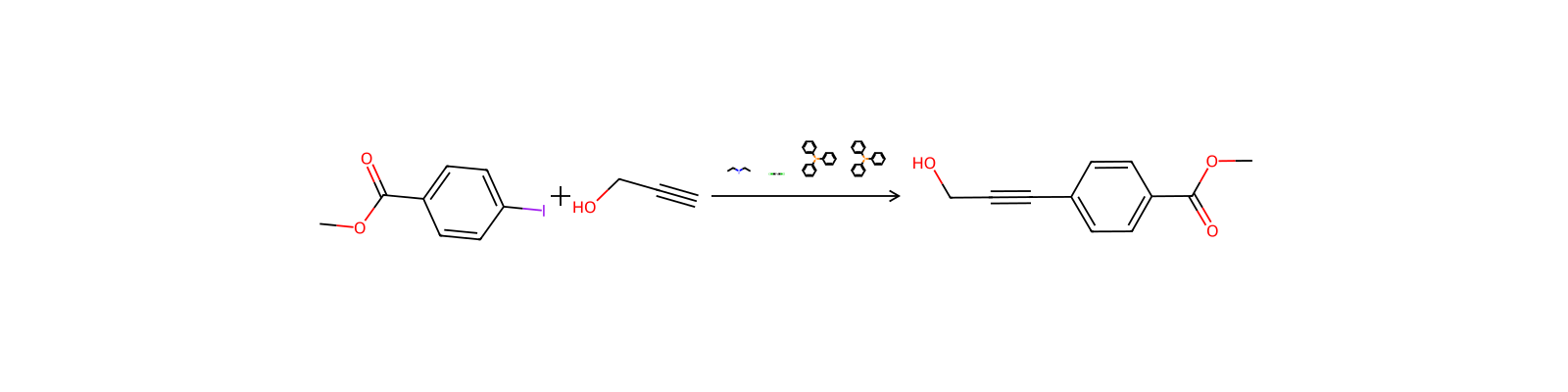
Reaktionsgleichung von HRID 1456
HRID 1456als Katalysator
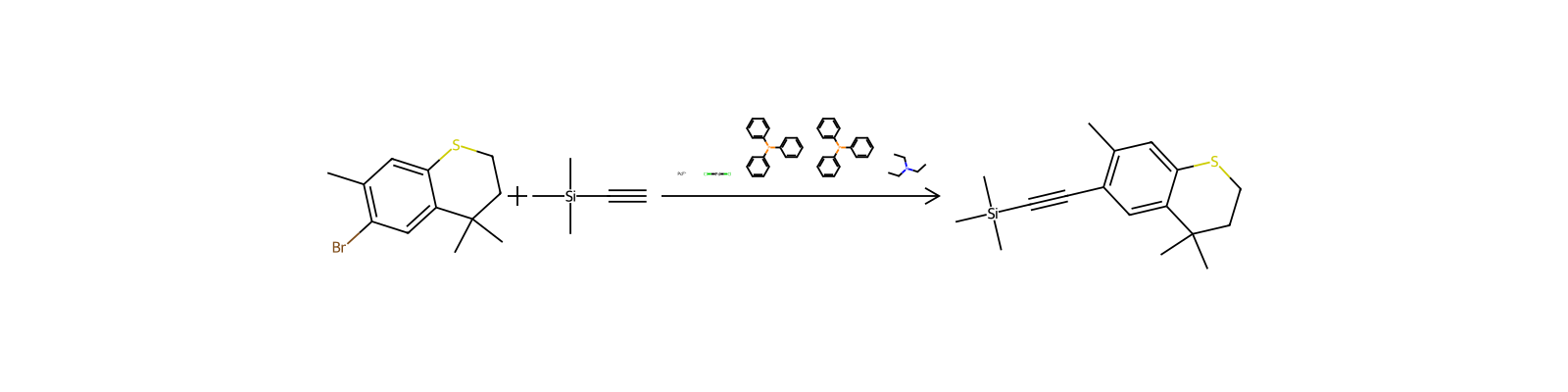
Reaktionsgleichung von HRID 1730
HRID 1730als Katalysator
Reaktionsgleichung von HRID 2146
HRID 2146als Katalysator
Reaktionsgleichung von HRID 2279
HRID 2279als Katalysator
Reaktionsgleichung von HRID 2292
HRID 2292als Katalysator
Reaktionsgleichung von HRID 2297
HRID 2297als Katalysator
Reaktionsgleichung von HRID 2742
HRID 2742als Katalysator
Reaktionsgleichung von HRID 6536
HRID 6536als Katalysator
ZurückSeite 1 von 179

Notizen zur Verbindung

Auf dieser SeiteGrundinformationenÜberblickNamen und BezeichnerEigenschaftenSicherheit und RegulatorischesChemie und IndustrieZugehörige ReaktionenNotizen zur Verbindung

Datenbank-Bezeichner

CAS
13965-03-2
PubChem CID
6102075
EC Number
237-744-2
Signs and SymptomsSkin contact with palladium may cause contact dermatitis, erythema, and oedema. (L798)
Carcinogen ClassificationNo indication of carcinogenicity to humans (not listed by IARC).

Sicherheitsdaten

F
3-10-21
wgk
3
tsca
No
hs_code
28439090
risk_code
36/37/38-22-40-19
hazard_code
Xn
safety_code
37/39-26-36/37
Speicherklasse
11 - Combustible Solids
Hazard Classifications
Aquatic Chronic 4Skin Sens. 1A
5-(2-Phenyleth-1-ynyl)thiophene-2-carbaldehyde
4-Ethynylaniline
4-Azaindole
4-Phenylethynylphthalic anhydride
2-Chloro-7H-pyrrolo[2,3-d]pyrimidine
3,4-Dichlorophenylacetylene