
Propylisocyanat
Propyl isocyanate
Daten werden ergänzt – lade die Seite später neu, um den aktuellen Stand zu sehen

Grundinformationen
- CAS
110-78-1- Standard-SMILES
CCCN=C=O- InChIKey
OQURWGJAWSLGQG-UHFFFAOYSA-N- Summenformel
- C4H7NO
- Durchschnittliche Molmasse
- 85,1 g/mol
- Monoisotopische Masse
- 85,05276384
Überblick
N-propyl isocyanate appears as a colorless liquid with a pungent odor. Very toxic by ingestion. May be toxic by skin absorption and inhalation. Insoluble in water but reacts with water to produce a toxic vapor. Used to make other chemicals.
Namen und Bezeichner
- Bevorzugter Name
- Propyl isocyanate
- IUPAC
- 1-isocyanatopropane
- Lokaler Name
- Propylisocyanat
- Englischer Name
- Propyl isocyanate
- Summenformel
- C4H7NO
- Molmasse
- 85.1
Namen und Synonyme
Propyl isocyanate1-Isocyanatopropanen-Propyl isocyanatePROPANE, 1-ISOCYANATO-m-Propyl isocyanateEINECS 203-803-6EW62LG5TQ7NSC 89688UN2482AI3-28281NSC-89688Isocyanic acid n-propyl ester
Weitere Namen anzeigen
Isocyanatopropanen-picWLN: OCN3Desmodur RNPropyl carbimideN-PROPYLCARBIMIDEn-Propylisocyanat
DTXSID5051571OQURWGJAWSLGQG-UHFFFAOYSA-UN 24821IsocyanatopropanemPropyl isocyanate1Propyl isocyanatePropane, 1isocyanatoRefChem:176498
Datenbank-Bezeichner
- CAS
110-78-1- PubChem CID
- 61033
- DTXSID
DTXSID5051571- ChEMBL
CHEMBL441027- UNII
- EW62LG5TQ7
- EC Number
- 203-803-6
- Nikkaji
- J36.792C
Eigenschaften
Berechnete StruktureigenschaftenWird ergänzt
- XLogP
- 1,9
- Polarare Oberfläche (TPSA)
- 29,4 Ų
- H-Brücken-Donoren
- 0
- H-Brücken-Akzeptoren
- 2
- Frei drehbare Bindungen
- 2
- Schwere Atome
- 6
- Formalladung
- 0
- Komplexität
- 63,9
Experimentelle und physikochemische Eigenschaften
Chemical Classes
Toxic Gases & Vapors -> Monoisocyanates
Flammable agents - 3rd degree
SpringerMaterials PropertiesSchoenflies notation
Physical Description
N-propyl isocyanate appears as a colorless liquid with a pungent odor. Very toxic by ingestion. May be toxic by skin absorption and inhalation. Insoluble in water but reacts with water to produce a toxic vapor. Used to make other chemicals.
Colorless liquid with pungent odor; [CAMEO]
Physikochemische Eigenschaften
- Schmelzpunkt
- -30 °C · -30 °C
- Siedepunkt
- 83 · 83-84 °C(lit.)
- Dichte
- 0.908 g/mL · 0.908 g/mL at 25 °C(lit.)
- Brechungsindex
- 20 · n20/D 1.394(lit.)
- Flammpunkt
- 32 °F · 32 °F
- storage temp.
- Flammables area
Sicherheit und Regulatorisches
Sicherheitsangaben dienen nur zur Orientierung und ersetzen weder das Sicherheitsdatenblatt (SDB) des Lieferanten noch geltende Vorschriften oder eine fachliche Bewertung.
GHS-Klassifizierung
GHS Classification
Danger
H225 (100%): Highly Flammable liquid and vapor [Danger Flammable liquids]
P210, P233, P240, P241, P242, P243, P260, P261, P264, P264+P265, P270, P271, P272, P280, P284, P301+P317, P302+P352, P303+P361+P353, P304+P340, P305+P354+P338, P317, P319, P321, P330, P332+P317, P333+P317, P342+P316, P362+P364, P370+P378, P403, P403+P233, P403+P235, P405, and P501 (click each P-code to see the statement)
Aggregated GHS information provided per 42 reports by companies from 5 notifications to the ECHA C&L Inventory. Each notification may be associated with multiple companies.
Gefahrenhinweise
Hazards IdentificationToxic/poison by inhalation (TIH/PIH)
Regulatory InformationThe New Jersey Worker and Community Right to Know Act requires public and private employers to provide information about hazardous substances at their workplaces. (N.J.S.A. 34:5A-1 et. seq.)
DOT LabelPoison Inhalation Hazard Flammable Liquid
Fire Hazards
Excerpt from ERG Guide 155 [Substances - Toxic and/or Corrosive (Flammable / Water-Sensitive); polymerization hazard]:
· HIGHLY FLAMMABLE: Will be easily ignited by heat, sparks or flames.
Health Hazards
Excerpt from ERG Guide 155 [Substances - Toxic and/or Corrosive (Flammable / Water-Sensitive); polymerization hazard]:
· TOXIC and/or CORROSIVE; inhalation, ingestion or contact (skin, eyes) with vapors, dusts or substance may cause severe injury, burns or death.
Hazards SummaryHighly flammable; May cause burns and death; Reacts with water to slowly produce cyanide vapor; Corrosive gases and flammable hydrogen may be released; [CAMEO]
Chemie und Industrie
Verwendung und Herstellung
UsesUsed to make other chemicals; [CAMEO]
General Manufacturing InformationPropane, 1-isocyanato-: ACTIVE
Vor- und nachgelagerte Produkte
Vorgelagerte Rohstoffe
Nachgelagerte Produkte
Zugehörige Reaktionen
263

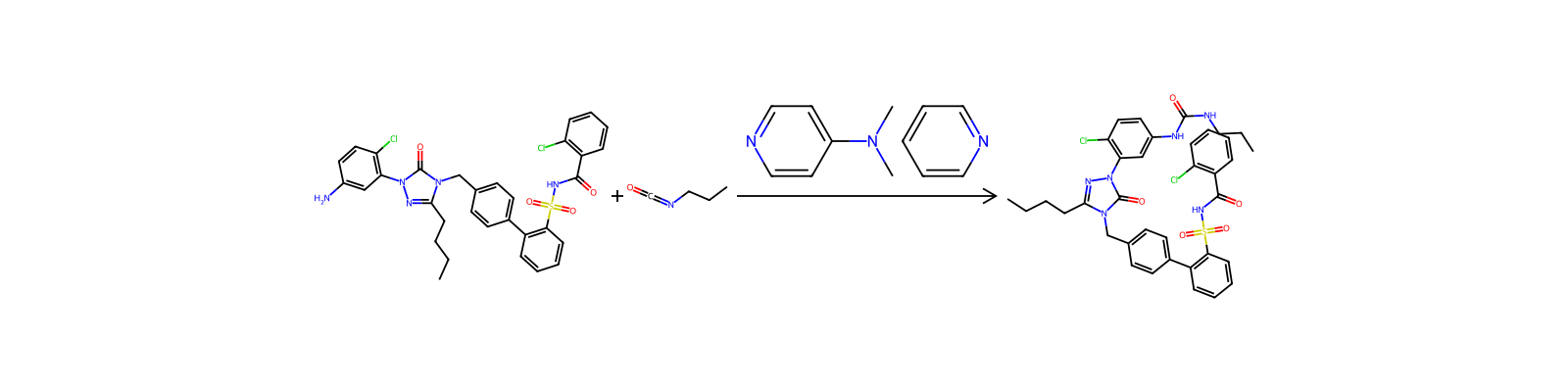


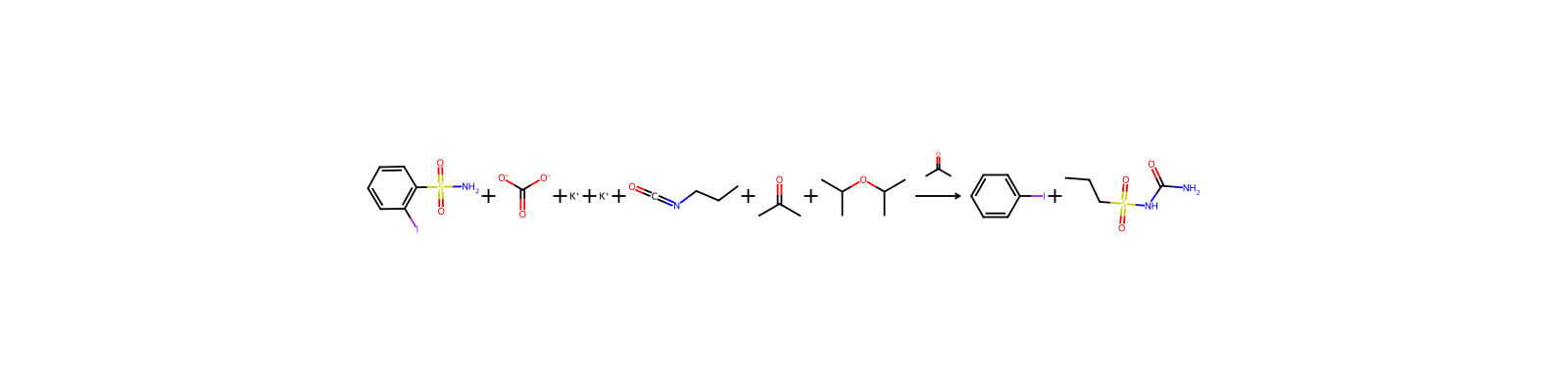
Notizen zur Verbindung
Wird geladen…