
3-Morpholinopropylamin
N-(3-Aminopropyl)morpholine

Grundinformationen
- CAS
123-00-2- Standard-SMILES
NCCCN1CCOCC1- InChIKey
UIKUBYKUYUSRSM-UHFFFAOYSA-N- Summenformel
- C7H16N2O
- Durchschnittliche Molmasse
- 144,21 g/mol
- Monoisotopische Masse
- 144,12626313
Überblick
N-aminopropylmorpholine appears as a colorless liquid with a faint, fishlike odor. Burns, but requires some effort to ignite. Corrosive to tissue. Produces toxic oxides of nitrogen during combustion.
Namen und Bezeichner
- Bevorzugter Name
- N-(3-Aminopropyl)morpholine
- IUPAC
- 3-morpholin-4-ylpropan-1-amine
- Lokaler Name
- 3-Morpholinopropylamin
- Englischer Name
- N-(3-Aminopropyl)morpholine
- Summenformel
- C7H16N2O
- Molmasse
- 144.21
Namen und Synonyme
123-00-2N-(3-Aminopropyl)morpholine3-Morpholinopropylamine3-morpholinopropan-1-amine4-MORPHOLINEPROPANAMINEN-Aminopropylmorpholine4-(3-Aminopropyl)morpholine3-(morpholin-4-yl)propan-1-amine1-Amino-3-morpholinopropane4-MorpholinepropylamineMorpholine, 4-(3-aminopropyl)-(3-Aminopropyl)morpholine
Weitere Namen anzeigen
NAPMNSC 10813-MorphoLinopropyLAKOS MSC-0738RARECHEM AL BW 1351LABOTEST-BB LT00731422
3-(4-Morpholinyl)-1-propanamine4-AminopropylmorpholineMorpholine, N-aminopropyl-Morpholine, 4-aminopropyl-3-Morpholinopropanaminegamma-MorpholinopropylamineAminopropylmorpholineN-(3-Aminopropyl)morfolin
Datenbank-Bezeichner
- CAS
123-00-2- PubChem CID
- 61055
- DTXSID
DTXSID4041521
Eigenschaften
Berechnete Struktureigenschaften
- XLogP
- -0,7
- Polarare Oberfläche (TPSA)
- 38,5 Ų
- H-Brücken-Donoren
- 1
- H-Brücken-Akzeptoren
- 3
- Frei drehbare Bindungen
- 3
- Schwere Atome
- 10
- Formalladung
- 0
- Komplexität
- 81,7
Experimentelle und physikochemische Eigenschaften
Chemical ClassesCorrosives
SpringerMaterials PropertiesOptical coefficient
Physical Description
N-aminopropylmorpholine appears as a colorless liquid with a faint, fishlike odor. Burns, but requires some effort to ignite. Corrosive to tissue. Produces toxic oxides of nitrogen during combustion.
CBI
Collision Cross Section128.3 Ų [M+H]+ [CCS Type: DT; Buffer gas: N2; Ionization: APCI+; Dataset: TOXCAST; Source Identifier: DTXSID4041521]
Physikochemische Eigenschaften
- Schmelzpunkt
- 15 °C · −15 °C(lit.)
- Siedepunkt
- 224 °C · 224 °C(lit.)
- Dichte
- 0.987 g/mL · 0.987 g/mL at 25 °C(lit.)
- Dampfdichte
- 4.97 · 4.97
- Dampfdruck
- 11.5 Pa · 11.5Pa at 20℃
- Brechungsindex
- 20 · n20/D 1.4761(lit.)
Sicherheit und Regulatorisches
Sicherheitsangaben dienen nur zur Orientierung und ersetzen weder das Sicherheitsdatenblatt (SDB) des Lieferanten noch geltende Vorschriften oder eine fachliche Bewertung.
GHS-Klassifizierung
GHS Classification
Danger
H302 (87.3%): Harmful if swallowed [Warning Acute toxicity, oral]
P260, P264, P264+P265, P270, P280, P301+P317, P301+P330+P331, P302+P352, P302+P361+P354, P304+P340, P305+P354+P338, P316, P317, P321, P330, P362+P364, P363, P405, and P501 (click each P-code to see the statement)
Aggregated GHS information provided per 711 reports by companies from 8 notifications to the ECHA C&L Inventory. Each notification may be associated with multiple companies.
Gefahrenhinweise
Regulatory Information
Chemical: 4-Morpholinepropanamine
4-Morpholinepropanamine is listed on the EPA's Chemical Data Reporting (CDR) system. Manufacturers and importers of 4-Morpholinepropanamine are required to report information about their production and use of this chemical to the EPA under the Toxic Substances Control Act (TSCA). (40 eCFR Part 711)
Status: Active Update: 07-01-2019 https://echa.europa.eu/registration-dossier/-/registered-dossier/24742
4-Morpholinepropanamine: Does not have an individual approval but may be used under an appropriate group standard
The New Jersey Worker and Community Right to Know Act requires public and private employers to provide information about hazardous substances at their workplaces. (N.J.S.A. 34:5A-1 et. seq.)
DOT LabelCorrosive
Fire HazardsExcerpt from ERG Guide 153 [Substances - Toxic and/or Corrosive (Combustible)]:
Health HazardsExcerpt from ERG Guide 153 [Substances - Toxic and/or Corrosive (Combustible)]:
Reactive GroupAmines, Phosphines, and Pyridines
Chemie und Industrie
Verwendung und Herstellung
U.S. Production2023: <75,000 lb
Consumer UsesSemiconductor and photovoltaic agent
Household ProductsInformation on 1 consumer products that contain N-Aminopropylmorpholine in the following categories is provided:
General Manufacturing Information4-Morpholinepropanamine: ACTIVE
Anwendungen
VerwendenFiber synthesis; chemical intermediate.
Vor- und nachgelagerte Produkte
Vorgelagerte Rohstoffe
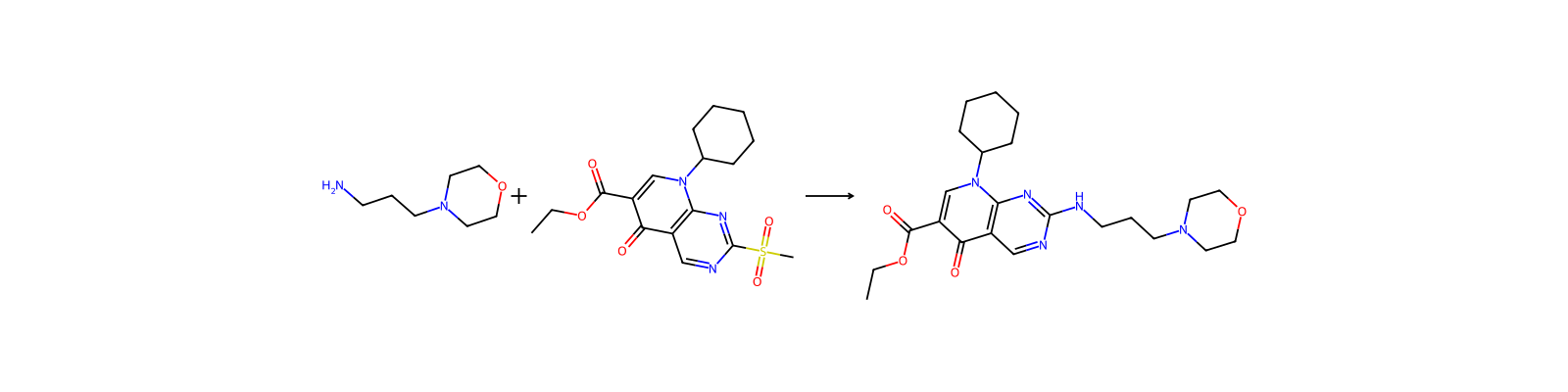
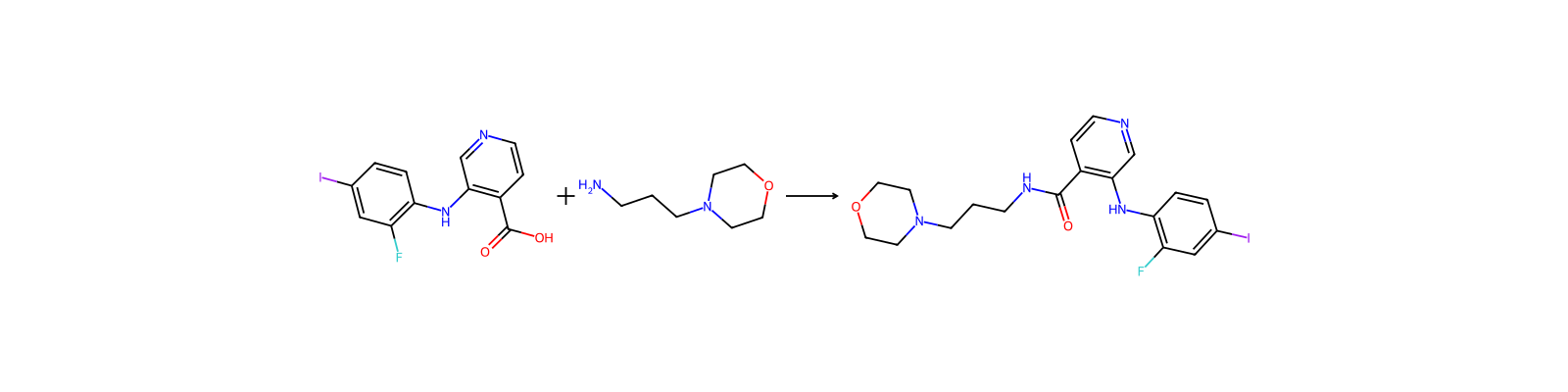
Zugehörige Reaktionen
289



Notizen zur Verbindung
Wird geladen…