StartseiteMCPWorkbenchSkills
StartseiteWorkbenchBenachrichtigungenMein Bereich
llms.txt · MCP-AnleitungDatenschutz · Nutzungsbedingungen · Supportv1.8.0
  1. Startseite
  2. /Verbindung

Bromacetylbromid

Bromoacetyl bromide

HCID 61147
Neue NotizNeue ReaktionAnfrage stellen
Druckvorschau

Daten werden ergänzt – lade die Seite später neu, um den aktuellen Stand zu sehen
GrundinformationenÜberblickNamen und BezeichnerEigenschaftenSicherheit und RegulatorischesChemie und IndustrieZugehörige ReaktionenNotizen zur Verbindung
TeilstruktursucheÄhnliche Strukturen suchen

Grundinformationen

CAS
598-21-0
Standard-SMILES
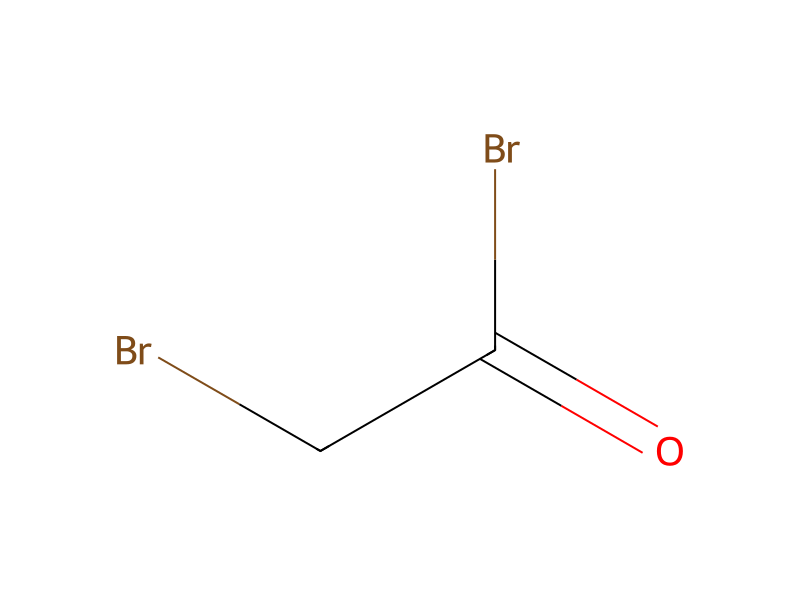
O=C(Br)CBr
InChIKey
LSTRKXWIZZZYAS-UHFFFAOYSA-N
Summenformel
C2H2Br2O
Durchschnittliche Molmasse
201,84 g/mol
Monoisotopische Masse
199,84723888

Überblick

Bromoacetyl bromide appears as a water-white liquid with a pungent odor. Denser than water. Irritates skin, eyes and mucous membranes. May be toxic by ingestion, inhalation and skin absorption. Used to make other chemicals.

Namen und Bezeichner

Bevorzugter Name
Bromoacetyl bromide
IUPAC
2-bromoacetyl bromide
Lokaler Name
Bromacetylbromid
Englischer Name
Bromoacetyl bromide
Summenformel
C2H2Br2O
Molmasse
201.84

Namen und Synonyme

Bromoacetyl bromide598-21-0ACETYL BROMIDE, BROMO-Acetyl bromide, 2-bromo-CCRIS 9090EINECS 209-923-5UN2513alpha-bromoacetyl bromideDTXSID10605062bromoacetyl bromideAcetyl bromide, bromoalphaBromoacetyl bromide
Weitere Namen anzeigen
acetylbromide,bromo-bromoacetylBroMoacetyl brAKOS BBS-00004286bromo-acetylbromid?BROMOACETYL?BROMIBrominemonobromide1,2-Dibromoethanone
Acetyl bromide, 2bromoRefChem:570322BROMOETHANOYL BROMIDEMONOBROMOACETYL BROMIDEDTXCID7042699209-923-52-Bromoacetyl bromidebromoacetylbromide

Datenbank-Bezeichner

CAS
598-21-0
PubChem CID
61147
DTXSID
DTXSID1060506
UNII
GV64Q4VP87
EC Number
209-923-5

Eigenschaften

Berechnete StruktureigenschaftenWird ergänzt

XLogP
1,6
Polarare Oberfläche (TPSA)
17,1 Ų
H-Brücken-Donoren
0
H-Brücken-Akzeptoren
1
Frei drehbare Bindungen
1
Schwere Atome
5
Formalladung
0
Komplexität
42,9

Experimentelle und physikochemische Eigenschaften

Chemical Classes · 2 Einträge

Other Classes -> Halogenated Ketones

Corrosives

SpringerMaterials PropertiesSchoenflies notation
Density2.317 at 68 °F (USCG, 1999) - Denser than water; will sink
Boiling Point298 °F at 760 mmHg (USCG, 1999)
Physical Description · 2 Einträge

Bromoacetyl bromide appears as a water-white liquid with a pungent odor. Denser than water. Irritates skin, eyes and mucous membranes. May be toxic by ingestion, inhalation and skin absorption. Used to make other chemicals.

Fuming water-white liquid with a pungent odor; [CAMEO] Colorless to light yellow liquid with an extremely irritating odor; [CHRIS] Dark brown liquid; [Sigma-Aldrich MSDS]

Physikochemische Eigenschaften

Schmelzpunkt
148.5 °C · 148.5°C (estimate)
Siedepunkt
147 · 147-150 °C(lit.)

Sicherheit und Regulatorisches

Sicherheitsangaben dienen nur zur Orientierung und ersetzen weder das Sicherheitsdatenblatt (SDB) des Lieferanten noch geltende Vorschriften oder eine fachliche Bewertung.

GHS-Klassifizierung

GHS Classification · 5 Einträge

Danger

H314 (100%): Causes severe skin burns and eye damage [Danger Skin corrosion/irritation]

P260, P264, P264+P265, P280, P301+P330+P331, P302+P361+P354, P304+P340, P305+P354+P338, P316, P317, P321, P363, P405, and P501 (click each P-code to see the statement)

Aggregated GHS information provided per 73 reports by companies from 9 notifications to the ECHA C&L Inventory. Each notification may be associated with multiple companies.

Not Classified

Gefahrenhinweise

Regulatory Information · 4 Einträge

Chemical: Acetyl bromide, bromo-

Status: Active Update: 10-05-2022 https://echa.europa.eu/registration-dossier/-/registered-dossier/17142

Bromoacetyl bromide: Does not have an individual approval but may be used under an appropriate group standard

The New Jersey Worker and Community Right to Know Act requires public and private employers to provide information about hazardous substances at their workplaces. (N.J.S.A. 34:5A-1 et. seq.)

DOT LabelCorrosive
Fire Hazards · 2 Einträge

Special Hazards of Combustion Products: Heat of fire can cause decomposition, with evolution of highly toxic and irritating hydrogen bromide and bromophosgene vapors.

· Combustible material: may burn but does not ignite readily.

Health Hazards · 2 Einträge

Inhalation causes severe irritation of upper respiratory system. External contact causes severe irritation of eyes and skin. Ingestion causes severe irritation of mouth and stomach. (USCG, 1999)

· TOXIC and/or CORROSIVE; inhalation, ingestion or contact (skin, eyes) with vapors, dusts or substance may cause severe injury, burns or death.

Chemie und Industrie

Verwendung und Herstellung

UsesUsed in chemical manufacture; [CAMEO]
General Manufacturing InformationAcetyl bromide, 2-bromo-: ACTIVE
Anwendungen · 1 Eintrag

VerwendenBromoacetyl bromide is widely used in the synthesis of fine chemicals, agrochemicals, dyes and pharmaceuticals. As an acylating agent, it reacts with 10H-phenothiazine to give 10-bromoacetyl-10H-phenothiazine. Similarly, it is also involved in the preparation of bromoactylated starch which is a biodegradable thermoplastic copolymer.

Vor- und nachgelagerte Produkte

Vorgelagerte Rohstoffe

Phosphor

Nachgelagerte Produkte

Diethyl (N-methoxy-N-methylcarbamoylmethyl)phosphonateClonazepam2-Hydrazinyl-1-morpholinoethanone7-(alpha-Bromoacetamido)cephalosporanic acid2-(4-Pentylbenzoyl)-1-benzofuran-5-carbaldehyde6-Bromo-2H-1,4-benzoxazin-3(4H)-oneα-BromtoluolPhenyl bromoacetate

Zugehörige Reaktionen

1.289
Reaktionsaufzeichnung erstellen
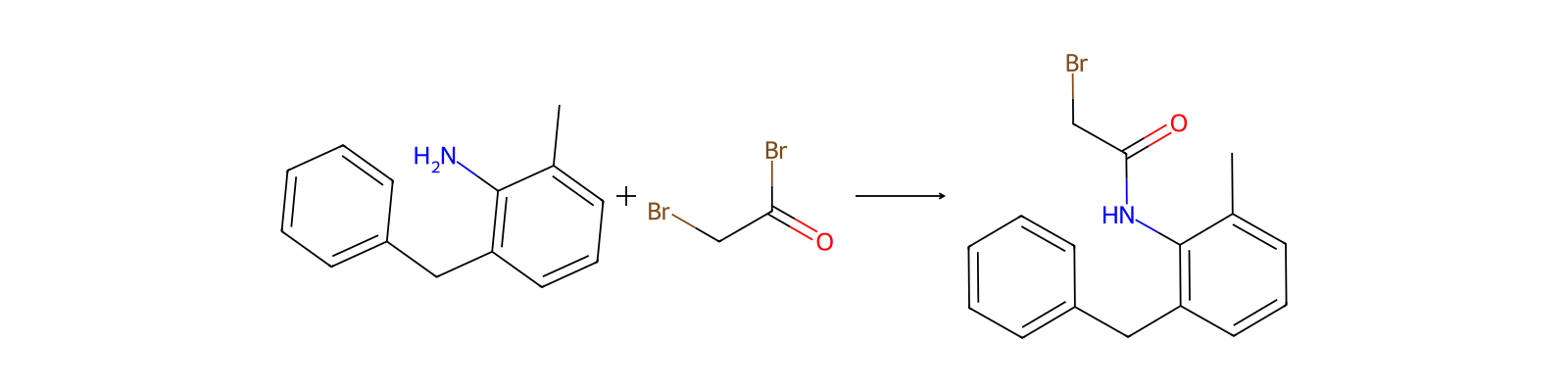
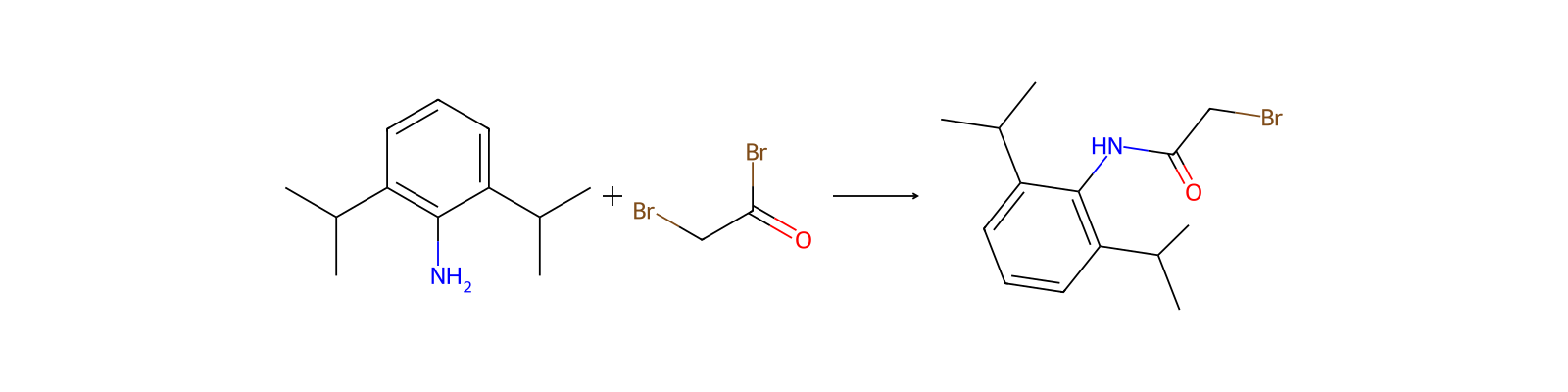
Reaktionsgleichung von HRID 953
HRID 953als Eduktuspto-grants-1998_03
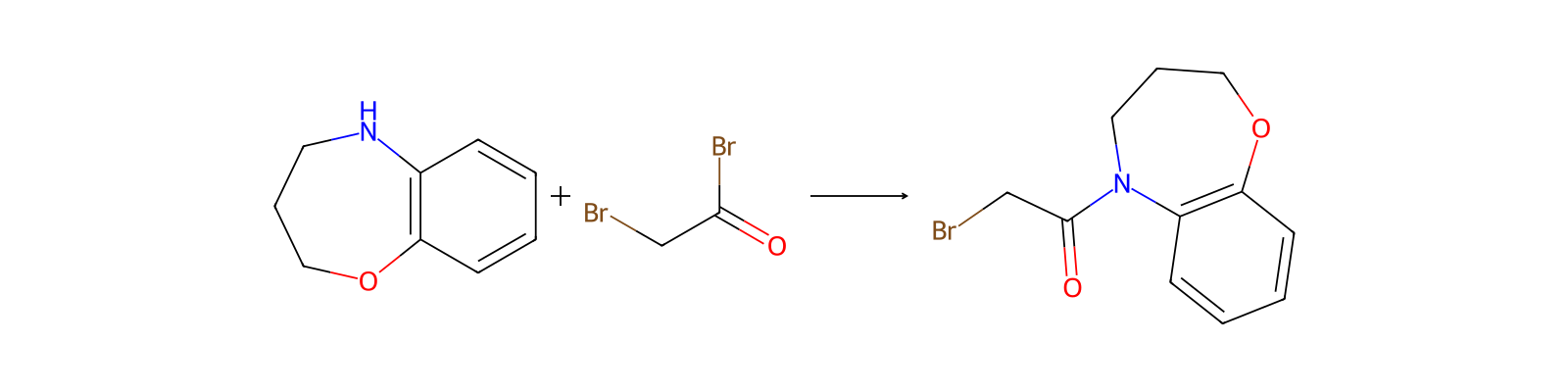
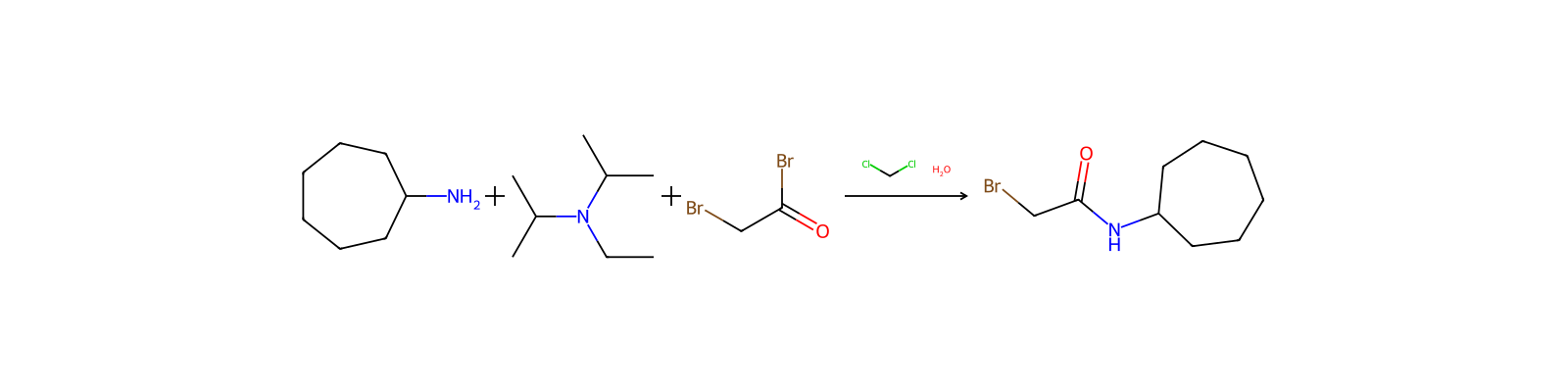
Reaktionsgleichung von HRID 957
HRID 957als Eduktuspto-grants-1998_03
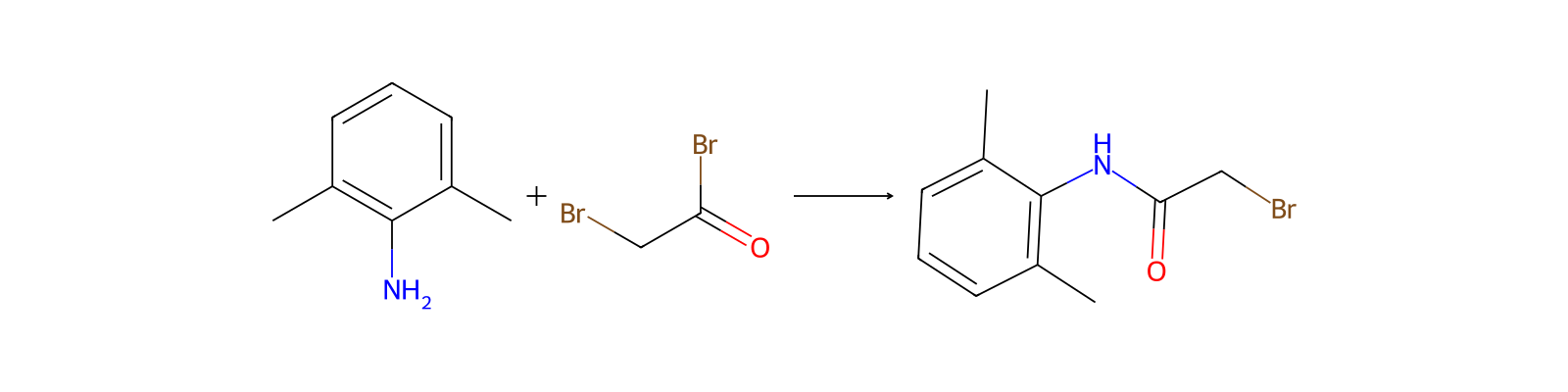
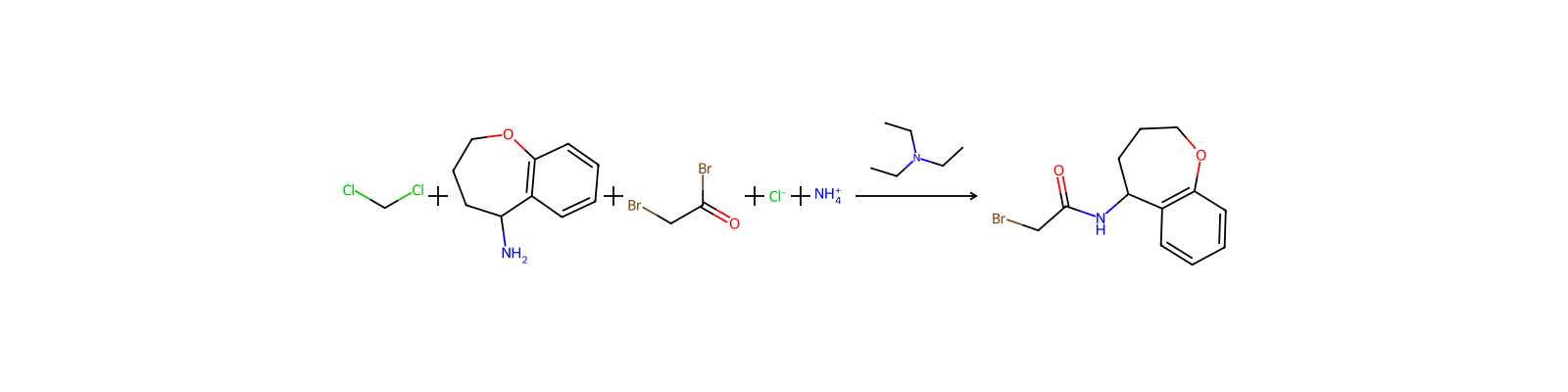
Reaktionsgleichung von HRID 959
HRID 959als Eduktuspto-grants-1998_03
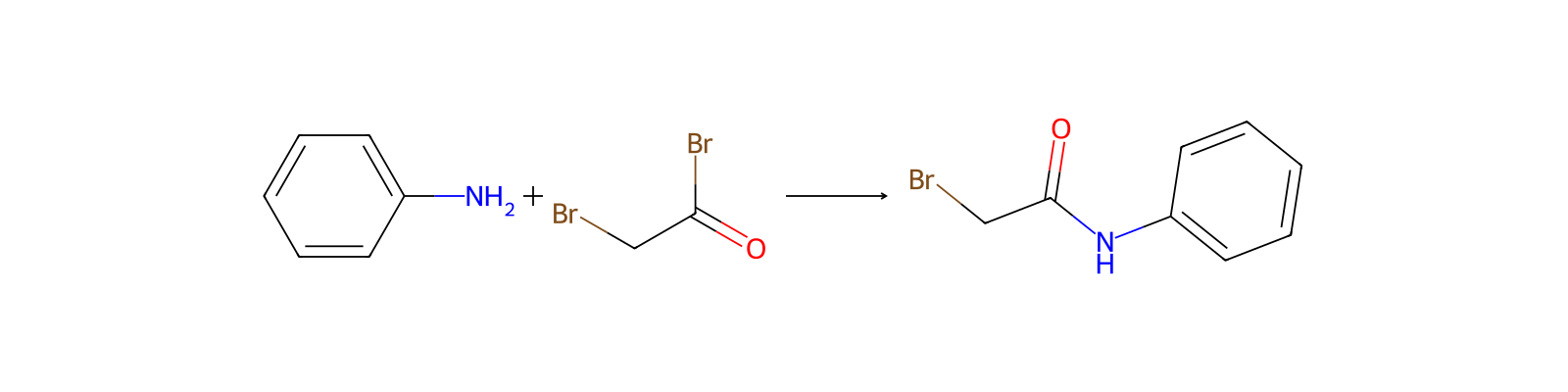
Reaktionsgleichung von HRID 962
HRID 962als Eduktuspto-grants-1998_03
Reaktionsgleichung von HRID 963
HRID 963als Eduktuspto-grants-1998_03
Reaktionsgleichung von HRID 964
HRID 964als Eduktuspto-grants-1998_03
Reaktionsgleichung von HRID 965
HRID 965als Eduktuspto-grants-1998_03
Reaktionsgleichung von HRID 2962
HRID 2962als Eduktuspto-grants-1998_03
Seite 1 von 162

Notizen zur Verbindung

Wird geladen…

Auf dieser SeiteGrundinformationenÜberblickNamen und BezeichnerEigenschaftenSicherheit und RegulatorischesChemie und IndustrieZugehörige ReaktionenNotizen zur Verbindung
Weitere Aktionen
Neue NotizNeue ReaktionAnfrage stellen
Nikkaji
J474J
Dichte
2.324 g/mL · 2.324 g/mL at 20 °C
Dampfdruck
3.8 mm · 3.8 mm Hg ( 25 °C)
Brechungsindex
20 · n20/D 1.547(lit.)
Flammpunkt
105 °C · >105°C
storage temp.
Refrigerator (+4°C)
Löslichkeit
soluble in Chloroform
Aggregatzustand
Powder
Farbe
White
Wasserlöslichkeit
REACTS
BRN
605440 · 605440
Dielectric constant
12.6 · 12.6(20℃)
Stabilität
Stable, but reacts violently with water. Incompatible with water, moisture, alcohols, strong bases, strong oxidizing agents.
InChI
1S/C2H2Br2O/c3-1-2(4)5/h1H2
InChIKey
LSTRKXWIZZZYAS-UHFFFAOYSA-N
SMILES
BrCC(Br)=O
LogP
-0.04 at · -0.04 at 25℃
CAS Datenbank
598 · 598-21-0(CAS DataBase Reference)
NIST chemische Informationen
Bromoacetyl bromide(598-21-0)
EPA chemische Informationen
2 · Acetyl bromide, 2-bromo- (598-21-0)
Hazards Summary · 1 Eintrag

Reacts violently with water evolving hydrogen bromide; Causes severe skin irritation and serious eye injury; Brief contact can cause second- and third-degree skin burns; [CHRIS] Readily hydrolyzes; Causes burns; Inhalation may cause corrosive injuries to upper respiratory tract; [Sigma-Aldrich MSDS] See Dichloroacetone. See Hydrogen bromide.

DOT ID and Guide2513 156
Reactive GroupHalogenated Organic Compounds
Reactivity AlertsWater-Reactive
Reactivity Profile · 1 Eintrag

BROMOACETYL BROMIDE is incompatible with water, with bases (including amines), with strong oxidizing agents, with alcohols. May react vigorously or explosively if mixed with diisopropyl ether or other ethers in the presence of trace amounts of metal salts [J. Haz. Mat., 1981, 4, 291]. Decomposes when heated with evolution of highly toxic and irritating hydrogen bromide and bromophosgene vapors.

DOT Hazard Classification · 4 Einträge

Bromoacetyl bromide

UN2513

Class 8 Corrosive material (49 eCFR § 173.136)

PG II: the degree of danger presented by the material is medium

Air and Water ReactionsFumes in air. Reacts violently with water to form hydrobromic acid (HBr) (USCG 1991).
Hazard Classes and Categories · 2 Einträge

Skin Irrit. 2 (100%)

Corrosives, Reactive agents - 2nd degree

Sicherheit und Schutzausrüstung

Fire FightingExcerpt from ERG Guide 156 [Substances - Toxic and/or Corrosive (Combustible / Water-Sensitive)]:
Accidental Release Measures · 2 Einträge

· CALL 911. Then call emergency response telephone number on shipping paper. If shipping paper not available or no answer, refer to appropriate telephone number listed on the inside back cover.

· ELIMINATE all ignition sources (no smoking, flares, sparks or flames) from immediate area.

First Aid · 2 Einträge

INHALATION: Remove from exposure; support respiration, call physician.

General First Aid:

Exposure Control and Personal Protection· Wear positive pressure self-contained breathing apparatus (SCBA).
Nonfire Spill ResponseExcerpt from ERG Guide 156 [Substances - Toxic and/or Corrosive (Combustible / Water-Sensitive)]:
Isolation and Evacuation · 2 Einträge

Excerpt from ERG Guide 156 [Substances - Toxic and/or Corrosive (Combustible / Water-Sensitive)]:

Immediate precautionary measure

Personal Protective Equipment (PPE)Acid-type canister mask; self-contained breathing apparatus (full face); rubber gloves and full protective clothing. (USCG, 1999)
Emergency Response Planning Guidelines· Note: Most foams will react with the material and release corrosive/toxic gases.

Toxikologische Informationen

Adverse EffectsDermatotoxin - Skin burns.

Sicherheitsdaten

F
10-19
wgk
3
tsca
TSCA listed
ridadr
UN 2513
hs_code
29159080
risk_code
34-14
hazard_code
C
safety_code
26-36/37/39-45-8-30-25
hazard_class
8
packing_group
II
Speicherklasse
8A - Combustible corrosive hazardous materials
Hazard Classifications
Skin Corr. 1B
N-(Phenylmethyl)glycin
5-Bromoacetyl-2-hydroxybenzaldehyde
2-Hydrazinyl-1-(4-methylpiperazin-1-yl)ethanone
Glycine, N-(phenylMethyl)-, Methyl ester
2-Brom-1-(4-hydroxyphenyl)ethan-1-on
2-broMo-N-Methyl-N-(4-nitrophenyl)acetaMide
2-Brom-N,N-dibutylacetamid
2-Bromo-2',4'-difluoroacetophenone
N,N'-Ethylidenbis(2-bromacetamid)
3,5-Bis(trifluoromethyl)-N-(bromoacetyl)aniline
N-(1-benzylpiperidin-4-yl)-2-bromoacetamide(SALTDATA: 0.35HCl)
2-Bromo-N-(3-chloro-phenyl)-acetamide
3-(Broacetyl)aminophenol