StartseiteMCPWorkbenchSkills
StartseiteWorkbenchBenachrichtigungenMein Bereich
llms.txt · MCP-AnleitungDatenschutz · Nutzungsbedingungen · Supportv1.8.0
  1. Startseite
  2. /Verbindung

Di-N-butylzinnoxid

Dibutyltin oxide

HCID 61221
Neue NotizNeue ReaktionAnfrage stellen
Druckvorschau

Daten werden ergänzt – lade die Seite später neu, um den aktuellen Stand zu sehen
GrundinformationenÜberblickNamen und BezeichnerEigenschaftenSicherheit und RegulatorischesChemie und IndustrieZugehörige ReaktionenNotizen zur Verbindung
TeilstruktursucheÄhnliche Strukturen suchen

Grundinformationen

CAS
818-08-6
Standard-SMILES
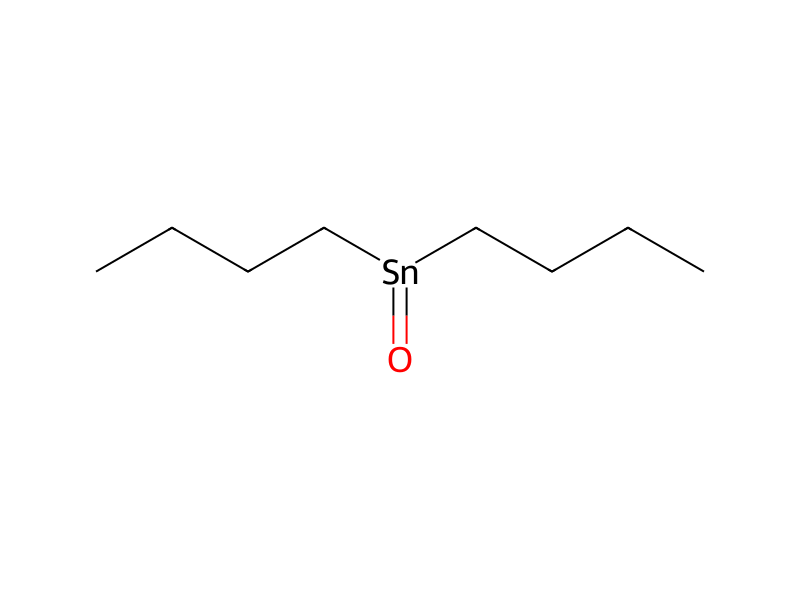
CCC[CH2][Sn](=[O])[CH2]CCC
InChIKey
JGFBRKRYDCGYKD-UHFFFAOYSA-N
Summenformel
C8H18OSn
Durchschnittliche Molmasse
248,94 g/mol
Monoisotopische Masse
250,0379599

Überblick

Dibutyltin oxide is an organotin compound. It is used mainly in organic synthesis. Tin is a chemical element with the symbol Sn and atomic number 50. It is a natural component of the earth's crust and is obtained chiefly from the mineral cassiterite, where it occurs as tin dioxide. (L307, L309, L312)

Namen und Bezeichner

Bevorzugter Name
Dibutyltin oxide
IUPAC
dibutyl(oxo)tin
Lokaler Name
Di-N-butylzinnoxid
Englischer Name
Dibutyltin oxide
Summenformel
C8H18OSn
Molmasse
248.94

Namen und Synonyme

Dibutyltin oxide818-08-6DibutyloxotinDibutyloxostannaneStannane, dibutyloxo-Dibutylstannane oxidedibutylstannanoneDibutyloxide of tinDibutylstannium oxideTin, dibutyl-, oxideT435H74FO0NSC-28130
Weitere Namen anzeigen
dbtoBu2SnO818-08-6 FASCAT 4201EDJYHXdbotDi-n-butyltinoxide,98%Di-n-Butyl
DTXSID4027315RefChem:132969DTXCID607315212-449-1dibutyl(oxo)tinDibutyltin(IV) oxideDI-N-BUTYLTIN OXIDETin, dibutyloxo-

Datenbank-Bezeichner

CAS
818-08-6
PubChem CID
61221
DTXSID
DTXSID4027315
UNII
T435H74FO0
EC Number
212-449-1
Nikkaji
J7.115C

Eigenschaften

Berechnete StruktureigenschaftenWird ergänzt

Polarare Oberfläche (TPSA)
17,1 Ų
H-Brücken-Donoren
0
H-Brücken-Akzeptoren
1
Frei drehbare Bindungen
6
Schwere Atome
10
Formalladung
0
Komplexität
81,3

Experimentelle und physikochemische Eigenschaften

Chemical ClassesMetals -> Tin Compounds, Organic
LogP5.33 (calculated)
DensityRelative density (water = 1): 1.5
SolubilitySolubility in water, mg/l at 20 °C: 3.9-4.2 (very poor)
Boiling Point161.9 °C
Melting Point105 °C
Vapor PressureVapor pressure, Pa at 25 °C: 0.000004
Food Contact Substances · 2 Einträge

FCS -> FDA Cumulative Estimated Daily Intake (CEDI)

FCS -> FDA Inventory of Food Contact Substances Listed in 21 CFR

Physical Description · 3 Einträge

Dry Powder; Liquid; Wet Solid; Dry Powder; CBI

White solid; [Merck Index] White powder; [Sigma-Aldrich MSDS]

WHITE POWDER.

Autoignition Temperature

Sicherheit und Regulatorisches

Sicherheitsangaben dienen nur zur Orientierung und ersetzen weder das Sicherheitsdatenblatt (SDB) des Lieferanten noch geltende Vorschriften oder eine fachliche Bewertung.

GHS-Klassifizierung

GHS Classification · 6 Einträge

Danger

H301: Toxic if swallowed [Danger Acute toxicity, oral]

P203, P260, P264, P264+P265, P270, P280, P301+P316, P302+P352, P305+P354+P338, P317, P318, P319, P321, P330, P332+P317, P362+P364, P405, and P501 (click each P-code to see the statement)

This chemical does not meet GHS hazard criteria for 0.8% (5 of 642) of reports.

Danger

H301 (86.4%): Toxic if swallowed [Danger Acute toxicity, oral]

Gefahrenhinweise

Regulatory Information · 5 Einträge

Chemical: Stannane, dibutyloxo-

Hazard Traits - Reproductive Toxicity

Stannane, dibutyloxo- is listed on the EPA's Chemical Data Reporting (CDR) system. Manufacturers and importers of Stannane, dibutyloxo- are required to report information about their production and use of this chemical to the EPA under the Toxic Substances Control Act (TSCA). (40 eCFR Part 711)

Status: Active Update: 18-03-2023 https://echa.europa.eu/registration-dossier/-/registered-dossier/14790

Dibutyltin oxide: Does not have an individual approval but may be used under an appropriate group standard

Other Safety InformationIMAP assessments - Stannane, dibutyloxo-: Human health tier II assessment
Fire HazardsCombustible. Gives off irritating or toxic fumes (or gases) in a fire. Finely dispersed particles form explosive mixtures in air.
Hazards Summary · 1 Eintrag

Corrosive to eyes in rabbits, with corneal opacity and other effects not reversed within 7 days; [EPA - TSCATS] Causes flaccid paralysis, general anesthesia, and somnolence in intraperitoneal lethal-dose studies of rats; Causes normocytic anemia in 26-week intermittent oral studies of rats; [RTECS] A skin, eye, and respiratory tract irritant; May cause CNS effects; Chronic exposure may cause liver injury; May be toxic to reproduction or development, based on animal studies; [ICSC] An irritant that may cause serious eye injury; May cause skin sensitization; Toxic by ingestion; Prolonged or repeated exposure may cause thymus injury; Suspected mutagen and teratogen (oropharyngeal malformations); [ECHA REACH Registrations] A mild skin irritant; May cause serious eye injury; Highly toxic by ingestion; Prolonged or repeated exposure may cause organ injury; Teratogenicity observed in rats; [Sigma-Aldrich MSDS] See Tin, organic compounds.

Chemie und Industrie

Pharmakologische Informationen

Metabolism/Metabolites · 1 Eintrag

Though tin metal is very poorly absorbed, tin compounds may be absorbed via oral, inhalation, or dermal routes, with organotin compounds being much more readily absorbed than inorganic tin compounds. Tin may enter the bloodstream and bind to hemoglobin, where it is distributed and accumulates mainly in the kidney, liver, lung, and bone. Organotin compounds may undergo dealkylation, hydroxylation, dearylation, and oxidation catalyzed by cytochrome P-450 enzymes in the liver. The alkyl products of dealkylation are conjugated with glutathione and further metabolized to mercapturic acid derivatives. Tin and its metabolites are excreted mainly in the urine and feces. (L308)

Verwendung und Herstellung

Uses · 3 Einträge

Used as a catalyst in synthetic organic chemistry; [Merck Index] Used to formulate adhesives-sealants, paints-coatings-thinners, polymers, products for dying-finishing-impregnating paper-board, textiles, and leather, to make fine chemicals, textiles-leather-fur, pulp-paper-paper products, wood products, rubber products, computer-electronic-optical products, in general manufacturing, and building and construction work; [ECHA REACH Registrations] Permitted for use as an inert ingredient in non-food pesticide products; [EPA]

Pulp and Paper Processing [Category: Industry]

Dibutyltin oxide is used mainly in organic synthesis. (L312)

U.S. Production2023: 2,500,000 - <4,000,000 lb
Consumer UsesCatalyst
Industry UsesPolymerization promoter
Household ProductsInformation on 1 consumer products that contain Dibutyltin oxide in the following categories is provided:
General Manufacturing Information · 2 Einträge

All Other Chemical Product and Preparation Manufacturing

Zugehörige Reaktionen

491
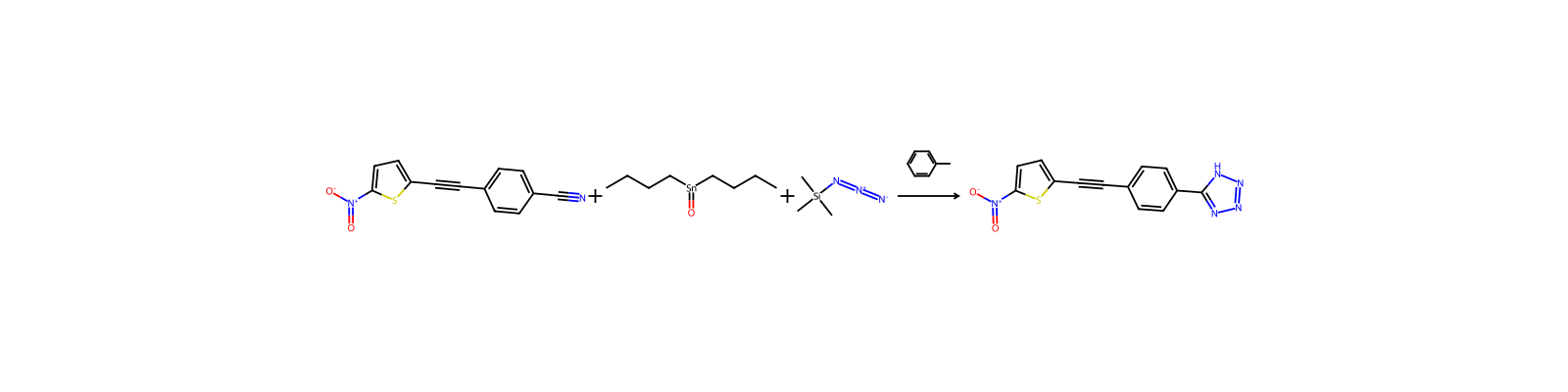
Reaktionsaufzeichnung erstellen
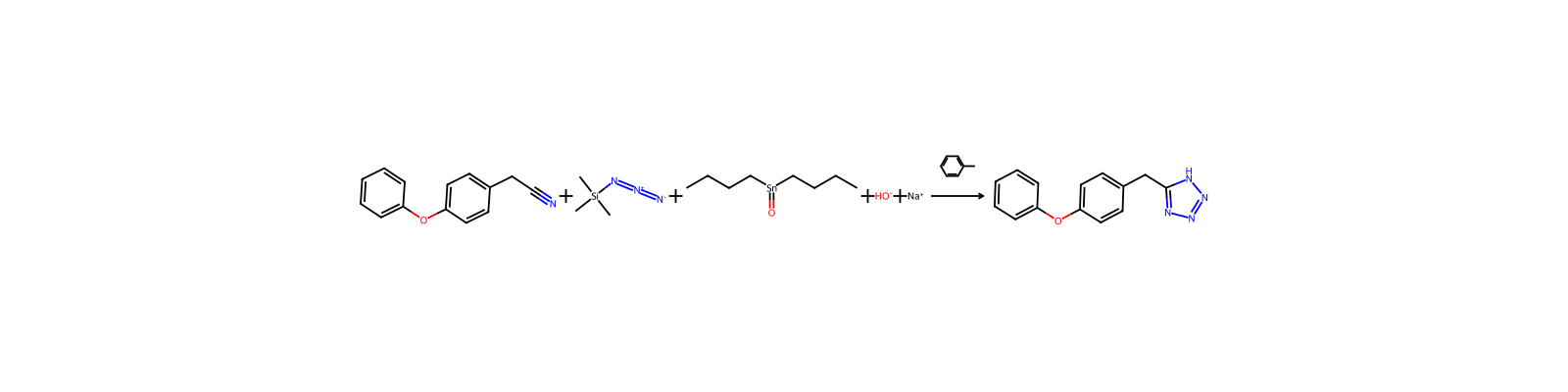
Reaktionsgleichung von HRID 1625
HRID 1625als Eduktuspto-grants-1998_03
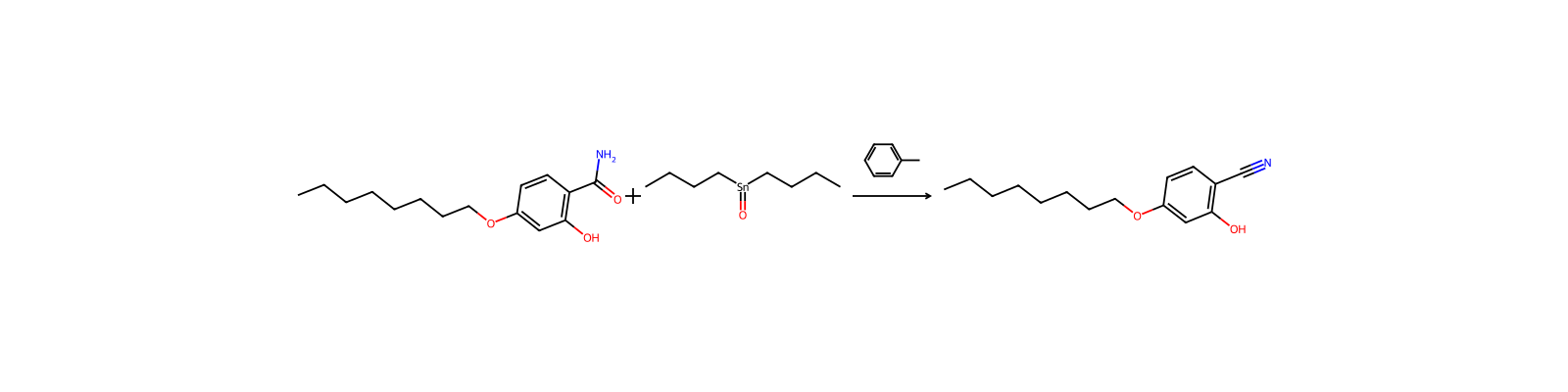
Reaktionsgleichung von HRID 1628
HRID 1628als Eduktuspto-grants-1998_03
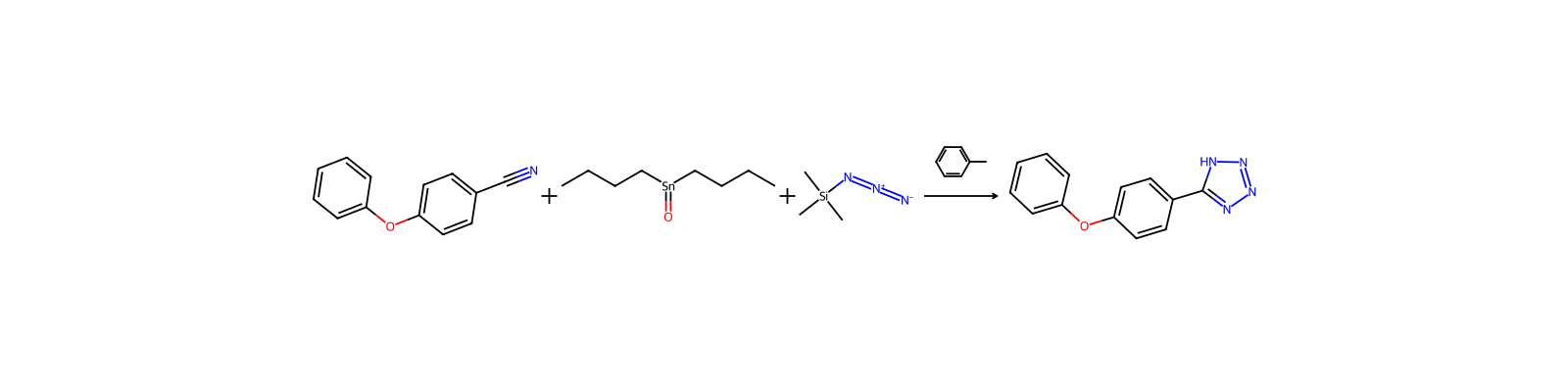
Reaktionsgleichung von HRID 1629
HRID 1629als Eduktuspto-grants-1998_03
Reaktionsgleichung von HRID 15120
HRID 15120als Eduktuspto-grants-2010_06
Reaktionsgleichung von HRID 15126
HRID 15126als Katalysatoruspto-grants-2010_06
Reaktionsgleichung von HRID 15138
HRID 15138als Katalysatoruspto-grants-2010_06
Reaktionsgleichung von HRID 18456
HRID 18456als Eduktuspto-grants-2010_06
Reaktionsgleichung von HRID 20684
HRID 20684als Eduktuspto-grants-2010_06
Seite 1 von 62

Notizen zur Verbindung

Wird geladen…

Auf dieser SeiteGrundinformationenÜberblickNamen und BezeichnerEigenschaftenSicherheit und RegulatorischesChemie und IndustrieZugehörige ReaktionenNotizen zur Verbindung
Weitere Aktionen
Neue NotizNeue ReaktionAnfrage stellen
279 °C

Physikochemische Eigenschaften

Schmelzpunkt
300 °C · ≥300 °C(lit.)
Siedepunkt
300 °C · >300°C
Dichte
1 · 1,5 g/cm3
Dampfdruck
0 Pa · 0Pa at 25℃
Flammpunkt
81 · 81-83°C
storage temp.
30 °C · Store below +30°C.
Löslichkeit
Methanol (Very Slightly, Heated)
Aggregatzustand
Powder
Wichte
1.58 · 1.58
Farbe
White
Wasserlöslichkeit
4 mg/L · 4.0 mg/L (20 ºC)
BRN
4126243 · 4126243
InChI
1S/2C4H9.O.Sn/c2*1-3-4-2;;/h2*1,3-4H2,2H3;;
InChIKey
JGFBRKRYDCGYKD-UHFFFAOYSA-N
SMILES
CCCC[Sn](=O)CCCC
LogP
5.33 at · 5.33 at 20℃
CAS Datenbank
818 · 818-08-6(CAS DataBase Reference)
EPA chemische Informationen
Stannane, dibutyloxo- (818-08-6)
EC ClassificationSymbol: T, N; R: 21-25-36/38-48/23/25-50/53; S: (1/2)-35-36/37/39-45-60-61; Note: A, 1
UN ClassificationUN Hazard Class: 6.1
Chemical DangersDecomposes on heating. This produces toxic fumes of tin and tin oxides. Reacts under certain circumstances with oxidants and bases.
Physical DangersDust explosion possible if in powder or granular form, mixed with air. If dry, it can be charged electrostatically by swirling, pneumatic transport, pouring, etc.
Packaging and LabellingUnbreakable packaging. Put breakable packaging into closed unbreakable container. Do not transport with food and feedstuffs.
Hazard Classes and Categories · 6 Einträge

Acute Tox. 3 (86.4%)

Acute toxicity (ingestion) - category 3

Acute toxicity (Oral) - Category 2

Hazardous to the aquatic environment (Acute) - Category 2

Acute toxicity (Oral) - Category 3

Muta. 2

Sicherheit und Schutzausrüstung

Fire FightingUse water spray, powder, carbon dioxide.
First Aid Measures · 4 Einträge

Fresh air, rest. Refer for medical attention.

Remove contaminated clothes. Rinse and then wash skin with water and soap. Refer for medical attention .

First rinse with plenty of water for several minutes (remove contact lenses if easily possible), then refer for medical attention.

Rinse mouth. Give a slurry of activated charcoal in water to drink. Refer for medical attention .

Safe StorageCool. Separated from food and feedstuffs, oxidants and bases. Provision to contain effluent from fire extinguishing.
Exposure Control and Personal Protection0.02 [mg/m3], inhalable fraction, as Sn[German Research Foundation (DFG)]
Spillage Disposal · 1 Eintrag

Personal protection: particulate filter respirator adapted to the airborne concentration of the substance. Do NOT let this chemical enter the environment. Sweep spilled substance into covered containers. If appropriate, moisten first to prevent dusting. Carefully collect remainder. Then store and dispose of according to local regulations.

Eye PreventionWear face shield or eye protection in combination with breathing protection.
Fire PreventionNO open flames. Closed system, dust explosion-proof electrical equipment and lighting. Prevent deposition of dust. Prevent build-up of electrostatic charges (e.g., by grounding).
Inhalation RiskA harmful concentration of airborne particles can be reached quickly when dispersed.
Skin PreventionProtective gloves.
Exposure PreventionAVOID ALL CONTACT! IN ALL CASES CONSULT A DOCTOR!
Ingestion PreventionDo not eat, drink, or smoke during work. Wash hands before eating.
Inhalation PreventionUse local exhaust or breathing protection.

Toxikologische Informationen

Health EffectsBreathing or swallowing, or skin contact with organotins, can interfere with the way the brain and nervous system work, causing death in severe cases. Organic tin compounds may also damage the immune and reproductive system. (L307, L308)
Adverse EffectsNeurotoxin - Other CNS neurotoxin
Exposure Routes · 2 Einträge

The substance can be absorbed into the body by inhalation and by ingestion.

Oral (L308) ; inhalation (L308) ; dermal (L308)

Toxicity Summary · 1 Eintrag

Organotin compounds produce neurotoxic and immunotoxic effects. Organotins may directly activate glial cells contributing to neuronal cell degeneration by local release of pro-inflammatory cytokines, tumor necrosis factor-_, and/or interleukins. They may also induce apoptosis by direct action on neuronal cells. Organotin compounds stimulate the neuronal release of and/or decrease of neuronal cell uptake of neurotransmitters in brain tissue, including aspartate, GABA, glutamate, norepinephrine, and serotonin. This may be either a contributing factor to or result of the neuronal cell loss. The immunotoxic effects of organotins are characterized by thymic atrophy caused by the suppression of proliferation of immature thymocytes and apoptosis of mature thymocytes. Organotin compounds are believed to exert these effects by suppressing DNA and protein synthesis, inducing the expression of genes involved in apoptosis (such as nur77), and disrupting the regulation of intracellular calcium levels, giving rise to the uncontrolled production of reactive oxygen species, release of cytochrome c to the cytosol, and the proteolytic and nucleolytic cascade of apoptosis. The suppression of proliferation of immature thymocytes further results in the suppression of T-cell-mediated immune responses. Organotins are also endocrine disruptors and are believed to contribute to obesity by inappropriate receptor activation, leading to adipocyte differentiation. Inorganic tin triggers eryptosis, contributing to tin-induced anemia. (L308, A182, A184)

Signs and Symptoms · 5 Einträge

Headache. Confusion.

Redness. Pain. Further see Inhalation.

Redness. Pain.

See Inhalation.

Inorganic or organic tin compounds placed on the skin or in the eyes can produce skin and eye irritation. (L308)

ICSC Environmental Data · 1 Eintrag

The substance is very toxic to aquatic organisms. The substance may cause long-term effects in the aquatic environment. This substance does enter the environment under normal use. Great care, however, should be taken to avoid any additional release, for example through inappropriate disposal.

Carcinogen ClassificationNo indication of carcinogenicity to humans (not listed by IARC).

Sicherheitsdaten

wgk
3
tsca
TSCA listed
ridadr
UN 3146 6.1/PG 2
hs_code
29310095
RTECS-Nr.
WH7175000
risk_code
25-68-50/53-48/25-43-41-38-61-60
Toxizität
LD50 orally in Rabbit: 487 mg/kg LD50 dermal Rabbit > 2000 mg/kg
hazard_code
T,N
safety_code
36/37/39-45-24/25-61-60-29-26-53
hazard_class
6.1
packing_group
II
Speicherklasse
6.1C - Combustible acute toxic Cat.3toxic compounds or compounds which causing chronic effects
Hazard Classifications
Acute Tox. 4 OralAquatic Chronic 2Eye Dam. 1Muta. 2Repr. 1BSkin Irrit. 2Skin Sens. 1STOT RE 1STOT SE 1
Selbstentzündungstemperatur
525 °C

Stannane, dibutyloxo-: ACTIVE

Anwendungen

VerwendenDibutyltin oxide is used in studies pertaining to discovering novel antitumor agents. Antifungal activity.

Vor- und nachgelagerte Produkte

Vorgelagerte Rohstoffe

1-BrombutanZinn1-ChlorbutanAlkane, Chlor-NatriumhydroxidTetrabutylzinnDi-N-butylzinndichloridStannane, dibutylchloro-Butyltricyclohexylstannann-Butylzinntrichlorid

Nachgelagerte Produkte

DibutylzinnmaleatDibutylzinndilauratTri-n-butylzinnhydrid