N-Phenylharnstoff
Phenylurea
Daten werden ergänzt – lade die Seite später neu, um den aktuellen Stand zu sehen
Grundinformationen
- CAS
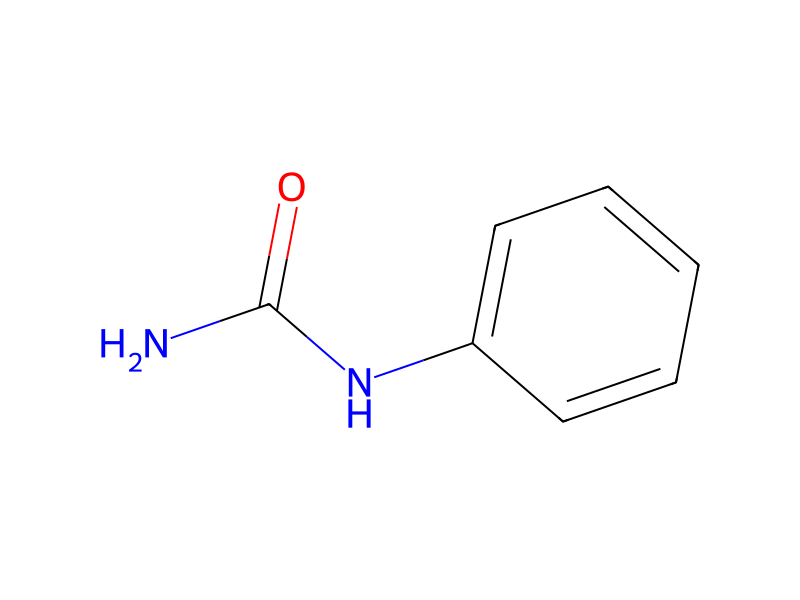
64-10-8- Standard-SMILES
NC(=O)Nc1ccccc1- InChIKey
LUBJCRLGQSPQNN-UHFFFAOYSA-N- Summenformel
- C7H8N2O
- Durchschnittliche Molmasse
- 136,15 g/mol
- Monoisotopische Masse
- 136,06366288
Überblick
Phenyl urea pesticide, liquid, poisonous appears as a liquid dissolved or suspended in a liquid carrier. Contains any of several related compounds (Diuron, Fenuron, Linuron, Neburon, Siduron, Monuron) formally derived from urea. Carrier is water emulsifiable. Toxic by inhalation, skin absorption, or ingestion. Obtain the technical name of the specific pesticide and carrier from the shipping papers and contact CHEMTREC, 800-424-9300 for response information.
Namen und Bezeichner
- Bevorzugter Name
- Phenylurea
- IUPAC
- phenylurea
- Lokaler Name
- N-Phenylharnstoff
- Englischer Name
- Phenylurea
- Summenformel
- C7H8N2O
- Molmasse
- 136.15
Namen und Synonyme
1-PhenylureaPHENYLUREAN-Phenylurea64-10-8PhenylcarbamideMonophenylureaUrea, N-phenyl-amino-N-phenylamideDTXSID8042507NSC-2781862I85399WDTXCID6022507
Weitere Namen anzeigen
VHphenyl-urestabilizervhUrea,phenyl-AKOS B029810
RefChem:164121200-576-5Urea, phenyl-Stabilizer VHStabilisator VHPhenyl-ureaN-phenylcarbamimidic acidphenyl urea
Datenbank-Bezeichner
- CAS
64-10-8- PubChem CID
- 6145
- DTXSID
DTXSID8042507- ChEMBL
CHEMBL168445- ChEBI
CHEBI:180992- UNII
- 862I85399W
- EC Number
- 200-576-5
- Nikkaji
- J4.834H
Eigenschaften
Berechnete StruktureigenschaftenWird ergänzt
- XLogP
- 0,8
- Polarare Oberfläche (TPSA)
- 55,1 Ų
- H-Brücken-Donoren
- 2
- H-Brücken-Akzeptoren
- 1
- Frei drehbare Bindungen
- 1
- Schwere Atome
- 10
- Formalladung
- 0
- Komplexität
- 119
Experimentelle und physikochemische Eigenschaften
SpringerMaterials Properties15N nuclear magnetic resonance spectrum
LogP0.83
Physical Description
Phenyl urea pesticide, liquid, poisonous appears as a liquid dissolved or suspended in a liquid carrier. Contains any of several related compounds (Diuron, Fenuron, Linuron, Neburon, Siduron, Monuron) formally derived from urea. Carrier is water emulsifiable. Toxic by inhalation, skin absorption, or ingestion. Obtain the technical name of the specific pesticide and carrier from the shipping papers and contact CHEMTREC, 800-424-9300 for response information.
Physikochemische Eigenschaften
- Schmelzpunkt
- 145 · 145-147 °C(lit.)
- Siedepunkt
- 238 °C · 238 °C
- Dichte
- 1 · 1,302 g/cm3
- Dampfdichte
- 1 · >1 (vs air)
- Brechungsindex
- 1.5769 · 1.5769 (estimate)
- Flammpunkt
- 238 °C · 238°C
Sicherheit und Regulatorisches
Sicherheitsangaben dienen nur zur Orientierung und ersetzen weder das Sicherheitsdatenblatt (SDB) des Lieferanten noch geltende Vorschriften oder eine fachliche Bewertung.
GHS-Klassifizierung
GHS Classification
Warning
H302 (100%): Harmful if swallowed [Warning Acute toxicity, oral]
P264, P270, P301+P317, P330, and P501 (click each P-code to see the statement)
Aggregated GHS information provided per 47 reports by companies from 3 notifications to the ECHA C&L Inventory.
Gefahrenhinweise
Regulatory Information
Chemical: Urea, N-phenyl-
Phenylurea: Does not have an individual approval but may be used under an appropriate group standard
DOT LabelPoison
Fire HazardsExcerpt from ERG Guide 151 [Substances - Toxic (Non-Combustible)]:
Health HazardsExcerpt from ERG Guide 151 [Substances - Toxic (Non-Combustible)]:
Reactive GroupAmides and Imides
Reactivity Profile
Organic amides/imides react with azo and diazo compounds to generate toxic gases. Flammable gases are formed by the reaction of organic amides/imides with strong reducing agents. Amides are very weak bases (weaker than water). Imides are less basic yet and in fact react with strong bases to form salts. That is, they can react as acids. Mixing amides with dehydrating agents such as P2O5 or SOCl2 generates the corresponding nitrile. The combustion of these compounds generates mixed oxides of nitrogen (NOx). Contains any of several related compounds (Diuron, Fenuron, Linuron, Neburon, Siduron, Monuron) formally derived from urea.
Air and Water Reactions
Chemie und Industrie
Verwendung und Herstellung
General Manufacturing InformationUrea, N-phenyl-: ACTIVE
Anwendungen
VerwendenPhenylureas are commonly used soil-applied herbicides for control of grass and small-seeded broadleaf weeds.
Darstellung
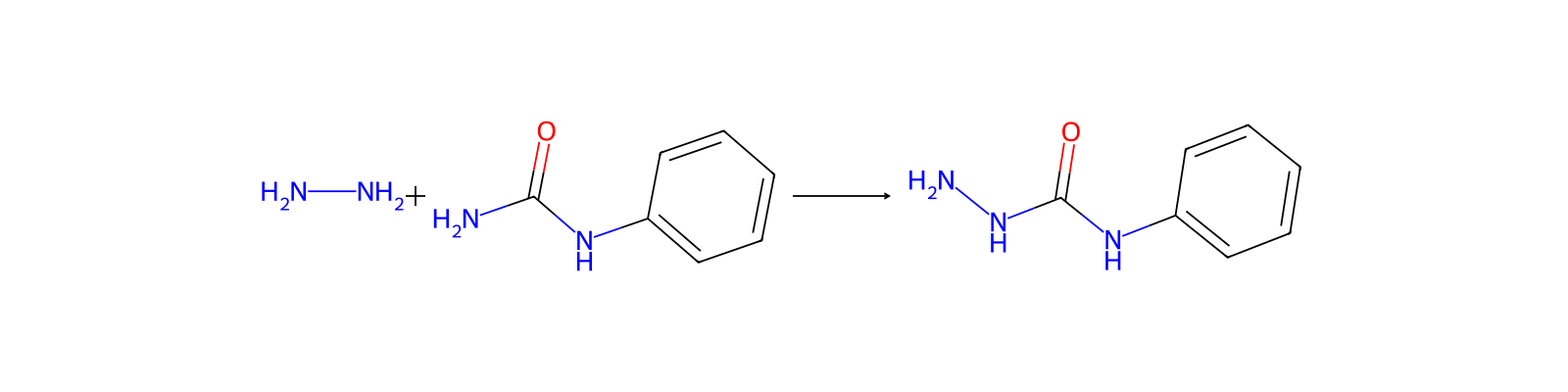
synthetischePhenylurea is synthesized by the reaction of aniline and urea. Put urea, hydrochloric acid and aniline into the reaction pot, heat and stir, reflux at 100-104°C for 1 hour, add water and stir, cool, filter, wash the filter cake with water, and dry to obtain the finished product of phenylurea.
Vor- und nachgelagerte Produkte
Nachgelagerte Produkte
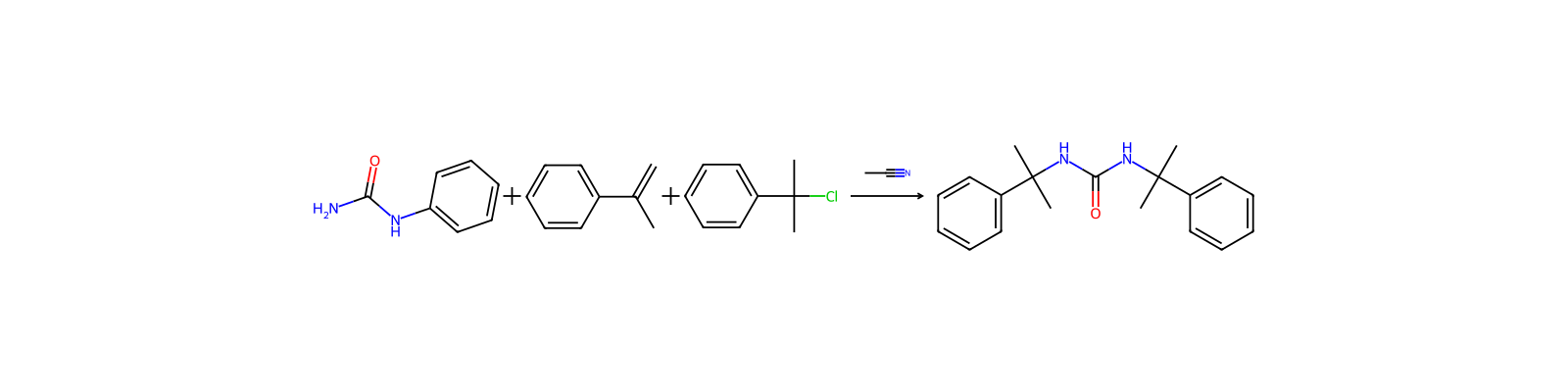
Zugehörige Reaktionen
58



Notizen zur Verbindung
Wird geladen…