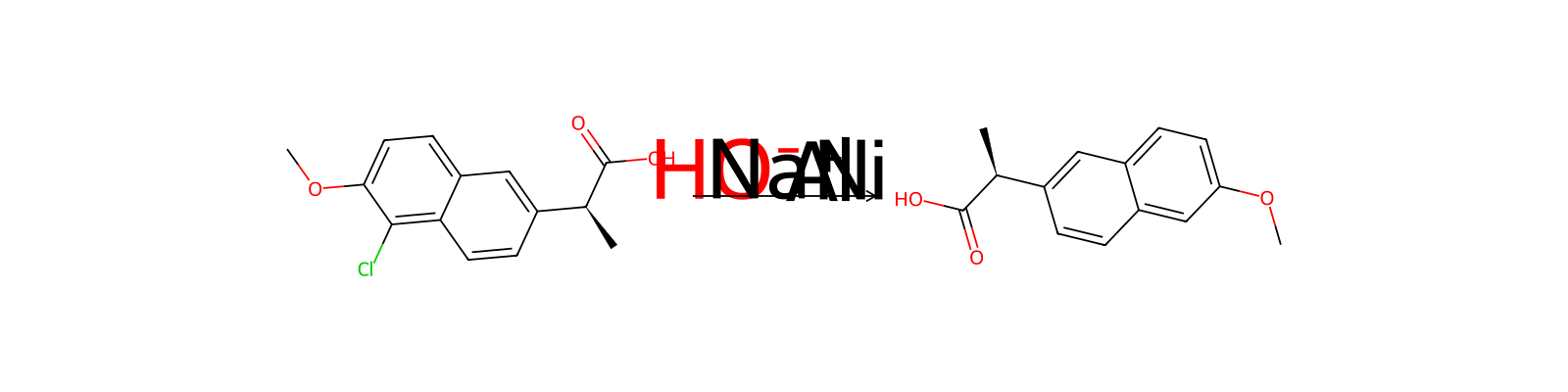

Grundinformationen
- Standard-SMILES
[Al].[Ni]- InChIKey
NPXOKRUENSOPAO-UHFFFAOYSA-N- Summenformel
- Ni.Al
- Durchschnittliche Molmasse
- 85,675 g/mol
- Monoisotopische Masse
- 84,91688153
Überblick
Nickel aluminide is an intermetallic material of nickel and aluminum that has properties similar to both a ceramic and a metal. The alloy is very resistant to heat and corrosion, and finds use in heat-treating furnaces. As it also has very high thermal conductivity combined with high strength at high temperature, it may be used for special applications like coating blades in gas turbines and jet engines. Nickel is a chemical compound with the atomic number 28. It is found abundantly in nature in laterite ore minerals, such as limonite, garnierite, and pentlandite. Nickel has a biological role and is found in certain enzymes, including urease, hydrogenase, methylcoenzyme M reductase, and carbon monoxide dehydrogenase. Aluminum is the most abundant metal in the earth’s crust and is always found combined with other elements such as oxygen, silicon, and fluorine. (L739, L740, L40, L41, L500)
Namen und Bezeichner
- Bevorzugter Name
- Nickel aluminide
- IUPAC
- aluminum;nickel
Namen und Synonyme
12635-29-912003-78-0Aluminum-nickel catalystRaney(R)-NickelEINECS 234-439-6ALUMANE NICKELRefChem:853829DTXCID5033547DTXSID0065145UN3089684-239-1Nickel aluminide
Weitere Namen anzeigen
Aluminium-nickelnickel aluminum12635-27-7aluminum;nickelnickel-aluminumMFCD00167392aluminium nickelaluminum-nickel
Datenbank-Bezeichner
- CAS
12003-78-0、12635-29-9、12704-83-5、37258-79-0- PubChem CID
- 6336846
- DTXSID
DTXSID10276552- EC Number
- 234-439-6、684-239-1
Eigenschaften
Berechnete Struktureigenschaften
- Polarare Oberfläche (TPSA)
- 0 Ų
- H-Brücken-Donoren
- 0
- H-Brücken-Akzeptoren
- 0
- Frei drehbare Bindungen
- 0
- Schwere Atome
- 2
- Formalladung
- 0
- Komplexität
- 0
Experimentelle und physikochemische Eigenschaften
Chemical ClassesMetals -> Nickel Compounds, Inorganic
Physical DescriptionGray powder; Insoluble in water; [MSDSonline]
Sicherheit und Regulatorisches
GHS-Klassifizierung
GHS Classification
Danger
H350i (37.8%): May cause cancer by inhalation [Danger Carcinogenicity]
P203, P273, P280, P318, P391, P405, and P501 (click each P-code to see the statement)
Aggregated GHS information provided per 74 reports by companies from 8 notifications to the ECHA C&L Inventory. Each notification may be associated with multiple companies.
Danger
H228 (71.4%): Flammable solid [Danger Flammable solids]
Gefahrenhinweise
Regulatory Information
Status: Active Update: 06-07-2018 https://echa.europa.eu/registration-dossier/-/registered-dossier/17234
Restricted substance: Aluminium, compound with nickel (1:1)
Aluminum, compd. with nickel (1:1): Does not have an individual approval but may be used under an appropriate group standard
Nickel alloy, base, Ni,Al: Does not have an individual approval but may be used under an appropriate group standard
Hazards SummaryA cermet that can be flame-sprayed; [Hawley] There is limited evidence in experimental animals that nickel alloys are carcinogenic. [IARC] See Nickel and linked occupational diseases.
Hazard Classes and Categories
Carc. 1A (37.8%)
Flam. Sol. 2 (71.4%)
Sicherheit und Schutzausrüstung
Minimum Risk LevelIntermediate Inhalation: 0.0002 mg/m3 (Nickel) (L134)
Chronic Inhalation: 0.00009 mg/m3 (Nickel) (L134)
Intermediate Oral: 1.0 mg/kg/day (Aluminum) (L134)
Chronic Oral: 1.0 mg/kg/day (Aluminum) (L134)
Threshold Limit Values (TLV)0.2 [mg/m3], inhalable fraction, as Ni
Permissible Exposure Limit (PEL)1.0 [mg/m3], as Ni
Protective Action Criteria (PAC)
0.88 [mg/m3]
9.6 [mg/m3]
58 [mg/m3]
Immediately Dangerous to Life or Health (IDLH)10.0 [mg/m3], as Ni
Toxikologische Informationen
TreatmentExcess exposure to nickel is usually handled by preventing further exposure and symptomatic treatment. Nickel poisoning may also be treated using chelation therapy with sodium diethyldithiocarbamate. (L42)
Health Effects
The most common harmful health effect of nickel in humans is an allergic reaction. This usually manifests as a skin rash, although some people experience asthma attacks. Long term inhahation of nickel causes chronic bronchitis and reduced lung function, as well as damage to the naval cavity. Ingestion of excess nickel results in damage to the stomach, blood, liver, kidneys, and immune system, as well as having adverse effects on reproduction and development. Aluminum targets the nervous system and causes decreased nervous system performance and is associated with altered function of the blood-brain barrier. The accumulation of aluminum in the body may cause bone or brain diseases. High levels of aluminum have been linked to Alzheimer’s disease. A small percentage of people are allergic to aluminium and experience contact dermatitis, digestive disorders, vomiting or other symptoms upon contact or ingestion of products containing aluminium. (L739, L740, L41)
Adverse EffectsSkin Sensitizer - An agent that can induce an allergic reaction in the skin.
Exposure RoutesOral (L41) ; inhalation (L41) ; dermal (L41)
Toxicity Summary
Nickel is known to substitute for other essential elements in certain enzmes, such as calcineurin. It is genotoxic, and some nickel compounds have been shown to promote cell proliferation. Nickel has a high affinity for chromatin proteins, particularly histones and protamines. The complexing of nickel ions with heterochromatin results in a number of alterations including condensation, DNA hypermethylation, gene silencing, and inhibition of histone acetylation, which have been shown to disturb gene expression. Nickel has also been shown to alter several transcription factors, including hypoxia-inducible transcription factor, activating transcription factor, and NF-KB transcription factor. There is also evidence that nickel ions inhibit DNA repair, either by directly inhibiting DNA repair enzymes or competing with zinc ions for binding to zinc-finger DNA binding proteins, resulting in structural changes in DNA that prevent repair enzymes from binding. Nickel ions can also complex with a number of cellular ligands including amino acids, peptides, and proteins resulting in the generation of oxygen radicals, which induce base damage, DNA strand breaks, and DNA protein crosslinks. The main target organs of aluminum are the central nervous system and bone. Aluminum binds with dietary phosphorus and impairs gastrointestinal absorption of phosphorus. The decreased phosphate body burden results in osteomalacia (softening of the bones due to defective bone mineralization) and rickets. Aluminum's neurotoxicity is believed to involve several mechanisms. Changes in cytoskeletal protein functions as a results of altered phosphorylation, proteolysis, transport, and synthesis are believed to be one cause. Aluminum may induce neurobehavioral effects by affecting permeability of the blood-brain barrier, cholinergic activity, signal transduction pathways, lipid peroxidation, and impair neuronal glutamate nitric oxide-cyclic GMP pathway, as well as interfere with metabolism of essential trace elements because of similar coordination chemistries and consequent competitive interactions. Aluminum can also interact with estrogen receptors, increasing the expression of estrogen-related genes and contributing to the progression of breast cancer. Certain aluminum salts induce immune responses by activating inflammasomes. (L739, A235, A236, L41, A40)
Signs and Symptoms
Symptoms of nickel poisoning include headache, nausea, vomiting, dizziness, irritability, and difficulty sleeping, followed by chest pains, sweating, rapid heart beat, and a dry cough. Inhalating aluminum dust causes coughing and abnormal chest X-rays. A small percentage of people are allergic to aluminium and experience contact dermatitis, digestive disorders, vomiting or other symptoms upon contact or ingestion of products containing aluminium. (L739, L740, L42)
Carcinogen Classification1, carcinogenic to humans. (L135)
Chemie und Industrie
Pharmakologische Informationen
Metabolism/Metabolites
Nickel is absorbed mainly through the lungs and gastrointestinal tract. Once in the body it enters the bloodstream, where it binds to albumin, L-histidine, and _2-macroglobulin. Nickel tends to accumulate in the lungs, thyroid, kidney, heart, and liver. Absorbed nickel is excreted in the urine, wherease unabsorbed nickel is excreted in the faeces. Aluminum is poorly absorbed following either oral or inhalation exposure and is essentially not absorbed dermally. The bioavailability of aluminum is strongly influenced by the aluminum compound and the presence of dietary constituents which can complex with aluminum and enhance or inhibit its absorption. Aluminum binds to various ligands in the blood and distributes to every organ, with highest concentrations found in bone and lung tissues. In living organisms, aluminum is believed to exist in four different forms: as free ions, as low-molecular-weight complexes, as physically bound macromolecular complexes, and as covalently bound macromolecular complexes. Absorbed aluminum is excreted principally in the urine and, to a lesser extent, in the bile, while unabsorbed aluminum is excreted in the faeces. (L739, L41)
Verwendung und Herstellung
General Manufacturing InformationAluminum, compd. with nickel (1:1): ACTIVE
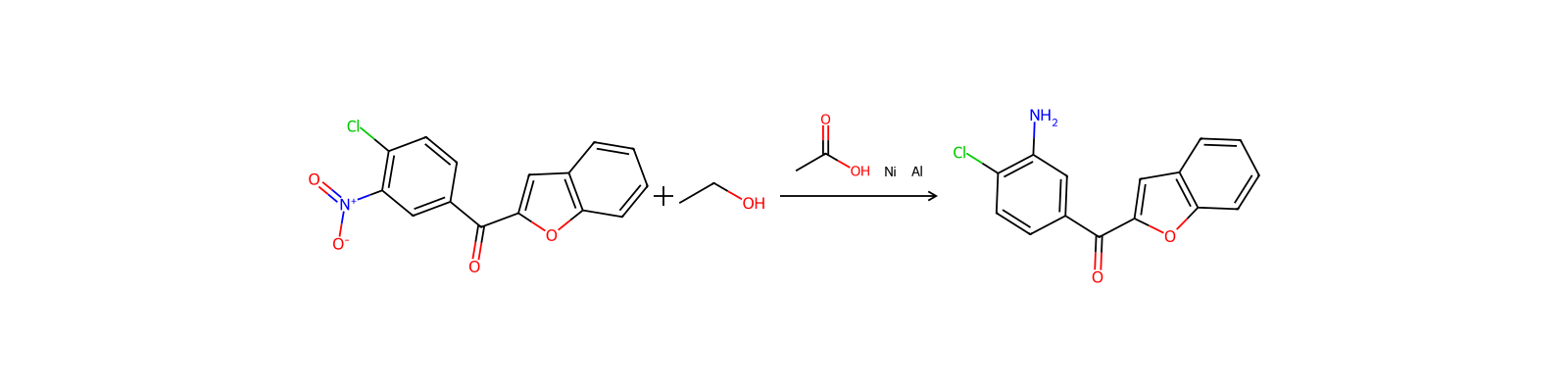
Zugehörige Reaktionen
51




Verknüpfte Notizen
Wird geladen…