
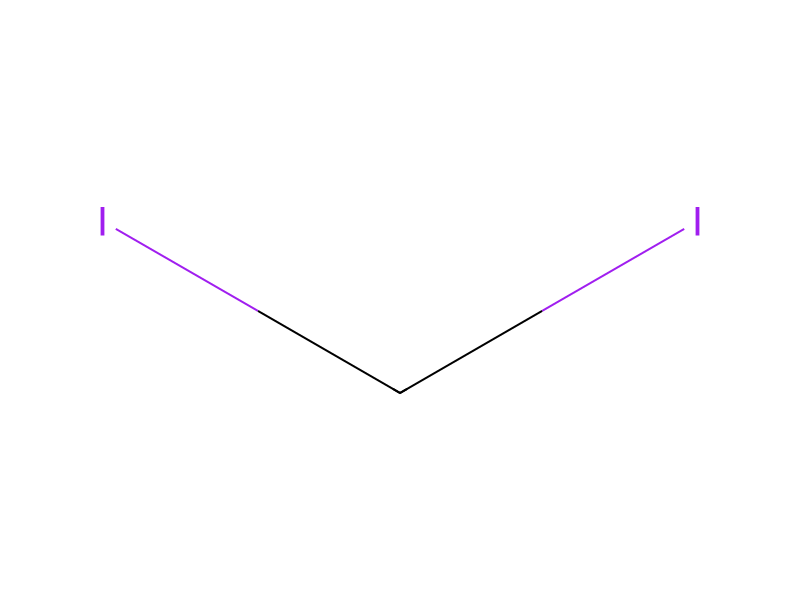
Grundinformationen
- Standard-SMILES
ICI- InChIKey
NZZFYRREKKOMAT-UHFFFAOYSA-N- Summenformel
- CH2I2
- Durchschnittliche Molmasse
- 267,835 g/mol
- Monoisotopische Masse
- 267,82459606
Überblick
methylene iodide has been reported in Ascophyllum nodosum and Mastocarpus stellatus with data available.
Namen und Bezeichner
- Bevorzugter Name
- Diiodomethane
- IUPAC
- diiodomethane
- Englischer Name
- Diiodomethane
- Summenformel
- CH2I2
- Molmasse
- 267.83552
Namen und Synonyme
DIIODOMETHANE75-11-6Methylene iodideMethane, diiodo-Methylene diiodideMethylenjodidDijodmethanNSC-358043J731705OXDTXSID4058784RefChem:920271DTXCID6047731
Weitere Namen anzeigen
200-841-5MI-Geediiodo-methaneCH2I2di-iodomethaneNSC 35804MFCD00001079Methylene iodide-13C,d2
Datenbank-Bezeichner
- CAS
75-11-6- PubChem CID
- 6346
- DTXSID
DTXSID4058784- UNII
- 3J731705OX
- EC Number
- 200-841-5
- Nikkaji
- J1.440K
Eigenschaften
Berechnete Struktureigenschaften
- XLogP
- 2,3
- Polarare Oberfläche (TPSA)
- 0 Ų
- H-Brücken-Donoren
- 0
- H-Brücken-Akzeptoren
- 0
- Frei drehbare Bindungen
- 0
- Schwere Atome
- 3
- Formalladung
- 0
- Komplexität
- 2,8
Experimentelle und physikochemische Eigenschaften
Chemical ClassesOther Classes -> Halogenated Aliphatics, Saturated
SpringerMaterials PropertiesSchoenflies notation
Density3.33 @ 15°C
Boiling Point181 °C @760 [mm Hg]
Vapor Pressure1.2 [mmHg]
Physical DescriptionHighly refractive liquid; Darkens on contact with light, air, and moisture; mp = 6 deg C; [Merck Index] Yellow liquid; [Hawley] Pale light yellow liquid; mp 5-6 deg C; [MSDSonline]
Physikochemische Eigenschaften
- Schmelzpunkt
- 5 · 5.0-8.0
- Siedepunkt
- 67 · 67.0-69.0
- Dichte
- 3.325 · 3.325
- Dampfdichte
- 9.25 · 9.25 - (Air = 1.0) (vs air)
- Flammpunkt
- 110 · 110.0
- Aggregatzustand
- Liquid
- Farbe
- Reddish brown liquid
Sicherheit und Regulatorisches
GHS-Klassifizierung
GHS Classification
This chemical does not meet GHS hazard criteria for 2.8% (5 of 176) of reports.
Danger
H302 (93.2%): Harmful if swallowed [Warning Acute toxicity, oral]
P261, P264, P264+P265, P270, P271, P273, P280, P301+P317, P302+P352, P304+P340, P305+P354+P338, P317, P319, P321, P330, P332+P317, P362+P364, P403+P233, P405, and P501 (click each P-code to see the statement)
Aggregated GHS information provided per 176 reports by companies from 13 notifications to the ECHA C&L Inventory. Each notification may be associated with multiple companies.
Not Classified
Gefahrenhinweise
Regulatory Information
Chemical: Methane, diiodo-
Status: Active Update: 24-01-2018 https://echa.europa.eu/registration-dossier/-/registered-dossier/22227
Methylene iodide: Does not have an individual approval but may be used under an appropriate group standard
Hazards Summary
May cause irritation and narcotic effects; [Hawley] Inhalation or skin absorption of high concentrations may cause CNS depression; May cause mild irritation; Repeated exposure may cause liver and kidney injury and CNS disorders; [CHEMINFO] A skin and eye irritant; [eChemPortal: ERMA] An irritant; [MSDSonline]
Hazard Classes and CategoriesAcute Tox. 4 (93.2%)
CSL Reaction Information
CSL00019
DIIODOMETHANE + DIETHYLZINC
Warning - This combination of reagents is known to have a latent exotherm that can lead to an uncontrollable reaction and an explosion may result. Please follow the link below for additional guidance on reaction setup.
Explosive
User-Reported
7/8/18
Sicherheit und Schutzausrüstung
Protective Action Criteria (PAC)
2.4 [mg/m3]
27 [mg/m3]
160 [mg/m3]
Toxikologische Informationen
Adverse EffectsNeurotoxin - Acute solvent syndrome
Sicherheitsdaten
- Alarmwort
- Achtung
- Gefahrenhinweise
- Code Gefahrenhinweise Gefahrenklasse Abteilung Alarmwort Symbol P-Code H315
Chemie und Industrie
Verwendung und Herstellung
UsesUsed to make X-ray contrast media; [Merck Index] Used in organic synthesis; [Hawley] Used to determine refractive indices of minerals and to separate minerals based on density; [Ullmann]
General Manufacturing InformationMethane, diiodo-: ACTIVE
Anbieter50 Anbieter
国药集团化学试剂有限公司86-21-63210123 · [email protected]
梯希爱(上海)化成工业发展有限公司021-67121386 · [email protected]
上海阿拉丁生化科技股份有限公司400-6206333 13167063860 · [email protected]
武汉欣扬瑞和化学科技有限公司153-07155313 15307155313 · [email protected]
河北创海生物科技有限公司+86-86-13131129325 · [email protected]
Dayang Chem (Hangzhou) Co.,Ltd.+86-0571-88938639 17705817739 · [email protected]
河北秒变生物科技有限公司17733850068
上海迈瑞尔生化科技有限公司4006356688 18621169109 · [email protected]
北京东华力拓科技发展有限公司010-88425576 · [email protected]
阿法埃莎(中国)化学有限公司400-6106006 · [email protected]
安耐吉化学&3A(安徽泽升科技股份有限公司)400-0056266 · [email protected]
上海瀚鸿科技股份有限公司021-54306202 13764082696 · [email protected]
上海景颜化工科技有限公司13817811078 · [email protected]
嘉兴市艾森化工有限公司0573-85285100 18627885956 · [email protected]
山东西亚化学有限公司13355009207 13355009207 · [email protected]
玛雅试剂+86 (573) 82222445 (0)18006601000 452520369 · [email protected]
四川库利南科技有限公司400-1166-196 18981987031 · [email protected]
南京维奥化工有限公司Please Send Email 18652950785 · [email protected]
斯百全化学(上海)有限公司021-021-021-67601398-809-809-809 15221380277 · [email protected]
艾科试剂4008-755-333 18080918076 · [email protected]
上海思域化工科技有限公司86-21-34053660 · [email protected]
赛默飞世尔科技(中国)有限公司800-810-5118 · [email protected]
北京伊诺凯科技有限公司400-810-7969 010-59572699 · [email protected]
TCI AMERICA800-4238616 · [email protected]
TOKYO CHEMICAL INDUSTRY CO., LTD.03-36680489 · [email protected]
TCI Europe320-37350700 · [email protected]
上海贤鼎生物科技有限公司4009209199 · [email protected]
深圳康特腾科技有限公司86-0755-86635001 · [email protected]
越林试剂021-62960152 · [email protected]
宁波台康化工有限公司0574-87365517 18074210286 · [email protected]
北京环宇世纪化学科技有限公司hysj_bj.com
上海湄水化工科技有限公司021-60549325 18616193163
日照力德士化工有限公司010-51268198 · [email protected]
江苏汇鸿国际集团鸿金贸易有限公司+86-025-84522992 84524602 13805186390 · [email protected]
美岚实业(上海)有限公司021-58958189 · [email protected]
上海爱蝶实业有限公司021-58957966 18930537195 · [email protected]
成都零六生物科技有限公司400-1166-196 13458535857 · [email protected]
广拓化学(上海)有限公司021-60899189-8001 18918189673 · [email protected]
上海御略医药科技有限公司021-60345187 13671753212 · [email protected]
上海麦克林生化科技股份有限公司15221275939 15221275939 · [email protected]
上海乾劲化工科技有限公司021-20900665 17321230821 · [email protected]
杭州杰恒化工有限公司0571-87396432 · [email protected]
上海寰川实业有限公司021-61478794 · [email protected]
上海嵩爰化工科技有限公司010-1234567 18521000990 · [email protected]
上海有朋化工有限公司021-69005955 13701776567 · [email protected]
上海凯赛化工有限公司021-33516722 13701817765 · [email protected]
上海彤源化工有限公司021-021-69182866 13701855675 · [email protected]
成都润泽本土化工有限公司13096311329 028-88469284 616445927 · [email protected]
凯试(上海)科技有限公司021-50135380 · [email protected]
上海容立化学科技有限公司021-69992220 13701886816 · [email protected]
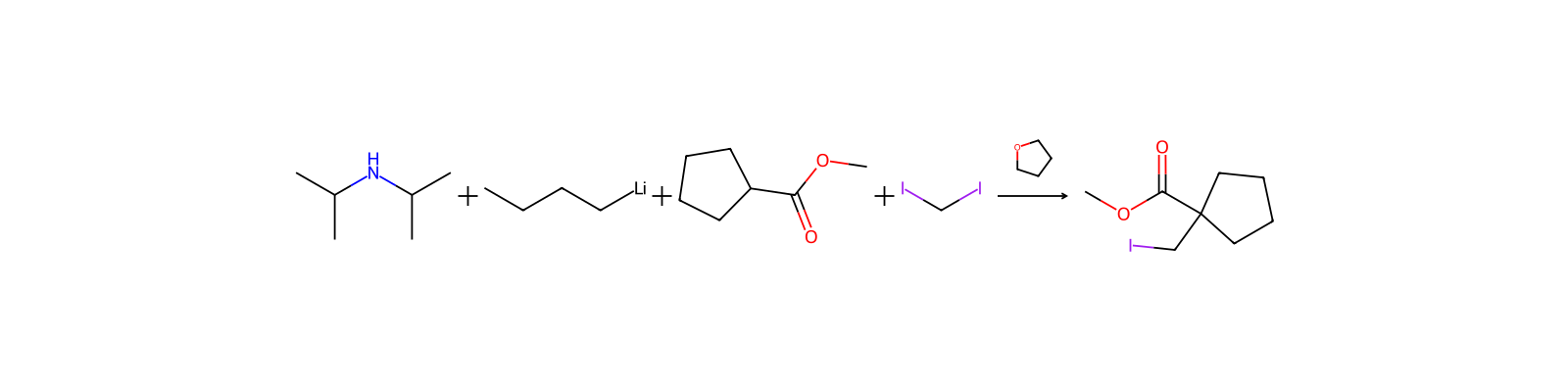
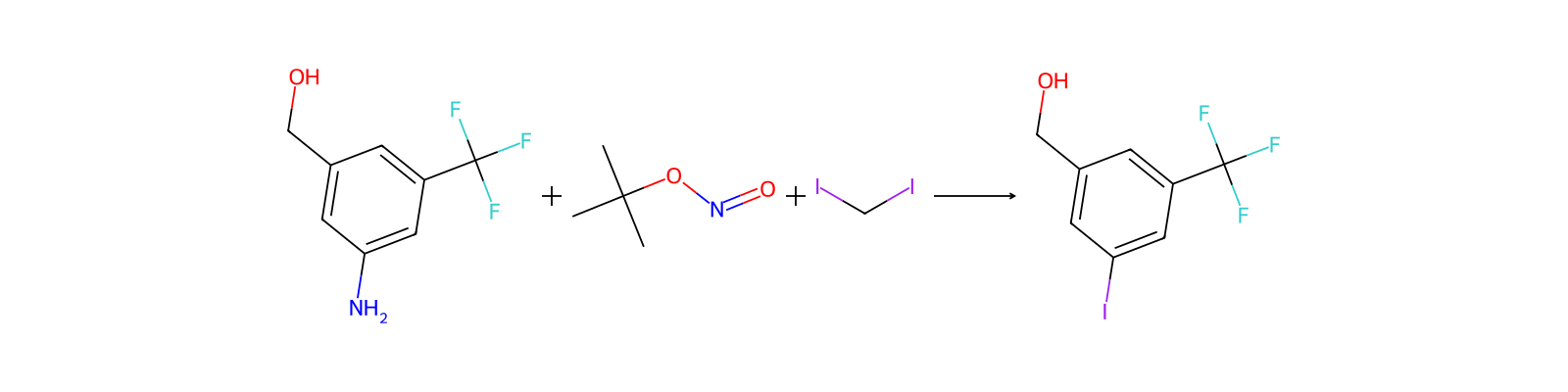
Zugehörige Reaktionen
690





Verknüpfte Notizen
Wird geladen…