StartseiteMCPWorkbenchSkills
StartseiteWorkbenchBenachrichtigungenMein Bereich
llms.txt · MCP-AnleitungDatenschutz · Nutzungsbedingungen · Supportv1.8.0
  1. Startseite
  2. /Verbindung

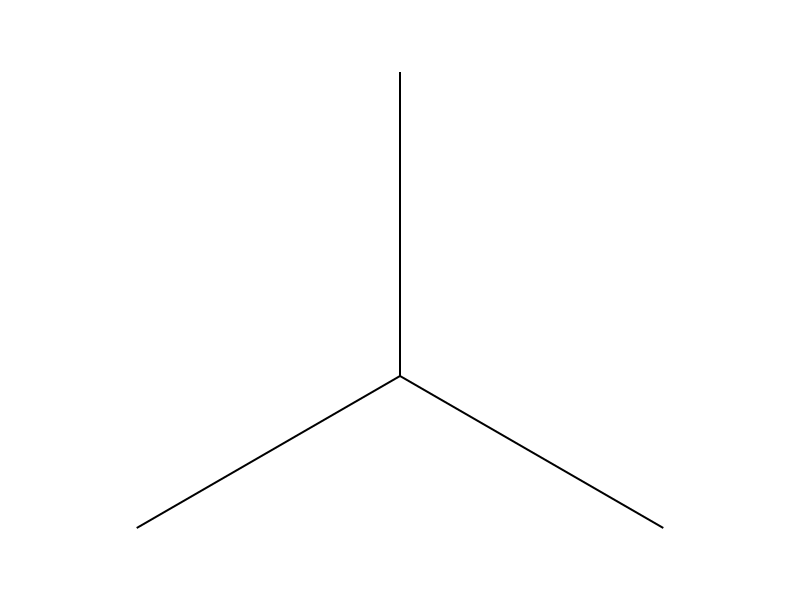
Isobutan

Isobutane

HCID 6360
Neue NotizNeue ReaktionAnfrage stellen
Druckvorschau
GrundinformationenÜberblickNamen und BezeichnerEigenschaftenSicherheit und RegulatorischesChemie und IndustrieZugehörige ReaktionenNotizen zur Verbindung
TeilstruktursucheÄhnliche Strukturen suchen

Grundinformationen

CAS
75-28-5
Standard-SMILES
CC(C)C
InChIKey
NNPPMTNAJDCUHE-UHFFFAOYSA-N
Summenformel
C4H10
Durchschnittliche Molmasse
58,12 g/mol
Monoisotopische Masse
58,07825032

Überblick

Isobutane is a colorless gas with a faint petroleum-like odor. It is shipped as a liquefied gas under its vapor pressure. Contact with the liquid can cause frostbite. It is easily ignited. The vapors are heavier than air. Any leak can either be liquid or vapor. It can asphyxiate by the displacement of air. Under prolonged exposure to fire or intense heat the containers may rupture violently and rocket.

Namen und Bezeichner

Bevorzugter Name
Isobutane
IUPAC
2-methylpropane
Lokaler Name
Isobutan
Englischer Name
Isobutane
Summenformel
C4H10
Molmasse
58.12

Namen und Synonyme

ISOBUTANE2-Methylpropane75-28-5Trimethylmethane1,1-Dimethylethaneiso-butaneR 600aCaswell No. 503AR-600aHSDB 608EINECS 200-857-2UNII-BXR49TP611
Weitere Namen anzeigen
r600ai-ButaneMethylpropaneIsobutantert-Butane2-Methylpropanmethyl-2ISOBUTANE HC-600AIsobutane(incylinderwithoutvalve)
EPA Pesticide Chemical Code 097101BXR49TP611E943b(CH3)2CH-CH3DTXSID1026401CHEBI:30363EC 200-857-2ISOBUTANE (II)

Datenbank-Bezeichner

CAS
75-28-5
PubChem CID
6360
DTXSID
DTXSID1026401
ChEMBL
CHEMBL2106398
ChEBI
CHEBI:30363
UNII
BXR49TP611
EC Number
200-857-2
Nikkaji
J4.159I

Eigenschaften

Berechnete Struktureigenschaften

XLogP
2,1
Polarare Oberfläche (TPSA)
0 Ų
H-Brücken-Donoren
0
H-Brücken-Akzeptoren
0
Frei drehbare Bindungen
0
Schwere Atome
4
Formalladung
0
Komplexität
4,8

Experimentelle und physikochemische Eigenschaften

Chemical ClassesFlammable agents - 4th degree
SolventsSolvents -> Aliphatics, Saturated (<C12)
Cosmetics · 3 Einträge

Cosmetics ingredient -> Bulking/Viscosity; Other (Specify); Preservative/Stabilizer

Cosmetic ingredients (Isobutane) -> CIR (Cosmetic Ingredient Review)

Propellant

SpringerMaterials PropertiesSchoenflies notation
LogP · 3 Einträge

log Kow = 2.76

2.8

2.69

Odor · 2 Einträge

Gasoline-like or natural gas odor.

Slight odor

Food AdditivesPROPELLANT -> FDA Substance added to food
Density · 6 Einträge

0.557 at 68 °F (USCG, 1999) - Less dense than water; will float

0.55092 g/cu cm at 25 °C; 0.55711 g/cu cm at 20 °C; 0.61415 at -29.5 °C

Relative density (water = 1): 0.6 (liquid)

0.557

Sicherheit und Regulatorisches

Sicherheitsangaben dienen nur zur Orientierung und ersetzen weder das Sicherheitsdatenblatt (SDB) des Lieferanten noch geltende Vorschriften oder eine fachliche Bewertung.

GHS-Klassifizierung

GHS Classification · 6 Einträge

Danger

H220: Extremely flammable gas [Danger Flammable gases]

P203, P210, P222, P280, P377, P381, and P403 (click each P-code to see the statement)

Danger

H220: Extremely flammable gas [Danger Flammable gases]

P203, P210, P222, P280, P318, P377, P381, P403, P405, and P501 (click each P-code to see the statement)

Gefahrenhinweise

Regulatory Information · 6 Einträge

Chemical: Propane, 2-methyl-

Hazard Traits - Carcinogenicity; Genotoxicity

Regulation (EC) No 1935/2004 (amended)

Propane, 2-methyl- is listed on the EPA's Chemical Data Reporting (CDR) system. Manufacturers and importers of Propane, 2-methyl- are required to report information about their production and use of this chemical to the EPA under the Toxic Substances Control Act (TSCA). (40 eCFR Part 711)

REACH registered substance: Isobutane (EC: 200-857-2)

Propane, 2-methyl- (isobutane): HSNO Approval: HSR001003 Approved with controls

Other Safety InformationIMAP assessments - Propane, 2-methyl-: Human health tier I assessment
DOT LabelFlammable Gas
Fire Hazards · 4 Einträge

Excerpt from ERG Guide 115 [Gases - Flammable (Including Refrigerated Liquids)]:

· EXTREMELY FLAMMABLE.

· EXTREMELY FLAMMABLE.

Extremely flammable. Gas/air mixtures are explosive.

Fire Potential · 2 Einträge

A very dangerous fire and explosion hazard when exposed to heat, flame, or oxidizers.

Isobutane is a flammable gas or liquid.

Chemie und Industrie

Pharmakologische Informationen

Metabolism/Metabolites · 2 Einträge

A study was conducted to establish whether volatile hydrocarbons, such as propane, n-butane and iso-butane, are metabolized in mice or not. In mice having inhaled these gases, isopropanol and acetone were yielded from propane, sec-butanol and methyl ethyl ketone from n-butane, and tert-butanol from iso-butane as the respective metabolites. In addition, liver microsomes were found to contain the enzymic system participating in these metabolisms. In vitro reactions with liver microsomes produced isopropanol from propane, sec-butanol from n-butane, and tert-butanol from iso-butane. It was assumed that hydrocarbons were first converted to (omega-1)-alcohols by microsomal enzyme system and then to corresponding ketones by alcohol dehydrogenase.

Isobutane is oxidatively metabolized by rat liver microsomes to its parent alcohol.

Verwendung und Herstellung

Uses · 6 Einträge

CIR ingredient: Isobutane

Used as a fuel, a refrigerant, a propellant, and a gasoline additive; Used to calibrate instruments and to make other organic chemicals; [CHEMINFO] Used as an aerosol propellant and fuel source; [ACGIH]

For isobutane (USEPA/OPP Pesticide Code: 097101) there are 0 labels match. /SRP: Not registered for current use in the U.S., but approved pesticide uses may change periodically and so federal, state and local authorities must be consulted for currently approved uses./

Organic synthesis, refrigerant, motor fuels, aerosol propellant, synthetic rubber, instrument calibration fluid.

Industrially, isobutane is converted to its corresponding olefin by catalytic dehydrogenation to satisfy the demand for high-octane fuel through olefin alkylation.

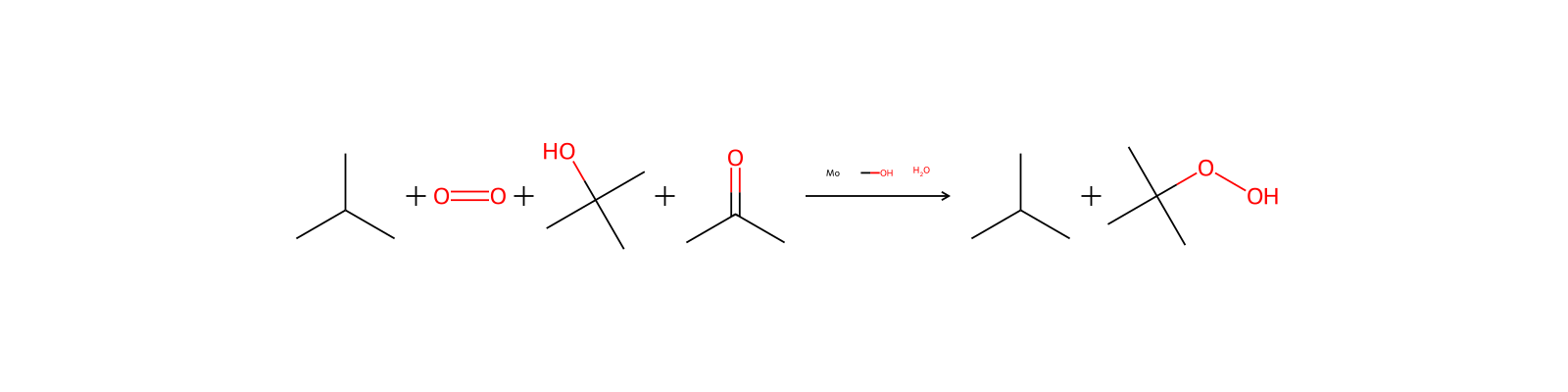
Liquid-phase autoxidation of isobutane gives tert-butyl hydroperoxide.

Impurities0.1% /BUTANE/
U.S. Production · 6 Einträge

2023: 40,000,000,000 - <45,000,000,000 lb

(1972) 4.28X10+11 GRAMS

(1975) 3.39X10+11 GRAMS

(1984) 4.80x10+11 g

2-Methylpropane is listed as a High Production Volume (HPV) chemical (65FR81686). Chemicals listed as HPV were produced in or imported into the U.S. in >1 million pounds in 1990 and/or 1994. The HPV list is based on the 1990 Inventory Update Rule. (IUR) (40 CFR part 710 subpart B; 51FR21438).

Zugehörige Reaktionen

36
Reaktionsaufzeichnung erstellen
Reaktionsgleichung von HRID 91032
HRID 91032als Produktals EduktTraining data from https://doi.org/10.1039/C8SC04228D (2/10)
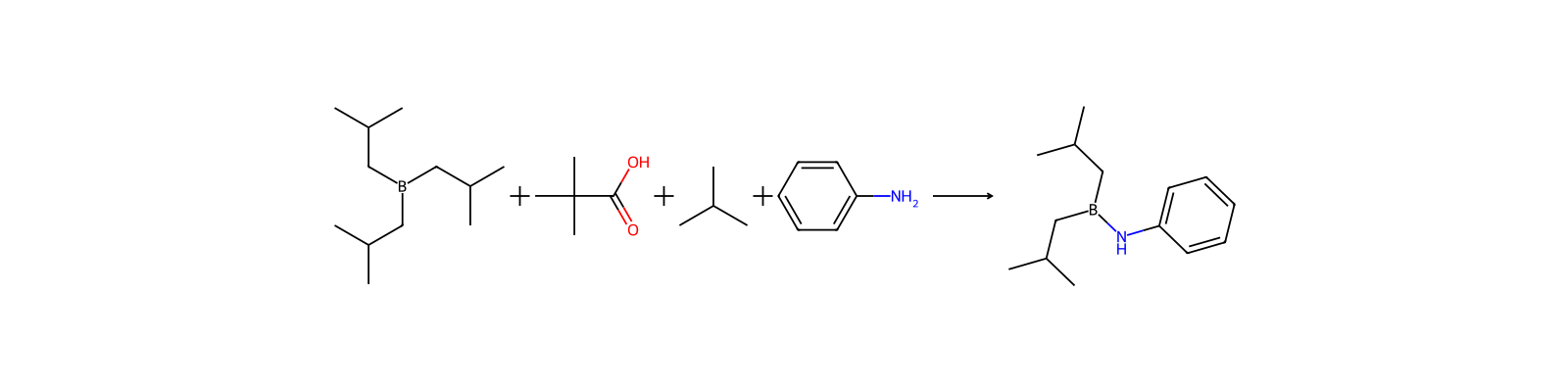
Reaktionsgleichung von HRID 226278
HRID 226278als Produktuspto-grants-2009_07
Reaktionsgleichung von HRID 386567
HRID 386567als Eduktuspto-grants-2013_02
Reaktionsgleichung von HRID 436949
HRID 436949als Eduktuspto-grants-1977_06
Reaktionsgleichung von HRID 848235
HRID 848235als Produktals Eduktuspto-grants-1981_10
Reaktionsgleichung von HRID 928220
HRID 928220als Eduktuspto-grants-2016_03
Reaktionsgleichung von HRID 932848
HRID 932848als EduktValidation data from https://doi.org/10.1039/C8SC04228D
Reaktionsgleichung von HRID 1033973
HRID 1033973als Eduktuspto-grants-1994_05
Seite 1 von 5

Notizen zur Verbindung

Wird geladen…

Auf dieser SeiteGrundinformationenÜberblickNamen und BezeichnerEigenschaftenSicherheit und RegulatorischesChemie und IndustrieZugehörige ReaktionenNotizen zur Verbindung
Weitere Aktionen
Neue NotizNeue ReaktionAnfrage stellen

0.551 @25 °C

2.06(relative gas density)

Viscosity0.238 cP at -10 °C
Color/FormColorless gas [Note: Shipped as a liquified compressed gas. A liquid below 11 °F]
Solubility · 5 Einträge

Slight (NIOSH, 2024)

In water, 48.9 mg/L at 25 °C

Soluble in ethanol, ether, chloroform

Solubility in water at 20 °C: none

Slight

CorrosivityNo corrosive action on metals.

Physikochemische Eigenschaften

Schmelzpunkt
160 °C · −160 °C(lit.)
Siedepunkt
12 °C · −12 °C(lit.)
Dichte
2.064 g/mL · 2.064 g/mL at 25 °C(lit.)
Dampfdichte
2.01 · 2.01 (21 °C, vs air)
Dampfdruck
72.2 psi · 72.2 psi ( 37.7 °C)
Brechungsindex
1.3518 · 1.3518
Flammpunkt
-83 °C · -83 °C
Aggregatzustand
Colorless gas
Farbe
Colorless, very flammable gas with a faint odor
Explosionsgrenze
8.3 % · 8.3%
Wasserlöslichkeit
48.9 mg/kg · 48.9 mg/kg at 25 °C (shake flask-GC, McAuliffe, 1963, 1966)
BRN
1730720 · 1730720
Henry's Law Constant
1.171 atmm3/mol · 1.171 atmm3/mol at 25 °C (Hine and Mookerjee, 1975)
Stabilität
Stable. Extremely flammable. May form explosive mixtures with air.
Kosmetik-Inhaltsstoffe Funktionen
PROPELLANT
InChI
1S/C4H10/c1-4(2)3/h4H,1-3H3
InChIKey
NNPPMTNAJDCUHE-UHFFFAOYSA-N
SMILES
CC(C)C
LogP
2.76 · 2.760
Oberflächenspannung
12.8 mN/m · 12.8 mN/m at 273.41K
CAS Datenbank
75 · 75-28-5(CAS DataBase Reference)
EPA chemische Informationen
Isobutane (75-28-5)
Health Hazards · 3 Einträge

Central nervous system depression ranging from dizziness and incoordination to anesthesia and respiratory arrest, depending on concentration and extent of inhalation. Irregular heartbeat is rare but is a dangerous complication at anesthetic levels. (USCG, 1999)

· Vapors may cause dizziness or asphyxiation without warning, especially when in closed or confined areas.

· Vapors may cause dizziness or asphyxiation without warning, especially when in closed or confined areas.

Hazards Summary · 1 Eintrag

In mice causes CNS depression at 15% for 60 minutes or 23% for 26 minutes; In dogs causes anesthesia at 45% for10 minutes. [HSDB] In rats, the LC50 (15 minutes) was 57%, although the lack of oxygen likely contributed to the deaths of these animals. TLV Basis is CNS impairment; Volunteers exposed to 500 ppm 8 hours/day, 5 days/week for 2 weeks had no significant adverse effects; [ACGIH: Butane, isomers] Isobutane is in the list of Some volatile substances which may be abused by inhalation published on the web site of the U.N. International Drug Control Programme, indicating its potential to cause narcosis in workers. [Reference #1] See n-Butane and Cyclobutane.

DOT ID and Guide · 4 Einträge

1075 115

1969 115

1075 115

1969 115

FDA RequirementsSubstance added directly to human food affirmed as generally recognized as safe (GRAS).
Reactive GroupHydrocarbons, Aliphatic Saturated
EC ClassificationSymbol: F+; R: 12; S: (2)-9-16; Note: C
UN ClassificationUN Hazard Class: 2.1

Sicherheit und Schutzausrüstung

Fire Fighting · 2 Einträge

Excerpt from ERG Guide 115 [Gases - Flammable (Including Refrigerated Liquids)]:

Shut off supply; if not possible and no risk to surroundings, let the fire burn itself out. In other cases extinguish with water spray. In case of fire: keep cylinder cool by spraying with water. Combat fire from a sheltered position.

First Aid Measures · 3 Einträge

Fresh air, rest. Refer for medical attention.

ON FROSTBITE: rinse with plenty of water, do NOT remove clothes. Refer for medical attention .

First rinse with plenty of water for several minutes (remove contact lenses if easily possible), then refer for medical attention.

Accidental Release Measures · 4 Einträge

· CALL 911. Then call emergency response telephone number on shipping paper. If shipping paper not available or no answer, refer to appropriate telephone number listed on the inside back cover.

· ELIMINATE all ignition sources (no smoking, flares, sparks or flames) from immediate area.

· CALL 911. Then call emergency response telephone number on shipping paper. If shipping paper not available or no answer, refer to appropriate telephone number listed on the inside back cover.

· ELIMINATE all ignition sources (no smoking, flares, sparks or flames) from immediate area.

First Aid · 4 Einträge

Excerpt from NIOSH Pocket Guide for Isobutane:

General First Aid:

General First Aid:

(General first aid procedures)

Safe StorageFireproof. Cool.
Firefighting Hazards · 1 Eintrag

Vapors are heavier than air and will collect in low areas. Vapors may travel long distances to ignition sources and flashback. Vapors in confined areas may explode when exposed to fire. Containers may explode in fire. Storage containers and parts of containers may rocket great distances, in many directions.

Exposure Control and Personal Protection · 3 Einträge

· Wear positive pressure self-contained breathing apparatus (SCBA).

· Wear positive pressure self-contained breathing apparatus (SCBA).

1000.0 [ppm] (for Butane, isomers)[German Research Foundation (DFG)]

Fire Fighting Procedures · 5 Einträge

Suitable extinguishing media: Use water spray, alcohol-resistant foam, dry chemical or carbon dioxide.

Advice for firefighters: Wear self-contained breathing apparatus for firefighting if necessary.

Use water spray to cool unopened containers.

To fight fire, stop flow of gas.

For more Fire Fighting Procedures (Complete) data for Isobutane (6 total), please visit the HSDB record page.

Storage Conditions · 2 Einträge

Keep container tightly closed in a dry and well-ventilated place. Contents under pressure. Storage class (TRGS 510): Gases.

Store separately from all other flammable materials. Prior to working with this chemical, you should be trained on its proper handling and storage. Before entering confined space where isobutane may be present, check to make sure that an explosive concentration odes not exist. Isobutane cylinders should be stored in a cool, well-ventilated dry area of noncombustible construction. Protect containers against physical damage. Store away from sources of heat or ignition and from oxygen, chlorine, and other oxidizers. Sources of ignition, such as smoking and open flames, are prohibited where isobutane is handled, used, or stored. Ground and bond all lines and equipment used with isobutane. Wherever isobutane is used, handled, manufactured, or stored, use explosion-proof electrical equipment and fittings. Procedures for the handling, use, and storage of cylinders should be in compliance with OSHA 1910.101 and 1910.169, as with the recommendations of the Compressed Gas Association.

Cleanup Methods · 3 Einträge

ACCIDENTAL RELEASE MEASURES: Personal precautions, protective equipment and emergency procedures: Avoid breathing vapors, mist or gas. Ensure adequate ventilation. Remove all sources of ignition. Evacuate personnel to safe areas. Beware of vapors accumulating to form explosive concentrations. Vapors can accumulate in low areas. Environmental precautions: Prevent further leakage or spillage if safe to do so. Do not let product enter drains. Methods and materials for containment and cleaning up: Clean up promptly by sweeping or vacuum.

Restrict persons not wearing protective equipment from area of leak until cleanup is complete. Remove all ignition sources. Establish forced ventilation to keep levels below explosive limit. Stop flow of gas. If source of leak is a cylinder and the leak cannot be stopped in place, remove the leaking cylinder to a safe place in the open air, and repair leak or allow cylinder to empty. Keep isobutane out of a confined space, such as a sewer, because of the possibility of an explosion, unless the sewer is designed to prevent the buildup of explosive concentrations. Collect powdered material in the most convenient and safe manner and deposit in sealed containers. Ventilate area after cleanup is complete. It may be necessary to contain and dispose of this chemical as a hazardous waste. If material or contaminated runoff enters waterways, notify downstream users of potentially contaminated waters.

The efficiency of any soil venting operation will depend significantly on three factors: vapor flowrate, vapor flow path relative to the contaminant distribution, and composition of the contaminant. Simple mathematical models were developed to be used as screening tools to help determine if soil venting will be a viable remediation option at any given spill site. The models relate the applied vacuum, soil permeability, and spill composition to the vapor flowrates, velocities, mass removal rates, and residual composition changes with time. In this report the screening models and some sample calculations are presented . The results illustrate the advantages and limitations of venting as a remediation tool, under both ideal and nonideal conditions.

Nonfire Spill ResponseExcerpt from ERG Guide 115 [Gases - Flammable (Including Refrigerated Liquids)]:
Disposal Methods · 4 Einträge

SRP: Recycle any unused portion of the material for its approved use or return it to the manufacturer or supplier. Ultimate disposal of the chemical must consider: the material's impact on air quality; potential migration in air, soil or water; effects on animal, aquatic and plant life; and conformance with environmental and public health regulations. If it is possible or reasonable use an alternative chemical product with less inherent propensity for occupational harm/injury/toxicity or environmental contamination.

SRP: Wastewater from contaminant suppression, cleaning of protective clothing/equipment, or contaminated sites should be contained and evaluated for subject chemical or decomposition product concentrations. Concentrations shall be lower than applicable environmental discharge or disposal criteria. Alternatively, pretreatment and/or discharge to a permitted wastewater treatment facility is acceptable only after review by the governing authority and assurance that "pass through" violations will not occur. Due consideration shall be given to remediation worker exposure (inhalation, dermal and ingestion) as well as fate during treatment, transfer and disposal. If it is not practicable to manage the chemical in this fashion, it must be evaluated in accordance with EPA 40 CFR Part 261, specifically Subpart B, in order to determine the appropriate local, state and federal requirements for disposal.

Product: Burn in a chemical incinerator equipped with an afterburner and scrubber but exert extra care in igniting as this material is highly flammable. Offer surplus and non-recyclable solutions to a licensed disposal company. Contact a licensed professional waste disposal service to dispose of this material; Contaminated packaging: Dispose of as unused product.

Dissolve of mix the material with a combustible solvent and burn in a chemical incinerator equipped with an afterburner and scrubber. All federal, state, and local environmental regulations must be observed.

Toxikologische Informationen

TreatmentTreatment for butane poisoning is supportive and symptomatic. Stimulants should not be administered. Recovery normally occurs quickly once exposure has ceased but support of the cardiovascular and respiratory systems may be needed. (L1284)
Target Organscentral nervous system
Health EffectsButane targets the central nervous system and cardiovascular system. Inhalation of butane can cause frostbite which can result in death from asphyxiation and ventricular fibrillation. (L1283, L1284)
Environmental Fate · 4 Einträge

TERRESTRIAL FATE: Based on a classification scheme(1), an estimated Koc value of 250(SRC), determined from a log Kow of 2.76(2) and a regression-derived equation(3), indicates that isobutane is expected to have moderate mobility in soil(SRC). Volatilization of isobutane from moist soil surfaces is expected to be an important fate process(SRC) given an estimated Henry's Law constant of 1.19 atm-cu m/mole(SRC), derived from its vapor pressure, 2610 mm Hg(4), and water solubility, 48.8 mg/L(5). Isobutane is expected to volatilize from dry soil surfaces(SRC) based upon its vapor pressure(4). Isobutane reached 49% mineralization after 20 days using an activated sludge inoculum(6) suggesting that biodegradation may be an important environmental fate process under certain conditions in soil(SRC).

AQUATIC FATE: Based on a classification scheme(1), an estimated Koc value of 250(SRC), determined from a log Kow of 2.76(2) and a regression-derived equation(3), indicates that isobutane is expected to adsorb to suspended solids and sediment(SRC). Volatilization from water surfaces is expected(4) based upon an estimated Henry's Law constant of 1.19 atm-cu m/mole(SRC), derived from its vapor pressure, 2610 mm Hg(5), and water solubility, 48.8 mg/L(6). Using this Henry's Law constant and an estimation method(4), volatilization half-lives for a model river and model lake are 2 hours and 3 days, respectively(SRC). According to a classification scheme(7), an estimated BCF of 30(SRC), from its log Kow(2) and a regression-derived equation(3), suggests the potential for bioconcentration in aquatic organisms is low(SRC). Microcosm experiments designed to simulate natural estuaries reported half-lives for isobutane ranging from 16-26 days(8) suggesting that biodegradation may be an important environmental fate process under certain conditions in water(SRC).

AQUATIC FATE: Experiments performed with gaseous C2-C4 alkanes in a microcosm designed to replicate Narragansett Bay, RI in September (20 °C) and November (10 °C) have shown that the removal rate constant of isobutane is 0.061/day (standard deviation 0.005/day) at 20 °C and 0.030/day (standard deviation 0.006/day) at 10 °C(1). The respective half-lives are 11 days and 23 days(SRC). The results indicate that gas exchange is the dominant removal mechanism for isobutane gases from the water column following a hypothetical input. Scaling up the predicted gas exchange rate constants (0.26/day and 0.017/day at 20 and 10 °C, respectively) so they are consistent with natural estuaries, the volatilization half-lives for isobutane from the water columns in natural estuaries(1) are estimated to be 4.4 and 6.8 days at 20 and 10 °C, respectively(SRC). Isobutane also biodegrades in the microcosm at a rate that is slower than for n-butane and falls between propane and ethane in susceptibility. Biodegradation of isobutane initially occurs with a half-lives of 16-26 days at 20 °C and 33-139 days at 10 °C, significantly slower than the loss predicted by gas exchange from typical natural estuaries. However, after a lag of 2-4 weeks, the biodegradation rate increases markedly so that in the case of chronic inputs, biodegradation can become the dominant removal mechanism(1).

ATMOSPHERIC FATE: According to a model of gas/particle partitioning of semivolatile organic compounds in the atmosphere(1), isobutane, which has a vapor pressure of 2610 mm Hg at 25 °C(2), is expected to exist solely as a gas in the ambient atmosphere. Gas-phase isobutane is degraded in the atmosphere by reaction with photochemically-produced hydroxyl radicals(SRC); the half-life for this reaction in air is estimated to be 6.8 days(SRC), calculated from its rate constant of 2.43X10⁻¹² cu cm/molecule-sec at 25 °C(3). Gas-phase isobutane is degraded in the atmosphere by reaction with nitrate radicals(SRC); half-life for this reaction in air is estimated to be 165 days(4). Isobutane does not contain chromophores that absorb at wavelengths >290 nm(5) and, therefore, is not expected to be susceptible to direct photolysis by sunlight(SRC).

Adverse EffectsNeurotoxin - Acute solvent syndrome
Exposure Routes · 3 Einträge

The substance can be absorbed into the body by inhalation.

inhalation, skin and/or eye contact (liquid)

Inhalation (L1283)

Toxicity Summary · 3 Einträge

Safe in the present practices of use and concentration. Ingredient, concentration, and use information are available in documents discoverable at https://cir-reports.cir-safety.org

IDENTIFICATION AND USE: Isobutane is a colorless gas. It is used in organic synthesis, as a refrigerant, in motor fuels, and as aerosol propellant, as well as in synthetic rubber, and in instrument calibration fluid. HUMAN STUDIES: Isobutane is a simple asphyxiant. Acute exposure may cause tachypnea and tachycardia. In severe cases, hypotension, apnea, and cardiac arrest develop. Direct contact with the liquid produces chemical burns. Toxicologically, the vapor exerts no effect on skin and eyes. A case of ventricular fibrillation due to isobutane toxicity after unintentional inhalation of air freshener has been reported. The intentional inhalation of a volatile substance ("sniffing") causing euphoria and hallucinations is a form of substance abuse in children and adolescents with a high morbidity and mortality. Sudden death can be caused by cardiac arrhythmia, asphyxia or trauma. Fatal cases of isobutane sniffing of cigarette lighter refill containing isobutane has been reported. ANIMAL STUDIES: Studies in rabbits exposed through the eyes to undiluted hairspray containing 22% isobutane showed that irritation of the eye was immediately evident with transient iritis and mild conjunctivitis. Acute exposure in dogs to 55 mg/L isobutane was fatal, and 45 mg/L caused anesthesia. Two-hour exposures of mice to 41 mg/L isobutane caused death in 60% of the exposed animals, whereas exposure to 52 mg/L was lethal to 100% of the animals within an average of 28 min. Isobutane is a CNS depressant in the mouse at 15% in 60 min, and at 23% in 26 min. Isobutane caused apnea and finally cardiac arrest in anesthetized rats. Isobutane tested negative in the Ames Salmonella mutagenicity assay.

Butane is a simple asphyxiant and causes toxicity by displacing oxygen. It also affects the central nervous system by enhancing glycine receptors and inhibiting nicotinic acetylcholine and N-methyl-d-aspartate (NMDA) receptors, resulting in anesthetic effects. (L1284, A352)

Signs and Symptoms · 4 Einträge

Shortness of breath. Suffocation.

ON CONTACT WITH LIQUID: FROSTBITE.

drowsiness, narcosis, asphyxia; liquid: frostbite

Inhalation of butane can cause euphoria, hallucinations, confusion, blurred vision, slurred speech, nausea, vomiting, coughing, sneezing, increased salivation, drowsiness, narcosis, asphyxia, cardiac arrhythmia, and frostbite. (L1283, L1284)

Effluent Concentrations · 4 Einträge

In a comprehensive survey of wastewater from 4000 industrial and publicly owned treatment works (POTWs) sponsored by the Effluent Guidelines Division of the USEPA, isobutane was identified in discharges of the following industrial category (positive occurrences, median concentration in ppb): petroleum refining (1; 102.6), plastics and synthetics (1; 109.7), oil and gas extraction (3; 16.2)(1). The highest effluent concentration was 109.7 ppb in the plastics and synthetics industry(1).

Vehicle exhaust contained 720 ppb isobutane(2). In a 1988 study in the U.K., the 6-car average concentration of isobutane in exhaust gas was 8175 ppb(1).

Isobutane is found in gasoline and commercial natural gas(3) and may be released to the environment in evaporative losses, wastewater, and spills(SRC) as well as in combustion exhaust(3). Composition profiles for isobutane in auto emissions acquired using Federal Test Procedure tests include: USEPA 46 in-use vehicles for 1975-1982 model years, 0.92 wt%; Auto/Oil Program older (1983-1985) vehicle fleet, 0.21 wt%(3). Emissions of 25 vehicles (mostly 1986 model year) were tested under different driving conditions(1). The average emission were (type of driving (avg speed), emissions in mg/km): cold start (18.51 km/hr), 75.01; warm start (18.53 km/hr), 95.68; urban (21.38 km/hr), 65.66; suburban (41.73 km/hr), 29.64; rural (54.53 km/hr), 17.44; motorway (90.72 km/hr), 8.81; motorway (111.36 km/hr), 8.57(1,2). For suburban driving, 4 low-emission vehicles had isobutane emissions ranging from 0.8-18 mg/km at 40 km/hr(2). The emission of isobutane from a car dropped from 53 mg/km at 20 km/hr to 9 mg/hr between 90 and 110 km/hr(1). In emission tests using single component fuels, isobutane occurred in engine emissions when n-heptane, 1-hexene, and cyclohexane was burned, but not with toluene, isooctane or methyl tert-butyl ether (MTBE)(4).

Isobutane emission rates for the California South Coast Air Basin is 12.1 metric tons/day(6). A study of VOC emission in California South Coast Air Basin found that the sources of isobutane were (source, percent): gasoline exhaust, 6%; whole (liquid) gasoline, 3%; gasoline vapors, 36%; waste and natural gas, 21%; other, 34%(5). No isobutane emissions were attributed to coatings and adhesives(5). Isobutane gasoline exhaust emissions in the U.K have been estimated to be 5.29 and 14.5 kilotonnes by two investigators, constituting respectively 2% and 4% of exhaust emissions(1,3). Isobutane is found in underwater hydrocarbon vent plumes from offshore production; the concn in one plume was 560 umol/L(7). Isobutane constituted 0.004% of municipal sanitary landfill gas at Palos Verdes, CA(2). The landfill was in the anaerobic phase. Isobutane was found in emissions from the combustion of waste PVC plastics under conditions of incomplete combustion but not under conditions of complete combustion(4). Isobutane is used in consumer products such as insect spray, window and glass cleaner, personal care and pet products, arts and craft products, auto and home maintenance products and rug and upholstery cleaners(8,9) and may be released when these products are manufactured or used(SRC).

Soil Adsorption/Mobility · 1 Eintrag

The Koc of isobutane is estimated as 250(SRC), using a log Kow of 2.76(1) and a regression-derived equation(2). According to a classification scheme(3), this estimated Koc value suggests that isobutane is expected to have moderate mobility in soil.

Natural Pollution SourcesIsobutane occurs in petroleum and natural gas(1).
Atmospheric Concentrations · 5 Einträge

URBAN/SUBURBAN: The concentration of isobutane in air is largely a result of vehicle emissions and will be particularly sensitive to factors such as the sampling duration, type of location, wind direction, and time of day(2). This is exemplified by the concentration of isobutane in air at Riverside, CA (n=6, afternoon with a heavy haze), 5.2-10.4 ppb, compared with 0.2 ppb on a clear morning(3). Ambient air concentrations for isobutane in the National Ambient Volatile Organic Compounds data base (n = 887): mean 5.706 ppb, median 3.290 ppb, 25th percentile 1.728 ppb, 75th percentile 6.213 ppb(1). The median concentration by type of site were (type, number of data points, concentration): remote, 6, 0.158 ppb; rural, 36, 0.340 ppb; suburban, 223, 3.817 ppb; urban, 546, 3.275 ppb; source dominated, 56, 4.204 ppb(1). 4-Hour simultaneous air sampling on 15 days over a 3 month period in the summer of 1987 of an industrial, urban and suburban site in Chicago resulted in mean levels of 4.42, 2.16, and 2.12 ug/cu m, respectively(4). The concentration of isobutane in Japan along the direction of air mass movement was 4.4 ppb in Yokahama, 1.3 ppb in Takasaki, and 1.5 ppb in Kuruzawa(5). The decrease in concentration was attributed to photooxidation.

URBAN/SUBURBAN: Concentrations of isobutane resulting from urban (n = 34, interstate (n = 35), and rural (n = 7) driving was assessed in Raleigh, NC in the summer of 1988 using a 1983 and a 1987 model cars. The concentration was measured at: (a) the driver's breathing zone, (b) a location mid-route 100-300 ft from the roadway, (c) the car roof, (d) the breathing zone of a pedestrian along the urban route. The concentration of isobutane in ug/cu m was (location, median, mean, maximum): (a) in-vehicle, 0.5, 9.1, 281.7; (b) fixed site, 1.7, 3.9, 43.4; (c) car exterior, 0.2, 8.5, 56.0; (d) sidewalk, 6.4, 8.0, 22.0. The in-vehicle median concentration was 9.0 ug/cu m for urban driving, 2.2 ug/cu m for rural driving, and below the detection limit for interstate driving(1).

URBAN/SUBURBAN: Results of year-round sampling (24-hr samples every 6th day) of ambient air for isobutane at a representative site in Washington DC (3/90-3/91): 92.96% frequency, max 3.8 ppb, median 1.26 ppb, mean 1.4 ppb, SD 0.85 ppb(1). Concentration of isobutane in 39 U.S. cities between 1984-1986 (n = 836) in ppbC: median 14.9, 25th percentile 8.5, 75th percentile 23.5, min 1.2, max 647(5). The concentration of isobutane in marine air is 0.11 ppb(2) and in Sydney, Australia (1979-80) and Hamburg, Germany (1986-87) 4.7 ppb(3) and 3.8 ppb(2), respectively. The concentration of isobutane in Vienna, Austria (n = 5, street with heavy traffic, 1.5 m above the ground) was 7.1 ppbC with a standard deviation of 3.9 ppbC(6). The results of air monitoring for isobutane at Harwell, England between Mar 1973 and Aug 1974 (n = 63) was 0.37-3.58 ppb with a mean of 1.2 ppb(4). Levels of isobutane ranged from 3 to 10 ug/cu m in the air of Southern Taiwan, in sampling conducted in December 1998 and May 1999(7).

Regulatorische Informationen

FDA RequirementsSubstance added directly to human food affirmed as generally recognized as safe (GRAS).
FIFRA Requirements · 2 Einträge

Residues of isobutane are exempted from the requirement of a tolerance when used in accordance with good agricultural practice as inert (or occasionally active) ingredients in pesticide formulations applied to growing crops or to raw agricultural commodities after harvest. Use: Propellant. Limit: None.

Residues of isobutane are exempted from the requirement of a tolerance when used in accordance with good agricultural practice as inert (or occasionally active) ingredients in pesticide formulations applied to animals. Use: Propellant. Limit: None.

DHS Chemicals of Interest (COI) · 4 Einträge

Isobutane

1

10000

Flammable chemical that can be released at a facility.

Sicherheitsdaten

F
4.5-31
OEB
A
OEL
TWA: 800 ppm (1900 mg/m3)
wgk
-
tsca
TSCA listed
ridadr
UN 1969
hs_code
2901100000
RTECS-Nr.
TZ4300000
risk_code
12
hazard_code
F+
safety_code
9-16
hazard_class
2.1
Speicherklasse
2A - Gases
DOT Classification
2.1 (Flammable gas)
Giftige Stoffe Daten
75-28-5(Hazardous Substances Data)
Hazard Classifications
Flam. Gas 1APress. Gas Liquefied gas
Selbstentzündungstemperatur
860 °F

For more U.S. Production (Complete) data for Isobutane (6 total), please visit the HSDB record page.

Consumption Patterns · 2 Einträge

APPROX 94% AS A CHEM INT FOR ALKYLATE GASOLINE; APPROX 4% AS COMPONENT TO CONTROL VOLATILITY OF GASOLINE; & APPROX 2% AS A CHEM INT FOR PROPYLENE OXIDE & TERT-BUTYL ALCOHOL (1975)

In 1987, about 89% of isobutane consumption in the US was motor fuel alkylate.

Consumer UsesIntermediate
Industry UsesFuels and fuel additives
Methods of Manufacturing · 5 Einträge

Isobutane (C4H10) can be obtained by recovery from LPG or by acid-catalyzed isomerization of n-butane.

An important component of natural gasoline, refinery gases, wet natural gas.

Recovery from petroleum refinery streams that result from catalytic cracking, catalytic reforming and other refinery operations.

Recovery from raw natural gas which contains about 0.35 mol % isobutane.

... Obtained from natural gas by fractionation following absorption in oil, adsorption to surface-active agents, or refrigeration.

Formulations/PreparationsGrade: Technical, 99 mol % (pure grade), 99.96 mol % (research grade), and other high-purity grades.
Household Products · 2 Einträge

Cosmetics product ingredient: Isobutane (containing greater than or equal to 0.1 % butadiene (203-450-8))

Information on 1287 consumer products that contain Isobutane in the following categories is provided:

Use Classification · 2 Einträge

Food additives

Cosmetics -> Propellant

General Manufacturing Information · 3 Einträge

CBI

Propane, 2-methyl-: ACTIVE

The most common separation techniques are based on a vapor-liquid, two-phase system by which the liquid (iso)butane is recovered from the feed gas.

Anwendungen

VerwendenIsobutane occurs in petroleum, natural gas,and petroleum cracking products. It is usedas a fuel gas or a liquefied petroleum gas. Itis also used in organic synthesis.

Vor- und nachgelagerte Produkte

Vorgelagerte Rohstoffe

Erdoelgase, verflüssigtC4 FractionCyclohexane, methyl-, radical ion(1+)

Nachgelagerte Produkte

But-1-enIsobutyleneETHOPERMETHRIN,95%(1R-cis)-3-(2,2-dibromoethenyl)-2,2-dimethylcyclopropane carboxylic acidButan1R-cis crysanthemic acidMethacrylsure2,2,4-Trimethylpentan1,2-Epoxypropan2,5-Dimethylhexan2,2-Dimethylhexan2-Methylpropanol-22-Hydroxy-2-methylpropionaldehyd4-Ethyloctane2-tert-butylnaphthalene

Ergänzende Hinweise

DefinitionChEBI: An alkane that is propane substituted by a methyl group at position 2.

URBAN/SUBURBAN: The isobutane content (ppbC%) of vehicle-related air samples from the 1990 Atlanta Ozone Precursor Monitoring Study were: roadway (n = 9), 1.12; airport (n = 11), 0.96; aircraft (n = 2), 0.525(2). The roadway samples were collected along a busy interstate during morning rush hour in August. Other roadway emission profiles for isobutane in wt% are: Chicago, 1.93; Lincoln Tunnel, 1.78; Atlanta roadway, 1.26(3). The Chicago profiles were taken on a confined parkway during rush hour. The ground level emissions 1 mi downwind from a refinery contained 1.85-22.42 wt%, mean 8.02 wt% isobutane(3). An earlier study reported refinery emission profiles as 1.64-5.63 wt% isobutane with a mean of 3.97 wt%(1).

For more Atmospheric Concentrations (Complete) data for Isobutane (7 total), please visit the HSDB record page.