
Grundinformationen
- Standard-SMILES
CC1(C)c2cccc(P(c3ccccc3)c3ccccc3)c2Oc2c(P(c3ccccc3)c3ccccc3)cccc21- InChIKey
CXNIUSPIQKWYAI-UHFFFAOYSA-N- Summenformel
- C39H32OP2
- Durchschnittliche Molmasse
- 578,6 g/mol
- Monoisotopische Masse
- 578,19283964
Namen und Bezeichner
- Bevorzugter Name
- 1,1'-(9,9-Dimethyl-9H-xanthene-4,5-diyl)bis(1,1-diphenylphosphine)
- IUPAC
- (5-diphenylphosphanyl-9,9-dimethylxanthen-4-yl)-diphenylphosphane
- Englischer Name
- 4,5-Bis(diphenylphosphino)-9,9-dimethylxanthene
- Summenformel
- C39H32OP2
- Molmasse
- 578.62
Namen und Synonyme
161265-03-8Xantphos4,5-Bis(diphenylphosphino)-9,9-dimethylxanthene9,9-dimethyl-4,5-bis(diphenylphosphino)xantheneNMU72MOG9BPhosphine, 1,1'-(9,9-dimethyl-9H-xanthene-4,5-diyl)bis[1,1-diphenyl-DTXSID20348350Phosphine, 1,1'-(9,9-dimethyl-9H-xanthene-4,5-diyl)bis(1,1-diphenyl-9,9-dimethyl-4,6-bis(diphenylphosphino)xantheneRefChem:902347DTXCID502994221,1'-(9,9-Dimethyl-9H-xanthene-4,5-diyl)bis(1,1-diphenylphosphine)
Weitere Namen anzeigen
XANT PHOSXanphosDimethylbisdiphenylphosphinoxantheneXanthphosBis(diphenylphosphino)-9,9-diMethylxanthene4,5-BIS(DIPHENYLPHOSPHINO)-9,9-DIMETHYLX(9,9-DIMETHYL-9H-XANTHENE-4,5-DIYL)BIS[DIPHENYL PHOSPHINE]
(9,9-dimethyl-9H-xanthene-4,5-diyl)bis(diphenylphosphine)MFCD00233866Xantphos [MI](5-diphenylphosphanyl-9,9-dimethylxanthen-4-yl)-diphenylphosphane(9,9-DIMETHYL-9H-XANTHENE-4,5-DIYL)BIS(DIPHENYLPHOSPHANE)C39H32OP2[5-(diphenylphosphanyl)-9,9-dimethyl-9H-xanthen-4-yl]diphenylphosphane(5-diphenylphosphanyl-9,9-dimethyl-xanthen-4-yl)-diphenyl-phosphane
Datenbank-Bezeichner
- CAS
161265-03-8- PubChem CID
- 636044
- DTXSID
DTXSID20348350- ChEMBL
CHEMBL6038035- UNII
- NMU72MOG9B
- EC Number
- 605-249-4
- Nikkaji
- J1.199.378H
Eigenschaften
Berechnete Struktureigenschaften
- XLogP
- 9,7
- Polarare Oberfläche (TPSA)
- 9,2 Ų
- H-Brücken-Donoren
- 0
- H-Brücken-Akzeptoren
- 1
- Frei drehbare Bindungen
- 6
- Schwere Atome
- 42
- Formalladung
- 0
- Komplexität
- 731
Physikochemische Eigenschaften
- Schmelzpunkt
- 224 · 224-228 °C(lit.)
- Siedepunkt
- 665.7 · 665.7±55.0 °C(Predicted)
- Flammpunkt
- 450 ℃ · 450℃
- storage temp.
- Keep in dark place,Sealed in dry,Room Temperature
- Löslichkeit
- Soluble in organic solvents.
- Aggregatzustand
- Crystals
- Farbe
- White to light yellow
- InChIKey
- CXNIUSPIQKWYAI-UHFFFAOYSA-N
- SMILES
- C12=C(OC3=C(C1(C)C)C=CC=C3P(C1C=CC=CC=1)C1C=CC=CC=1)C(P(C1C=CC=CC=1)C1C=CC=CC=1)=CC=C2
- CAS Datenbank
- 161265 · 161265-03-8(CAS DataBase Reference)
Sicherheit und Regulatorisches
GHS-Klassifizierung
GHS Classification
This chemical does not meet GHS hazard criteria for 2.2% (2 of 90) of reports.
Warning
H315 (54.4%): Causes skin irritation [Warning Skin corrosion/irritation];H319 (96.7%): Causes serious eye irritation [Warning Serious eye damage/eye irritation];H335 (95.6%): May cause respiratory irritation [Warning Specific target organ toxicity, single exposure; Respiratory tract irritation]
P261, P264, P264+P265, P271, P280, P302+P352, P304+P340, P305+P351+P338, P319, P321, P332+P317, P337+P317, P362+P364, P403+P233, P405, and P501 (click each P-code to see the statement)
Aggregated GHS information provided per 90 reports by companies from 18 notifications to the ECHA C&L Inventory. Each notification may be associated with multiple companies.;Reported as not meeting GHS hazard criteria per 2 of 90 reports by companies.;There are 17 notifications provided by 88 of 90 reports by companies with hazard statement code(s).;Information may vary between notifications depending on impurities, additives, and other factors. The percentage value in parenthesis indicates the notified classification ratio from companies that provide hazard codes. Only hazard codes with percentage values above 10% are shown. For more detailed information, please visit ECHA C&L website.
Gefahrenhinweise
Hazard Classes and CategoriesSkin Irrit. 2 (54.4%);Eye Irrit. 2 (96.7%);STOT SE 3 (95.6%)
Sicherheitsdaten
- wgk
- 3
- tsca
- No
- hs_code
- 29319090
- risk_code
- 37-20/22
- hazard_code
- Xn
- safety_code
- 37/39-26
- Speicherklasse
- 11 - Combustible Solids
- Hazard Classifications
- Eye Irrit. 2Skin Irrit. 2STOT SE 3
Chemie und Industrie
Anwendungen
Verwendensuzuki reaction
Vor- und nachgelagerte Produkte
Vorgelagerte Rohstoffe
Nachgelagerte Produkte
Anbieter50 Anbieter
国药集团化学试剂有限公司86-21-63210123 · [email protected]
梯希爱(上海)化成工业发展有限公司021-67121386 · [email protected]
上海阿拉丁生化科技股份有限公司400-6206333 13167063860 · [email protected]
INTATRADE GmbH+49 3493/605464 · [email protected]
爱斯特(成都)生物制药股份有限公司+86-28-85122536 85324413 · [email protected]
北京安司莫森技术有限公司010-82954736 13391601435 · [email protected]
韶远科技(上海)有限公司021-50795510 4000665055 · [email protected]
科瑞迪化学400-821-5857 021-64326257 · [email protected]
上海迈瑞尔生化科技有限公司4006356688 18621169109 · [email protected]
宇瑞(上海)化学有限公司02150456736 18602143071 · [email protected]
宁波亿诺化学品有限公司86-574-27787657 · [email protected]
Hangzhou Sage Chemical Co., Ltd.+86057186818502 13588463833 · [email protected]
北京东华力拓科技发展有限公司010-88425576 · [email protected]
阿法埃莎(中国)化学有限公司400-6106006 · [email protected]
安耐吉化学&3A(安徽泽升科技股份有限公司)400-0056266 · [email protected]
武汉凯威斯科技有限公司86-027-67849912 · [email protected]
上海柏卡化学技术有限公司400-026-1533/(021) 6478-0600 · [email protected]
上海恩诺生物科技有限公司+86 (21) 6435-5022
上海瀚鸿科技股份有限公司021-54306202 13764082696 · [email protected]
上海相辉医药科技有限公司13761987713 · [email protected]
江苏欣诺科催化剂股份有限公司0512-67216630 67216634 · [email protected]
上海景颜化工科技有限公司13817811078 · [email protected]
上海尚饮思生化医药有限公司021-021-57872719 13761402923 · [email protected]
嘉兴市艾森化工有限公司0573-85285100 18627885956 · [email protected]
上海隆盛化工有限公司58099637 13585536065 · [email protected]
上海攀鸿化工科技有限公司021-56491756 13512199871 · [email protected]
陕西瑞科新材料股份有限公司0917-8888777 18691786767
武汉丰泰威远科技有限公司027-87465837 19945049750 · [email protected]
上海忆嵘生物科技有限公司18049974220 · [email protected]
杭州东帆化学有限公司86-0571-85151182
孝感深远化工有限公司15527621225; 15527621225 · [email protected]
唐山默内德贸易有限公司0315-8309571 15633399667 · [email protected]
天津希恩思生化科技有限公司400 638 7771 · [email protected]
南京维奥化工有限公司Please Send Email 18652950785 · [email protected]
南京辛西亚生物科技有限公司0550-5618439 15951861180 · [email protected]
百盛HK进出口有限公司+86-18068513926
河南多贝化工有限公司0370-2785118 17550508557 · [email protected]
苏州盖德精细材料有限公司0512-66627360 13914021065 · [email protected]
上海源叶生物科技有限公司13636370518 · [email protected]
武汉泰宇凯尚科技有限公司027-027-87680032 18963957250 · [email protected]
艾科试剂4008-755-333 18080918076 · [email protected]
上海思域化工科技有限公司86-21-34053660 · [email protected]
苏州思变化学技术有限公司0512-65617459 18915409046 · [email protected]
赛默飞世尔科技(中国)有限公司800-810-5118 · [email protected]
北京伊诺凯科技有限公司400-810-7969 010-59572699 · [email protected]
天津尚德药缘科技有限公司13132578992 · [email protected]
上海遐瑞医药科技有限公司+86 21 61551611
上海健超生物科技有限公司150-2103-5486 18017383231 · [email protected]
上海茵凯化学科技有限公司021-57603038 13601791340;13818007232 · [email protected]
TCI AMERICA800-4238616 · [email protected]
Zugehörige Reaktionen
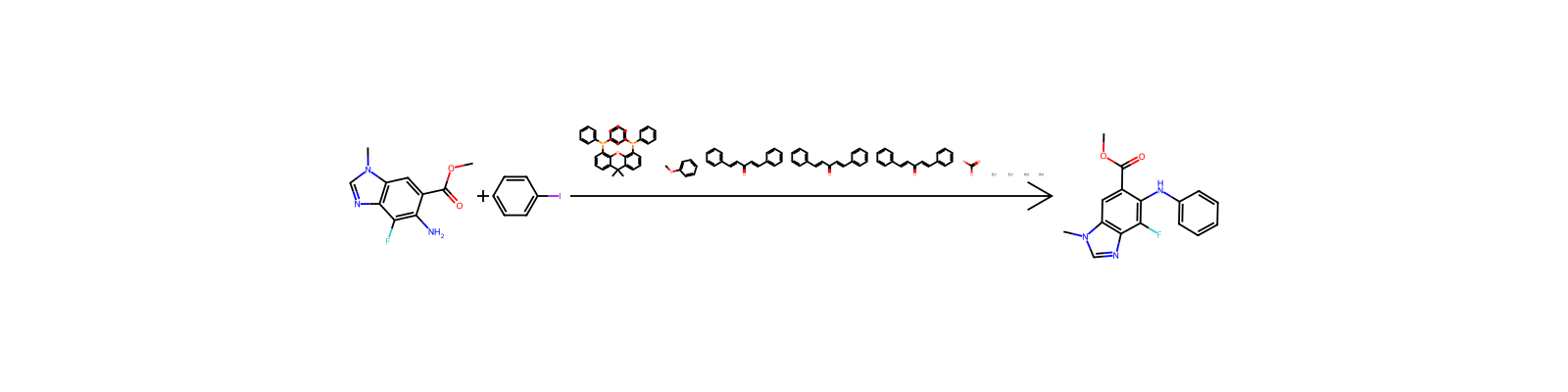
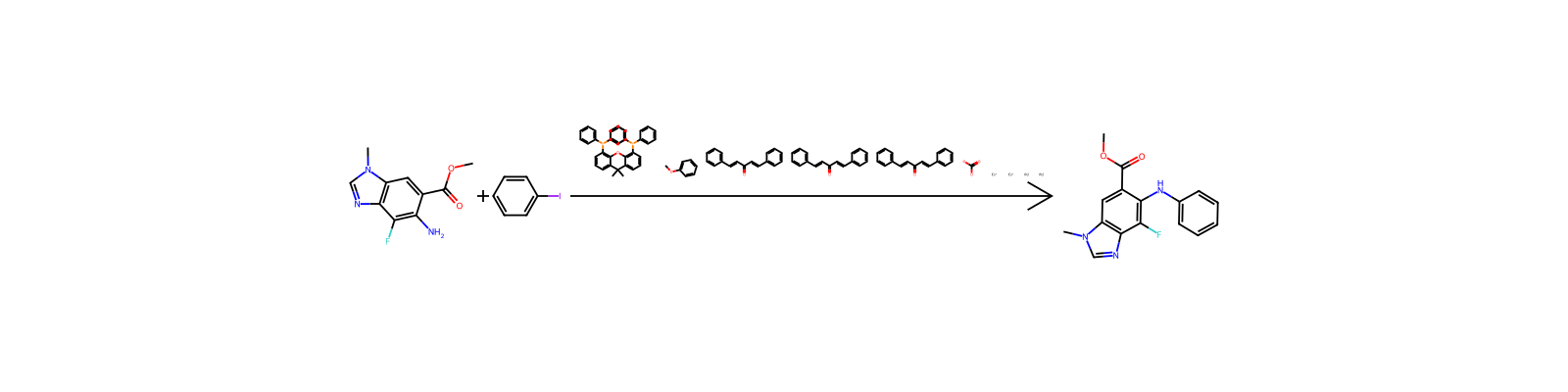
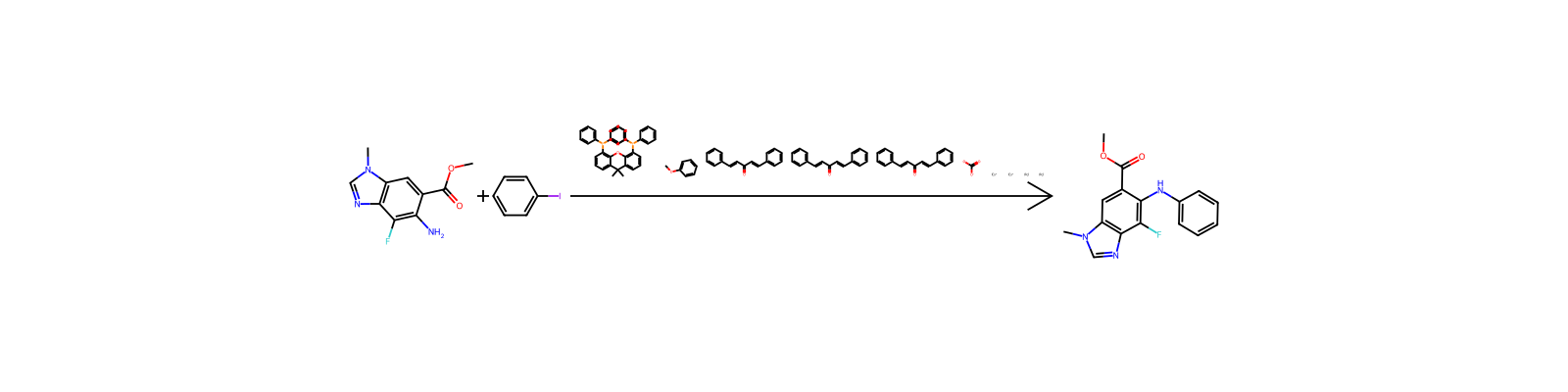
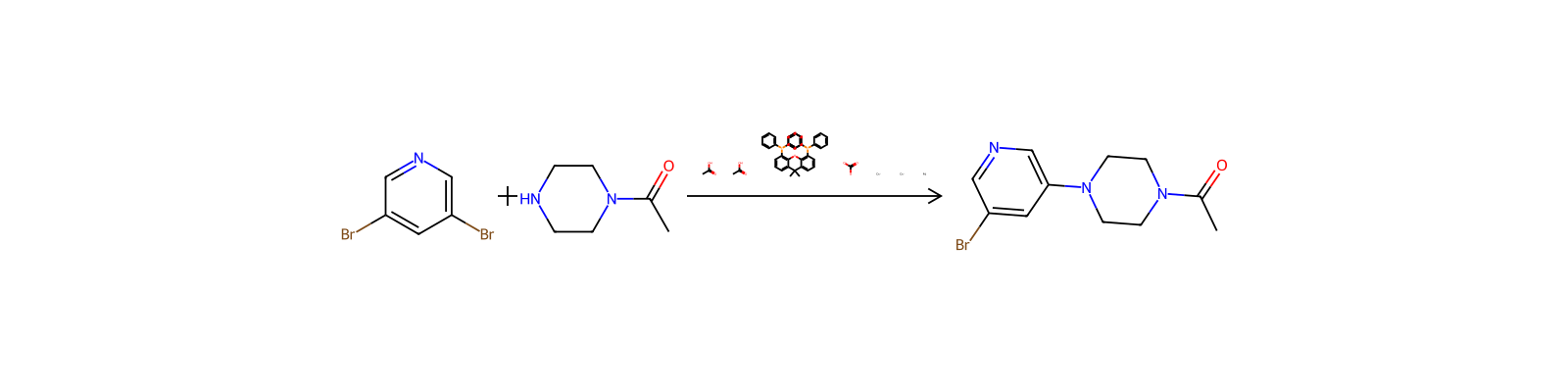
6.392




Verknüpfte Notizen
Wird geladen…