Grundinformationen
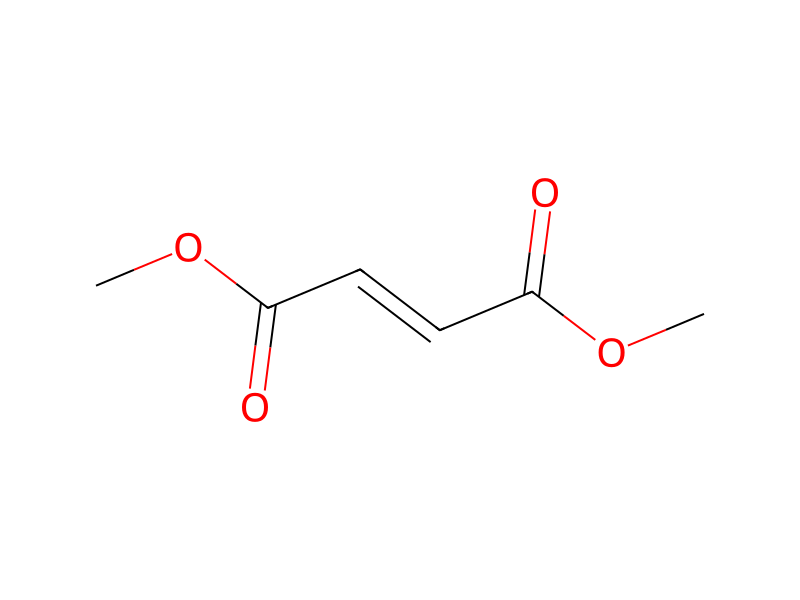
- Standard-SMILES
COC(=O)/C=C/C(=O)OC- InChIKey
LDCRTTXIJACKKU-ONEGZZNKSA-N- Summenformel
- C6H8O4
- Durchschnittliche Molmasse
- 144,12 g/mol
- Monoisotopische Masse
- 144,04225874
Überblick
Dimethyl fumarate is an enoate ester resulting from the formal condensation of both carboxy groups of fumaric acid with methanol. Used for treatment of adults with relapsing forms of multiple sclerosis. It has a role as an antipsoriatic and an immunomodulator. It is a methyl ester, a diester and an enoate ester. It is functionally related to a methanol and a fumaric acid.
Namen und Bezeichner
- Bevorzugter Name
- Dimethyl Fumarate
- IUPAC
- dimethyl (E)-but-2-enedioate
- Englischer Name
- 624-49-7
- Summenformel
- C6H8O4
- Molmasse
- 144.13
Namen und Synonyme
Dimethyl fumarate624-49-7TecfideraFumaric acid dimethyl esterDimethylfumarateFumadermFumaric acid, dimethyl esterBG-12Boletic acid dimethyl esterBG 12 compoundPanaclarDimethyl trans-ethylenedicarboxylate
Weitere Namen anzeigen
BG-00012dimethyl (2E)-but-2-enedioatetrans-Butenedioic acid dimethyl esterAllomaleic acid dimethyl esterBG00012FAG-201trans-1,2-Ethylenedicarboxylic acid dimethyl ester2-Butenedioic acid (E)-, dimethyl ester
Datenbank-Bezeichner
- CAS
23055-10-9、624-49-7- PubChem CID
- 637568
- DTXSID
DTXSID4060787- ChEMBL
CHEMBL2107333- ChEBI
CHEBI:76004- UNII
- FO2303MNI2
- EC Number
- 210-849-0
- Nikkaji
- J45.019G、J502.486B
Eigenschaften
Berechnete Struktureigenschaften
- XLogP
- 0,7
- Polarare Oberfläche (TPSA)
- 52,6 Ų
- H-Brücken-Donoren
- 0
- H-Brücken-Akzeptoren
- 4
- Frei drehbare Bindungen
- 4
- Schwere Atome
- 10
- Formalladung
- 0
- Komplexität
- 141
Experimentelle und physikochemische Eigenschaften
Chemical ClassesOther Classes -> Esters, Other
Drugs
Pharmaceuticals -> Listed in ZINC15
Pharmaceuticals -> Used in Switzerland
SpringerMaterials PropertiesBoiling point
LogP
log Kow = 0.74
0.74
0.74 (estimated)
0.74
Density
1.37 g/cu cm at 20 °C
1.37 g/cm³
Relative density (water = 1): 1.4
Color/Form
White to off-white powder
Crystals
Solubility
Highly soluble in water
Soluble in acetone, chloroform
Solubility in water, g/l: 1.6 (poor)
Human Drugs
Breast Feeding; Lactation; Milk, Human; Dermatologic Agents; Immunosuppressive Agents; Radiation-Sensitizing Agents
FDA approved drugs -> Active ingredient
EMA approved medicines: Human medicine
EMA approved medicines: Human medicine
EMA approved medicines: Human medicine
EMA approved medicines: Human medicine
Boiling Point
193 °C
193 °C
DecompositionWhen heated to decomposition it emits acrid smoke and irritating fumes.
Melting Point
101.70 °C
102 °C
104 °C
Vapor DensityRelative vapor density (air = 1): 5
Physikochemische Eigenschaften
- Schmelzpunkt
- 103.5 °C · 103.5 °C
- Siedepunkt
- 193 °C · 193 °C
- Dichte
- 1.0283 g/cm3 · 1.0283 g/cm3
Sicherheit und Regulatorisches
GHS-Klassifizierung
GHS Classification
Warning
H312 (100%): Harmful in contact with skin [Warning Acute toxicity, dermal]
P261, P264, P264+P265, P271, P272, P273, P280, P302+P352, P304+P340, P305+P351+P338, P317, P319, P321, P332+P317, P333+P317, P337+P317, P362+P364, P391, P403+P233, P405, and P501 (click each P-code to see the statement)
Aggregated GHS information provided per 164 reports by companies from 16 notifications to the ECHA C&L Inventory. Each notification may be associated with multiple companies.
Warning
H317: May cause an allergic skin reaction [Warning Sensitization, Skin]
Gefahrenhinweise
Regulatory Information
Chemical: 2-Butenedioic acid, (E)-, dimethyl ester
Chemical: 2-Butenedioic acid, dimethyl ester
Restricted substance: Dimethyl fumarate (DMFu)
Dimethyl fumarate: Does not have an individual approval but may be used under an appropriate group standard
Other Safety InformationIMAP assessments - 2-Butenedioic acid, (E)-, dimethyl ester: Human health tier II assessment
Fire HazardsCombustible. Finely dispersed particles form explosive mixtures in air.
Fire PotentialCombustible.
Hazards Summary
A severe eye and moderate skin irritant; [RTECS] Irritating to skin and eyes; [HSDB] Considered a skin sensitizer in humans; [ToxPlanet: ECHA - RAC] A skin and strong eye irritant; May cause skin sensitization; Harmful by skin absorption; [Sigma-Aldrich MSDS] See Fumaric acid.
FDA Requirements
The Approved Drug Products with Therapeutic Equivalence Evaluations identifies currently marketed prescription drug products, including dimethyl fumarate, approved on the basis of safety and effectiveness by FDA under sections 505 of the Federal Food, Drug, and Cosmetic Act.
Chemical DangersReacts with strong oxidants. This generates fire and explosion hazard. The substance can form explosive peroxides on prolonged contact with air and light.
Physical DangersIf dry, it can be charged electrostatically by swirling, pneumatic transport, pouring, etc.
Packaging and LabellingDo not transport with food and feedstuffs.
History and Incidents
A small epidemic of severe contact dermatitis cases related to newly acquired sofas and chairs has surpassed the news threshold in Finland and the U.K. /The purpose of this study was/ to study affected patients and to identify the cause. Five patients with contact dermatitis related to a newly purchased chair or sofa were studied. Furniture samples were analysed by gas chromatography-mass spectrometry. Compounds were identified using a mass spectrum library and measured semiquantitatively. Patch tests were performed with commercial standard allergens, furniture upholstery and chemicals found in the analysis. Patch tests with commercial allergens did not solve the problem. Up to 470 ug kg(-1) of dimethylfumarate was found in chairs. The patients showed strong positive patch test reactions to upholstery fabric samples and to dimethylfumarate, down to a level of 1 ppm in the most severe case. The cause of the Chinese sofa/chair dermatitis epidemic is likely to be contact allergy to dimethylfumarate, a novel potent contact sensitizer.
In February 2007, an epidemic of severe dermatitis from Chinese recliner chairs and sofas started to unfold first in Finland and a few months later in the UK. Some patients reacted in patch tests (PTs) strongly to the material of their furniture, either leather or fabric. There have been hundreds of reports of chair or sofa dermatitis from Finland and the UK, with all cases linked to the same furniture factory in China. Clinical findings in both countries were very similar and unlike any known dermatosis. Many cases have been quite severe, resembling mycosis fungoides or septic infections, requiring hospitalization. Commercial PTs did not reveal the cause but a fungicide was strongly suspected, although such use was denied by the factory. The laboratory of Malmo University Dermatology Clinic has helped in the process by making thin layer chromatograms from sofa or chair materials and test substances of suspected chemicals. Finally, sachets marked with 'mouldproof agent' were found in varying numbers and distribution in the sofas. These contained dimethyl fumarate (DMF) which proved in skin tests to cause strong positive reactions with down to 0.01 dilution. Reports from other countries (Belgium, France, Ireland, Sweden and Spain) have since appeared, and the EU has banned the use of DMF in consumer products.
Toxic Combustion ProductsSpecial hazards arising from the substance or mixture; Carbon oxides.
Hazard Classes and Categories
Acute Tox. 4 (100%)
Skin sensitisation - category 1
Sicherheit und Schutzausrüstung
Fire FightingUse water spray, foam, powder, alcohol-resistant foam. In case of fire: keep drums, etc., cool by spraying with water.
First Aid Measures
Fresh air, rest. Seek medical attention if you feel unwell.
Remove contaminated clothes. Rinse and then wash skin with water and soap. Refer for medical attention if skin irritation occurs.
First rinse with plenty of water for several minutes (remove contact lenses if easily possible), then refer for medical attention.
Rinse mouth.
Safe StorageKeep in a well-ventilated room. Well closed. Keep in the dark. Separated from strong oxidants.
Fire Fighting Procedures
Suitable extinguishing media: Use water spray, alcohol-resistant foam, dry chemical or carbon dioxide.
Advice for firefighters: Wear self contained breathing apparatus for fire fighting if necessary.
In case of fire: keep drums, etc., cool by spraying with water.
Storage Conditions
Store at 15 °C to 30 °C (59 to 86 °F). Protect the capsules from light. Store in original container.
Conditions for safe storage, including any incompatibilities: Keep container tightly closed in a dry and well-ventilated place.
Keep in a well-ventilated room. Well closed. Keep in the dark. Separated from strong oxidants.
Cleanup Methods
Personal protection: particulate filter respirator adapted to the airborne concentration of the substance. If appropriate, moisten first to prevent dusting. Sweep spilled substance into sealable containers. Then store and dispose of according to local regulations. Wash away remainder with plenty of water.
Accidental Release Measures. Personal precautions, protective equipment and emergency procedures: Use personal protective equipment. Avoid dust formation. Avoid breathing vapors, mist or gas. Ensure adequate ventilation. Avoid breathing dust. Prevent further leakage or spillage if safe to do so. Do not let product enter drains. Discharge into the environment must be avoided. Methods and materials for containment and cleaning up: Pick up and arrange disposal without creating dust. Sweep up and shovel. Keep in suitable, closed containers for disposal.
Disposal Methods
SRP: Expired or waste pharmaceuticals shall carefully take into consideration applicable DEA, EPA, and FDA regulations. It is not appropriate to dispose by flushing the pharmaceutical down the toilet or discarding to trash. If possible return the pharmaceutical to the manufacturer for proper disposal being careful to properly label and securely package the material. Alternatively, the waste pharmaceutical shall be labeled, securely packaged and transported by a state licensed medical waste contractor to dispose by burial in a licensed hazardous or toxic waste landfill or incinerator.
SRP: Wastewater from contaminant suppression, cleaning of protective clothing/equipment, or contaminated sites should be contained and evaluated for subject chemical or decomposition product concentrations. Concentrations shall be lower than applicable environmental discharge or disposal criteria. Alternatively, pretreatment and/or discharge to a permitted wastewater treatment facility is acceptable only after review by the governing authority and assurance that "pass through" violations will not occur. Due consideration shall be given to remediation worker exposure (inhalation, dermal and ingestion) as well as fate during treatment, transfer and disposal. If it is not practicable to manage the chemical in this fashion, it must be evaluated in accordance with EPA 40 CFR Part 261, specifically Subpart B, in order to determine the appropriate local, state and federal requirements for disposal.
Product: Offer surplus and non-recyclable solutions to a licensed disposal company. Contact a licensed professional waste disposal service to dispose of this material. Contaminated packaging: Dispose of as unused product.
Spillage Disposal
Personal protection: particulate filter respirator adapted to the airborne concentration of the substance. If appropriate, moisten first to prevent dusting. Sweep spilled substance into sealable containers. Then store and dispose of according to local regulations. Wash away remainder with plenty of water.
Preventive Measures
Precautions for safe handling: Avoid contact with skin and eyes. Avoid formation of dust and aerosols. Further processing of solid materials may result in the formation of combustible dusts. The potential for combustible dust formation should be taken into consideration before additional processing occurs. Provide appropriate exhaust ventilation at places where dust is formed.
Appropriate engineering controls: Handle in accordance with good industrial hygiene and safety practice. Wash hands before breaks and at the end of workday.
Gloves must be inspected prior to use. Use proper glove removal technique (without touching glove's outer surface) to avoid skin contact with this product. Dispose of contaminated gloves after use in accordance with applicable laws and good laboratory practices. Wash and dry hands.
SRP: The scientific literature for the use of contact lenses by industrial workers is inconsistent. The benefits or detrimental effects of wearing contact lenses depend not only upon the substance, but also on factors including the form of the substance, characteristics and duration of the exposure, the uses of other eye protection equipment, and the hygiene of the lenses. However, there may be individual substances whose irritating or corrosive properties are such that the wearing of contact lenses would be harmful to the eye. In those specific cases, contact lenses should not be worn. In any event, the usual eye protection equipment should be worn even when contact lenses are in place.
For more Preventive Measures (Complete) data for DIMETHYL FUMARATE (10 total), please visit the HSDB record page.
Eye PreventionWear safety goggles.
Fire PreventionNO open flames. Prevent build-up of electrostatic charges (e.g., by grounding).
Inhalation RiskA harmful contamination of the air will not or will only very slowly be reached on evaporation of this substance at 20 °C; on spraying or dispersing, however, much faster.
Toxikologische Informationen
Interactions
The bioreductive antitumor agent, mitomycin C (MMC), requires activation by reductive enzymes like NAD(P)H:quinone oxidoreductase 1 (NQO1). ...A novel approach /was used/ to increase MMC efficacy by selectively inducing NQO1 in tumor cells in vivo. CD-1 nude mice were implanted with HCT116 cells, and fed control diet or diet containing 0.3% of the NQO1 inducer, dimethyl fumarate (DMF). The mice were then treated with saline, 2.0, 3.5 or 2.0 mg/kg MMC and dicoumarol, an NQO1 inhibitor. The DMF diet increased NQO1 activity by 2.5-fold in the tumors, but had no effect in marrow cells. Mice given control diet/2.0 mg/kg MMC had tumors with the same volume as control mice; however, mice given DMF diet/2.0 mg/kg MMC had significantly smaller tumors. Tumor volumes in mice given DMF/2.0 mg/kg MMC were similar to those in mice given control diet/3.5 mg/kg MMC. Tumor inhibition was partially reversed in mice given DMF/2.0 mg/kg MMC and dicoumarol. DMF diet/2.0 mg/kg MMC treatment did not increase myelosuppression and did not produce any organ toxicity. These results provide strong evidence that dietary inducers of NQO1 can increase the antitumor activity of bioreductive agents like MMC without increasing toxicity.
NQO1 is a reductive enzyme that is important for the activation of many bioreductive agents and is a target for an enzyme-directed approach to cancer therapy. It can be selectively induced in many tumor types by a number of compounds including dimethyl fumarate... . RH1 (2,5-diaziridinyl-3-(hydroxymethyl)- 6-methyl-1,4-benzoquinone) is a new bioreductive agent currently in clinical trials. ... HCT116 human colon cancer cells and T47D human breast cancer cells were incubated with or without dimethyl fumarate or sulforaphane followed by mitomycin C or RH1 treatment, and cytotoxic activity was measured by a clonogenic (HCT116) or MTT assay (T47D). Dimethyl fumarate and sulforaphane treatment increased NQO1 activity by 1.4- to 2.8-fold and resulted in a significant enhancement of the antitumor activity of mitomycin C, but not of RH1. This appeared to be due to the presence of a sufficient constitutive level of NQO1 activity in the tumor cells to fully activate the RH1. Mice were implanted with HL60 human promyelocytic leukemia cells, which have low levels of NQO1 activity. The mice were fed control or dimethyl fumarate-containing diet and were treated with RH1. NQO1 activity in the tumors increased but RH1 produced no antitumor activity in mice fed control or dimethyl fumarate diet. This is consistent with a narrow window of NQO1 activity between no RH1 activation and maximum RH1 activation. This study suggests that selective induction of NQO1 in tumor cells is not likely to be an effective strategy for enhancing the antitumor activity of RH1...
... The effects of butylated hydroxyanisole (BHA) /were/ compared with those of other inducers of DT-diaphorase. Rats were dosed with BHA, butylated hydroxytoluene (BHT), ethoxyquin (EQ), dimethyl fumarate (DMF) or disulfiram (DIS) and then challenged with a toxic dose of the naphthoquinones. All the inducers protected against the hemolytic anemia induced by 2-methyl-1,4-naphthoquinone in rats, with BHA, BHT and EQ being somewhat more effective than DMF and DIS. A similar order of activity was recorded in the relative ability of these substances to increase hepatic activities of DT-diaphorase, consistent with a role for this enzyme in facilitating conjugation and excretion of this naphthoquinone. In contrast, all the compounds increased the hemolytic activity of 2-hydroxy-1,4-naphthoquinone. DMF and DIS were significantly more effective in this regard than BHA, BHT and EQ. DMF and DIS also caused a much greater increase in levels of DT-diaphorase in the intestine, suggesting that 2-hydroxy-1,4-naphthoquinone is activated by this enzyme in the gut. BHA, BHT and EQ had no effect on the nephrotoxicity of 2-hydroxy-1,4-naphthoquinone, but the severity of the renal lesions was decreased in rats pre-treated with DMF and DIS. The results of the present experiments show that modulation of tissue levels of DT-diaphorase may not only alter the severity of naphthoquinone toxicity in vivo, but may also change the relative toxicity of these substances to different target organs.
DT-diaphorase is a two-electron reducing enzyme that activates the bioreductive anti-tumour agent, mitomycin C (MMC). Cell lines having elevated levels of DT-diaphorase are generally more sensitive to MMC. ... DT-diaphorase can be induced in human tumor cells by a number of compounds, including 1,2-dithiole-3-thione. ... This study ... investigated whether induction of DT-diaphorase could enhance the cytotoxic activity of MMC in six human tumor cell lines representing four tumor types. DT-diaphorase was induced by many dietary inducers, including ... dimethyl fumarate ... .The cytotoxicity of MMC was significantly increased in four tumor lines with the increase ranging from 1.4- to threefold. In contrast, MMC activity was not increased in SK-MEL-28 human melanoma cells and AGS human gastric cancer cells, cell lines that have high base levels of DT-diaphorase activity. Toxicity to normal human marrow cells was increased by 50% when MMC was combined with 1,2-dithiole-3-thione, but this increase was small in comparison with the threefold increase in cytotoxicity to tumor cells. ...
For more Interactions (Complete) data for DIMETHYL FUMARATE (9 total), please visit the HSDB record page.
Skin Symptoms
Selected as the 2011 American Contact Dermatitis Society Allergen of the Year as a result of the rapid identification and regulation of this previously unrecognized cause of allergic contact dermatitis. The authors noted that an epidemic of allergic contact dermatitis started in Europe in 2007 that was later identified to be caused by exposures to Dimetyl Fumarate. In 2009, the European Commission banned the importation of products containing greater than the maximum allowable amount of Dimethyl Fumarate because of the increasing incidence of allergic reactions from exposures to furniture and footwear.
Hepatotoxicity
In large randomized controlled trials of dimethyl fumarate in patients with psoriasis and multiple sclerosis, serum ALT elevations were frequent, occurring in up to 25% of patients. The elevations, however, were generally mild-to-moderate and resolved rapidly even without dose modification. Elevations above 3 times ULN were reported in 6% of dimethyl fumarate compared to 3% to 6% of placebo recipients. The enzyme elevations were usually transient and not associated with symptoms or jaundice, requiring drug discontinuation in less than 1% of patients. No cases of acute hepatitis or clinically apparent liver injury were reported in the preregistration trials of methyl fumarate. Despite this, several cases of clinically apparent liver injury with jaundice were reported within 2 to 3 years of its approval and more widescale use. Most cases occurred within 2 to 3 months of starting dimethyl fumarate but some instances with more prolonged latency were reported. The typical case presented with acute hepatitis like features, marked increases in serum aminotransferase levels, and only modest alkaline phosphatase elevations. Immunoallergic features and autoantibodies were not frequent and all patients recovered upon stopping the medication with no reported instances of chronic injury or hepatic failure.
Environmental Fate
TERRESTRIAL FATE: Based on a classification scheme(1), an estimated Koc value of 16(SRC), determined from a log Kow of 0.74(2) and a regression-derived equation(3), indicates that dimethyl furmarate is expected to have very high mobility in soil(SRC). Volatilization of dimethyl furmarate from moist soil surfaces is expected to be an important fate process(SRC) given an estimated Henry's Law constant of 7.1X10⁻⁶ atm-cu m/mole(SRC), using a fragment constant estimation method(4). Dimethyl furmarate is expected to volatilize from dry soil surfaces(SRC) based upon an estimated vapor pressure of 0.11 mm Hg at 24 °C(SRC), determined from a fragment constant method(3). Biodegradation data in soil were not available(SRC, 2015).
AQUATIC FATE: Based on a classification scheme(1), an estimated Koc value of 16(SRC), determined from a log Kow of 0.74(2) and a regression-derived equation(3), indicates that dimethyl furmarate is not expected to adsorb to suspended solids and sediment(SRC). Volatilization from water surfaces is expected(4) based upon an estimated Henry's Law constant of 7.1X10⁻⁶ atm-cu m/mole(SRC), developed using a fragment constant estimation method(5). Using this Henry's Law constant and an estimation method(4), volatilization half-lives for a model river and model lake are 6 and 50 days, respectively(SRC). According to a classification scheme(6), an estimated BCF of 3(SRC), from its log Kow(2) and a regression-derived equation(3), suggests the potential for bioconcentration in aquatic organisms is low(SRC). Hydrolysis is expected to be an important environmental fate process based upon base-catalyzed second-order hydrolysis half-lives of 120 and 11 days at pH values of 7 and 8, respectively(3). Biodegradation data in water were not available(SRC, 2015).
ATMOSPHERIC FATE: According to a model of gas/particle partitioning of semivolatile organic compounds in the atmosphere(1), dimethyl furmarate, which has an estimated vapor pressure of 1.1X10⁻¹ mm Hg at 25 °C(SRC), determined from a fragment constant method(2), is expected to exist solely as a vapor in the ambient atmosphere. Vapor-phase dimethyl furmarate is degraded in the atmosphere by reaction with photochemically-produced hydroxyl radicals(SRC); the half-lives for this reaction in air for the cis- and trans- isomers as estimated to be 1.4 and 1.3 days(SRC), calculated from its rate constants of 7.3X10⁻¹² and 8.3X10⁻¹² cu cm/molecule-sec at 25 °C, respectively(SRC) that was derived using a structure estimation method(3). Vapor-phase dimethyl furmarate is degraded in the atmosphere by reaction with ozone(SRC); the half-lives for this reaction in air for the cis- and trans- isomers is estimated to be 13 and 6.5 days(SRC), calculated from its rate constants of 8.75X10⁻¹⁵ and 1.75X10⁻¹⁶ cu cm/molecule-sec at 25 °C, respectively(SRC) that was derived using a structure estimation method(4). Dimethyl furmarate contains chromophores that absorb at wavelengths >290 nm(5) and, therefore, may be susceptible to direct photolysis by sunlight(SRC).
Adverse EffectsSkin Sensitizer - An agent that can induce an allergic reaction in the skin.
Exposure RoutesThe substance can be absorbed into the body by ingestion and through the skin.
Toxicity Summary
IDENTIFICATION AND USE: Dimethyl fumarate is a white to off-white powder formulated into delayed release capsules. It is used for the treatment of patients with relapsing forms of multiple sclerosis. Dimethyl fumarate is also used as a biocide to kill molds that may cause products such as furniture or shoes to deteriorate during storage or transportation in a humid climate. Placed in "Desiccant" sachets inside the furniture or footwear boxes, dimethyl fumarate evaporates and impregnates the product, protecting it from molds. HUMAN EXPOSURE AND TOXICITY: When used as a biocide, dimethyl fumarate has caused painful dermatitis. The fact that in serious cases the dermatitis is particularly difficult to treat adds to the damage. Dimethyl fumarate also has toxicity related to its use as a treatment for multiple sclerosis. A patient with multiple sclerosis who was being treated with dimethyl fumarate developed progressive multifocal leukoencephalopathy (PML), and later died. The patient who died was not taking any other drugs that affect the immune system or drugs that are thought to be associated with PML. Patients taking dimethyl fumarate should be advised to contact their clinician if they develop any symptoms that may be suggestive of PML. Treatment with dimethyl fumarate should not be initiated in patients with signs and symptoms of a serious infection. Dimethyl fumarate was clastogenic in the in vitro chromosomal aberration assay in human peripheral blood lymphocytes in the absence of metabolic activation. ANIMAL STUDIES: Acute toxicity studies were performed in mice and rats using oral and intraperitoneal routes. In mice, reduced motility, ataxia, dyspnea, cyanosis, muscular hypotonia were observed at oral doses as low as 681 mg/kg. Ataxia and hypopnea were observed at i.p. doses as low as 464 mg/kg. In rats, ataxia, muscular hypotonia, inhibited respiratory rate and motility were noted at oral doses as low as 2610 mg/kg. Reduced food intake and decreased body weight gain were seen at 1470 and 2150 mg/kg, respectively. Ataxia, muscular hypotonia, reduced motility and respiratory rate were also observed at intraperitoneal doses as low as 681 mg/kg. Dyspnea (825 mg/kg); tremor, pilo-erection (1000 mg/kg); abdominal positioning (1470 mg/kg) were also noted. In these studies, the kidneys, forestomach and liver were identified as target organs. In mice, oral administration of dimethyl fumarate (25, 75, 200, and 400 mg/kg/day) for up to two years resulted in an increase in nonglandular stomach (forestomach) and kidney tumors: squamous cell carcinomas and papillomas of the forestomach in males and females at 200 and 400 mg/kg/day; leiomyosarcomas of the forestomach at 400 mg/kg/day in males and females; renal tubular adenomas and carcinomas at 200 and 400 mg/kg/day in males; and renal tubule adenomas at 400 mg/kg/day in females. In rats, oral administration of dimethyl fumarate (25, 50, 100, and 150 mg/kg/day) for up to two years resulted in increases in squamous cell carcinomas and papillomas of the forestomach at all doses tested in males and females, and in testicular interstitial (Leydig) cell adenomas at 100 and 150 mg/kg/day. In rats administered dimethyl fumarate orally (25, 100, 250 mg/kg/day) throughout organogenesis, embryo fetal toxicity (reduced fetal body weight and delayed ossification) were observed at the highest dose tested. This dose also produced evidence of maternal toxicity (reduced body weight). Oral administration of dimethyl fumarate (25, 100, and 250 mg/kg/day) to rats throughout organogenesis and lactation resulted in increased lethality, persistent reductions in body weight, delayed sexual maturation (male and female pups), and reduced testicular weight at the highest dose tested. Neurobehavioral impairment was observed at all doses. In rabbits administered dimethyl fumarate orally (25, 75, and 150 mg/kg/day) throughout organogenesis, embryo lethality and decreased maternal body weight were observed at the highest dose tested. In male rats, oral administration of dimethyl fumarate (75, 250, and 375 mg/kg/day) prior to and throughout the mating period had no effect on fertility; however, increases in non-motile sperm were observed at the mid and high doses. In female rats, oral administration of dimethyl fumarate (20, 100, and 250 mg/kg/day) prior to and during mating and continuing to gestation day 7 caused disruption of the estrous cycle and increases in embryo lethality at the highest dose tested. Testicular toxicity (germinal epithelial degeneration, atrophy, hypospermia, and/or hyperplasia) was observed at clinically relevant doses in mice, rats, and dogs in subchronic and chronic oral toxicity studies of dimethyl fumarate. Dimethyl fumarate was not mutagenic in the in vitro bacterial reverse mutation (Ames) assay, and it was not clastogenic in the in vivo micronucleus assay in the rat.
Signs and Symptoms
Cough. Sore throat.
Redness.
Redness. Pain.
Flushing of the face. Nausea. Vomiting.
Soil Adsorption/Mobility
The Koc of dimethyl furmarate is estimated as 16(SRC), using a log Kow of 0.74(1) and a regression-derived equation(2). According to a classification scheme(3), this estimated Koc value suggests that dimethyl furmarate is expected to have very high mobility in soil.
Human Toxicity Excerpts
/HUMAN EXPOSURE STUDIES/ Chairs and sofas imported from China to Europe were shown to contain dimethyl fumarate (DMF), a sensitizing, volatile chemical. Many of the sensitized patients also had positive patch test reactions to acrylates. /The purpose of this study was/ to analyze the occurrence and strength of DMF sensitization and the appearance of concomitant reactions. Patch testing with DMF in concentrations of 0.1-0.00001% was carried out in 37 patients. Diethyl fumarate (DEF), diethyl maleate (DEM), dimethyl maleate (DMM), ethyl acrylate (EA), methyl acrylate (MA), and methyl methacrylate (MMA) were also tested with a dilution series at equimolar concentrations. The lowest concentration of DMF eliciting a reaction varied between 0.0001% and 0.1% and all but four patients reacted concurrently to DEF. DEM elicited positive patch test reactions in 21/37 patients and DMM reactions were seen in all 9 patients tested. EA elicited positive reactions in 13/37 patients and a positive MA reaction was seen in 7/37 patients, 2 of whom also reacted to MMA. The strength of the sensitization to DMF showed variation and concurrent reactions were common. Concurrent reactions to (meth)acrylates were seen in patients, who reacted to lower (0.001% or less) DMF concentration probably elicited by cross-reactivity.
/HUMAN EXPOSURE STUDIES/ Dimethyl fumarate (DMF) is an effective inhibitor of mold growth. In very low concentrations, DMF is a potent sensitizer that can cause severe allergic contact dermatitis (ACD). It has been identified as the agent responsible for furniture contact dermatitis in Europe. The aim of this study was to evaluate patients in Slovakia with footwear ACD associated with DMF, with regard to clinical manifestations, patch test results, and results of chemical analysis of their footwear. Nine patients with suspected footwear contact dermatitis underwent patch testing with the following allergens: samples of their own footwear, commercial DMF, the European baseline, shoe screening, textile and leather dye screening, and industrial biocides series. The results were recorded according to international guidelines. The content of DMF in footwear and anti-mold sachets was analyzed using gas chromatography and mass spectrometry. Acute ACD was observed in nine Caucasian female patients. All patients developed delayed sensitization, as demonstrated by positive patch testing using textile footwear lining. Seven patients were patch tested with 0.1% DMF, and all seven were positive. Chemical analysis of available footwear showed that DMF was present in very high concentrations (25-80 mg/Kg). Dimethyl fumarate is a new footwear allergen and was responsible for severe ACD in our patients. To avoid an increase in the number of cases, the already approved European preventive measures should be accepted and commonly employed.
/SIGNS AND SYMPTOMS/ Dimethylfumarate (DMF) is used by producers as a biocide to kill molds that may cause products such as furniture or shoes to deteriorate during storage or transportation in a humid climate. Placed in "Desiccant" sachets inside the furniture or footwear boxes, DMF evaporates and impregnates the product, protecting it from molds. However, it has been found to seriously affect consumers who were in contact with the products. DMF penetrated through the clothes onto the skin of consumers, where it caused painful dermatitis. The fact that in serious cases the dermatitis is particularly difficult to treat adds to the damage.
/CASE REPORTS/ A small epidemic of severe contact dermatitis cases related to newly acquired sofas and chairs has surpassed the news threshold in Finland and the U.K. /The purpose of this study was/ to study affected patients and to identify the cause. Five patients with contact dermatitis related to a newly purchased chair or sofa were studied. Furniture samples were analysed by gas chromatography-mass spectrometry. Compounds were identified using a mass spectrum library and measured semiquantitatively. Patch tests were performed with commercial standard allergens, furniture upholstery and chemicals found in the analysis. Patch tests with commercial allergens did not solve the problem. Up to 470 ug kg(-1) of dimethylfumarate was found in chairs. The patients showed strong positive patch test reactions to upholstery fabric samples and to dimethylfumarate, down to a level of 1 ppm in the most severe case. The cause of the Chinese sofa/chair dermatitis epidemic is likely to be contact allergy to dimethylfumarate, a novel potent contact sensitizer.
For more Human Toxicity Excerpts (Complete) data for DIMETHYL FUMARATE (19 total), please visit the HSDB record page.
Artificial Pollution SourcesDimethyl fumarate's production and use as a catalyst(1) and administration to treat relapsing forms of multiple sclerosis(2) may result in its release to the environment through various waste streams(SRC).
Drug Induced Liver Injury
Drug Induced Liver Injury Rank (DILIrank 2.0)
Dimethyl fumarate
vMost-DILI-concern
4
Warnings & precautions
DOI:10.1016/j.drudis.2016.02.015
Regulatorische Informationen
FDA Requirements
The Approved Drug Products with Therapeutic Equivalence Evaluations identifies currently marketed prescription drug products, including dimethyl fumarate, approved on the basis of safety and effectiveness by FDA under sections 505 of the Federal Food, Drug, and Cosmetic Act.
Chemie und Industrie
Pharmakologische Informationen
ATC Code
L - Antineoplastic and immunomodulating agents
QL - Antineoplastic and immunomodulating agents
Protein BindingMonomethyl fumarate (MMF), the active metabolite of dimethyl fumarate, has a plasma protein binding range of 27 to 45%, and the binding process is concentration-independent.
Pharmacodynamics
The physiological effects of dimethyl fumarate on the body are not well understood. It has anti-inflammatory and cytoprotective effects, likely involved in its actions in multiple sclerosis (MS) patients. Dimethyl fumarate does not cause clinically significant QT interval prolongation. However, cases of progressive multifocal leukoencephalopathy, serious opportunistic infections, lymphopenia and liver injury have been reported in MS patients treated with this drug. Dimethyl fumarate may also cause anaphylaxis and angioedema.
Mechanism of Action
The mechanism of action of dimethyl fumarate in multiple sclerosis is not well understood. It is thought to involve dimethyl fumarate degradation to its active metabolite, monomethyl fumarate (MMF). Both dimethyl fumarate and MMF up-regulate the Nuclear factor (erythroid-derived 2)-like 2 (Nrf2) pathway that is activated in response to oxidative stress. Dimethyl fumarate also suppresses pro-inflammatory genes through nuclear factor kappa B inhibition. Additionally, MMF acts as an agonist at the nicotinic acid receptor, but the relevance of this is unknown. It has been suggested that dimethyl fumarate exerts its immunomodulatory effects through changes in the composition and phenotype of immune cells. It reduces CNS infiltration and alters the composition of all lymphocyte subpopulations, especially for cytotoxic and effector T cells. This causes a shift from a mainly pro-inflammatory phenotype to an anti-inflammatory one.
Dimethyl fumarate (DMF) is a fumaric acid ester that is used to treat psoriasis and multiple sclerosis. Recently, DMF was found to exhibit anti-tumor effects. However, the molecular mechanisms underlying these effects have not been elucidated. In this study, we investigated the mechanism of DMF-induced apoptosis in different human hematopoietic tumor cell lines. We found that DMF induced apoptosis in different human hematopoietic tumor cell lines but it did not affect the normal human B lymphocyte cell line RPMI 1788. We also observed a concurrent increase in caspase-3 activity and in the number of Annexin-V-positive cells. Furthermore, an examination of the survival signals, which are activated by apoptotic stimuli, revealed that DMF significantly inhibited nuclear factor-kB (NF-kB) p65 nuclear translocation. In addition, DMF suppressed B-cell lymphoma extra-large (Bcl-xL) and X-linked inhibitor of apoptosis (XIAP) expression whereas Bcl-2, survivin, Bcl-2-associated X protein (Bax), and Bim levels did not change. These results indicated that DMF induced apoptosis by suppressing NF-kB activation, and Bcl-xL and XIAP expression. These findings suggested that DMF might have potential as an anticancer agent that could be used in combination therapy with other anticancer drugs for the treatment of human hematopoietic tumors.
Oxidative stress plays a crucial role in many neurodegenerative conditions such as Alzheimer's disease, amyotrophic lateral sclerosis and Parkinson's as well as Huntington's disease. Inflammation and oxidative stress are also thought to promote tissue damage in multiple sclerosis (MS). Recent data point at an important role of anti-oxidative pathways for tissue protection in chronic-progressive MS, particularly involving the transcription factor nuclear factor (erythroid-derived 2)-related factor 2 (Nrf2). ... In vitro, application of dimethylfumarate (DMF) leads to stabilization of Nrf2, activation of Nrf2-dependent transcriptional activity and abundant synthesis of detoxifying proteins. Furthermore, application of FAE involves direct modification of the inhibitor of Nrf2, Kelch-like ECH-associated protein 1. On cellular levels, the application of FAE enhances neuronal survival and protects astrocytes against oxidative stress. Increased levels of Nrf2 are detected in the central nervous system of DMF treated mice suffering from experimental autoimmune encephalomyelitis (EAE), an animal model of MS. In EAE, DMF ameliorates the disease course and improves preservation of myelin, axons and neurons. Finally, Nrf2 is also up-regulated in the spinal cord of autopsy specimens from untreated patients with MS, probably as part of a naturally occurring anti-oxidative response. In summary, oxidative stress and anti-oxidative pathways are important players in MS pathophysiology and constitute a promising target for future MS therapies like FAE.
Multiple sclerosis (MS) is the most common multifocal inflammatory demyelinating disease of the central nervous system (CNS). Due to the progressive neurodegenerative nature of MS, developing treatments that exhibit direct neuroprotective effects are needed. Tecfidera (BG-12) is an oral formulation of the fumaric acid esters (FAE), containing the active metabolite dimethyl fumarate (DMF). Although BG-12 showed remarkable efficacy in lowering relapse rates in clinical trials, its mechanism of action in MS is not yet well understood. In this study, we reported the potential neuroprotective effects of dimethyl fumarate (DMF) on mouse and rat neural stem/progenitor cells (NPCs) and neurons. We found that DMF increased the frequency of the multipotent neurospheres and the survival of NPCs following oxidative stress with hydrogen peroxide (H2O2) treatment. In addition, utilizing the reactive oxygen species (ROS) assay, we showed that DMF reduced ROS production induced by H2O2. DMF also decreased oxidative stress-induced apoptosis. Using motor neuron survival assay, DMF significantly promoted survival of motor neurons under oxidative stress. We further analyzed the expression of oxidative stress-induced genes in the NPC cultures and showed that DMF increased the expression of transcription factor nuclear factor-erythroid 2-related factor 2 (Nrf2) at both levels of RNA and protein. Furthermore, we demonstrated the involvement of Nrf2-ERK1/2 MAPK pathway in DMF-mediated neuroprotection. Finally, we utilized SuperArray gene screen technology to identify additional anti-oxidative stress genes (Gstp1, Sod2, Nqo1, Srxn1, Fth1). Our data suggests that analysis of anti-oxidative stress mechanisms may yield further insights into new targets for treatment of multiple sclerosis (MS).
The mechanism by which dimethyl fumarate (DMF) exerts its therapeutic effect in multiple sclerosis is unknown. DMF and the metabolite, monomethyl fumarate (MMF), have been shown to activate the Nuclear factor (erythroid-derived 2)-like 2 (Nrf2) pathway in vitro and in vivo in animals and humans. The Nrf2 pathway is involved in the cellular response to oxidative stress. MMF has been identified as a nicotinic acid receptor agonist in vitro.
For more Mechanism of Action (Complete) data for DIMETHYL FUMARATE (14 total), please visit the HSDB record page.
Biological Half-Life
The dimethyl fumarate metabolite monomethyl fumarate (MMF) has a short half-life of about 1 hour. MMF does not accumulate after repeated doses of dimethyl fumarate.
The terminal half-life of monomethyl fumarate (MMF) is approximately 1 hour and no circulating MMF is present at 24 hours in the majority of individuals. /Monomethyl fumarate, active metabolite/
Metabolism/Metabolites
Dimethyl fumarate is quickly hydrolyzed by esterases in the gastrointestinal tract, tissues, and blood to form monomethyl fumarate (MMF), its active metabolite. MMF then undergoes subsequent metabolism through the tricarboxylic acid (TCA) cycle. The main metabolites of dimethyl fumarate are MMF, glucose, citric, and fumaric acid. Cytochrome P450 (CYP) enzymes do not participate in the metabolism of dimethyl fumarate.
In humans, Tecfidera is extensively metabolized by esterases, which are ubiquitous in the gastrointestinal tract, blood and tissues, before it reaches the systemic circulation. Further metabolism occurs through the tricarboxylic acid (TCA) cycle, with no involvement of the cytochrome P450 (CYP) system. A single 240 mg (14)C-dimethyl fumarate dose study identified monomethyl fumarate, fumaric and citric acid, and glucose as the major metabolites in plasma. The downstream metabolism of fumaric and citric acid occurs through the TCA cycle, with exhalation of CO2 serving as a primary route of elimination. Less than 0.1% of the dose is excreted as unchanged dimethyl fumarate in urine.
In humans, dimethyl fumarate is extensively metabolized by esterases, which are ubiquitous in the gastrointestinal tract, blood, and tissues, before it reaches the systemic circulation. Further metabolism of monomethyl fumarate (MMF) occurs through the tricarboxylic acid (TCA) cycle, with no involvement of the cytochrome P450 (CYP) system. MMF, fumaric and citric acid, and glucose are the major metabolites in plasma.
MeSH Pharmacological Classification
Drugs used to treat or prevent skin disorders or for the routine care of skin.
Agents that suppress immune function by one of several mechanisms of action. Classical cytotoxic immunosuppressants act by inhibiting DNA synthesis. Others may act through activation of T-CELLS or by inhibiting the activation of HELPER CELLS. While immunosuppression has been brought about in the past primarily to prevent rejection of transplanted organs, new applications involving mediation of the effects of INTERLEUKINS and other CYTOKINES are emerging.
Drugs used to potentiate the effectiveness of radiation therapy in destroying unwanted cells.
Absorption, Distribution and Excretion
Once ingested, dimethyl fumarate is rapidly hydrolyzed by esterases to form monomethyl fumarate (MMF). Therefore, there is a negligible amount of dimethyl fumarate in the body, and all pharmacokinetic information is quantified with MMF. The time to maximum concentration (tmax) of MMF ranges between 2 and 2.5 hours. In patients with multiple sclerosis given 240 mg of dimethyl fumarate two times a day with food, the Cmax and AUC were 1.87 mg/L and 8.21 mg⋅hr/L, respectively. High-fat, high-calorie meals decrease the Cmax of MMF by 40% and cause a tmax delay from 2 hours to 5.5 hours; however, these changes are not considered clinically significant.
The main route of elimination of dimethyl fumarate is by CO<sub>2</sub> exhalation, which accounts for 60% of the dose. The other minor routes of elimination are through the kidney (16% of the dose) and feces (1% of the dose). Trace amounts of unchanged monomethyl fumarate (the active metabolite of dimethyl fumarate) are present in urine.
In healthy people, monomethyl fumarate (MMF) has a variable volume of distribution of 53 to 73 litres.
Monomethyl fumarate (MMF), the active metabolite of dimethyl fumarate, has a rapid clearance. Its apparent clearance (Cl/F) appears to be dose-independent.
After oral administration of Tecfidera, dimethyl fumarate undergoes rapid presystemic hydrolysis by esterases and is converted to its active metabolite, monomethyl fumarate (MMF). Dimethyl fumarate is not quantifiable in plasma following oral administration of Tecfidera. Therefore all pharmacokinetic analyses related to Tecfidera were performed with plasma MMF concentrations. ... The median Tmax of MMF is 2-2.5 hours. The peak plasma concentration (Cmax) and overall exposure (AUC) increased approximately dose proportionally in the dose range studied (120 mg to 360 mg). Following administration of Tecfidera 240 mg twice a day with food, the mean Cmax of MMF was 1.87 mg/L and AUC was 8.21 mg.hr/L in MS patients.
Exhalation of CO2 is the primary route of elimination, accounting for approximately 60% of the Tecfidera dose. Renal and fecal elimination are minor routes of elimination, accounting for 16% and 1% of the dose respectively. Trace amounts of unchanged monomethyl fumarate (MMF) were present in urine.
Cellular LocationsCytoplasm
Verwendung und Herstellung
Uses
Used to treat psoriasis and multiple sclerosis; [REPROTOX] Used to make products with formyl derivatives; [HSDB] Used as a product preservative; [ECHA - Annex XV Restriction Report] Used in Asia as a wide-spectrum biocide; [Kanerva, p. 1786]
Use restricted to concentrations of 0.1 mg/kg; [ECHA - RAC]
Using Disinfectants or Biocides [Category: Clean]
Dermatologic Agents; Immunosuppressive Agents; Radiation-Sensitizing Agents
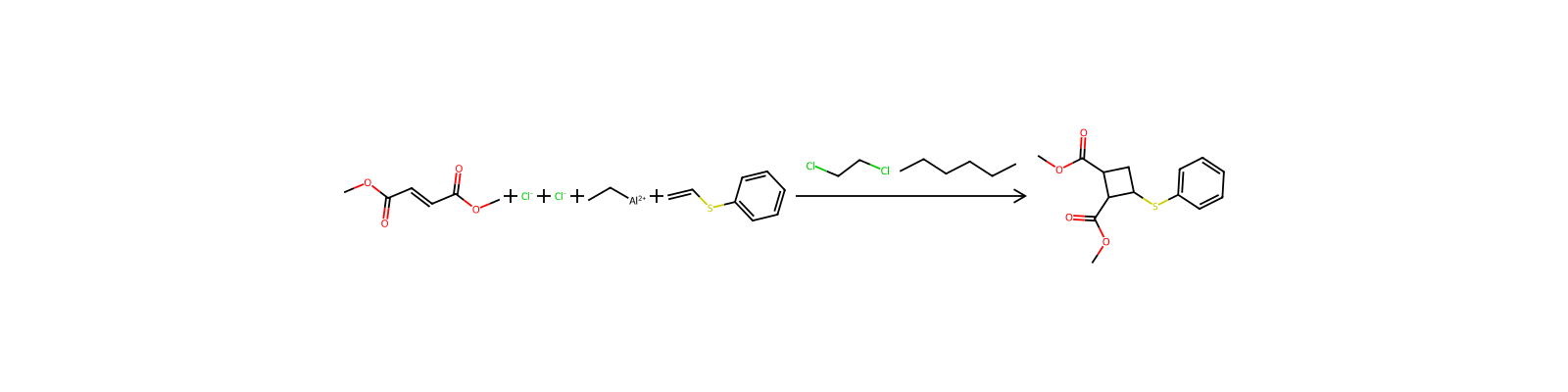
Used with catalyst to produce products containing formyl derivatives.
MEDICATION
Formulations/PreparationsTable: Dimethyl Fumarate Preparations [Table#7390]
General Manufacturing Information2-Butenedioic acid (2E)-, 1,4-dimethyl ester: ACTIVE
Anbieter50 Anbieter
国药集团化学试剂有限公司86-21-63210123 · [email protected]
梯希爱(上海)化成工业发展有限公司021-67121386 · [email protected]
衢州润东化工有限公司0570-8789886 18892685668 · [email protected]
上海阿拉丁生化科技股份有限公司400-6206333 13167063860 · [email protected]
韶远科技(上海)有限公司021-50795510 4000665055 · [email protected]
科瑞迪化学400-821-5857 021-64326257 · [email protected]
LGM Pharma1-(800)-881-8210 · [email protected]
上海将来实业股份有限公司400-0066400 13621662912 · [email protected]
Syntechem Co.,Ltd[email protected]
Ark Pharm, Inc.847-367-3680 · [email protected]
上海迈瑞尔生化科技有限公司4006356688 18621169109 · [email protected]
阿法埃莎(中国)化学有限公司400-6106006 · [email protected]
太原市瑞和丰科贸有限公司+86 351 7031519 · [email protected]
安耐吉化学&3A(安徽泽升科技股份有限公司)400-0056266 · [email protected]
上海瀚鸿科技股份有限公司021-54306202 13764082696 · [email protected]
上海柯维化学技术有限公司021-64609169 18901607656 · [email protected]
池州捷峰生物科技有限公司0566-8928158 · [email protected]
Pure Chemistry Scientific Inc.001-857-928-2050 or 1-888-588-9418 · [email protected]
MedChemexpress LLC021-58955995 · [email protected]
合肥天健化工有限公司551-65418679 15856988503;15837135945 · [email protected]
山东西亚化学有限公司13355009207 13355009207 · [email protected]
玛雅试剂+86 (573) 82222445 (0)18006601000 452520369 · [email protected]
四川库利南科技有限公司400-1166-196 18981987031 · [email protected]
上海耐士化工科技有限公司400-188-0725 +86 21 34310725 13611771617
天津希恩思生化科技有限公司400 638 7771 · [email protected]
上海源叶生物科技有限公司13636370518 · [email protected]
艾科试剂4008-755-333 18080918076 · [email protected]
上海思域化工科技有限公司86-21-34053660 · [email protected]
赛默飞世尔科技(中国)有限公司800-810-5118 · [email protected]
北京伊诺凯科技有限公司400-810-7969 010-59572699 · [email protected]
上海遐瑞医药科技有限公司+86 21 61551611
TCI AMERICA800-4238616 · [email protected]
TOKYO CHEMICAL INDUSTRY CO., LTD.03-36680489 · [email protected]
TCI Europe320-37350700 · [email protected]
上海贤鼎生物科技有限公司4009209199 · [email protected]
深圳振强药物研发有限公司0755-66853366 13670046396 · [email protected]
深圳康特腾科技有限公司86-0755-86635001 · [email protected]
越林试剂021-62960152 · [email protected]
Chempioneer Limited+86-398-3831668 · [email protected]
上海将来实业股份有限公司400-0066400 13621662912 · [email protected]
上海将来实业股份有限公司021-61552785 · [email protected]
HBCChem, Inc.+1-510-219-6317 · [email protected]
日照力德士化工有限公司010-51268198 · [email protected]
郑州鸿晟医药科技有限公司0371-0371-13526885213 15637198702 · [email protected]
美岚实业(上海)有限公司021-58958189 · [email protected]
上海石洋化工有限公司021-56795766 · [email protected]
上海爱蝶实业有限公司021-58957966 18930537195 · [email protected]
成都零六生物科技有限公司400-1166-196 13458535857 · [email protected]
广拓化学(上海)有限公司021-60899189-8001 18918189673 · [email protected]
雷丁试剂0510-85629785 18013409632 · [email protected]
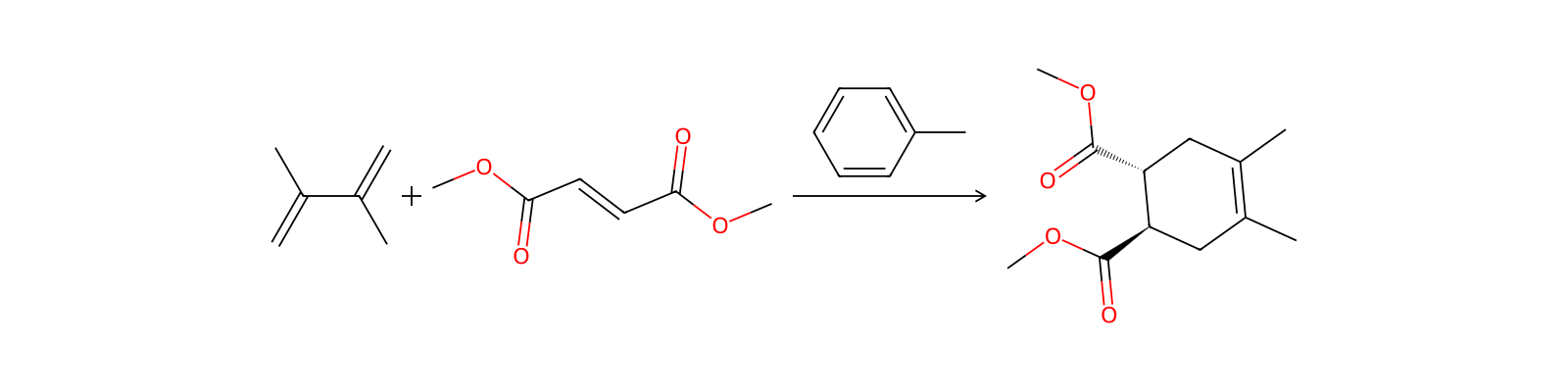
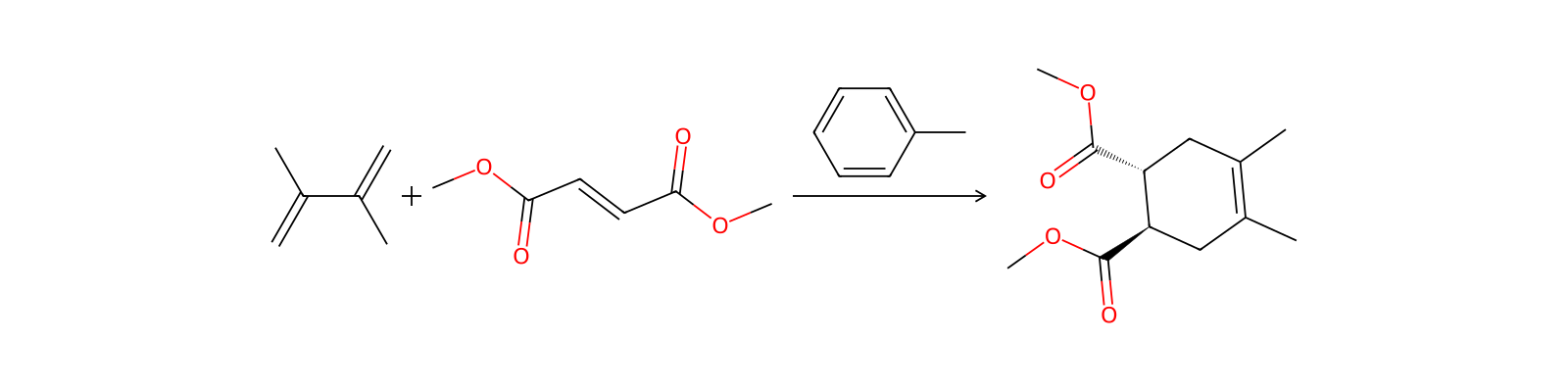
Zugehörige Reaktionen
13




Verknüpfte Notizen
Wird geladen…