
Methyl-3-aminocrotonat
Methyl 3-aminocrotonate

Grundinformationen
- CAS
14205-39-1- Standard-SMILES
COC(=O)/C=C(/C)N- InChIKey
XKORCTIIRYKLLG-ARJAWSKDSA-N- Summenformel
- C5H9NO2
- Durchschnittliche Molmasse
- 115,13 g/mol
- Monoisotopische Masse
- 115,06332853
Namen und Bezeichner
- Bevorzugter Name
- Methyl 3-aminocrotonate
- IUPAC
- methyl (Z)-3-aminobut-2-enoate
- Lokaler Name
- Methyl-3-aminocrotonat
- Englischer Name
- Methyl 3-aminocrotonate
- Summenformel
- C5H9NO2
- Molmasse
- 115.13
Namen und Synonyme
Methyl 3-aminocrotonateDTXCID7030270DTXSID7051715RefChem:81525014205-39-121731-17-9methyl 3-aminobut-2-enoatemethyl (Z)-3-aminobut-2-enoate3-Aminocrotonic Acid Methyl EsterMethyl (Z)-3-aminocrotonate(Z)-methyl 3-aminobut-2-enoatemethyl (2Z)-3-aminobut-2-enoate
Weitere Namen anzeigen
3-Aminocrotonatemethyl (E)-3-aminobut-2-enoate3-Amino-but-2-enoic acid methyl ester2-Butenoic acid, 3-amino-, methyl esterPALO-012Nifedipine-4Methyl 3-aminocrotonNifedipine Impurity 5
3-Amino-2-butenoic Acid Methyl Estermethyl (2Z)-3-amino-2-butenoatemethyl beta-aminocrotonateR4X25GNG1J2-Butenoic acid, 3-amino-, methyl ester, (2Z)-Methyl 3-amino-2-butenoate, (2Z)-Nifedipine EP Impurity DMethyl 3-amino-2-butenoate
Datenbank-Bezeichner
- CAS
14205-39-1、21731-17-9- PubChem CID
- 643918
- DTXSID
DTXSID701245448- UNII
- R4X25GNG1J
- EC Number
- 238-056-5、244-549-6
- Nikkaji
- J25.556D、J60.934J
Eigenschaften
Berechnete Struktureigenschaften
- XLogP
- 0,6
- Polarare Oberfläche (TPSA)
- 52,3 Ų
- H-Brücken-Donoren
- 1
- H-Brücken-Akzeptoren
- 3
- Frei drehbare Bindungen
- 2
- Schwere Atome
- 8
- Formalladung
- 0
- Komplexität
- 118
Experimentelle und physikochemische Eigenschaften
SpringerMaterials Properties15N nuclear magnetic resonance spectrum
Physikochemische Eigenschaften
- Schmelzpunkt
- 81 · 81-83 °C(lit.)
- Siedepunkt
- 112 °C · 112°C 42mm
- Dichte
- 1.1808 · 1.1808 (rough estimate)
- Dampfdruck
- 2.79 · 2.79-2.853hPa at 25℃
- Brechungsindex
- 1.4538 · 1.4538 (estimate)
- Flammpunkt
- 91 °C · 91 °C
- storage temp.
- 2 · Keep in dark place,Inert atmosphere,2-8°C
- Löslichkeit
- 18 g/l · 18g/l
- Aggregatzustand
- Crystalline Powder
- pka
- 5.27 · 5.27±0.70(Predicted)
- Farbe
- White to slightly yellow
- PH
- 8 · 8-9 (18g/l, H2O, 20℃)
Sicherheit und Regulatorisches
Sicherheitsangaben dienen nur zur Orientierung und ersetzen weder das Sicherheitsdatenblatt (SDB) des Lieferanten noch geltende Vorschriften oder eine fachliche Bewertung.
GHS-Klassifizierung
GHS Classification
Danger
H302 (83.3%): Harmful if swallowed [Warning Acute toxicity, oral]
P260, P261, P264, P264+P265, P270, P271, P272, P280, P284, P301+P317, P302+P352, P304+P340, P305+P351+P338, P305+P354+P338, P316, P317, P320, P321, P330, P333+P317, P337+P317, P362+P364, P403+P233, P405, and P501 (click each P-code to see the statement)
Aggregated GHS information provided per 84 reports by companies from 12 notifications to the ECHA C&L Inventory. Each notification may be associated with multiple companies.
Gefahrenhinweise
Regulatory Information
Chemical: 2-Butenoic acid, 3-amino-, methyl ester
REACH registered substance: Methyl 3-aminocrotonate (EC: 238-056-5)
2-Butenoic acid, 3-amino-, methyl ester: Does not have an individual approval but may be used under an appropriate group standard
Hazard Classes and CategoriesAcute Tox. 4 (83.3%)
Sicherheitsdaten
- wgk
- 3
- tsca
- TSCA listed
- hs_code
- 2922499990
- RTECS-Nr.
- EM9092500
- risk_code
- 22-36/37/38
- hazard_code
- Xn
- safety_code
- 37/39-26-24/25
- Speicherklasse
- 11 - Combustible Solids
- Hazard Classifications
- Acute Tox. 4 OralEye Dam. 1Skin Sens. 1
Chemie und Industrie
Verwendung und Herstellung
General Manufacturing Information2-Butenoic acid, 3-amino-, methyl ester: ACTIVE
Anwendungen
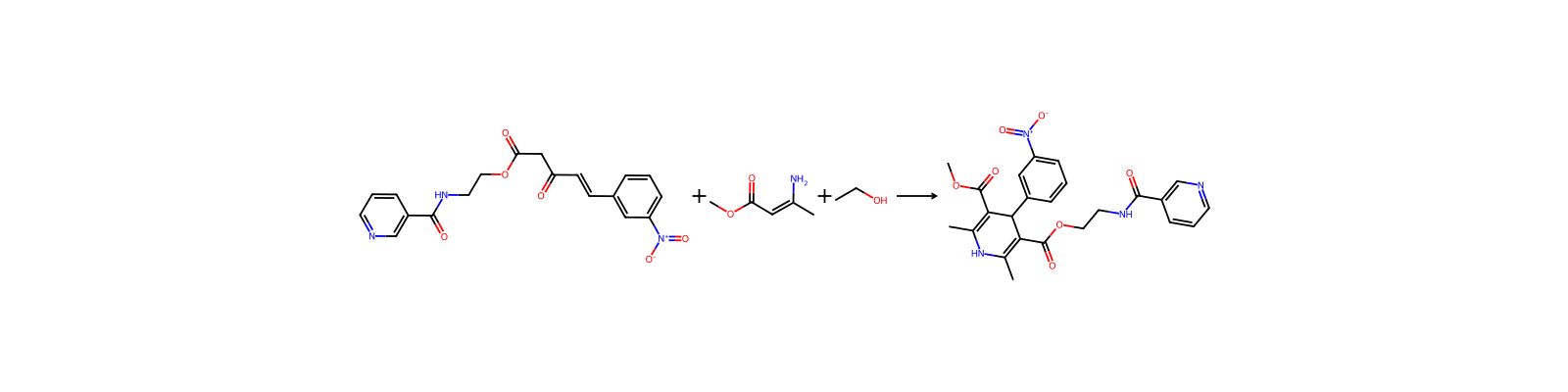
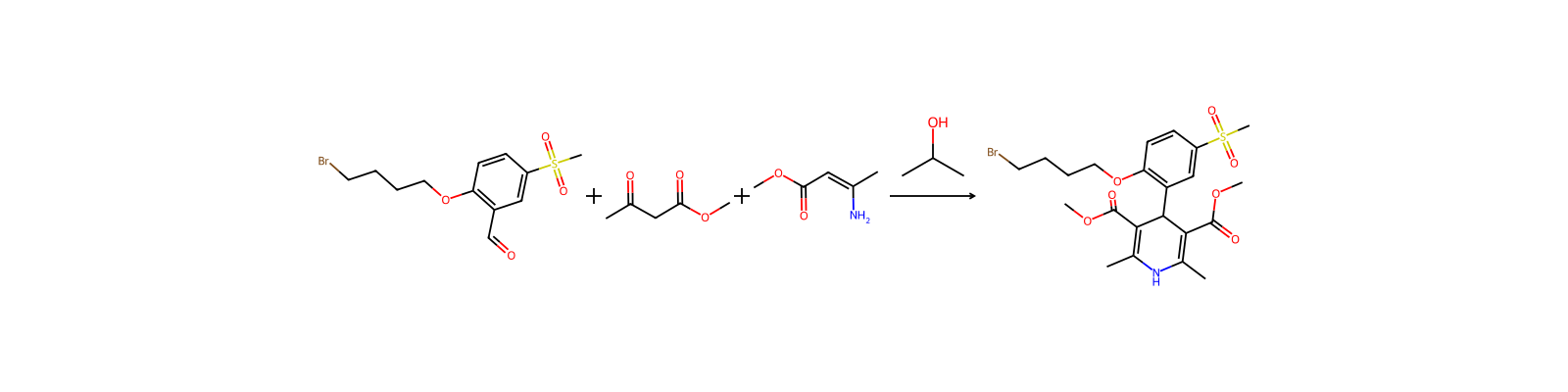
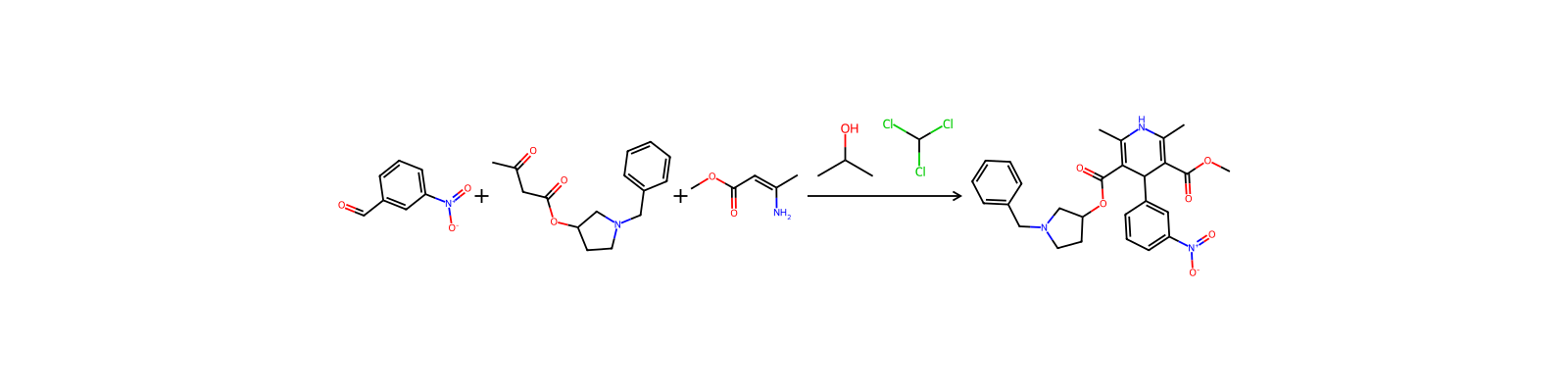
VerwendenMethyl 3-aminocrotonate is used as intermediate for the syntheses of pharmaceuticals (e.g. 1,4-dihydropyridine derivatives) as well as for the manufacture of stabilizers and plastics. Product Data Sheet
Darstellung
synthetische3-Aminocrotonate Esters, e.g., methyl 3- aminocrotonate [14205-39-1] (3-amino-2-butenoic acid, methyl ester) can be prepared by treatment of acetoacetates with aqueous ammonia. They are mainly used in the production of a series of the dihydropyridine-type calcium antagonists.
Vor- und nachgelagerte Produkte
Vorgelagerte Rohstoffe
Nachgelagerte Produkte
Zugehörige Reaktionen
240



Notizen zur Verbindung
Wird geladen…