Hydrocarbostyril
Daten werden ergänzt – lade die Seite später neu, um den aktuellen Stand zu sehen
Grundinformationen
- CAS
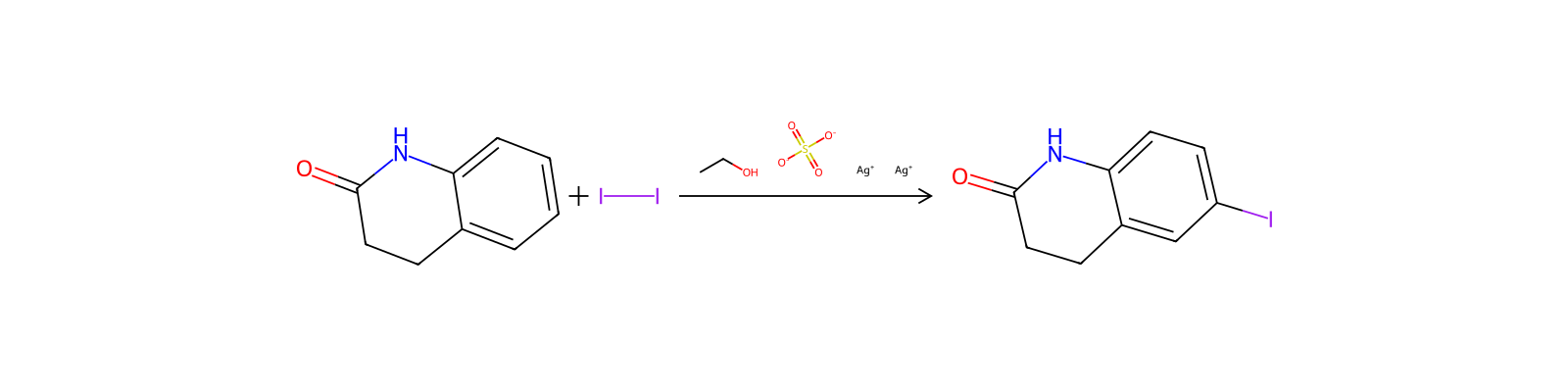
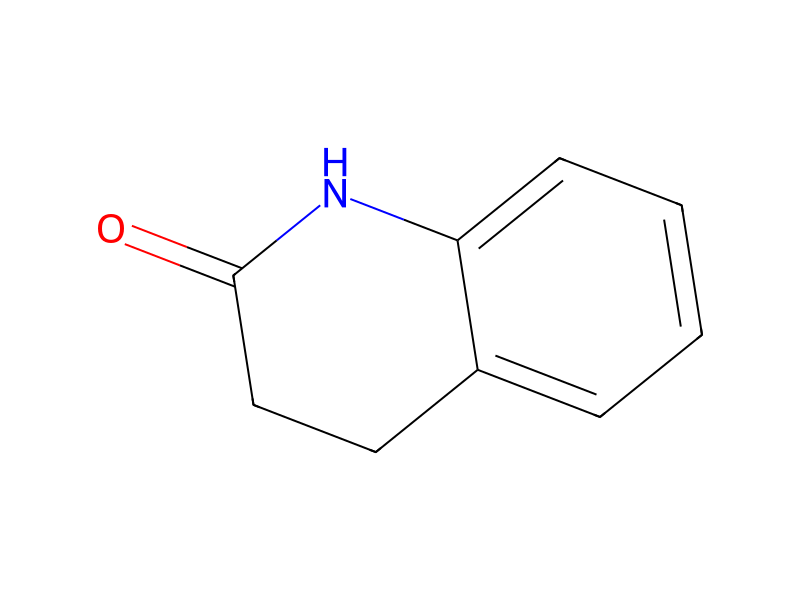
553-03-7- Standard-SMILES
O=C1CCc2ccccc2N1- InChIKey
TZOYXRMEFDYWDQ-UHFFFAOYSA-N- Summenformel
- C9H9NO
- Durchschnittliche Molmasse
- 147,17 g/mol
- Monoisotopische Masse
- 147,06841391
Überblick
3,4-Dihydro-2(1H)-quinolinone is a member of quinolines.
Namen und Bezeichner
- Bevorzugter Name
- Hydrocarbostyril
- IUPAC
- 3,4-dihydro-1H-quinolin-2-one
- Englischer Name
- 3,4-DIHYDROQUINOLIN-2(1H)-ONE
- Summenformel
- C9H9NO
- Molmasse
- 147.17
Namen und Synonyme
553-03-73,4-Dihydro-2(1H)-quinolinone3,4-Dihydroquinolin-2(1H)-oneHydrocarbostyril3,4-Dihydrocarbostyril3,4-Dihydro-2-quinolinolo-Aminohydrocinnamic acid lactam2-Oxo-1,2,3,4-tetrahydroquinoline2CKG6TX32FNSC-49170DTXSID40203816RefChem:788994
Weitere Namen anzeigen
3,4-Dihydro-2-quinolinoneinoneDIHYDROCARBOSTYRILdihydro-α-quinolone
DTXCID70126307621-863-5942-197-41,2,3,4-tetrahydroquinolin-2-one3,4-dihydro-1H-quinolin-2-one2(1H)-Quinolinone, 3,4-dihydro-Dihydro-quinolinoneMFCD00016722
Datenbank-Bezeichner
- CAS
553-03-7- PubChem CID
- 64796
- DTXSID
DTXSID40203816- ChEMBL
CHEMBL388582- ChEBI
CHEBI:194726- UNII
- 2CKG6TX32F
- EC Number
- 621-863-5、942-197-4
- Nikkaji
- J6.725C
Eigenschaften
Berechnete StruktureigenschaftenWird ergänzt
- XLogP
- 1,1
- Polarare Oberfläche (TPSA)
- 29,1 Ų
- H-Brücken-Donoren
- 1
- H-Brücken-Akzeptoren
- 1
- Frei drehbare Bindungen
- 0
- Schwere Atome
- 11
- Formalladung
- 0
- Komplexität
- 167
Experimentelle und physikochemische Eigenschaften
LogP1.34
Solubility15.9 [ug/mL] (The mean of the results at pH 7.4)
Physikochemische Eigenschaften
- Schmelzpunkt
- 165 · 165-167 °C (lit.)
- Siedepunkt
- 267.28 °C · 267.28°C (rough estimate)
- Dichte
- 1.1135 · 1.1135 (rough estimate)
- Brechungsindex
- 1.52 · 1.5200 (estimate)
- storage temp.
- Keep in dark place,Sealed in dry,Room Temperature
- Löslichkeit
- 30 mg/ml,DMSO: · DMF: 30 mg/ml,DMSO: 30 mg/ml,DMSO:PBS (pH 7.2) (1:6): 0.14 mg/ml
- Aggregatzustand
- Crystalline Powder
- pka
- 14.76 · 14.76±0.20(Predicted)
- Farbe
- Off-white
- Wasserlöslichkeit
- Slightly soluble in water.
Sicherheit und Regulatorisches
Sicherheitsangaben dienen nur zur Orientierung und ersetzen weder das Sicherheitsdatenblatt (SDB) des Lieferanten noch geltende Vorschriften oder eine fachliche Bewertung.
GHS-Klassifizierung
GHS Classification
Warning
H302 (98.6%): Harmful if swallowed [Warning Acute toxicity, oral]
P261, P264, P264+P265, P270, P271, P272, P280, P301+P317, P302+P352, P304+P340, P305+P351+P338, P319, P321, P330, P332+P317, P333+P317, P337+P317, P362+P364, P403+P233, P405, and P501 (click each P-code to see the statement)
Aggregated GHS information provided per 71 reports by companies from 7 notifications to the ECHA C&L Inventory. Each notification may be associated with multiple companies.
Not Classified
Gefahrenhinweise
Hazard Classes and Categories
Acute Tox. 4 (98.6%)
Not Classified
Sicherheitsdaten
- wgk
- 2
- ridadr
- 2811
- hs_code
- 29337900
- risk_code
- 22-36/37/38-43
- hazard_code
- Xn,Xi
- hazard_note
- Irritant
- safety_code
- 26-36/37
- hazard_class
- 6.1(b)
- packing_group
- III
- Speicherklasse
- 11 - Combustible Solids
- Hazard Classifications
- Acute Tox. 4 OralEye Irrit. 2Skin Irrit. 2Skin Sens. 1STOT SE 3
Chemie und Industrie
Anwendungen
Verwenden3,4-Dihydro-2-(1H)-quinolinone may be employed as medium supplement in the culture medium of Pseudomonas ayucida during enrichment culture experiments. It is used to prepare potent bicyclic peptide deformylase inhibitors with antibacterial effects. It is also used to synthesize substituted iminopiperidines as inhibitors of human nitric oxide synthase isoforms.
Vor- und nachgelagerte Produkte
Vorgelagerte Rohstoffe
Nachgelagerte Produkte
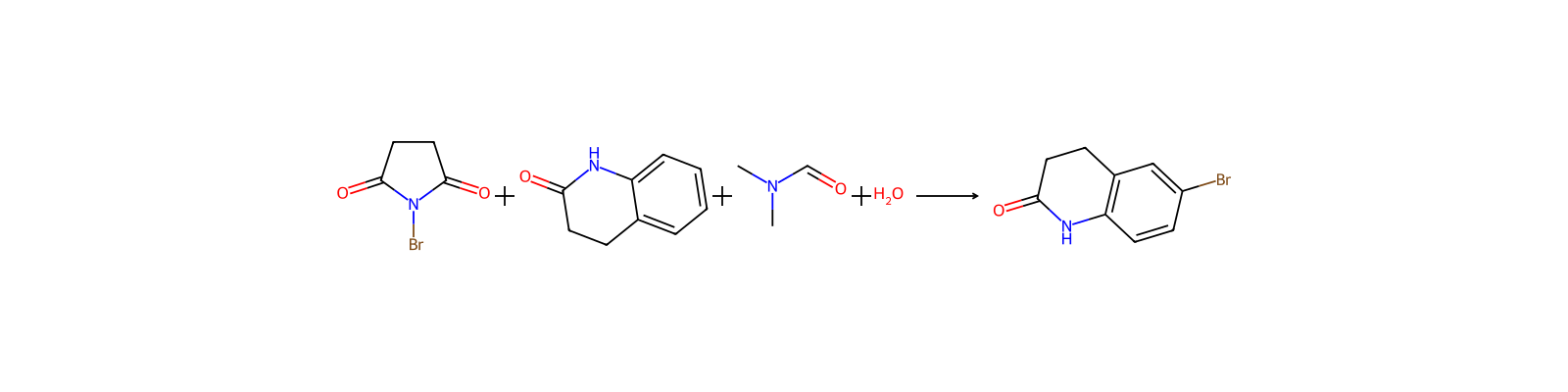
Zugehörige Reaktionen
136




Notizen zur Verbindung
Wird geladen…