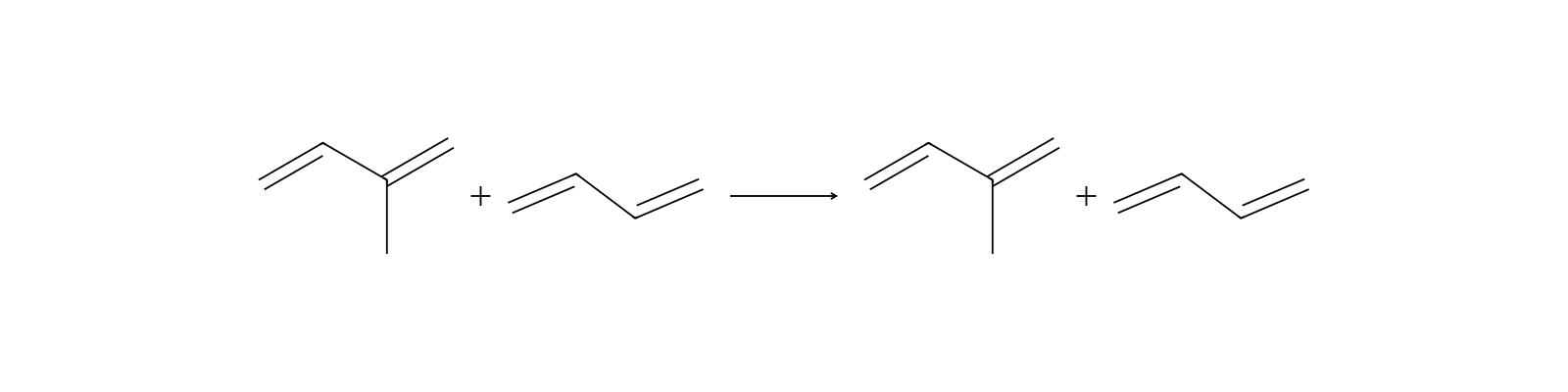

Grundinformationen
- Standard-SMILES
C=CC(=C)C- InChIKey
RRHGJUQNOFWUDK-UHFFFAOYSA-N- Summenformel
- C5H8
- Durchschnittliche Molmasse
- 68,12 g/mol
- Monoisotopische Masse
- 68,06260026
Überblick
Isoprene can cause cancer according to The World Health Organization's International Agency for Research on Cancer (IARC).
Namen und Bezeichner
- Bevorzugter Name
- Isoprene
- IUPAC
- 2-methylbuta-1,3-diene
- Englischer Name
- Isoprene
- Summenformel
- C5H8
- Molmasse
- 68.11702
Namen und Synonyme
ISOPRENE78-79-52-Methyl-1,3-butadiene2-Methylbuta-1,3-dieneIsopentadiene2-Methylbutadiene2-Methyldivinyl1,3-Butadiene, 2-methyl-beta-Methylbivinyl3-Methyl-1,3-butadieneDTXSID20207610A62964IBU
Weitere Namen anzeigen
NSC-9237DTXCID20761CHEBI:35194NSC9237Methyl bivinylRefChem:5919201-143-3NATURAL RUBBER
Datenbank-Bezeichner
- CAS
308075-06-1、78-79-5、9006-04-6、9041-65-0- PubChem CID
- 6557
- DTXSID
DTXSID2020761- ChEMBL
CHEMBL1566132- ChEBI
CHEBI:35194- UNII
- 0A62964IBU
- EC Number
- 201-143-3、232-689-0、618-550-0
- Nikkaji
- J1.958E
Eigenschaften
Berechnete Struktureigenschaften
- XLogP
- 2,5
- Polarare Oberfläche (TPSA)
- 0 Ų
- H-Brücken-Donoren
- 0
- H-Brücken-Akzeptoren
- 0
- Frei drehbare Bindungen
- 1
- Schwere Atome
- 5
- Formalladung
- 0
- Komplexität
- 51,1
Experimentelle und physikochemische Eigenschaften
Chemical ClassesCarcinogens
PolymersPlastics & Rubber -> Other Monomers
CosmeticsCosmetics ingredient -> Fragrance
pHNatural rubber latex has a pH of 6.5-7.0 when it emerges from the tree.
SpringerMaterials PropertiesCoriolis coupling
LogP
log Kow = 2.42
2.30
Odor
Petroleum-lke
Odorless
TasteTasteless
Density
0.681 at 68 °F (USCG, 1999) - Less dense than water; will float
0.679 g/cu cm at 20 °C
0.906-0.916 g/cu cm @ 20 °C
Relative density (water = 1): 0.7
0.679 @ 20°C
Viscosity
The viscosity of natural rubber can be stabilized with the addition of small amounts of hydroxylamine hydrochloride or semicarbazide hydrochloride.
0.3 mm²/s at 20-25 °C
Color/Form
Colorless volatile liquid
Colorless, watery liquid
Nearly colorless and transparent in thin layers.
Amorphous when unstretched, but has oriented crystalline structure on stretching /Cured (unvulcanized)/
Solubility
less than 1 mg/mL at 70.7 °F (NTP, 1992)
In water, 642 mg/L at 25 °C
Practically insoluble in water
Miscible with ethanol, ethyl ether, acetone, benzene
Soluble in alcohol, ether, hydrocarbon solvents
Natural rubber is soluble in most aliphatic, aromatic, and chlorinated solvents, but its high molecular weight makes it difficult to dissolve.
Physikochemische Eigenschaften
- Schmelzpunkt
- -145.95 °C · -145.95 °C
- Siedepunkt
- 34.067 °C · 34.067 °C
- Dichte
- 0.681 g/cm3 · 0.681 g/cm3
Sicherheit und Regulatorisches
GHS-Klassifizierung
GHS Classification
Danger
H224: Extremely flammable liquid and vapor [Danger Flammable liquids]
P203, P210, P233, P240, P241, P242, P243, P273, P280, P303+P361+P353, P318, P370+P378, P403+P235, P405, and P501 (click each P-code to see the statement)
This chemical does not meet GHS hazard criteria for < 0.1% (1 of 2428) of reports.
Danger
H224 (> 99.9%): Extremely flammable liquid and vapor [Danger Flammable liquids]
Gefahrenhinweise
Regulatory Information
Chemical: 1,3-Butadiene, 2-methyl-
Chemical: Natural rubber
Hazard Traits - Carcinogenicity
Commission Regulation (EC) No 1565/2000 (Repealed by Com. Implementing Reg. (EU) No 872/2012)
1,3-Butadiene, 2-methyl- is listed on the EPA's Chemical Data Reporting (CDR) system. Manufacturers and importers of 1,3-Butadiene, 2-methyl- are required to report information about their production and use of this chemical to the EPA under the Toxic Substances Control Act (TSCA). (40 eCFR Part 711)
Status: Active Update: 06-04-2023 https://echa.europa.eu/registration-dossier/-/registered-dossier/16096
Other Safety Information
IMAP assessments - Natural rubber: Environment tier I assessment
IMAP assessments - 1,3-Butadiene, 2-methyl-: Environment tier I assessment
DOT LabelFlammable Liquid
Fire Hazards
Special Hazards of Combustion Products: Toxic vapors are generated when heated
· HIGHLY FLAMMABLE: Will be easily ignited by heat, sparks or flames.
Extremely flammable. Vapour/air mixtures are explosive.
Fire Potential
Extremely flammable.
A fire hazard when exposed to heat or flame.
Health Hazards
Vapor produces no effects other than slight irritation of the eyes and upper respiratory tract. Liquid may irritate eyes; like gasoline. (USCG, 1999)
· May cause toxic effects if inhaled or absorbed through skin.
Hazards Summary
An irritant to the skin, eyes, and mucous membranes; Causes CNS depression at high concentrations; [HSDB] If left on clothes, may cause reddening of skin; [CHRIS] Can affect the CNS, resulting in respiratory depression; [ICSC] Human volunteers complain of slight upper respiratory tract irritation when exposed to 57 ppm; [AIHA] Isoprene, stabilized (UN1218) has warning of explosive polymerization; [ERG 2016]
DOT ID and Guide1218 130P
Reactive GroupHydrocarbons, Aliphatic Unsaturated
EC ClassificationSymbol: F+, T; R: 45-12-68-52/53; S: 53-45-61; Note: D
UN ClassificationUN Hazard Class: 3; UN Pack Group: I
Special Reports
DHHS/National Toxicology Program; Report on Carcinogens, Fourteenth Edition: Tetrachloroethylene (November 2016). The Report on Carcinogens is an informational scientific and public health document that identifies and discusses substances (including agents, mixtures, or exposure circumstances) that may pose a carcinogenic hazard to human health. Isoprene (78-79-5) is listed as reasonably anticipated to be a human carcinogen.[Available from, as of March 20, 2018: http://ntp.niehs.nih.gov/pubhealth/roc/index-1.html]
USDOE; Inhalation Developmental Toxicology Studies: Teratology Study of Isoprene in Mice and Rats: Final (1989) NTIS/DE89008095, PNL-6829, Contract AC06-76RL01830
Sicherheit und Schutzausrüstung
Fire Fighting
Excerpt from ERG Guide 130 [Flammable Liquids (Water-Immiscible / Noxious); polymerization hazard]:
Use powder, foam, carbon dioxide. In case of fire: keep drums, etc., cool by spraying with water.
First Aid Measures
Fresh air, rest. Refer for medical attention.
Rinse skin with plenty of water or shower. Remove contaminated clothes. Refer for medical attention .
First rinse with plenty of water for several minutes (remove contact lenses if easily possible), then refer for medical attention.
Rinse mouth. Do NOT induce vomiting. Refer for medical attention .
Accidental Release Measures
· CALL 911. Then call emergency response telephone number on shipping paper. If shipping paper not available or no answer, refer to appropriate telephone number listed on the inside back cover.
· ELIMINATE all ignition sources (no smoking, flares, sparks or flames) from immediate area.
First Aid
EYES: First check the victim for contact lenses and remove if present. Flush victim's eyes with water or normal saline solution for 20 to 30 minutes while simultaneously calling a hospital or poison control center. Do not put any ointments, oils, or medication in the victim's eyes without specific instructions from a physician. IMMEDIATELY transport the victim after flushing eyes to a hospital even if no symptoms (such as redness or irritation) develop.
General First Aid:
Safe Storage
Fireproof. Separated from combustible substances, reducing agents, strong oxidants, strong bases, strong acids, alcohols and acid chlorides. Cool. Keep in the dark. Well closed. Store only if stabilized. Provision to contain effluent from fire extinguishing. Store in an area without drain or sewer access.
Firefighting Hazards
The vapor is heavier than air and may travel along the ground; distant ignition possible. As a result of flow, agitation, etc., electrostatic charges can be generated. Vapours are uninhibited and may polymerize in vents or flame arresters, causing blockage.
If it becomes contaminated or is subjected to heat, isoprene may polymerize. If the polymerization takes place in a container, the container is subject to violent rupture.
Flashback along vapor trail may occur.
Containers may explode in fire. Vapor may explode if ignited in an enclosed area.
Exposure Control and Personal Protection
· Wear positive pressure self-contained breathing apparatus (SCBA).
3.0 [ppm]
Fire Fighting Procedures
Suitable extinguishing media: Use water spray, alcohol-resistant foam, dry chemical or carbon dioxide.
Advice for firefighters: Wear self-contained breathing apparatus for firefighting if necessary.
Use water spray to cool unopened containers.
Use fine spray or fog to control fire by preventing its spread and absorbing some of its heat. Use water spray to keep fire-exposed containers cool. Fight fire from protected location or maximum possible distance.
For more Fire Fighting Procedures (Complete) data for Isoprene (6 total), please visit the HSDB record page.
Storage Conditions
Keep container tightly closed in a dry and well-ventilated place. Containers which are opened must be carefully resealed and kept upright to prevent leakage. Recommended storage temperature 2 - 8 °C.
Store in a cool, dry well-ventilated location. Outside or detached storage is preferred. Separate from oxidizing materials.
... Before entering confined space where hexanol may be present, check to make sure that an explosive concentration does not exist. Isoprene must be stored to avoid contact with strong acids (such as chlorosulfonic, sulfuric, and nitric) since violent reactions occur. Store in tightly closed containers in a cool, well-ventillated area away from heat, flame and oxidizers. Sources of ignition, such as smoking and open flames, are prohibited where isoprene is handled, used or stored. Metal containers involving the transfer of 5 gallons or more of isoprene should be grounded and bonded. Drums must be eqipped with self-closing valves, pressure vacuum bungs, and flame arresters. Use only non-sparking tools and equipment especially when opening and closing containers of isoprene. Whenever isoprene is used, handled, manufactured, or stored, use explosion-proof electrical equipment and fittings.
PRECAUTIONS FOR "CARCINOGENS": Storage site should be as close as practical to lab in which carcinogens are to be used, so that only small quantities required for ... expt need to be carried. Carcinogens should be kept in only one section of cupboard, an explosion-proof refrigerator or freezer (depending on chemicophysical properties ...) that bears appropriate label. An inventory ... should be kept, showing quantity of carcinogen & date it was acquired ... Facilities for dispensing ... should be contiguous to storage area. /Chemical Carcinogens/
Cleanup Methods
ACCIDENTAL RELEASE MEASURES: Personal precautions, protective equipment and emergency procedures: Wear respiratory protection. Avoid breathing vapors, mist or gas. Ensure adequate ventilation. Remove all sources of ignition. Evacuate personnel to safe areas. Beware of vapors accumulating to form explosive concentrations. Vapors can accumulate in low areas. Environmental precautions: Prevent further leakage or spillage if safe to do so. Do not let product enter drains. Discharge into the environment must be avoided. Methods and materials for containment and cleaning up: Contain spillage, and then collect with an electrically protected vacuum cleaner or by wet-brushing and place in container for disposal according to local regulations.
SRP: Wastewater from contaminant suppression, cleaning of protective clothing/equipment, or contaminated sites should be contained and evaluated for subject chemical or decomposition product concentrations. Concentrations shall be lower than applicable environmental discharge or disposal criteria. Alternatively, pretreatment and/or discharge to a POTW is acceptable only after review by the governing authority. Due consideration shall be given to remediation worker exposure (inhalation, dermal and ingestion) as well as fate during treatment, transfer and disposal. If it is not practicable to manage the chemical in this fashion, it must meet Hazardous Material Criteria for disposal.
Eliminate all ignition sources. Stop or control the leak, if this can be done without undue risk. Use appropriate foam to blanket release and suppress vapors. Absorb in noncombustible material for proper disposal.
Environmental considerations: Land spill. Dig a pit, pond, lagoon, holding area to contain liquid or solid material. /SRP: If time permits, pits, ponds, lagoons, soak holes, or holding areas should be sealed with an impermeable flexible membrane liner./ Dike surface flow using soil, sand bags, foamed polyurethane, or foamed concrete. Absorb bulk liquid with fly ash, cement powder, or commercial sorbents. Apply universal gelling agent to immobilize spill.
For more Cleanup Methods (Complete) data for Isoprene (7 total), please visit the HSDB record page.
Nonfire Spill ResponseExcerpt from ERG Guide 130 [Flammable Liquids (Water-Immiscible / Noxious); polymerization hazard]:
Disposal Methods
SRP: Recycle any unused portion of the material for its approved use or return it to the manufacturer or supplier. Ultimate disposal of the chemical must consider: the material's impact on air quality; potential migration in air, soil or water; effects on animal, aquatic and plant life; and conformance with environmental and public health regulations. If it is possible or reasonable use an alternative chemical product with less inherent propensity for occupational harm/injury/toxicity or environmental contamination.
Product: Burn in a chemical incinerator equipped with an afterburner and scrubber but exert extra care in igniting as this material is highly flammable. Offer surplus and non-recyclable solutions to a licensed disposal company. Contact a licensed professional waste disposal service to dispose of this material; Contaminated packaging: Dispose of as unused product.
Isoprene is a waste chemical stream constituent which may be subjected to ultimate disposal by controlled incineration.
Evaporation & incineration: This material may be evaporated in hood or can be incinerated.
For more Disposal Methods (Complete) data for Isoprene (9 total), please visit the HSDB record page.
SRP: At the time of review, criteria for land treatment or burial (sanitary landfill) disposal practices are subject to significant revision. Prior to implementing land disposal of waste residue (including waste sludge), consult with environmental regulatory agencies for guidance on acceptable disposal practices.
Toxikologische Informationen
Body Burden
Isoprene was found to be the main endogenous hydrocarbon of human breath(1-4), accounting for up to 70% of exhaled hydrocarbons(2). Isoprene concentrations in exhaled breath, measured in thirty volunteers (19 males, 11 females), ranged from 0 to 474 ppb with an average of 118 ppb(3). Isoprene was detected in expired breath during exercise with concentrations ranging from 5 to 400 ppb; concentrations decreased with time during exercise and older subjects had higher levels of isoprene compared to the younger subjects(4). Isoprene has been measured in human blood at concentrations between 15 and 70 nmol/liter (mean value of 37 +/- 25 (SD) nmol/L)(5).
In a pilot study of pollutants in the milk of women living in 4 urban industrial areas in the USA, isoprene was detected in 1 of 8 samples(1). In a pilot study of volatile organic compounds in the exhaled breath of volunteers from Bayonne and Elizabeth, NJ and Research Triangle Park, NC, isoprene was detected in 1 of 12 samples(2). Isoprene has been detected in the expired air from 7 of 8 volunteers (including 2 smokers) during a test period of approximately 1 hr at quantities ranging from 15-390.0 ug(3). In a pilot study of volatile organic compounds in the exhaled breath of 54 nonsmoking volunteers, isoprene has been detected in 18 of 387 samples at concentrations ranging from 0.5-0.9 ng/L(4). Isoprene has been detected at concentrations ranging from approximately 18-60 ng/L in expired air in samples taken from 28 volunteers(5). Isoprene was identified, not quantified, in the expired breath of passengers on diesel buses in Sweden(6).
Interactions
Healthy young adult subjects (n = 10) underwent chamber exposure /to isoprene/ on separate days to filtered air and to a variable concentration of ozone. Exposures had durations of 130 min that included alternate periods of rest and light treadmill exercise; breath was sampled pre- and postexposure. For six subjects, breath was resampled 19 +/- 1 hr postexposure. Breath samples were concentrated cryogenically and analyzed by capillary gas chromatography. Isoprene output immediately postexposure was significantly reduced by ozone or filtered air (17 and 19%, respectively). These results suggest that exercise alone reduces isoprene levels in breath without an additive ozone effect. However, in the six subjects restudied 19 +/- 1 hr postexposure to ozone, breath isoprene concentrations were now increased above the preexposure output by 99% (P < 0.01) and exceeded the 51% increase in output of isoprene at this time point after filtered-air exposure (P < 0.01)...
Ecotoxicity Values
LC50; Species: Carassius auratus (Goldfish) length 3.8-6.4 cm, weight 1-2 g; Conditions: freshwater, static, 25 °C, pH 7.5, hardness 20 mg/L CaCO3, alkalinity 18 mg/L CaCO3, dissolved oxygen 7.8 mg/L; Concentration: 180000 ug/L for 24 hr (95% confidence interval: 150410-215410 ug/L) /formulated product/
LC50; Species: Carassius auratus (Goldfish) length 3.8-6.4 cm, weight 1-2 g; Conditions: freshwater, static, 25 °C, pH 7.5, hardness 20 mg/L CaCO3, alkalinity 18 mg/L CaCO3, dissolved oxygen 7.8 mg/L; Concentration: 180000 ug/L for 48 hr (95% confidence interval: 150410-215410 ug/L) /formulated product/
LC50; Species: Carassius auratus (Goldfish) length 3.8-6.4 cm, weight 1-2 g; Conditions: freshwater, static, 25 °C, pH 7.5, hardness 20 mg/L CaCO3, alkalinity 18 mg/L CaCO3, dissolved oxygen 7.8 mg/L; Concentration: 180000 ug/L for 96 hr (95% confidence interval: 150410-215410 ug/L) /formulated product/
LC50; Species: Lepomis macrochirus (Bluegill) length 3.8-6.4 cm, weight 1-2 g; Conditions: freshwater, static, 25 °C, pH 7.5, hardness 20 mg/L CaCO3, alkalinity 18 mg/L CaCO3, dissolved oxygen 7.8 mg/L; Concentration: 42540 ug/L for 24 hr (95% confidence interval: 32500-50150 ug/L) /formulated product/
For more Ecotoxicity Values (Complete) data for Isoprene (34 total), please visit the HSDB record page.
Environmental Fate
TERRESTRIAL FATE: Based on a classification scheme(1), an estimated Koc value of 125(SRC), determined from a log Kow of 2.42(2) and a regression-derived equation(3), indicates that isoprene is expected to have high mobility in soil(SRC). Volatilization of isoprene from moist soil surfaces is expected to be an important fate process(SRC) given an estimated Henry's Law constant of 7.7X10⁻² atm-cu m/mole(SRC) derived from its vapor pressure, 550 mm Hg(4), and water solubility, 642 mg/L(5). Isoprene is expected to volatilize from dry soil surfaces(SRC) based upon its vapor pressure(4). A 60% of theoretical BOD using an adapted domestic sewage sludge in the Closed Bottle test and 53-75% of theoretical BOD in 4 weeks using an activated sludge inoculum in the Manometric Respirometry Test(6), suggests that biodegradation is an important environmental fate process in soil(SRC).
AQUATIC FATE: Based on a classification scheme(1), an estimated Koc value of 125(SRC), determined from a log Kow of 2.42(2) and a regression-derived equation(3), indicates that isoprene is not expected to adsorb to suspended solids and sediment(SRC). Volatilization from water surfaces is expected(4) based upon an estimated Henry's Law constant of 7.7X10⁻² atm-cu m/mole(SRC) derived from its vapor pressure, 550 mm Hg(5), and water solubility, 642 mg/L(6). Using this Henry's Law constant and an estimation method(4), volatilization half-lives for a model river and model lake are 2.4 hours and 3.3 days, respectively(SRC). According to a classification scheme(7), a BCF range of <5.6-20 measured in carp(8), suggests the potential for bioconcentration in aquatic organisms is low(SRC). A 60% of theoretical BOD using an adapted domestic sewage sludge in the Closed Bottle test and 53-75% of theoretical BOD in 4 weeks using an activated sludge inoculum in the Manometric Respirometry Test(9), suggests that biodegradation is an important environmental fate process in water(SRC).
ATMOSPHERIC FATE: According to a model of gas/particle partitioning of semivolatile organic compounds in the atmosphere(1), isoprene, which has a vapor pressure of 550 mm Hg at 25 °C(2), is expected to exist solely as a vapor in the ambient atmosphere. Vapor-phase isoprene is degraded in the atmosphere by reaction with photochemically-produced hydroxyl radicals(SRC); the half-life for this reaction in air is estimated to be 3.8 hours(SRC), calculated from its rate constant of 1.01X10⁻¹⁰ cu cm/molecule-sec at 25 °C(3). Isoprene will also be degraded in the atmosphere by reaction with ozone and nitrate radical, the reaction half-lives for these reactions are 19 and 1.2 hours, calculated from reaction rates of 1.43X10⁻¹⁷ cu cm/molecule-sec(4) and 2.4X10+8 nitrate radicals per cu cm(5), respectively. Isoprene absorbs light with a UV maximum of approximately 237 nm(6) and, therefore, is not expected to be susceptible to direct photolysis by sunlight since sunlight consists of wavelengths greater than 290 nm(SRC).
Food Survey Values
Isoprene was detected at a concentration of 3,000 ug/kg of cooked hamburger meat(1). Isoprene was not detected in the emissions from cooking food in a restaurant, tortilleria, rotisserie, fried food or using liquid propane gas in Mexico City, in a study done March 20-31, 1998(2).
Adverse EffectsNeurotoxin - Acute solvent syndrome
Exposure RoutesThe substance can be absorbed into the body by inhalation and by ingestion.
Milk ConcentrationsIn a pilot study of pollutants in the milk of women living in 4 urban industrial areas in the USA, isoprene was detected in 1 of 8 samples(1).
Toxicity Summary
IDENTIFICATION AND USE: Isoprene is a colorless volatile liquid. It is used in manufacturing butyl rubber, and as copolymer in the production of synthetic elastomers. HUMAN STUDIES: Respiratory irritation is a potential symptom of overexposure. Isoprene may act as a CNS depressant and asphyxiant at high concentrations. Catarrhal inflammation, subtrophic and atrophic processes in the upper respiratory tract, and deterioration of olfaction were noted in isoprene rubber production workers. Prevalence and degree were correlated with increasing length of service. In the comet assay isoprene induced DNA damage in peripheral blood mononuclear cells in the presence of metabolic activation. ANIMAL STUDIES: Exposure of rats of each sex to 0, 438, 875, 1750, 3500 or 7000 ppm isoprene vapors by inhalation for 6 hr a day on 5 days/wk for 2 wk had no effect. In male mice it reduced body weight gain, produced atrophy of the thymus and testis (at 7000 ppm only), olfactory epithelial degeneration, vacuolized liver cytoplasm and forestomach epithelial hyperplasia. In both male and female mice in all exposure groups, there were reductions in erythrocyte numbers, hemoglobin concentration and volume of packed erythrocytes. An exposure-related increased incidence of liver, lung, Harderian gland and forestomach tumors and hemangiosarcomas and histiocytic sarcomas was reported in mice. In rats, exposed males and females had increased incidences of mammary fibroadenomas. The incidence of renal tubule adenomas was increased in treated males. Some animals also had a renal carcinoma. Treated males also had increased incidence of interstitial-cell adenomas of the testis. Isoprene affected ovarian follicles in 21 day old female mice. In male mice, there was reduction of testicular weight by 35% in the animals exposed to 7000 ppm, seminiferous tubular atrophy in 20% of animals studied, reduced epididymal weights, lower spermatid headcounts and concentrations, and reduced sperm motility in the 700 and 7000 ppm groups. In developmental studies, there was no treatment-related effect on the incidence of fetal malformations or variations other than a slight increase in the incidence of reduced vertebral ossification. Isoprene was negative when tested for mutagenicity in the Salmonella/microsome preincubation assay using 5 S. typhimurium strains (TA1535, TA1537, TA97, TA98, & TA100) with and without metabolic activation. Isoprene did not induce either sister chromatid exchanges or chromosomal aberrations in cultures of Chinese hamster ovary cells.
Average Daily Intake
Isoprene intake in individuals with a home and work smoking atmosphere, home smoking and work non-smoking atmosphere, non-smoking home and smoking work atmosphere, and non-smoking home and work atmosphere are (home/work) 9.01/4.92, 9.41/1.15, 2.89/6.96, and 2.39/1.49 ug day/cu m, respectively(1).
Plant Concentrations
Isoprene was identified, not quantified in the leaves of oak trees(1,2). Isoprene was detected in Norway spruce from Asa, Sweden in samples taken May and June 1997(3). Isoprene was detected in the volatile emissions from sunflower plants at a mean emission rate of 30 ng/g (dry weight) per hour(4). Isoprene was detected in the emissions of various plants from California at rates of 5-45 ug/g-hour(5). Isoprene was detected in the volatile emissions of aspen, cottonwood, oak, ponderosa pine, Engelmann spruce and Douglas fir, and three species of eucalyptus (E. citriodora, E. dunni, E. saligna)(6,7).
The emission rate of isoprene from various species of white spruce (Picea. sp) selected from 12 various geographical origins and grown in an arboretum in Rhinelander, WI was 0.01-14 ug/g-hour(1).[Table#1732]
Isoprene was detected in the emissions of several tree species measured during the summer of 1993 in the Fernbank Forest in Atalanta, GA(1).[Table#1733]
Isoprene was detected in the emissions of several plant species measured during the summer of 1993 in Willow Springs, WI(1).[Table#1734]
For more Plant Concentrations (Complete) data for Isoprene (6 total), please visit the HSDB record page.
Signs and Symptoms
Cough. Sore throat. Dizziness. Nausea.
Redness.
Redness.
Abdominal pain. Burning sensation. Further see Inhalation.
Regulatorische Informationen
Atmospheric Standards
This action promulgates standards of performance for equipment leaks of Volatile Organic Compounds (VOC) in the Synthetic Organic Chemical Manufacturing Industry (SOCMI). The intended effect of these standards is to require all newly constructed, modified, and reconstructed SOCMI process units to use the best demonstrated system of continuous emission reduction for equipment leaks of VOC, considering costs, non air quality health and environmental impact and energy requirements. Isoprene is produced, as an intermediate or a final product, by process units covered under this subpart.
CERCLA Reportable Quantities
Persons in charge of vessels or facilities are required to notify the National Response Center (NRC) immediately, when there is a release of this designated hazardous substance, in an amount equal to or greater than its reportable quantity of 100 lb or 45.5 kg. The toll free number of the NRC is (800) 424-8802. The rule for determining when notification is required is stated in 40 CFR 302.4 (section IV. D.3.b).
Clean Water Act Requirements
Isoprene is designated as a hazardous substance under section 311(b)(2)(A) of the Federal Water Pollution Control Act and further regulated by the Clean Water Act Amendments of 1977 and 1978. These regulations apply to discharges of this substance. This designation includes any isomers and hydrates, as well as any solutions and mixtures containing this substance.
DHS Chemicals of Interest (COI)
Isoprene
1
10000
Flammable chemical that can be released at a facility.
Sicherheitsdaten
- Alarmwort
- Achtung
- Gefahrenhinweise
- Code Gefahrenhinweise Gefahrenklasse Abteilung Alarmwort Symbol P-Code H224
Chemie und Industrie
Pharmakologische Informationen
Biological Half-LifeThe maximal metabolic elimination rates estimated from experiments in a closed inhalation system were 130 & 400 umol/kg/hr in male Wistar rats & B6C3F1 mice, respectively. The half-lives of isoprene were 6.8 min in rats & 4.4 min in mice.
Metabolism/Metabolites
Isoprene (IP) ... is metabolized in vivo to reactive epoxides, which might cause the tumors observed in IP exposed rodents. Detailed knowledge of the body and tissue burden of inhaled IP and its intermediate epoxides can be gained using a physiological toxicokinetic (PT) model. For this purpose, a PT-model was developed for IP in mouse, rat, and human. Experimentally determined partition coefficients were taken from the literature. Metabolic parameters were obtained from gas-uptake experiments. The measured data could be described by introducing hepatic and extrahepatic metabolism into the model. At exposure concentrations up to 50 ppm, the rate of metabolism at steady-state is 14 times faster in mice and about 8 times faster in rats than in humans (2.5 umol/hr/kg at 50 ppm IP in air). IP does accumulate only barely due to its fast metabolism and its low thermodynamic partition coefficient whole body:air. IP is produced endogenously. This production is negligible in rodents compared to that in humans (0.34 umol/hr/kg). About 90% of IP produced endogenously in humans is metabolized and 10% is exhaled unchanged. The blood concentration of IP in non-exposed humans is predicted to be 9.5 nmol/L. The area under the blood concentration-time curve (AUC) following exposure over 8 hr to 10 ppm IP is about 4 times higher than the AUC resulting from the unavoidable endogenous IP over 24 hr...
...It is often speculated that the toxicological properties of isoprene must resemble those of butadiene. In fact, the acute toxicity of isoprene is very similar and also the biotransformation to mono- and diepoxides is qualitatively alike. There is however a difference; isoprene is asymmetric and therefore more metabolic enantiomers are possible. Pharmacokinetic studies have demonstrated species differences (as with butadiene) in the maximum metabolic elimination rate: in mice this was determined to be at least three times higher than in rats which implies a species sensitivity in isoprene metabolism in the mouse.
The metabolism of isoprene was investigated with microsomes derived from cell lines expressing human CYP1A1, CYP1A2, CYP2A6, CYP2B6, CYP2C9, CYP2D6, CYP2E1, or CYP3A4. The formation of epoxide metabolites was determined by gas chromatographic analysis. CYP2E1 showed the highest rates of formation of the isoprene monoepoxides 3,4-epoxy-3-methyl-1-butene (EPOX-I) and 3,4-epoxy-2-methyl-1-butene (EPOX-II), followed by CYP2B6. CYP2E1 was the only enzyme showing detectable formation of the diepoxide of isoprene, 2-methyl-1,2:3,4-diepoxybutane. Both isoprene monoepoxides were oxidized by CYP2E1 to the diepoxide at similar enzymatic rates. In order to determine the relative role of CYP2E1 in hepatic metabolism, isoprene as well as the two monoepoxides were also incubated with a series of ten human liver microsomal preparations in the presence of the epoxide hydrolase inhibitor cyclohexene oxide. The obtained activities were correlated with activities towards specific substrates for CYP1A2, CYP2A6, CYP2C9, CYP2D6, CYP2E1 and CYP3A. The results were supportive for those obtained with single human P450 enzymes. Isoprene (monoepoxide) metabolism sowed a significant correlation with CYP2E1 activity, determined as chlorzoxazone 6-hydroxylation. CYP2E1 is therefore the major enzyme involved in hepatic metabolism of isoprene and the isoprene monoepoxides in vitro. To investigae species differences with regard to the role of epoxide hydrolase in the metabolism of isoprene monoepoxides, the epoxidation of isoprene by human liver microsomes was compared to that of mouse and rate liver microsomes. The amounts of monoepoxides formed as a balance between epoxidation and hydrolysis, was measured in incubations with and without the epoxide hydrolase inhibitor cyclohexene oxide. Inhibition of epoxide hydrolase resulted in similar rates of monoepoxide formation in mouse, rat and man. Without inhibitor, however, the total amount of monoepoxides present at the end of the incubation period was twice as high for mouse liver microsomes than for rat and even 15 times as high as for human liver microsomes. Thus, differences in epoxide hydrolase activity between species may be of crucial importance for the toxicity of isoprene in the various species.
Comparative studies on the stereochemistry of the metabolism of isoprene in vitro have been carried out using liver microsomes from rats, mice, monkeys, dogs, rabbits and humans. Differences between strains and gender were also investigated. In the production of the isoprene monoepoxides, microsomes from the livers of the male Sprague-Dawley or Wistar rat showed an approximately 2:1 preference for the formation of (S)-2-(1-methylethenyl)oxirane compared with the (R)-enantiomer. No enantioselectivity was observed for mouse or rabbit. In contrast, liver microsomes from dog, monkey or male human preferentially formed (R)-2-(1-methylethenyl)oxirane. There was no enantioselectivity observed with microsomes from female human liver. The significant differences between species in the in vitro metabolism of isoprene indicate that stereochemical and mechanistic data should be taken into account when evaluating the results of animal studies designed to assess the carcinogenic risks to humans that may be associated with exposure to isoprene.
For more Metabolism/Metabolites (Complete) data for Isoprene (13 total), please visit the HSDB record page.
Absorption, Distribution and Excretion
Studies on inhalation pharmacokinetics of isoprene were conducted in rats (Wistar) and mice (B6C3F1) to investigate possible species differences in metabolism of this compound. Pharmacokinetic analysis of isoprene inhaled by rats and mice revealed saturation kinetics of isoprene metabolism in both species. For rats and mice, linear pharmacokinetics apply at exposure concentrations below 300 ppm isoprene. Saturation of isoprene metabolism is practically complete at atmospheric concentrations of about 1000 ppm in rats and about 2000 ppm in mice. In the lower concentration range where first-order metabolism applies, metabolic clearance (related to the concentration in the atmosphere) of inhaled isoprene per kilogram body weight was 6200 mL/hr for rats and 12,000 mL/hr for mice. The estimated maximal metabolic elimination rates were 130 umole/hr/kg for rats and 400 umole/hr/kg for mice. This shows that the rate of isoprene metabolism in mice is about two or three times that in rats. When the untreated animals are kept in a closed all-glass exposure system, the exhalation of isoprene into the system can be measured. This shows that the isoprene endogenously produced by the animals is systemically available within the animal organism. From such experiments the endogenous production rate of isoprene was calculated to be 1.9 umole/hr/kg for rats and 0.4 umole/hr/kg for mice. /The/ data indicate that the endogenous production of isoprene should be accounted for when discussing a possible carcinogenic or mutagenic risk of this compound.
Male B6C3F1 mice were exposed to nominal concentrations of 20, 200, and 2000 ppm isoprene or (14)C-isoprene for up to 6 hr. For all exposures, steady-state levels of isoprene were reached rapidly (ie, within 15 to 30 min) after the onset of exposure. The mean (+/- SE) steady-state blood levels of isoprene (identified by headspace analysis) for the 20, 200, and 2000 ppm exposures were 24.8 +/- 3.3, 830 +/- 51, and 6800 +/- 400 ng isoprene/mL blood, respectively. At the two higher exposure concentrations, the increases in blood levels of isoprene were proportional to the increases in air concentrations of isoprene. There was approximately a 2.3-fold decrease in the retained (14)C/inhaled (14)C ratio with increasing exposure concentration. Depending on the exposure concentration, from 52% (20 ppm isoprene) to 73% (2000 ppm isoprene) of the metabolite-associated (nonisoprene) radioactivity was excreted in the urine over a 64-hr postexposure period. (14)C-O2 exhalation after the end of the 6-hr exposure was minimal (2%) at the 20 ppm exposure and increased up to 18% at the higher isoprene exposure concentrations. These data suggest that metabolism of isoprene in mice is nonlinear within the range of exposure concentrations used in this study. Hemoglobin adduct formation reached near-maximum between 200 and 2000 ppm isoprene exposure concentration, consistent with /the/ conclusion that pathways for metabolism of isoprene were saturated. Isoprene metabolites were present in blood after inhalation of isoprene at all concentrations studied. There were substantial differences in the toxicokinetics of inhaled isoprene in mice compared to rats. In mice, fractional retention of inhaled isoprene, which reflects, in part, metabolism of isoprene, was linearly related to exposure concentrations up to 200 ppm but decreased at 2000 ppm; in rats, fractional retention of inhaled isoprene decreased with increasing exposure concentration over a range of exposures from 8 to 1500 ppm.
The percent of the inhaled isoprene that was metabolized decreased with increasing exposure concn & vapor concn. About 75% of the total metabolites was excreted in urine. This was independent of inhaled isoprene concn. After exposure to 8200 ppm, a larger percent of the metabolites was excreted in feces than after exposure to lower concns. A mutagenic metabolite, isoprene diepoxide, was tentatively identified in all tissues examined. The relative amount of the metabolites present in blood was highest for low concns of inhaled isoprene & for shorter exposure durations. Body fat appeared to be a reservoir for both isoprene metabolites & isoprene itself.
Isoprene is formed endogenously at the rate of 1.9 umol/kg per hour in both rats and mice.
For more Absorption, Distribution and Excretion (Complete) data for Isoprene (7 total), please visit the HSDB record page.
Verwendung und Herstellung
Uses
Used as a monomer to manufacture polyisoprene and butyl rubber; [HSDB]
Almost all isoprene produced is used for the preparation of polymers or copolymers. cis-Polyisoprene is the largest application with SIS block polymers a secondary application, and butyl rubber is a significant third application.
Smaller amounts are used as an intermediate into specialty chemicals, including vitamins, pharmaceuticals, flavorings, and perfumes, and epoxy hardeners.
Most of the isoprene that is produced is utilized for the synthesis of poly(cis-1,4-isoprene) (isoprene rubber, IR), a material (particularly the titanium type) that closely resembles natural rubber in both structure and properties. This IR is largely used for the production of vehicle tires. ... The second largest market for isoprene is the manufacture of styrene - isoprene - styrene (SIS) block copolymers ... These products are especially useful as thermoplastic rubbers and as pressure-sensitive or thermosetting adhesives. ... Smaller amounts of isoprene are used in the production of butyl rubber (isobutene - isoprene rubber, IIR), a copolymerizate with isobutene.
Manufacture of "synthetic" natural rubber, butyl rubber. Copolymer in the production of synthetic elastomers.
For more Uses (Complete) data for Isoprene (6 total), please visit the HSDB record page.
Impurities
Impurities in isoprene specified for the preparation of high cis-polyisoprene include: isoprene dimer, 0.1 wt% (max); alpha olefins, 1 wt% (max); beta olefins, 2.8 wt% (max); acetylenes, 50 ppm; allenes, 50 ppm; carbonyls, 10 ppm; sulfur, 5 ppm; piperylene, 80 ppm; cyclopentadiene, 1 ppm; peroxides, 5 ppm; acetonitrile, 8 ppm
Industrial suspensions of the elastomer in water, termed "rubber latex", generally contain small amounts of the monomers and other toxic chemicals. /Natural latex/
U.S. Exports
(1975) 6.74X10+8 G
(1984) 5.63X10+9 g
U.S. Imports(1984) 5.11x10+9 g /Isoprene having a purity of 95 wt% or more/
U.S. Production
2023: 250,000,000 - <400,000,000 lb
(1972) 1.69X10+11 G
(1975) 1.1X10+11 G
(1984) 4.53X10+10 g
219,613 kg in 1992
For more U.S. Production (Complete) data for Isoprene (8 total), please visit the HSDB record page.
Consumption Patterns
95% as a monomer for polyisoprene elastomers; 5% as a comonomer for butyl elastomers (1971)
Cis-polyisoprene, 95%; Butyl rubber, 2%; Copolymers and other, 3% (1981)
(1992): 827,000 tons for polyisoprene; 95,000 tons for styrene; 25,000 tons for butyl rubber; 10,000 tons for other uses.
The annual consumption is ca. 5X10+6 tons, which is 35% of the total world rubber consumption. The growth between 1970 and 1990 amounted to 65%, and the growth forecast for the next 5 years is 1.7% annually.
Tire and related products, 71%; latex products, 11%; footwear, 4%; nonautomotive engineering, 4%; belting and hose, 1.5%; automotive (nontire), 1.5%; wire and cable, <1%; other, 7%.
United States consumption of NR Latex, thousand tons: (1989) 77; (1990) 74; (1991) 65; (1992) 82; (1993) 73; (1994) 73
Consumer UsesIntermediate
Industry UsesMonomers
Methods of Manufacturing
The principal route for production of isoprene monomer outside of Russia is recovery from ethylene by-product streams. This route is most viable where ethylene is produced from naphtha or gas oil and where several ethylene plants are located in relatively close proximity to the isoprene plant. Although the yield of isoprene per mass of ethylene is quite low, there is enough ethylene produced to provide a large portion of demand. Because of the presence of n-pentane in these streams which azeotropes with isoprene, extractive distillation must be used to recover pure isoprene. Acetonitrile is the most common solvent, but dimethylformamide is also used commercially.
The synthesis of isoprene from propylene is a three-step process. The propylene is dimerized to 2-methyl-1-pentene, which is then isomerized to 2-methyl-2-pentene in the vapor phase over silica alumina catalyst. The last step is the pyrolysis of 2-methyl-2-pentene in a cracking furnace in the presence of /(NH4)2-S/. Isoprene is recovered from the resulting mixture by conventional distillation.
The starting material here is a fraction which is cut from catalytic cracking of petroleum. Two of the tertiary amylene isomers, 2-methyl-1-butene and 2-methyl-2-butene, are recovered in high purity by formation of methyl tertiary butyl ether and cracking of this to produce primarily 2-methyl-2-butene. The amylenes are mixed with steam and dehydrogenated over a catalyst. The crude isoprene can be purified by conventional or extractive distillation.
Isobutylene is condensed with formaldehyde at 95 °C to give the principal product 4,4-dimethyl-m-dioxane. In the second step, the dioxane is decomposed in the presence of an acid catalyst to isoprene, formaldehyde, and water.
For more Methods of Manufacturing (Complete) data for Isoprene (9 total), please visit the HSDB record page.
Derivation: From latex obtained from Hevea trees, coagulated with acetic or formic acid. Also made synthetically.
Formulations/Preparations
Grades: Polymerization (minimum purity 99%), research (99.99%).
Commercial grades of Hevea natural rubber contain 93-95 wt % cis-1-4-polyisoprene. The remaining nonrubber portion is made up of moisture (0.30 - 1.0 wt %), acetone extract (1.5 - 4.5 wt %), protein (2.0 - 3.0 wt %), and ash (0.2 - 3.0 wt %).
Grades: ribbed smoked sheet, pale and white crepe, estate brown crepe
Available as a solid suspended in water, known as latex
Natural latex is concentrated to lower transportation costs. ... /The three processes available for this are:/ centrifugation, creaming, evaporation
Two special grades exist: initial concentration rubber, which is coagulated from undiluted latex, and Hevea crumb
Household Products
Cosmetics product ingredient: Isoprene
Information on 7 consumer products that contain Rubber, natural in the following categories is provided:
General Manufacturing Information
Plastics Material and Resin Manufacturing
1,3-Butadiene, 2-methyl-: ACTIVE
Usually contains inhibitors to prevent polymerization.
Resistance of natural rubber to various chemicals at 20 °C: Alcohols, aliphatic, excellent (30 days of exposure causes no damage); Esters, not recommended (immediate damage may occur); Ethers, not recommended (immediate damage may occur); Glycols, excellent (30 days of exposure causes no damage); Hydrocarbons, aliphatic, aromatic and halogenated, ketones, not recommended (immediate damage may occur). /From table/
Natural latex is the milky sap ... /containing/ the rubber hydrocarbon ... together with a number of other compounds. /Natural latex/
... Natural rubber has been replaced by synthetics, particularly styrene-butadiene, as a general purpose rubber. High resilience, low heat buildup, and easy processing are particular advantages of natural rubber, which is often used in blends with synthetic polyisoprene and other elastomers. Natural rubber, both alone and in combination with neoprene, received a high rating for resistance to water, dimethyl sulfoxide, and some alcohols in a comparative test of glove materials; resistance to other solvents varied from good to poor.
Anbieter32 Anbieter
北京华美互利生物化工010-56205725 · [email protected]
湖北永阔科技有限公司027-59223108 15972152991 · [email protected]
湖北万得化工有限公司15377098680 15377098680 · [email protected]
武汉欣扬瑞和化学科技有限公司153-07155313 15307155313 · [email protected]
武汉市恒久化工有限公司17317534732 17671758929 · [email protected]
淄博容纳生物科技有限公司+86-86-13583358881 +8618560316533 · [email protected]
湖北广奥生物科技有限公司027-02702759223056 18162699093 · [email protected]
沈阳依莱普克斯化工有限公司024-31124838 15840046119
湖北成海化工有限公司027-59220433 18327245847 · [email protected]
广东大小化工有限公司1866-171603 18666171603 · [email protected]
上海麦克林生化科技股份有限公司15221275939 15221275939 · [email protected]
池州凯隆进出口贸易有限公司[email protected]
启源(广东)医药化工有限公司18026564465 · [email protected]
南通市苏北化工原料有限公司0513-85290972 18762756250 · [email protected]
上海源叶生物科技有限公司13636370518 · [email protected]
湖北齐飞医药化工有限公司027-59322506 18071128681 · [email protected]
成都康巴斯生物科技有限公司18582381569 · [email protected]
河南天孚化工有限公司+86-0371-55170693 +86-19937530512 · [email protected]
上海吉至生化科技有限公司021-4009004166/18616739031 18616739031 · [email protected]
广东翁江化学试剂有限公司0751-2815688 13927872512 · [email protected]
上海鼎芬化学科技有限公司021-37590756 · [email protected]
陕西缔都医药化工有限公司029-029-029-81148696 18161915376 · [email protected]
湖北信康医药化工有限公司027-027-59308705 18871579363 · [email protected]
湖北拓邦化工有限公司027-59106185 13986192185 · [email protected]
广东元丰化学试剂有限公司0751-2829979 13318584237 · [email protected]
SUZHOU SENFEIDA CHEMICAL CO.,LTD+86-0512-83500002 +86-15195660023 · [email protected]
上海鼎芬化学科技有限公司021-57450129 17701764569 · [email protected]
天门恒昌化工有限公司027-59322316 15172518801 · [email protected]
上海阿摩尔生物科技有限公司13370042665 18916960931 · [email protected]
湖北鑫红利化工有限公司027-027-59106151 15172325309 · [email protected]
南通众合化工新材料有限公司0513-85666561 15950816326 · [email protected]
湖北实顺生物科技有限公司027-59223025 15107168801 · [email protected]
Zugehörige Reaktionen
265


Verknüpfte Notizen
Wird geladen…