

Grundinformationen
- Standard-SMILES
O=C(Cl)C(=O)Cl- InChIKey
CTSLXHKWHWQRSH-UHFFFAOYSA-N- Summenformel
- C2Cl2O2
- Durchschnittliche Molmasse
- 126,92 g/mol
- Monoisotopische Masse
- 125,9275346
Namen und Bezeichner
- Bevorzugter Name
- Oxalyl chloride
- IUPAC
- oxalyl dichloride
- Lokaler Name
- Oxalyldichlorid
- Englischer Name
- Oxalyl chloride
- Summenformel
- C2Cl2O2
- Molmasse
- 126.93
Namen und Synonyme
Oxalyl chlorideOxalyl dichloride79-37-8Ethanedioyl dichlorideOxalic dichlorideOxaloyl chlorideOxalic acid dichlorideOxalic acid chlorideEthanedioyl chlorideR4Y96317DWDTXSID3058822RefChem:6088
Weitere Namen anzeigen
Oxalylformyl chlorideOCCOXOxalic chlorideOCN
DTXCID0048137201-200-2oxalylchlorideFaropenem Impurity 9MFCD00000704(COCl)2EINECS 201-200-2C2Cl2O2
Datenbank-Bezeichner
- CAS
79-37-8- PubChem CID
- 65578
- DTXSID
DTXSID3058822- UNII
- R4Y96317DW
- EC Number
- 201-200-2
- Nikkaji
- J3.842C
Eigenschaften
Berechnete Struktureigenschaften
- XLogP
- 1,7
- Polarare Oberfläche (TPSA)
- 34,1 Ų
- H-Brücken-Donoren
- 0
- H-Brücken-Akzeptoren
- 2
- Frei drehbare Bindungen
- 1
- Schwere Atome
- 6
- Formalladung
- 0
- Komplexität
- 75,5
Experimentelle und physikochemische Eigenschaften
Chemical ClassesToxic Gases & Vapors -> Acid Halides
SpringerMaterials PropertiesSchoenflies notation
Density1.4785 @ 20°C
Boiling Point63.5 °C @760 [mm Hg]
Melting Point-16 °C
Vapor Pressure150.0 [mmHg]
Physical Description
Liquid
Colorless fuming liquid with a penetrating odor; [Merck Index]
Physikochemische Eigenschaften
- Schmelzpunkt
- -10 · -10--8 °C (lit.)
- Siedepunkt
- 62 · 62-65 °C (lit.)
- Dichte
- 1.5 g/mL · 1.5 g/mL at 20 °C (lit.)
- Dampfdichte
- 4.4 · 4.4 (vs air)
- Dampfdruck
- 150 mm · 150 mm Hg ( 20 °C)
- Brechungsindex
- 20 · n20/D 1.429(lit.)
- Flammpunkt
- 176 · 176-178°C
- storage temp.
- Store Cold
- Löslichkeit
- Chloroform (Soluble), Ethyl Acetate
- Aggregatzustand
- Liquid
- Farbe
- 0 · APHA: 0-150
- Geruch (Odor)
- penetrating odor
- Wasserlöslichkeit
- reacts
- Decomposition
- 176 · 176-178 ºC
- Merck
- 14 · 14,6914
- BRN
- 1361988 · 1361988
- Dielectric constant
- 3.5 · 3.5(21℃)
- Stabilität
- Stable. Incompatible with bases, alcohols, steel, oxidizing agents, alkali metals. Moisture sensitive. Reacts violently with water, liberating toxic gas.
- InChI
- 1S/C2Cl2O2/c3-1(5)2(4)6
- InChIKey
- CTSLXHKWHWQRSH-UHFFFAOYSA-N
- SMILES
- ClC(=O)C(Cl)=O
- CAS Datenbank
- 79 · 79-37-8(CAS DataBase Reference)
- NIST chemische Informationen
- Oxalyl chloride(79-37-8)
- EPA chemische Informationen
- Ethanedioyl dichloride (79-37-8)
Sicherheit und Regulatorisches
GHS-Klassifizierung
GHS Classification
Danger
H260 (60%): In contact with water releases flammable gases which may ignite spontaneously [Danger Substances and mixtures which in contact with water, emit flammable gases]
P223, P231+P232, P260, P261, P264, P264+P265, P270, P271, P280, P301+P316, P301+P330+P331, P302+P335+P334, P302+P361+P354, P304+P340, P305+P354+P338, P316, P317, P319, P321, P330, P363, P370+P378, P402+P404, P403+P233, P405, and P501 (click each P-code to see the statement)
Aggregated GHS information provided per 300 reports by companies from 34 notifications to the ECHA C&L Inventory. Each notification may be associated with multiple companies.
Gefahrenhinweise
Regulatory Information
Chemical: Ethanedioyl dichloride
Ethanedioyl dichloride is listed on the EPA's Chemical Data Reporting (CDR) system. Manufacturers and importers of Ethanedioyl dichloride are required to report information about their production and use of this chemical to the EPA under the Toxic Substances Control Act (TSCA). (40 eCFR Part 711)
Status: Active Update: 04-03-2020 https://echa.europa.eu/registration-dossier/-/registered-dossier/12537
Oxalyl chloride: Does not have an individual approval but may be used under an appropriate group standard
Hazards Summary
Causes corneal damage and dyspnea in inhalation lethal-concentration studies of rats; [RTECS] Decomposed violently by water; A severe skin, eye, and respiratory tract irritant; Toxic; [Merck Index] Reacts violently with water evolving toxic gas; Causes burns; Inhalation may cause corrosive injuries to upper respiratory tract and lungs; Toxic by inhalation; [Sigma-Aldrich MSDS] See Oxalic acid.
Hazard Classes and CategoriesWater-react. 1 (60%)
CSL Reaction Information
CSL00032
N,N-DIMETHYLFORMAMIDE + OXALYL CHLORIDE
Health Hazard
Harmful,Toxic
Chlorination
Generation of dimethylcarbamoyl chloride (carcinogen). DMCC is also toxic and a severe irritant.
Sicherheit und Schutzausrüstung
Protective Action Criteria (PAC)
0.77 [ppm]
8.5 [ppm]
51 [ppm]
Toxikologische Informationen
Adverse EffectsDermatotoxin - Skin burns.
Toxicity DataLC50 (rat) = 1,840 ppm/1hr
Sicherheitsdaten
- F
- 9-19-21
- wgk
- 2
- tsca
- TSCA listed
- ridadr
- UN 2927 6.1/PG 2
- hs_code
- 29171990
- RTECS-Nr.
- KI2950000
- risk_code
- 14-20-29-34-40-23/24/25-37-35-23
- hazard_code
- C,T
- hazard_note
- Toxic/Corrosive/Store Cold/Lacrymatory
- safety_code
- 26-36/37/39-43-45-8-24/25-23-27
- hazard_class
- 8
- packing_group
- II
- Speicherklasse
- 4.3 - Hazardous materials which set free flammable gases upon contact with water
- Hazard Classifications
- Acute Tox. 3 InhalationAcute Tox. 3 OralEye Dam. 1Skin Corr. 1BWater-react 1
Chemie und Industrie
Verwendung und Herstellung
UsesUsed as a chlorinating reagent; [Merck Index]
U.S. Production2022: 22,046 lb
Industry UsesIntermediate
General Manufacturing Information
Pharmaceutical and Medicine Manufacturing
Ethanedioyl dichloride: ACTIVE
Anwendungen
VerwendenOxalyl Chloride is used in the preparation of cardiolipin analogs which induce peroxidase activity by Cytochrome C. It is also used in the preparation of fluorescent indicators for cytosolic calcium.
Vor- und nachgelagerte Produkte
Vorgelagerte Rohstoffe
Nachgelagerte Produkte
Anbieter50 Anbieter
国药集团化学试剂有限公司86-21-63210123 · [email protected]
梯希爱(上海)化成工业发展有限公司021-67121386 · [email protected]
上海阿拉丁生化科技股份有限公司400-6206333 13167063860 · [email protected]
上海麦克林生化科技股份有限公司021-50706066 15221275939 · [email protected]
T&W GROUP021-61551611 13296011611 · [email protected]
爱斯特(成都)生物制药股份有限公司+86-28-85122536 85324413 · [email protected]
山东前元高分子材料有限公司18678041314 18765609661 · [email protected]
南京兰亚化工贸易有限公司+86-25-8331-5620 · [email protected]
科瑞迪化学400-821-5857 021-64326257 · [email protected]
上海迈瑞尔生化科技有限公司4006356688 18621169109 · [email protected]
阿法埃莎(中国)化学有限公司400-6106006 · [email protected]
安耐吉化学&3A(安徽泽升科技股份有限公司)400-0056266 · [email protected]
上海瀚鸿科技股份有限公司021-54306202 13764082696 · [email protected]
上海景颜化工科技有限公司13817811078 · [email protected]
上海尚饮思生化医药有限公司021-021-57872719 13761402923 · [email protected]
嘉兴市艾森化工有限公司0573-85285100 18627885956 · [email protected]
池州捷峰生物科技有限公司0566-8928158 · [email protected]
上海泰坦科技股份有限公司400-6009262 15618770481 · [email protected]
上海隆盛化工有限公司58099637 13585536065 · [email protected]
合肥天健化工有限公司551-65418679 15856988503;15837135945 · [email protected]
上海忆嵘生物科技有限公司18049974220 · [email protected]
山东西亚化学有限公司13355009207 13355009207 · [email protected]
玛雅试剂+86 (573) 82222445 (0)18006601000 452520369 · [email protected]
四川库利南科技有限公司400-1166-196 18981987031 · [email protected]
天津希恩思生化科技有限公司400 638 7771 · [email protected]
河南萬象化工有限公司(优势生产供应!)0371-56669001 13949088811 · [email protected]
南京维奥化工有限公司Please Send Email 18652950785 · [email protected]
常州创视电子科技有限公司+86 (519) 8829-2061 · [email protected]
斯百全化学(上海)有限公司021-021-021-67601398-809-809-809 15221380277 · [email protected]
艾科试剂4008-755-333 18080918076 · [email protected]
上海思域化工科技有限公司86-21-34053660 · [email protected]
赛默飞世尔科技(中国)有限公司800-810-5118 · [email protected]
北京伊诺凯科技有限公司400-810-7969 010-59572699 · [email protected]
TCI AMERICA800-4238616 · [email protected]
TOKYO CHEMICAL INDUSTRY CO., LTD.03-36680489 · [email protected]
TCI Europe320-37350700 · [email protected]
上海贤鼎生物科技有限公司4009209199 · [email protected]
上海卓锐化工有限公司021-69180038
深圳康特腾科技有限公司86-0755-86635001 · [email protected]
越林试剂021-62960152 · [email protected]
上海湄水化工科技有限公司021-60549325 18616193163
上海将来实业股份有限公司021-61552785 · [email protected]
安徽科迪达化工有限公司0554-2106669 · [email protected]
HBCChem, Inc.+1-510-219-6317 · [email protected]
日照力德士化工有限公司010-51268198 · [email protected]
郑州阿尔法化工有限公司0371-53732842 15981811963 · [email protected]
上海石洋化工有限公司021-56795766 · [email protected]
上海爱蝶实业有限公司021-58957966 18930537195 · [email protected]
成都零六生物科技有限公司400-1166-196 13458535857 · [email protected]
广拓化学(上海)有限公司021-60899189-8001 18918189673 · [email protected]
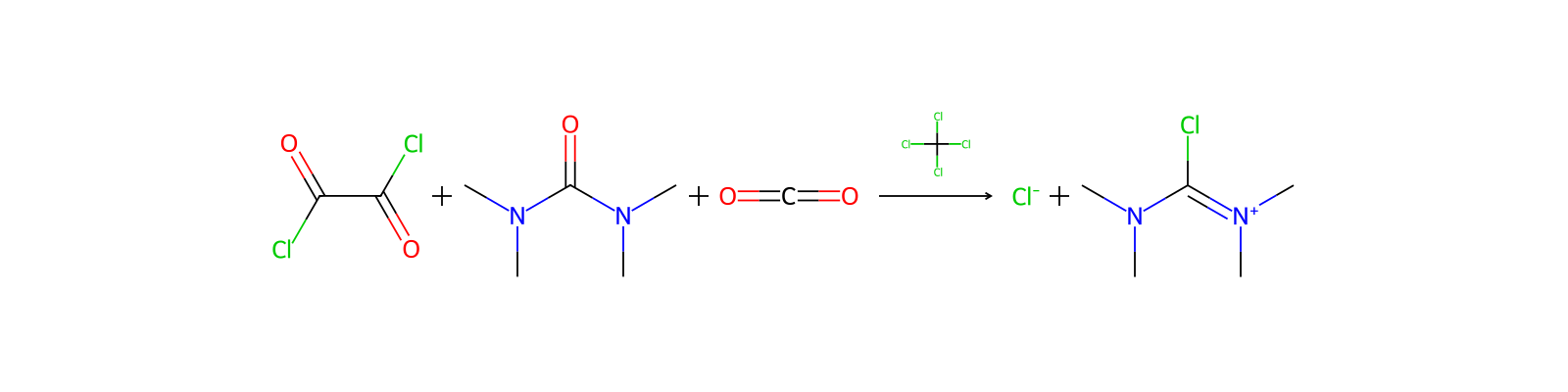
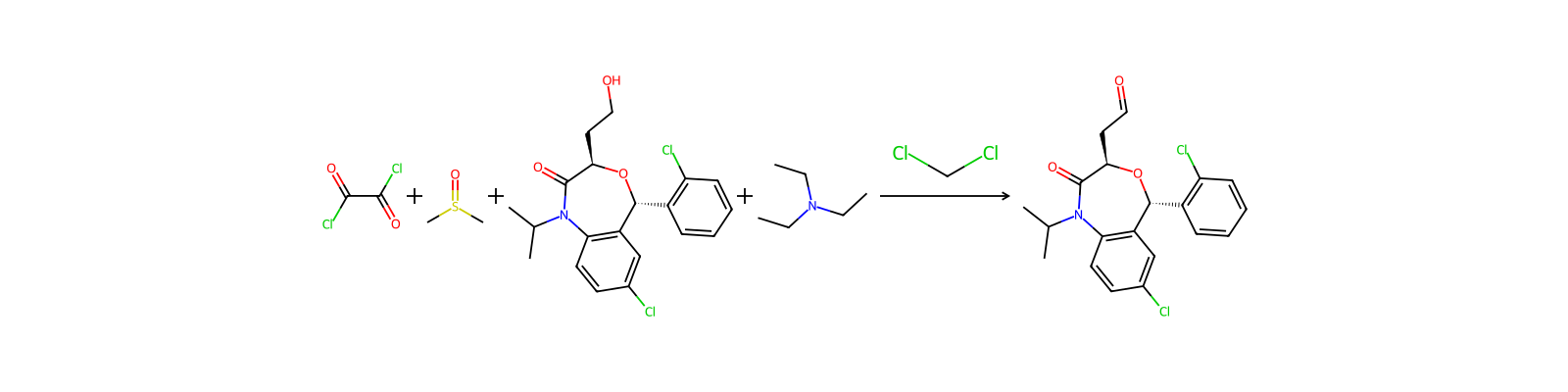
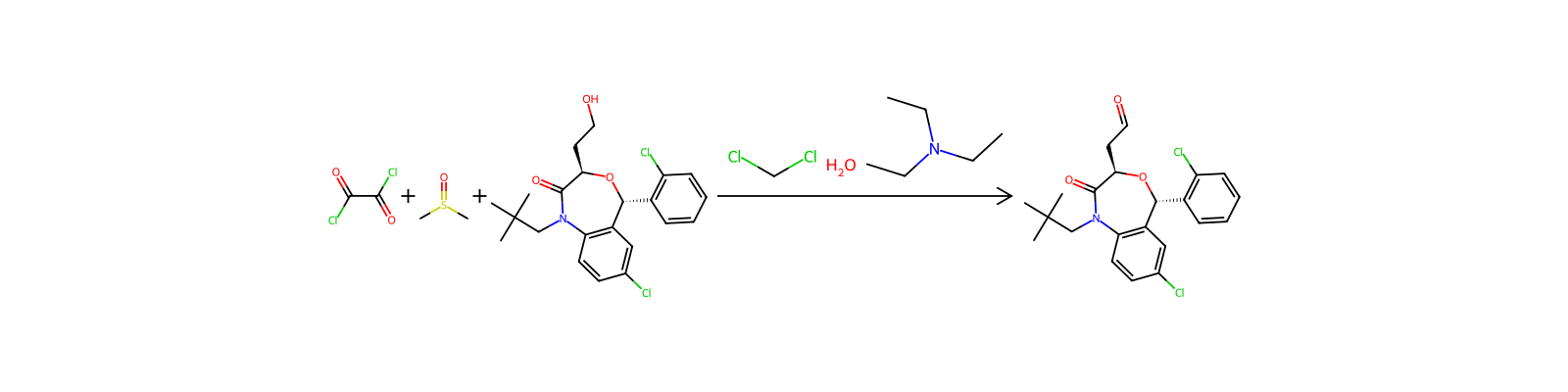
Zugehörige Reaktionen
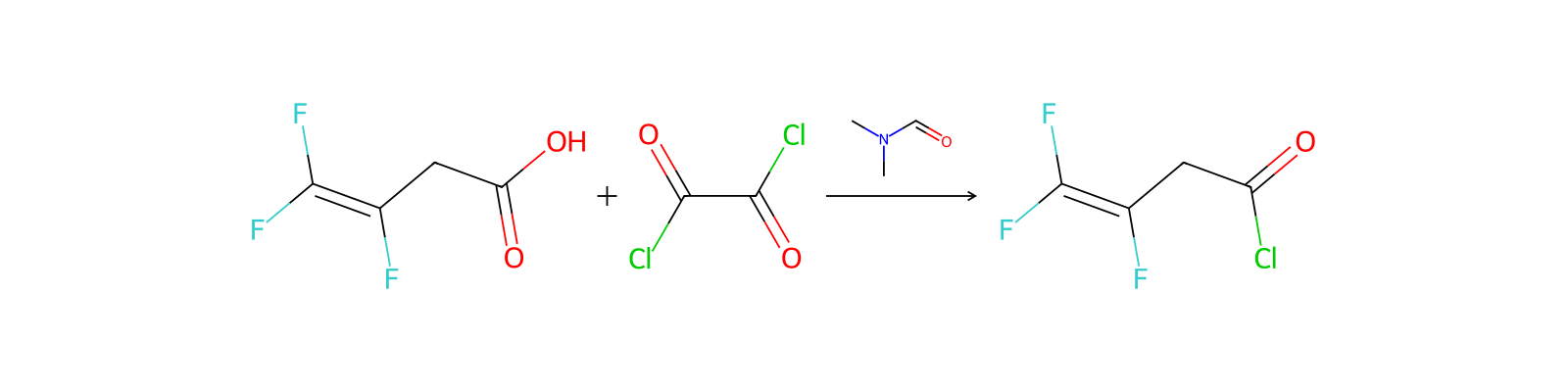
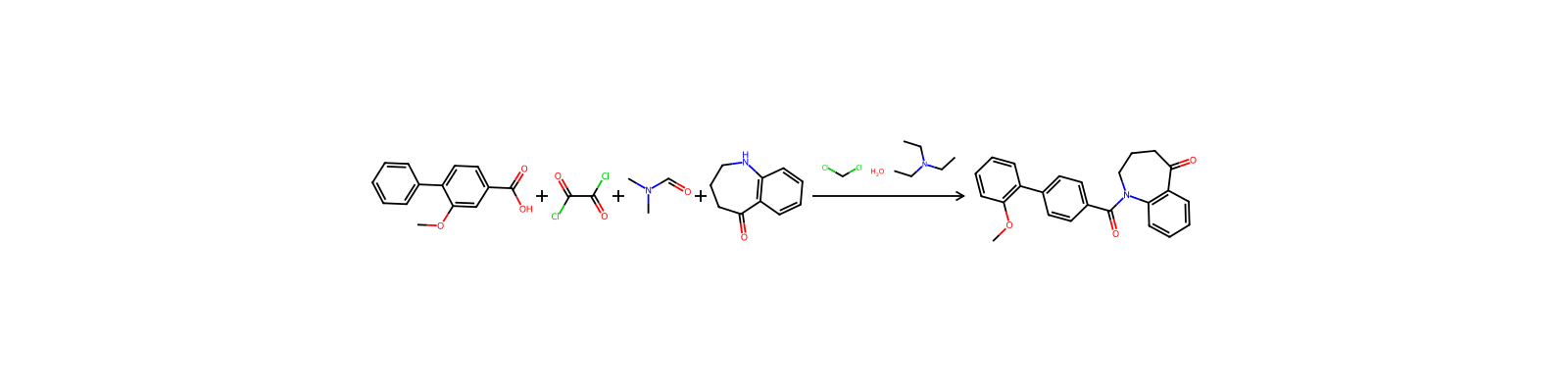
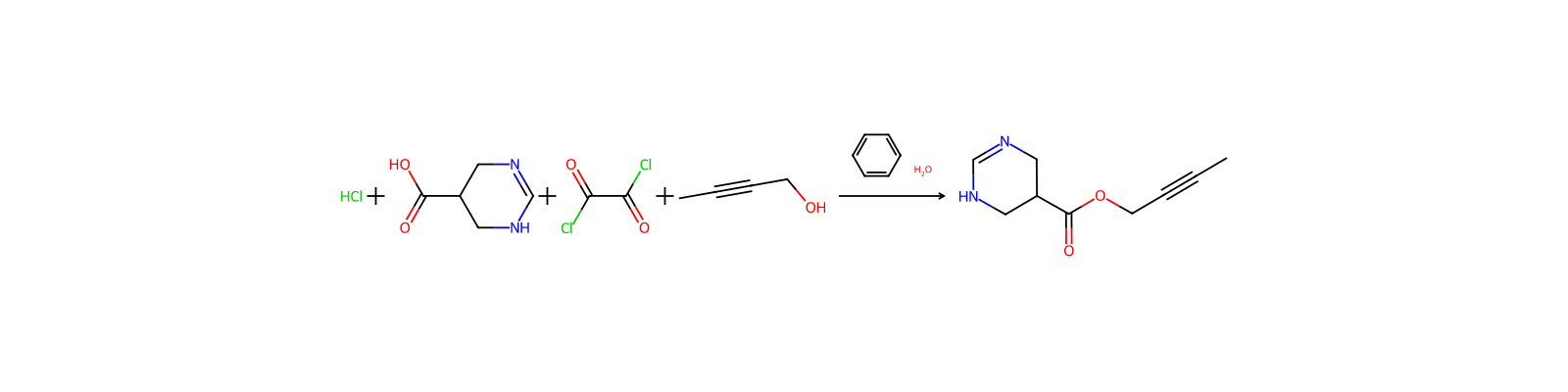
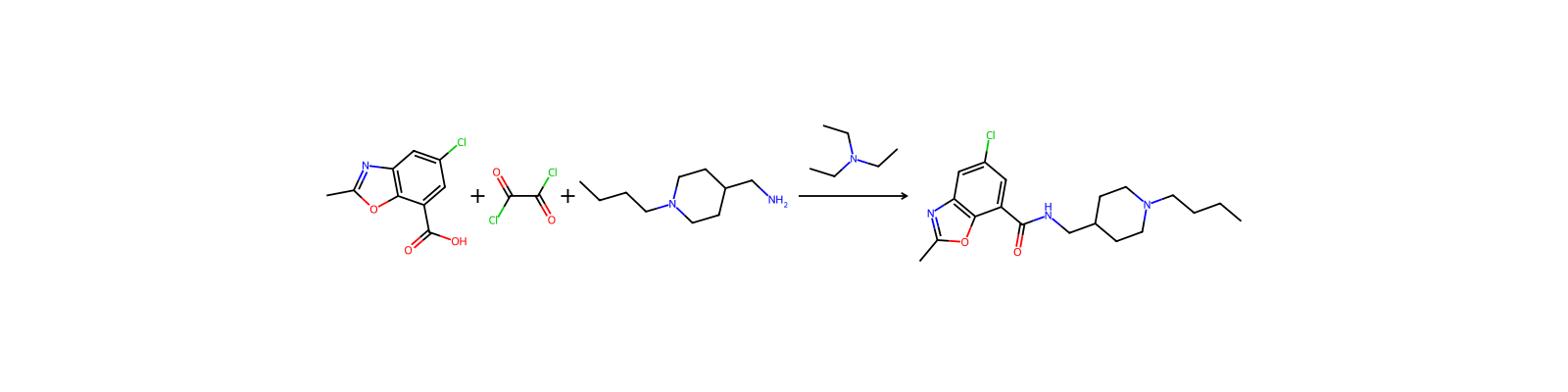
17.805
Verknüpfte Notizen
Wird geladen…