

Grundinformationen
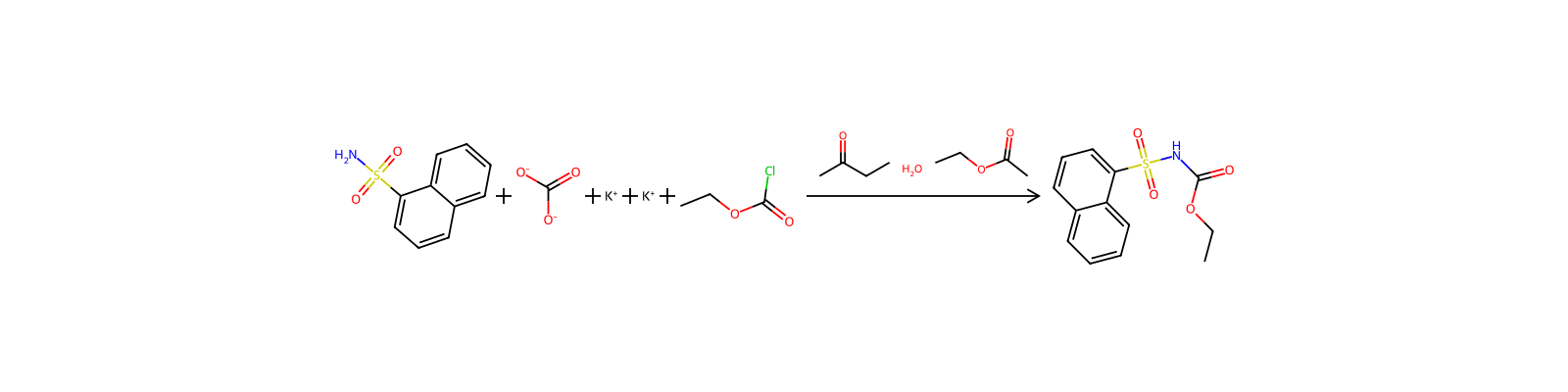
- Standard-SMILES
CCC(C)=O- InChIKey
ZWEHNKRNPOVVGH-UHFFFAOYSA-N- Summenformel
- C4H8O
- Durchschnittliche Molmasse
- 72,11 g/mol
- Monoisotopische Masse
- 72,05751488
Überblick
2-Butanone is a manufactured chemical but it is also present in the environment from natural sources. It is a colorless liquid with a sharp, sweet odor. It is also known as methyl ethyl ketone (MEK). 2-Butanone is produced in large quantities. Nearly half of its use is in paints and other coatings because it will quickly evaporate into the air and it dissolves many substances. It is also used in glues and as a cleaning agent. 2-Butanone occurs as a natural product. It is made by some trees and found in some fruits and vegetables in small amounts. It is also released to the air from car and truck exhausts.
Namen und Bezeichner
- Bevorzugter Name
- Methyl Ethyl Ketone
- IUPAC
- butan-2-one
- Englischer Name
- 2-Butanone
- Summenformel
- C4H8O
- Molmasse
- 72.10572
Namen und Synonyme
2-ButanoneMETHYL ETHYL KETONEButan-2-oneButanone78-93-3Ethyl methyl ketoneMethylethyl ketoneMeetcoMethyl acetoneMethylethylketone3-ButanoneEthylmethylketon
Weitere Namen anzeigen
AethylmethylketonButanone 2Acetone, methyl-Ethyl methyl cetoneMetiletilchetoneMetyloetyloketonKetone, ethyl methylMetyl ethyl ketone
Datenbank-Bezeichner
- CAS
78-93-3- PubChem CID
- 6569
- DTXSID
DTXSID3021516- ChEMBL
CHEMBL15849- ChEBI
CHEBI:28398- UNII
- 6PT9KLV9IO
- EC Number
- 201-159-0
- Nikkaji
- J1.960G
Eigenschaften
Berechnete Struktureigenschaften
- XLogP
- 0,3
- Polarare Oberfläche (TPSA)
- 17,1 Ų
- H-Brücken-Donoren
- 0
- H-Brücken-Akzeptoren
- 1
- Frei drehbare Bindungen
- 1
- Schwere Atome
- 5
- Formalladung
- 0
- Komplexität
- 38,9
Experimentelle und physikochemische Eigenschaften
Chemical Classes
Hazardous Air Pollutants (HAPs)
Flammable agents - 3rd degree
Volatile Organic Compound (VOC)
LipidsFatty Acyls [FA] -> Oxygenated hydrocarbons [FA12]
SolventsSolvents -> Ketones (<C12)
CosmeticsSolvent
SpringerMaterials PropertiesCoriolis coupling
FragrancesFragrance Ingredient (2-Butanone) -> IFRA transparency List
PesticidesPesticide -> EPA IRIS
LogP
log Kow = 0.29
0.29
0.29
0.5
Odor
Acetone-like odor
Sweet, pleasant, pungent
Moderately sharp, fragrant, mint- or acetone-like odor
Food AdditivesFLAVORING AGENT OR ADJUVANT -> FDA Substance added to food
Density
0.806 at 68 °F (USCG, 1999) - Less dense than water; will float
0.805 at 20 °C/4 °C; 0.7997 at 25 °C/4 °C; 0.8255 at 0 °C/4 °C
Bulk density: 6.71 lb/gal at 20 °C
Relative density (water = 1): 0.8
0.801-0.803
0.81
Flavoring AgentsEU Flavoring substances
Physikochemische Eigenschaften
- Schmelzpunkt
- -86 °C · -86 °C
- Siedepunkt
- 79.6 °C · 79.6 °C
- Dichte
- 0.805 g/cm3 · 0.805 g/cm3
Sicherheit und Regulatorisches
GHS-Klassifizierung
GHS Classification
Danger
H225: Highly Flammable liquid and vapor [Danger Flammable liquids]
P210, P233, P240, P241, P242, P243, P261, P264+P265, P271, P280, P303+P361+P353, P304+P340, P305+P351+P338, P319, P337+P317, P370+P378, P403+P233, P403+P235, P405, and P501 (click each P-code to see the statement)
This chemical does not meet GHS hazard criteria for < 0.1% (2 of 4539) of reports.
Danger
H225 (> 99.9%): Highly Flammable liquid and vapor [Danger Flammable liquids]
Gefahrenhinweise
Regulatory Information
Chemical: 2-Butanone
Hazard Traits - Dermatotoxicity; Developmental Toxicity; Neurotoxicity; Ocular Toxicity; Respiratory Toxicity
List II Chemical: A chemical, other than a List I chemical, specified by regulation that, in addition to legitimate uses, is used in manufacturing a controlled substance in violation of the Act. (21 eCFR 1310.02)
Regulation (EC) No 1831/2003 (amended)
2-Butanone is listed on the EPA's Chemical Data Reporting (CDR) system. Manufacturers and importers of 2-Butanone are required to report information about their production and use of this chemical to the EPA under the Toxic Substances Control Act (TSCA). (40 eCFR Part 711)
Status: Active Update: 12-05-2023 https://echa.europa.eu/registration-dossier/-/registered-dossier/15065
Other Safety InformationIMAP assessments - 2-Butanone: Human health tier II assessment
DOT LabelFlammable Liquid
Fire Hazards
Excerpt from ERG Guide 127 [Flammable Liquids (Water-Miscible)]:
· HIGHLY FLAMMABLE: Will be easily ignited by heat, sparks or flames.
· HIGHLY FLAMMABLE: Will be easily ignited by heat, sparks or flames.
Highly flammable. Vapour/air mixtures are explosive.
Fire PotentialHighly flammable liquid.
Health Hazards
Liquid causes eye burn. Vapor irritates eyes, nose, and throat; can cause headache, dizziness, nausea, weakness, and loss of consciousness. (USCG, 1999)
· Inhalation or contact with material may irritate or burn skin and eyes.
· Inhalation or contact with material may irritate or burn skin and eyes.
Hazards Summary
2-Butanone is a manufactured chemical but it is also present in the environment from natural sources. It is a colorless liquid with a sharp, sweet odor. It is also known as methyl ethyl ketone (MEK). 2-Butanone is produced in large quantities. Nearly half of its use is in paints and other coatings because it will quickly evaporate into the air and it dissolves many substances. It is also used in glues and as a cleaning agent. 2-Butanone occurs as a natural product. It is made by some trees and found in some fruits and vegetables in small amounts. It is also released to the air from car and truck exhausts.
Methyl ethyl ketone is used as a solvent. Acute (short-term) inhalation exposure to methyl ethyl ketone in humans results in irritation to the eyes, nose, and throat. Limited information is available on the chronic (long-term) effects of methyl ethyl ketone in humans. Chronic inhalation studies in animals have reported slight neurological, liver, kidney, and respiratory effects. No information is available on the developmental, reproductive, or carcinogenic effects of methyl ethyl ketone in humans. Developmental effects, including decreased fetal weight and fetal malformations, have been reported in mice and rats exposed to methyl ethyl ketone via inhalation and ingestion. EPA has classified methyl ethyl ketone as a Group D, not classifiable as to human carcinogenicity.
Butanone is in the list of Some volatile substances which may be abused by inhalation published on the web site of the U.N. International Drug Control Programme, indicating its potential to cause narcosis in workers. [Reference #1] A skin, eye, and respiratory tract irritant; Inhalation of high concentrations can cause CNS depression; [ICSC] Causes contact urticaria; [Kanerva, p. 219] TLV Basis includes embryo/fetal damage, upper respiratory tract irritation, headache & dizziness; [ACGIH TLVs and BEIs]
DOT ID and Guide
1193 127
1193 127
1193 127
FDA Requirements
Methyl ethyl ketone is an indirect food additive for use only as a component of adhesives.
Methyl ethyl ketone is a food additive permitted for direct addition to food for human consumption as a synthetic flavoring substance and adjuvant in accordance with the following conditions: a) they are used in the minimum quantity required to produce their intended effect, and otherwise in accordance with all the principles of good manufacturing practice, and 2) they consist of one or more of the following, used alone or in combination with flavoring substances and adjuvants generally recognized as safe in food, prior-sanctioned for such use, or regulated by an appropriate section in this part.
Reactive GroupKetones
EC ClassificationSymbol: F, Xi; R: 11-36-66-67; S: (2)-9-16; Note: 6
UN ClassificationUN Hazard Class: 3; UN Pack Group: II
Sicherheit und Schutzausrüstung
Fire Fighting
Excerpt from ERG Guide 127 [Flammable Liquids (Water-Miscible)]:
Use alcohol-resistant foam, water, powder, carbon dioxide. In case of fire: keep drums, etc., cool by spraying with water.
First Aid Measures
Fresh air, rest. Refer for medical attention.
Remove contaminated clothes. Rinse skin with plenty of water or shower.
First rinse with plenty of water for several minutes (remove contact lenses if easily possible), then refer for medical attention.
Rinse mouth. Do NOT induce vomiting. Give nothing to drink. Refer for medical attention .
Accidental Release Measures
· CALL 911. Then call emergency response telephone number on shipping paper. If shipping paper not available or no answer, refer to appropriate telephone number listed on the inside back cover.
· ELIMINATE all ignition sources (no smoking, flares, sparks or flames) from immediate area.
· CALL 911. Then call emergency response telephone number on shipping paper. If shipping paper not available or no answer, refer to appropriate telephone number listed on the inside back cover.
· ELIMINATE all ignition sources (no smoking, flares, sparks or flames) from immediate area.
First Aid
EYES: First check the victim for contact lenses and remove if present. Flush victim's eyes with water or normal saline solution for 20 to 30 minutes while simultaneously calling a hospital or poison control center. Do not put any ointments, oils, or medication in the victim's eyes without specific instructions from a physician. IMMEDIATELY transport the victim after flushing eyes to a hospital even if no symptoms (such as redness or irritation) develop.
General First Aid:
General First Aid:
(General first aid procedures)
Safe StorageFireproof. Separated from strong oxidants and strong acids. Cool. Well closed. Store in an area without drain or sewer access.
Firefighting HazardsFlashback along vapor trail may occur.
Exposure Control and Personal Protection
· Wear positive pressure self-contained breathing apparatus (SCBA).
· Wear positive pressure self-contained breathing apparatus (SCBA).
Biological Exposure Indices (BEI) [ACGIH] - MEK in urine = 2 mg/L; sample at end of shift; The determinant is nonspecific since it is also observed after exposure to other chemicals.
200.0 [ppm]
Fire Fighting Procedures
In case of fire: keep drums, etc., cool by spraying with water. Powder, AFFF, foam, carbon dioxide.
Alc foam, dry chemical, or carbon dioxide
If material on fire or involved in fire: Do not extinguish fire unless flow can be stopped or safely confined. Use water in flooding quantities as fog. Solid streams of water may be ineffective. Cool all affected containers with flooding quantities of water. Apply water from as far a distance as possible. Use alcohol foam, dry chemical or carbon dioxide.
Flammable. Flashback along vapor trail may occur. Vapor may explode if ignited in an enclosed area. Extinguish with dry chemical, alcohol foam, or carbon dioxide. Water may be ineffective on fire. Cool exposed containers with water.
Storage Conditions
Methyl ethyl ketone must be stored to avoid contact with strong oxidizers (such as chlorine, bromine, and fluorine) since violent reactions may occur. Store in tightly closed containers in a cool, well ventilated area away from sources of heat, sparks, or flame. Sources of ignition such as smoking and open flames are prohibited where methyl ethyl ketone is handled, used or stored in a manner that could create a potential fire or explosion hazard. Metal containers involving the transfer of 5 gallons or more of diethyl ketone should be grounded and bonded. Drums must be equipped with self-closing valves, pressure vacuum bungs, and flame arresters. Use only non-sparking tools and equipment, especially when opening and closing containers of methyl ethyl ketone.
Cleanup Methods
Evacuate and restrict persons not wearing protective equipment from area of spill or leak until cleanup is complete. Remove all ignition sources. Establish forced ventilation to keep levels below explosive limit. Absorb liquids in vermiculite, dry sand, earth, peat, carbon, or similar material and deposit in sealed containers. Oil-skimming equipment and sorbent foams can be applied to slick if done immediately. Keep this chemical out of a confined space ... because of the possibility of an explosion ... It may be necessary to contain and dispose of this chemical as a hazardous waste. If material or contaminated runoff enters waterways, notify downstream users of potentially contaminated waters. Contact your Department of Environmental Protection or your regional office of the federal EPA for specific recommendations. If employees are required to clean up spills, they must be properly trained and equipped. OSHA 1910.120(q) may be applicable.
Environmental considerations-air spill: Apply water spray or mist to knock down vapors
Environmental considerations-water spill: Use natural barriers or oil spill control booms to limit spill travel. Remove trapped material with suction hoses.
Environmental considerations-land spill: Dig a pit, pond, lagoon, holding area to contain liquid or solid material. /SRP: If time permits, pits, ponds, lagoons, soak holes, or holding areas should be sealed with an impermeable flexible membrane liner./ Absorb bulk liquid with fly ash, cement powder, or commercial sorbents.
Nonfire Spill ResponseExcerpt from ERG Guide 127 [Flammable Liquids (Water-Miscible)]:
Disposal Methods
Generators of waste (equal to or greater than 100 kg/mo) containing this contaminant, EPA hazardous waste numbers U159, D035 and F005, must conform with USEPA regulations in storage, transportation, treatment and disposal of waste.
Incineration. Recommendable methods: Incineration, open burning, use as a fuel, evaporation, discharge to sewer. Peer-review: Potentially contains peroxides which may be explosive. Evaporate small amt only. (Peer-review conclusions of an IRPTC expert consultation (May 1985))
A good candidate for fluidized bed incineration at a temperature range of 450 to 980 °C and residence times of seconds for liquids and gases, and longer for solids. A good candidate for rotary kiln incineration at a temperature range of 820 to 1,600 °C and residence times of seconds for liquids and gases, and hours for solids. A good candidate for liquid injection incineration at a temperature range of 650 to 1,600 °C and a residence time of 0.1 to 2 seconds.
The following wastewater treatment technologies have been investigated for methyl ethyl ketone: solvent extraction and activated carbon.
For more Disposal Methods (Complete) data for METHYL ETHYL KETONE (6 total), please visit the HSDB record page.
Toxikologische Informationen
Toxicological InformationCDC-ATSDR Toxicological Profile
Body Burden
Methyl ethyl ketone was detected in 5 of 8 samples of mother's milk from 4 US urban areas(1). Methyl ethyl ketone was found in expelled breath of humans at 6-26 ppb(2). Methyl ethyl ketone was detected in human urine(3). Methyl ethyl ketone had air concentration/urinary concentration correlation coefficients of 0.65, 0.69, 0.77, 0.74, 0.91 and 0.93 in 14, 227, 59, 60, 65 and 78 human subjects, respectively(4). The average blood concentration of methyl ethyl ketone in 600 non-occupationally exposed individuals in the US was 7.1 ppb(5).
Methyl ethyl ketone was found in 8 of 15 personal air samples from Helsinki, tested May to Sep 1997(1). A German study taken in 1990 and 1991 of 113 people (ages 25-69), chosen from a group of 2500 to represent the population, reported personal atmospheric exposures to methyl ethyl ketone in 97 samples at an average of 24.1 ug/cu m; 16 samples were less than 0.7 ug/cu m(2).
The kinetics of inhaled methyl ethyl ketone (MEK) in human volunteers was studied in an exposure chamber. Relative pulmonary uptake was about 53% throughout a 4 hr exposure period at 200 ppm. Blood MEK concentration rose steadily until the end of exposure. Repeated bicycle exercise increased the overall blood MEK level markedly in comparison to sedentary activity, with transient peaks in association with cycling; thus blood MEK concentration depended both on the rate of uptake and the amount taken up. Only 3% of the absorbed dose was excreted unchanged by exhalation. A well known metabolite of MEK, 2,3-butanediol, was detected in the urine with maximum rates of excretion at about 6 to 12 hr from the beginning of exposure. About 2% of the MEK dose taken up by the lungs was excreted in the urine as 2,3-butanediol. ... Elimination of MEK in blood appeared to exhibit two phases: the initial alpha-phase (T1/2= 30 min; kel alpha= 0.023) over the first post-exposure hour, followed by the terminal beta-phase (T1/2= 81 min; kel beta= 0.009).
Worker exposures were investigated in April 1983 at the Hoover Company, North Canton, Ohio. ... Area and personal air samples for numerous contaminants were collected and nonionizing radiation levels were measured. ... General medical questionnaires and blood tests for methyl ethyl ketone (MEK) were given to exposed workers. ... No respiratory symptoms or pulmonary function disorders were identified in the foundry workers, and MEK was detected in the blood of only one worker at 1.4 ug/ml. ...
The presence of solvents such as toluene, xylene, methyl ethyl ketone, and other similar products in the indoor air of an automobile body repair shop, an offset printing facility and the adjacent dwellings was monitored, and the individual exposure of the corresponding workers and residents was tested by biological monitoring of exhaled breath and by personal air sampling. The concentrations of solvents tested in the air of both sites surveyed were lower than prevailing Dutch Maximum Allowable Concentration levels. The levels of solvents recorded in the air of apartments situated on top of the facilities surveyed were significantly higher than the levels recorded in the surrounding dwellings. The levels of methyl ethyl ketone, toluene and xylene in personal air samples of employees at the body shop were 1.5 times higher than in ambient air. The level of toluene in alveolar air of residents living above the automobile repair shop was 50 percent higher than that recorded in spot samples. The levels of other solvents were equal to or lower than the detection level. At the offset printing facility, toluene, xylene, butylacetate, 2-ethoxyethanol and cyclohexanone in air and in personal air samples followed the same general pattern identified for the body shop. In a dwelling next to the shop and in an apartment on top of the shop, the concentrations ranged from 3 to 9 percent and 14 to 19 percent, respectively, of the levels recorded inside the facility itself.
Interactions
... A total of 32 male Wistar rats were divided into 4 groups of 8 each and were then exposed to fresh air only, 2000 ppm n-hexane only, 2000 ppm n-hexane plus 200 ppm MEK, and 2000 ppm n-hexane plus 2000 ppm MEK, respectively. Inhalation exposures were performed 12 hr/day, 6 days/week, for 20 weeks. Motor nerve conduction velocity (MCV), distal latency (DL), and urinary 2,5-hexanedione were measured every 4 weeks.... The MCV decreased, the DL increased, and urinary levels of 2,5-hexanedione increased in the 2000-ppm n-hexane plus 200 ppm MEK group in comparison with the 2000-ppm n-hexane only group following 4 weeks' exposure. On the 1st day of exposure, however, coexposure to MEK decreased urinary levels of 2,5-hexanedione dose-dependently. ... The present study showed that urinary concentrations of 2,5-hexanedione increased with potentiation of n-hexane neurotoxicity. Urinary 2,5-hexanedione concentration does not necessarily reflect the exposure concentration of n-hexane in coexposure to n-hexane along with MEK or other solvents, but it may be useful as a marker in the assessment of neurotoxicity in coexposure to n-hexane and other solvents.
It does not appear to be neurotoxic by itself, it potentiates neurotoxicity of other hexacarbons; reported in humans exposed to methyl ethyl ketone (MEK) and n-hexane.
The effects of the solvents n-hexane, butanone (methyl ethyl ketone, MEK) and a mixture of both in the intrapulmonary nerve system of rats were studied by light and electron microscopy. The alteration in the fine structures of the tissues consisted in a disseminated swelling of axons due to a striking multiplication of neurofilaments. Nonspecific axonal alterations could be demonstrated as well. The latter consisted in clusters of phospholipid material within the axoplasm of nerve fibers and the cytoplasm of Schwann cells plus an accumulation of glycogen granules in the axoplasm. Additionally, single degenerative changes of Schwann cells were observed.
Methyl ethyl ketone potentiates carbon tetrachloride hepatoxicity in rats. Oral dosing with methyl ethyl ketone at 1.87, 2.4, or 1.2 mL/kg followed by ip injection with carbon tetrachloride at 0.1 mL/kg significantly enhanced the hepatotoxicity of carbon tetrachloride as measured by increased serum glutamic pyruvic transaminase activity and hepatic triglyceride concentration and decreased hepatic glucose-6-phosphatase activity.
For more Interactions (Complete) data for METHYL ETHYL KETONE (21 total), please visit the HSDB record page.
Target Organs
Neurological (Nervous System), Ocular (Eyes), Respiratory (From the Nose to the Lungs)
Developmental
Eyes, skin, respiratory system, central nervous system
Ecotoxicity Values
LC50; Species: Leuciscus idus /Orfe/; Conditions: freshwater, static; Concentration: 4600 mg/L for 48 hr
LC50; Species: Lepomis macrochirus (bluegill); Concentration: 5,640-1,690 mg/L for 24 to 96 hr /Conditions of bioassay not specified/
LC50; Species: Artemia salina (brine shrimp); Concentration: 1,950 mg/L for 24 hr /From table; bottles not sealed and may have lost MEK during experiment; water pH, temp, and hardness not specified/
LC50; Species: Daphnia magna (water flea); Concentration: <520 mg/L for 48 hr /From table; pH 8 and hardness 173; temp not specified/
For more Ecotoxicity Values (Complete) data for METHYL ETHYL KETONE (19 total), please visit the HSDB record page.
Environmental Fate
TERRESTRIAL FATE: Based on a classification scheme(1), measured Koc values of 29 and 34(2), indicate that methyl ethyl ketone is expected to have very high mobility in soil(SRC). Volatilization of methyl ethyl ketone from moist soil surfaces is expected to be an important fate process(SRC) given a Henry's Law constant of 4.67X10⁻⁵ atm-cu m/mole(3). Methyl ethyl ketone is expected to volatilize from dry soil surfaces(SRC) based upon a vapor pressure of 90.6 mm Hg(4). The volatilization half-life of methyl ethyl ketone from silt and sandy loams was measured as 4.9 days(5). A >60% of theoretical BOD using activated sludge in the Japanese MITI test(6) suggests that biodegradation is an important environmental fate process in soil(SRC). Methyl ethyl ketone is expected to biodegrade under both aerobic and anaerobic conditions as indicated by numerous screening tests(7-12). Methyl ethyl ketone is susceptible to direct photolysis by sunlight(13,14); therefore, direct photolysis is expected to occur on soil surfaces exposed to sunlight(SRC).
AQUATIC FATE: Based on a classification scheme(1), measured Koc values of 29 and 34(2), indicate that methyl ethyl ketone is not expected to adsorb to suspended solids and sediment(SRC). Volatilization from water surfaces is expected(3) based upon a Henry's Law constant of 4.67X10⁻⁵ atm-cu m/mole(4). Using this Henry's Law constant and an estimation method(3), volatilization half-lives for a model river and model lake are 18 hours and 8.2 days, respectively(SRC). According to a classification scheme(5), an estimated BCF of 3(SRC), from a log Kow of 0.29(6) and a regression-derived equation(7), suggests the potential for bioconcentration in aquatic organisms is low(SRC). Methyl ethyl ketone was shown to biodegrade 89% in 20 days in fresh water and 69% in 20 days in salt water(8). A variety of screening studies using a microbial seed from domestic waste treatment plants have indicated that methyl ethyl ketone has a 5-day biological oxygen demand (BOD5) which is between 59% and 74% of the theoretical amount after a short lag period(9). Methyl ethyl ketone is not expected to undergo hydrolysis in the environment due to the lack of functional groups that hydrolyze under environmental conditions(3). Methyl ethyl ketone is susceptible to direct photolysis by sunlight(10,11); therefore, direct photolysis may occur at water surfaces exposed to sunlight(SRC).
ATMOSPHERIC FATE: According to a model of gas/particle partitioning of semivolatile organic compounds in the atmosphere(1), methyl ethyl ketone, which has a vapor pressure of 90.6 mm Hg at 25 °C(2), is expected to exist solely as a vapor in the ambient atmosphere. Vapor-phase methyl ethyl ketone is degraded in the atmosphere by reaction with photochemically-produced hydroxyl radicals(SRC); the half-life for this reaction in air is estimated to be 13 days(SRC), calculated from its rate constant of 1.2X10⁻¹² cu cm/molecule-sec at 25 °C(3). Methyl ethyl ketone is expected to undergo direct photolysis in the atmosphere(4-8). The atmospheric lifetime of methyl ethyl ketone, based on direct photolysis from direct overhead sunlight, has been approximated as 4 days(5); however, rates under typical atmospheric conditions are a factor of 2-3 slower than estimates using quantum yields for methyl ethyl ketone and similar ketones(8). Methyl ethyl ketone has been detected in rain, clouds and fog(9,10); therefore, methyl ethyl ketone may be removed from the air by wet deposition(SRC).
Food Survey Values
Methyl ethyl ketone was detected in Swiss cheese (0.3 ppm) and cream (0.154-0.177 ppm)(1). Methyl ethyl ketone was identified, not quantified, in the volatiles of roasted barley, bread, honey, chicken, oranges, black tea, and rum(1), kiwi fruit(2), chickpea seeds(3), dry-cured ham(4), mutton, chicken and beef(5). Methyl ethyl ketone was detected at a concentration of 1.83 ug/g in rotten mussels in Japan(6). Methyl ethyl ketone was detected in whole and ground Musty sorghum(7).
Adverse EffectsNeurotoxin - Acute solvent syndrome
Exposure Routes
The substance can be absorbed into the body by inhalation, by ingestion and through the skin.
inhalation, ingestion, skin and/or eye contact
Milk Concentrations
ENVIRONMENTAL: Methyl ethyl ketone was detected in milk 0.077-0.079 ppm and milk fat 8 ppm(1). Methyl ethyl ketone was reported as 39.85, 31.74, and 31.33 ng/mL average in whole, 2%, and 1% milk, respectively, from 35 samples taken from 8 processing plants, located in AZ, CA, NV, and UT sampled Jan - Feb 2002(2).
ENVIRONMENTAL: Methyl ethyl ketone was identified, not quantified in human milk samples in Bayonne, NJ(1) Pittsburgh, PA(1) Baton Rouge, LA(1) and Australia(2). Methyl ethyl ketone was identified, not quantified in 5 of 8 samples of human milk from 4 US urban areas(3).
Toxicity Summary
IDENTIFICATION AND USE: Methyl ethyl ketone (MEK) is a colorless liquid with acetone-like odor. It is used as an organic solvent, in the surface coating industry, in the manufacture of smokeless powder, and in colorless synthetic resins. MEK is not registered for current use in pesticides in the U.S. MEK is also used as an extraction solvent in the processing of foodstuffs and food ingredients, e.g., in fractionation of fats and oils, decaffeination of tea and coffee, and extraction of flavorings. HUMAN EXPOSURE AND TOXICITY: At high concentrations MEK is irritating to the eyes, nose, and throat. Other symptoms of exposure include headache, dizziness, vomiting, or numbness of the extremities. Prolonged exposure produces neurotoxic effects, as in the case of a 27-year-old man who was exposed occupationally (through dermal and inhalation pathways) over a 2-year period to solvents containing 100% MEK. The patient reported symptoms of dizziness, anorexia, and involuntary muscle movement, beginning about 1 month prior to admission. Neurological examination confirmed multifocal myoclonus, ataxia, and tremor. Symptoms of solvent toxicity disappeared after 1 month of cessation of exposure and treatment with clonazepam and propranolol. Symptoms did not reappear after withdrawal of the drugs. ANIMAL STUDIES: Acute exposures to MEK in mice showed a 75 to 100% decrease in response rate to light stimuli at concentration of 1,000 to 10,000 ppm. Guinea pigs exposed to MEK vapor (10,000 to 100,000 ppm) for up to 13.5 hr showed that the acute effects of MEK advanced through several distinct phases as the exposure proceeded with nose irritation, eye irritation, lacrimation, incoordination, CNS depression, labored breathing, and death occurring in succession. Vapor concentrations of 33,000 ppm or greater caused death in the animals after 45-260 min of exposure. In subcronic studies rats were exposed to 0, 1250, 2500, or 5000 ppm MEK vapors 6 hours per day, 5 days per week for 90 days. The 5000 ppm animals had a slight but significant increase in liver weight, liver weight/body weight ratio, and liver weight/brain weight ratio at necropsy. Serum glutamicpyruvic transaminase (SGPT) activity in the 2500 ppm female rats was elevated while the 5000 ppm female rats exhibited significantly decreased SGPT activity. In addition, alkaline phosphatase, potassium and glucose values for the 5000 ppm female rats were increased. Pregnant mice were relatively insensitive to the toxic effects of MEK at the inhaled concentrations 0, 400, 1000, or 3000 ppm 7 hr/day on days 6-15 of gestation. However, the offspring of the mice exhibited significant signs of developmental toxicity at the 3000 ppm exposure level. MEK was negative in all genotoxic and mutagenicity assays, including the Salmonella/microsome (Ames) assay, the L5178/TK+/- mouse lymphoma (M/L) assay, the BALB/3T3 cell transformation (CT) assay, unscheduled DNA synthesis (UDS) and the CHO micronucleus test. ECOTOXICITY STUDIES: MEK is toxic to wheat and lettuce seeds and did not produce alarm behavior in ants or honey bees.
Ecotoxicity Excerpts
/OTHER TERRESTRIAL SPECIES/ The effect of MEK on the alarm behavior of social insects has been studied. It was considered inactive in producing alarm behavior in the ant Iridomyrmex preinosus ... the harvester ant Pogonomyrmex badius ... and the honeybee Apis mellifera ...
/PLANTS/ MEK has an effect on the germination of seeds of several plant species. /Researchers/ observed that the germination of wheat seeds was inhibited when the seeds were treated with 6.4 mg MEK/g seed. At this level, 10% of the experimental seeds germinated versus 60% of the control seeds. Germination of lettuce was inhibited 50% by MEK at 12.5 (+ or - 4) mmol/liter (equivalent to 900 + or - 288 mg/liter) dissolved in agar. /The authors/ reported, however, that a mixture of acetone and MEK had no inhibitory effect on the growth of rye grass at concentrations up to 1 g/liter.
Regulatorische Informationen
FDA Requirements
Methyl ethyl ketone is an indirect food additive for use only as a component of adhesives.
Methyl ethyl ketone is a food additive permitted for direct addition to food for human consumption as a synthetic flavoring substance and adjuvant in accordance with the following conditions: a) they are used in the minimum quantity required to produce their intended effect, and otherwise in accordance with all the principles of good manufacturing practice, and 2) they consist of one or more of the following, used alone or in combination with flavoring substances and adjuvants generally recognized as safe in food, prior-sanctioned for such use, or regulated by an appropriate section in this part.
RCRA Requirements
U159; As stipulated in 40 CFR 261.33, when 2-butanone, as a commercial chemical product or manufacturing chemical intermediate or an off-specification commercial chemical product or a manufacturing chemical intermediate, becomes a waste, it must be managed according to Federal and/or State hazardous waste regulations. Also defined as a hazardous waste is any residue, contaminated soil, water, or other debris resulting from the cleanup of a spill, into water or on dry land, of this waste. Generators of small quantities of this waste may qualify for partial exclusion from hazardous waste regulations (40 CFR 261.5).
F005; When methyl ethyl ketone is a spent solvent, it is classified as a hazardous waste from a nonspecific source (F005), as stated in 40 CFR 261.31, and must be managed according to State and/or Federal hazardous waste regulations.
D035; A solid waste containing methyl ethyl ketone may or may not become characterized as a hazardous waste when subjected to the Toxicity Characteristic Leaching Procedure listed in 40 CFR 261.24, and if so characterized, must be managed as a hazardous waste.
TSCA Requirements
Pursuant to section 8(d) of TSCA, EPA promulgated a model Health and Safety Data Reporting Rule. The section 8(d) model rule requires manufacturers, importers, and processors of listed chemical substances and mixtures to submit to EPA copies and lists of unpublished health and safety studies. Methyl ethyl ketone is included on this list. Effective date 10/4/1982, Sunset date 10/4/1992.
FIFRA Requirements
Residues of methyl ethyl ketone are exempted from the requirement of a tolerance when used as a surfactant in accordance with good agricultural practice as inert (or occasionally active) ingredients in pesticide formulations applied to growing crops only.
Atmospheric Standards
This action promulgates standards of performance for equipment leaks of Volatile Organic Compounds (VOC) in the Synthetic Organic Chemical Manufacturing Industry (SOCMI). The intended effect of these standards is to require all newly constructed, modified, and reconstructed SOCMI process units to use the best demonstrated system of continuous emission reduction for equipment leaks of VOC, considering costs, non air quality health and environmental impact and energy requirements. Methyl ethyl ketone is produced, as an intermediate or final product, by process units covered under this subpart.
The substance methyl ethyl ketone (MEK, 2-Butanone) (CAS Number 78-93-3) is deleted from the list of hazardous air pollutants established by 42 U.S.C. 7412(b)(1).
CERCLA Reportable Quantities
Persons in charge of vessels or facilities are required to notify the National Response Center (NRC) immediately, when there is a release of this designated hazardous substance, in an amount equal to or greater than its reportable quantity of 5000 lb or 2270 kg. The toll free number of the NRC is (800) 424-8802. The rule for determining when notification is required is stated in 40 CFR 302.4 (section IV. D.3.b).
State Drinking Water Guidelines
(AZ) ARIZONA 170 ug/L
(FL) FLORIDA 4,200 ug/L
(MA) MASSACHUSETTS 4,000 ug/L
(ME) MAINE 3,600 ug/L
For more State Drinking Water Guidelines (Complete) data for METHYL ETHYL KETONE (8 total), please visit the HSDB record page.
Federal Drinking Water GuidelinesEPA 4,000 ug/L
Chemie und Industrie
Pharmakologische Informationen
Biological Half-Life
Blood: 49-96 minutes; urine: 4 hours; [TDR, p. 1700]
MEK is rapidly cleared from the blood with a reported plasma half-life in humans of 49-96 minutes, exhibiting a biphasic elimination: t(1/2) alpha = 30 minutes and t(1/2) beta = 81 Minutes.
Guinea pigs were given a single dose of methyl ethyl ketone (MEK) ip at 450 mg/kg. Blood samples were taken via cardiac puncture at 1, 2, 4, 6, 8, 12 and 16 hr after dosing. Serum half-life of MEK was estimated at 270 minutes.
... The biological half lives for elimination of acetone and MEK calculated on the basis of a first order kinetic assumption were 3.9 hours and 49 minutes, respectively. ... Workers exposed to acetone or MEK for 6 to 8 hours could expect to have a residual body burden of acetone the next morning, whereas MEK would be essentially eliminated.
The distribution of MEK in human tissues was examined ... in two solvent-exposed workers who died suddenly of heart attacks at the workplace. ... Distribution volumes were 6.0 for vessel-rich tissues, 39.6 for muscle and 12.8 for fat. Biological half-lives for the same tissues were 0.8, 21.8 and 23.3 min, respectively.
For more Biological Half-Life (Complete) data for METHYL ETHYL KETONE (8 total), please visit the HSDB record page.
Metabolism/Metabolites
Methyl ethyl ketone (MEK) occurs ... in normal human urine and ... has possible dietary origin; its more probable precursor is alpha-methylacetoacetic acid. Like other ketones ... MEK is reduced ... in the body. Only 30-40% ... is eliminated in expired air ... .
Guinea pigs were given single 450 mg/kg ip doses of methyl ethyl ketone (MEK). MEK produced 2-butanol, 3-hydroxy-2-butanone, and 2,3-butanediol.
Milk cultures of five Leuconostoc dextranicum strains were capable of reducing methyl ethyl ketone (MEK) to 2-butyl alcohol.
Resting cells of Lactobacillus brevis 24 reduced methyl ethyl ketone (MEK) quantitatively to 2-butyl alcohol when incubated in phosphate buffer for 24 hr at 30 °C.
For more Metabolism/Metabolites (Complete) data for METHYL ETHYL KETONE (11 total), please visit the HSDB record page.
Absorption, Distribution and Excretion
The pharmacokinetics of MEK in 70 male and female volunteers following a 4-hr inhalation exposure either alone (200 ppm) or in combination with acetone (225 ppm, 1:1.25 ratio) /was described./ Blood and expired air elimination data for the MEK-exposed individuals revealed on average that MEK steady-state breath levels of about 10 to 12 ppm were attained, non-steady-state peak blood levels of 3 to 4 ug/ml occurred, no significant difference in uptake or elimination was observed for males and females, and no appreciable interaction affecting elimination took place with the combined exposures.
Measurable (2.54 to 13 ug/L) quantities of methyl ethyl ketone appeared in expired air of adult humans 3 min following dermal exposure to 100 mL methyl ethyl ketone applied to 91.5 sq cm of skin.
Ketones are readily absorbed through the intact skin. Usually they are rapidly excreted ... in the expired air. /Ketones/
Workers occupationally exposed to methyl ethyl ketone (MEK) were examined. ... Workers exposed to 300 micrograms per liter MEK, the aveolar concn was 30% of the environmental concn. Lung uptake averaged 1.05 mg/min. The blood concn of MEK ranged from 842 to 9573 ug/L, with a mean of 2630 ug/L. Blood concn of MEK were strongly correlated with alveolar concn. MEK was more soluble in heart and muscle tissue than in lung tissue or fat. Urinary MEK excretion ranged from 120 to 1120 mg/L, with a mean of 487 mg/L. ... MEK was not persistent in the tissues. ... Urinary excretion of MEK and acetylmethylcarbinol are only around 0.1% of MEK lung absorption, the main pathway through which MEK is eliminated is unknown.
For more Absorption, Distribution and Excretion (Complete) data for METHYL ETHYL KETONE (22 total), please visit the HSDB record page.
Tissue LocationsEpidermis
Cellular LocationsCytoplasm
Verwendung und Herstellung
Uses
The primary use of methyl ethyl ketone is as a solvent in processes involving gums, resins, cellulose acetate, and cellulose nitrate.
Used as a solvent for surface coatings, oils, resins, artificial leather, rubbers, and glues; usually found in mixtures with other solvents; It occurs naturally in food at low concentrations. [ACGIH]
Semiconductor Manufacturing [Category: Industry]
For methyl ethyl ketone (USEPA/OPP Pesticide Code: 044103) there are 0 labels match. /SRP: Not registered for current use in the U.S., but approved pesticide uses may change periodically and so federal, state and local authorities must be consulted for currently approved uses./
As organic solvent; in the surface coating industry; manufacture of smokeless powder; colorless synthetic resins.
Areas of application are production of paints, lacquers, varnishes, paint thinners and removers, adhesives, cements, sealants, magnetic tapes, artificial leather, transparent paper, printing inks, cleaner for electronic equipment, cosmetics, pharmaceuticals; degreasing of metal surfaces; extraction of fats, oils, waxes, natural resins; dewaxing of mineral oils or lube oils. Additionally, it is used as synthetic flavoring agent in foods and pharmaceuticals and as a sterilizer for bacterial spores on surgical instruments, hypodermic needles and syringes, and dental instruments; manufacturing of smokeless powder.
U.S. Exports
(1978) 1.55X10+10 G
(1983) 3.40X10+10 G
(1985) 2.78X10+10 g
(1987) 4.63X10+6 lb
For more U.S. Exports (Complete) data for METHYL ETHYL KETONE (6 total), please visit the HSDB record page.
U.S. Imports
(1977) 3.58X10+10 G
(1982) 1.90X10+10 G
(1985) 3.51X10+10 g
5.20X10+7 lb
For more U.S. Imports (Complete) data for METHYL ETHYL KETONE (6 total), please visit the HSDB record page.
U.S. Production
2023: 100,000,000 - <250,000,000 lb
(1982) 4.68X10+8 lb
(1980) demand: 3.9X10+11 g
(1977) 2.32X10+11 G
(1986) 2.44X10+11 g
For more U.S. Production (Complete) data for METHYL ETHYL KETONE (17 total), please visit the HSDB record page.
Consumption Patterns
SOLVENT FOR VINYL COATINGS, 30%; SOLVENT FOR ADHESIVES, 18%; SOLVENT FOR NITROCELLULOSE COATINGS, 13%; SOLVENT FOR ACRYLIC COATINGS, 11%; SOLVENT FOR OTHER COATINGS, 7%; SOLVENT FOR MAGNETIC TAPES, 7%; EXTRACTION SOLVENT FOR LUBE OIL DEWAXING, 5%; SOLVENT FOR PRINTING INKS, 5%; OTHER, 4% (1981)
Projected growth figure through 1983 is 4%. Production of industrial coatings was 3.8% higher in 1978 than year before. Paint and varnish sales grew 13.6% during the same period.
CHEMICAL PROFILE: Methyl Ethyl Ketone. Coatings solvent, 50%; adhesives, 13%; magnetic tapes, 8%; lube oil dewaxing, 4%; printing inks, 3%; miscellaneous, 6%; exports, 16%.
CHEMICAL PROFILE: Methyl ethyl ketone. Demand: 1986: 582 million lb; 1987: 600 million lb; 1991 /projected/: 600 million lb (Includes exports; in addition, 52 million lb were imported in 1986).
For more Consumption Patterns (Complete) data for METHYL ETHYL KETONE (9 total), please visit the HSDB record page.
Consumer UsesBinder
Industry UsesPolymerization promoter
Methods of Manufacturing
Manufactured by dehydration of 2-butanol and by catalytic oxidation of n-butenes.
By catalytic dehydrogenation of secondary butyl alcohol; by dehydration of butane-2,3-diol by refluxing with 25% aqueous H2SO4. Industrially, it is also prepared by controlled oxidation of butane, by dry distillation of calcium acetate and calcium propionate, or by refluxing methyl acetoacetate and diluted H2SO4.
Catalytic dehydrogenation of sec-butyl alcohol in the gaseous phase; ... byproduct of the Fischer-Tropsch coal-to-liquid process; ... liquid-phase oxidation of n-butane; ... oxidation of sec-butylbenzene according to the Hock Phenol synthesis; ... direct oxidation of n-butenes (Hoechst-Wacker Process).
Formulations/Preparations
USEPA/OPP Pesticide Code 044103; Trade Names: Meetco.
GRADES OF PURITY: 99.5+%
Grade: Technical
Household Products
Cosmetics product ingredient: Methyl ethyl ketone (MEK)
Information on 329 consumer products that contain Methyl ethyl ketone in the following categories is provided:
Use Classification
Chemical Classes -> Volatile organic compounds
EPA Safer Chemical Functional Use Classes -> Specialized Industrial Chemicals
Safer Chemical Classes -> Yellow triangle - The chemical has met Safer Choice Criteria for its functional ingredient-class, but has some hazard profile issues
Fragrance Ingredients
Flavouring Agent -> FLAVOURING_AGENTFood Additives -> EXTRACTION_SOLVENT -> JECFA Functional Classes
Flavoring Agents -> JECFA Flavorings Index
DEA Listed Chemicals
2-Butanone (or Methyl Ethyl Ketone or MEK)
A chemical, other than a List I chemical, specified by regulation that, in addition to legitimate uses, is used in manufacturing a controlled substance in violation of the Act. (21 eCFR 1310.02)
Zugehörige Reaktionen
4.983





Verknüpfte Notizen
Wird geladen…