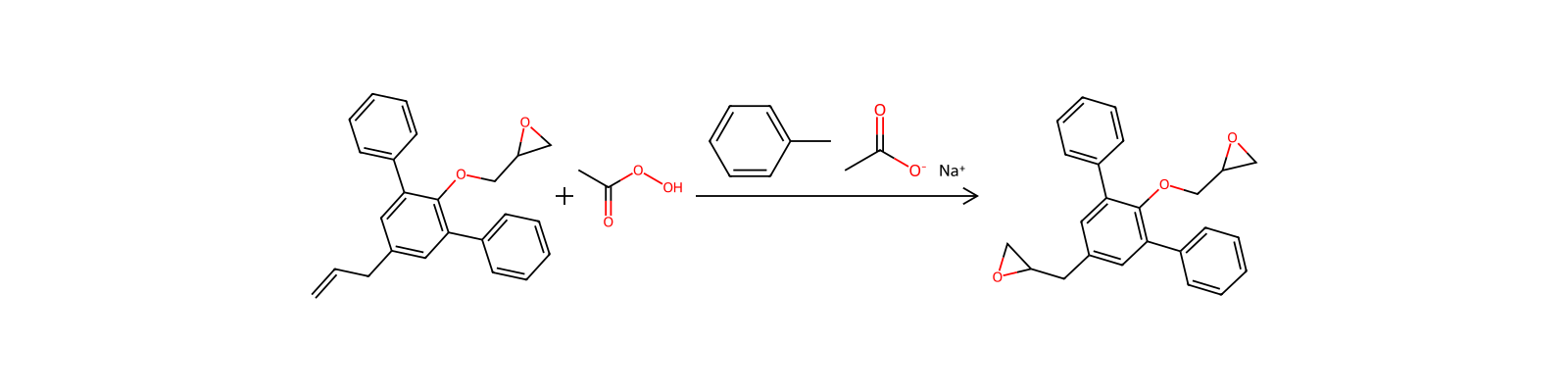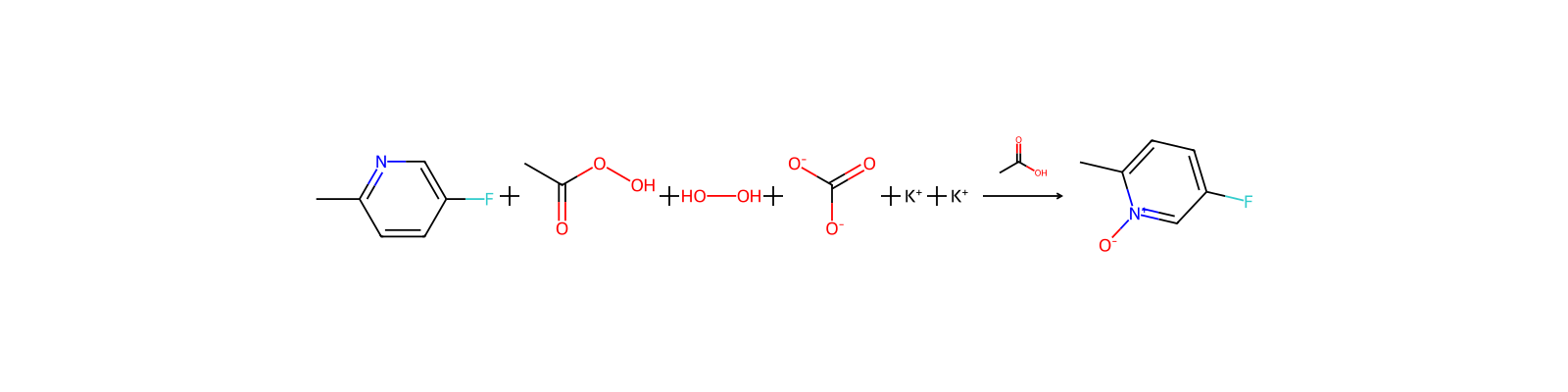
79-21-0CC(=O)OOKFSLWBXXFJQRDL-UHFFFAOYSA-NPeracetic acid is a colorless liquid with a strong, pungent acrid odor. Used as a bactericide and fungicide, especially in food processing; as a reagent in making caprolactam and glycerol; as an oxidant for preparing epoxy compounds; as a bleaching agent; a sterilizing agent; and as a polymerization catalyst for polyester resins. (EPA, 1998)
79-21-0DTXSID1025853CHEMBL444965CHEBI:42530Other Classes -> Peroxides, Organic
Corrosives
Agrochemicals -> Pesticide active substances
Active substance -> EU Pesticides database: Not approved
1.226 at 59 °F (EPA, 1998) - Denser than water; will sink
1.226 g/cu cm at 15 °C
Relative density (water = 1): 1.2
1.226 at 59 °F
1.23 @ 15°C
Danger
H242: Heating may cause a fire [Danger Self-reactive substances and mixtures; Organic peroxides]
P210, P234, P235, P240, P260, P262, P264, P270, P271, P273, P280, P284, P301+P316, P301+P330+P331, P302+P352, P302+P361+P354, P304+P340, P305+P354+P338, P316, P320, P321, P330, P361+P364, P363, P370+P378, P391, P403, P403+P233, P405, P410, P411, P420, and P501 (click each P-code to see the statement)
Danger
H226 (100%): Flammable liquid and vapor [Warning Flammable liquids]
P210, P233, P234, P235, P240, P241, P242, P243, P260, P261, P264, P264+P265, P270, P271, P273, P280, P284, P301+P316, P301+P317, P301+P330+P331, P302+P352, P302+P361+P354, P303+P361+P353, P304+P340, P305+P354+P338, P316, P317, P319, P320, P321, P330, P362+P364, P363, P370+P378, P391, P403, P403+P233, P403+P235, P405, P410, P411, P420, and P501 (click each P-code to see the statement)
Chemical: Ethaneperoxoic acid
Ethaneperoxoic acid is listed on the EPA's Chemical Data Reporting (CDR) system. Manufacturers and importers of Ethaneperoxoic acid are required to report information about their production and use of this chemical to the EPA under the Toxic Substances Control Act (TSCA). (40 eCFR Part 711)
Status: Active Update: 18-04-2023 https://echa.europa.eu/registration-dossier/-/registered-dossier/14885
Peracetic acid: Does not have an individual approval but may be used under an appropriate group standard
The New Jersey Worker and Community Right to Know Act requires public and private employers to provide information about hazardous substances at their workplaces. (N.J.S.A. 34:5A-1 et. seq.)
Decomposes violently at 230F. When heated to decomposition, this compound emits acrid smoke and fumes. Runoff to sewer may create a fire or explosion hazard. Powerful oxidizer. Isolate from other stored material, particularly accelerators, oxidizers, and organic or flammable materials. Avoid shock and heat. Hazardous polymerization may not occur. (EPA, 1998)
To explore possible mechanisms of the arachidonic acid deficiency of the RBC membrane in alcoholics, the effect of ethanol and its oxidized products, acetaldehyde and peracetic acid, with other peroxides on the accumulation of 14(C)arachidonate into RBC membrane lipids in vitro was compared. Incubation of erythrocytes with 50 mM ethanol or 3 mM acetaldehyde had no effect on arachidonate incorporation. Pretreatment of erythrocytes with 10 mM hydrogen peroxide, 0.1 mM cumene hydroperoxide or 0.1 mM t-butyl hydroperoxide had little effect on 14(C)arachidonate incorporation in the absence of azide. However, pretreatment of cells with N-ethylmaleimide, 0.1 mM peracetic acid or performic acid, with or without azide, inhibited arachidonate incorporation into phospholipids but not neutral lipids. In chase experiments, peracetate also inhibited transfer of arachidonate from neutral lipids to phospholipids. To investigate a possible site of this inhibition of arachidonate transfer into phospholipids by percarboxylic acids, a repair enzyme, arachidonoyl CoA: 1-palmitoyl-sn-glycero-3-phosphocholine acyl transferase was assayed. As in intact cells, phospholipid biosynthesis was inhibited more by N-ethylmalemide and peracetic acid than by hydrogen peroxide, cumene hydroperoxide, and t-butyl hydroperoxide. Peracetic acid was the only active inhibitor among ethanol and its oxidized products studied and may deserve further examination in ethanol toxicity.
Degradation products have not been identified during kinetic studies. However, based on the structure of the substance the following degradation products are expected: acetic acid, oxygen, hydrogen peroxide and water. Hydrogen peroxide is also presumed to be rapidly degraded into oxygen and water.
Substances used on inanimate objects that destroy harmful microorganisms or inhibit their activity. Disinfectants are classed as complete, destroying SPORES as well as vegetative forms of microorganisms, or incomplete, destroying only vegetative forms of the organisms. They are distinguished from ANTISEPTICS, which are local anti-infective agents used on humans and other animals. (From Hawley's Condensed Chemical Dictionary, 11th ed)
Wird geladen…
Very soluble in ether, sulfuric acid; soluble in ethanol
Miscible with water /1.0X10+6 mg/L/ at 25 °C
1000 mg/mL at 25 °C
Solubility in water: miscible
Corrosive to most metals, including aluminum
Highly corrosive
105 °F Peracetic Acid, 60% Acetic Acid Solution (EPA, 1998)
105 °F (40.6 °C) (open cup)
A comparison of producers' safety data sheets shows considerable scatter in measured flashpoints (see Table 2 of ECETOC report). The measured flash point (closed cup) for 5, 15 and 35% PAA was 74-83, 68-81 and 46-62 °C, respectively. For 15 % PAA the open cup flash point was > 100 °C. This scatter may be attributed to several factors e.g., PAA reacting with the sample container used in the flash point determination, thermal instability of the PAA solutions, loss of volatile material during analysis due to decomposition and excessive gassing, releasing oxygen and water which tend to extinguish any flame. While the reported flash point value may not be exact, it is an indication of the temperature at which vapours can ignite. Most of the PAA equilibrium grades ranging from 5% to 15% exhibit closed-cup flash points but no measurable open-cup flash points.
40.5 °C o.c.
105 °F (60% acetic acid solution)
Flammable. Above 40.5 °C explosive vapour/air mixtures may be formed. Explosive.
Flammable liquid.
Dangerous, keep away from combustible materials.
Highly corrosive to skin; [Quick CPC] Commercial solution is peracetic acid, hydrogen peroxide, acetic acid, and water (at equilibrium); [Merck Index] May decompose violently from shock, friction, or concussion; A strong oxidizing agent that reacts violently with combustible substances; Corrosive to skin, eyes, and respiratory tract; Inhalation may cause pulmonary edema; [ICSC] Does not exist in pure (100%) form; Commercially available as an equilibrium solution, distilled product (mainly peracetic acid and water), and can be generated in situ with an activator and a persalt dissolved in water; [OECD SIDS] Occupational asthma confirmed by broncho-provocation testing in two endoscopy unit workers exposed to peracetic acid/hydrogen peroxide mixture; [Malo] TLV Basis: Irritation (upper respiratory, eye, and skin); [ACGIH] Available in 40% solution; Causes severe burns; Inhalation of high concentration can cause injury to the upper respiratory tract; [MSDSonline]
USEPA/Office of Pesticide Programs; Reregistration Eligibility Decision Document - Peroxy Compounds (December 1993). The RED summarizes the risk assessment conclusions and outlines any risk reduction measures necessary for the pesticide to continue to be registered in the U.S.[Available from, as of September 8, 2010: http://www.epa.gov/pesticides/reregistration/status.htm]
Organization for Economic Cooperation and Development; SIDS Initial Assessment Profile (SIAP) for Peracetic acid (79-21-0) (SIAM 26, April 2008). This OECD Initial Assessment is part of a series of OECD SIDS documents published by UNEP Chemicals to facilitate the access to information needed for health and environmental risk assessments of chemicals.[Available from, as of October 5, 2010: http://webnet.oecd.org/Hpv/ui/SponsoredSubstances.aspx]
European Commission, ESIS; IUCLID Dataset, Peracetic acid (79-21-0) (2000 CD-ROM edition) contains information on use, toxicology, and environmental effects of this chemical as supplied to the European Union by industry.[Available from, as of September 14, 2010: http://esis.jrc.ec.europa.eu/]
Flemming HC; Peracetic Acid as Disinfectant--A Review Zentralbl Bakteriol Mikrobiol Hyg (B) 179 (2): 97-111 (1984). A review on peracetic acid as a disinfectant.
If fire occurs in the vicinity of this compound, water should be used to keep containers cool. Cleanup and salvage operations should not be attempted until all of the peroxyacetic acid solution has cooled completely. Keep unnecessary people away; wear self-contained breathing apparatus and full protective clothing.
Use water spray. In case of fire: keep drums, etc., cool by spraying with water. Combat fire from a sheltered position.
Fresh air, rest. Half-upright position. Refer for medical attention.
First rinse with plenty of water for at least 15 minutes, then remove contaminated clothes and rinse again. Refer for medical attention .
First rinse with plenty of water for several minutes (remove contact lenses if easily possible), then refer for medical attention.
Rinse mouth. Do NOT induce vomiting. Refer for medical attention .
Signs and Symptoms of Acute Peracetic Acid Exposure: Signs and symptoms of acute ingestion of peracetic acid may include corrosion of mucous membranes of mouth, throat, and esophagus with immediate pain and dysphagia (difficulty swallowing); ingestion may cause gastrointestinal tract irritation. Inhalation of vapors or fumes may result in respiratory tract irritation; peracetic acid is highly irritating to the skin and eyes.
Use flooding quantities of water. Use water spray to keep fire-exposed containers cool. Fight fire from protected location or maximum possible distance. Approach fire from upwind to avoid hazardous vapors and toxic decomposition products. /Peracetic acid (less than 40%)/
To fight fire, use water, foam, CO2.
The only respirators recommended for fire fighting are self-contained breathing apparatuses that have full facepieces and are operated in a pressure-demand or other positive-pressure mode.
Cover with weak reducing agents such as hypo, bisulfites or ferrous salts. Bisulfites or ferrous salts need additional promoter of some 3M sulfuric acid for rapid reaction. Transfer the slurry (or sludge) into a large container of water and neutralize with soda ash. ...
Use water spray to cool and disperse vapors, protect personnel, and dilute spills to form nonflammable mixtures. Absorb in noncombustible material for proper disposal. /Peracetic acid (less than 40%)/
Wear a face shield and goggles, butyl rubber gloves, and a laboratory coat. Cover the spill with a 1:1:1 mixture by weight of sodium carbonate or calcium carbonate, clay cat litter (bentonite), and sand. Using a plastic scoop, shovel the mixture into a plastic container and transport to the fume hood. Slowly add to a pail of cold water. Avoid contact with metal. To the aqueous solution add an ice-cold concentrated aqueous solution of sodium bisulfite until a drop of the mixture on starch-iodide paper does not produce a blue color. Test the pH of the solution and neutralize with 5% aqueous hydrochloric acid or sodium carbonate as appropriate. Decant the solution to the drain. Treat the solid residue as normal refuse.
Wear a face shield, goggles, butyl rubber gloves, and a laboratory coat. In the fume hood behind a shield, add the peracetic acid to a large volume of ice-cold, saturated sodium bisulfite solution. Test a drop of the solution with starch-iodide paper. If a blue color is produced, add more saturated sodium bisulfite solution. Neutralize the solution with a 5% aqueous hydrochloric acid or with sodium carbonate as appropriate. Wash into the drain.
/SRP: For laboratory scale quantities/: Destruction procedure: Add 5 mL or 5 g of the compound to 100 mL of 10% (w/v) sodium metabisulfite solution and stir the mixture at room temp. Test for completeness of destruction by adding a few drops of the reaction mixture to an equal volume of 10% (w/v) potassium iodide soln, acidifying with 1 M hydrochloric acid soln, and adding a drop of starch as an indicator. A deep blue color indicates the presence of excess oxidant. If destruction is complete, discard the mixture. If destruction is not complete, add more sodium metabisulfite soln until a negative test is obtained. /Peracids/
SRP: The most favorable course of action is to use an alternative chemical product with less inherent propensity for occupational harm/injury/toxicity or environmental contamination. Recycle any unused portion of the material for its approved use or return it to the manufacturer or supplier. Ultimate disposal of the chemical must consider: the material's impact on air quality; potential migration in soil or water; effects on animal and plant life; and conformance with environmental and public health regulations.
Evacuate danger area! Consult an expert! Personal protection: chemical protection suit including self-contained breathing apparatus. Do NOT let this chemical enter the environment. Do NOT wash away into sewer. Do NOT absorb in saw-dust or other combustible absorbents. Collect leaking and spilled liquid in covered plastic containers as far as possible. Absorb remaining liquid in sand or inert absorbent. Then store and dispose of according to local regulations.
Intraperitoneal injection of PAA into Swiss-derived mice which had first received ip injection of Ehrlich-Lettre ascites tumor cells prolonged the survival time of the animals. All of the control mice were found dead within 32 days. At that time approx half of the treated animals receiving 0.5 mL of a 60 mg/L PAA solution were alive. PAA was found to reduce ascites cell numbers.
EC50; Species: Daphnia magna (water flea); Concentration: 6.6 mg/L/24 hr; Effect: immoblization /Conditions of bioassay not given/
EC50; Species: Daphnia magna (water flea); Concentration: 3.3 mg/L/48 hr; Effect: immoblization /Conditions of bioassay not given/
LC50; Species: Pleuronectes platessa (European plaice); Conditions: saltwater, semistatic; Concentration: 98.7 mg/L/24 hr
LC50; Species: Pleuronectes platessa (European plaice); Conditions: salt water, semistatic; Concentration: 89.1 mg/L/96 hr
For more Ecotoxicity Values (Complete) data for Peracetic acid (17 total), please visit the HSDB record page.
TERRESTRIAL FATE: Based on a classification scheme(1), an estimated Koc value of 1.5(SRC), determined from a structure estimation method(2), indicates that peracetic acid is expected to have very high mobility in soil(SRC). The pKa of peracetic acid is 8.2(3), indicating that this compound will partially exist in anion form in the environment and anions generally do not adsorb more strongly to soils containing organic carbon and clay than their neutral counterparts(4). Volatilization of peracetic acid from moist soil surfaces is expected to be an important fate process(SRC) given a Henry's Law constant of 2.14X10⁻⁶ atm-cu m/mole(5). Peracetic acid is expected to volatilize from dry soil surfaces(SRC) based upon a vapor pressure of 14.5 mm Hg at 25 °C(6). A >70% of theoretical BOD using sewage inoculum over an unspecified time frame(7) suggests that biodegradation is an important environmental fate process in soil(SRC).
AQUATIC FATE: Based on a classification scheme(1), an estimated Koc value of 1.5(SRC), determined from a structure estimation method(2), indicates that peracetic acid is not expected to adsorb to suspended solids and sediment(SRC). Volatilization from water surfaces is expected(3) based upon a Henry's Law constant of 2.14X10⁻⁶ atm-cu m/mole(4). Using this Henry's Law constant and an estimation method(3), volatilization half-lives for a model river and model lake are 15 and 112 days, respectively(SRC). A pKa of 8.2(5) indicates peracetic acid will exist partially in the anion form at pH values of 5 to 9. According to a classification scheme(6), an estimated BCF of 3(SRC), from an estimated log Kow of -1.07(7) and a regression-derived equation(8), suggests the potential for bioconcentration in aquatic organisms is low(SRC). A >70% of theoretical BOD using sewage inoculum over an unspecified time frame(9) suggests that biodegradation is an important environmental fate process in water(SRC). Hydrolysis half-lives of 8 hours and 50 minutes were calculated for peracetic acid at pH values of 7 and 8, respectively, using a base-catalyzed second-order hydrolysis rate constant of 230 L/mole-sec(SRC) that was estimated using a structure estimation method(10). Peracetic acid is expected to hydrolyze to acetic acid and hydrogen peroxide in water(11).
ATMOSPHERIC FATE: According to a model of gas/particle partitioning of semivolatile organic compounds in the atmosphere(1), peracetic acid, which has a vapor pressure of 14.5 mm Hg at 25 °C(2), is expected to exist solely as a vapor in the ambient atmosphere. Vapor-phase peracetic acid is degraded in the atmosphere by reaction with photochemically-produced hydroxyl radicals(SRC); the half-life for this reaction in air is estimated to be 9 days(SRC), calculated from its rate constant of 1.7X10⁻¹² cu cm/molecule-sec at 25 °C(3). Peracetic acid contains chromophores that absorb at wavelengths >290 nm(4) and therefore may be susceptible to direct photolysis by sunlight(SRC). Peracetic acid's high water solubility enables it to be removed from the atmosphere by wet deposition and become a constituent in acid rain(5).
Peracetic acid (PAA) is commercialized as an equilibrium aqueous solution in which peracetic acid is in equilibrium with hydrogen peroxide, acetic acid and water. The concentration of peracetic acid, hydrogen peroxide and acetic acid can reach levels of about 40, 30 and 40 %, respectively, in certain equilibrium solutions. Nearly all toxicity studies, related with human health and environment, were done with equilibrium solutions. PAA is also commercialized as a distilled product containing primarily peracetic acid and water. Distilled PAA solutions are unstable under ambient conditions and re-equilibrate under formation of hydrogen peroxide and acetic acid. By cooling below 0 °C the hydrolysis reaction is slowed down. The amount of peracetic acid in these aqueous solutions ranges from about 0.15 to 40 %. ... Human Health: An in vitro dermal penetration assay at 37 °C using 0.8 % PAA (non corrosive) indicated a low dermal uptake of peracetic acid through the intact skin of pigs. When the skin of rats was exposed to a corrosive concentration of (14)C-labelled PAA a considerable uptake of (14)C was found but it is unknown if the (14)C was present as peracetic acid, acetic acid or CO2. It is expected that corrosive concentrations of PAA would compromise the normal barrier function of the skin. Two reliable in vitro studies, using different analytical methods, showed a rapid degradation of peracetic acid in rat blood. When rat blood was diluted 1000 times, the half-life of peracetic acid was < 5 minutes. In undiluted blood the half-life is expected to be several seconds or less. For this reason the distribution of peracetic acid is probably very limited and it is not expected to be systemically available after exposure to peracetic acid solutions. Degradation products have not been identified during the kinetic studies. However, based on the structure of the substance the following degradation products are expected: acetic acid, oxygen, hydrogen peroxide and water. Hydrogen peroxide is also presumed to be rapidly degraded into oxygen and water. The results of acute toxicity tests are expressed on the component peracetic acid, which was calculated based on the composition of the product used for the acute tests. The available acute inhalation studies with aerosols and vapour revealed an 4 hr-LC50 ranging from 76 to >241 mg/cu m. The acute dermal toxicity of PAA solutions was tested in rats and rabbits. No sign of dermal toxicity was observed when rats were exposed to solutions of 0.15-15%, while LD50 values of 56.1 and 228.8 mg PAA/kg bw were reported for rabbits for concentrations of 4.9 and 11.7 % PAA, respectively. The dermal toxicity depends on the degree of skin damage caused by the different PAA solutions, since the corrosive properties of PAA solutions may compromise the integrity of the skin. In oral toxicity studies LD50 values ranged between 9.0 and 202.8 mg/kg bw based on the component peracetic acid. sporadic contact with even dilute solutions with the oesophagus could lead to deaths due to corrosion of the tissue and could explain the variability in the LD50. The pathology and symptoms were similar across all studies, indicating irritation and corrosion of tissues in contact with the test material. PAA solutions should be considered as corrosive (within 3 minutes) at concentrations of 10 % and higher when applied to the skin of rabbits. PAA was generally corrosive to rabbit skin at a concentration of 5 % if contact lasted 45 minutes or longer. Concentrations of less than 0.34 % PAA were only slight irritants or non-irritants, depending on the exposure duration of the skin. PAA was corrosive at concentrations of 0.34 % and higher when tested in the rabbit eye. Slight or no eye irritation was found at concentrations of 0.15 % or less PAA. Incidental human findings on skin and eye irritation are supporting the animal studies. Peracetic acid gave a positive response in Alarie assay in the mouse, with an RD50 value (concentration producing a 50 % decrease in the respiratory rate) of 12 and 17 mg/m3 (peracetic acid in vapour mixture from the formulation and peracetic acid only). Human data support the sensory irritating properties of peracetic acid. No skin sensitisation was observed in three Buhler tests in guinea pigs with different formulations of PAA. The exposure concentration of peracetic acid ranged from 0.15 to 1.2 % during the tests. Additionally, long term experience with production and use of PAA has shown that PAA has no sensitisation potential. To investigate the repeated dose toxicity, a GLP guideline study was done with rats, which were exposed by gavage for 13 weeks to 5 % PAA diluted to various concentrations (0.018 % to 0.55 % of the component peracetic acid). At 0.75 mg/kg/day transient or intermittent loud breathing was observed in two females but the effect was not considered adverse. Based on the results of this study the NOAEL was 0.75 mg/kg bw/day (component peracetic acid). The only observed effects were local effects that are concentration related. It is therefore reasonable to define a No Observed Adverse Effect Concentration rather than a classical NOAEL. Based on the component peracetic acid, the NOAEC for local effects was 0.055 %. Gene mutation assays in bacteria tests, with and without metabolic activation, showed negative results. Two DNA repair tests in human foetal lung cells did not indicate a genotoxic potential of PAA. In the in vitro chromosome aberration test, positive findings were obtained only at cytotoxic concentrations. Under in vivo conditions, PAA (4.5 and 5.17% product) did not produce micronuclei in two mouse micronucleus tests after oral administration. In two in vivo/ex vivo assays of unscheduled DNA synthesis in rats after oral administration, PAA did not show significant genotoxicity potential. Overall these data do not raise concern with regard to the mutagenic and genotoxic potential of PAA However, peracetic acid is not systemically available and this could explain the lack of in vivo mutagenicity, but site of contact effects cannot be excluded completely. No valid carcinogenicity study with PAA is available. No valid data on fertility are available. However, in a well documented GLP and guideline study aqueous dilutions of 5 % PAA were administered daily by gavage to Sprague-Dawley rats for 13 weeks. No effects of peracetic acid on the reproductive organs of both sexes following macroscopic post mortem examinations and microscopic examinations (histopathology) were notable during the study. Because peracetic acid is rapidly degraded in blood, distribution to reproductive organs is not anticipated, and therefore it is unlikely to be a reproductive toxicant. In addition, the degradation product hydrogen peroxide did not indicate any effect in the reproductive organs during a 90-day drinking water study and furthermore, a rapid degradation was presumed resulting in a lack of systemic availability In a well documented GLP and guideline developmental toxicity study performed with 32-38 % PAA, pregnant Wistar rats were administered dose levels of 100, 300 or 700 mg peracetic acid/l (corresponding to 12.5, 30.4 and 48.1 mg peracetic acid/kg bw/day) via the drinking water from day 5 to 20 of gestation. No teratogenic effect was evident up to and including the high dose level of 700 mg peracetic acid/l (48.1 mg peracetic acid/kg bw/day). Dose and treatment-related maternal toxicity was observed, considering water and food consumption, above 100 mg/L (12.5 mg PAA/kg bw). At 700 mg peracetic acid/L (48.1 mg/kg bw) this resulted in severe reductions in drinking water and food consumption and in absolute body weight as well as by a drastic reduction in overall body weight gain and in body weight gain corrected for uterine weight. At the high dose level, fetal weight was statistically significantly reduced (5 %) but litter size at this dose level was about 13 % higher than in controls. However, it is doubtful if the reduction of 5% is biologically relevant The overall NOAEL for foetal toxicity is therefore 300 mg/L (30.4 mg PAA/kg bw) based on a statistically significantly lower body weight and an increased incidence of poor and/or hypertrophic ossification (bone formation) in the presence of severe maternal effects (maternal NOAEL = 100 mg/L or 12.5 mg PAA/kg bw/day). Environment Peracetic acid is an organic substance which is completely miscible with water (water solubility of 1000 g/l at 20 °C) and which displays oxidising properties. Pure peracetic acid is not available because it is explosive. For this reason it is technically not possible to perform an experimental study according to the guidelines to determine the melting point, boiling point and vapor pressure of pure peracetic acid. Based on modelling, the melting point, boiling point and vapour pressure were estimated to be -42 °C, about 105 °C and 32 hPa (at 25 °C), respectively. The log Pow was reported to be -0.52 (measured value) and the Henry Law's constant is 0.22 Pa cu m/mol. The pKa of peracetic acid is 8.2 at 20 °C and therefore the substance is mainly present in the environment as peracetic acid at a neutral pH (pH = 7), while peracetate would mainly be present if the pH is significantly higher than 8.2. Based on the high water solubility, low vapour pressure and low octanol-water partition coefficient, peracetic acid is expected to partition almost exclusively to the aquatic compartment (99.95 %). In air the half-life of peracetic acid is 22 minutes. The abiotic degradation of peracetic acid increases with temperature and pH. At a temperature of 25 °C and at pH of 4, 7 and 9, the degradation half-life value were 48, 48 and < 3.6 hours respectively. Peracetic acid was readily biodegradable during a biodegradation test when an inhibition of the micro-organisms (biocidal effect) was prevented. Peracetic acid will be degraded in a sewage treatment plant if the influent concentration is not extremely high (eg > 100 ppm). If effluents generated during the production or use of PAA are treated by a waste water treatment plant, no emission of peracetic acid to the aquatic environment is expected. Several studies on acute toxicity to aquatic species are available for all trophic levels. The pH of the test solutions was not adapted during the studies because a decrease of the pH was not found. In most cases the endpoints of the aquatic toxicity tests were based on nominal concentrations. The 96-hr LC50 values for fish ranged between 0.9 and 3.3 mg/l in most freshwater species. The 48-hr EC50 for D. magna ranged between 0.5 and 1.0 mg/L. Based on the representative standard toxicity tests, the lowest 72-hr NOEC of 0.084 mg/L was found for Pseudokirchneriella subcapitata (formerly known as Selenastrum capricornutum). The lowest EC50 value of 0.18 mg/L was found during a 120-hr growth inhibition test with P. subcapitata. . To determine the toxicity for microorganisms, two respiration inhibition tests with activated sludge of predominantly domestic sewage treatment plants were conducted. The EC50 after 3 hours was 5.1 and 38.6 mg peracetic acid/l (based on nominal concentrations), respectively. In general, the aquatic tests with fish, invertebrates and algae were reproducible if concentrations were expressed as peracetic acid irrespective of the concentrations of hydrogen peroxide and acetic acid. Thus, the peracetic acid concentration alone may explain the toxicity of PAA formulations. Exposure The global number of production sites is estimated to be 40-100 and the majority of the production sites are located in Europe. The equilibrium peracetic acid consumption (as such) in 2004 was estimated to be: - 40,000 - 80,000 tonnes in Europe - less than 20,000 tonnes in the USA and - less than 10,000 tonnes in the rest of the world. The quantities of equilibrium peracetic acid, given above, are mainly used for disinfection. Neither use of peracetic acid for chemical synthesis nor in situ generation of peracetic acid is included. Major uses of peracetic acid are in chemical synthesis, disinfection and bleaching. Low concentrations (1-15 %) are used as sanitisers, disinfectants and sterilants in agriculture, food, beverage and medical industries. High-strength equilibrium (> 15 %) and distilled peracetic acid products are in general employed as oxidising agents in the manufacture of organic chemicals and pharmaceuticals. Distilled peracetic acid is also used as bleaching agent in TCF cellulose pulp production processes replacing chlorine dioxide. Peracetic acid seems to be used in certain European countries in consumer products, which are used for example for hard surface disinfection. Peracetic acid is also generated in situ when products, containing an activator (eg tetra-acetyl ethylenediamine, TAED) and a persalt (sodium perborate or sodium percarbonate), are dissolved in water. These products could be laundry detergents but they could also be used for surface disinfection (eg hospitals, farms). World-wide consumption in chemical synthesis including captive use (internal use by a company) and in situ generation has been estimated at 45,000-50,000 tonnes peracetic acid (100 %) in 1998. During use of peracetic acid the substance may be released to the aquatic environment Also in situ formation may result in an exposure of the aquatic environment. However, if the effluents are treated by wastewater treatment plants no emission of peracetic acid to the aquatic environment is expected.
/AQUATIC SPECIES/ ... This study is aimed at highlighting the ecotoxicity of a peracetic acid-based disinfectant to Daphnia magna, as well as the combined effects of this disinfectant in binary mixtures with three types of detergent. The detergents used here are: cetyltrimethylammonium bromide (CTAB, cationic), sodium dodecylsulfate (SDS, anionic) and Triton X-100 (TX, non-ionic). The toxicity of the mixtures is studied as a function of five predefined ratios. ... Peracetic acid seems to be slightly toxic to Daphnia magna... the /EC50/ ... at 24 hr is 116.6 mg/L. ... The peracetic acid-TX mixture/'s/ effects have antagonistic tendencies whereas the peracetic acid-CTAB mixture has slight synergic tendencies. The mixture containing peracetic acid and SDS is slightly antagonistic for ratios containing more than 50% peracetic acid.
/AQUATIC SPECIES/ Enzymatic activities of glutathione S-transferases, glyoxalase I, glyoxalase II, glutathione peroxidases, glutathione reductase, catalase and total glutathione content of carp liver, exposed to surface water treated with three disinfectants for potabilization, sodium hypochlorite, chlorine dioxide and peracetic acid were investigated. Specimens of carp were exposed in four experimental tanks supplied with a continuous water flow from Lake Trasimeno (Italy), three of them treated with constant concentration of sodium hypochlorite, chlorine dioxide and peracetic acid, for 10 and 20 days, while the control tank was supplied with untreated lake water. Differences in biochemical parameters were observed in specimens following exposure to these disinfectants and mainly, chlorine compounds induced marked biochemical variations of carp liver, compared to those induced by peracetic acid treatment ...
/AQUATIC SPECIES/ ... Ecotoxicologic effects of urban wastewater disinfected with sodium hypochlorite or peracetic acid were analyzed ... using Daphnia magna. The acute toxicity of peracetic acid in sewage was 0.4 mg/L (24 hr EC50). By comparing this value with peracetic acid concentrations detected in effluents from a pilot plant it is expected that treated wastewater would show acute toxic effects on aquatic organisms. Dissociation compounds (hydrogen peroxide and acetic acid) and possible by-products of peracetic acid did not seem to contribute significantly to the toxicity of sewage treated with peracetic acid.
/AQUATIC SPECIES/ Overall the effect of PAA solutions on aquatic organisms occurred at concentrations higher than 1 mg/L. Fresh water species and crustaceans appeared more sensitive than salt water species. However, the development of mollusk larvae was found to be the most sensitive organism to the toxic effect of PAA. PAA is an active bactericide at levels above 5 mg/L. It is also active on spores, viruses, and fungi. The chronic toxicity of PAA should be neglible due to rapid transformation into hydrogen peroxide and acetic acid, themselves readily degradable to non-toxic species (H2O, CO2, O2).
Burning sensation. Cough. Laboured breathing. Shortness of breath. Sore throat. Symptoms may be delayed.
MAY BE ABSORBED! Redness. Pain. Blisters. Skin burns.
Redness. Pain. Severe deep burns.
Abdominal pain. Burning sensation. Shock or collapse.
Using a structure estimation method based on molecular connectivity indices(1), the Koc of peracetic acid can be estimated to be 1.5(SRC). According to a classification scheme(2), this estimated Koc value suggests that peracetic acid is expected to have very high mobility in soil. The pKa of peracetic acid is 8.2(3), indicating that this compound will partially exist in anion form in the environment and anions generally do not adsorb more strongly to soils containing organic carbon and clay than their neutral counterparts(4).
/HUMAN EXPOSURE STUDIES/ Concentrations of 4.6 mg PAA/cu m were used in intensive care rooms for short time disinfection purposes. No symptoms were reported by clnical personnel or patients except for a slight acid odor.
/HUMAN EXPOSURE STUDIES/ Surgeons using PAA as a 0.2% solution (3 min contact) after having washed their hands with soap did not mention any intolerance to the disinfectant. Only when small wounds were present, a burning sensation was reported.
/HUMAN EXPOSURE STUDIES/ A 0.1% PAA solution was applied to the eyelids for 5-10 min via a compress. A slight burning though not unpleasant sensation was felt which disappeared during application.
/HUMAN EXPOSURE STUDIES/ Peracetic acid was found not irritating in a patch test on eczema prone patients after 48 hr or 96 hr with an occlusive patch test at concentrations up to 0.25% peracetic acid. A positive reaction was found in 7/56 patients at 0.35%.
For more Human Toxicity Excerpts (Complete) data for Peracetic acid (17 total), please visit the HSDB record page.
Residues of the following chemical substances are exempted from the requirement of a tolerance when used in accordance with good manufacturing practice as ingredients in an antimicrobial pesticide formulation, provided that the substance is applied on a semi-permanent or permanent food-contact surface (other than being applied on food packaging) with adequate draining before contact with food. (a) The following chemical substances when used as ingredients in an antimicrobial pesticide formulation may be applied to: Food-contact surfaces in public eating places, dairy-processing equipment, and food-processing equipment and utensils. Peroxyacetic acid is included on this list. Limit: When ready for use, the end-use concentration is not to exceed 58 ppm.
Residues of the following chemical substances are exempted from the requirement of a tolerance when used in accordance with good manufacturing practice as ingredients in an antimicrobial pesticide formulation, provided that the substance is applied on a semi-permanent or permanent food-contact surface (other than being applied on food packaging) with adequate draining before contact with food. ... (b) The following chemical substances when used as ingredients in an antimicrobial pesticide formulation may be applied to: Dairy processing equipment, and food-processing equipment and utensils. Peroxyacetic acid is included on this list. Limit: When ready for use, the end-use concentration is not to exceed 315 ppm.
Residues of the following chemical substances are exempted from the requirement of a tolerance when used in accordance with good manufacturing practice as ingredients in an antimicrobial pesticide formulation, provided that the substance is applied on a semi-permanent or permanent food-contact surface (other than being applied on food packaging) with adequate draining before contact with food. ... (c) The following chemical substances when used as ingredients in an antimicrobial pesticide formulation may be applied to: Food-processing equipment and utensils. Peroxyacetic acid is included on this list. Limit: When ready for use, the end-use concentration is not to exceed 315 ppm.
Based on the reviews of the generic data for hydrogen peroxide, peroxyacetic acid and potassium peroxymonosulfate sulfate, the Agency has sufficient information to determine whether these chemicals will cause unreasonable adverse effects to humans or the environment. The Agency concludes that products containing hydrogen peroxide, peroxyacetic acid and potassium peroxymonosulfate sulfate for all uses are eligible for reregistration and as labeled and used as specified in this Reregistration Eligibility Decision, will not pose unreasonable risks or adverse effects to humans or the environment.
As the federal pesticide law FIFRA directs, EPA is conducting a comprehensive review of older pesticides to consider their health and environmental effects and make decisions about their continued use. Under this pesticide reregistration program, EPA examines newer health and safety data for pesticide active ingredients initially registered before November 1, 1984, and determines whether the use of the pesticide does not pose unreasonable risk in accordance to newer saftey standards, such as those described in the Food Quality Protection Act of 1996. Pesticides for which EPA had not issued Registration Standards prior to the effective date of FIFRA '88 were divided into three lists based upon their potential for human exposure and other factors, with List B containing pesticides of greater concern than those on List C, and with List C containing pesticides of greater concern than those on List D. Peroxyacetic acid is found on List D. Case No: 4072; Pesticide type: fungicide, herbicide, rodenticide, antimicrobial; Case Status: RED Approved 12/93; OPP has made a decision that some/all uses of the pesticide are eligible for reregistration, as reflected in a Reregistration Eligibility Decision (RED) document.; Active ingredient (AI): Peroxyacetic acid; AI Status: OPP has completed a Reregistration Eligibility Decision (RED) document for the case/AI.
Releases of CERCLA hazardous substances are subject to the release reporting requirement of CERCLA section 103, codified at 40 CFR part 302, in addition to the requirements of 40 CFR part 355. Peracetic acid is an extremely hazardous substance (EHS) subject to reporting requirements when stored in amounts in excess of its threshold planning quantity (TPQ) of 500 lbs.
Peracetic acid
1
10000
Flammable chemical that can be released at a facility.
Electron-accepting molecules in chemical reactions in which electrons are transferred from one molecule to another (OXIDATION-REDUCTION).
An in vitro dermal penetration assay at 37 °C using 0.8 % PAA (non-corrosive) indicated a low dermal uptake of peracetic acid through the intact skin of pigs. When the skin of rats was exposed to a corrosive concentration of (14)C-labelled PAA, a considerable uptake of (14)C was found but it is unknown if the (14)C was present as peracetic acid, acetic acid, or CO2. It is expected that corrosive concentrations of PAA would compromise the normal barrier function of the skin.
Two reliable in vitro studies, using different analytical methods, showed a rapid degradation of peracetic acid in rat blood. When rat blood was diluted 1000 times, the half-life of peracetic acid was < 5 minutes. In undiluted blood the half-life is expected to be several seconds or less. For this reason the distribution of peracetic acid is probably very limited and it is not expected to be systemically available after exposure to peracetic acid solutions.
Used as a bleaching agent of paper and textiles, a catalyst of polymerization, a fungicide, and a chemical intermediate; [HSDB] Also used as an oxidizing agent in organic synthesis; [Merck Index] Used as a disinfectant/sanitizer for food, industrial, medical, and residential applications; [Reference #2] Used to sterilize reusable medical and dental equipment; [ACGIH]
Pulp and Paper Processing [Category: Industry]
For peroxyacetic acid (USEPA/OPP Pesticide Code: 063201) ACTIVE products with label matches. /SRP: Registered for use in the U.S. but approved pesticide uses may change periodically and so federal, state and local authorities must be consulted for currently approved uses./
Bleaching textiles, paper, oils, waxes starch; polymerization catalyst; bactericide and fungicide, especially in food processing; epoxidation of fatty acid esters and epoxy resin precursors; reagent in making caprolactam, synthetic glycerol.
Peracetic acid at a concentration of 0.1% in water has been found to be an effective disinfectant for Schiotz tonometers. ...
Disinfectant
2023: 40,000,000 - <55,000,000 lb
(1972) PROBABLY GREATER THAN 1.08X10+10 G
(1974) GREATER THAN 1.08X10+10 G
(2004) <2000 tons
Ethaneperoxoic acid is listed as a High Production Volume (HPV) chemical (65FR81686). Chemicals listed as HPV were produced in or imported into the U.S. in >1 million pounds in 1990 and/or 1994. The HPV list is based on the 1990 Inventory Update Rule. (IUR) (40 CFR part 710 subpart B; 51FR21438).
For more U.S. Production (Complete) data for Peracetic acid (6 total), please visit the HSDB record page.
Solutions of peracetic acid, hydrogen peroxide, acetic acid and water are produced by reacting glacial acetic acid with hydrogen peroxide in the presence of a catalyst such as a mineral acid: Acetic acid + hydrogen peroxide <--> peracetic acid + water Specific grades are obtained by controlling the concentration and amount of hydrogen peroxide and acetic acid during the manufacturing process. Adding an acid or increasing the temperature during the manufacturing process can accelerate the establishment of the final equilibrium concentration (grade). Commercial grades are available in peracetic acid concentrations ranging from about 0.3 to 40 % by weight. Solutions with a relatively low content of acetic acid and hydrogen peroxide can be produced by distillation of the equilibrium solutions. In this way distilled peracetic acid is obtained. Based on the manufacturing process, which is presented above, it is evident that pure peracetic acid is not produced/isolated when solutions of peracetic acid are manufactured. Peracetic acid is also generated in situ when products, containing an activator (e.g. tetra-acetyl ethylenediamine, TAED) and a persalt (sodium perborate or sodium percarbonate), are dissolved in water.
Reaction of hydrogen peroxide and glacial acetic acid in the presence of sulfuric acid catalyst.
Commercial product is an equilibrium solution of peracetic acid, hydrogen peroxide, acetic acid and water
Commercially, ozone is used as a catalyst below 15 °C in the production of peracetic acid from acetaldehyde and ozone.
For more Methods of Manufacturing (Complete) data for Peracetic acid (6 total), please visit the HSDB record page.
40% peracetic acid, 40% acetic acid, 5% hydrogen peroxide, 13% water, 500 ppm stabilizer
Grade: technical, 40% soluble in acetic acid
Commercially available as a 40% solution in acetic acid.
EPA Safer Chemical Functional Use Classes -> Antimicrobial Actives
Safer Chemical Classes -> Green circle - The chemical has been verified to be of low concern
All Other Basic Organic Chemical Manufacturing
Ethaneperoxoic acid: ACTIVE
A bioprosthesis sterilized with peracetic acid can be detoxified within 5 min by treatment with a sodium sulfite solution or by storing once in distilled water for 3 days.
Storage of swine aortas in pH 5.6 buffered 1.332 M formaldehyde or 26.30 mM peracetic acid for 180 days gave no differences in mechanical strength and stability of the prostheses.
Reprocessing of dialyzers using peracetic acid is an alternative to formaldehyde.
BeschreibungSince the early 1900s, chlorine has been used as a water disinfectant. It was favored by water and wastewater industries for disinfection until several harmful disinfection by-products were discovered in chlorinated water. Studies were done to find and eliminate disinfection byproduct precursors and look for an alternative disinfectant, which turned out to be peracetic acid, or PAA. Peracetic acid is a chemical product belonging to peroxide compounds such as hydrogen peroxide. However, unlike hydrogen peroxide, it is a more potent antimicrobial agent. Peracetic acid has high germicidal efficiency and sterilizing capability, and its degradation residuals are not dangerous to the environment or toxic to human health. Until 1960, peracetic acid was of special interest to the food processing industry and actually was considered the only agent able to replace glutaraldehyde in the sterilization of surgical, medical, and odontoiatry instruments. The actual core medical applications of peracetic acid are its potent antimicrobial action, also at low temperatures, and the total absence of toxic residuals.
VerwendenPeroxyacetic acid is used as an epoxidizingagent, for bleaching, as a germicide and fungicide, and in the synthesis of pharmaceuticals.Its solution Dialox is used as a cleansing andsterilizing agent in the reuse of highly permeable dialyzers. Turcic et al. (1997) have reported the efficacy of peroxyacetic acid asa local antiseptic in healing war wounds.Oxidative degradation of polynuclear aromatic hydrocarbons by peroxy acid in contaminated soils has been effectively achieved(N’Guessan et al. 2004).
/PLANTS/ Phytotoxic effects fround from 10 mg PAA/L in some growing vegetables (bean sprouts) whereas potato plants showered with up to 2000 mg/L PAA did not show any change. Cut/broken surfaces of vegetables were oxidized by PAA resulting in discoloration. Also the texture may be changed.