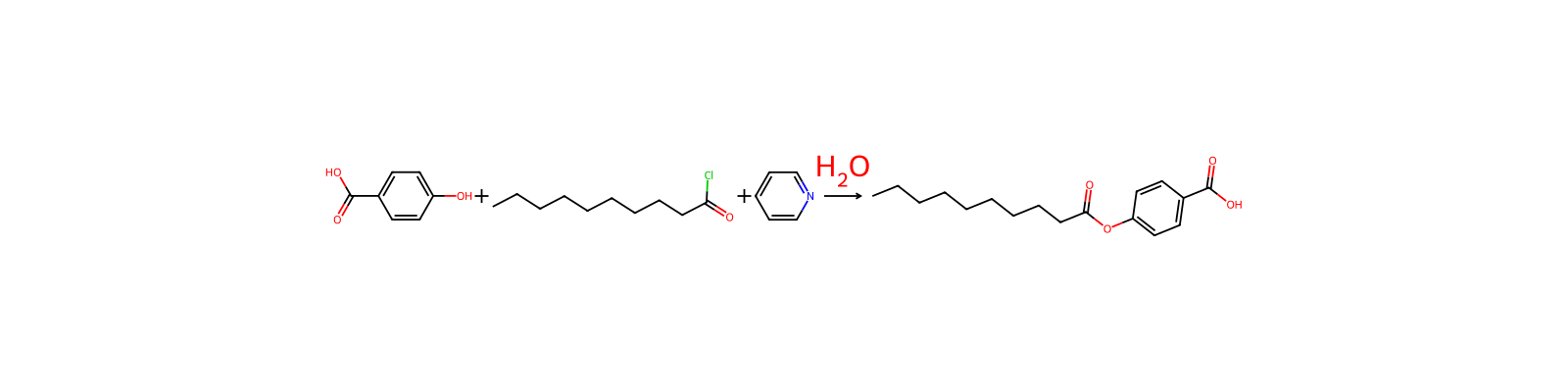
Decanoyl chloride
Daten werden ergänzt – lade die Seite später neu, um den aktuellen Stand zu sehen
Grundinformationen
- CAS
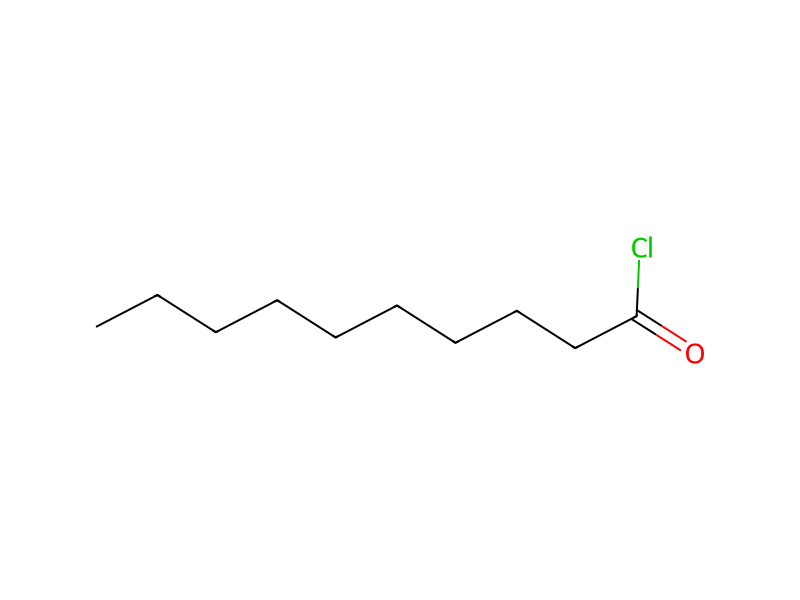
112-13-0- Standard-SMILES
CCCCCCCCCC(=O)Cl- InChIKey
IPIVAXLHTVNRBS-UHFFFAOYSA-N- Summenformel
- C10H19ClO
- Durchschnittliche Molmasse
- 190,71 g/mol
- Monoisotopische Masse
- 190,11244291
Namen und Bezeichner
- Bevorzugter Name
- Decanoyl chloride
- IUPAC
- decanoyl chloride
- Englischer Name
- Decanoyl chloride
- Summenformel
- C10H19ClO
- Molmasse
- 190.71
Namen und Synonyme
Decanoyl chloride112-13-0decanoylchlorideCapric acid chloriden-Decanoyl chloridedecanoic acid chlorideMFCD00000771FJ16IN0UIMCaprinoyl chlorideEINECS 203-938-0Capric Acid Chloride; Capric Chloride; Caprinoyl Chloride; Decanoic Acid Chloride; n-Decanoyl Chloridecaprinic acid chloride
Weitere Namen anzeigen
DecanoyLN-CAPROYL CHLORIDECAPRIC CHLORIDECAPRYL CHLORIDECaprylic chlorideN-HEXANOYL CHLORIDE
n-decanoic acid chlorideDecanoyl chloride, 98%UNII-FJ16IN0UIMEC 203-938-0SCHEMBL234531orb1737499DTXSID4059413SBB060015
Datenbank-Bezeichner
- CAS
112-13-0- PubChem CID
- 66982
- DTXSID
DTXSID4059413- UNII
- FJ16IN0UIM
- EC Number
- 203-938-0
- Nikkaji
- J79.449J
Eigenschaften
Berechnete StruktureigenschaftenWird ergänzt
- XLogP
- 5,1
- Polarare Oberfläche (TPSA)
- 17,1 Ų
- H-Brücken-Donoren
- 0
- H-Brücken-Akzeptoren
- 1
- Frei drehbare Bindungen
- 8
- Schwere Atome
- 12
- Formalladung
- 0
- Komplexität
- 112
Experimentelle und physikochemische Eigenschaften
Chemical ClassesToxic Gases & Vapors -> Acid Halides
SpringerMaterials PropertiesOptical coefficient
Physical DescriptionClear light yellow liquid; [Sigma-Aldrich MSDS]
Physikochemische Eigenschaften
- Schmelzpunkt
- -87 °C · -87 °C
- Siedepunkt
- 94 · 94-96 °C/5 mmHg (lit.)
- Dichte
- 0.919 g/mL · 0.919 g/mL at 25 °C (lit.)
- Dampfdichte
- 6.57 · 6.57 (vs air)
- Brechungsindex
- 20 · n20/D 1.441(lit.)
- Flammpunkt
- 223 °F · 223 °F
- storage temp.
- 30 °C · Store below +30°C.
- Aggregatzustand
- Powder
- Farbe
- White to yellow-beige to brown
Sicherheit und Regulatorisches
Sicherheitsangaben dienen nur zur Orientierung und ersetzen weder das Sicherheitsdatenblatt (SDB) des Lieferanten noch geltende Vorschriften oder eine fachliche Bewertung.
GHS-Klassifizierung
GHS Classification
This chemical does not meet GHS hazard criteria for 0.6% (1 of 170) of reports.
Danger
H290 (70.6%): May be corrosive to metals [Warning Corrosive to Metals]
P234, P260, P261, P264, P264+P265, P270, P271, P272, P273, P280, P284, P301+P317, P301+P330+P331, P302+P352, P302+P361+P354, P304+P340, P305+P354+P338, P316, P317, P320, P321, P330, P333+P317, P362+P364, P363, P390, P403+P233, P405, P406, and P501 (click each P-code to see the statement)
Aggregated GHS information provided per 170 reports by companies from 12 notifications to the ECHA C&L Inventory. Each notification may be associated with multiple companies.
Gefahrenhinweise
Regulatory Information
Chemical: Decanoyl chloride
Status: Active Update: 11-05-2019 https://echa.europa.eu/registration-dossier/-/registered-dossier/5891
Decanoyl chloride: Does not have an individual approval but may be used under an appropriate group standard
Other Safety InformationIMAP assessments - Decanoyl chloride: Human health tier I assessment
Hazards SummaryReacts violently with water; Causes burns and lachrymation; Inhalation may cause corrosive injuries to upper respiratory tract and lungs; [Sigma-Aldrich MSDS]
Hazard Classes and CategoriesMet. Corr. 1 (70.6%)
Toxikologische Informationen
Adverse EffectsDermatotoxin - Skin burns.
Chemie und Industrie
Verwendung und Herstellung
UsesUsed to make fine chemicals; [ExPub: ECHA REACH Registrations]
General Manufacturing InformationDecanoyl chloride: ACTIVE
Anwendungen
VerwendenDecanoyl chloride is used in the synthesis of oligomers composed of alternating 2,6-diaminopyridine and 2,6-pyridinedicarbonyl units. It enhances the activity of proleather from Bacillus sp. during the synthesis of poly(lactic acid) in organic solvents.
Vor- und nachgelagerte Produkte
Vorgelagerte Rohstoffe
Nachgelagerte Produkte
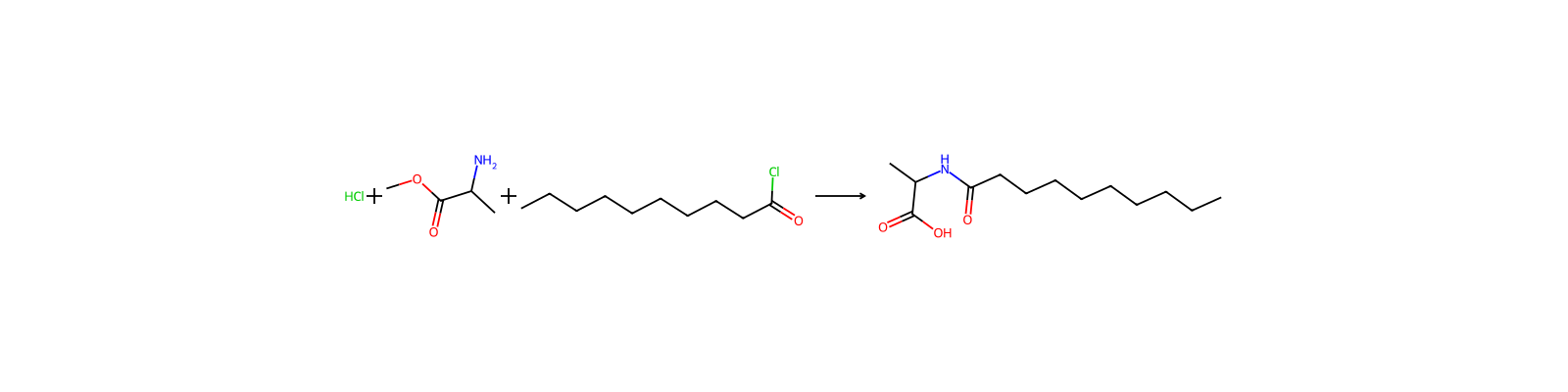
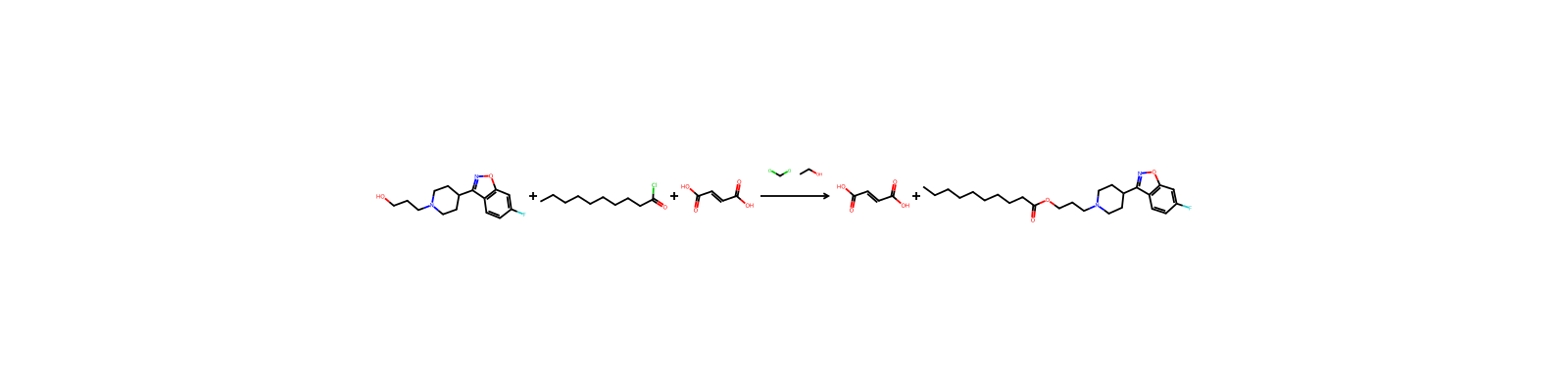
Zugehörige Reaktionen
457




Notizen zur Verbindung
Wird geladen…