

Grundinformationen
- Standard-SMILES
CCOC(=O)c1ccccc1C(=O)OCC- InChIKey
FLKPEMZONWLCSK-UHFFFAOYSA-N- Summenformel
- C12H14O4
- Durchschnittliche Molmasse
- 222,24 g/mol
- Monoisotopische Masse
- 222,08920893
Überblick
Diethyl phthalate is a colorless liquid that has a bitter, disagreeable taste. This synthetic substance is commonly used to make plastics more flexible. Products in which it is found include toothbrushes, automobile parts, tools, toys, and food packaging. Diethyl phthalate can be released fairly easily from these products, as it is not part of the chain of chemicals (polymers) that makes up the plastic. Diethyl phthalate is also used in cosmetics, insecticides, and aspirin.
Namen und Bezeichner
- Bevorzugter Name
- Diethyl Phthalate
- IUPAC
- diethyl benzene-1,2-dicarboxylate
- Lokaler Name
- Diethylphthalat
- Englischer Name
- Diethyl phthalate
- Summenformel
- C12H14O4
- Molmasse
- 222.24
Namen und Synonyme
DIETHYL PHTHALATE84-66-2Ethyl phthalatephthalic acid diethyl esterAnozoldiethyl benzene-1,2-dicarboxylateNeantinePhthalolSolvanolPalatinol APlacidol EUnimoll DA
Weitere Namen anzeigen
Diethyl esterTETRATHIONATEDiethy phthalateDiethyl phthalate (DEP)Diethyl phthlateDiethyl-o-phthalate
Diethyl o-phthalatePhthalsaeurediaethylestero-Bis(ethoxycarbonyl)benzeneDiethyl 1,2-benzenedicarboxylateEstol 15501,2-Benzenedicarboxylic acid, diethyl esterDi-n-ethyl phthalateDiethyl o-phenylenediacetate
Datenbank-Bezeichner
- CAS
84-66-2- PubChem CID
- 6781
- DTXSID
DTXSID7021780- ChEMBL
CHEMBL388558- ChEBI
CHEBI:34698- UNII
- UF064M00AF
- EC Number
- 201-550-6
- Nikkaji
- J3.880F
Eigenschaften
Berechnete Struktureigenschaften
- XLogP
- 2,5
- Polarare Oberfläche (TPSA)
- 52,6 Ų
- H-Brücken-Donoren
- 0
- H-Brücken-Akzeptoren
- 4
- Frei drehbare Bindungen
- 6
- Schwere Atome
- 16
- Formalladung
- 0
- Komplexität
- 223
Experimentelle und physikochemische Eigenschaften
Chemical Classes
Phthalate
Semi-Volatile Organic Compound (SVOC)
PolymersPlastics & Rubber -> Phthalate Esters
Cosmetics
Cosmetics ingredient -> Fragrance; Other (Specify); Solvent
Cosmetic ingredients (Diethyl Phthalate) -> CIR (Cosmetic Ingredient Review)
Solvent; Hair conditioning; Denaturant; Film forming; Plasticiser
SpringerMaterials PropertiesAngular frequency
FragrancesFragrance Ingredient (Diethyl phthalate) -> IFRA transparency List
PesticidesPesticide -> EPA IRIS
LogP
log Kow = 2.47
2.47
2.47
Odor
Practically odorless
Odorless
Very slight, aromatic odor.
TasteBitter disagreeable taste
Density
1.12 at 68 °F (USCG, 1999) - Denser than water; will sink
1.120 at 25 °C/25 °C
Relative density (water = 1): 1.1
1.12
1.232 @ 14°C
1.12
Viscosity31.3 centistokes at 0 °C
Color/Form
Colorless oily liquid
Colorless to water-white, oily liquid.
Physikochemische Eigenschaften
- Schmelzpunkt
- -3 °C · -3 °C (lit.)
- Siedepunkt
- 298 · 298-299 °C (lit.)
- Dichte
- 1.12 g/mL · 1.12 g/mL at 25 °C (lit.)
- Dampfdichte
- 7.66 · 7.66 (vs air)
- Dampfdruck
- 1 mm · 1 mm Hg ( 100 °C)
- Brechungsindex
- 20 · n20/D 1.502(lit.)
- Flammpunkt
- 230 °F · >230 °F
- storage temp.
- 2 · 2-8°C
- Löslichkeit
- Practically insoluble in water, miscible with ethanol (96 per cent).
- Aggregatzustand
- Liquid
- Farbe
- 15 · APHA: ≤15
- Wichte
- 1.118 · 1.118
- Geruch (Odor)
- water-wh. oily liq., odorless, bitter taste
- PH
- 7 · 7-8 (20°C in H2O)
- Biologische Quelle
- synthetic
- Explosionsgrenze
- 0.75 %, · 0.75%, 187°F
- Wasserlöslichkeit
- 1 g/L · 1 g/L (20 ºC)
- Spezifische Wärmekapazität
- 1.65 J/ · Cp(liquid): 1.65 J/(g·K), at 25℃
- Merck
- 14 · 14,7371
- BRN
- 1912500 · 1912500
- Henry's Law Constant
- 25 °C: · At 25 °C: 5.01, 4.54, 4.78, 4.94, 2.21, and 2.44 (x 10-5 atmm3/mol)at pH values of 2.96, 2.98, 6.18, 6.19, 8.98, and 9.00, respectively (Hakuta et al., 1977).
- Dielectric constant
- 7.1 · 7.1(45℃)
- Stabilität
- Stable. Combustible. Incompatible with strong oxidizing agents, strong acids, alkalies.
- Major Application
- cleaning productscosmeticsenvironmentalflavors and fragrancesfood and beveragespersonal care
- Kosmetik-Inhaltsstoffe Funktionen
- FRAGRANCEHAIR CONDITIONINGSOLVENTPLASTICISERDENATURANTFILM FORMING
- InChI
- 1S/C12H14O4/c1-3-15-11(13)9-7-5-6-8-10(9)12(14)16-4-2/h5-8H,3-4H2,1-2H3
- InChIKey
- FLKPEMZONWLCSK-UHFFFAOYSA-N
- SMILES
- CCOC(=O)c1ccccc1C(=O)OCC
- LogP
- 2.2 at · 2.2 at 41℃
- Oberflächenspannung
- 36.93 mN/m · 36.93 mN/m at 24°
- CAS Datenbank
- 84 · 84-66-2(CAS DataBase Reference)
- NIST chemische Informationen
- Diethyl phthalate(84-66-2)
- EPA chemische Informationen
- Diethyl phthalate (84-66-2)
Sicherheit und Regulatorisches
GHS-Klassifizierung
GHS Classification
This chemical does not meet GHS hazard criteria for 96.7% (1710 of 1769) of all reports.
Not Classified
Aggregated GHS information provided per 1769 reports by companies from 21 notifications to the ECHA C&L Inventory.
Not Classified
H401: Toxic to aquatic life [Hazardous to the aquatic environment, acute hazard]
P273, and P501 (click each P-code to see the statement)
Gefahrenhinweise
Regulatory Information
Chemical: 1,2-Benzenedicarboxylic acid, 1,2-diethyl ester
Hazard Traits - Developmental Toxicity; Endocrine Toxicity; Immunotoxicity; Other Toxicological Hazard Traits; Reproductive Toxicity; Respiratory Toxicity
Regulation (EC) No 178/2002 (amended)
1,2-Benzenedicarboxylic acid, 1,2-diethyl ester is listed on the EPA's Chemical Data Reporting (CDR) system. Manufacturers and importers of 1,2-Benzenedicarboxylic acid, 1,2-diethyl ester are required to report information about their production and use of this chemical to the EPA under the Toxic Substances Control Act (TSCA). (40 eCFR Part 711)
Status: Active Update: 18-04-2023 https://echa.europa.eu/registration-dossier/-/registered-dossier/14869
Diethyl phthalate: Does not have an individual approval but may be used under an appropriate group standard
Other Safety InformationIMAP assessments - 1,2-Benzenedicarboxylic acid, diethyl ester: Human health tier I assessment
Fire Hazards
Special Hazards of Combustion Products: Irritating vapors of unburned chemical may form in fire. (USCG, 1999)
Combustible. Gives off irritating or toxic fumes (or gases) in a fire.
Fire PotentialCombustible
Health HazardsSymptoms unlikely from any form of exposure. (USCG, 1999)
Hazards Summary
Diethyl phthalate is a colorless liquid that has a bitter, disagreeable taste. This synthetic substance is commonly used to make plastics more flexible. Products in which it is found include toothbrushes, automobile parts, tools, toys, and food packaging. Diethyl phthalate can be released fairly easily from these products, as it is not part of the chain of chemicals (polymers) that makes up the plastic. Diethyl phthalate is also used in cosmetics, insecticides, and aspirin.
The heated compound is an irritant to the eyes and respiratory tract; [ACGIH] Allergic contact dermatitis reported; [Kanerva, p. 1782] In high-dose reproductive studies of rats and mice, DEHP and other phthalates cause testicular damage to males and increased fetal losses and malformations to pregnant females. [Frazier, p. 350-2] Low toxicity both acute and chronic, but could cause CNS depression if large dose absorbed; [HSDB]
FDA Requirements
Substances classified as plasticizers when migrating from food-packaging material includes diethyl phthalate.
Diethyl phthalate is an indirect food additive for use only as a component of adhesives.
Reactive GroupEsters, Sulfate Esters, Phosphate Esters, Thiophosphate Esters, and Borate Esters
Special Reports
PIERCE RC ET AL; PHTHALATE ESTERS IN THE AQUATIC ENVIRONMENT; NATL RES COUNC CAN ASSOC COMM SCI CRITER ENVIRON QUAL PUBL 0(17583) 1-100 (1980). THE PHYSICAL-CHEMICAL PROPERTIES, ANALYTICAL DETERMINATION & ENVIRONMENTAL DYNAMICS OF PHTHALATE ESTERS (INDUSTRIAL PLASTICIZERS) ARE REVIEWED. ARTICLE INCLUDES DIETHYL PHTHALATE.
Nat'l Research Council Canada; Phthalate Esters in the Aquatic Environment (1980) NRCC No. 17583
USEPA; Ambient Water Quality Criteria Doc: Phthalate Esters (1980) EPA 440/5-80-067
Health & Welfare Canada; Phthalic Acid Esters (1980) Report # 80-EDH-62
For more Special Reports (Complete) data for DIETHYL PHTHALATE (11 total), please visit the HSDB record page.
RCRA Requirements
U088; As stipulated in 40 CFR 261.33, when diethyl phthalate, as a commercial chemical product or manufacturing chemical intermediate or an off-specification commercial chemical product or a manufacturing chemical intermediate, becomes a waste, it must be managed according to Federal and/or State hazardous waste regulations. Also defined as a hazardous waste is any residue, contaminated soil, water, or other debris resulting from the cleanup of a spill, into water or on dry land, of this waste. Generators of small quantities of this waste may qualify for partial exclusion from hazardous waste regulations (40 CFR 261.5).
TSCA Requirements
Pursuant to section 8(d) of TSCA, EPA promulgated a model Health and Safety Data Reporting Rule. The section 8(d) model rule requires manufacturers, importers, and processors of listed chemical substances and mixtures to submit to EPA copies and lists of unpublished health and safety studies. 1,2-Benzenedicarboxylic acid, diethyl ester is included on this list. Effective date 10/04/82; Sunset date 10/04/92.
Reactivity Profile
DIETHYL PHTHALATE is an ester. Esters react with acids to liberate heat along with alcohols and acids. Strong oxidizing acids may cause a vigorous reaction that is sufficiently exothermic to ignite the reaction products. Heat is also generated by the interaction of esters with caustic solutions. Flammable hydrogen is generated by mixing esters with alkali metals and hydrides. Can generate electrostatic charges. [Handling Chemicals Safely 1980. p. 250].
Sicherheit und Schutzausrüstung
Fire FightingUse alcohol-resistant foam, powder, carbon dioxide.
First Aid Measures
Fresh air, rest.
Remove contaminated clothes. Rinse skin with plenty of water or shower.
First rinse with plenty of water for several minutes (remove contact lenses if easily possible), then refer for medical attention.
Rinse mouth. Give one or two glasses of water to drink. Refer for medical attention .
First Aid
EYES: First check the victim for contact lenses and remove if present. Flush victim's eyes with water or normal saline solution for 20 to 30 minutes while simultaneously calling a hospital or poison control center. Do not put any ointments, oils, or medication in the victim's eyes without specific instructions from a physician. IMMEDIATELY transport the victim after flushing eyes to a hospital even if no symptoms (such as redness or irritation) develop.
(General first aid procedures)
Firefighting Hazards
Poisonous gases are produced in fire. ... Storage containers and parts of containers may rocket great distances, in many directions.
Vapors are heavier than air and will collect in low areas. Vapors may travel long distances to ignition sources and flashback.
Fire Fighting Procedures
To fight fire, use water spray, mist, foam.
Use dry chemical, carbon dioxide, or foam extinguishers. Water or foam may cause frothing.
If material on fire or involved in fire: Extinguish fire using agent suitable for type of surrounding fire (Material itself does not burn or burns with difficulty.) Use foam, dry chemical, or carbon dioxide. Keep run-off water out of sewers and water sources.
Water or foam may cause frothing.
Storage Conditions
Storage temp: ambient; venting: open.
Store in tightly closed containers in a cool, well-ventilated area away from heat and oxidizing agents (such as permanganates, nitrates, peroxides, chlorates, perchlorates, and peroxides). Metal containers involoving the transfer of this chemical should be grounded and bonded. Where possible, automatically pump liquid from drums or other storage containers to process containers. Drums must be equipped with self-closing valves, pressure vacuum bungs, and flame arresters. Use only nonsparkling tools and equipment, especially when opening and closing containers of this chemical. Sources of ignition such as smoking and open flames are prohibited this chemical is used, handled, or stored in a manner that could create a potential fire or explosion hazard. Whenever this chemical is used, handled, manufactured, or stored, use explosion-proof electrical equipment and fittings.
Cleanup Methods
Environmental considerations-land spill: Dig a pit, pond, lagoon, holding area to contain liquid or solid material. Dike surface flow using soil, sand bags, foamed polyurethane, or foamed concrete. Absorb bulk liquid with fly ash, cement powder, or commercial sorbents. /SRP: If time permits, pits, ponds, lagoons, soak holes, or holding areas should be sealed with an impermeable flexible membrane liner./
Environmental considerations-water spill: Use natural barriers or oil spill control booms to limit spill travel. Remove trapped material with suction hoses.
Environmental considerations-air spill: Apply water spray or mist to knock down vapors.
Disposal Methods
[40 CFR 240-280, 300-306, 702-799 (7/1/2006)] Generators of waste (equal to or greater than 100 kg/mo) containing this contaminant, EPA hazardous waste number U088, must conform with USEPA regulations in storage, transportation, treatment and disposal of waste.
Good candidate for liquid injection incineration, with a temperature range of 650 to 1,600 °C and a residence time of 0.1 to 2 seconds. Good candidate for rotary kiln incineration, with a temperature range of 820 to 1,600 °C and a residence time of seconds. Also a good candidate for fluidized bed incineration, with a temperature range of 450 to 980 °C and a residence time of seconds.
Atomize into an incinerator; combustion may be improved by mixing with a more flammable solvent. Recommendable methods: Incineration, landfill & use as boiler fuel. Peer-review: Adsorb on vermiculite or similar adsorbent and landfill. (Peer-review conclusions of an IRPTC expert consultation (May 1985))
1. A gas-pipe the gas into the incinerator or lower into a pit and allow it to burn away. 2. A liquid-atomize into an incinerator. Combustion may be improved by mixing with a more flammable solvent. 3. A solid-make up packages in paper or other flammable material. Burn in the incinerator. Or the solid may be dissolved in a flammable solvent and sprayed into the fire chamber.
Spillage Disposal
Personal protection: particulate filter respirator adapted to the airborne concentration of the substance. Do NOT let this chemical enter the environment. Collect leaking and spilled liquid in sealable containers as far as possible. Absorb remaining liquid in sand or inert absorbent. Then store and dispose of according to local regulations.
Preventive Measures
If material not on fire and not involved in fire: Keep material out of water sources and sewers. Build dikes to contain flow as necessary. Attempt to stop leak if without undue personnel hazard.
Personnel protection: Keep upwind. Avoid breathing vapors.
SRP: Contaminated protective clothing should be segregated in such a manner so that there is no direct personal contact by personnel who handle, dispose, or clean the clothing. Quality assurance to ascertain the completeness of the cleaning procedures should be implemented before the decontaminated protective clothing is returned for reuse by the workers. Contaminated clothing should not be taken home at end of shift, but should remain at employee's place of work for cleaning.
Eye PreventionWear safety spectacles.
Fire PreventionNO open flames.
Toxikologische Informationen
Toxicological InformationCDC-ATSDR Toxicological Profile
Body Burden
Diethyl phthalate was detected in the expired breath from 2 of 12 residents in Bayonne, NJ(1). Diethyl phthalate was measured in expired air samples of pregnant New York women at 1.5-7.1 ug/cu m in samples taken Mar to Sept 2000 and in pregnant Krakow, Poland women at 0.26-2.9 ug/cu m in samples taken Nov 2000 to Mar 2001(3). Diethyl phthalate was identified, not quantified in the adipose tissue of persons in the US(4).
Target Organs
Developmental (effects while organs are developing), Hepatic (Liver), Reproductive (Producing Children)
Eyes, skin, respiratory system, central nervous system, peripheral nervous system, reproductive system
Health Effects
Phthalate esters are endocrine disruptors. Animal studies have shown that they disrupt reproductive development and can cause a number of malformations in affected young, such as reduced anogenital distance (AGD), cryptorchidism, hypospadias, and reduced fertility. The combination of effects associated with phthalates is called 'phthalate syndrome’. (A2883)
Ecotoxicity Values
LC50; Species: Lepomis macrochirus (Bluegill, young of year, weight 0.32-1.2 g); Conditions: freshwater, static, 21-23 °C, pH 6.5-7.9, hardness 32-48 mg/L CaCO3, alkalinity 28-34 mg/L CaCO3, conductivity 93-190 umhos/cm, dissolved oxygen 0.3-9.7 mg/L; Concentration: 120000 ug/L for 24 hr /> or = 80% purity/
LC50; Species: Lepomis macrochirus (Bluegill, young of year, weight 0.32-1.2 g); Conditions: freshwater, static, 21-23 °C, pH 6.5-7.9, hardness 32-48 mg/L CaCO3, alkalinity 28-34 mg/L CaCO3, conductivity 93-190 umhos/cm, dissolved oxygen 0.3-9.7 mg/L; Concentration: 110000 ug/L for 96 hr /> or = 80% purity/
LC50; Species: Lepomis macrochirus (Bluegill, juvenile, length 29-40 mm); Conditions: freshwater, static, 22 °C, pH 7.6-7.9, hardness 25-50 mg/L CaCO3, alkalinity 25-50 mg/L CaCO3; Concentration: 16700 ug/L for 96 hr /> or = 95% purity/
LC50; Species: Cyprinodon variegatus (Sheepshead minnow, juvenile age 14-28 days posthatch, length 8-15 mm); Conditions: saltwater, static, 25-31 °C, salinity 10-31 ppt; Concentration: >69000 ug/L for 24 hr /> or =80% purity/
For more Ecotoxicity Values (Complete) data for DIETHYL PHTHALATE (35 total), please visit the HSDB record page.
Environmental Fate
TERRESTRIAL FATE: Based on a classification scheme(1), Koc values of 69-1,726(2-4), indicate that diethyl phthalate is expected to have high to low mobility in soil(SRC). Volatilization of diethyl phthalate from moist soil surfaces is not expected to be an important fate process(5) given a Henry's Law constant of 6.1X10⁻⁷ atm-cu m/mole(SRC), derived from its vapor pressure, 2.1X10⁻³ mm Hg(6), and water solubility, 1,080 mg/L(7). Diethyl phthalate is not expected to volatilize from dry soil surfaces(SRC) based upon its vapor pressure(6). Diethyl phthalate had an aerobic soil half-life of 1.83 days agitated in aqueous suspension(8) and an anaerobic half-life of about 5 days(9).
AQUATIC FATE: Based on a classification scheme(1), Koc values of 69-1,726(2-4), indicate that diethyl phthalate is expected to adsorb to suspended solids and sediment(SRC). Volatilization from water surfaces is not expected(5) based upon a Henry's Law constant of 6.1X10⁻⁷ atm-cu m/mole(SRC), derived from its vapor pressure, 2.1X10⁻³ mm Hg(6), and water solubility, 1,080 mg/L(7). According to a classification scheme(8), a BCF of 117 measured in bluegill sunfish(9), suggests the potential for bioconcentration in aquatic organisms is high(SRC). However, bioconcentration studies on compounds which are structurally similar suggest that bioconcentration may be lower than that indicated by the regression-derived equations due to the ability of aquatic organisms to readily metabolize this class of compounds(12). Diethyl phthalate is expected to hydrolyze slowly in the environment with an estimated half-life of 110 days at pH 8(10). Diethyl phthalate is expected to biodegrade in aquatic environments with estimated half-lives of about 3 and 28 days for aerobic and anaerobic conditions, respectively(11).
ATMOSPHERIC FATE: According to a model of gas/particle partitioning of semivolatile organic compounds in the atmosphere(1), diethyl phthalate, which has a vapor pressure of 2.1X10⁻³ mm Hg at 25 °C(2), will exist solely in the vapor phase in the ambient atmosphere. Vapor-phase diethyl phthalate is degraded in the atmosphere by reaction with photochemically-produced hydroxyl radicals(SRC); the half-life for this reaction in air is estimated to be 4.6 days(SRC), calculated from its rate constant of 3.5X10⁻¹² cu cm/molecule-sec at 25 °C(SRC) that was derived using a structure estimation method(3). Diethyl phthalate does contain chromophores that absorb at wavelengths >290 nm(4) and therefore may be susceptible to direct photolysis by sunlight(SRC)
Food Survey ValuesDiethyl phthalate was identified, not quantified, in the volatiles of chicken and beef(1), cassava(2) and fried chicken(3). Diethyl phthalate was identified in apricots and plums at concns of 2-16 ug/kg and 1-4 ug/kg respectively(4).
Adverse Effects
Reproductive Toxin - A chemical that is toxic to the reproductive system, including defects in the progeny and injury to male or female reproductive function. Reproductive toxicity includes developmental effects. See Guidelines for Reproductive Toxicity Risk Assessment.
Exposure Routes
The substance can be absorbed into the body by inhalation, through the skin and by ingestion.
inhalation, ingestion, skin and/or eye contact
Oral (L1903) ; inhalation (L1903) ; dermal (L1903)
Toxicity Summary
Safe in the present practices of use and concentration. Ingredient, concentration, and use information are available in documents discoverable at https://cir-reports.cir-safety.org
Phthalate esters are endocrine disruptors. They decrease foetal testis testosterone production and reduce the expression of steroidogenic genes by decreasing mRNA expression. Some phthalates have also been shown to reduce the expression of insulin-like peptide 3 (insl3), an important hormone secreted by the Leydig cell necessary for development of the gubernacular ligament. Animal studies have shown that these effects disrupt reproductive development and can cause a number of malformations in affected young. (A2883)
Ecotoxicity Excerpts
/AQUATIC SPECIES/ A previous in vitro study has indicated that four phthalate esters (PAEs) could damage hemocytes and decreases the cellular immunity of prawns ... . The aim of this study was to investigate the in vivo effect of four PAEs, diethyl phthalate (DEP), dihexyl phthalate (DHP), dipropyl phthalate (DPrP) and diphenyl phthalate (DPP) on the defense system of the giant freshwater prawn, M. rosenbergii. PAE dissolved in corn oil was continuously fed to prawns for 8 days and five immune parameters (total hemocyte count, THC; ratio of granulocytes to hyalinocytes, G/H; intrahemocytic total phenoloxidase activity, PO(T); intracellular superoxide anion (O2-) production; transglutaminase (TGase) activity) were separately detected on days 1, 4 and 8. In addition, mortality was determined on days 4 and 8 after challenging the prawns with Lactobacillus garvieae. In comparison with untreated prawns, the results showed that DHP demonstrated the lowest toxicity in that it only influenced the PO activity and O2- production before 4 days after treatment and caused 6.6% mortality on day 8. DEP decreased G/H, PO(T) and TGase activity on day 1 and reduced THC, G/H and PO(T) and caused 16.6% mortality on day 4; however, on day 8, it increased O2- production and caused no mortality. In the DPrP-treated group, a reduction of all the immune reactions apart from TGase activity and 22.2% mortality were detected on day 4. As for the effect of DPP, results showed that it decreased all the immune parameters apart from THC on days 1 and 4, but caused no mortality on day 4; but on day 8, an increase of O2- production and 17.7% mortality were detected. These results indicated that the immune reactions of prawns were variable due to the different toxic effects of PAEs. In addition, it was found that, on day 8 after treatment, the three PAEs, DHP, DPrP and DPP increased O2- production and did not influence the other four reactions, but mortality was detected in these groups.
/AQUATIC SPECIES/ Tests were performed with the freshwater invertebrates Hyalella azteca, Chironomus tentans, and Lumbriculus variegatus to determine the acute toxicity of six phthalate esters, including dimethyl phthalate (DMP), diethyl phthalate (DEP), di-n-butyl phthalate (DBP), butylbenzyl phthalate (BBP), di-n-hexyl phthalate (DHP), and di-2-ethylhexyl phthalate (DEHP). It was possible to derive 10-d LC50 (lethal concentration for 50% of the population) values only for the four lower molecular weight esters (DMP, DEP, DBP, and BBP), for which toxicity increased with increasing octanol-water partition coefficient (Kow) and decreasing water solubility. The LC50 values for DMP, DEP, DBP, and BBP were 28.1, 4.21, 0.63, and 0.46 mg/L for H. azteca; 68.2, 31.0, 2.64, and > 1.76 mg/L for C. tentans; and 246, 102, 2.48, and 1.23 mg/L for L. variegatus, respectively. No significant survival reductions were observed when the three species were exposed to either DHP or DEHP at concentrations approximating their water solubilities.
/AQUATIC SPECIES/ Seven phthalate esters were evaluated for their 10-d toxicity to the freshwater invertebrates Hyalella azteca and Chironomus tentans in sediment. The esters were diethyl phthalate (DEP), di-n-butyl phthalate (DBP), di-n-hexyl phthalate (DHP), di-(2-ethylhexyl) phthalate (DEHP), diisononyl phthalate (DINP), diisodecyl phthalate (DIDP), and a commercial mixture of C7, C9, and C11 isophthalate esters (711P). All seven esters were tested in a sediment containing 4.80% total organic carbon (TOC), and DBP alone was tested in two additional sediments with 2.45 and 14.1% TOC. Sediment spiking concentrations for DEP and DBP were based on LC50 (lethal concentration for 50% of the population) values from water-only toxicity tests, sediment organic carbon concentration, and equilibrium partitioning (EqP) theory. The five higher molecular weight phthalate esters (DHP, DEHP, DINP, DIDP, 711P), two of which were tested and found to be nontoxic in water-only tests (i.e., DHP and DEHP), were tested at single concentrations between 2,100 and 3,200 mg/kg dry weight. Preliminary spiking studies were performed to assess phthalate ester stability under test conditions. The five higher molecular weight phthalate esters in sediment had no effect on survival or growth of either C. tentans or H. azteca, consistent with predictions based on water-only tests and EqP theory. The 10-d LC50 values for DBP and H. azteca were >17,400, >29,500, and >71,900 mg/kg dry weight for the low, medium, and high TOC sediments, respectively. These values are more than 30x greater than predicted by EqP theory and may reflect the fact that H. azteca is an epibenthic species and not an obligative burrower. The 10-d LC50 values for DBP and C. tentans were 826, 1,664, and 4.730 mg/kg dry weight for the low, medium, and high TOC sediments, respectively. These values are within a factor of two of the values predicted by EqP theory. Pore-water 10-d LC50 values for DBP (dissolved fraction) and C. tentans in the three sediments were 0.65, 0.89, and 0.66 of the water-only LC50 value of 2.64 mg/L, thereby agreeing with EqP theory predictions to within a factor of 1.5. The LC50 value for DEP and C. tentans was >3,100 mg/kg dry weight, which is approximately 10x that predicted by EqP theory.
/AQUATIC SPECIES/ ... A study was designed to determine the toxic effects of diethyl phthalate (DEP) on a freshwater fish, Cirrhina mrigala. The fish was treated with 25, 50, 75, and 100 ppm (w/v) DEP dissolved in acetone to determine the LC50. Positive controls were treated with acetone only. There was 100% mortality observed within 24 h in 75 and 100 ppm, and 50% mortality in 50 ppm treated fish in 72 h. Those treated at 25 ppm showed only 10% mortality within 72 h and remaining fish continued to survive. The surviving fish were treated with 25 ppm DEP once daily for 3 days with every change of water (Group III). One group was maintained as negative control in dechlorinated water (Group I) and the other group received acetone once daily for 3 days with every change of water and was used as positive control (Group II). Fish were killed by cold narcosis on an ice block and dissected to obtain liver, muscle, and brain samples; 10% homogenates in ice-cold saline were prepared. Brain and muscle acetylcholinesterase (AchE) activity was measured. Liver aspartate (AST) and alanine aminotransferase (ALT), and liver and muscle succinate dehydrogenase (SDH) alkaline and acid phosphate (ALP and ACP) were measured. There was a significant increase in liver and muscle ACP and ALP in DEP-treated fish compared with positive and negative controls. There was a significant increase in muscle SDH and liver ALT (ALT) in DEP-treated fish compared with positive and negative controls. Brain AchE level was significantly decreased in DEP-treated fish compared to positive and negative controls.
For more Ecotoxicity Excerpts (Complete) data for DIETHYL PHTHALATE (6 total), please visit the HSDB record page.
Plant Concentrations
Diethyl phthalate was found in aquatic organisms June to Sept 1999 from False Harbor, Vancouver, British Columbia; green algae (Enteromorpha intestinalis) 2.29 ng/g lipid and brown algae (Nereocysitis luetkeana, Fucus gardneri) 1.73 ng/g lipid(1).
Regulatorische Informationen
FDA Requirements
Substances classified as plasticizers when migrating from food-packaging material includes diethyl phthalate.
Diethyl phthalate is an indirect food additive for use only as a component of adhesives.
RCRA Requirements
U088; As stipulated in 40 CFR 261.33, when diethyl phthalate, as a commercial chemical product or manufacturing chemical intermediate or an off-specification commercial chemical product or a manufacturing chemical intermediate, becomes a waste, it must be managed according to Federal and/or State hazardous waste regulations. Also defined as a hazardous waste is any residue, contaminated soil, water, or other debris resulting from the cleanup of a spill, into water or on dry land, of this waste. Generators of small quantities of this waste may qualify for partial exclusion from hazardous waste regulations (40 CFR 261.5).
TSCA Requirements
Pursuant to section 8(d) of TSCA, EPA promulgated a model Health and Safety Data Reporting Rule. The section 8(d) model rule requires manufacturers, importers, and processors of listed chemical substances and mixtures to submit to EPA copies and lists of unpublished health and safety studies. 1,2-Benzenedicarboxylic acid, diethyl ester is included on this list. Effective date 10/04/82; Sunset date 10/04/92.
CERCLA Reportable Quantities
Persons in charge of vessels or facilities are required to notify the National Response Center (NRC) immediately, when there is a release of this designated hazardous substance, in an amount equal to or greater than its reportable quantity of 1000 lb or 454 kg. The toll free number of the NRC is (800) 424-8802. The rule for determining when notification is required is stated in 40 CFR 302.4 (section IV. D.3.b).
Clean Water Act Requirements
For the protection of human health from the toxic properties of diethyl phthalate ingested through water and contaminated organisms, the ambient water criterion is determined to be 350 mg/l. For the protection of human health from the toxic properties of diethyl phthalate ingested through contaminated aquatic organisms alone, the ambient water criterion is determined to be 1.8 g/l.
State Drinking Water Guidelines
(FL) FLORIDA 5,600 ug/l
(MN) MINNESOTA 6000 ug/l
(ME) MAINE 5,000 ug/l
Federal Drinking Water GuidelinesEPA 5000 ug/l
Sicherheitsdaten
- OEB
- B
- OEL
- TWA: 5 mg/m3
- wgk
- 2
- tsca
- TSCA listed
- ridadr
- UN 3082 9 / PGIII
- hs_code
- 29173400
- RTECS-Nr.
- TI1050000
- Toxizität
- LD50 i.p. in rats: 5.06 ml/kg (Singh)
- safety_code
- 24/25
- hazard_class
- 9
- Speicherklasse
- 10 - Combustible liquids
- Giftige Stoffe Daten
- 84-66-2(Hazardous Substances Data)
- Selbstentzündungstemperatur
- 854 °F
Chemie und Industrie
Pharmakologische Informationen
Biological Half-Life
(14)C-Carboxy-labelled diethyl phthalate (2850 mg/kg body weight) was administered intraperitoneally to a group of 13 pregnant rats on either day 5 or day 10 of gestation. ... The half-life was calculated to be 2.22 days for diethyl phthalate.
In fish, the half-life may be as short as 1.5 hr, yielding 99% clearance in 24 hr. /Phthalate esters/
Metabolism/Metabolites
Diethyl phthalate (10 or 100 mg) was administered to each of three Wistar rats by stomach intubation. Daily urine collections were analyzed for 10 days by GC-MS. For both doses, 77-78% of the administered dose was excreted in urine within 24 hr as monoester derivative (67-70% of the dose), phthalic acid (8-9% of the dose), or parent compound (0.1-0.4%), and about 85-93% was excreted within 1 week after administration.
Using in vitro preparations of rat, baboon, and human tissues, /investigators/ demonstrated that DEP was hydrolyzed to the monoester. Further hydrolysis of the monoester and its conjugation with glucuronic acid are consistent with the biotransformation pathways for related phthalates.
The first step of metabolism involves hydrolysis to a monoester derivative. This was seen in the in vitro metabolism of (14)C-diethyl phthalate (5-mmol/L solution) by hepatic and small intestine preparations from a rodent (rat), a nonrodent (ferret), and a nonhuman primate (baboon). Hepatic postmitochondrial supematant and intestinal preparations from the rat, baboon, and ferret were able to catalyze the hydrolysis of diethyl phthalate to its monoester derivative. Enzyme activity was expressed as micromoles of product formed per hour per gram of liver (umol/hour/g) or per milligram of intestinal mucosal cell protein (umol/hour/mg). Quantitative species differences were observed in the hepatic and intestinal studies. In the hepatic studies, diethyl phthalate hydrolase activity decreased in the following order: baboon (516 umol/hour/g) > rat (231 umol/hour/g) > ferret (45.9 umol/hour/g). In the intestinal preparation, diethyl phthalate hydrolase activity decreased in the same order: baboon (4.33 umol/hour/mg) > rat (0.648 umol/hour/mg) > ferret (0.053 umol/hour/mg). Studies were also performed with samples of human duodenum and jejunum tissues. As with the three animal species, human intestinal preparations were also active in the metabolism of diethyl phthalate. The results obtained with human intestinal preparations were expressed as nanomoles of product formed per hour per milligram of intestinal protein (nmol/hour/mg). In the human intestinal preparation, the diethyl phthalate hydrolase activity was 31.2-153 nmol/hour/mg in the duodenum and 129 nmol/hour/mg in the jejunum. Similarly, of the tissues from three rat and one human studied in vitro, the rat small intestine hydrolyzed the greatest amount (36.4%) of diethyl phthalate in a 16-hour period. These results show a qualitative species similarity in the hydrolytic metabolism of diethyl phthalate in humans, a rodent, a nonrodent, and a nonhuman primate.
Once formed, the monoester derivative can be further hydrolysed in vivo to phthalic acid and excreted or conjugated to glucuronide and excreted; the terminal or next-to-last carbon atom in the monoester can be oxidized to an alcohol and excreted; or the alcohol can be successively oxidized to an aldehyde, ketone, or carboxylic acid and excreted.
For more Metabolism/Metabolites (Complete) data for DIETHYL PHTHALATE (8 total), please visit the HSDB record page.
Diethyl phthalate is hydrolyzed to its monoester derivative by diethyl phthalate hydrolase. Once formed, the monoester derivative can be further hydrolyzed in vivo to phthalic acid or conjugated to glucuronide, both of which can then be excreted. The terminal or next-to-last carbon atom in the monoester can also be oxidized to an alcohol, which can be excreted as is or first oxidized to an aldehyde, ketone, or carboxylic acid. The monoester and oxidative metabolites are excreted in the urine and faeces. (L1900, A2884)
Absorption, Distribution and Excretion
Absorption of diethyl phthalate and three other phthalates (dimethyl, dibutyl, and di(2-ethylhexyl)) was measured using human epidermal skin obtained from the abdominal skin of 11 cadavers (mostly females 55 years of age or older) and subcutaneous fat removed in vitro. Epidermal membranes were set up in glass diffusion cells, and their permeability to tritiated water was measured to establish the integrity of the skin. Lag time for absorption of diethyl phthalate was 6 hr, and the steady-state absorption rate was 12.8 ug/sq cm per hour.
Percutaneous absorption of diethyl phthalate was evaluated in vitro in flow-through diffusion cells using human breast skin. Neat chemical (16-21 mg/sq cm) was applied over 72 hr to the epidermal surface of the skin, which was either uncovered or covered. The absorption of diethyl phthalate through skin was 3.9% and 4.8% of the applied doses for covered and uncovered conditions, respectively. The interindividual variation was 4-fold, ranging from 1.6% (SD 1.2) (n = 3) to 8.7% (SD 3.9) (n = 6) among skin donors.
This study examined the extent of dermal absorption of a series of phthalate diesters in the rat. Those tested were dimethyl, diethyl, dibutyl, diisobutyl, dihexyl, di(2-ethylhexyl), diisodecyl, and benzyl butyl phthalate. Hair from a skin area (1.3 cm in diameter) on the back of male F344 rats was clipped, the 14(C)phthalate diester was applied in a dose of 157 mumol/kg, and the area of application was covered with a perforated cap. The rat was restrained and housed for 7 days in a metabolic cage that allowed separate collection of urine and feces. Urine and feces were collected every 24 hr, and the amount of (14)C excreted was taken as an index of the percutaneous absorption. At 24 hr, diethyl phthalate showed the greatest excretion (26%). As the length of the alkyl side chain increased, the amount of (14)C excreted in the first 24 hr decreased signficantly. The cumulative percentage dose excreted in 7 days was greatest for diethyl, dibutyl, and diisobutyl phthalate, about 50-60% of the applied (14)C; and intermediate (20-40%) for dimethyl, benzyl butyl, and dihexyl phthalate. Urine was the major route of excretion of all phthalate diesters except for diisodecyl phthalate. This compound was poorly absorbed and showed almost no urinary excretion. After 7 days, the percentage dose for each phthalate that remained in the body was minimal showed no specific tissue distribution. Most of the unexcreted dose remained in the area of application. These data show that the structure of the phthalate diester determines the degree of dermal absorption. Absorption maximized with diethyl phthalate and then decreased significantly as the alkyl side chain length increased.
(14)C-Carboxy-labelled diethyl phthalate (2850 mg/kg body weight) was administered intraperitoneally to a group of 13 pregnant rats on either day 5 or day 10 of gestation. The results showed that radioactivity in the maternal blood peaked during the first 24 hr, then diminished quickly. A similar pattern was observed in amniotic fluid and fetal tissues. The reduction in concentration of (14)C from these tissues as a function of time was found to fit a first-order excretion curve. From this model curve, the half-life was calculated to be 2.22 days for diethyl phthalate. Radioactivity from (14)C-diethyl phthalate is transmitted across the placenta from mother to fetus for at least 15 days post-injection. (14)C radioactivity was widely distributed and was detected (<1%) in maternal blood, placenta, amniotic fluid, and developing fetuses at all gestational stages investigated.
For more Absorption, Distribution and Excretion (Complete) data for DIETHYL PHTHALATE (12 total), please visit the HSDB record page.
Verwendung und Herstellung
Uses
CIR ingredient: Diethyl Phthalate
Plasticizer (added to polymers to effect flexibility and/or toughness); also used as an insect repellant and solvent; [ACGIH] Used as a solvent in cellulose acetate, fragrances, and cosmetics; [Merck Index #7371]
Painting (Pigments, Binders, and Biocides) [Category: Paint]
In mfr celluloid; solvent for cellulose acetate in mfr varnishes and dopes; denaturing alcohol. Vehicle for fragrance and cosmetic ingredients
Solvent for nitrocellulose and cellulose acetate, plasticizer, wetting agent; ... camphor substitute, plastics, perfumery as fixative and solvent, alcohol denaturant, ... plasticizer in solid rocket propellants.
... insecticidal sprays ... mosquito repellents /Former/
U.S. Imports
(1978) 2.77X10+8 G (PRINCPL CUSTMS DISTS)
(1982) 2.32X10+8 G (PRINCPL CUSTMS DISTS)
U.S. Production
2023: 1,000,000 - <2,500,000 lb
(1977) 7.72X10+9 G
(1982) 7.72X10+9 G
(1985) 7.78X10+9 g
1,2-Benzenedicarboxylic acid, diethyl ester is listed as a High Production Volume (HPV) chemical (65FR81686). Chemicals listed as HPV were produced in or imported into the U.S. in >1 million pounds in 1990 and/or 1994. The HPV list is based on the 1990 Inventory Update Rule. (IUR) (40 CFR part 710 subpart B; 51FR21438).
Production volumes for non-confidential chemicals reported under the Inventory Update Rule. [Table#2455]
Consumption PatternsALL PHTHALATE PLASTICIZERS: 89% IN POLYVINYL CHLORIDE RESINS; 3% IN OTHER VINYL RESINS; 3% IN CELLULOSE ESTER PLASTICS; 3% IN SYNTHETIC ELASTOMERS & OTHER POLYMERS; 2% IN OTHER APPLICATIONS (1974). /PHTHALATE ESTERS/
Consumer UsesDiluent
Industry UsesBinder
Methods of ManufacturingBy reacting phthalic anhydride with ethanol followed by careful purification
Formulations/Preparations
Grade: Technical
GRADE OF PURITY: TECHNICAL: 99+ %
Household Products
Cosmetics product ingredient: Diethyl phthalate (DEP)
Information on 85 consumer products that contain Diethyl phthalate in the following categories is provided:
Use Classification
Chemical Classes -> Phthalates
Fragrance Ingredients
Cosmetics -> Solvent; Hair conditioning; Denaturant; Film forming; Plasticiser
General Manufacturing Information
All Other Basic Organic Chemical Manufacturing
1,2-Benzenedicarboxylic acid, 1,2-diethyl ester: ACTIVE
Anwendungen
BeschreibungDiethyl phthalate (DEP) is a member of the group of esters of phthalic acid known as phthalates, used ubiquitously as solvents and plasticisers worldwide. DEP can increases the flexibility of plastics. It is also contained in deodorant formulations, perfumes, emollients and insect repellents. It can cross react with dimethyl phtalate.
VerwendenDiethyl phthalate is a Plasticizer for cellulose ester plastic films and sheets; in molded plastics; manufacturing varnishes; cosmetics.
Vor- und nachgelagerte Produkte
Vorgelagerte Rohstoffe
Nachgelagerte Produkte
Anbieter50 Anbieter
国药集团化学试剂有限公司86-21-63210123 · [email protected]
北京华美互利生物化工010-56205725 · [email protected]
梯希爱(上海)化成工业发展有限公司021-67121386 · [email protected]
上海阿拉丁生化科技股份有限公司400-6206333 13167063860 · [email protected]
广州纳珑化工有限公司13192879270; 13192879270 · [email protected]
Syntechem Co.,Ltd[email protected]
上海迈瑞尔生化科技有限公司4006356688 18621169109 · [email protected]
武汉易泰科技有限公司上海分公司18930552037 · [email protected]
阿法埃莎(中国)化学有限公司400-6106006 · [email protected]
安耐吉化学&3A(安徽泽升科技股份有限公司)400-0056266 · [email protected]
广东云星生物技术有限公司0751-18902340975/189023400307 18902340307 · [email protected]
北京绿百草科技发展有限公司010-61136123 · [email protected]
上海瀚鸿科技股份有限公司021-54306202 13764082696 · [email protected]
上海景颜化工科技有限公司13817811078 · [email protected]
上海泰坦科技股份有限公司400-6009262 15618770481 · [email protected]
合肥天健化工有限公司551-65418679 15856988503;15837135945 · [email protected]
孝感深远化工有限公司15527621225; 15527621225 · [email protected]
山东西亚化学有限公司13355009207 13355009207 · [email protected]
玛雅试剂+86 (573) 82222445 (0)18006601000 452520369 · [email protected]
四川库利南科技有限公司400-1166-196 18981987031 · [email protected]
天津希恩思生化科技有限公司400 638 7771 · [email protected]
上海京福生物科技有限公司0598-5859955 13313739955 · [email protected]
斯百全化学(上海)有限公司021-021-021-67601398-809-809-809 15221380277 · [email protected]
艾科试剂4008-755-333 18080918076 · [email protected]
上海思域化工科技有限公司86-21-34053660 · [email protected]
赛默飞世尔科技(中国)有限公司800-810-5118 · [email protected]
北京伊诺凯科技有限公司400-810-7969 010-59572699 · [email protected]
江苏艾康生物医药研发有限公司025-66113011 13913916777 · [email protected]
TCI AMERICA800-4238616 · [email protected]
TOKYO CHEMICAL INDUSTRY CO., LTD.03-36680489 · [email protected]
TCI Europe320-37350700 · [email protected]
深圳振强药物研发有限公司0755-66853366 13670046396 · [email protected]
越林试剂021-62960152 · [email protected]
湖北鑫源顺医药化工有限公司13971561712, 13995564702, 027-50664929 · [email protected]
上海将来实业股份有限公司400-0066400 13621662912 · [email protected]
安徽科迪达化工有限公司0554-2106669 · [email protected]
天津阿尔塔科技有限公司022-65378550-8551 · [email protected]
日照力德士化工有限公司010-51268198 · [email protected]
美岚实业(上海)有限公司021-58958189 · [email protected]
上海爱蝶实业有限公司021-58957966 18930537195 · [email protected]
广拓化学(上海)有限公司021-60899189-8001 18918189673 · [email protected]
雷丁试剂0510-85629785 18013409632 · [email protected]
湖南华腾制药有限公司400-8592883 · [email protected]
上海马氏化学科技有限公司19916721580 · [email protected]
上海麦克林生化科技股份有限公司15221275939 15221275939 · [email protected]
上海嵩爰化工科技有限公司010-1234567 18521000990 · [email protected]
上海有朋化工有限公司021-69005955 13701776567 · [email protected]
北京海力扬化学科技有限公司13718199399 · [email protected]
北京欣赛维化学科技有限公司010-56218822 13717722232 · [email protected]
四川海诺威科技有限公司13708085536 13708085536 · [email protected]
Ergänzende Hinweise
DefinitionChEBI: The diethyl ester of benzene-1,2-dicarboxylic acid.
Zugehörige Reaktionen
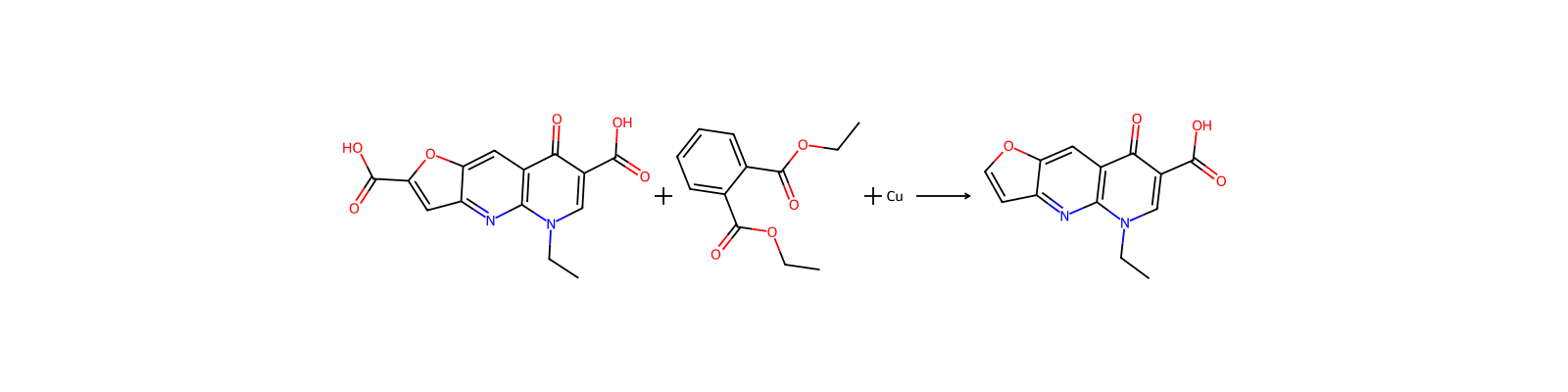
15



Verknüpfte Notizen
Wird geladen…