

Grundinformationen
- Standard-SMILES
O=[N+]([O-])c1cc(Cl)c(Cl)cc1Cl- InChIKey
IBRBMZRLVYKVRF-UHFFFAOYSA-N- Summenformel
- C6H2Cl3NO2
- Durchschnittliche Molmasse
- 226,4 g/mol
- Monoisotopische Masse
- 224,91511134
Überblick
Prisms or needles in alcohol; yellow powder. (NTP, 1992)
Namen und Bezeichner
- Bevorzugter Name
- 2,4,5-Trichloronitrobenzene
- IUPAC
- 1,2,4-trichloro-5-nitrobenzene
- Lokaler Name
- 5-Nitro-1,2,4-trichlorbenzol
- Englischer Name
- 1,2,4-Trichloro-5-nitrobenzene
- Summenformel
- C6H2Cl3NO2
- Molmasse
- 226.44
Namen und Synonyme
2,4,5-TRICHLORONITROBENZENE1,2,4-Trichloro-5-nitrobenzene89-69-0Benzene, 1,2,4-trichloro-5-nitro-1-Nitro-2,4,5-trichlorobenzene5-Nitro-1,2,4-trichlorobenzene2,4,5-trichloro-1-nitrobenzene3,4,6-TrichloronitrobenzeneMFCD00007072DTXSID50262030YFY8PZD2M1,4,5-Trichloro-2-nitrobenzene
Weitere Namen anzeigen
2,4,5-TrichloronitroBifeprunox Impurity 522,3-DICHLOROANISOLE PESTANAL1,2,4-trichloro-5-nitro-benzen
NSC-50660NSC-56980NSC-609752,5-TrichloronitrobenzeneWLN: WNR BG DG EG1,4-Trichloro-5-nitrobenzeneBenzene,2,4-trichloro-5-nitro-2,4,5-Trichloronitrobenzene- 13C6
Datenbank-Bezeichner
- CAS
89-69-0- PubChem CID
- 6983
- DTXSID
DTXSID5026203- ChEMBL
CHEMBL1323107- UNII
- 0YFY8PZD2M
- EC Number
- 201-931-7
- Nikkaji
- J2.838J
Eigenschaften
Berechnete Struktureigenschaften
- XLogP
- 3,5
- Polarare Oberfläche (TPSA)
- 45,8 Ų
- H-Brücken-Donoren
- 0
- H-Brücken-Akzeptoren
- 2
- Frei drehbare Bindungen
- 0
- Schwere Atome
- 12
- Formalladung
- 0
- Komplexität
- 184
Experimentelle und physikochemische Eigenschaften
Chemical ClassesNitrogen Compounds -> Nitros, Aromatic
SpringerMaterials PropertiesBoiling point
LogP3.48
Density1.79 at 73 °F (NTP, 1992) - Denser than water; will sink
Solubilityless than 1 mg/mL at 61 °F (NTP, 1992)
Flash Pointgreater than 230 °F (NTP, 1992)
Boiling Point
550 °F at 760 mmHg (NTP, 1992)
208 °C @760 [mm Hg]
Melting Point
135 to 136 °F (NTP, 1992)
57 °C
Vapor Pressure0.000792 [mmHg]
Physical Description
Prisms or needles in alcohol; yellow powder. (NTP, 1992)
Yellow solid; [CAMEO] Light yellow solid; [Sigma-Aldrich MSDS]
Physikochemische Eigenschaften
- Schmelzpunkt
- 52 · 52-57 °C
- Siedepunkt
- 288 °C · 288 °C
- Dichte
- 1.79 · 1.79
- Brechungsindex
- 1.63 · 1.6300 (estimate)
- Flammpunkt
- 170 °C · 170 °C
- storage temp.
- 2 · 2-8°C
- Aggregatzustand
- powder to crystal
- Farbe
- 2 · Prisms from EtOH or CS2
- Wasserlöslichkeit
- 27 mg/L · 27 mg/L (20 ºC)
- CAS Datenbank
- 89 · 89-69-0(CAS DataBase Reference)
- NIST chemische Informationen
- 1 · Benzene, 1,2,4-trichloro-5-nitro-(89-69-0)
- EPA chemische Informationen
- 2 · 2,4,5-Trichloronitrobenzene (89-69-0)
Sicherheit und Regulatorisches
GHS-Klassifizierung
GHS Classification
This chemical does not meet GHS hazard criteria for 48.1% (37 of 77) of reports.
Danger
H301 (49.4%): Toxic if swallowed [Danger Acute toxicity, oral]
P261, P264, P270, P271, P273, P280, P301+P316, P302+P352, P304+P340, P317, P321, P330, P362+P364, P391, P405, and P501 (click each P-code to see the statement)
Aggregated GHS information provided per 77 reports by companies from 4 notifications to the ECHA C&L Inventory. Each notification may be associated with multiple companies.
Gefahrenhinweise
Regulatory InformationTP - indicates a substance that is the subject of a proposed TSCA section 4 test rule.
DOT LabelPoison
Fire HazardsThis chemical is probably combustible. (NTP, 1992)
Health HazardsSYMPTOMS: Exposure to this compound may cause eye and skin irritation. Absorption into the body leads to the formation of methemoglobin which in sufficient concentration causes cyanosis.
Hazards Summary
An irritant; May induce methemoglobinemia; [NTP] May cause irritation; May induce methemoglobinemia; Toxic by ingestion; Harmful by inhalation and skin absorption; [Sigma-Aldrich MSDS] See Pentachloronitrobenzene and 2,3,4,5-Tetrachloronitrobenzene.
Reactive GroupNitro, Nitroso, Nitrate, and Nitrite Compounds, Organic
Reactivity Profile2,4,5-TRICHLORONITROBENZENE is incompatible with strong bases and strong oxidizing agents. (NTP, 1992).
Air and Water ReactionsInsoluble in water.
Hazard Classes and CategoriesAcute Tox. 3 (49.4%)
Sicherheit und Schutzausrüstung
Fire FightingFires involving this compound can be controlled using a dry chemical, carbon dioxide or Halon extinguisher. (NTP, 1992)
First Aid
EYES: First check the victim for contact lenses and remove if present. Flush victim's eyes with water or normal saline solution for 20 to 30 minutes while simultaneously calling a hospital or poison control center. Do not put any ointments, oils, or medication in the victim's eyes without specific instructions from a physician. IMMEDIATELY transport the victim after flushing eyes to a hospital even if no symptoms (such as redness or irritation) develop.
Nonfire Spill Response
SMALL SPILLS AND LEAKAGE: If a spill of this chemical occurs, FIRST REMOVE ALL SOURCES OF IGNITION, then you should dampen the solid spill material with acetone and transfer the dampened material to a suitable container. Use absorbent paper dampened with acetone to pick up any remaining material. Seal your contaminated clothing and the absorbent paper in a vapor-tight plastic bag for eventual disposal. Solvent wash all contaminated surfaces with acetone followed by washing with a soap and water solution. Do not reenter the contaminated area until the Safety Officer (or other responsible person) has verified that the area has been properly cleaned.
Isolation and EvacuationExcerpt from ERG Guide 154 [Substances - Toxic and/or Corrosive (Non-Combustible)]:
Protective Action Criteria (PAC)
2.3 [mg/m3]
25 [mg/m3]
150 [mg/m3]
Personal Protective Equipment (PPE)
RECOMMENDED RESPIRATOR: Where the neat test chemical is weighed and diluted, wear a NIOSH-approved half face respirator equipped with an organic vapor/acid gas cartridge (specific for organic vapors, HCl, acid gas and SO2) with a dust/mist filter. (NTP, 1992)
Toxikologische Informationen
Adverse EffectsMethemoglobinemia - The presence of increased methemoglobin in the blood; the compound is classified as secondary toxic effect
Sicherheitsdaten
- tsca
- TSCA listed
- ridadr
- 3077
- hs_code
- 29392900
- RTECS-Nr.
- DC2275000
- risk_code
- 50/53-20/21/22
- Toxizität
- LDLo orl-mus: 1070 mg/kg AECTCV 14,111,85
- hazard_code
- N-Xn,N,Xn
- hazard_note
- Harmful
- safety_code
- 61-60-36/37-28-25
- hazard_class
- 6.1(b)
- packing_group
- III
Chemie und Industrie
Verwendung und Herstellung
General Manufacturing InformationBenzene, 1,2,4-trichloro-5-nitro-: ACTIVE
Anwendungen
Verwenden2,4,5-Trichloronitrobenzene, is one of the by-products of Lindane (L465990) production, that can be used for agricultural crop protection. It is also used as an intermediate for the synthesis of various chemical compounds, such as a new class of 1H-benzimidazolecarboxamidines, acting as antibacterial and antifungal agents.
Vor- und nachgelagerte Produkte
Vorgelagerte Rohstoffe
Nachgelagerte Produkte
Anbieter50 Anbieter
梯希爱(上海)化成工业发展有限公司021-67121386 · [email protected]
上海阿拉丁生化科技股份有限公司400-6206333 13167063860 · [email protected]
宁波君龙新材料有限公司0574 88552216 19032109277 · [email protected]
上海麦克林生化科技股份有限公司021-50706066 15221275939 · [email protected]
合肥翰刚医药科技有限公司+8618062405514 · [email protected]
杭州摩库生物医药科技有限公司+86-057181025280; +8617767106207 · [email protected]
宁波季诺化学品有限公司0574-87314919 057487319282 · [email protected]
湖北云镁科技有限公司027-59206672 18995657604 · [email protected]
Dayang Chem (Hangzhou) Co.,Ltd.+86-0571-88938639 17705817739 · [email protected]
Hebei Yanxi Chemical Co., Ltd.+86-17531190177 · [email protected]
郑州鸿晟医药科技有限公司0371-55695890 15637198702 · [email protected]
上海弘顺生物科技有限公司15901914505 · [email protected]
河北枫嘉新材料科技有限公司+86-0311-87836622 +86-18712993135 · [email protected]
武汉易泰科技有限公司上海分公司18930552037 · [email protected]
安耐吉化学&3A(安徽泽升科技股份有限公司)400-0056266 · [email protected]
武汉卡诺斯科技有限公司027-83238443 15327105076 · [email protected]
梯希爱(上海)化工贸易有限公司021-61109150 · [email protected]
上海瀚鸿科技股份有限公司021-54306202 13764082696 · [email protected]
安徽合诺生物科技有限公司18455579438
上海毕楷科技有限公司18516304666
山东西亚化学有限公司13355009207 13355009207 · [email protected]
玛雅试剂+86 (573) 82222445 (0)18006601000 452520369 · [email protected]
四川库利南科技有限公司400-1166-196 18981987031 · [email protected]
上海耐士化工科技有限公司400-188-0725 +86 21 34310725 13611771617
天津希恩思生化科技有限公司400 638 7771 · [email protected]
ZHEJIANG JIUZHOU CHEM CO., LTD+86-0576225566889 +86-13454675544 · [email protected];[email protected];[email protected]
TOKYO CHEMICAL INDUSTRY CO., LTD.03-36680489 · [email protected]
武汉卡诺斯科技有限公司153-37111468 15337111468 · [email protected]
郑州安步防护用具有限公司+86-0371-88006763; +86-15988602810 · [email protected]
上海丽康新材料有限公司+86-16631818819 +86-17736933208 · [email protected]
PT CHEM GROUP LIMITED+86-85511178; +86-85511178 · [email protected]
上海湄水化工科技有限公司021-60549325 18616193163
安徽科迪达化工有限公司0554-2106669 · [email protected]
陕西缔都医药化工有限公司029-81024372 17792795018 · [email protected]
九鼎化学(上海)科技有限公司4009209199 · [email protected]
Henan Alfa Chemical Co., Ltd+8618339805032 · [email protected]
郑州九亿时光新材料有限公司+86-15225627621 +86-13213167925 · [email protected]
湖北川合化工有限公司187-7130-7593 18672969259 · [email protected]
艾吉析科技(上海)有限公司17721401538;17717235263 17721401538 · [email protected]
湖北万业众诚化学试剂有限责任公司18671296875 · [email protected]
成都润泽本土化工有限公司028-88469284 18000562381 · [email protected]
南京艾比克斯生化科技有限公司025-87193546 18652950785 · [email protected]
上海源叶生物科技有限公司13636370518 · [email protected]
山东西亚化学有限公司4009903999 13395398332 · [email protected]
武汉卡诺斯科技有限公司18064039730 · [email protected]
武汉易谊化学科技有限公司0711-3617768 13308685235 · [email protected]
上海达瑞精细化学品有限公司13816046603 · [email protected]
上海贤鼎生物科技有限公司021-021-52271985 17721149837 · [email protected]
Shanghai Acmec Biochemical Technology Co., Ltd.+86-18621343501 · [email protected]
Shaanxi Didu New Materials Co. Ltd+86-86-17392712779 +86-13289823923 · [email protected]
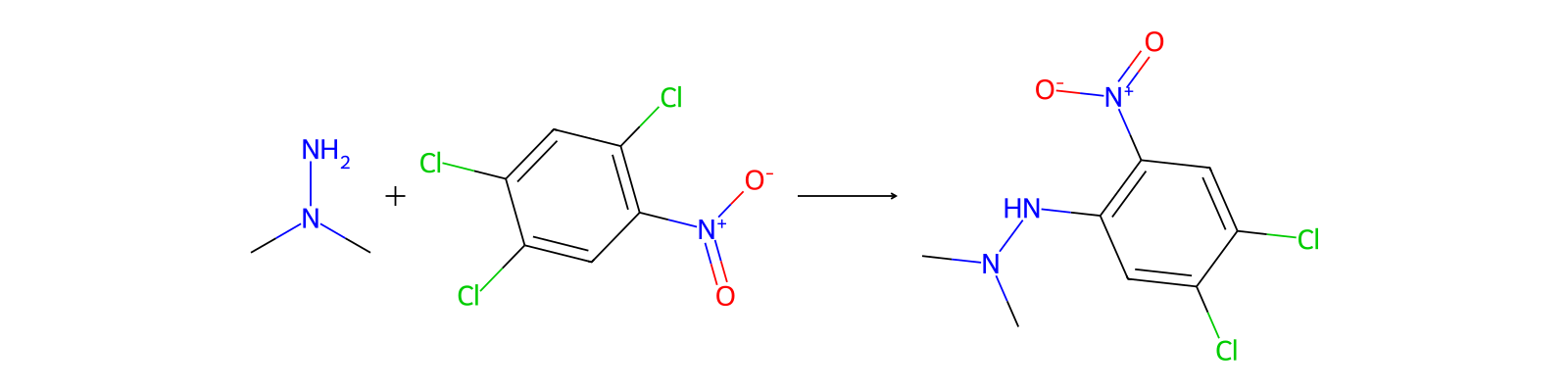
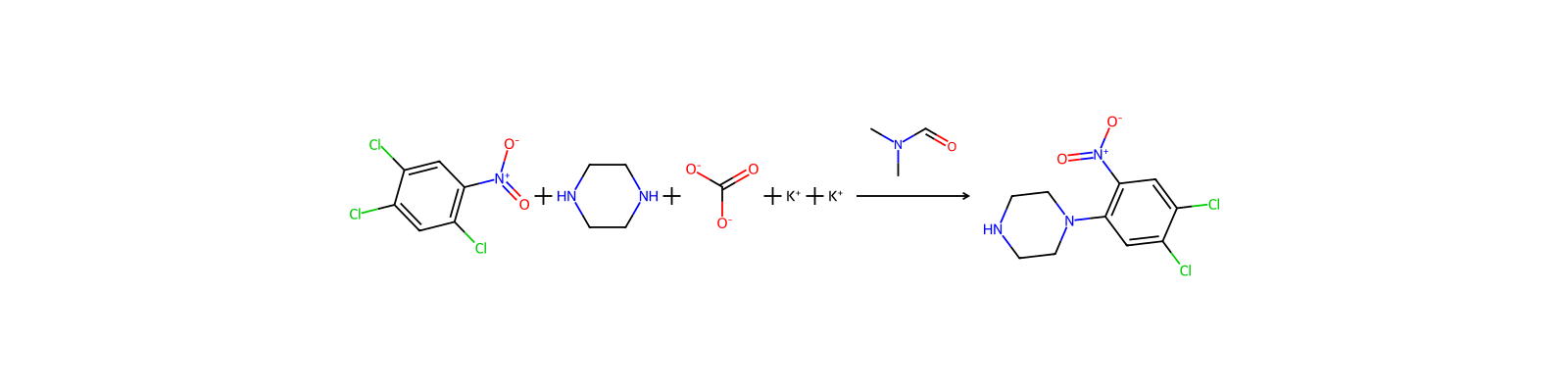
Zugehörige Reaktionen
51




Verknüpfte Notizen
Wird geladen…