

Grundinformationen
- Standard-SMILES
Nc1cc2ccccc2cc1N- InChIKey
XTBLDMQMUSHDEN-UHFFFAOYSA-N- Summenformel
- C10H10N2
- Durchschnittliche Molmasse
- 158,2 g/mol
- Monoisotopische Masse
- 158,08439832
Namen und Bezeichner
- Bevorzugter Name
- 2,3-Diaminonaphthalene
- IUPAC
- naphthalene-2,3-diamine
- Lokaler Name
- 2,3-Naphthylendiamin
- Englischer Name
- 2,3-diaminonaphthalene
- Summenformel
- C10H10N2
- Molmasse
- 158.2
Namen und Synonyme
2,3-Diaminonaphthalene771-97-12,3-Naphthalenediamine2BNZ6BRS87DTXSID4061121NSC-62692RefChem:441954DTXCID6047947212-241-0naphthalene-2,3-diamine2,3-NaphthylenediamineMFCD00004116
Weitere Namen anzeigen
DAND1JACS-771-97-1NAPHTHALENEDIAMINETIMTEC-BB SBB0001272,3-DiaminonaphthaL
UNII-2BNZ6BRS87EINECS 212-241-0NSC 62692CCRIS 83992,3-diaminonapthaleneDANSCHEMBL139321STK396657
Datenbank-Bezeichner
- CAS
771-97-1- PubChem CID
- 69872
- DTXSID
DTXSID4061121- UNII
- 2BNZ6BRS87
- EC Number
- 212-241-0
- Nikkaji
- J79.947E
Eigenschaften
Berechnete Struktureigenschaften
- XLogP
- 1,9
- Polarare Oberfläche (TPSA)
- 52 Ų
- H-Brücken-Donoren
- 2
- H-Brücken-Akzeptoren
- 2
- Frei drehbare Bindungen
- 0
- Schwere Atome
- 12
- Formalladung
- 0
- Komplexität
- 140
Experimentelle und physikochemische Eigenschaften
Chemical ClassesOther Classes -> Naphthalenes
LogP1.54
Vapor Pressure0.0000293 [mmHg]
Physical DescriptionPowder; [Aldrich MSDS]
Physikochemische Eigenschaften
- Schmelzpunkt
- 197 · 197-203 °C
- Siedepunkt
- 273.29 °C · 273.29°C (rough estimate)
- Dichte
- 1.0968 · 1.0968
- Brechungsindex
- 1.6392 · 1.6392 (estimate)
- storage temp.
- 2 · Keep in dark place,Inert atmosphere,2-8°C
- Löslichkeit
- 50 mg/mL · pyridine: soluble50mg/mL
- pka
- 5.36 · 5.36±0.10(Predicted)
- Aggregatzustand
- Crystalline Powder
- Farbe
- Green-brown to brown
- Wasserlöslichkeit
- Slightly soluble in water. Soluble in pyridine, dimethylsulfoxide, dimethyformamide, dil.hydrochloric acid, ethanol, ether and hot methanol.
- BRN
- 2206394 · 2206394
- Stabilität
- Stable. Combustible. Incompatible with strong oxidizing agents.
- InChI
- InChI=1S/C10H10N2/c11-9-5-7-3-1-2-4-8(7)6-10(9)12/h1-6H,11-12H2
- InChIKey
- XTBLDMQMUSHDEN-UHFFFAOYSA-N
- SMILES
- C1=C2C(C=CC=C2)=CC(N)=C1N
- CAS Datenbank
- 771 · 771-97-1(CAS DataBase Reference)
- EPA chemische Informationen
- 2 · 2,3-Naphthalenediamine (771-97-1)
Sicherheit und Regulatorisches
GHS-Klassifizierung
GHS Classification
Warning
H302 (97.9%): Harmful if swallowed [Warning Acute toxicity, oral]
P261, P264, P264+P265, P270, P271, P280, P301+P317, P302+P352, P304+P340, P305+P351+P338, P317, P319, P321, P330, P332+P317, P337+P317, P362+P364, P403+P233, P405, and P501 (click each P-code to see the statement)
Aggregated GHS information provided per 47 reports by companies from 7 notifications to the ECHA C&L Inventory. Each notification may be associated with multiple companies.
Gefahrenhinweise
Regulatory InformationChemical: 2,3-Naphthalenediamine
Hazards SummaryAn irritant; Harmful by ingestion; Targets the bladder; [Aldrich MSDS] See 1,5-Naphthalenediamine. See beta-Naphthylamine and alpha-Naphthylamine.
Hazard Classes and CategoriesAcute Tox. 4 (97.9%)
Sicherheitsdaten
- F
- 8-10-23
- wgk
- 3
- tsca
- TSCA listed
- ridadr
- 2811
- hs_code
- 29215900
- risk_code
- 22-36/37/38-45
- hazard_code
- Xn,T
- safety_code
- 26-45-53
- Speicherklasse
- 11 - Combustible Solids
- Hazard Classifications
- Acute Tox. 4 OralEye Irrit. 2Skin Irrit. 2STOT SE 3
Chemie und Industrie
Verwendung und Herstellung
General Manufacturing Information2,3-Naphthalenediamine: ACTIVE
Anwendungen
Beschreibung2,3-Diaminonaphthalene is a highly selective colorimetric and fluorometric reagent for selenium detection and also used for the fluorometric determination of nitrite. It is also useful for detection of ketones and alpha-keto acids.2,3-Diaminonaphthalene reacts with nitrosonium, which is formed from nitrite at low pH, to form the fluorescent dye 1 H-naphthotriazole. This method can be used to detect 10 nM to 10 uM of nitrite (NO2-) and is compatible with 96-well format.Fluorometric probe for nitriteQuantify 10 nM to 10 uM of nitriteYellow orange solid soluble in DMSO
VerwendenIn a reaction similar to that of DAF-FM , 2,3- diaminonaphthalene (D-7918) reacts with the nitrosonium cation that forms spontaneously from NO to form the fluorescent product 1H-naphthotriazole.Using 2,3-diaminonaphthalene, researchers have developed a rapid, quantitative fluorometric assay that can detect from 10 nM to 10 μM nitrite and is compatible with a 96-well microplate format.
Vor- und nachgelagerte Produkte
Vorgelagerte Rohstoffe
Nachgelagerte Produkte
Anbieter50 Anbieter
梯希爱(上海)化成工业发展有限公司021-67121386 · [email protected]
上海阿拉丁生化科技股份有限公司400-6206333 13167063860 · [email protected]
Career Henan Chemica Co+86-0371-86658258 +86-13203830695 · [email protected]
苏州启航生物科技有限公司18151111370 · [email protected]
Dayang Chem (Hangzhou) Co.,Ltd.+86-0571-88938639 17705817739 · [email protected]
Syntechem Co.,Ltd[email protected]
韶远科技(上海)有限公司021-50795510 4000665055 · [email protected]
Ark Pharm, Inc.847-367-3680 · [email protected]
上海迈瑞尔生化科技有限公司4006356688 18621169109 · [email protected]
上海晶抗生物工程有限公司021-54721350 13524668266 · [email protected]
阿法埃莎(中国)化学有限公司400-6106006 · [email protected]
安耐吉化学&3A(安徽泽升科技股份有限公司)400-0056266 · [email protected]
北京绿百草科技发展有限公司010-61136123 · [email protected]
上海相辉医药科技有限公司13761987713 · [email protected]
上海隆盛化工有限公司58099637 13585536065 · [email protected]
郑州研德生物科技有限公司0371-63682289 15538176268 · [email protected]
MedChemexpress LLC021-58955995 · [email protected]
武汉丰泰威远科技有限公司+86-27-8746-5837 +86-18627785180 · [email protected]
武汉丰泰威远科技有限公司027-87465837 19945049750 · [email protected]
山东西亚化学有限公司13355009207 13355009207 · [email protected]
天津希恩思生化科技有限公司400 638 7771 · [email protected]
上海源叶生物科技有限公司13636370518 · [email protected]
艾科试剂4008-755-333 18080918076 · [email protected]
上海思域化工科技有限公司86-21-34053660 · [email protected]
赛默飞世尔科技(中国)有限公司800-810-5118 · [email protected]
北京伊诺凯科技有限公司400-810-7969 010-59572699 · [email protected]
上海特伯化学科技有限公司+86-21-60341587 · [email protected]
TCI AMERICA800-4238616 · [email protected]
TOKYO CHEMICAL INDUSTRY CO., LTD.03-36680489 · [email protected]
TCI Europe320-37350700 · [email protected]
上海睿升化工科技有限公司+86-021-50935922
上海倍卓生物科技有限公司021-61119791,13386096464 · [email protected]
安徽科迪达化工有限公司0554-2106669 · [email protected]
湖南华腾制药有限公司400-8592883 · [email protected]
上海鑫圭生物科技有限公司15121041756 · [email protected]
上海麦克林生化科技股份有限公司15221275939 15221275939 · [email protected]
杭州杰恒化工有限公司0571-87396432 · [email protected]
山东风扬科技有限公司19285468033 19255465625
成都润泽本土化工有限公司13096311329 028-88469284 616445927 · [email protected]
吉林中科研伸科技有限公司0431-80534353 19917294565 · [email protected]
AN PharmaTech Co Ltd86(21)68097365 · [email protected]
郑州为易化工产品有限公司0371-88888888 qq272369594;2159423853qq · [email protected]
TargetMol中国(陶术生物)021-021-33632979 15002134094 · [email protected]
上海陶术生物科技股份有限公司+1-781-999-5354; +1-00000000000 · [email protected]
九鼎化学(上海)科技有限公司4009209199 · [email protected]
河南普赛化工产品有限公司0371-63357898 · [email protected]
上海大然化学有限公司021-64478606 15900664856 · [email protected]
郑州阿尔法化工有限公司0371-53765687 18937137882 · [email protected]
成都润泽本土化工有限公司028-88469284 18000562381 · [email protected]
南京艾比克斯生化科技有限公司025-87193546 18652950785 · [email protected]
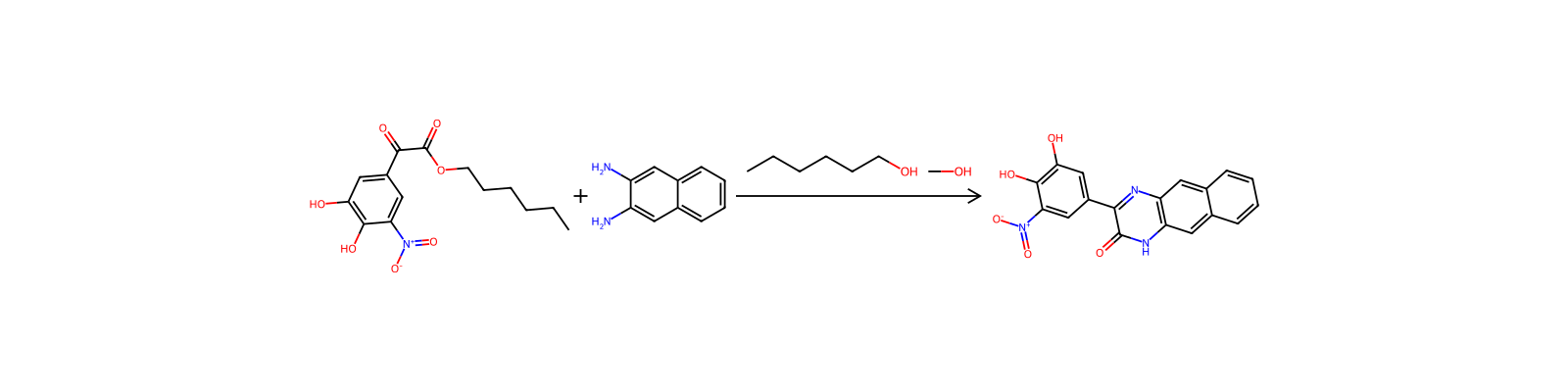
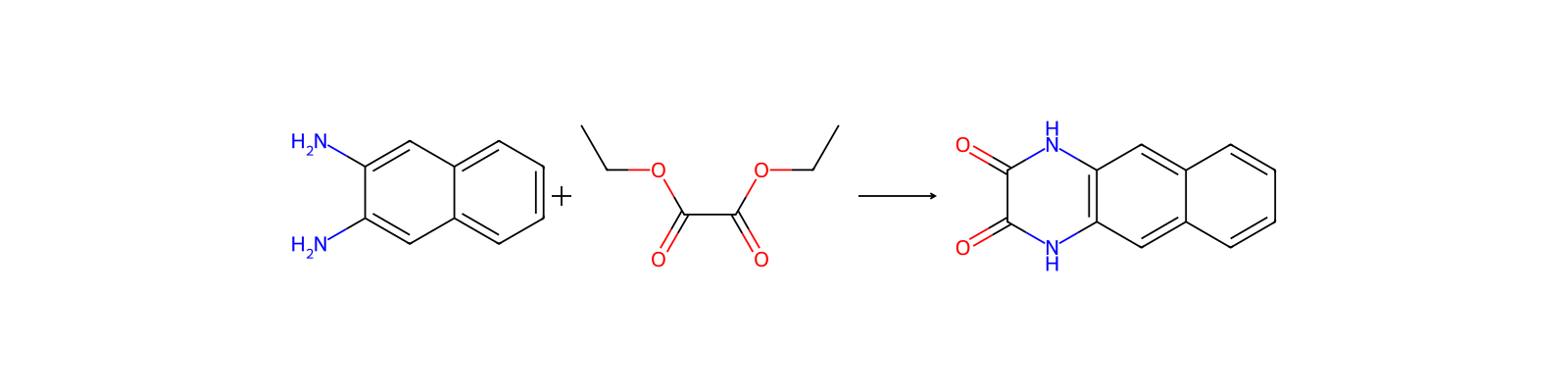
Zugehörige Reaktionen
24





Verknüpfte Notizen
Wird geladen…