Diisopropylsuccinat
Diisopropyl succinate
HCID 70213

Grundinformationen
- CAS
924-88-9- Standard-SMILES
CC(C)OC(=O)CCC(=O)OC(C)C- InChIKey
YPLYFEUBZLLLIY-UHFFFAOYSA-N- Summenformel
- C10H18O4
- Durchschnittliche Molmasse
- 202,25 g/mol
- Monoisotopische Masse
- 202,12050905
Namen und Bezeichner
- Bevorzugter Name
- Diisopropyl succinate
- IUPAC
- dipropan-2-yl butanedioate
- Lokaler Name
- Diisopropylsuccinat
- Englischer Name
- Diisopropyl succinate
- Summenformel
- C10H18O4
- Molmasse
- 202.25
Namen und Synonyme
Diisopropyl succinate924-88-9Butanedioic acid, bis(1-methylethyl) esterButanedioic acid, 1,4-bis(1-methylethyl) esterDiisopropylsuccinateEINECS 213-110-0AI3-05513EC 213-110-099B062LA62SUCCINIC ACID, DIISOPROPYL ESTERRefChem:587911213-110-0
Weitere Namen anzeigen
DIPSDiisopropyl Succinate >Diisopropylsuccinate(dips)Bis(1-methylethyl)butanedioateDiisopropyl Succinate, 99.0%(GC)BUTANEDIOIC ACID, BIS(1-METHYL-ETHYL) ESTER
Succinic acid diisopropyl esterdipropan-2-yl butanedioateDTXSID9044740MFCD00059360SCHEMBL72471butanedioic acid bis-(1-methylethyl) esterdiisopropyl butanedioateSuccinicaciddiisopropylester
Datenbank-Bezeichner
- CAS
924-88-9- PubChem CID
- 70213
- DTXSID
DTXSID9044740- ChEMBL
CHEMBL3187741- UNII
- 99B062LA62
- EC Number
- 213-110-0
- Nikkaji
- J136.529K
Eigenschaften
Berechnete Struktureigenschaften
- XLogP
- 1,5
- Polarare Oberfläche (TPSA)
- 52,6 Ų
- H-Brücken-Donoren
- 0
- H-Brücken-Akzeptoren
- 4
- Frei drehbare Bindungen
- 7
- Schwere Atome
- 14
- Formalladung
- 0
- Komplexität
- 174
Experimentelle und physikochemische Eigenschaften
SpringerMaterials PropertiesBoiling point
Physical DescriptionCBI
Physikochemische Eigenschaften
- Schmelzpunkt
- 263 °C · 263.0 °C
- Siedepunkt
- 228 °C · 228 °C
- Dichte
- 0 · 0,99 g/cm3
- Dampfdruck
- 12.2 Pa · 12.2Pa at 25℃
- Brechungsindex
- 1.417 to · 1.4170 to 1.4190
- storage temp.
- Sealed in dry,Room Temperature
- Aggregatzustand
- solid
- Farbe
- Colorless to Almost colorless
- InChI
- 1S/C10H18O4/c1-7(2)13-9(11)5-6-10(12)14-8(3)4/h7-8H,5-6H2,1-4H3
- InChIKey
- YPLYFEUBZLLLIY-UHFFFAOYSA-N
- SMILES
- CC(C)OC(=O)CCC(=O)OC(C)C
Sicherheit und Regulatorisches
Sicherheitsangaben dienen nur zur Orientierung und ersetzen weder das Sicherheitsdatenblatt (SDB) des Lieferanten noch geltende Vorschriften oder eine fachliche Bewertung.
GHS-Klassifizierung
GHS Classification
This chemical does not meet GHS hazard criteria for 88.9% (8 of 9) of all reports.
H412 (11.1%): Harmful to aquatic life with long lasting effects [Hazardous to the aquatic environment, long-term hazard]
P273, and P501 (click each P-code to see the statement)
Aggregated GHS information provided per 9 reports by companies from 3 notifications to the ECHA C&L Inventory.
Gefahrenhinweise
Regulatory Information
Chemical: Butanedioic acid, bis(1-methylethyl) ester
Butanedioic acid, 1,4-bis(1-methylethyl) ester is listed on the EPA's Chemical Data Reporting (CDR) system. Manufacturers and importers of Butanedioic acid, 1,4-bis(1-methylethyl) ester are required to report information about their production and use of this chemical to the EPA under the Toxic Substances Control Act (TSCA). (40 eCFR Part 711)
PMN - indicates a commenced PMN (Pre-Manufacture Notices) substance.
REACH registered substance: Diisopropyl succinate (EC: 213-110-0)
EPA Safer ChemicalChemical: Diisopropyl succinate
Hazard Classes and CategoriesAquatic Chronic 3 (11.1%)
Sicherheitsdaten
- wgk
- WGK 3
- tsca
- TSCA listed
- hs_code
- 2917190090
- risk_code
- 36/37/38-52/53
- safety_code
- 26-36/37/39
- Speicherklasse
- 11 - Combustible Solids
Chemie und Industrie
Verwendung und Herstellung
U.S. Production2023: 1,000,000 - <8,500,000 lb
Consumer UsesPigment
Industry UsesPigment
Use Classification
EPA Safer Chemical Functional Use Classes -> Solvents
Safer Chemical Classes -> Green half-circle - The chemical is expected to be of low concern
General Manufacturing Information
Printing Ink Manufacturing
Butanedioic acid, 1,4-bis(1-methylethyl) ester: ACTIVE
Anwendungen
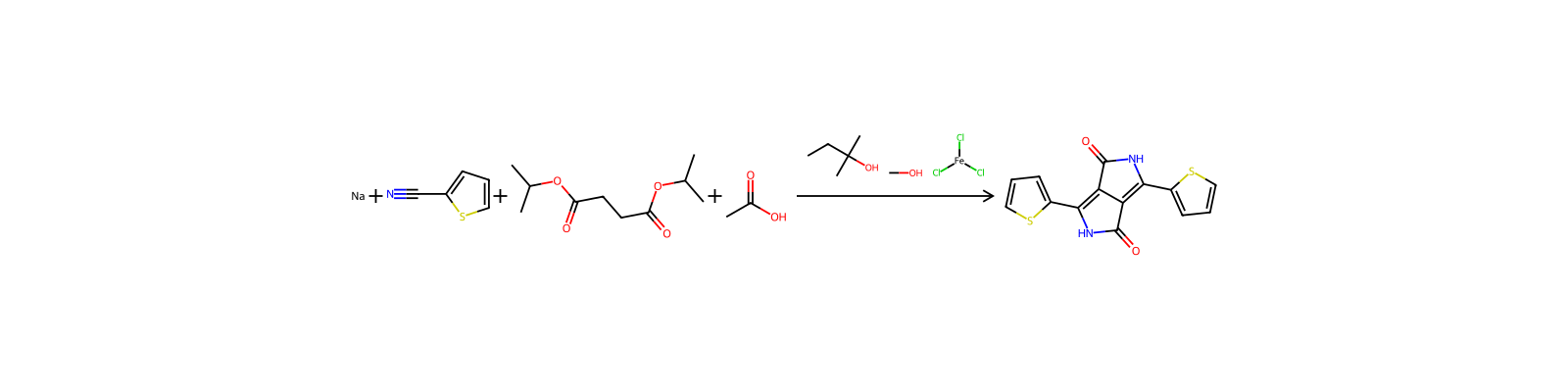
VerwendenDiisopropyl Succinate is used in preparation of Heterocyclic Pyrrolopyrrole Diketone quaternary Ammonium Salt as Copper electroplating leveling agent.
Vor- und nachgelagerte Produkte
Vorgelagerte Rohstoffe
Nachgelagerte Produkte
Zugehörige Reaktionen
4