

Grundinformationen
- Standard-SMILES
c1ccc(N2CCNCC2)cc1- InChIKey
YZTJYBJCZXZGCT-UHFFFAOYSA-N- Summenformel
- C10H14N2
- Durchschnittliche Molmasse
- 162,23 g/mol
- Monoisotopische Masse
- 162,11569846
Namen und Bezeichner
- Bevorzugter Name
- 1-Phenylpiperazine
- IUPAC
- 1-phenylpiperazine
- Lokaler Name
- 1-Phenylpiperazindihydrochlorid
- Englischer Name
- 1-Phenylpiperazine dihydrochloride
- Summenformel
- C10H16Cl2N2
- Molmasse
- 235.15
Namen und Synonyme
1-PHENYLPIPERAZINE92-54-6PhenylpiperazineDTXSID8057855J9225CBI7DDTXCID9031644RefChem:173105202-165-6N-PhenylpiperazinePiperazine, 1-phenyl-1-Phenyl-piperazineN-Phenyldiethylenediamine
Weitere Namen anzeigen
Nsc1508471-Phenylpiperazine2HCl1-Phenylpiperazine hHdrochloridePhenylpiperazine (hydrochloride)1-Phenylpiperazine dihydrochlorideN-Phenylpiperazine Dihydrochloride4-Phenylpiperazine Dihydrochloride1-PHENYLPIPERAZINE DIHYDROCHLORIDE 98%Piperazine, 1-phenyl-, dihydrochloride
4-phenylpiperazinen-phenyl piperazineMFCD00005957CHEMBL94341-Fenylpiperazin1-Fenylpiperazin [Czech]N-phenylpiperazinCCRIS 4334
Datenbank-Bezeichner
- CAS
4004-95-9、92-54-6- PubChem CID
- 7096
- DTXSID
DTXSID8057855- ChEMBL
CHEMBL9434- UNII
- J9225CBI7D
- EC Number
- 202-165-6
- Nikkaji
- J35.451A
Eigenschaften
Berechnete Struktureigenschaften
- XLogP
- 1,1
- Polarare Oberfläche (TPSA)
- 15,3 Ų
- H-Brücken-Donoren
- 1
- H-Brücken-Akzeptoren
- 2
- Frei drehbare Bindungen
- 1
- Schwere Atome
- 12
- Formalladung
- 0
- Komplexität
- 124
Experimentelle und physikochemische Eigenschaften
Dissociation Constants9
Physikochemische Eigenschaften
- Schmelzpunkt
- 221 · 221-223°C
- storage temp.
- Hygroscopic, Refrigerator, Under Inert Atmosphere
- Löslichkeit
- DMSO (Slightly), Methanol (Slightly), Water (Slightly)
- Aggregatzustand
- Solid
- Farbe
- White to Off-White
- Stabilität
- Hygroscopic
Sicherheit und Regulatorisches
GHS-Klassifizierung
GHS Classification
Danger
H301 (96.9%): Toxic if swallowed [Danger Acute toxicity, oral];H310 (36.9%): Fatal in contact with skin [Danger Acute toxicity, dermal];H311 (61.5%): Toxic in contact with skin [Danger Acute toxicity, dermal];H314 (98.5%): Causes severe skin burns and eye damage [Danger Skin corrosion/irritation]
P260, P262, P264, P270, P280, P301+P316, P301+P330+P331, P302+P352, P302+P361+P354, P304+P340, P305+P354+P338, P316, P321, P330, P361+P364, P363, P405, and P501 (click each P-code to see the statement)
Aggregated GHS information provided per 65 reports by companies from 8 notifications to the ECHA C&L Inventory. Each notification may be associated with multiple companies.;Information may vary between notifications depending on impurities, additives, and other factors. The percentage value in parenthesis indicates the notified classification ratio from companies that provide hazard codes. Only hazard codes with percentage values above 10% are shown. For more detailed information, please visit ECHA C&L website.
Gefahrenhinweise
Regulatory Information
Status: Active Update: 09-04-2018 https://echa.europa.eu/registration-dossier/-/registered-dossier/21606
Piperazine, 1-phenyl-, dihydrochloride: Does not have an individual approval but may be used as a component in a product covered by a group standard. It is not approved for use as a chemical in its own right.
Phenylpiperazine: Does not have an individual approval but may be used under an appropriate group standard
Hazard Classes and CategoriesAcute Tox. 3 (96.9%);Acute Tox. 2 (36.9%);Acute Tox. 3 (61.5%);Skin Corr. 1B (98.5%)
Regulatorische Informationen
Regulatory Information
Status: Active Update: 09-04-2018 https://echa.europa.eu/registration-dossier/-/registered-dossier/21606
Piperazine, 1-phenyl-, dihydrochloride: Does not have an individual approval but may be used as a component in a product covered by a group standard. It is not approved for use as a chemical in its own right.
Phenylpiperazine: Does not have an individual approval but may be used under an appropriate group standard
Sicherheitsdaten
- Alarmwort
- Warnung
- Gefahrenhinweise
- Code Gefahrenhinweise Gefahrenklasse Abteilung Alarmwort Symbol P-Code H315
Chemie und Industrie
Pharmakologische Informationen
MeSH Pharmacological Classification
Drugs that bind to but do not activate alpha-adrenergic receptors thereby blocking the actions of endogenous or exogenous adrenergic agonists. Adrenergic alpha-antagonists are used in the treatment of hypertension, vasospasm, peripheral vascular disease, shock, and pheochromocytoma.
A loosely defined grouping of drugs that have effects on psychological function. Here the psychotropic agents include the antidepressive agents, hallucinogens, and tranquilizing agents (including the antipsychotics and anti-anxiety agents).
Verwendung und Herstellung
General Manufacturing InformationPiperazine, 1-phenyl-: INACTIVE
Anwendungen
Verwenden1-Phenylpiperazine was tested for its activity as a topical glaucoma agent.
Anbieter7 Anbieter
Hangzhou Sage Chemical Co., Ltd.+86057186818502 13588463833 · [email protected]
凯试(上海)科技有限公司021-50135380 · [email protected]
艾吉析科技(上海)有限公司17721401538;17717235263 17721401538 · [email protected]
陕西缔都医药化工有限公司029-029-81120477 17792793610 · [email protected]
深圳聚合生化科技有限公司+86-400-002-6226 · [email protected]
北京百灵威科技有限公司18210857532 18210857532 · [email protected]
DAYANG CHEM (HANGZHOU) CO.,LTD+86-88938639 +86-17705817739 · [email protected]
Zugehörige Reaktionen
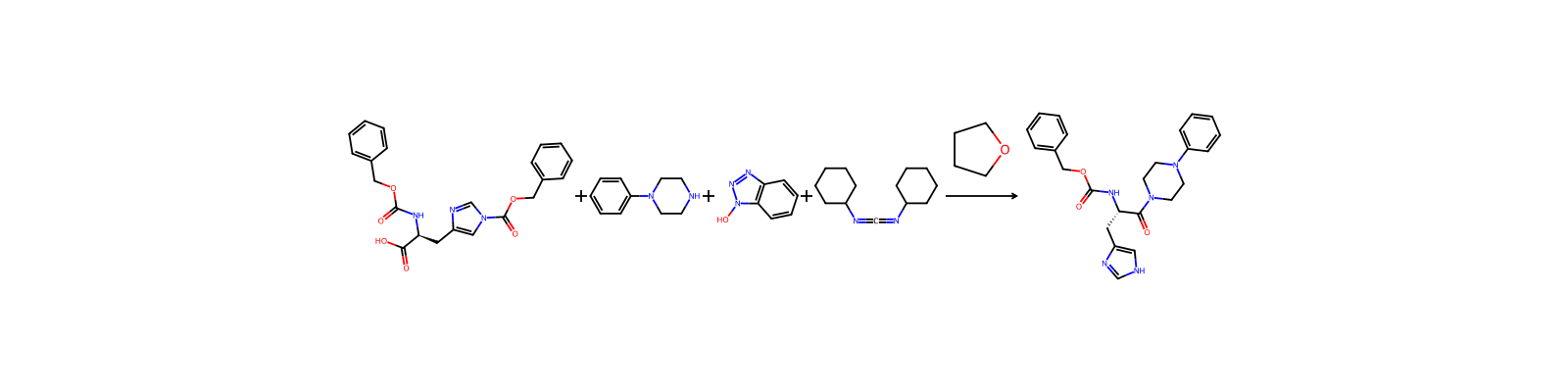
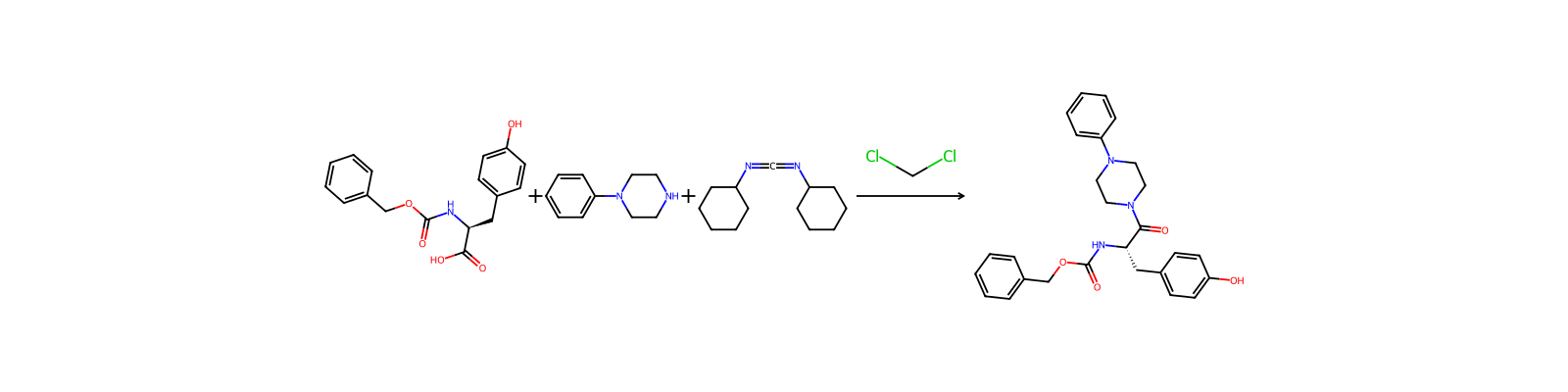
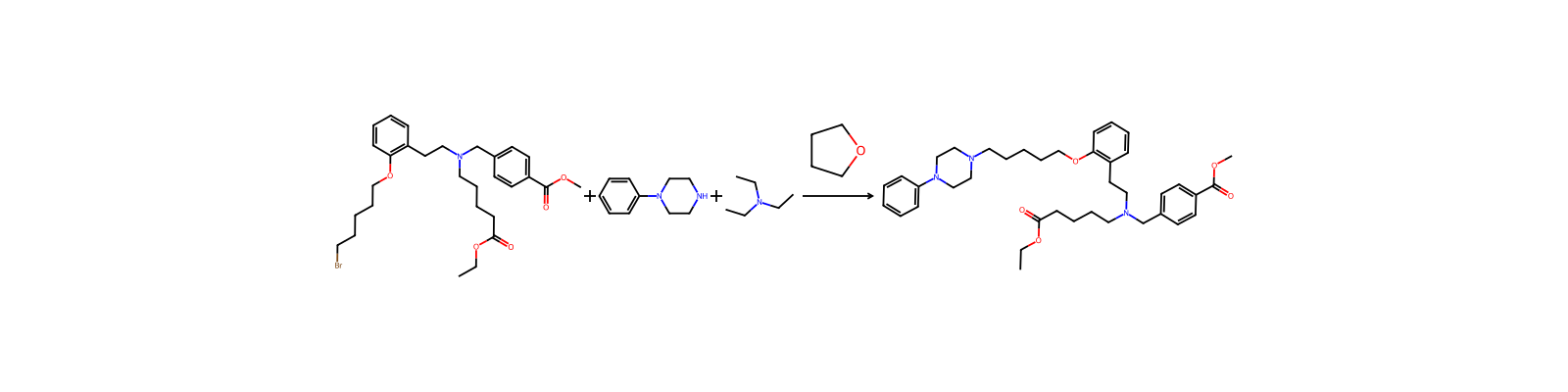
875




Verknüpfte Notizen
Wird geladen…