

Grundinformationen
- Standard-SMILES
CC(C=O)c1ccccc1- InChIKey
IQVAERDLDAZARL-UHFFFAOYSA-N- Summenformel
- C9H10O
- Durchschnittliche Molmasse
- 134,17 g/mol
- Monoisotopische Masse
- 134,07316494
Überblick
2-phenylpropanal is a member of the class of phenylacetaldehydes that is phenylacetaldehyde in which a hydrogen alpha to the aldehyde carbonyl group has been replaced by a methyl group. The major species at pH 7.3.
Namen und Bezeichner
- Bevorzugter Name
- 2-Phenylpropanal
- IUPAC
- 2-phenylpropanal
- Lokaler Name
- Hydratropaldehyd
- Englischer Name
- 2-PHENYLPROPIONALDEHYDE
- Summenformel
- C9H10O
- Molmasse
- 134.18
Namen und Synonyme
2-Phenylpropanal2-PhenylpropionaldehydeHydratropaldehyde93-53-8Hydratropic aldehydeHyacinthalCumene aldehydeHydratropa aldehydeHydrotropic aldehyde2-Phenyl-1-propanalalpha-Phenylpropionaldehydealpha-Formylethylbenzene
Weitere Namen anzeigen
2-PHENYLPROPANOLFEMA 2886NSC 5231cumenealdehyde2-PHENYLPRPANAL
Aldehyd hydratropovyalpha-Methylphenylacetaldehydealpha-Methylbenzeneacetaldehyde2-phenylpropanaldehydealpha-Methyl-alpha-toluic aldehydeFEMA No. 2886DTXSID00526298JKX55PKZQ
Datenbank-Bezeichner
- CAS
93-53-8- PubChem CID
- 7146
- DTXSID
DTXSID0052629- ChEMBL
CHEMBL3730701- ChEBI
CHEBI:149463- UNII
- 8JKX55PKZQ
- EC Number
- 202-255-5
- Nikkaji
- J35.593C
Eigenschaften
Berechnete Struktureigenschaften
- XLogP
- 1,9
- Polarare Oberfläche (TPSA)
- 17,1 Ų
- H-Brücken-Donoren
- 0
- H-Brücken-Akzeptoren
- 1
- Frei drehbare Bindungen
- 2
- Schwere Atome
- 10
- Formalladung
- 0
- Komplexität
- 103
Experimentelle und physikochemische Eigenschaften
Chemical ClassesOther Classes -> Aldehydes
FragrancesFragrance Ingredient (2-Phenylpropionaldehyde) -> IFRA transparency List
Food AdditivesFLAVORING AGENT OR ADJUVANT -> FDA Substance added to food
Density0.998-1.006
Flavoring AgentsEU Flavoring substances
Solubility
Soluble in most fixed oils; Slightly soluble in propylene glycol; Insoluble in glycerin
Soluble (in ethanol)
Boiling Point
92.00 to 94.00 °C. @ 12.00 mm Hg
202-205 °C
Refractive Index1.515-1.520
Physical Description
Liquid; [Alfa Aesar MSDS]
Colourless to pale yellow liquid; Intense, green, floral aroma reminiscent of hyacinth
Physikochemische Eigenschaften
- Schmelzpunkt
- 60 °C · 60°C
- Siedepunkt
- 92 · 92-94 °C/12 mmHg (lit.)
- Dichte
- 1.002 g/mL · 1.002 g/mL at 25 °C (lit.)
- Dampfdruck
- 40 Pa · 40Pa at 20℃
- FEMA
- 2886 · 2886 | 2-PHENYLPROPIONALDEHYDE
- Brechungsindex
- 20 · n20/D 1.517(lit.)
- Flammpunkt
- 169 °F · 169 °F
- storage temp.
- 2 · 2-8°C
- Löslichkeit
- Soluble in most fixed oils, propylene glycol. Insoluble in glycerin.
- Aggregatzustand
- Liquid
- Farbe
- Clear colorless
- Geruch (Odor)
- 10 % · at 10.00 % in dipropylene glycol. fresh sharp green hyacinth leaf lilac
- Geruchsart
- green
- Biologische Quelle
- synthetic
- Wasserlöslichkeit
- 10 μg/L · 10μg/L
- JECFA Number
- 1467 · 1467
- BRN
- 4291321 · 4291321
- Major Application
- cleaning productscosmeticsfood and beveragespersonal care
- Kosmetik-Inhaltsstoffe Funktionen
- PERFUMING
- InChI
- 1S/C9H10O/c1-8(7-10)9-5-3-2-4-6-9/h2-8H,1H3
- InChIKey
- IQVAERDLDAZARL-UHFFFAOYSA-N
- SMILES
- [H]C(=O)C(C)c1ccccc1
- LogP
- 1.96 · 1.96
- CAS Datenbank
- 93 · 93-53-8(CAS DataBase Reference)
- EPA chemische Informationen
- Benzeneacetaldehyde, .alpha.-methyl- (93-53-8)
Sicherheit und Regulatorisches
GHS-Klassifizierung
GHS Classification
Warning
H315 (100%): Causes skin irritation [Warning Skin corrosion/irritation]
P203, P261, P264, P264+P265, P272, P280, P302+P352, P305+P351+P338, P318, P321, P332+P317, P333+P317, P337+P317, P362+P364, P405, and P501 (click each P-code to see the statement)
Aggregated GHS information provided per 1680 reports by companies from 15 notifications to the ECHA C&L Inventory. Each notification may be associated with multiple companies.
Gefahrenhinweise
Regulatory Information
Chemical: Benzeneacetaldehyde, .alpha.-methyl-
Regulation (EC) No 1831/2003 (amended)
Status: Active Update: 30-03-2018 https://echa.europa.eu/registration-dossier/-/registered-dossier/17307
2-Phenylpropionaldehyde: Does not have an individual approval but may be used under an appropriate group standard
Other Safety InformationIMAP assessments - Benzeneacetaldehyde, .alpha.-methyl-: Environment tier I assessment
Hazards Summary
Decreased sperm counts in 14-day oral study of male rats at 75 and 250 mg/kg/day; [EPA - TSCATS] Causes coma in oral lethal-dose studies of rats; [RTECS] Safe when used as a flavoring agent in food; [JECFA] A skin and strong eye irritant; [Alfa Aesar MSDS]
Hazard Classes and CategoriesSkin Irrit. 2 (100%)
Sicherheitsdaten
- F
- 9-23
- wgk
- 3
- tsca
- TSCA listed
- hs_code
- 29122990
- RTECS-Nr.
- CY1460000
- risk_code
- 36/37/38
- hazard_code
- Xi
- safety_code
- 26-36/37/39
- Speicherklasse
- 10 - Combustible liquids
Chemie und Industrie
Pharmakologische Informationen
Cellular LocationsCytoplasm
Verwendung und Herstellung
UsesUsed as a flavoring agent; [FDA]
IFRA Fragrance Standards
2-Phenylpropionaldehyde
Benzeneacetaldehyde, α-methyl-; Hydratropaldehyde; α-Methylphenylacetaldehyde; α-Methyltolualdehyde; 2-Phenylpropanal; α-Phenylpropionaldehyde; (R)-2-Phenylpropionaldehyde; (S)-2-Phenylpropionaldehyde; Hydratropic aldehyde (commercial name)
IFRA_STD_075.pdf
49
IFRA 51st Amendment - Guidance for the use of IFRA Standards
Restriction: This material should be used only in the limited quantity as stated in the Standard
Use Classification
Fragrance Ingredients
Flavouring Agent -> FLAVOURING_AGENT -> JECFA Functional Classes
Flavoring Agents -> JECFA Flavorings Index
Flavouring Agent -> FLAVOURING_AGENT -> JECFA Functional Classes
General Manufacturing InformationBenzeneacetaldehyde, .alpha.-methyl-: ACTIVE
Restriction Limits in the Finished Product (%)
0.029 [Products applied to the lips]
0.0087 [Products applied to the axillae]
0.096 [Products applied to the face/body using fingertips]
0.16 [Products related to fine fragrances]
0.041 [Products applied to the body using the hands (palms), primarily leave-on (Body lotion)]
0.041 [Products applied to the face using the hands (palms), primarily leave-on (Face moisturizer)]
Anwendungen
OccurrenceReported found in microbially fermented tea and some varieties of mushrooms.
Verwenden2-Phenylpropionaldehyde is a precursor in the synthesis of N,N,β-Trimethyl-phenethylamine Hydrochloride (T796625).
Darstellung
synthetischeBy alkaline condensation of acetophenone and ethyl chloroacetate; also by distillation of methylphenyl ethylene glycol in 91% yields (under atmospheric pressure).
Vor- und nachgelagerte Produkte
Vorgelagerte Rohstoffe
Nachgelagerte Produkte
Anbieter50 Anbieter
梯希爱(上海)化成工业发展有限公司021-67121386 · [email protected]
湖北永阔科技有限公司027-59223108 15972152991 · [email protected]
上海阿拉丁生化科技股份有限公司400-6206333 13167063860 · [email protected]
Shandong chuangyingchemical Co., Ltd.18853181302 · [email protected]
湖北万得化工有限公司15377098680 15377098680 · [email protected]
武汉鹏垒生物科技有限公司15871464247 · [email protected]
武汉欣扬瑞和化学科技有限公司153-07155313 15307155313 · [email protected]
上海泰矶林实业有限公司02150630626 17717886015 · [email protected]
上海遐瑞医药科技有限公司+86-021-61551413 · [email protected]
Hebei shuoxi biotechnology co. LTD+8613081092107
河北创海生物科技有限公司+86-86-13131129325 · [email protected]
Baoji Guokang Healthchem co.,ltd+8615604608665 15604608665 · [email protected]
Dayang Chem (Hangzhou) Co.,Ltd.+86-0571-88938639 17705817739 · [email protected]
Syntechem Co.,Ltd[email protected]
南通萧畅医药贸易有限公司0513-82104991 18862997351 · [email protected]
Ark Pharm, Inc.847-367-3680 · [email protected]
上海迈瑞尔生化科技有限公司4006356688 18621169109 · [email protected]
阿法埃莎(中国)化学有限公司400-6106006 · [email protected]
安耐吉化学&3A(安徽泽升科技股份有限公司)400-0056266 · [email protected]
广东云星生物技术有限公司0751-18902340975/189023400307 18902340307 · [email protected]
上海瀚鸿科技股份有限公司021-54306202 13764082696 · [email protected]
上海钰康生物科技有限公司18939844854 · [email protected]
上海钰康生物科技有限公司+86-18930848214 +86-021-56762820 · [email protected]
湖北广奥生物科技有限公司027-02702759223056 18162699093 · [email protected]
山东西亚化学有限公司13355009207 13355009207 · [email protected]
Abblis Chemicals LLC+1-832-373-8299 · [email protected]
玛雅试剂+86 (573) 82222445 (0)18006601000 452520369 · [email protected]
天津希恩思生化科技有限公司400 638 7771 · [email protected]
赛默飞世尔科技(中国)有限公司800-810-5118 · [email protected]
北京伊诺凯科技有限公司400-810-7969 010-59572699 · [email protected]
江苏艾康生物医药研发有限公司025-66113011 13913916777 · [email protected]
TCI AMERICA800-4238616 · [email protected]
TOKYO CHEMICAL INDUSTRY CO., LTD.03-36680489 · [email protected]
TCI Europe320-37350700 · [email protected]
上海灏云化工科技有限公司021-68367562 · [email protected]
苏州中博化工科技有限公司15250602200 · [email protected]
上海湄水化工科技有限公司021-60549325 18616193163
北京奥秘佳得医药科技有限公司+86-13522808617 · [email protected]
上海麦克林生化科技股份有限公司15221275939 15221275939 · [email protected]
上海永叶生物科技有限公司86-021-61559134 15921386130 · [email protected]
陕西缔都医药化工有限公司029-81024372 17792795018 · [email protected]
上海倍殊生物科技有限公司+86 21 59971736 · [email protected]
湖北巨胜科技有限公司027-59599241 18871490274 · [email protected]
池州凯隆进出口贸易有限公司[email protected]
Sigma-Aldrich西格玛奥德里奇(上海)贸易有限公司021-61415566 800-8193336 · [email protected]
深圳振强药物研发有限公司+86-0755-66853366 +86-13670046396 · [email protected]
康迪斯化工(湖北)有限公司13343438265 · [email protected]
上海昕凯医药科技有限公司21-619849051-1 18521059765 · [email protected]
Hebei Runbin Biotechnology Co. LTD13180553332 · [email protected]
九鼎化学(上海)科技有限公司4009209199 · [email protected]
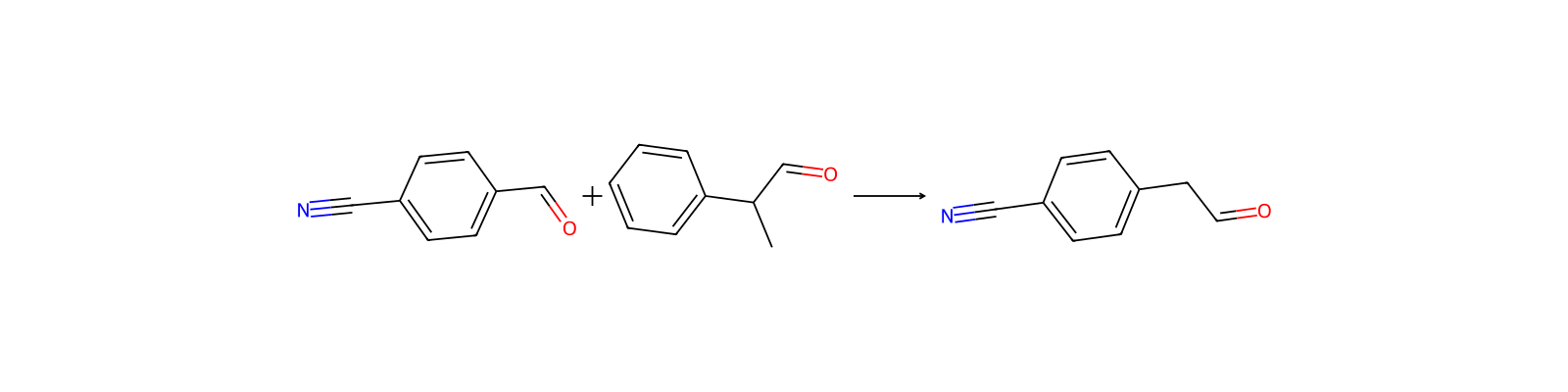
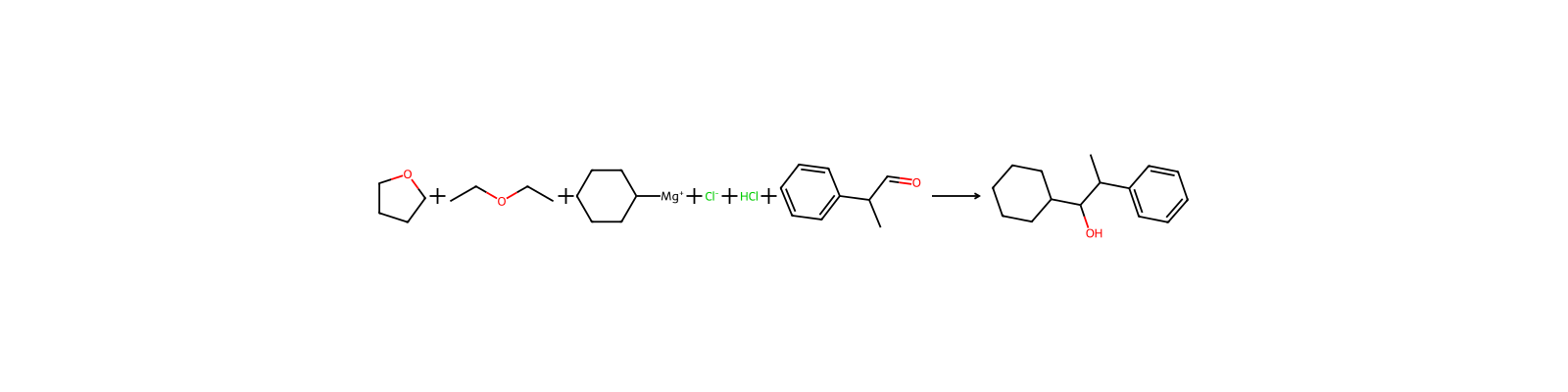
Zugehörige Reaktionen
47




Verknüpfte Notizen
Wird geladen…