StartseiteMCPWorkbenchSkills
StartseiteWorkbenchBenachrichtigungenMein Bereich
llms.txt · MCP-AnleitungDatenschutz · Nutzungsbedingungen · Supportv1.8.0
  1. Startseite
  2. /Verbindung

1-Phenyl-1-propanone

HCID 7148
Neue NotizNeue ReaktionAnfrage stellen
Druckvorschau
GrundinformationenÜberblickNamen und BezeichnerEigenschaftenSicherheit und RegulatorischesChemie und IndustrieZugehörige ReaktionenNotizen zur Verbindung
TeilstruktursucheÄhnliche Strukturen suchen

Grundinformationen

CAS
93-55-0
Standard-SMILES
CCC(=O)c1ccccc1
InChIKey
KRIOVPPHQSLHCZ-UHFFFAOYSA-N
Summenformel
C9H10O
Durchschnittliche Molmasse
134,17 g/mol
Monoisotopische Masse
134,07316494

Überblick

Propiophenone is an aromatic ketone in which the two substituents on the carbonyl C atom are phenyl and ethyl. It has a role as a fragrance.

Namen und Bezeichner

Bevorzugter Name
1-Phenyl-1-propanone
IUPAC
1-phenylpropan-1-one
Englischer Name
1 -Phenyl-1 -propanone
Summenformel
C9H10O
Molmasse
134.1751

Namen und Synonyme

1-Phenyl-1-propanoneRefChem:1056285Propiophenone93-55-01-phenylpropan-1-oneEthyl phenyl ketonePropionylbenzenePHENYL ETHYL KETONE1-Propanone, 1-phenyl-Ketone, ethyl phenylUSAF EK-1235Propionphenone
Weitere Namen anzeigen
1-Phenyl-propan-1-oneFEMA No. 3469NSC 169372-methyl-acetophenoneDTXSID2044470MFCD00009309E599A8OKQHNSC-16937

Datenbank-Bezeichner

CAS
93-55-0
PubChem CID
7148
DTXSID
DTXSID2044470
ChEMBL
CHEMBL193446
ChEBI
CHEBI:425902
UNII
E599A8OKQH
EC Number
202-257-6
Nikkaji
J22.071J

Eigenschaften

Berechnete Struktureigenschaften

XLogP
2,2
Polarare Oberfläche (TPSA)
17,1 Ų
H-Brücken-Donoren
0
H-Brücken-Akzeptoren
1
Frei drehbare Bindungen
2
Schwere Atome
10
Formalladung
0
Komplexität
112

Experimentelle und physikochemische Eigenschaften

Chemical ClassesOther Classes -> Aromatic Ketones
SpringerMaterials Properties13C nuclear magnetic resonance spectrum
LogP · 3 Einträge

Log Kow = 2.19

2.19

2.3

OdorSTRONG, PERSISTENT, AGREEABLE, FLOWERY ODOR
Food AdditivesFLAVORING AGENT OR ADJUVANT -> FDA Substance added to food
Density · 2 Einträge

1.0105 @ 20 °C/4 °C, LIQ

1.004-1.014

Flavoring AgentsEU Flavoring substances
Color/Form · 2 Einträge

WATER-WHITE TO LIGHT AMBER LIQ

LEAFLETS OR TABULAR CRYSTALS

Solubility · 5 Einträge

MISCIBLE WITH METHANOL, ANHYD ETHANOL, ETHER, BENZENE, TOLUENE; INSOL IN WATER, GLYCEROL, ETHYLENE & PROPYLENE GLYCOL

Solubility in water = 0.2 wt% at 20 °C.

Sicherheit und Regulatorisches

Sicherheitsangaben dienen nur zur Orientierung und ersetzen weder das Sicherheitsdatenblatt (SDB) des Lieferanten noch geltende Vorschriften oder eine fachliche Bewertung.

GHS-Klassifizierung

GHS Classification · 6 Einträge

This chemical does not meet GHS hazard criteria for 70.8% (92 of 130) of all reports.

Warning

H319 (29.2%): Causes serious eye irritation [Warning Serious eye damage/eye irritation]

P264+P265, P280, P305+P351+P338, and P337+P317 (click each P-code to see the statement)

Aggregated GHS information provided per 130 reports by companies from 5 notifications to the ECHA C&L Inventory.

Danger

Gefahrenhinweise

Regulatory Information · 4 Einträge

Chemical: 1-Propanone, 1-phenyl-

Commission Regulation (EC) No 1565/2000 (Repealed by Com. Implementing Reg. (EU) No 872/2012)

Status: Active Update: 15-12-2016 https://echa.europa.eu/registration-dossier/-/registered-dossier/11044

1-Propanone, 1-phenyl-: Does not have an individual approval but may be used under an appropriate group standard

Fire PotentialSLIGHT, WHEN EXPOSED TO HEAT OR FLAME. CAN REACT WITH OXIDIZING MATERIALS
Hazards SummarySafe when used as a flavoring agent; [JECFA] An eye and respiratory tract irritant; [HSDB] May cause irritation; [MSDSonline] See Acetophenone.
Hazard Classes and Categories · 2 Einträge

Eye Irrit. 2A (29.2%)

Flammable liquids - Category 4

Skin, Eye, and Respiratory IrritationsVAPORS ARE IRRITATING TO EYES & RESPIRATORY SYSTEM

Sicherheit und Schutzausrüstung

Chemie und Industrie

Pharmakologische Informationen

Metabolism/Metabolites · 2 Einträge

YIELDS 1-PHENYL-1-PROPANOL IN RABBIT. /FROM TABLE/

PROPIOPHENONE...REDUCED IN RABBIT TO CORRESPONDING CARBINOLS, IE, (-)-ETHYLPHENYLCARBINOL...

Cellular LocationsCytoplasm

Verwendung und Herstellung

Uses · 3 Einträge

Used in perfumery; to make ephedrine, other pharmaceuticals, and organic chemicals; as laboratory reagent; [HSDB]

IN PERFUMERY; IN SYNTHESIS OF EPHEDRINE & RELATED COMPOUNDS

SYNTHESIS OF PHARMACEUTICALS & ORG CHEMICALS; LABORATORY REAGENT

Methods of Manufacturing · 3 Einträge

PREPARED FROM PROPIONYL CHLORIDE AND BENZENE IN PRESENCE OF ANHYDROUS ALUMINUM CHLORIDE. NUMEROUS OTHER SYNTHESES. ... USUALLY SUPPLIED AS A LIQ.

From the Hock process for the production of phenol from isopropylbenzene; it is isolated from the residue of this process.

Oxidation of ethylbenzene with air or oxygen at 130 °C and 0.5 MPa. Catalysts include cobalt salts or manganese salts of naphthenic or fatty acids.

Use Classification · 5 Einträge

Flavouring Agent -> FLAVOURING_AGENT -> JECFA Functional Classes

Flavoring Agents -> JECFA Flavorings Index

Flavouring Agent -> FLAVOURING_AGENT -> JECFA Functional Classes

Flavouring Agent -> FLAVOURING_AGENT -> JECFA Functional Classes

Flavouring Agent -> FLAVOURING_AGENT -> JECFA Functional Classes

General Manufacturing Information · 3 Einträge

1-Propanone, 1-phenyl-: ACTIVE

ORGANOLEPTIC CHARACTERISTICS: ACETOPHENONE CHERRY, WATERMELON AROMA & TASTE BELOW 5 PPM; REGULATORY STATUS: 3469; FLAVORS USEFUL IN: TRACES IN CHERRY, HONEY.

Friedel-Crafts acetylation of benzene with acetic anhydride (of no industrial importance).

Zugehörige Reaktionen

150
Reaktionsaufzeichnung erstellen
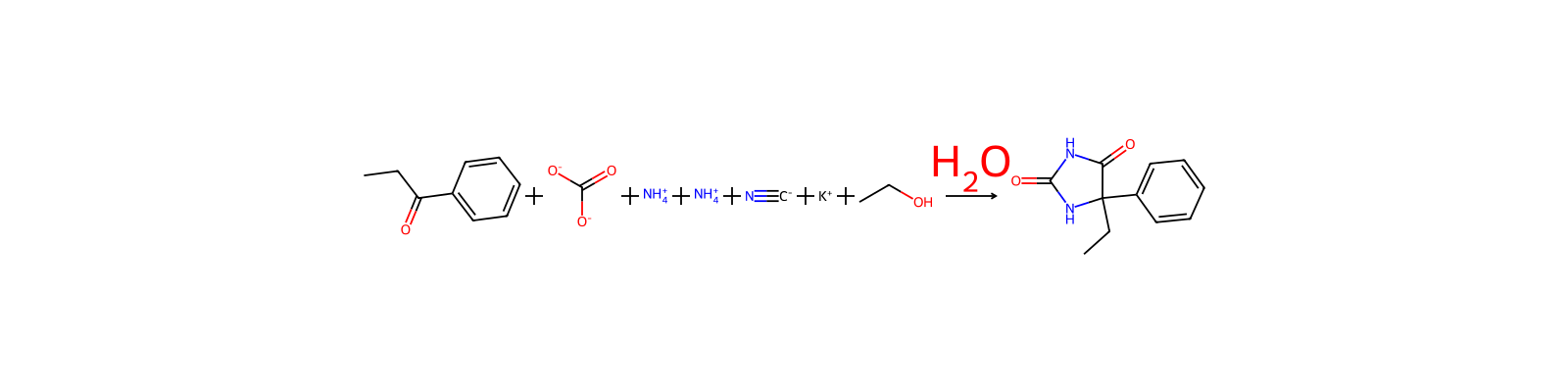
Reaktionsgleichung von HRID 13883
HRID 13883als Eduktuspto-grants-2010_06
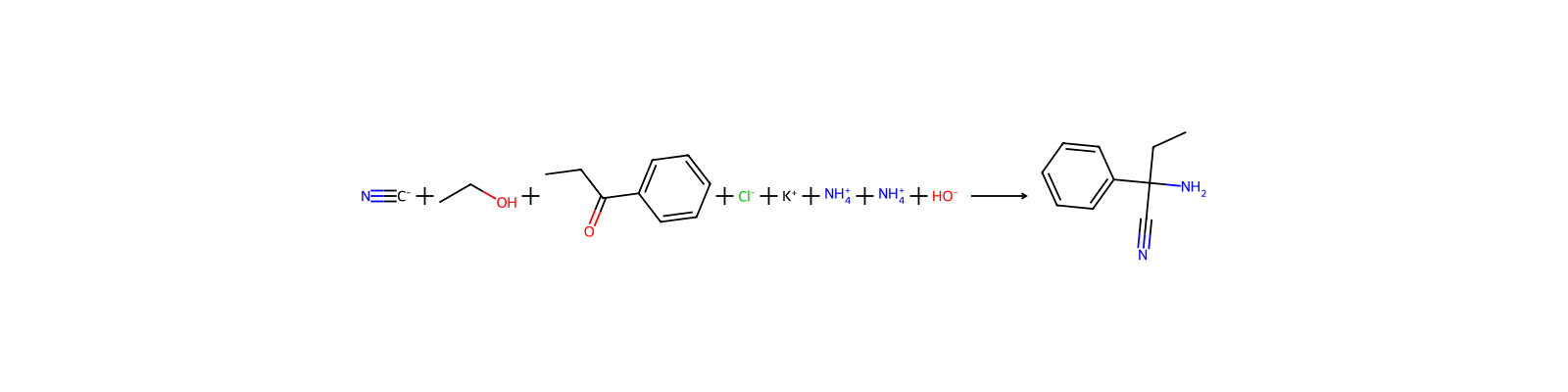
Reaktionsgleichung von HRID 13884
HRID 13884als Eduktuspto-grants-2010_06
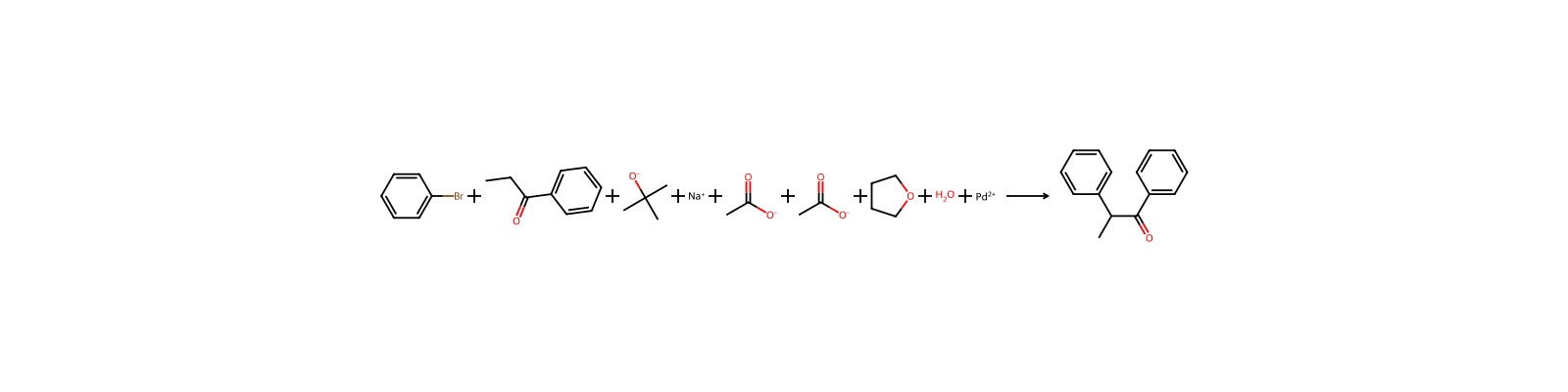
Reaktionsgleichung von HRID 13902
HRID 13902als Eduktuspto-grants-2010_06
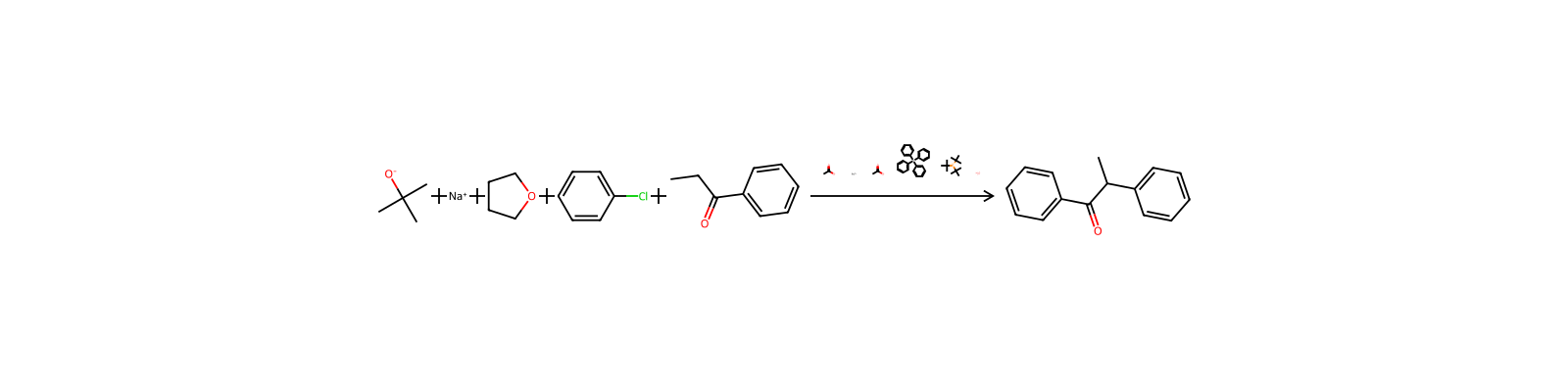
Reaktionsgleichung von HRID 13903
HRID 13903als Eduktuspto-grants-2010_06
Reaktionsgleichung von HRID 26800
HRID 26800als Eduktuspto-grants-1979_04
Reaktionsgleichung von HRID 28169
HRID 28169als Eduktuspto-grants-1980_09
Reaktionsgleichung von HRID 92164
HRID 92164als EduktTraining data from https://doi.org/10.1039/C8SC04228D (2/10)
Reaktionsgleichung von HRID 97044
HRID 97044als EduktTraining data from https://doi.org/10.1039/C8SC04228D (2/10)
Seite 1 von 19

Notizen zur Verbindung

Wird geladen…

Auf dieser SeiteGrundinformationenÜberblickNamen und BezeichnerEigenschaftenSicherheit und RegulatorischesChemie und IndustrieZugehörige ReaktionenNotizen zur Verbindung
Weitere Aktionen
Neue NotizNeue ReaktionAnfrage stellen

2 mg/mL at 20 °C

insoluble in water; soluble in organic solvents, oils

miscible at room temperature (in ethanol)

Boiling Point · 2 Einträge

218.0 °C @ 760 MM HG

218 °C

Melting Point · 3 Einträge

21 °C

CONGEALING TEMP: 17.5-21 °C

19 - 20 °C

Vapor Density4.63 (AIR= 1)

Physikochemische Eigenschaften

Schmelzpunkt
21 °C · 21 °C
Siedepunkt
218 °C · 218.0 °C
Dichte
1.008 g/cm3 · 1.008 g/cm3(Temp: 16 °C)
Fire Fighting ProceduresFOAM, CARBON DIOXIDE, DRY CHEM.
Disposal Methods · 1 Eintrag

SRP: At the time of review, criteria for land treatment or burial (sanitary landfill) disposal practices are subject to significant revision. Prior to implementing land disposal of waste residue (including waste sludge), consult with environmental regulatory agencies for guidance on acceptable disposal practices.

Preventive Measures · 2 Einträge

ALL OPERATIONS INVOLVING USE OF KETONES SHOULD BE CONDUCTED IN WELL-VENTILATED CONDITIONS, EG BY PROVISION OF EFFICIENT EXHAUST VENTILATION. /KETONES/

SRP: The scientific literature for the use of contact lenses in industry is conflicting. The benefit or detrimental effects of wearing contact lenses depend not only upon the substance, but also on factors including the form of the substance, characteristics and duration of the exposure, the uses of other eye protection equipment, and the hygiene of the lenses. However, there may be individual substances whose irritating or corrosive properties are such that the wearing of contact lenses would be harmful to the eye. In those specific cases, contact lenses should not be worn. In any event, the usual eye protection equipment should be worn even when contact lenses are in place.

Toxikologische Informationen

Body BurdenPhenyl ethyl ketone is a component (mean concentration from 54 urban nonsmoking subjects was 0.261 ng/L) of normal human expired air(1).
Environmental Fate · 3 Einträge

TERRESTRIAL FATE: Based on a recommended classification scheme(1), an estimated Koc value of 370(SRC), determined from an experimental log Kow(2) and a recommended regression-derived equation(3), indicates that phenyl ethyl ketone will have moderate mobility in soil(SRC). Volatilization of phenyl ethyl ketone may be important from moist soil surfaces(SRC) given an estimated Henry's Law constant of 1.3X10⁻⁴ atm-cu m/mole(SRC), calculated from an experimental vapor pressure(5) and water solubility(5) values, and from dry soil surfaces(SRC) based on an experimental vapor pressure of 1.5 mm Hg(5). Phenyl ethyl ketone will not be susceptible to direct photolysis on soil surfaces based upon its lack of absorption of light at wavelengths >290 nm(6). Insufficient data are available to determine the rate or importance of biodegradation of phenyl ethyl ketone in soil(SRC).

AQUATIC FATE: Based on a recommended classification scheme(1), an estimated Koc value of 370(SRC), determined from an experimental log Kow(2) and a recommended regression-derived equation(3), indicates that phenyl ethyl ketone may adsorb to suspended solids and sediment(SRC) in the water. Phenyl ethyl ketone may volatilize from water surfaces based on an estimated Henry's Law constant of 1.3X10⁻⁴ atm-cu m/mole(SRC), calculated from experimental vapor pressure(4) and water solubility(4) values. Estimated half-lives for a model river and model lake are 11 hours and 7 days, respectively(3,SRC). An estimated BCF value of 27(3,SRC), from an experimental log Kow(2), suggests that phenyl ethyl ketone will not bioconcentrate in aquatic organisms(SRC) according to a recommended classification scheme(5). Phenyl ethyl ketone will not be susceptible to direct photolysis on water surfaces based upon its lack of absorption of light at wavelengths >290 nm(6). Insufficient data are available to determine the rate or importance of biodegradation of phenyl ethyl ketone in water(SRC).

ATMOSPHERIC FATE: According to a suggested classification scheme(1), an experimental vapor pressure of 1.5 mm Hg at 25 °C(2,SRC) indicates that phenyl ethyl ketone will exist in the vapor in the ambient atmosphere. Vapor-phase phenyl ethyl ketone is degraded in the atmosphere by reaction with photochemically produced hydroxyl radicals(SRC); the half-life for this reaction in air is estimated to be about 5 days(3,SRC). Phenyl ethyl ketone will not be susceptible to direct photolysis based upon its lack of absorption of light at wavelengths >290 nm(4).

Food Survey ValuesPhenyl ethyl ketone has been qualitatively identified as a volatile component of roasted filberts(1).
Effluent Concentrations · 1 Eintrag

Phenyl ethyl ketone has been detected in one sample of wastewater from the organic chemicals industry at 29 ng/ul extract(1). Phenyl ethyl ketone was also found at concentrations of 20, 200, 220, and 120 ug/mL in a test blank, and three different samples, respectively, of combustion products from different incineration test sites(2).

Soil Adsorption/Mobility · 1 Eintrag

The Koc of phenyl ethyl ketone is estimated as approximately 370(SRC), using an experimental log Kow of 2.19(1) and a regression-derived equation(2,SRC). According to a recommended classification scheme(3), this estimated Koc value suggests that phenyl ethyl ketone has medium mobility in soil(SRC).

TSCA Test Submissions · 1 Eintrag

A case study for propiophenone (CAS # 93-55-0) was reported regarding a spill that occurred at Union Carbide Corp's, South Charleston, West Virginia Plant. Two male and one female maintenance employees reported urinary dysfunction (bladder fullness, bladder pain, urgency, urinary frequency, and small volume of urine upon voiding) after cleaning up the propiophenone spill. Urinary dysfunction symptoms manifested several hours after exposure. The route of exposure was presumed to be via inhalation, because the employees were protected from ingestion and skin absorption of the chemical. The air concentration was above the threshold odor level and the levels of chemical exposure are not known.

Atmospheric ConcentrationsRURAL/REMOTE: Phenyl ethyl ketone has been qualitatively identified in the forest air collected in the Southern Black Forest (Germany)(1).
Artificial Pollution Sources · 1 Eintrag

Phenyl ethyl ketone's production and use in perfumery(1), in the synthesis of ephedrine (and related compounds)(1), pharmaceuticals(2), and organic chemicals(2), and as a laboratory agent(2), may result in its release to the environment through various waste streams(SRC).

Environmental Bioconcentration · 1 Eintrag

An estimated BCF value of 27 was calculated for phenyl ethyl ketone(SRC), using an experimental log Kow of 2.19(1) and a recommended regression-derived equation(2). According to a recommended classification scheme(3), this BCF value suggests that bioconcentration in aquatic organisms will be not an important fate process(SRC).

Volatilization from Water/Soil · 1 Eintrag

The Henry's Law constant for phenyl ethyl ketone is estimated as 1.3X10⁻⁴ atm-cu m/mole at 20 °C(SRC) from its experimental values for vapor pressure, 0.15 mm Hg at 20 °C(1), and water solubility, 2000 mg/l at 20 °C(1). This value indicates that phenyl ethyl ketone will volatilize from water surfaces(3,SRC). Based on this Henry's Law constant, the volatilization half-life from a model river (1 m deep, flowing 1 m/sec, wind velocity of 3 m/sec) is estimated as approximately 11 hours(3,SRC). The volatilization half-life from a model lake (1 m deep, flowing 0.05 m/sec, wind velocity of 0.5 m/sec) is estimated as approximately 7 days(2,SRC). Phenyl ethyl ketone's vapor pressure(1) and Henry's Law constant(1,2,SRC) indicate that volatilization from dry and moist soil may occur(SRC).

Non-Human Toxicity Excerpts · 2 Einträge

SCREENING IS DESCRIBED USING SALMONELLA TYPHIMURIUM TESTER STRAINS & ESCHERICHIA COLI STRAINS, PROPIOPHENONE SHOWED NEGATIVE RESULTS IN THESE TESTER STRAINS.

The compound was tested externally on the eyes of rabbits, and, according to the degree of injury observed after 24 hours, rated on a scale of 1 to 10. The most severely injurious substances have been rated 10. Propiophenone is rated 1 on rabbit eyes.

Environmental Abiotic Degradation · 1 Eintrag

The rate constant for the vapor-phase reaction of phenyl ethyl ketone with photochemically produced hydroxyl radicals has been estimated as 3X10-12 cu cm/molecule-sec at 25 °C(SRC) using a structure estimation method(1,SRC). This corresponds to an atmospheric half-life of about 5.3 days at an atmospheric concentration of 5X10+5 hydroxyl radicals per cu cm(1,SRC). Phenyl ethyl ketone will not be susceptible to direct photolysis based upon its lack of absorption of light at wavelengths >290 nm(2).