D-Phenylalanin
D-Phenylalanine
Daten werden ergänzt – lade die Seite später neu, um den aktuellen Stand zu sehen

Grundinformationen
- CAS
673-06-3- Standard-SMILES
N[C@H](Cc1ccccc1)C(=O)O- InChIKey
COLNVLDHVKWLRT-MRVPVSSYSA-N- Summenformel
- C9H11NO2
- Durchschnittliche Molmasse
- 165,19 g/mol
- Monoisotopische Masse
- 165,07897859
Namen und Bezeichner
- Bevorzugter Name
- D-Phenylalanine
- IUPAC
- (2R)-2-amino-3-phenylpropanoic acid
- Lokaler Name
- D-Phenylalanin
- Englischer Name
- D-Phenylalanine
- Summenformel
- C9H11NO2
- Molmasse
- 165.19
Namen und Synonyme
D-phenylalanine(2R)-2-amino-3-phenylpropanoic acidSabidenD-PheAlanine, phenyl-, D-D-(+)-PhenylalanineD-alpha-Amino-beta-phenylpropionic acidNCI-C60195CCRIS 6267EINECS 211-603-5UNII-032K16VRCUNSC 25005
Weitere Namen anzeigen
PHENYLALANINEH-D-PHE-OHD-Phe-OHEndorphenylD-PhenylalaninD(+)-PHENYLALANINE(R)-2-amino-3-phenylpropanoic acid
(R)-PHENYLALANINEPHENYLALANINE, D-DTXSID4025876CHEBI:16998D-PHENYLALANINE [WHO-DD]D-.beta.-Phenyl-.alpha.-alanineNSC-25005D-phenylalanine zwitterion
Datenbank-Bezeichner
- CAS
673-06-3- PubChem CID
- 71567
- DTXSID
DTXSID4025876- ChEMBL
CHEMBL379630- ChEBI
CHEBI:16998- UNII
- 032K16VRCU
- EC Number
- 211-603-5
- Nikkaji
- J9.200B
Eigenschaften
Berechnete StruktureigenschaftenWird ergänzt
- XLogP
- -1,5
- Polarare Oberfläche (TPSA)
- 63,3 Ų
- H-Brücken-Donoren
- 2
- H-Brücken-Akzeptoren
- 3
- Frei drehbare Bindungen
- 3
- Schwere Atome
- 12
- Formalladung
- 0
- Komplexität
- 153
Experimentelle und physikochemische Eigenschaften
Solubility
Soluble (NTP, 1992)
28200
Boiling Point563 °F at 760 mmHg (Sublimes) (NTP, 1992)
Melting Point541 to 543 °F (Decomposes) (NTP, 1992)
Physical DescriptionD-phenylalanine appears as needles or prisms. (NTP, 1992)
Collision Cross Section
136.75 Ų [M+Na]+ [CCS Type: TW; Method: calibrated with polyalanine and drug standards];134.07 Ų [M+H]+ [CCS Type: TW; Method: calibrated with polyalanine and drug standards];138.83 Ų [M+K]+ [CCS Type: TW; Method: calibrated with polyalanine and drug standards]
Physikochemische Eigenschaften
- Schmelzpunkt
- 273 · 273-276 °C(lit.)
- Siedepunkt
- 293.03 °C · 293.03°C (rough estimate)
- Dichte
- 1.1603 · 1.1603 (rough estimate)
Sicherheit und Regulatorisches
Sicherheitsangaben dienen nur zur Orientierung und ersetzen weder das Sicherheitsdatenblatt (SDB) des Lieferanten noch geltende Vorschriften oder eine fachliche Bewertung.
GHS-Klassifizierung
GHS Classification
This chemical does not meet GHS hazard criteria for 80% (12 of 15) of all reports.
Warning
H315 (13.3%): Causes skin irritation [Warning Skin corrosion/irritation];H319 (13.3%): Causes serious eye irritation [Warning Serious eye damage/eye irritation];H335 (13.3%): May cause respiratory irritation [Warning Specific target organ toxicity, single exposure; Respiratory tract irritation]
P261, P264, P264+P265, P271, P280, P302+P352, P304+P340, P305+P351+P338, P319, P321, P332+P317, P337+P317, P362+P364, P403+P233, P405, and P501 (click each P-code to see the statement)
Aggregated GHS information provided per 15 reports by companies from 4 notifications to the ECHA C&L Inventory. Each notification may be associated with multiple companies.;Reported as not meeting GHS hazard criteria per 12 of 15 reports by companies.;There are 3 notifications provided by 3 of 15 reports by companies with hazard statement code(s).;Information may vary between notifications depending on impurities, additives, and other factors. The percentage value in parenthesis indicates the notified classification ratio from companies that provide hazard codes. Only hazard codes with percentage values above 10% are shown. For more detailed information, please visit ECHA C&L website.
Gefahrenhinweise
Regulatory Information
Status: Active Update: 17-07-2019 https://echa.europa.eu/registration-dossier/-/registered-dossier/22600
D-Phenylalanine: Does not have an individual approval but may be used as a component in a product covered by a group standard. It is not approved for use as a chemical in its own right.
Fire HazardsFlash point data for this chemical are not available, however it is probably combustible. (NTP, 1992)
Health HazardsSYMPTOMS: This compound may cause irritation.;ACUTE/CHRONIC HAZARDS: When heated to decomposition this compound emits toxic fumes of carbon monoxide, carbon dioxide and NOx. (NTP, 1992)
Chemie und Industrie
Verwendung und Herstellung
General Manufacturing InformationD-Phenylalanine: ACTIVE
Anwendungen
BeschreibungD-Phenylalanine, also known as D-alpha-Amino-beta-phenylpropionic acid, is a kind of non-proteinogenic amino acid. The biological function of D-phenylalanine remains unclear. However, it has certain anti-depressant, analgesic activities and pharmacological activity at niacin receptor II. The mechanism action of its analgesic activity seems to originate from its inhibition of enkephalin degradation by the carboxypeptidase A. Enkephalins are part of your body’s natural pain relief system. When they are broken down by enkephalinase, this contributes to the sensation of pain. D-Phenylalanine is specifically thought to be beneficial for reducing feelings of chronic pain. D-phenylalanine has been used with mixed results to treat chronic pain, including pain caused by rheumatoid arthritis. The primary use of D-phenylalanine as a health supplement is the relief of discomfort.
VerwendenD-Phenylalanine, the stereoisomer of L-Phenylalanine (P319415) has been used in the synthesis of Schaeffer’s acid analogues as important structures in tuberculostatic design. They exhibit the ability to inhibit Mycobacterium tuberculosis type II dehydroquinase.
Vor- und nachgelagerte Produkte
Vorgelagerte Rohstoffe
Nachgelagerte Produkte
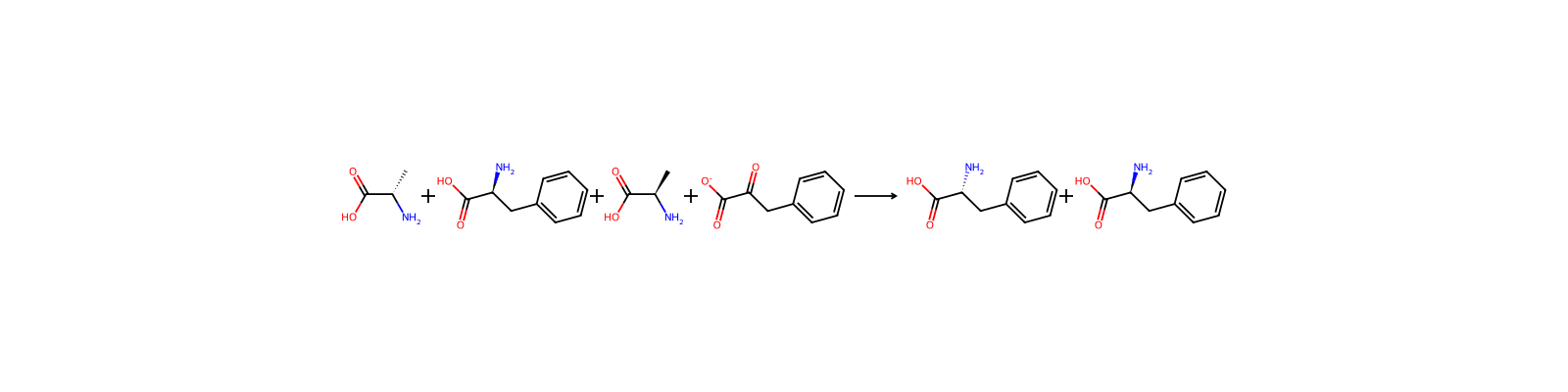
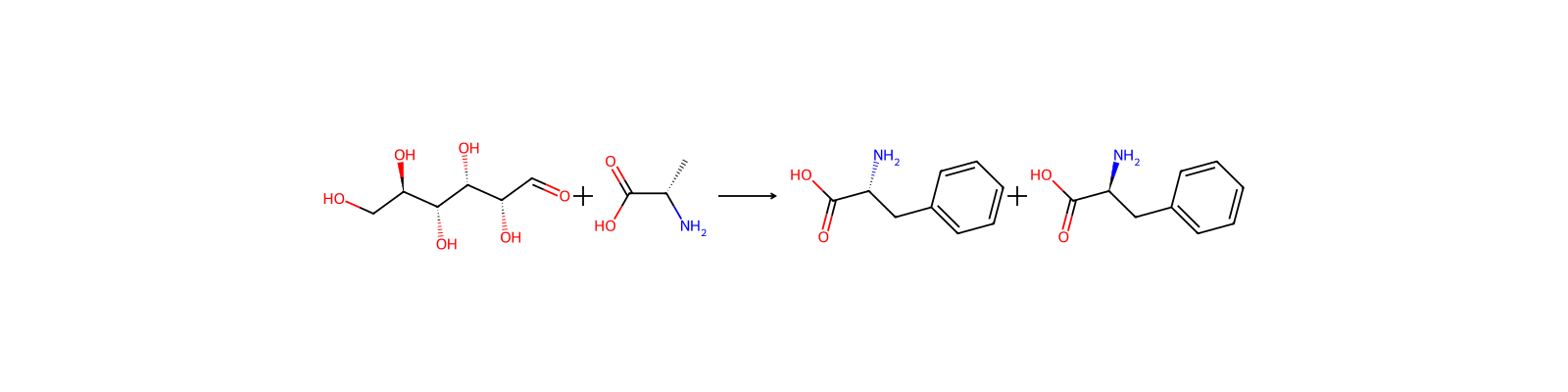
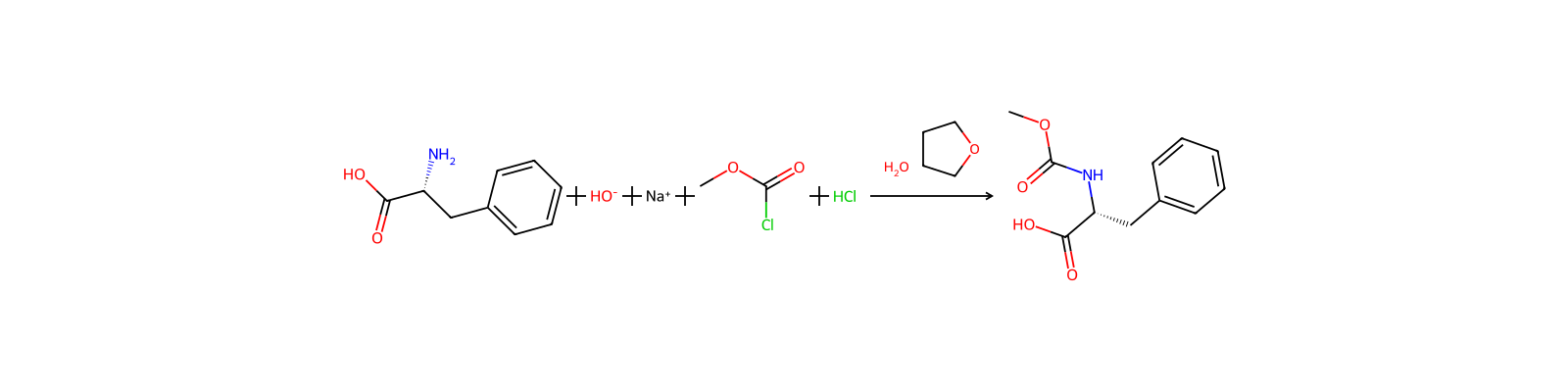
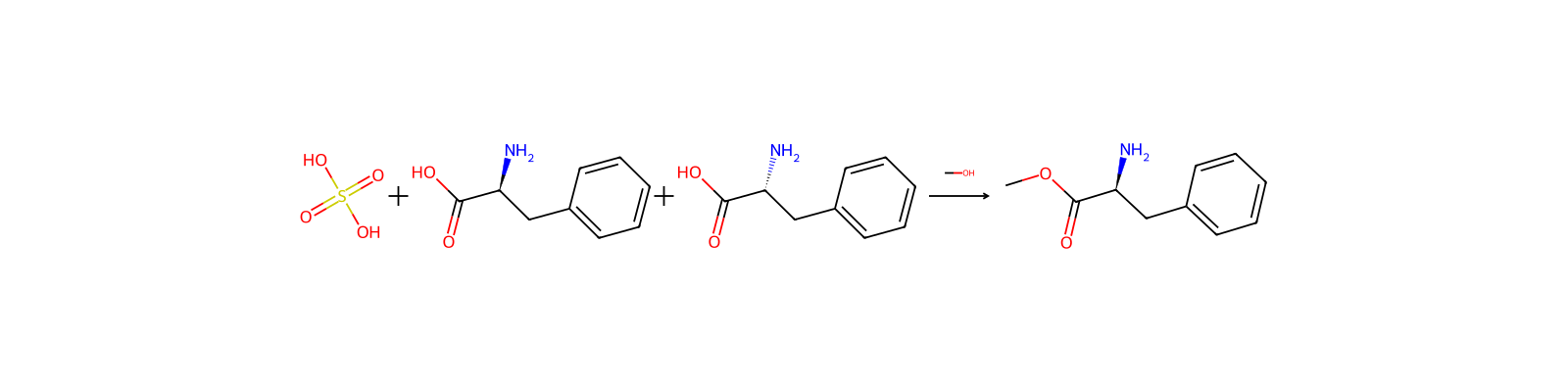
Zugehörige Reaktionen
110



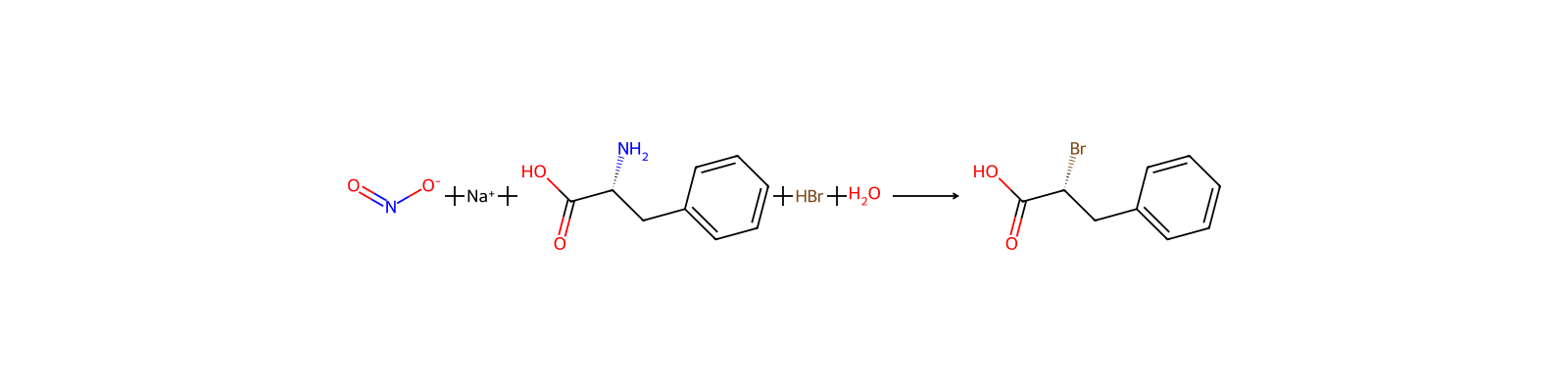
Notizen zur Verbindung
Wird geladen…