

Grundinformationen
- Standard-SMILES
O=C(OOC(=O)c1ccccc1)c1ccccc1- InChIKey
OMPJBNCRMGITSC-UHFFFAOYSA-N- Summenformel
- C14H10O4
- Durchschnittliche Molmasse
- 242,23 g/mol
- Monoisotopische Masse
- 242,0579088
Überblick
Benzoyl peroxide appears as odorless white powder or granules. Sinks in water. (USCG, 1999)
Namen und Bezeichner
- Bevorzugter Name
- Benzoyl Peroxide
- IUPAC
- benzoyl benzenecarboperoxoate
- Lokaler Name
- Dibenzoylperoxid
- Englischer Name
- Benzoyl peroxide
- Summenformel
- C14H10O4
- Molmasse
- 242.23
Namen und Synonyme
BENZOYL PEROXIDE94-36-0Dibenzoyl peroxideBenzoyl superoxidePeroxide, dibenzoylBenzoperoxideLucidolPanoxylAcetoxylPersadoxBenoxylOxylite
Weitere Namen anzeigen
BPObenzoic peroxyanhydrideBenzoylBenzoyl peroxide pasteBenzamycinBENZYLPEROXIDEBenzoyl peroide
benzoyl benzenecarboperoxoateDibenzoylperoxidBenzol peroxideBenzoylperoxidAsidopanMytolacBenzacEloxyl
Datenbank-Bezeichner
- CAS
94-36-0- PubChem CID
- 7187
- DTXSID
DTXSID6024591- ChEMBL
CHEMBL1200370- ChEBI
CHEBI:82405- UNII
- W9WZN9A0GM
- EC Number
- 202-327-6、933-874-5
- Nikkaji
- J2.843F
Eigenschaften
Berechnete Struktureigenschaften
- XLogP
- 3,5
- Polarare Oberfläche (TPSA)
- 52,6 Ų
- H-Brücken-Donoren
- 0
- H-Brücken-Akzeptoren
- 4
- Frei drehbare Bindungen
- 5
- Schwere Atome
- 18
- Formalladung
- 0
- Komplexität
- 258
Experimentelle und physikochemische Eigenschaften
Chemical Classes
Other Classes -> Peroxides, Organic
Flammable agents - 4th degree
Drugs
Pharmaceuticals
Pharmaceuticals -> Listed in ZINC15
SpringerMaterials PropertiesChemical shift
LogP
log Kow = 3.46
3.46
3.46
OdorFaint, benzaldehyde-like odor.
TasteTasteless
Food AdditivesCOLOR OR COLORING ADJUNCT, FLOUR TREATING AGENT -> FDA Substance added to food
Density
1.334 at 59 °F (USCG, 1999) - Denser than water; will sink
1.3340 at 25 °C
1.3 g/cm³
1.33
1.334 @25 °C
1.33
Color/Form
Crystals
White, granular crystalline solid
Orthorhombic prisms from ether
Colorless to white crystals or a granular powder.
Solubility
less than 1 mg/mL at 79 °F (NTP, 1992)
<1%
In water, 9.10 mg/L at 25 °C
Sparingly soluble in water
Slightly soluble in water
Sparingly soluble in alcohol; soluble in benzene, chloroform, ether; 1 g dissolves in 40 mL carbon disulfide, in about 50 mL olive oil
Flash Point
176 °F (NIOSH, 2024)
176 °F
80 °C
176 °F
176 °F
Human Drugs
Breast Feeding; Lactation; Milk, Human; Dermatologic Agents; Peroxides
FDA approved drugs -> Active ingredient
FDA approved drugs -> Active ingredient
Dermatological medicines > Medicines affecting skin differentiation and proliferation
Physikochemische Eigenschaften
- Schmelzpunkt
- 105 °C · 105 °C(lit.)
- Siedepunkt
- 176 °F · 176°F
- Dichte
- 1.16 g/mL · 1.16 g/mL at 25 °C(lit.)
- Dampfdruck
- 0.009 Pa · 0.009Pa at 25℃
- Brechungsindex
- 1.543 · 1.5430 (estimate)
- Flammpunkt
- 230 °F · >230 °F
- storage temp.
- 2 · 2-8°C
- Löslichkeit
- 0.35 mg/l · 0.35mg/l
- Aggregatzustand
- powder
- Farbe
- White
- Geruch (Odor)
- odorless
- Wasserlöslichkeit
- Insoluble
- Merck
- 14 · 14,1116
- BRN
- 984320 · 984320
- Henry's Law Constant
- 2.8 · 2.8×100 mol/(m3Pa) at 25℃, HSDB (2015)
- Stabilität
- Strong oxidizer. Highly flammable. Do not grind or subject to shock or friction. Incompatible with reducing agents, acids, bases, alcohols, metals, organic materials. Contact with combustible material, heating or friction may cause fire or explosion.
- Kosmetik-Inhaltsstoffe Funktionen
- OXIDISING
- InChI
- 1S/C14H10O4/c15-13(11-7-3-1-4-8-11)17-18-14(16)12-9-5-2-6-10-12/h1-10H
- InChIKey
- OMPJBNCRMGITSC-UHFFFAOYSA-N
- SMILES
- O(OC(=O)c2ccccc2)C(=O)c1ccccc1
- LogP
- 3.2 at · 3.2 at 20℃
- CAS Datenbank
- 94 · 94-36-0(CAS DataBase Reference)
- NIST chemische Informationen
- Benzoyl peroxide(94-36-0)
- EPA chemische Informationen
- Benzoyl peroxide (94-36-0)
Sicherheit und Regulatorisches
GHS-Klassifizierung
GHS Classification
Danger
H241: Heating may cause a fire or explosion [Danger Self-reactive substances and mixtures; Organic peroxides]
P210, P234, P235, P240, P261, P264+P265, P272, P273, P280, P302+P352, P305+P351+P338, P321, P333+P317, P337+P317, P362+P364, P370+P380+P375[+P378], P391, P403, P410, P411, P420, and P501 (click each P-code to see the statement)
This chemical does not meet GHS hazard criteria for < 0.1% (1 of 1679) of reports.
Danger
H241 (99.6%): Heating may cause a fire or explosion [Danger Self-reactive substances and mixtures; Organic peroxides]
Gefahrenhinweise
Regulatory Information
Chemical: Peroxide, dibenzoyl
Peroxide, dibenzoyl is listed on the EPA's Chemical Data Reporting (CDR) system. Manufacturers and importers of Peroxide, dibenzoyl are required to report information about their production and use of this chemical to the EPA under the Toxic Substances Control Act (TSCA). (40 eCFR Part 711)
Status: Active Update: 12-01-2022 https://echa.europa.eu/registration-dossier/-/registered-dossier/15164
Dibenzoyl peroxide: Does not have an individual approval but may be used under an appropriate group standard
The New Jersey Worker and Community Right to Know Act requires public and private employers to provide information about hazardous substances at their workplaces. (N.J.S.A. 34:5A-1 et. seq.)
Other Safety InformationIMAP assessments - Peroxide, dibenzoyl: Human health tier II assessment
DOT LabelOrganic Peroxide
Fire Hazards
Special Hazards of Combustion Products: Suffocating smoke evolved
Many reactions may cause fire or explosion. Risk of fire and explosion. Explosive. See Chemical Dangers.
Fire Potential
This chemical is a highly flammable liquid.
Moderate fire hazard by spontaneous chemical reaction in contact with reducing agents. It ignites readily and burns rapidly.
Health HazardsCONTACT WITH EYES OR SKIN: irritates eyes. Prolonged contact may irritate skin. (USCG, 1999)
Hazards Summary
Benzoyl peroxide is a skin irritant and infrequent sensitizer. It may cause allergic contact dermatitis in dentists using acrylate cements and in bakers handling bleached flour. [Marks, p. 188] If left on clothes, can cause reddening of the skin; [CHRIS] A skin, eye, and respiratory tract irritant; [ICSC]
FDA Requirements
In accordance with section 184.1(b)(1), the ingredient is used in food with no limitation other than current good manufacturing practice. The affirmation of this ingredient as generally recognized as safe (GRAS) as a direct human food ingredient is based upon the following current good manufacturing practice conditions of use: (1) The ingredient is used as a bleaching agent in food. (2) The ingredient is used in the following foods at levels not to exceed current good manufacturing practice: flour; milk used for production of Asiago fresh and Asiago soft cheese (section 133.102), Asiago medium cheese (section 133.103), Asiago old cheese (section 133.104), Blue cheese (section 133.106), Caciocavallo siciliano chesse (section 133.111), Gorgonzola cheese (section 133.141), Parmesan and reggiano cheese (section 133.165), Provolone cheese (section 133.181), Romano cheese (section 133.183), and Swiss and emmentaler cheese (section 133.195) in part 133 of this chapter; and annatto-colored whey, such that the final bleached product conforms to the descriptions and specifications for whey, concentrated whey, or dried whey in section 184.1979(a) (1), (2), or (3), respectively.
The Approved Drug Products with Therapeutic Equivalence Evaluations identifies currently marketed prescription drug products, including benzoyl peroxide, approved on the basis of safety and effectiveness by FDA under sections 505 of the Federal Food, Drug, and Cosmetic Act.
Benzoyl peroxide is an indirect food additive for use only as a component of adhesives.
Reactive GroupPeroxides, Organic
EC ClassificationSymbol: E, Xi; R: 2-36-43; S: (1/2)-3/7-14-36/37/39
UN ClassificationUN Hazard Class: 5.2; UN Pack Group: II
Special Reports
Preliminary 2D Animation of Events Leading to 2017 Fire at Arkema Chemical Plant in Crosby, Texas.[U.S. Chemical Safety Board; Preliminary 2D Animation of Events Leading to 2017 Fire at Arkema Chemical Plant in Crosby, Texas; Available from, as of November 27, 2017: http://www.csb.gov/videos/preliminary-2d-animation-of-events-leading-to-2017-fire-at-arkema-chemical-plant-in-crosby-texas/]
WHO/International Programme on Chemical Safety (IPCS); Joint Expert Committee on Food Additives (JECFA), WHO Food Additives Series 54 (2006)[Available from, as of September 13, 2017: http://www.who.int/foodsafety/publications/monographs/en/]
Lai DY, et al; J Environ Sci Hlth 14 (Pt C, 1): 63-80 (1986). Carcinogenic potential of organic peroxides prediction based structure activity relationships and mechanism based short term test.
Sicherheit und Schutzausrüstung
Fire Fighting
Fire Extinguishing Agents Not to Be Used: Do not use hand extinguishers
Use water in large amounts. In case of fire: keep drums, etc., cool by spraying with water. Combat fire from a sheltered position.
First Aid Measures
Fresh air, rest.
Remove contaminated clothes. Rinse and then wash skin with water and soap.
First rinse with plenty of water for several minutes (remove contact lenses if easily possible), then refer for medical attention.
Rinse mouth. Give one or two glasses of water to drink. Refer for medical attention .
First Aid
EYES: First check the victim for contact lenses and remove if present. Flush victim's eyes with water or normal saline solution for 20 to 30 minutes while simultaneously calling a hospital or poison control center. Do not put any ointments, oils, or medication in the victim's eyes without specific instructions from a physician. IMMEDIATELY transport the victim after flushing eyes to a hospital even if no symptoms (such as redness or irritation) develop.
(General first aid procedures)
Safe StorageFireproof. Separated from combustible substances and reducing agents. Store only in original packaging. See Chemical Dangers.
Firefighting Hazards
Vapors are heavier than air and will collect in low areas. Vapors may travel long distances to ignition sources and flashback. Vapors in confined areas may explode when exposed to fire. Storage containers and parts of containers may rocket great distances, in many directions.
Exposure Control and Personal Protection5.0 [mg/m3], inhalable fraction[German Research Foundation (DFG)]
Fire Fighting Procedures
Suitable extinguishing media: Use water spray, alcohol-resistant foam, dry chemical or carbon dioxide.
Advice for firefighters: Wear self-contained breathing apparatus for firefighting if necessary.
Use water spray to cool unopened containers.
Use water only. Do not use chemical or carbon dioxide extinguishers. ... If material or contaminated runoff enters waterways, notify downstream users of potentially contaminated waters. Notify local health and fire officials and pollution control agencies. From a secure, explosion-proof location, use water spray to cool exposed containers. If cooling streams are ineffective (venting sound increases in volume and pitch, tank discolors, or shows any signs of deforming), withdraw immediately to a secure position. ... The only respirators recommended for firefighting are self-contained breathing apparatuses that have full face-pieces and are operated in a pressure-demand or other positive-pressure mode. Clean up and salvage operations after a fire should not be attempted until all of the peroxide has cooled completely.
To fight fire, use water spray, foam.
Storage Conditions
Keep container tightly closed in a dry and well-ventilated place. Storage class (TRGS 510): Other explosive hazardous materials.
All precautions must be taken to guard against fire and explosion hazards. Keep in a cool place, out of the direct rays of the sun, away from sparks, open flames, and other sources of heat, avoid shock, rough handling, friction from grinding, etc. Isolated storage is required; keep away from possible contact with acids, alcohols, ethers, or other reducing agents or polymerization catalysts such as dimethylaniline.
Do not store in the same area as other flammable materials. Protect containers against physical damage. Isolate in well-detached, fire-resistive, cool and well-ventilated building with no other materials stored therein; provide explosion venting in a safe direction and prohibit any electrical installation or heating facilities. Dibenzoyl peroxide should be stored in and used from original containers.
Cleanup Methods
ACCIDENTAL RELEASE MEASURES: Personal precautions, protective equipment and emergency procedures: Use personal protective equipment. Avoid dust formation. Avoid breathing vapors, mist or gas. Ensure adequate ventilation. Evacuate personnel to safe areas. Avoid breathing dust. Environmental precautions: Prevent further leakage or spillage if safe to do so. Do not let product enter drains. Methods and materials for containment and cleaning up: Sweep up and shovel. Contain spillage, and then collect with an electrically protected vacuum cleaner or by wetbrushing and place in container for disposal according to local regulations. Keep in suitable, closed containers for disposal. Contain spillage, pick up with an electrically protected vacuum cleaner or by wet-brushing and transfer to a container for disposal according to local regulations.
Evacuate and restrict persons not wearing protective equipment from area of spill or leak until cleanup is complete. Remove all ignition sources. Mix spilled material with water-wetted vermiculite, and deposit in sealed containers. Do not use spark-generating materials or materials made of paper or wood for sweeping or handling spilled benzoyl peroxide. Ventilate area of spill or leak after cleanup is complete. It may be necessary to contain and dispose of this chemical as a hazardous waste. If materials or contaminated runoff enters waterways, notify downstream users of potentially contaminated waters. ... If employees are required to clean up spills, they must be properly trained and equipped. OSHA 1910.120(q) may be applicable.
/LABORATORY QUANTITIES/ Wear eye protection, laboratory coat, and nitrile rubber gloves. Cover the spill with a 1:1:1 mixture by weight of sodium carbonate or calcium carbonate, clay cat litter (bentonite), and sand. Dampen this mixture thoroughly with water, and then scoop into a beaker using a plastic or cardboard shovel. Treat as per waste disposal procedure. Wash the area of the spill thoroughly with soap and water.
Nonfire Spill ResponseExcerpt from ERG Guide 146 [Organic Peroxides (Heat, Contamination and Friction Sensitive)]:
Disposal Methods
SRP: Recycle any unused portion of the material for its approved use or return it to the manufacturer or supplier. Ultimate disposal of the chemical must consider: the material's impact on air quality; potential migration in air, soil or water; effects on animal, aquatic and plant life; and conformance with environmental and public health regulations. If it is possible or reasonable use an alternative chemical product with less inherent propensity for occupational harm/injury/toxicity or environmental contamination.
Product: Burn in a chemical incinerator equipped with an afterburner and scrubber but exert extra care in igniting as this material is highly flammable. Offer surplus and non-recyclable solutions to a licensed disposal company. Contact a licensed professional waste disposal service to dispose of this material; Contaminated packaging: Dispose of as unused product.
SRP: Wastewater from contaminant suppression, cleaning of protective clothing/equipment, or contaminated sites should be contained and evaluated for subject chemical or decomposition product concentrations. Concentrations shall be lower than applicable environmental discharge or disposal criteria. Alternatively, pretreatment and/or discharge to a permitted wastewater treatment facility is acceptable only after review by the governing authority and assurance that "pass through" violations will not occur. Due consideration shall be given to remediation worker exposure (inhalation, dermal and ingestion) as well as fate during treatment, transfer and disposal. If it is not practicable to manage the chemical in this fashion, it must be evaluated in accordance with EPA 40 CFR Part 261, specifically Subpart B, in order to determine the appropriate local, state and federal requirements for disposal.
Pretreatment involves decomposition with sodium hydroxide. The final solution of sodium benzoate, which is very biodegradable, may be flushed into the drain. Disposal of large quantities of solution may require pH adjustment before release into the sewer or controlled incineration after mixing with a non-combustible material.
Wear nitrile rubber gloves, laboratory coat, and eye protection. Work in the fume hood or behind safety shield. Stir the dampened benzoyl peroxide with 10% sodium hydroxide solution (10 mL for each 1 g of peroxide) for 24 hours. The resultant sodium benzoate may be poured into the drain with at least 50 times its volume of water. Alternatively, react the dampened benzoyl peroxide with a solution of sodium or potassium iodide in acid. Gradually, and while stirring, add 1.0 g of peroxide to a solution of sodium iodide (1.4 g) or potassium iodide (1.5 g) in 28 mL of glacial acetic acid. The solution darkens rapidly due to formation of iodine. Allow to stand for 30 minutes. Add solid sodium metabisulfite until the solution is colorless. Wash the solution into the drain.
Spillage DisposalEvacuate danger area! Remove all ignition sources. Wash away remainder with plenty of water. Do NOT absorb in saw-dust or other combustible absorbents.
Toxikologische Informationen
Interactions
In this communication, we report that iron overload augments benzoyl peroxide (BPO)-mediated tumor promotion in 7,12-dimethylbenz[a]anthracene (DMBA)-initiated mouse skin. Female albino Swiss mice were overloaded with iron and tumors were initiated by applying a single topical application of DMBA. A week after the initiation, promoting agent, BPO, was applied three times/week for 46 weeks. The appearance of the first tumor (papilloma) and the number of tumors/mouse were recorded. When compared to the control group, the iron-overloaded mice showed an increased incidence of tumors at various time intervals. In iron-overloaded animals, tumors appeared earlier and also the number of tumors/mouse was significantly higher. These data could be correlated with the iron levels of mouse skin in the two groups. Further, BPO-mediated induction in ornithine decarboxylase (ODC) activity and [(3)H]thymidine incorporation in cutaneous DNA were higher in the iron overload group. In addition, in iron-overloaded mice, cutaneous lipid peroxidation (LPO) and xanthine oxidase (XOD) activities were higher, whereas catalase activity was reduced. Similar to papilloma induction, a significant increase in carcinoma yield and incidence was observed in iron-overloaded animals. Based on this study, we propose that iron overload significantly increases the tumor promotion and progression potential of BPO. We suggest that oxidative stress generated by iron overload is responsible for the augmentation of BPO-mediated cutaneous tumorigenesis.
Dermatophyte infections can be polymicrobial. Topical antifungal therapies offer limited coverage of yeasts and Gram-positive and Gram-negative bacteria. Moreover, the increased usage of these topical antimicrobial agents has resulted in the development of resistant cases. Benzoyl peroxide (BP), used in concert with antimicrobial agents containing an accessible tertiary amine, has previously been shown to increase radical activity and biological effect. /The study objective was/ to determine the applicability of using the tertiary amine terbinafine in concert with BP in dermatophyte and mixed skin infections by means of in vitro testing. In this preliminary in vitro study, the effect of BP, alone and in combination with terbinafine, was tested against Candida albicans, Pseudomonas aeruginosa and Staphylococcus aureus isolates following a checkerboard modification of the National Committee for Clinical Laboratory Standards M27-A2 and M7-A6. The individual minimum inhibitory concentrations of terbinafine, BP, and the combination, were determined against each isolate. The combination of BP with terbinafine led to additive activities against the majority of Candida albicans isolates tested and additionally expanded the bacterial coverage of terbinafine. The combination of antifungal agents bearing a tertiary amine with BP may have benefit in polymicrobial infections, given its wider antimicrobial coverage. Further appreciation of this mechanism of catalysis of BP radical formation by certain antimicrobials and other tertiary amine-containing compounds may lead to the discovery of improved treatments for several dermatological conditions.
The current study evaluates the efficacy of Balsamodendron mukul Hook ex. Stocks, an indigenous plant, in the modulation of benzoyl peroxide (BPO) treated and ultraviolet (UV) light irradiated tumor promotional events. BPO is a well-known tumor promoter while UV radiations are capable of acting as complete carcinogens. Treatment of the dorsal portions of the mice skins with BPO (20 mg/0.2 mL/animal) and subsequent UV irradiation (0.420 J/sq m/s) caused a significant depletion of reduced glutathione (GSH), it's metabolizing and phase II enzymes (p < 0.01). Also, down regulation of the activities of antioxidant enzymes and up regulation of ornithine decarboxylase activity and enhancement in the synthesis of DNA, malondialdehyde (MDA) and hydrogen peroxide (H(2)O(2)) was observed. However, topical pretreatment with the extract of B. mukul not only restored the content of GSH, MDA and H(2)O(2) but it also recovered the activities of above-mentioned enzymes (p < 0.05) and prevented synthesis of DNA (p < 0.05) significantly. Although the lower dose was not very effective, the higher dose showed promising results against oxidative stress and hyperproliferative response of BPO and UVB radiations. From the present data we conclude that B. mukul is potentially strong enough to modulate the events of skin tumor promotion.
The chemopreventive potential of cycloartenol on benzoyl peroxide and UVB radiation-induced cutaneous tumor promotion markers and oxidative stress in murine skin is assessed. Benzoyl peroxide treatment (20 mg/animal/0.2 mL acetone) and UVB radiation (0.420 J/sq m/s) caused a decrease in the activities of cutaneous antioxidant enzymes namely, catalase, glutathione peroxidase, glutathione reductase, glucose-6-phosphate dehydrogenase, phase II metabolizing enzyme such as glutathione-S-transferase and quinone reductase and depletion in the level of cutaneous glutathione. There was also enhancement in cutaneous microsomal lipid peroxidation, xanthine oxidase activity, [(14)C]-ornithine decarboxylase activity and [(3)H]-thymidine incorporation into cutaneous DNA. Cycloartenol was topically applied prior to the application of benzoyl peroxide at dose levels of 0.2 mg and 0.4 mg/kg body weight in acetone, which resulted in significant inhibition of epidermal ornithine decarboxylase activity and DNA synthesis (P < 0.001). There was also significant reduction of lipid peroxidation and xanthine oxidase activity (P < 0.001). In addition, the depleted levels of glutathione, inhibited activities of antioxidant and phase II metabolizing enzymes, were also recovered to a significant level (P < 0.001). The data indicate that cycloartenol is an effective chemopreventive agent in skin carcinogenesis.
For more Interactions (Complete) data for Dibenzoyl peroxide (20 total), please visit the HSDB record page.
Target OrgansEyes, skin, respiratory system
Environmental Fate
TERRESTRIAL FATE: Based on a classification scheme(1), an estimated Koc value of 92(SRC), determined from a structure estimation method(2), indicates that dibenzoyl peroxide is expected to have high mobility in soil(SRC). Volatilization of dibenzoyl peroxide from moist soil surfaces is expected(SRC) given an estimated Henry's Law constant of 3.5X10⁻⁶ atm-cu m/mole(SRC), using a fragment constant estimation method(2). Dibenzoyl peroxide is not expected to volatilize from dry soil surfaces(SRC) based upon an estimated vapor pressure of 7.0X10⁻⁵ mm Hg at 25 °C(SRC), determined from a fragment constant method(2). A 84% of Theoretical BOD using activated sludge in the Japanese MITI test(3) suggests that biodegradation is an important environmental fate process in soil(SRC).
AQUATIC FATE: Based on a classification scheme(1), an estimated Koc value of 92(SRC), determined from a structure estimation method(2), indicates that dibenzoyl peroxide is not expected to adsorb to suspended solids and sediment(SRC). Volatilization from water surfaces is expected(3) based upon an estimated Henry's Law constant of 3.5X10⁻⁶ atm-cu m/mole(SRC), developed using a fragment constant estimation method(2). Using this Henry's Law constant and an estimation method(3), volatilization half-lives for a model river and model lake are 16 and 120 days, respectively(SRC). Dibenzoyl peroxide is expected to undergo hydrolysis rapidly with estimated half-lives of 2 minutes and 13 seconds at respective pH values of 7 and 8(2). According to a classification scheme(4), an estimated BCF of 89(SRC), from its log Kow of 3.46(5) and a regression-derived equation(2), suggests the potential for bioconcentration in aquatic organisms is moderate. A 84% of Theoretical BOD using activated sludge in the Japanese MITI test(6) suggests that biodegradation is an important environmental fate process in water(SRC).
ATMOSPHERIC FATE: According to a model of gas/particle partitioning of semivolatile organic compounds in the atmosphere(1), dibenzoyl peroxide, which has an estimated vapor pressure of 7.0X10⁻⁵ mm Hg at 25 °C(SRC), determined from a fragment constant method(2), will exist in both the vapor and particulate phases in the ambient atmosphere. Vapor-phase dibenzoyl peroxide is degraded in the atmosphere by reaction with photochemically-produced hydroxyl radicals(SRC); the half-life for this reaction in air is estimated to be 4.5 days(SRC), calculated from its rate constant of 3.6X10⁻¹² cu cm/molecule-sec at 25 °C(SRC) that was derived using a structure estimation method(2). Particulate-phase dibenzoyl peroxide may be removed from the air by wet and dry deposition(SRC). Dibenzoyl peroxide, dissolved in dioxane, absorbs light at a maximum of 275 nm and absorption continues up to about 320 nm(3); therefore, the compound may be susceptible to direct photolysis by sunlight(SRC).
Adverse Effects
Skin Sensitizer - An agent that can induce an allergic reaction in the skin.
The most common adverse effect of benzoyl peroxide is its bleaching quality, potentially causing the discoloration of colored fabrics and hair bleaching. At higher concentrations, topical benzoyl peroxide causes mild dryness, erythema, and scaling. There are also case reports of contact dermatitis in a small percentage of patients, which should arouse suspicion in patients who develop marked erythema and irritation at the treatment site. In such instances, the prudent course of action is stopping benzoyl peroxide.
Exposure Routes
The substance can be absorbed into the body by inhalation of its aerosol.
inhalation, ingestion, skin and/or eye contact
Toxicity Summary
IDENTIFICATION AND USE: Benzoyl peroxide forms colorless to white crystals or a granular powder. It is used as a bleaching agent for flour, fats, oils, and waxes; polymerization catalyst; drying agent for unsaturated oils; pharmaceutical and cosmetic purposes; rubber vulcanization without sulfur; burnout agent for acetate yarns; production of cheese; and embossing vinyl flooring (proprietary). Its principal medical use is in the treatment of mild acne vulgaris (in which it is comedolytic) and acne rosacea, but it also is used in the treatment of decubital and stasis ulcers. HUMAN STUDIES: The only complications were contact irritant dermatitis in 3% and contact allergic dermatitis in 2% of patients treated with benzoyl peroxide. Potential symptoms of overexposure are irritation of skin, eyes, and mucous membranes, and sensitization dermatitis. Concentrations of 12.2 mg/cu m of air and higher resulted in pronounced irritation of the nose and throat. In the occupational setting it has produced allergic contact dermatitis in bakers. Benzoyl peroxide and Cu(I) induced 8-oxo-7,8-dihydro-2'-deoxyguanosine (8-oxodG) formation in double-stranded DNA more effectively than that in single-stranded DNA. Furthermore, benzoyl peroxide increased the amount of 8-oxodG in human cultured cells. ANIMAL STUDIES: Benzoyl peroxide dust irritates the eyes of rabbits if not washed out within five minutes after being placed in the conjunctival sac. Application of a 10% solution of benzoyl peroxide in propylene glycol to the skin of guinea-pigs resulted in slight to moderate erythema. A single application of either 20 or 40 mg benzoyl peroxide to the skin of mice induced marked hyperplasia and a temporary increase in the number of dark basal keratinocytes. Groups of 25 male and 25 female mice were fed a diet containing different doses of a commercial powder containing 18% benzoyl peroxide (calculated doses of benzoyl peroxide: 0, 28, 280 and 2800 ppm), for 80 weeks, at which time the number of survivors was 3, 10, 0 and 2 male mice and 9, 11, 9, and 11 females; all surviving animals were then killed. A few tumors at various sites were observed, but the overall tumor incidence did not differ significantly between treated and control groups. A group of 20 male rats received subcutaneous injections of 2.9 mg benzoyl peroxide into the right hind leg twice weekly for 12 weeks and were observed for 14 months, at which time all animals were still alive. No malignant tumor was found at the injection site or in internal organs. Benzoyl peroxide was not mutagenic in Salmonella typhimurium TA1535, TA1537, TA92, TA94, TA98 or TA100 either in the presence or absence of an exogenous metabolic system. Benzoyl peroxide did not induce polyploidy or chromosomal aberrations in cultured Chinese hamster lung cells. Benzoyl peroxide is a free radical generating compound that acts as a tumor promoter and progressor in mouse skin. Benzoyl peroxide at non-cytotoxic concentration undergoes copper dependent activation to a reactive product to generate 8-OHdG within cultured murine keratinocytes. Peroxides were tested for embryotoxicity in 3-day chicken embryos using the air-chamber method. All peroxides, including benzoyl peroxide, caused malformations at a moderate frequency. A comparison of the mechanism of action of benzoyl peroxide was studied in three different cell lines: NIH 3T3, HDCS and A431. Benzoyl peroxide was found to mediate its effect by inducing poly ADP-ribosylation in all the three cell types studied but to different extents, with histone H1 serving as a common acceptor for poly ADP-ribose. It also stimulated the activities of the antioxidant enzymes CuZn superoxide dismutase and catalase in NIH 3T3 and HDCS cells, but not in A431. Alterations in the expression of c-jun and c-fos were observed in NIH 3T3 and A431 cells. Benzoyl peroxide appeared to mediate its effect via genetic and epigenetic mechanisms.
Topical benzoyl peroxide should not be taken by mouth; indications are strictly limited to topical use. In case of ingestion, patients should call 911, contact the poison control center (1-800-222-1222), or report to the nearest emergency department. There are no known antidotes for this medication.
Signs and Symptoms
Cough. Sore throat.
Redness.
Redness.
irritation eyes, skin, mucous membrane; sensitization dermatitis
Ongoing Test Status
EPA has released the Interactive Chemical Safety for Sustainability (iCSS) Dashboard. The iCSS Dashboard provides an interactive tool to explore rapid, automated (or in vitro high-throughput) chemical screening data generated by the Toxicity Forecaster (ToxCast) project and the federal Toxicity Testing in the 21st century (Tox21) collaboration. /The title compound was tested by ToxCast and/or Tox21 assays/[USEPA; ICSS Dashboard Application; Available from, as of September 21, 2017: http://actor.epa.gov/dashboard/]
The following link will take the user to the National Toxicology Program (NTP) Test Status of Agents Search page, which tabulates the results and current status of tests such as "Short-Term Toxicity Studies", "Long-term Carcinogenicity Studies", "Developmental Studies", "Genetic Toxicology Studies", etc., performed with this chemical. Testing status for benzoyl peroxide is available.[Available from, as of September 13, 2017: https://ntpsearch.niehs.nih.gov/?e=True&ContentType=Testing+Status]
Soil Adsorption/Mobility
Using a structure estimation method based on molecular connectivity indices(1), the Koc of dibenzoyl peroxide can be estimated to be 92(SRC). According to a classification scheme(2), this estimated Koc value suggests that dibenzoyl peroxide is expected to have high mobility in soil.
Natural Pollution SourcesDibenzoyl peroxide is of anthropogenic origin(SRC), and is not known to occur as a natural product(1).
Human Toxicity Excerpts
/HUMAN EXPOSURE STUDIES/ Benzoyl peroxide (BPO) as an anti-acne medication is not yet approved in Japan. This study evaluated the efficacy and safety of a once-daily topical application of BPO 3% gel versus an inert vehicle gel in Japanese acne patients. Three hundred and sixty patients were randomized to receive BPO 3% or vehicle for 12 weeks. The primary efficacy end-point was absolute change in number of total lesions (TL) from baseline to week 12 to demonstrate the superiority of BPO 3% versus vehicle. Secondary efficacy end-points were absolute and percent change in TL, inflammatory lesions (IL), non-inflammatory lesions (non-IL) and Investigator's Static Global Assessment (ISGA). Change in TL counts from baseline to week 12 for BPO 3% was superior to vehicle (difference, -21.0; P < 0.001). Absolute and percent reductions in TL, IL and non-IL counts were greater for BPO 3% at all study visits. The proportion of patients with improvement in ISGA scores was significantly higher with BPO 3% than with vehicle from week 2. All adverse events were mild or moderate. Adverse drug-related reactions were higher for BPO 3% (30%) than with vehicle (5%). Local tolerability scores of grade 1 or more (slight to moderate) were more frequent with BPO 3% than vehicle with the most significant differences observed in dryness (56% vs 27% at week 1-4), peeling (19% vs 9% at week 1-2) and burning/stinging (58% vs 15% at week 1-12). These results indicate that BPO 3% is effective while maintaining a favorable safety and tolerability profile in Japanese acne patients.
/HUMAN EXPOSURE STUDIES/ Contact hypersensitivity is observed in 1% to 3% of patients under conditions of recommended use. ... And, in one study in volunteers, a reaction occurred in 70% of subjects after use of occlusive patches containing a 5% or 10% concentration.
/HUMAN EXPOSURE STUDIES/ 272 children up to the age of 14 years were patch tested during a 10-year period (1982-1991). 101 children (37.1%) gave positive reactions to 1 or more allergens. Of these, 54.4% (57/101), were considered relevant. The main allergens were, in order of frequency: nickel, rubber compounds, mercuric chloride, cobalt salts, thimerosal, benzoyl peroxide and fragrance mix.
/HUMAN EXPOSURE STUDIES/ 791 patients, among them 59 dental technicians and 732 other patients, were tested with the denture material series (DMS) recommended by the German Contact Dermatitis Research Group (DKG) in the hospitals of the Information Network of Departments of Dermatology (IVDK) between January 1990 and July 1993. Most frequently, positive reactions occurred to cadmium chloride in both groups. However, there was no evidence at all for relevance of these reactions. Benzoyl peroxide (BPO) ranked 2nd in patch test positivity. Although not statistically significant, reactions were more frequent in dental technicians, who might be exposed to BPO the in working environment. Methyl methacrylate (MMA) and triethylene glycol dimethacrylate (TEGDMA) were common sensitizers in dental technicians but not in other patients. This finding, too, has its explanation in the working process of manufacturing dental prostheses.
For more Human Toxicity Excerpts (Complete) data for Dibenzoyl peroxide (21 total), please visit the HSDB record page.
Artificial Pollution Sources
Dibenzoyl peroxide's production and use as an initiator for polymerization of acrylates (including dental cements and restoratives) and other polymers; as a bleaching agent for flour, fats, oils, waxes and milk used in the preparation of certain cheeses; in medications for the topical treatment of acne; in rubber curing; and as a finishing agent for some acetate yarns(1) may result in its release to the environment through various waste streams(SRC).
Regulatorische Informationen
FDA Requirements
In accordance with section 184.1(b)(1), the ingredient is used in food with no limitation other than current good manufacturing practice. The affirmation of this ingredient as generally recognized as safe (GRAS) as a direct human food ingredient is based upon the following current good manufacturing practice conditions of use: (1) The ingredient is used as a bleaching agent in food. (2) The ingredient is used in the following foods at levels not to exceed current good manufacturing practice: flour; milk used for production of Asiago fresh and Asiago soft cheese (section 133.102), Asiago medium cheese (section 133.103), Asiago old cheese (section 133.104), Blue cheese (section 133.106), Caciocavallo siciliano chesse (section 133.111), Gorgonzola cheese (section 133.141), Parmesan and reggiano cheese (section 133.165), Provolone cheese (section 133.181), Romano cheese (section 133.183), and Swiss and emmentaler cheese (section 133.195) in part 133 of this chapter; and annatto-colored whey, such that the final bleached product conforms to the descriptions and specifications for whey, concentrated whey, or dried whey in section 184.1979(a) (1), (2), or (3), respectively.
The Approved Drug Products with Therapeutic Equivalence Evaluations identifies currently marketed prescription drug products, including benzoyl peroxide, approved on the basis of safety and effectiveness by FDA under sections 505 of the Federal Food, Drug, and Cosmetic Act.
Benzoyl peroxide is an indirect food additive for use only as a component of adhesives.
Sicherheitsdaten
- OEB
- B
- OEL
- TWA: 5 mg/m3
- wgk
- 2
- IDLA
- 1,500 mg/m3
- tsca
- TSCA listed
- ridadr
- UN 3108 5.2
- hs_code
- 29163200
- RTECS-Nr.
- DM8575000
- risk_code
- 8-36/37/38-43-36-2-7-1-51/53-21/22-62-50-61-3-39/23/24/25-40
- Toxizität
- LD50 orally in Rabbit: 7710 mg/kg
- hazard_code
- O,Xn,N,Xi,E,T
- safety_code
- 53-17-26-36/37-45-60-36/37/39-3/7-14A-14-47-35-7-61-37/39-24
- hazard_class
- 5.2
- packing_group
- II
- Speicherklasse
- 4.1A - Other explosive hazardous materials
- Giftige Stoffe Daten
- 94-36-0(Hazardous Substances Data)
- Hazard Classifications
- Aquatic Acute 1Aquatic Chronic 1Eye Irrit. 2Org. Perox. CSkin Sens. 1A
- Selbstentzündungstemperatur
- 176 °F
Chemie und Industrie
Pharmakologische Informationen
ATC Code
D10AE01
D - Dermatologicals
QD - Dermatologicals
QD - Dermatologicals
D10AE01
Pharmacodynamics
Benzoyl peroxide is a topical treatment for acne that generates free radicals to break down comedones and increase the rate of epithelial cell turnover. It has a short duration of action as its active free radical metabolites quickly react to form inactive metabolites. The therapeutic index is wide, as overdoses are rare, however patients may still experience skin peeling. Patients should be counselled regarding increased risks of skin irritation, dryness, and sunburn.
Mechanism of Action
Acne vulgaris is caused by inflammation in the pilosebaceous gland. Acne is generally caused by increased excretion of sebum from pilosebaceous glands, endocrine factors such as androgenic hormones, keratin developing around follicles, bacterial growth, and inflammation. These factors contribute to the formation of comedones (whiteheads and blackheads). The peroxide bond of benzoyl peroxide is cleaved to form 2 benzoyloxy radicals. These radicals interact nonspecifically with bacterial proteins, interfering with their function, and survival of the bacteria. Over time, free radical interactions with bacterial proteins lead to decreased keratin and sebum around follicles. Benzoyl peroxide can also increase the turnover rate of epithelial cells, leading to skin peeling, and breaking down comedones.
Biological Half-LifeNo reports found; [TDR, p. 174]
Metabolism/Metabolites
The peroxide bond of benzoyl peroxide is cleaved to form 2 benzoyloxy radicals. The benzyoyloxy radicals may interact with other molecules, forming benzoic acid; alternatively, benzoyloxy radicals can break down further to release carbon dioxide and a phenyl radical.
Benzoic acid is a major metabolite.
The transepidermal penetration and metabolic disposition of (14)C-benzoyl peroxide were assessed in vitro (excised human skin) and in vivo (rhesus monkey). In vitro, the benzoyl peroxide penetrated into the skin, through the stratum corneum or the follicular openings, or both, and was recovered on the dermal side as benzoic acid. In vivo, benzoic acid was recovered from urine in amounts equivalent to 45% and 98% of the radiolabel following, respectively, topical and intramuscular administration of small amounts of (14)C-benzoyl peroxide. We conclude that benzoyl peroxide penetrates as such into the skin layers and is converted therein to benzoic acid, which, in turn is absorbed into the systemic circulation. Renal clearance of the metabolite is sufficiently rapid as to preclude its hepatic conjugation with glycine, since following topical administration to rhesus monkeys, no hippuric acid was found in the urine, as could have been expected had a significant amount of benzoic acid passed through the liver.
Benzoyl peroxide (BzPO) is both a tumor promoter and progressor in mouse skin; however, BzPO is neither an initiator nor a complete carcinogen in this tissue. Although not mutagenic, BzPO has been observed to produce strand breaks in DNA of exposed cells. These actions are presumed to be mediated by free-radical derivatives of BzPO. Previous studies suggested that the metabolism of BzPO in keratinocytes proceeds via the initial cleavage of the peroxide bond, yielding benzoyloxy radicals which, in turn, can either fragment to form phenyl radicals and carbon dioxide or abstract H atoms from biomolecules to yield benzoic acid. Benzoic acid is the major stable metabolite of BzPO produced by keratinocytes. In the present study we have investigated the role of BzPO and its metabolites in the generation of strand scissions in a cell-free system using phi X-174 plasmid DNA. In this system BzPO produced DNA damage that was dose-dependent over a concentration range of 0.1-1 mM and required the presence of copper but not other transition metals. By contrast, benoic acid did not produce DNA damage in this system, either in the presence or in the absence of copper. The inclusion of spin trapping agents, such as N-tert-butyl-alpha-phenylnitrone (PBN), 3,5-dibromo-4-nitrosobenzenesulfonate, and nitrosobenzene, in incubations was found to significantly reduce the extent of DNA damage generated via the copper-mediated activation of BzPO. Electron paramagnetic resonance spectroscopy studies suggested that the primary radical trapped by PBN following copper-mediated decomposition of BzPO was the benzoyloxy radical.
MeSH Pharmacological ClassificationDrugs used to treat or prevent skin disorders or for the routine care of skin.
Absorption, Distribution and Excretion
In a sample of excised skin, 1.9% of a radiolabelled topical dose fully penetrates the skin, and 2.6% remains in the skin. The radiolabelled dose that fully penetrates the skin is recovered as benzoic acid, while the dose in the skin is approximately half benzoic acid and half benzoyl peroxide. 95.5% of a radiolabelled dose is not absorbed or metabolized after 8 hours.
Benzoyl peroxide's metabolite benzoic acid, is eliminated in the urine. Data regarding fecal elimination is not readily available.
Approximately one-half of a dose of benzoyl peroxide is absorbed to some extent after topical application to the forearm of primates ... .
Skin absorption of benzoyl peroxide from a topical lotion containing freely dispersed drug was compared with that from the same lotion in which the drug was entrapped in a controlled-release styrene-divinylbenzene polymer system. In an in vitro diffusion system, statistically significant (p = 0.01) differences were found in the content of benzoyl peroxide in excised human skin and in percutaneous absorption. In vivo, significantly (p = 0.002) less benzoyl peroxide was absorbed through rhesus monkey skin from the polymeric system. This controlled release of benzoyl peroxide to skin can alter the dose relation that exists between efficacy and skin irritation. Corresponding studies showed reduced skin irritation in cumulative irritancy studies in rabbits and human beings, whereas in vivo human antimicrobial efficacy studies showed that application of the formulations containing entrapped benzoyl peroxide significantly reduced counts of Propionibacterium acnes (p less than 0.001) and aerobic bacteria (p less than 0.001) and the free fatty acid/triglyceride ratio in skin lipids. These findings support the hypothesis that, at least for this drug, controlled topical delivery can enhance safety without sacrificing efficacy.
The transepidermal penetration and metabolic disposition of (14)C-benzoyl peroxide were assessed in vitro (excised human skin) and in vivo (rhesus monkey). In vitro, the benzoyl peroxide penetrated into the skin, through the stratum corneum or the follicular openings, or both, and was recovered on the dermal side as benzoic acid. In vivo, benzoic acid was recovered from urine in amounts equivalent to 45% and 98% of the radiolabel following, respectively, topical and intramuscular administration of small amounts of (14)C-benzoyl peroxide. We conclude that benzoyl peroxide penetrates as such into the skin layers and is converted therein to benzoic acid, which, in turn is absorbed into the systemic circulation. Renal clearance of the metabolite is sufficiently rapid as to preclude its hepatic conjugation with glycine, since following topical administration to rhesus monkeys, no hippuric acid was found in the urine, as could have been expected had a significant amount of benzoic acid passed through the liver.
The percutaneous penetration and the metabolism of benzoyl peroxide (BPO) were assessed in vitro on human skin and in vivo on 5 patients with leg ulcers. The BPO in vitro absorbed by the skin was converted to benzoic acid preferably in the dermis. The portion penetrated through the skin was benzoic acid only. Also in patients treated with BPO, no BPO could be detected in the serum. These findings show that BPO as such is absorbed by the skin, but is systemically absorbed only after the metabolization to benzoic acid. Therefore a systemic-toxic effect in local therapy with BPO can be excluded.
Cellular LocationsMembrane
Verwendung und Herstellung
Uses
Used as a catalyst in polymer production, e.g., acrylates, and an oxidizer to bleach flour and other foods; [ACGIH]
Plastic Composites Manufacturing [Category: Industry]
Sculpturing plastics [Category: Hobbies]
Bleaching agent for flour, fats, oils, and waxes; polymerization catalyst; drying agent for unsaturated oils; pharmaceutical and cosmetic purposes; rubber vulcanization without sulfur; burnout agent for acetate yarns; production of cheese; embossing vinyl flooring (proprietary).
Source of free radicals for industrial processes. Oxidizing agent in bleaching oils, flour, etc.; catalyst in the plastics industry; initiator in polymerization.
For benzoyl peroxide (USEPA/OPP Pesticide Code: 128964) there are 0 labels match. /SRP: Not registered for current use in the U.S., but approved pesticide uses may change periodically and so federal, state and local authorities must be consulted for currently approved uses./
U.S. Imports(1983) 2.93X10+7 g
U.S. Production
2023: 5,500,000 - <7,000,000 lb
(1989) 4.35X10+9 g
(1991) Exceeded 5000 lb or US $5000 in value
Non-confidential 2016 Chemical Data Reporting (CDR) information on the production and use of chemicals manufactured or imported into the United States. Chemical: Peroxide, dibenzoyl:
Consumption PatternsBenzoyl peroxide is used principally as a source of free radicals in the plastics and rubber industry. /Lesser amounts are used as/ a food additive and in non-prescription drugs (1985).
Consumer UsesPolymerization promoter
Industry UsesOxidizing agent
Methods of Manufacturing
Prepared by interaction of benzoyl chloride and a cooled solution of sodium peroxide.
Benzoyl chloride + hydrogen peroxide (dehydrochlorination)
Formulations/Preparations
Benzoyl peroxide is available in the USA as granules containing 98.5 + or - 1% benzoyl peroxide, as granules containing 75-80% and 70 + or - 2% benzoyl peroxide with water as a diluent, as pastes containing from 24-27% up to 55% min benzoyl peroxide with proprietary diluents, as a paste containing 50-52% benzoyl peroxide with tricresyl phosphate as a diluent, as a paste containing 50% min benzoyl peroxide with silicone oil as a diluent, as a powder containing 35-37% benzoyl peroxide with dicalcium phosphate as a diluent, and as a powder containing 32-33% benzoyl peroxide with wheat starch as a diluent.
Flour bleach typically contains 32% benzoyl peroxide and 68% corn-starch.
Benzoyl peroxide ... used in topical non-prescription medications for the treatment of acne ... /is/ sold as lotions, gels, creams and ointments containing 2.5-10% benzoyl peroxide.
Stri-dex B.P. 10%: Benzoyl Peroxide, 10%
For more Formulations/Preparations (Complete) data for Dibenzoyl peroxide (13 total), please visit the HSDB record page.
Household ProductsInformation on 14 consumer products that contain Benzoyl peroxide in the following categories is provided:
Use Classification
Food Additives -> BLEACHING_AGENT; FLOUR_TREATMENT_AGENT -> JECFA Functional Classes
Food Additives -> BLEACHING_AGENT; FLOUR_TREATMENT_AGENT -> JECFA Functional Classes
General Manufacturing Information
Pharmaceutical and Medicine Manufacturing
Peroxide, dibenzoyl: ACTIVE
Benzoyl peroxide is available commercially as a solution in diallyl phthalate. This permits ease of dispersion of the peroxide without dilution of the resin system by inert material.
Anwendungen
BeschreibungBenzoyl Peroxide may affect workers in the electronics and plastics (epoxy resins and catalysts) industries, electricians, ceramic workers, dentists and dental technicians, laboratory technicians and bakers. As it was contained in candles, it also induced contact dermatitis in a sacristan. However, some positive tests are of unknown occupational relevance.
VerwendenBenzoyl Peroxide is a widely used organic compound of the peroxide family. It is used as a source offree radicals in many organic syntheses andto initiate polymerizations of styrene, vinylchloride, vinyl acetate, and acrylics; to curethermoset polyester resins and silicone rubbers;in medicine for treating acne; and forbleaching vegetable oil, cheese, flour, and fats.
Vor- und nachgelagerte Produkte
Vorgelagerte Rohstoffe
Nachgelagerte Produkte
Anbieter50 Anbieter
国药集团化学试剂有限公司86-21-63210123 · [email protected]
梯希爱(上海)化成工业发展有限公司021-67121386 · [email protected]
上海阿拉丁生化科技股份有限公司400-6206333 13167063860 · [email protected]
上海策嵘生物科技有限公司[email protected]
上海麦克林生化科技股份有限公司021-50706066 15221275939 · [email protected]
河北创海生物科技有限公司+86-86-13131129325 · [email protected]
爱斯特(成都)生物制药股份有限公司+86-28-85122536 85324413 · [email protected]
LGM Pharma1-(800)-881-8210 · [email protected]
Syntechem Co.,Ltd[email protected]
上海迈瑞尔生化科技有限公司4006356688 18621169109 · [email protected]
天津中信凯泰化工有限公司022-66880623 · [email protected]
阿法埃莎(中国)化学有限公司400-6106006 · [email protected]
上海德默医药科技有限公司400-021-7337 2355568890 · [email protected]
安耐吉化学&3A(安徽泽升科技股份有限公司)400-0056266 · [email protected]
江苏索腾新材料科技有限公司0510-86686637; 13806163055 · [email protected]
上海瀚鸿科技股份有限公司021-54306202 13764082696 · [email protected]
山东洛克化工有限公司17653113209 13065062079 · [email protected]
常州卡伏勒环保材料有限公司13839301681 · [email protected]
上海景颜化工科技有限公司13817811078 · [email protected]
合肥天健化工有限公司551-65418679 15856988503;15837135945 · [email protected]
上海比阳实业有限公司+86-15021878111 · [email protected]
山东艺鸿化工有限公司15253143303 15269100373
山东西亚化学有限公司13355009207 13355009207 · [email protected]
玛雅试剂+86 (573) 82222445 (0)18006601000 452520369 · [email protected]
四川库利南科技有限公司400-1166-196 18981987031 · [email protected]
Wuhan Demeikai Biotechnology Co., Ltd+8618942921723 · [email protected]
斯百全化学(上海)有限公司021-021-021-67601398-809-809-809 15221380277 · [email protected]
艾科试剂4008-755-333 18080918076 · [email protected]
深圳菲斯生物科技有限公司0755-83725681-603
上海思域化工科技有限公司86-21-34053660 · [email protected]
赛默飞世尔科技(中国)有限公司800-810-5118 · [email protected]
北京伊诺凯科技有限公司400-810-7969 010-59572699 · [email protected]
上海特伯化学科技有限公司+86-21-60341587 · [email protected]
上海遐瑞医药科技有限公司+86 21 61551611
TCI AMERICA800-4238616 · [email protected]
TOKYO CHEMICAL INDUSTRY CO., LTD.03-36680489 · [email protected]
TCI Europe320-37350700 · [email protected]
上海贤鼎生物科技有限公司4009209199 · [email protected]
苏州安尼康药物研发有限公司0512-69369885 · [email protected]
北京环宇世纪化学科技有限公司hysj_bj.com
上海湄水化工科技有限公司021-60549325 18616193163
上海将来实业股份有限公司400-0066400 13621662912 · [email protected]
上海将来实业股份有限公司021-61552785 · [email protected]
HBCChem, Inc.+1-510-219-6317 · [email protected]
郑州阿尔法化工有限公司0371-53732842 15981811963 · [email protected]
上海爱蝶实业有限公司021-58957966 18930537195 · [email protected]
成都零六生物科技有限公司400-1166-196 13458535857 · [email protected]
广拓化学(上海)有限公司021-60899189-8001 18918189673 · [email protected]
雷丁试剂0510-85629785 18013409632 · [email protected]
上海德榜化工有限公司021-61531158 · [email protected]
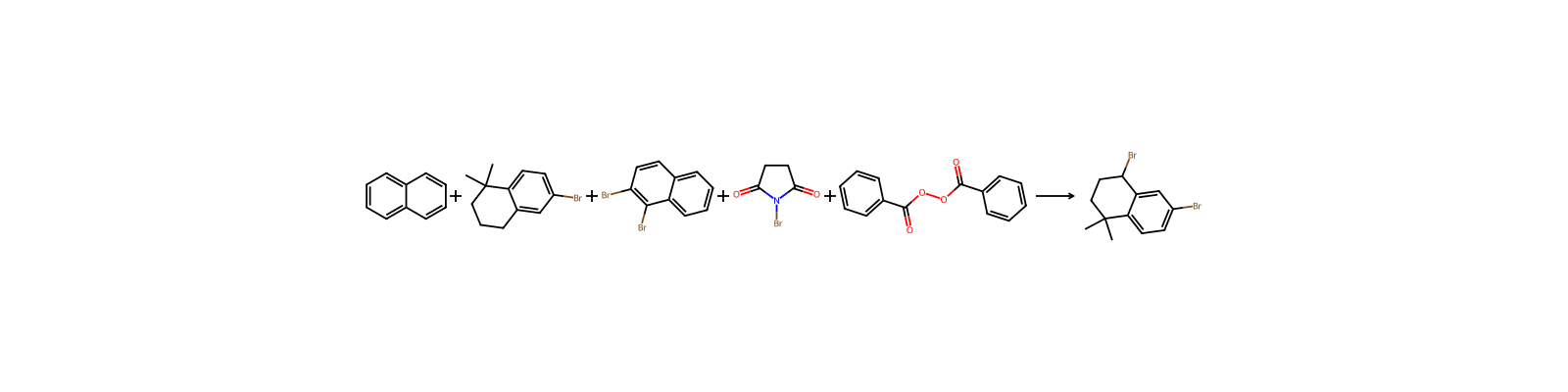
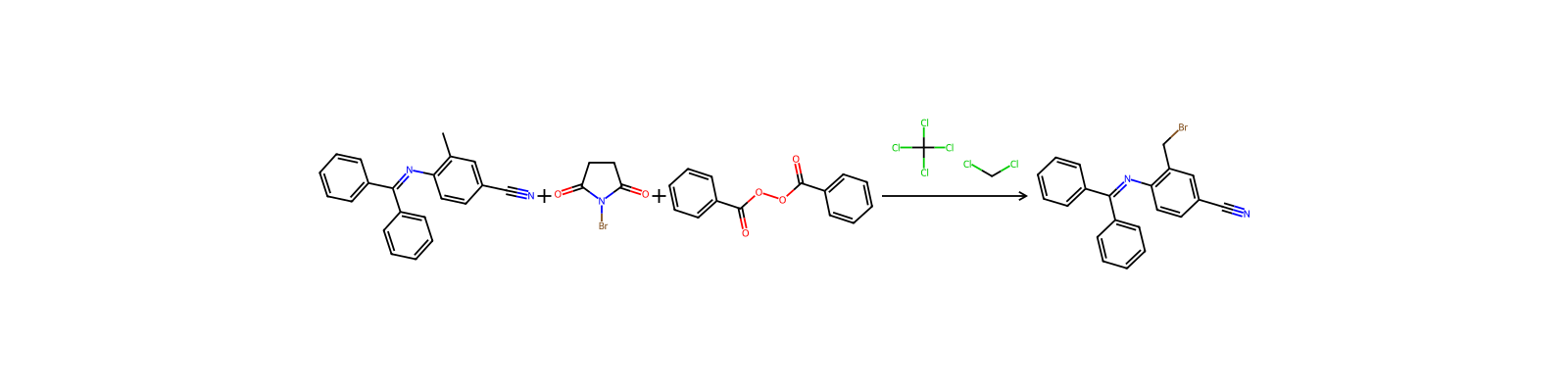
Zugehörige Reaktionen
3.513




Verknüpfte Notizen
Wird geladen…