

Grundinformationen
- Standard-SMILES
Cc1ccc(C)c(O)c1- InChIKey
NKTOLZVEWDHZMU-UHFFFAOYSA-N- Summenformel
- C8H10O
- Durchschnittliche Molmasse
- 122,16 g/mol
- Monoisotopische Masse
- 122,07316494
Überblick
2,5-dimethylphenol is a colorless to off-white crystalline solid. Odor threshold concentration 0.4 mg/L. Taste threshold concentration 0.5 mg/L. (NTP, 1992)
Namen und Bezeichner
- Bevorzugter Name
- 2,5-Dimethylphenol
- IUPAC
- 2,5-dimethylphenol
- Lokaler Name
- 2,5-Xylenol
- Englischer Name
- 2,5-Dimethylphenol
- Summenformel
- C8H10O
- Molmasse
- 122.16
Namen und Synonyme
2,5-DIMETHYLPHENOL95-87-42,5-Xylenolp-XylenolPhenol, 2,5-dimethyl-3,6-Dimethylphenol6-Methyl-m-cresol3,6-Xylenol1,2,5-Xylenol1-Hydroxy-2,5-dimethylbenzene2,5-Dmp1,4-Dimethyl-2-hydroxybenzene
Weitere Namen anzeigen
FEMA 3595PARA-XYLENOLXYLENOL(2,5-)2.5-DiMethylph2,5-DiMethylphen
FEMA No. 3595DTXSID6025145XH3E3564KXNSC-2599DTXCID905145CHEBI:191381RefChem:82967202-461-5
Datenbank-Bezeichner
- CAS
95-87-4- PubChem CID
- 7267
- DTXSID
DTXSID6025145- ChEMBL
CHEMBL192591- ChEBI
CHEBI:191381- UNII
- XH3E3564KX
- EC Number
- 202-461-5
- Nikkaji
- J43.459K
Eigenschaften
Berechnete Struktureigenschaften
- XLogP
- 2,3
- Polarare Oberfläche (TPSA)
- 20,2 Ų
- H-Brücken-Donoren
- 1
- H-Brücken-Akzeptoren
- 1
- Frei drehbare Bindungen
- 0
- Schwere Atome
- 9
- Formalladung
- 0
- Komplexität
- 90,6
Experimentelle und physikochemische Eigenschaften
Chemical ClassesOther Classes -> Phenols
SpringerMaterials Properties13C nuclear magnetic resonance spectrum
FragrancesFragrance Ingredient (2,5-Xylenol) -> IFRA transparency List
LogP
log Kow= 2.33
2.33
2.48
Taste0.5 mg/l (taste threshold concn)
Food AdditivesFLAVOR ENHANCER, FLAVORING AGENT OR ADJUVANT -> FDA Substance added to food
Density
0.971 (NTP, 1992) - Less dense than water; will float
0.965 AT 80 °C
Flavoring AgentsEU Flavoring substances
Viscosity1.55 mN.s.m-2 at 80 °C
Color/Form
Crystals from alcohol plus ether
NEEDLES FROM WATER; PRISMS FROM ALCOHOL-ETHER
Solubility
less than 1 mg/mL at 68 °F (NTP, 1992)
Sol in ethyl alcohol; very sol in ethyl ether; sl sol in chloroform
Very sol in benzene
In water, 3.54X10+3 mg/l @ 25 °C.
2.6 x 10 (-2) mol/l, at pH 5.1 and 25 °C.
3.54 mg/mL at 25 °C
Boiling Point
414 °F at 760 mmHg (NTP, 1992)
211.5 °C @ 762 mm Hg
211.00 to 212.00 °C. @ 760.00 mm Hg
211-212 °C
Physikochemische Eigenschaften
- Schmelzpunkt
- 75 · 75-77 °C
- Siedepunkt
- 212 °C · 212 °C(lit.)
- Dichte
- 0.971 g/mL · 0.971 g/mL at 25 °C(lit.)
- Dampfdruck
- 0.208 hPa · 0.208 hPa (25 °C)
- FEMA
- 3595 · 3595 | 2,5-XYLENOL
- Brechungsindex
- 1.512 · 1.5120
- Flammpunkt
- 85 °C · 85 °C
- storage temp.
- 30 °C · Store below +30°C.
- Löslichkeit
- 3.54 g/l · 3.54g/l slightly soluble
- Aggregatzustand
- Crystals
- pka
- 1 · pK1:10.22 (25°C)
- Farbe
- slightly brown
- Geruch (Odor)
- 0.1 % · at 0.10 % in propylene glycol. sweet naphthyl phenolic smoke bacon
- Geruchsart
- phenolic
- Biologische Quelle
- synthetic
- Explosionsgrenze
- 1.4 % · 1.4%(V)
- Wasserlöslichkeit
- 1 g/100 · 1 g/100 mL (60 ºC)
- Merck
- 14 · 14,10082
- JECFA Number
- 706 · 706
- BRN
- 1099260 · 1099260
- Henry's Law Constant
- 8.2 · 8.2×100 mol/(m3Pa) at 25℃, Brockbank (2013)
- Kosmetik-Inhaltsstoffe Funktionen
- PERFUMING
- InChI
- 1S/C8H10O/c1-6-3-4-7(2)8(9)5-6/h3-5,9H,1-2H3
- InChIKey
- NKTOLZVEWDHZMU-UHFFFAOYSA-N
- SMILES
- Cc1ccc(C)c(O)c1
- LogP
- 2.34 · 2.34-2.6 at 25℃
- CAS Datenbank
- 95 · 95-87-4(CAS DataBase Reference)
- NIST chemische Informationen
- 2 · Phenol, 2,5-dimethyl-(95-87-4)
- EPA chemische Informationen
- 2 · 2,5-Dimethylphenol (95-87-4)
Sicherheit und Regulatorisches
GHS-Klassifizierung
GHS Classification
Danger
H301: Toxic if swallowed [Danger Acute toxicity, oral]
P260, P262, P264, P270, P273, P280, P301+P316, P301+P330+P331, P302+P352, P302+P361+P354, P304+P340, P305+P354+P338, P316, P321, P330, P361+P364, P363, P391, P405, and P501 (click each P-code to see the statement)
Danger
H301 (99.8%): Toxic if swallowed [Danger Acute toxicity, oral]
P260, P261, P262, P264, P264+P265, P270, P272, P273, P280, P301+P316, P301+P330+P331, P302+P352, P302+P361+P354, P304+P340, P305+P354+P338, P316, P317, P321, P330, P333+P317, P361+P364, P362+P364, P363, P391, P405, and P501 (click each P-code to see the statement)
Gefahrenhinweise
Regulatory Information
Chemical: Phenol, 2,5-dimethyl-
Regulation (EC) No 1831/2003 (amended)
Phenol, 2,5-dimethyl- is listed on the EPA's Chemical Data Reporting (CDR) system. Manufacturers and importers of Phenol, 2,5-dimethyl- are required to report information about their production and use of this chemical to the EPA under the Toxic Substances Control Act (TSCA). (40 eCFR Part 711)
Status: Active Update: 17-06-2022 https://echa.europa.eu/registration-dossier/-/registered-dossier/23775
Phenol, 2,5-dimethyl-: Does not have an individual approval but may be used under an appropriate group standard
Other Safety InformationIMAP assessments - Xylenols: Human health tier II assessment
DOT LabelPoison
Fire HazardsFlash point data for this chemical are not available. It is probably combustible. (NTP, 1992)
Health Hazards
SYMPTOMS: Symptoms of exposure to this compound may include severe irritation and burns of the skin and eyes; irritation of the respiratory tract, dizziness, stomach pain, exhaustion, coma and damage to the liver or kidneys. Other symptoms include headache, nausea and vomiting. It may cause corrosion of the tissues of the mucous membranes and upper respiratory tract, eyes and skin. Inhalation may result in burning sensation, coughing, wheezing, laryngitis and shortness of breath. Inhalation may be fatal as a result of spasm, inflammation and edema of the larynx and bronchi; chemical pneumonitis and pulmonary edema. Symptoms of exposure to this class of compounds include skin sensitization, profuse sweating, painless blanching or erythema of the skin, intense thirst, diarrhea, cyanosis from methemoglobinemia, hyperactivity, stupor, blood pressure fall, hyperpnea, abdominal pain, hemolysis and convulsions. If death from respiratory failure is not immediate, jaundice and oliguria or anuria may occur.
Hazards Summary
Causes ataxia and convulsions in lethal-dose feeding studies; [RTECS] Corrosive to tissues; Inhalation may cause laryngeal spasm, edema of the bronchi, and chemical pneumonitis; May induce methemoglobinemia; Chronic exposure may cause liver and kidney damage; [CAMEO] Safe when used as a flavoring agent in food; [JECFA] Toxic by ingestion and skin contact; May cause burns; [eChemPortal: ESIS] A corrosive substance that can cause injury to the skin, eyes, and respiratory tract; Inhalation may cause chemical pneumonitis; May be absorbed through skin; [MSDSonline] As the six dimethylphenol isomers and the mixed isomer substance are generally similar in toxicity, a common TLV for these substances is appropriate. . . . In mice, oral exposure to 250 mg/kg/day produced changes in blood parameters including statistically significant decreases in mean corpuscular volume and mean corpuscular hemoglobin concentration (4 and 3% reduction in mean values, respectively. . . . Available data on skin sensitization from exposure to dimethylphenol are mixed but warrant the addition of a DSEN notation. . . . All six dimethylphenol isomers were tested in a mouse local lymph node assay and the results found 2.4, 2,5, and 3,4-dimethylphenol to be positive for skin sensitization. There are no epidemiology studies. In a case report, ingestion of about 250 ml of a mixture of dimethylphenol isomers resulted in CNS depression, hypotension, and death. [ACGIH] See Phenol.
Reactive GroupPhenols and Cresols
Special Reports
EPA. EPA/600/8-88/031 p.30 (1987). Health effects assessment for dimethylphenols.
Center for Chemical Hazard Assessment SRC TR 81-527, Second draft (1981). Information profiles on potential occupational hazards: xylenols.
Reactivity Profile2,5-DIMETHYLPHENOL is incompatible with bases, acid chlorides, acid anhydrides and oxidizing agents. It corrodes steel, brass, copper and copper alloys. (NTP, 1992)
DOT Emergency Guidelines
/GUIDE 153: SUBSTANCES - TOXIC AND/OR CORROSIVE (COMBUSTIBLE)/ Health: TOXIC; inhalation, ingestion, or skin contact with material may cause severe injury or death. Contact with molten substance may cause severe burns to skin and eyes. Avoid any skin contact. Effects of contact or inhalation may be delayed. Fire may produce irritating, corrosive and/or toxic gases. Runoff from fire control or dilution water may be corrosive and/or toxic and cause pollution. /Xylenols; Xylenols, liquid; Xylenols, solid/
/GUIDE 153: SUBSTANCES - TOXIC AND/OR CORROSIVE (COMBUSTIBLE)/ Fire or Explosion: Combustible material: may burn but does not ignite readily. When heated, vapors may form explosive mixtures with air: indoors, outdoors, and sewers explosion hazards. Those substances designated with a "P" may polymerize explosively when heated or involved in a fire. Contact with metals may evolve flammable hydrogen gas. Containers may explode when heated. Runoff may pollute waterways. Substance may be transported in a molten form. /Xylenols; Xylenols, liquid; Xylenols, solid/
/GUIDE 153: SUBSTANCES - TOXIC AND/OR CORROSIVE (COMBUSTIBLE)/ Public Safety: CALL Emergency Response Telephone Number ... . As an immediate precautionary measure, isolate spill or leak area in all directions for at least 50 meters (150 feet) for liquids and at least 25 meters (75 feet) for solids. Keep unauthorized personnel away. Stay upwind. Keep out of low areas. Ventilate enclosed areas. /Xylenols; Xylenols, liquid; Xylenols, solid/
/GUIDE 153: SUBSTANCES - TOXIC AND/OR CORROSIVE (COMBUSTIBLE)/ Protective Clothing: Wear positive pressure self-contained breathing apparatus (SCBA). Wear chemical protective clothing that is specifically recommended by the manufacturer. It may provide little or no thermal protection. Structural firefighters' protective clothing provides limited protection in fire situations ONLY; it is not effective in spill situations where direct contact with the substance is possible. /Xylenols; Xylenols, liquid; Xylenols, solid/
For more DOT Emergency Guidelines (Complete) data for 2,5-DIMETHYLPHENOL (8 total), please visit the HSDB record page.
Air and Water ReactionsThis chemical is hygroscopic. Insoluble in water.
Hazard Classes and Categories
Acute Tox. 3 (99.8%)
Acute toxicity - category 3
Acute toxicity (Oral) - Category 4
Acute toxicity (Oral) - Category 4
Acute Tox. 3 *
Sicherheit und Schutzausrüstung
Fire FightingFires involving this material can be controlled with a dry chemical, carbon dioxide or Halon extinguisher. (NTP, 1992)
First Aid
EYES: First check the victim for contact lenses and remove if present. Flush victim's eyes with water or normal saline solution for 20 to 30 minutes while simultaneously calling a hospital or poison control center. Do not put any ointments, oils, or medication in the victim's eyes without specific instructions from a physician. IMMEDIATELY transport the victim after flushing eyes to a hospital even if no symptoms (such as redness or irritation) develop.
Cleanup MethodsFOUNDRY PLANT WASTE GASES WERE DEODORIZED WITH POTASSIUM PERMANGANATE, AND DEODORIZATION EFFICIENCY WAS MEASURED BY PRESENCE OF 2,5-XYLENOL IN SCRUBBED WASTE GASES.
Nonfire Spill Response
SMALL SPILLS AND LEAKAGE: Should a spill occur while you are handling this chemical, FIRST REMOVE ALL SOURCES OF IGNITION, then you should dampen the solid spill material with 60-70% ethanol and transfer the dampened material to a suitable container. Use absorbent paper dampened with 60-70% ethanol to pick up any remaining material. Seal the absorbent paper, and any of your clothes, which may be contaminated, in a vapor-tight plastic bag for eventual disposal. Solvent wash all contaminated surfaces with 60-70% ethanol followed by washing with a soap and water solution. Do not reenter the contaminated area until the Safety Officer (or other responsible person) has verified that the area has been properly cleaned.
Disposal Methods
SRP: At the time of review, criteria for land treatment or burial (sanitary landfill) disposal practices are subject to significant revision. Prior to implementing land disposal of waste residue (including waste sludge), consult with environmental regulatory agencies for guidance on acceptable disposal practices.
Chemical Treatability of 2,5-Dimethylphenol; Concentration Process: Biological treatment; Chemical Classification: Phenols; Scale of Study: Unknown; Type of Wastewater Used: Pure compound (one solute in a solvent); Results of Study: 94.5% reduction based on chemical oxygen demand; rate of biodegradation 10.6 mg chemical oxygen demand/g hr (activated sludge process).
Isolation and EvacuationExcerpt from ERG Guide 153 [Substances - Toxic and/or Corrosive (Combustible)]:
Threshold Limit Values (TLV)1.0 [ppm], inhalable fraction and vapor
Personal Protective Equipment (PPE)
MINIMUM PROTECTIVE CLOTHING: If Tyvek-type disposable protective clothing is not worn during handling of this chemical, wear disposable Tyvek-type sleeves taped to your gloves.
Some data suggesting breakthrough times /for butyl rubber/ of approximately an hour or more. /Aromatic hydroxyl cmpd/
Breakthrough times /for neoprene/ greater than one hour reported by (normally) two or more testers. /Aromatic hydroxyl cmpd/
Breakthrough times / for polyvinyl alcohol/ less (usually significantly less) than one hour reported by (normally) two or more testers. /Aromatic hydroxyl cmpd/
Toxikologische Informationen
InteractionsA SPONTANEOUSLY DEVELOPING VASOCONSTRICTION IN ISOLATED PERFUSED LUNG AND THE VASOCONSTRICTION CAUSED BY ARTERIALLY INJECTED ATP (50 UG) WERE BOTH INHIBITED BY THE ADDITION TO THE PERFUSATE OF VARIOUS PHENOLS INCLUDING 2,5-XYLENOL.
Ecotoxicity Values
LC50 Salmo gairdneri (rainbow trout) 3.2-5.6 mg/l/96 hr /Static bioassay/
LC50 Daphnia magna (cladoceran) 10.0 mg/1/48 hr /Static bioassay/
Environmental Fate
TERRESTRIAL FATE: Based on a classification scheme(1), an estimated Koc value of 440(SRC), determined from a log Kow of 2.33(2) and a regression-derived equation(3), indicates that 2,5-dimethylphenol is expected to have moderate mobility in soil(SRC). Volatilization of 2,5-dimethylphenol from moist soil surfaces is expected to be an important fate process(SRC) given an estimated Henry's Law constant of 7.1X10⁻⁶ atm-cu m/mole(SRC), determined from its vapor pressure of 0.156 mm Hg(4) and water solubility of 3540 mg/l(5). 2,5-Dimethylphenol is not expected to volatilize from dry soil surfaces based upon its vapor pressure(3). 2,5-Dimethylphenol has been reported to biodegrade in soil in 14 days at a temperature of 19 °C(6). Biodegradation under anaerobic conditions failed to occur in one study using a river sediment inoculum, time unspecified(7), yet 55% degradation occurred after 8 weeks in another study using a contaminated groundwater digester(8).
AQUATIC FATE: Based on a classification scheme(1), a Koc value of 440(SRC), determined from a log Kow of 2.33(2) and a regression-derived equation(3), indicates that 2,5-dimethylphenol is expected to adsorb very little to suspended solids and sediment in water(SRC). 2,5-Dimethylphenol is expected to volatilize from water surfaces(3,SRC) based upon an estimated Henry's Law constant of 7.1X10⁻⁶ atm-cu m/mole(SRC), determined from its vapor pressure of 0.156 mm Hg(4) and water solubility of 3540 mg/l(5). Estimated volatilization half-lives for a model river and model lake are 6 days and 46 days, respectively(3,SRC). According to a classification scheme(6), an estimated BCF of 35(3,SRC), from 2,5-dimethylphenol's log Kow(2), suggests bioconcentration in aquatic organisms is moderate(SRC). In humic waters, degradation by the reaction with peroxy radicals should ensue with a half-life on the order of hours(7). 2,5-Dimethylphenol is not expected to undergo hydrolysis in the environment due to the lack of hydrolyzable functional groups(3). The rate of biodegradation obtained for 2,5-dimethylphenol in a screening test with an adapted activated sludge seed was 94.5% chemical oxygen demand after 5 days(8). In addition, it has been reported that 2,5-dimethylphenol was readily degraded in St. Lawrence River water(9). Biodegradation under anaerobic conditions failed to occur in one study, time unspecified(10), yet 55% degradation occurred after 8 weeks in another study(11).
ATMOSPHERIC FATE: According to a model of gas/particle partitioning of semivolatile organic compounds in the atmosphere(1), 2,5-dimethylphenol, which has a vapor pressure of 0.156 mm Hg at 25 °C(2), is expected to exist solely as a vapor in the ambient atmosphere. Vapor-phase 2,5-dimethylphenol is degraded in the atmosphere by reaction with photochemically-produced hydroxyl radicals(SRC); the half-life for this reaction in air is estimated to be 4.8 hours(SRC) from its rate constant of 8.00X10⁻¹¹ cu cm/molecule-sec at 25 °C(3). Atmospheric 2,5-dimethylphenol is known to be removed by rainwater(4). 2,5-Dimethylphenol has an absorption band at 276 nm (alcohol-ether), and a shoulder may extend over 290 nm, thus making it a candidate for direct photochemical degradation(5,6). Night-time degradation in urban areas should occur rapidly through reaction with atmospheric nitrate radicals, as rate constants for this reaction with phenolic compounds are approximately 250 times faster than with hydroxyl radicals(7,SRC).
Food Survey Values
2,5-Dimethylphenol was identified as a volatile component of fresh tree-ripened apricots (Prunus armeniaca L.) with a concn of 33 mg/kg fresh fruit tissue(1). 2,5-Dimethylphenol was identified as a volatile flavor component of the Japanese dried food, Bonito(2).
Adverse EffectsNeurotoxin - Other CNS neurotoxin
Effluent Concentrations
2,5-Dimethylphenol was identified in Los Angeles County, CA effluent (1980-81) at 10 ug/l(1). Waste water from the gasification of Indian Head lignite coal in North Dakota was determined to have an estimated 2,5-dimethylphenol concentration of 358 mg/l(2). 2,5-Dimethylphenol was detected but not quantified in low temperature carbonization wastewater collected in Naspur, India(3).
Soil Adsorption/Mobility
The Koc of 2,5-dimethylphenol is estimated as 440(SRC), using a log Kow of 2.33(1) and a regression-derived equation(2). According to a classification scheme(3), this estimated Koc value suggests that 2,5-dimethylphenol is expected to have moderate mobility in soil(SRC).
Natural Pollution Sources2,5-Dimethylphenol has been found in tobacco(1-3) and marijuana mainstream smoke(3), and black tea(4).
Atmospheric Concentrations
URBAN/SUBURBAN: In 1984, a gas phase concn of 2,5-dimethylphenol was detected in 7 of 7 rain events in Portland, OR, at concns ranging from 15-70 ng/cu m, averaging 33 ng/cu m, analyzed as a mixture with 2,4-dimethylphenol(1). The amount associated with adsorption to particulate matter was <5% of the gas phase concn in every case(1). Not detected in either rural or urban air samples (detection limit = 0.05 ug/cu m)(2). SOURCE DOMINATED: Although found in gasoline and diesel motor exhaust, it was not detected in an Allegheny Mountain highway tunnel(3).
Human Toxicity Excerpts
TOXIC BY INGESTION AND SKIN ABSORPTION. /COMMERCIAL MIXTURES/
LISTED AS A TUMOR PROMOTER. /FROM TABLE/
Artificial Pollution Sources
/SRP/: 2,5-DIMETHYLPHENOL IS A CONSTITUENT OF ... AUTOMOBILE EXHAUST, AND SHALE OIL WASTE WATER.
2,5-Dimethylphenol's use for the preparation of coal tar disinfectants (1), in the manufacture of artificial resins(1), as a constituent of coal tar creosote (0.7 wt%)(2), as a raw material for antioxidants in gasoline and rubber(3), and as a component of automobile and diesel exhaust(4-7) may result in its release to the environment through various waste streams(SRC). Dimethylphenols, of which 2,5-dimethylphenol is an isomer, are components of disinfectants, solvents, pharmaceuticals, insecticides, fungicides, plasticizers, rubber chemicals, additives to lubricants and gasolines, wetting agents and dyestuffs(8).
Environmental Biodegradation
ANAEROBIC DEGRADATION OF PHENOLIC COMPOUNDS TO METHANE AND CARBON DIOXIDE IN SEWAGE SLUDGE DIGESTION OCCURRED IN BOTH GROUND WATER AND LABORATORY DIGESTORS. WATER SAMPLES WERE COLLECTED FROM THE NEAR SURFACE GROUND WATER IN AN AREA CONTAMINATED WITH PLANT PROCESS WASTES RESULTING FROM OPERATION OF A COAL TAR DISTILLING AND WOOD TREATING PLANT. PHENOLIC COMPOUNDS (INCLUDING 2,5-DIMETHYLPHENOL) WERE ISOLATED FROM THE AQUEOUS SAMPLES BY DICHLOROMETHANE EXTRACTION.
... Adapted activated sludge at 20 °C, product is sole carbon source: 94% chemical oxygen demand removal at 11 mg chemical oxygen demand/g dry inoculum/hr ... .
In shake flask studies, an initial 2,5-dimethylphenol concentration of 0.1 ug/ml was reduced to below detection following 2 weeks incubation in contaminated groundwater from the American Creosote Works Superfund site, Pensacola, FL(1). 2,5-Dimethylphenol was readily degraded in St. Lawrence River water(2). 2,5-Dimethylphenol completely biodegraded in 14 days within a hard, carbonaceous woody loam at 19 °C(3). Using a biological treatment simulator, 11.2% theoretical oxygen demand after 10 days was obtained for 2,5-dimethylphenol from a coal gasification waste water feed and an acclimated sludge seed(4). The rate of biodegradation obtained for 2,5-dimethylphenol in a screening test with an adapted activated sludge seed was 94.5% chemical oxygen demand loss after 5 days(5). In a biological treatment simulator using an activated sludge seed, 2,5-dimethylphenol underwent 78% chemical oxygen demand removal afer 40 days; at 50 days, no further degradation had ensued(6).
ANAEROBIC: In a screening test using a mixed culture sewage seed and substrate concns of 100, 300, and 500 mg/l, anaerobic degradation did not occur(1). However, in another study, 2,5-dimethylphenol, at an initial concn of 5.44 mg/l, underwent 55% degradation when incubated in coal tar-contaminated groundwater in an anaerobic digester for 8 weeks(2).
Sicherheitsdaten
- wgk
- 3
- tsca
- TSCA listed
- ridadr
- UN 2261 6.1/PG 2
- hs_code
- 29071400
- RTECS-Nr.
- ZE5775000
- risk_code
- 24/25-34-51/53
- hazard_code
- T,N
- safety_code
- 26-36/37/39-45-61
- hazard_class
- 6.1
- packing_group
- II
- Speicherklasse
- 6.1A - Combustible acute toxic Cat. 1 and 2very toxic hazardous materials
- Giftige Stoffe Daten
- 95-87-4(Hazardous Substances Data)
- Hazard Classifications
- Acute Tox. 3 DermalAcute Tox. 3 OralAquatic Chronic 2Eye Dam. 1Skin Corr. 1B
Chemie und Industrie
Pharmakologische Informationen
Metabolism/Metabolites
YIELDS 2,5-DIMETHYLPHENYL-BETA-D-GLUCURONIDE AND 2,5-DIMETHYLPHENYL SULFATE IN RABBITS; 3-HYDROXY-4-METHYLBENZOIC ACID IN PSEUDOMONAS. /FROM TABLE/
HYDROXYLATION OF AROMATIC HYDROCARBONS WAS STUDIED FOLLOWING THEIR ORAL ADMINISTRATION TO RATS THAT ALSO RECEIVED A PURIFIED DIET CONTAINING NEOMYCIN TO REDUCE THE LEVELS OF NORMALLY OCCURRING SIMPLE URINARY PHENOLS. PHENOLIC METABOLITES WERE QUANTITATIVELY ESTIMATED IN HYDROLYZED URINE SAMPLES BY GAS CHROMATOGRAPHY. P-XYLENE ADMINISTERED AT A DOSE OF 100 MG/KG WAS METABOLIZED TO 2,5-DIMETHYLPHENOL TO THE EXTENT OF 1.0% OF THE DOSE GIVEN.
FOUR PERSONS WERE EXPOSED TO XYLENES. 2,3- AND 3,4-XYLENOL WERE OBSERVED IN URINE OF THOSE EXPOSED TO O-XYLENE. 2,4-XYLENOL OBSERVED AFTER M-XYLENE AND 2,5-XYLENOL AFTER P-XYLENE.
Pulmonary metabolites of p-xylene, p-methylbenzyl alcohol and 2,5-dimethylphenol, were employed to investigate the divergent effects of p-xylene on pulmonary and hepatic metabolism. Rats were given p-methylbenzyl alcohol, 2,5-dimethylphenol, or 10% cremophore (control) ip daily for 3 days, and effects on hepatic and pulmonary microsomal metabolism were determined 12 hours later. Both p-methylbenzyl alcohol and 2,5-dimethylphenol mimic the decrease in pulmonary benzyloxyresorufin-O-debenzylase activity previously reported for p-xylene, but neither could account for the potent induction of cytochrome P450 in the liver. Only p-methylbenzyl alcohol had a consistent effect on P450IIB apoprotein levels, decreasing them in both the liver and lung. These data suggest that p-methylbenzyl alcohol may have a significant role in the inhibition of pulmonary P450 caused by p-xylene.
2,5-dimethylphenol is a known human metabolite of p-xylene.
Absorption, Distribution and Excretion
Associations between o-cresol, p-cresol, m-cresol, 2,4-xylenol, 2,5-xylenol, 3,4-xylenol, and 3,5-xylenol exposure levels and urinary phenol excretion were examined in the coke facility industry. The subjects consisted of 76 exposed workers employed in the tar distillation process and 34 controls. ... Urinary metabolite levels were corrected for specific gravity and creatinine. The time weighted average exposure concentrations in the breathing zones of the tar distillation workers were ... 0.02 to 0.04 mg/cu m for xylenols. ... The urinary xylenol levels of exposed workers ranged from 0.12 to 0.97 mg/l with specific gravity correction. In control urine samples, the specific gravity corrected xylenol concentrations ranged from 25 x 10(-3) to 43 x 10(-3) mg/l. Significant correlations were observed between the ambient levels and urinary concentrations of phenol, o-cresol, and the xylenols, with coefficients ranging from 0.45 to 0.82. The author concludes that the biological monitoring of urinary xylenols may be used as a means of measuring xylenol exposure in coke facility workers.
Phenol (87.3 mg/l), p-cresol (58.6 mg/l), o-cresol (76.9 mg/l), and 2,5-xylenol (36.7 mg/l) were detected in the urine of workers employed in the distillation of the high temperature phenolic fraction of tar (carbolic oil). The concentrations of these compounds in the urine of non-exposed male workers was 11.7 mg/l, 25.7 mg/l, 68.1 ug/l, and 69 ug/l respectively. The excretion rates were 4.20 mg/hr for phenol, 2.4 mg/hr for p-cresol, 3.3 mg/hr for o-cresol; and 1.5 mg/hr for 2,5-xylenol. The highest concentrations of the ... compounds were detected in urine collected between eight and 10 hr from the beginning of exposure. ...
Cellular LocationsCytoplasm
Verwendung und Herstellung
Uses
Used to make phenolic resins and (in isomeric mixtures) as an antioxidant for lubricating oils, gasoline, and elastomers; [HSDB]
Petroleum Production and Refining [Category: Industry]
Used in phosphate esters, alkylated xylenols, antioxidants. /Xylenol 100/
ANTIOXIDANT FOR LUBRICATING OILS, GASOLINE, ELASTOMERS. /MIXED ISOMERS/
Starting materials in the phenolic resins. /Xylenols/
Used in the production of high-viscosity phosphate esters, as a feedstock for hindered phenol antioxidant and specialty modified phenolic resin manufacture. /Xylenol 410/
U.S. Imports(1983) 17,019 lb
U.S. Production2023: 4,106,347 lb
Consumer UsesCleaning agent
Industry UsesCleaning agent
Methods of Manufacturing
The insertion of methyl groups into phenol to produce ... xylenols is a commercial process of considerable utility. The process commomly employed is methylation with methyl alcohol over a solid catalyst, generally a modified metal oxide, at temp in the range of 300-450 °C. /Xylenols/
Formulations/Preparations
Xylenol 100; a high purity fraction of 2,4- and 2,5- xylenol (ortho xylenols); typical composition: 2,4- and 2,5-xylenol 93%; meta para cresol 2%; other xylenols 5%. /From table/
Pitt-Consol Xylenol 410 is a synthetic xylenol blend ... homolog distribution, wt %: 2,6-xylenol, 1; 2,4-xylenol, 42; 2,5-xylenol, 43; 2,3-xylenol group, 14. /Xylenol 410/
Use Classification
Fragrance Ingredients
Flavouring Agent -> FLAVOURING_AGENT -> JECFA Functional Classes
Flavoring Agents -> JECFA Flavorings Index
Flavouring Agent -> FLAVOURING_AGENT -> JECFA Functional Classes
General Manufacturing Information
Soap, Cleaning Compound, and Toilet Preparation Manufacturing
Phenol, 2,5-dimethyl-: ACTIVE
Anwendungen
OccurrenceReported found in coffee, smoked fatty fish, processed lean fish, malt whiskey, Scotch blended whiskey, katsuobushi (dried bonito) and kumazasa (Sasa albo-marginata).
VerwendenUsed to make phenolic resins and (in isomeric mixtures) as an antioxidant for lubricating oils, gasoline, and elastomers. Also used as perfuming agents.
Vor- und nachgelagerte Produkte
Vorgelagerte Rohstoffe
Nachgelagerte Produkte
Zugehörige Reaktionen
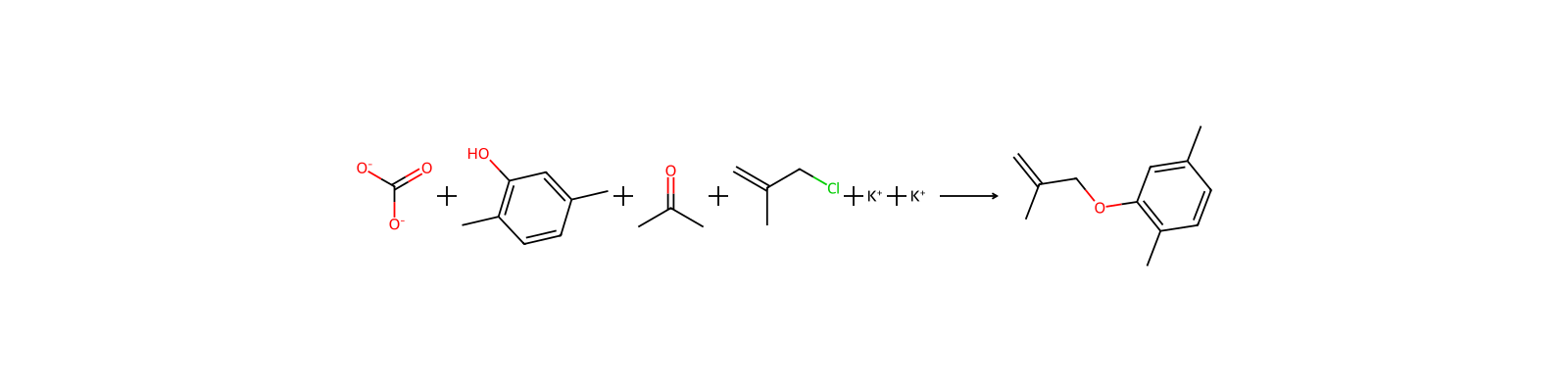
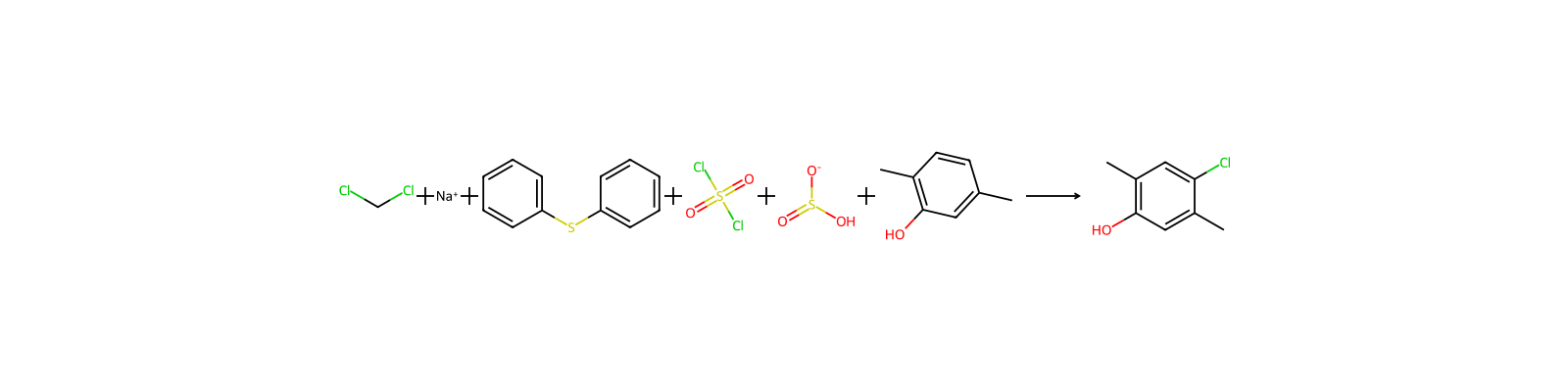
64




Verknüpfte Notizen
Wird geladen…