
Diethyloxalat
Diethyl Oxalate
Daten werden ergänzt – lade die Seite später neu, um den aktuellen Stand zu sehen

Grundinformationen
- CAS
95-92-1- Standard-SMILES
CCOC(=O)C(=O)OCC- InChIKey
WYACBZDAHNBPPB-UHFFFAOYSA-N- Summenformel
- C6H10O4
- Durchschnittliche Molmasse
- 146,14 g/mol
- Monoisotopische Masse
- 146,0579088
Überblick
Ethyl oxalate appears as a colorless liquid. Slightly denser than water and insoluble in water. Hence sinks in water. May irritate skin and mucous membranes; may be mildly toxic by ingestion; may emit irritating fumes in a fire. Vapors are much heavier than air. Used as a solvent for plastics and in the manufacture of perfumes and pharmaceuticals.
Namen und Bezeichner
- Bevorzugter Name
- Diethyl Oxalate
- IUPAC
- diethyl oxalate
- Lokaler Name
- Diethyloxalat
- Englischer Name
- Diethyl oxalate
- Summenformel
- C6H10O4
- Molmasse
- 146.14
Namen und Synonyme
DIETHYL OXALATE95-92-1Ethyl oxalateOxalic etherEthyl oxalate (VAN)NSC 8851Diethylester kyseliny staveloveDTXSID2044472HSDB 2131EINECS 202-464-1UNII-860M3ZWF6JDiethyl ester of oxalic acid
Weitere Namen anzeigen
OXALIC ACID DIETHYL ESTERDEOiethyl oxalateCeftriaxone Impurity 5GKSWoxalicetherEthyIoxalateDiethyl oxate
UN2525Diethylester kyseliny stavelove [Czech]BRN 0606350860M3ZWF6JETHYL OXOLATENSC-8851C2H5OCOCOOC2H5Ethanedioic acid, 1,2-diethyl ester
Datenbank-Bezeichner
- CAS
95-92-1- PubChem CID
- 7268
- DTXSID
DTXSID2044472- ChEMBL
CHEMBL3183226- UNII
- 860M3ZWF6J
Eigenschaften
Berechnete StruktureigenschaftenWird ergänzt
- XLogP
- 0,6
- Polarare Oberfläche (TPSA)
- 52,6 Ų
- H-Brücken-Donoren
- 0
- H-Brücken-Akzeptoren
- 4
- Frei drehbare Bindungen
- 5
- Schwere Atome
- 10
- Formalladung
- 0
- Komplexität
- 114
Experimentelle und physikochemische Eigenschaften
Chemical Classes
Other Classes -> Esters, Other
Flammable agents - 2nd degree
CosmeticsChelating; Plasticiser; Hair conditioning
SpringerMaterials PropertiesBoiling point
LogP0.56
OdorAROMATIC ODOR
Food AdditivesFood
Density
1.0785 @ 20 °C/4 °C
1.079 @ 20°C
Flavoring AgentsEU Flavoring substances
Color/FormCOLORLESS, OILY LIQUID
Solubility
SPARINGLY SOL IN WATER WHICH DECOMP IT GRADUALLY; MISCIBLE WITH USUAL ORG SOLVENTS
SOL IN ALL PROPORTIONS IN ALCOHOL, ETHER, ACETONE
Sicherheit und Regulatorisches
Sicherheitsangaben dienen nur zur Orientierung und ersetzen weder das Sicherheitsdatenblatt (SDB) des Lieferanten noch geltende Vorschriften oder eine fachliche Bewertung.
GHS-Klassifizierung
GHS Classification
Warning
H302: Harmful if swallowed [Warning Acute toxicity, oral]
P264, P264+P265, P270, P280, P301+P317, P305+P351+P338, P330, P337+P317, and P501 (click each P-code to see the statement)
Danger
H302 (100%): Harmful if swallowed [Warning Acute toxicity, oral]
P260, P264, P264+P265, P270, P280, P301+P317, P301+P330+P331, P302+P361+P354, P304+P340, P305+P351+P338, P305+P354+P338, P316, P319, P321, P330, P337+P317, P363, P405, and P501 (click each P-code to see the statement)
Gefahrenhinweise
Regulatory Information
Chemical: Ethanedioic acid, diethyl ester
Commission Regulation (EC) No 1565/2000 (Repealed by Com. Implementing Reg. (EU) No 872/2012)
Ethanedioic acid, 1,2-diethyl ester is listed on the EPA's Chemical Data Reporting (CDR) system. Manufacturers and importers of Ethanedioic acid, 1,2-diethyl ester are required to report information about their production and use of this chemical to the EPA under the Toxic Substances Control Act (TSCA). (40 eCFR Part 711)
Status: Active Update: 28-02-2022 https://echa.europa.eu/registration-dossier/-/registered-dossier/14261
Diethyl oxalate: Does not have an individual approval but may be used under an appropriate group standard
The New Jersey Worker and Community Right to Know Act requires public and private employers to provide information about hazardous substances at their workplaces. (N.J.S.A. 34:5A-1 et. seq.)
Other Safety InformationIMAP assessments - Oxalate esters (C1-C4): Human health tier II assessment
DOT LabelPoison
Fire Hazards
Excerpt from ERG Guide 156 [Substances - Toxic and/or Corrosive (Combustible / Water-Sensitive)]:
Chemie und Industrie
Pharmakologische Informationen
Metabolism/MetabolitesETHYL OXALATE IS HYDROLYZED IN BODY TO FORM OXALIC ACID WHICH ACCOUNTS FOR ITS TOXIC ACTION.
Verwendung und Herstellung
Uses
Used to make pharmaceuticals, plastics, dyes, and dyestuff intermediates; Also used as a solvent for cellulose esters, ethers, resins, perfumes, and lacquers for electronics; [HSDB]
Semiconductor Manufacturing [Category: Industry]
MANUFACTURE OF PHENOBARBITAL, ETHYLBENZYL MALONATE, TRIETHYLAMINE, & SIMILAR CHEMICALS; MANUFACTURE OF PLASTICS, DYESTUFF INTERMEDIATES; SOLVENT FOR CELLULOSE ESTERS
ORGANIC SYNTHESES, ESP IN MFR OF PHARMACEUTICALS; SOLVENT FOR ETHERS & RESINS
RADIO TUBE CATHODE FIXING LACQUERS
SOLVENT FOR PERFUMES & FOR NATURAL & SYNTHETIC RESINS (CELLULOSE ESTERS); AGENT IN RADIO TUBE CATHODE FIXING LACQUERS; CHEM INT FOR PHARMACEUTICALS, PLASTICS & DYES
U.S. Exports
(1972) No Data
(1975) No Data
U.S. Imports
(1972) No Data
(1975) No Data
U.S. Production
2023: 70,547 lb
(1972) PROBABLY GREATER THAN 4.54X10+5 GRAMS
(1975) PROBABLY GREATER THAN 1.36X10+6 GRAMS
Industry UsesSoil amendments (fertilizers)
Methods of Manufacturing
ESTERIFICATION OF OXALIC ACID WITH ETHANOL
PREPN: CLARKE, DAVIS, ORG SYN 2, 23 (1922); COLL VOL I, 256; KENYON, COLL VOL I, 258 (P 261 IN 2ND ED).
ETHYL OXALATE IS PRODUCED BY STANDARD ESTERIFICATION PROCEDURE, USING ETHYL ALCOHOL AND OXALIC ACID.
Use Classification
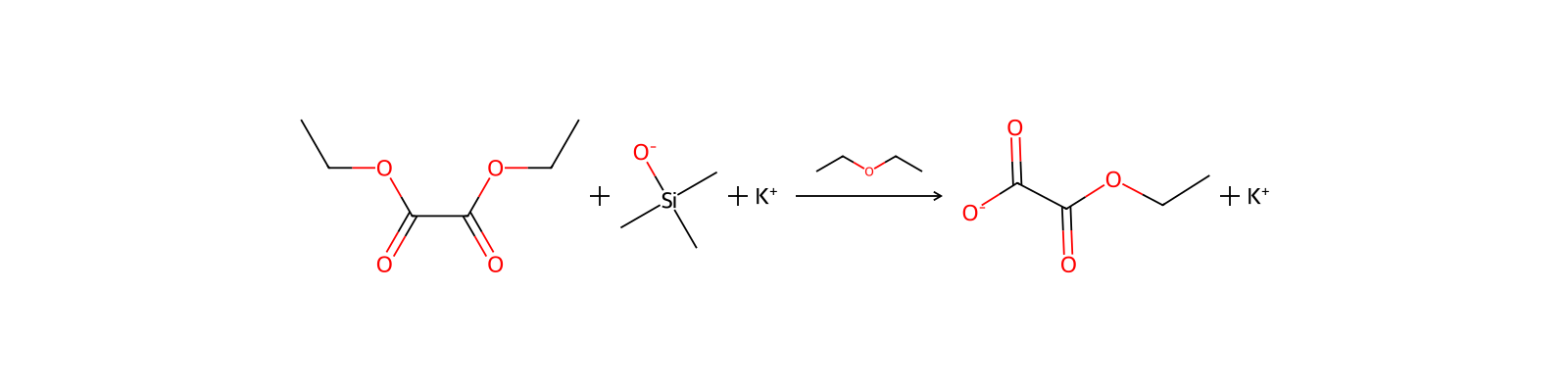
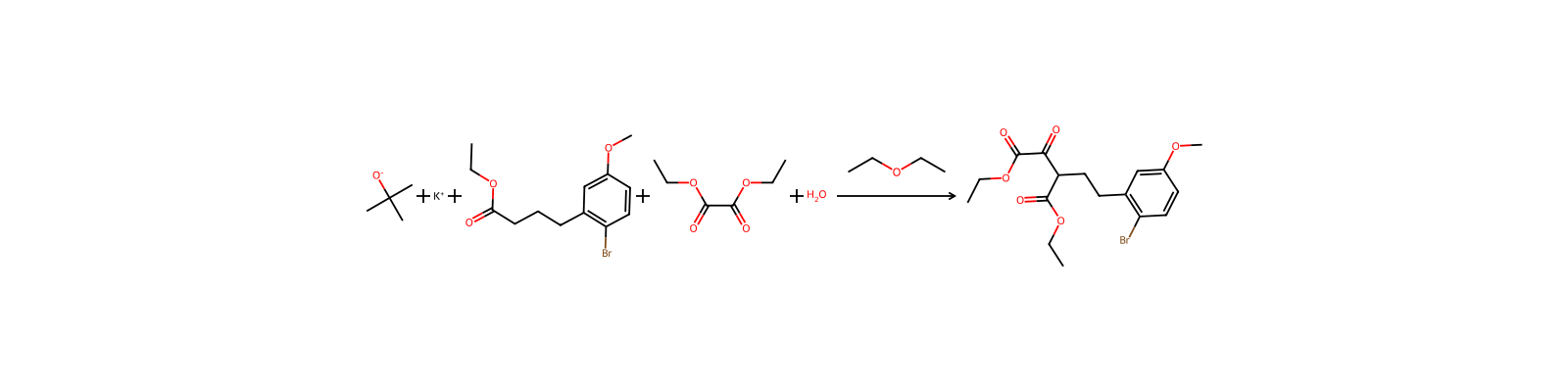
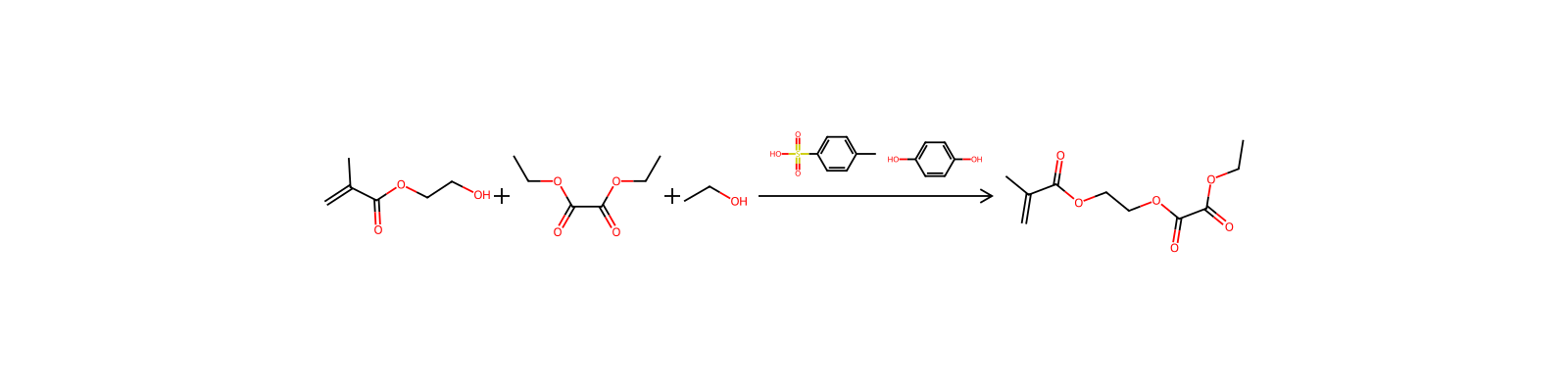
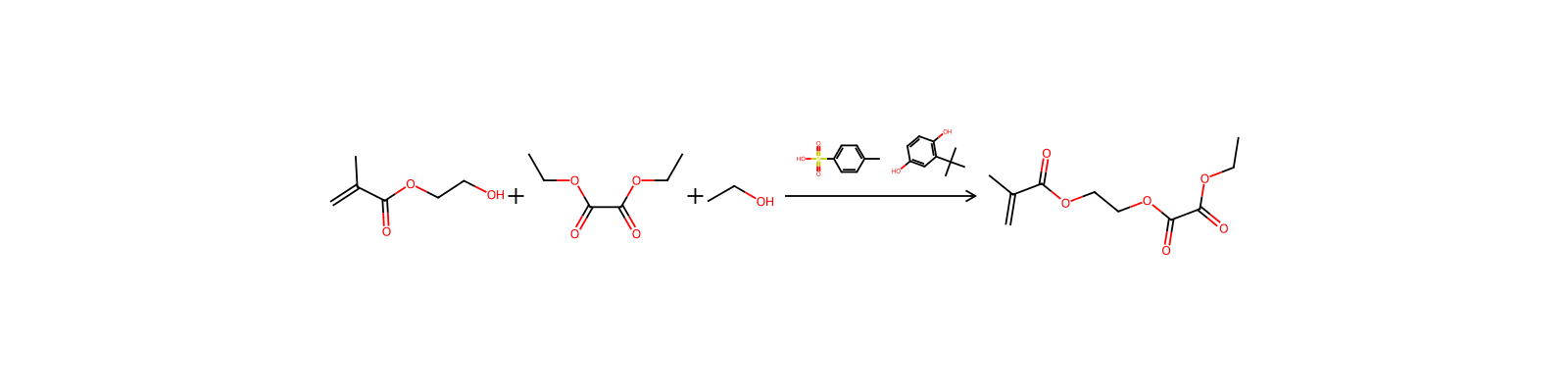
Zugehörige Reaktionen
1.466



Notizen zur Verbindung
Wird geladen…