StartseiteMCPWorkbenchSkills
StartseiteWorkbenchBenachrichtigungenMein Bereich
llms.txt · MCP-AnleitungDatenschutz · Nutzungsbedingungen · Supportv1.8.0
  1. Startseite
  2. /Verbindung

Chlorhydrin

3-Chloro-1,2-propanediol

HCID 7290
Neue NotizNeue ReaktionAnfrage stellen
Druckvorschau
GrundinformationenÜberblickNamen und BezeichnerEigenschaftenSicherheit und RegulatorischesChemie und IndustrieZugehörige ReaktionenNotizen zur Verbindung
TeilstruktursucheÄhnliche Strukturen suchen

Grundinformationen

CAS
96-24-2
Standard-SMILES
OCC(O)CCl
InChIKey
SSZWWUDQMAHNAQ-UHFFFAOYSA-N
Summenformel
C3H7ClO2
Durchschnittliche Molmasse
110,54 g/mol
Monoisotopische Masse
110,0134572

Überblick

3-Monochloropropane-1,2-diol (3-MCPD) can cause cancer according to an independent committee of scientific and health experts.

Namen und Bezeichner

Bevorzugter Name
3-Chloro-1,2-propanediol
IUPAC
3-chloropropane-1,2-diol
Lokaler Name
Chlorhydrin
Englischer Name
3-Chloro-1,2-propanediol
Summenformel
C3H7ClO2
Molmasse
110.54

Namen und Synonyme

3-Chloro-1,2-propanediol3-Chloropropane-1,2-diol96-24-2alpha-ChlorohydrinGlycerol alpha-monochlorohydrinEpiblocChlorodeoxyglycerolChloropropanediol3-ChloropropanediolGlyceryl chloride3-Chloropropylene glycol1,2-Propanediol, 3-chloro-
Weitere Namen anzeigen
3-MCPDCGMCPD3-Chloro-1,2-dihydroxypropaneGAM
Glycerol chlorohydrin1-Chloro-2,3-dihydroxypropaneGlycerin epichlorohydrin1-Chloro-2,3-propanediol1-Chloropropane-2,3-diolGlycerol 3-chlorohydrinMonochlorohydrinalpha-Monochlorohydrin

Datenbank-Bezeichner

CAS
96-24-2
PubChem CID
7290
DTXSID
DTXSID4020664
ChEMBL
CHEMBL3185949
ChEBI
CHEBI:18721
UNII
QGS78A3T6P
EC Number
202-492-4
Nikkaji
J3.965I

Eigenschaften

Berechnete Struktureigenschaften

XLogP
-0,5
Polarare Oberfläche (TPSA)
40,5 Ų
H-Brücken-Donoren
2
H-Brücken-Akzeptoren
2
Frei drehbare Bindungen
2
Schwere Atome
6
Formalladung
0
Komplexität
32

Experimentelle und physikochemische Eigenschaften

Chemical ClassesOther Classes -> Halogenated Alcohols
LogP-0.53 (estimated)
TasteSWEETISH TASTE
Density · 4 Einträge

1.326 at 64 °F (NTP, 1992) - Denser than water; will sink

1.3218 @ 20 °C/4 °C

Relative density (water = 1): 1.32

1.326 @25 °C

Viscosity · 2 Einträge

2.388 poise at 20 °C

182 mm²/s at 20 °C

Color/Form · 2 Einträge

Colorless or pale yellow liquid

Heavy liquid

Solubility · 6 Einträge

greater than or equal to 100 mg/mL at 70 °F (NTP, 1992)

SOL IN WATER, ALCOHOL, & ETHER

Immiscible with oils

Soluble in oxygenated solvents

Miscible in water

1000 mg/mL at 20 °C

Flash Point · 3 Einträge

138 °F (NTP, 1992)

145 °C

113 °C c.c.

Sicherheit und Regulatorisches

Sicherheitsangaben dienen nur zur Orientierung und ersetzen weder das Sicherheitsdatenblatt (SDB) des Lieferanten noch geltende Vorschriften oder eine fachliche Bewertung.

GHS-Klassifizierung

GHS Classification · 6 Einträge

Danger

H290 (14.4%): May be corrosive to metals [Warning Corrosive to Metals]

P203, P234, P260, P261, P264, P264+P265, P270, P271, P280, P284, P301+P316, P302+P352, P304+P340, P305+P354+P338, P308+P316, P316, P317, P318, P319, P320, P321, P330, P332+P317, P362+P364, P390, P403+P233, P405, P406, and P501 (click each P-code to see the statement)

Aggregated GHS information provided per 201 reports by companies from 23 notifications to the ECHA C&L Inventory. Each notification may be associated with multiple companies.

Not Classified

Danger

Gefahrenhinweise

Regulatory Information · 6 Einträge

Chemical: 1,2-Propanediol, 3-chloro-

Hazard Traits - Carcinogenicity

Regulation (EC) No 178/2002 (amended)

1,2-Propanediol, 3-chloro- is listed on the EPA's Chemical Data Reporting (CDR) system. Manufacturers and importers of 1,2-Propanediol, 3-chloro- are required to report information about their production and use of this chemical to the EPA under the Toxic Substances Control Act (TSCA). (40 eCFR Part 711)

REACH registered substance: 3-chloropropane-1,2-diol (EC: 202-492-4)

3-Chloro-1,2-propanediol: Does not have an individual approval but may be used under an appropriate group standard

Other Safety InformationIMAP assessments - 1,2-Propanediol, 3-chloro-: Human health tier II assessment
DOT LabelPoison
Fire Hazards · 3 Einträge

Excerpt from ERG Guide 153 [Substances - Toxic and/or Corrosive (Combustible)]:

· Combustible material: may burn but does not ignite readily.

Combustible. Risk of explosion on contact with strong oxidants.

Chemie und Industrie

Pharmakologische Informationen

Mechanism of Action · 3 Einträge

Glycidol ... an industrial chemical, has been showed to be a reproductive toxicant in short term studies and a carcinogen in rats and mice in /carcinogenicity/ studies. The reproductive toxicity of glycidol was believed to result from its conversion to alpha-chlorohydrin by the action of hydrochloric acid in the stomach. The comparative disposition of glycidol was investigated in rats following oral or iv admin at doses of 37.5 and 75 mg/kg. ... Approx 87-92% of the dose was absorbed from the gastrointestinal tract of the rat. (14)C-Glycidol equivalents were eliminated in urine (40-48% of the dose in 72 hr), feces (5-12%), and exhaled as CO2 (26-32%). At both doses, 9-12% and 7-8% (estimated) of the dose remained in tissues at 24 or 72 hr following dosing, respectively. In general, the concn of glycidol equivalents in tissues were proportional to the dose. The highest concn of radioactivity were /noted/ in the blood cells, thyroid, liver, kidney, spleen, and the lowest in adipose tissue, skeletal muscle, and plasma. The pattern of distribution of radioactivity in tissues was similar for both the iv and oral routes. The total recovery of radioactivity ranged from 87 to 91% of the dose. Urinary radioactivity was resolved by HPLC analysis into 15 metabolites. There were one major (14-21% of the dose) and four lesser metabolites (each representing 2-8%); the others were minor, each representing 1% or less of the dose. In general, the urinary metabolic profile was similar to iv or oral admin of the two doses studied. ...

The ultrastructural changes of each epididymal segment of the rat were brought about by alpha-chlorohydrin (20 mg/kg/day, for successive five times). The alteration appeared in proper order from initial segment to caudal segment, and the digression in profundity and range got less serious as the distance to the testis increased. This alteration disappeared gradually as the time went by. The recovery process also began at initial segment but its cycle was shortened gradually from initial segment to caudal segment. These results showed the factor that caused the above mentioned processes stemmed from the testis chiefly and was in epididymal plasma. It affected each epididymal segment along the epididymal lumen and to the injury of the epididymal epithelium; at the same time, the concentration of the factor became more decreased. The relationship between the antifertility effect of alpha-chlorohydrin and the ... ultrastructural changes of the epididymis and the mechanism of the double effects depending on dose of alpha-chlorohydrin were discussed.

Zugehörige Reaktionen

176
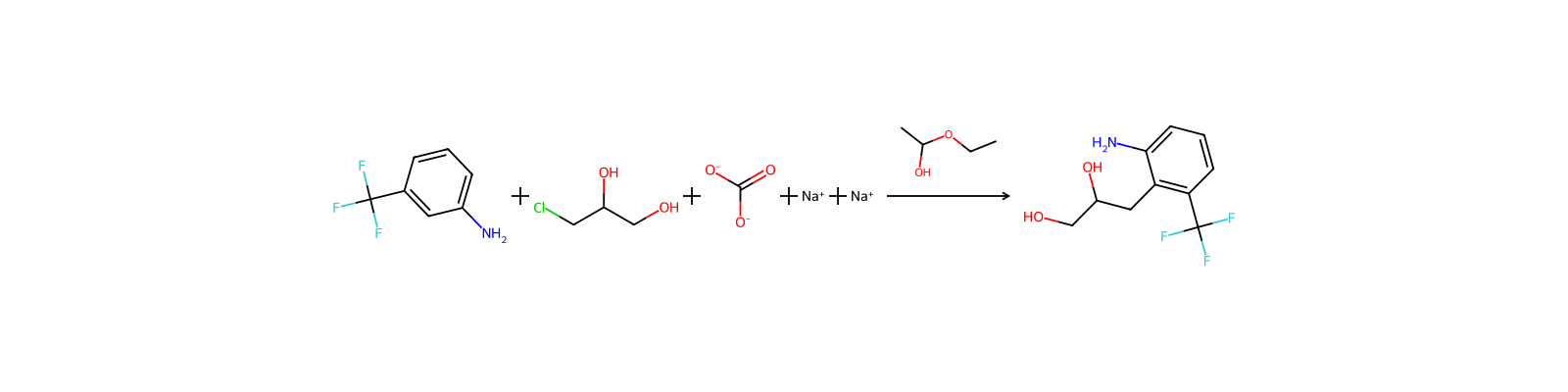
Reaktionsaufzeichnung erstellen
Reaktionsgleichung von HRID 3098
HRID 3098als Eduktuspto-grants-1998_03
Reaktionsgleichung von HRID 34432
HRID 34432als Eduktuspto-grants-1988_08
Reaktionsgleichung von HRID 62546
HRID 62546als Eduktuspto-grants-2016_09
Reaktionsgleichung von HRID 62547
HRID 62547als Eduktuspto-grants-2016_09
Reaktionsgleichung von HRID 62548
HRID 62548als Eduktuspto-grants-2016_09
Reaktionsgleichung von HRID 62549
HRID 62549als Eduktuspto-grants-2016_09
Reaktionsgleichung von HRID 62550
HRID 62550als Eduktuspto-grants-2016_09
Reaktionsgleichung von HRID 62551
HRID 62551als Eduktuspto-grants-2016_09
Seite 1 von 22

Notizen zur Verbindung

Wird geladen…

Auf dieser SeiteGrundinformationenÜberblickNamen und BezeichnerEigenschaftenSicherheit und RegulatorischesChemie und IndustrieZugehörige ReaktionenNotizen zur Verbindung
Weitere Aktionen
Neue NotizNeue ReaktionAnfrage stellen
Endocrine DisruptorsPotential endocrine disrupting compound
Boiling Point · 3 Einträge

415 °F at 760 mmHg (decomposes) (NTP, 1992)

213 °C (decomposes)

at 1.9kPa: 114-120 °C

Decomposition213 °C
Melting Point · 2 Einträge

-40 °F (NTP, 1992)

-40 °C

Physikochemische Eigenschaften

Schmelzpunkt
-40 °C · -40°C
Siedepunkt
213 °C · 213 °C(lit.)
Dichte
1.322 g/mL · 1.322 g/mL at 25 °C(lit.)
Dampfdruck
0.04 mm · 0.04 mm Hg ( 25 °C)
Brechungsindex
20 · n20/D 1.480(lit.)
Flammpunkt
230 °F · >230 °F
storage temp.
2 · 2-8°C
Löslichkeit
2 O: · H2O: soluble
Aggregatzustand
Liquid
pka
13.28 · 13.28±0.20(Predicted)
Farbe
Clear pale yellow
Wasserlöslichkeit
Soluble
Merck
14 · 14,2145
BRN
635684 · 635684
Henry's Law Constant
1.6 · 1.6×102 mol/(m3Pa) at 25℃, HSDB (2015)
Major Application
cleaning productscosmeticsfood and beveragespersonal care
InChI
1S/C3H7ClO2/c4-1-3(6)2-5/h3,5-6H,1-2H2
InChIKey
SSZWWUDQMAHNAQ-UHFFFAOYSA-N
SMILES
OCC(O)CCl
LogP
0.5 at · 0.5 at 25℃
CAS Datenbank
96 · 96-24-2(CAS DataBase Reference)
NIST chemische Informationen
1 · 1,2-Propanediol, 3-chloro-(96-24-2)
EPA chemische Informationen
3 · 3-Chloro-1,2-propanediol (96-24-2)
Fire Potential
FIRE HAZARD: SLIGHT, WHEN EXPOSED TO HEAT OR FLAME.
Health Hazards · 2 Einträge

Excerpt from ERG Guide 153 [Substances - Toxic and/or Corrosive (Combustible)]:

· TOXIC and/or CORROSIVE; inhalation, ingestion or skin contact with material may cause severe injury or death.

Hazards Summary · 1 Eintrag

Commercial product is mixture of the alpha and beta isomer; [Hawley] Numerous and severe adverse effects to male reproductive organs and sperm (including infertility) have been observed in rats and other mammals; [HSDB] May cause skin, eye, and mucous membrane irritation; Toxic by inhalation, ingestion, and skin contact; [CAMEO] Causes decreased sperm motility and count in rats at low doses, and testicular pathology at higher doses; [Reference #1] Reversible effect on male fertility by interfering with sperm function; No available information on pregnancy, lactation, or other effects to the female reproductive system; [REPROTOX] Well documented adverse effects to rat male reproductive system and sperm; Observations in intraperitoneal injection studies with rats and mice include lesions of the CNS (especially brain stem); Numerous studies indicate the kidney as the primary target organ for toxicity, with clear evidence of nephrotoxicity in a two year feeding study with rats; May be mutagenic in vitro at very high doses; Non mutagenic in vivo; Caused increase in benign tumor frequency in one study at dose higher than associated with renal tubule hyperplasia; [WHO]

DOT ID and Guide2689 153
Reactive GroupAlcohols and Polyols
UN ClassificationUN Hazard Class: 6.1; UN Pack Group: III
Reactivity ProfileGLYCEROL ALPHA-MONOCHLOROHYDRIN is hygroscopic and may be sensitive to prolonged exposure to air. Glycols and their ethers undergo violent decomposition in contact with approximately 70% perchloric acid. (NTP, 1992).
Chemical DangersDecomposes on heating and on burning. This produces toxic fumes including hydrogen chloride (see ICSC 0163). Reacts with strong oxidants. This generates fire and explosion hazard.

Sicherheit und Schutzausrüstung

Fire Fighting · 2 Einträge

Excerpt from ERG Guide 153 [Substances - Toxic and/or Corrosive (Combustible)]:

Use alcohol-resistant foam, dry powder, carbon dioxide.

First Aid Measures · 4 Einträge

Fresh air, rest. Refer for medical attention.

Remove contaminated clothes. Rinse skin with plenty of water or shower.

Rinse with plenty of water (remove contact lenses if easily possible). Refer for medical attention.

Rinse mouth. Give one or two glasses of water to drink. Refer immediately for medical attention.

Accidental Release Measures · 2 Einträge

· CALL 911. Then call emergency response telephone number on shipping paper. If shipping paper not available or no answer, refer to appropriate telephone number listed on the inside back cover.

· ELIMINATE all ignition sources (no smoking, flares, sparks or flames) from immediate area.

First Aid · 2 Einträge

EYES: First check the victim for contact lenses and remove if present. Flush victim's eyes with water or normal saline solution for 20 to 30 minutes while simultaneously calling a hospital or poison control center. Do not put any ointments, oils, or medication in the victim's eyes without specific instructions from a physician. IMMEDIATELY transport the victim after flushing eyes to a hospital even if no symptoms (such as redness or irritation) develop.

General First Aid:

Safe StorageDry. Well closed. Separated from strong oxidants and food and feedstuffs.
Exposure Control and Personal Protection · 2 Einträge

· Wear positive pressure self-contained breathing apparatus (SCBA).

0.005 [ppm]

Storage Conditions · 1 Eintrag

...MATERIALS WHICH ARE TOXIC AS STORED OR WHICH CAN DECOMPOSE INTO TOXIC COMPONENTS...SHOULD BE STORED IN A COOL, WELL VENTILATED PLACE, OUT OF THE DIRECT RAYS OF THE SUN, AWAY FROM AREAS OF HIGH FIRE HAZARD, AND SHOULD BE PERIODICALLY INSPECTED. INCOMPATIBLE MATERIALS SHOULD BE ISOLATED...

Nonfire Spill ResponseExcerpt from ERG Guide 153 [Substances - Toxic and/or Corrosive (Combustible)]:
Disposal Methods · 1 Eintrag

SRP: At the time of review, criteria for land treatment or burial (sanitary landfill) disposal practices are subject to significant revision. Prior to implementing land disposal of waste residue (including waste sludge), consult with environmental regulatory agencies for guidance on acceptable disposal practices.

Spillage Disposal · 1 Eintrag

Personal protection: filter respirator for organic gases and particulates adapted to the airborne concentration of the substance. Collect leaking liquid in sealable containers. Absorb remaining liquid in sand or inert absorbent. Then store and dispose of according to local regulations.

Isolation and Evacuation · 2 Einträge

Excerpt from ERG Guide 153 [Substances - Toxic and/or Corrosive (Combustible)]:

Immediate precautionary measure

Eye PreventionWear safety goggles.

Toxikologische Informationen

InteractionsEFFECT OF SODIUM NITRITE ON ALPHA-CHLOROHYDRIN-INDUCED LESION OF TESTIS-EPIDIDYMIS COMPLEX IN RAT.
Environmental Fate · 3 Einträge

TERRESTRIAL FATE: Based on a recommended classification scheme(1), an estimated Koc value of 1(SRC), determined from a structure estimation method(2), indicates that 3-chloro-1,2-dihydroxypropane will have very high mobility in soil(SRC). Volatilization of 3-chloro-1,2-dihydroxypropane is not expected to be important from moist soil surfaces(SRC) given an estimated Henry's Law constant of 6.1X10⁻⁸ atm-cu m/mole(SRC), using a fragment constant estimation method(3). Data regarding the aerobic biodegradation of 3-chloro-1,2-dihydroxypropane in soil are variable; in screening tests, this compound reached 0(4) to 1%(5) of the theoretical BOD in 5 days and 68% of the theoretical BOD in 14 days(6). Under anaerobic conditions, 3-chloro-1,2-dihydroxypropane may be resistant to biodegradation; using an acclimated culture, only 26% of the initial 3-chloro-1,2-dihydroxypropane concentration was utilized in 90 days(7).

AQUATIC FATE: Based on a recommended classification scheme(1), an estimated Koc value of 1(SRC), determined from structure estimation method(2), indicates that 3-chloro-1,2-dihydroxypropane should not adsorb to suspended solids and sediment in water(SRC). 3-Chloro-1,2-dihydroxypropane is not expected to volatilize from water surfaces(1,SRC) based on an estimated Henry's Law constant of 6.1X10⁻⁸ atm-cu m/mole(SRC), developed using a fragment constant estimation method(3). According to a classification scheme(4), an estimated BCF value of 0.2(1,SRC), from an estimated log Kow(9,SRC), suggests that bioconcentration in aquatic organisms is low(SRC). Data regarding the aerobic biodegradation of 3-chloro-1,2-dihydroxypropane in water are inconclusive; in screening tests, this compound reached 0(5) to 1%(6) of the theoretical BOD in 5 days and 68% of the theoretical BOD in 14 days(7). Under anaerobic conditions, 3-chloro-1,2-dihydroxypropane may be resistant to biodegradation; using an acclimated culture, only 26% of the initial 3-chloro-1,2-dihydroxypropane concentration was utilized in 90 days(8).

ATMOSPHERIC FATE: According to a model of gas/particle partitioning of semivolatile organic compounds in the atmosphere(1), 3-chloro-1,2-dihydroxypropane, which has a measured vapor pressure of 0.2 mm Hg at 20 °C(2), will exist solely as a vapor in the ambient atmosphere. Vapor-phase 3-chloro-1,2-dihydroxypropane is degraded in the atmosphere by reaction with photochemically produced hydroxyl radicals(SRC); the half-life for this reaction in air is estimated to be about 2 days(3,SRC).

Adverse EffectsNephrotoxin - The chemical is potentially toxic to the kidneys in the occupational setting.
Exposure RoutesThe substance can be absorbed into the body by inhalation, through the skin and by ingestion.
Signs and Symptoms · 4 Einträge

Cough. Sore throat. Further see Ingestion.

See Ingestion.

Redness. Pain.

Cough. Sore throat. Headache. Dizziness. Drowsiness.

Soil Adsorption/Mobility · 1 Eintrag

Using a structure estimation method based on molecular connectivity indices(1), the Koc for 3-chloro-1,2-dihydroxypropane can be estimated to be about 1(SRC). According to a recommended classification scheme(3), this estimated Koc value suggests that 3-chloro-1,2-dihydroxypropane has very high mobility in soil(SRC).

TSCA Test Submissions · 5 Einträge

The effects of acute oral exposure to 3-chloro-1,2-propanediol (CPD) by gavage in male Wistar rats (20 in control group (water), 5/treated group, number of treated groups not reported) were determined. CPD (50 mg/kg) was administered orally and the rats were necropsied on the 11th day following dosing. There were differences between treated and control animals only in reduced sperm head counts. There were no significant differences between treated and control animals in the following: clinical observations, histopathology of the testes, and testes weights.

Acute oral toxicity of 2-propenyloxy-2,3-epoxypropane (CAS# 96-24-2) was evaluated using 4 groups of Long-Evans rats (6 per group, sex not indicated) dosed by gavage at levels of 0.10, 0.13, 0.16, and 0.20 g/kg bodyweight. The use of controls was not reported. Animals were observed for 10 days post-treatment. Mortalities included 1 at the 0.10 g/kg dose level, 1 at the 0.13 g/kg level, 3 at the 0.16 g/kg level and 6 (all) at the 0.20 g/kg level. All deaths occurred within 48 hours post-treatment. The LD50 was determined to be 0.15 (0.13-0.18) g/kg bodyweight (method not reported). Clinical observations included sluggishness, prostration, flaccid paralysis of head and legs, hypnosis, dyspnea, and moderate lacrimation. Findings upon gross necropsy included irritation of the lungs and gastrointestinal tract, gelatinous pancreatic tissue, enlarged and hyperemic adrenals, granular-looking kidneys, as well as edematous conditions in some the lymphatic and lipoidal tissue of the peritoneum. Microscopic findings included inflammation in the biliary fat; early necrosis and regeneration of the tubular epithelium; and precipitated protein in and dilation of the tubules.

Acute toxicity was evaluated in groups of 6 male Long-Evans rats fed a-monochlorohydrin at dose levels of 0.10, 0.13, 0.16, and 0.20 g/kg bw, by gavage, then observed for 10 days. Clinical signs of toxicity first appeared 22 hours after treatment and included prostration, hypnosis, sluggishness, dyspnea, moderate lacrimation, and flaccid paralysis of the head or legs. Rats that survived treatment lost weight during the observation period. The treatment killed 1, 1, 3, and 6 rats from the lowest to highest dose groups, respectively. Rats that died had severe diffuse irritation of the lungs with hemorrhagic lesions and marked pleural effusion; slight to severe irritation of the gastrointestinal tracts with some friable livers; slight ascites; enlarged, hyperemic adrenals; pale, swollen, granular-looking kidneys; gelatinous pancreatic tissue; and occasionally, edematous lymphatic and lipoidal tissue of the peritoneum. Rats that survived treatment had hyperemia of the lungs and granular-looking kidneys. Histological abnormalities included acute inflammation in the hilar fat, and, in the kidneys, early necrosis of the tubular epithelium with precipitated protein in the tubules, and stages of regeneration of epithelium with dilation of tubules and presence of casts. The LD50 value was 0.15 g/kg bw.

Human Toxicity Excerpts · 1 Eintrag

A 34 yr old man suffered from fumigant hepatitis after cleaning a tank in which there were traces of dichlorohydrin. In spite of daily plasma exchanges he /expired/ 10 days after exposure. A 27 yr old man with much lighter exposure showed only slight /hepatic/ dysfunction. ... /Dichlorohydrin/

Artificial Pollution Sources · 1 Eintrag

3-Chloro-1,2-dihydroxypropane's production and use in dynamite, in the manufacture of dye intermediates, as a rodent chemosterilant(1), a solvent and a chemical intermediate(2) may result in its release to the environment through various waste streams(SRC).

Environmental Biodegradation · 1 Eintrag

In an aerobic aqueous screening test, 3-chloro-1,2-dihydroxypropane, incubated for 2 weeks with a sludge inoculum, reached 68% of the theoretical BOD(1). 3-Chloro-1,2-dihydroxypropane, seeded with a wastewater effluent, reached 1% of the theoretical BOD in 5 days(2); when retested using an acclimated culture, 0% of the theoretical BOD was reached in 5 days(3). 3-Chloro-1,2-dihydroxypropane showed poor acclimation, with only 26% utilization, following a 90 day acclimation period in an anaerobic mixed reactor(4).

Carcinogen Classification · 5 Einträge

3-Monochloro-1,2-propanediol

Group 2B: Possibly carcinogenic to humans

Volume 101: (2012) Some Chemicals Present in Industrial and Consumer Products, Food and Drinking-water

2013

2011

Environmental Bioconcentration · 1 Eintrag

An estimated BCF value of 0.2 was calculated for 3-chloro-1,2-dihydroxypropane(SRC), using an estimated log Kow of -0.53(1,SRC) and a recommended regression-derived equation(2). According to a classification scheme(3), this BCF value suggests that bioconcentration in aquatic organisms is low(SRC).

Sicherheitsdaten

F
3
wgk
3
tsca
TSCA listed
ridadr
UN 2689
hs_code
29055998
RTECS-Nr.
TY4025000
risk_code
60-21-23/25-41-39-36-23/24/25-40
Toxizität
LD50 in mice, rats (g/kg): 0.16, 0.15 orally (Hine)
hazard_code
T
safety_code
53-26-36-39-45-38-36/37/39-28A-36/37
hazard_class
6.1
packing_group
III
Speicherklasse
6.1A - Combustible acute toxic Cat. 1 and 2very toxic hazardous materials
Giftige Stoffe Daten
96-24-2(Hazardous Substances Data)
Hazard Classifications
Acute Tox. 2 InhalationAcute Tox. 3 OralCarc. 2Eye Dam. 1Met. Corr. 1Repr. 1BSkin Irrit. 2STOT RE 1STOT SE 1

An acute phase of severe hepatic necrosis induced by dichloropropanol was examined immunohistochemically and ultrastructurally, in order to study chronological changes of sinusoidal morphology during acute hepatic injury. Male wistar rats were injected with 1,3-dichloro-2-propanol (DC2P) and sacrificed at various intervals after the injections. DC2P injected rats showed zonal necrosis of the centrilobular space with a peak from 24 to 48 hr after the injection. Destruction of sinusoidal linings appeared at 4 hr, and was gradually aggravated along the advancing hepatocytic necrosis. Monocytic influx into the necrotic areas was initiated at 6 hr. At 48 hr, collapsed centrilobular spaces showed a loss of most sinusoidal structures with active phagocytosis of macrophages, proliferation of perisinusoidal cells and accumulation of collagen fibrils. At 72 hr, there were many regenerating sinusoidal structures, which were composed of rather thick and less fenestrated endothelium and underlying multilayered processes of mesenchymal cells, along the regenerating hepatocytes. In these areas, occasional junctions between regenerating hepatocytes and mesenchymal cells were /observed/. Reconstruction of sinusoidal linings was closely related to the hepatocytic regeneration, and a hepatocytic mesenchymal interaction might participate in this morphodynamic course of the sinusoidal reconstruction.

Metabolism/MetabolitesFOLLOWING ADMIN OF ALPHA-CHLOROHYDRIN (100 MG/KG, IP) TO MALE RATS, BETA-CHLOROLACTIC ACID & OXALIC ACID WERE ISOLATED FROM URINE.
MeSH Pharmacological ClassificationCompounds that cause reproductive sterility in organisms. They are sometimes used to control pest populations by sterilizing males within the population.
Cellular LocationsCytoplasm

Verwendung und Herstellung

Uses · 6 Einträge

Used as a rodent chemosterilant, solvent (cellulose acetate, glyceryl phthalate resins, and gums), antifreeze agent for dynamite, and chemical intermediate for dyes and other organic chemicals; [HSDB] Found as a contaminant of acid-hydrolyzed vegetable proteins and soy sauce; [WHO]

Restricted use pesticide in the US; One product registered for use indoors in industrial and commercial structures and in sanitary sewers for control of Norway rats; Not registered for outdoor use or for other rodent species; [Reference #1]

Farming (Pesticides) [Category: Industry]

To lower the freezing point of dynamite; in the mfr of dye intermediates; as a rodent chemosterilant

Solvent for cellulose acetate, glyceryl phthalate resins; partial solvent for gums; intermediate in organic synthesis; antifreeze agent for dynamite.

Used as a chemical intermediate for the synthesis of diprophylline; glycerol alpha-allyl ether; guaifenesin; iohexol.

U.S. Production2023: 278,567 lb
Consumer UsesStabilizing agent
Industry UsesIntermediate
Methods of Manufacturing · 3 Einträge

By passing hydrogen chloride gas into glycerol containing 2% acetic acid.

Production: from allyl alcohol via hypochlorination

Production: from epichlorohydrin via dehydrochlorination

Formulations/PreparationsTechnical
Use ClassificationFood Contaminant -> CONTAMINANT -> JECFA Functional Classes
General Manufacturing Information · 3 Einträge

All Other Basic Organic Chemical Manufacturing

1,2-Propanediol, 3-chloro-: ACTIVE

The commercial grade is a mixture of the two isomers, alpha and beta, of which alpha is in a greater proportion.

Anwendungen

Verwenden(±)-3-Chloro-1,2-propanediol may be used as a reference standard for the determination of (±)-3-chloro-1,2-propanediol in food samples by gas chromatography with mass spectrometric detection (GC-MS).

Vor- und nachgelagerte Produkte

Vorgelagerte Rohstoffe

dilute sulphuric acid1-Chlor-2,3-epoxypropanPropan-1,2-diol

Nachgelagerte Produkte

3-Phenoxypropan-1,2-diolGuaifenesin3-Aminopropan-1,2-diolDoxofyllinDropropizin(Methoxymethyl)oxiran1,2-Epoxy-3-fluorpropan1-Chlor-3-methoxypropan-2-ol2,3-DichlorpropanolDiprophyllin(2,3-Dihydroxypropyl)trimethylammoniumchlorid(R)-(-)-3-Chloro-1,2-propanediol3,3'-[(1-Methylethyliden)bis(4,1-phenylenoxy)]bispropan-1,2-diol3-Chlor-2-hydroxypropionsure2,3-DihydroxypropansulfonsureIopydol

Ergänzende Hinweise

DefinitionChEBI: A chloropropane-1,2-diol that is propane-1,2-diol substituted by a chloro group at position 3.

Acute toxicity was evaluated in groups of 6 male Webster mice fed a- monochlorohydrin at dose levels of 0.10, 0.13, 0.17, and 0.22 g/kg bw, by gavage, then observed for 10 days. The treatment killed 0, 1, 4, and 6 mice from the lowest to highest dose groups, respectively. Clinical signs of toxicity prior to death included irritation with ataxia, stretching out, grotesque postures, loss of righting reflex, and a rigid tail; some mice also showed signs of delirium and partial paralysis. Gross abnormalities included hemorrhagic livers, adrenals, and spleens at all dose levels, and enlarged, pale kidneys at the highest dose level. No histological abnormalities were observed. The LD50 value was 0.16 g/kg bw.

For more TSCA Test Submissions (Complete) data for 3-CHLORO-1,2-DIHYDROXYPROPANE (8 total), please visit the HSDB record page.