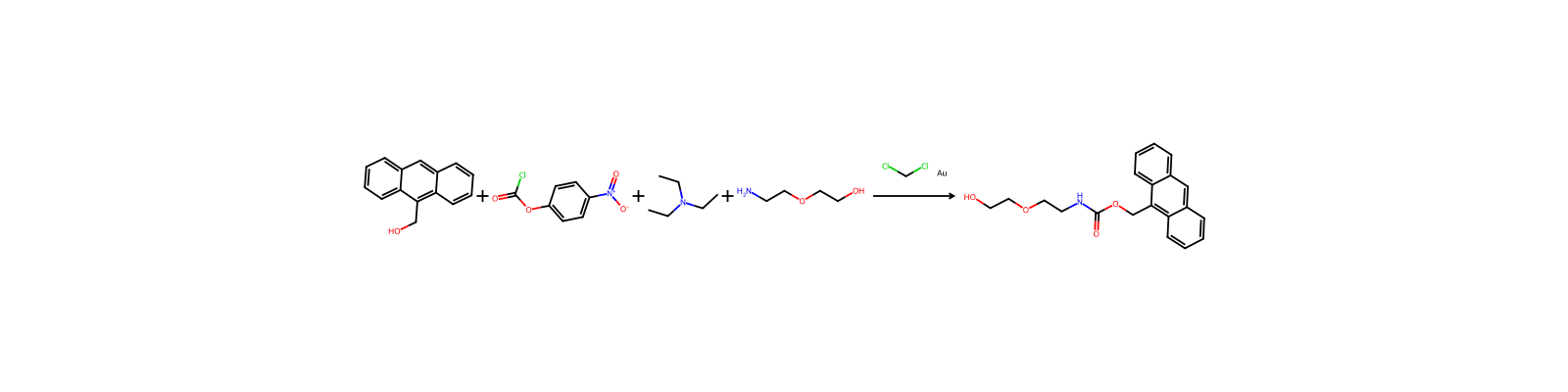
9-Anthracenmethanol
9-Anthracenemethanol
Daten werden ergänzt – lade die Seite später neu, um den aktuellen Stand zu sehen
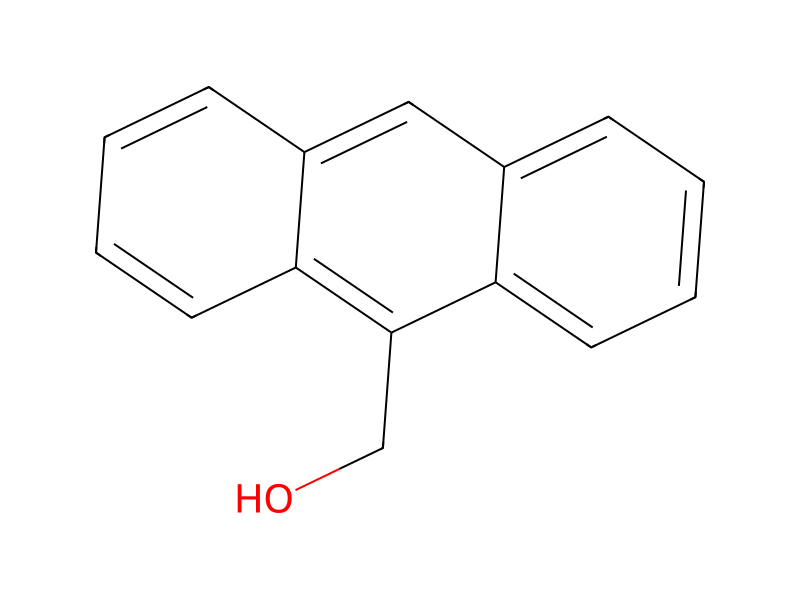
Grundinformationen
- CAS
1468-95-7- Standard-SMILES
OCc1c2ccccc2cc2ccccc12- InChIKey
JCJNNHDZTLRSGN-UHFFFAOYSA-N- Summenformel
- C15H12O
- Durchschnittliche Molmasse
- 208,25 g/mol
- Monoisotopische Masse
- 208,088815
Überblick
structure given in first source
Namen und Bezeichner
- Bevorzugter Name
- 9-Anthracenemethanol
- IUPAC
- anthracen-9-ylmethanol
- Lokaler Name
- 9-Anthracenmethanol
- Englischer Name
- 9-Anthracenemethanol
- Summenformel
- C15H12O
- Molmasse
- 208.26
Namen und Synonyme
9-Anthracenemethanol1468-95-79-(Hydroxymethyl)anthracene9-Hydroxymethylanthracene9-Anthrylcarbinol9-Anthrylmethanol9-MethylolanthraceneDTXSID10492212N7UVX2HLMNSC-241166DTXCID30290779-OHMA
Weitere Namen anzeigen
9-AMAKOS B023870RARECHEM AL BD 0006ART-CHEM-BB B023870
RefChem:549181215-998-5anthracen-9-ylmethanol9-anthracene methanolAnthracene-9-carbinol9-HydroxymethylantraceneNSC 241166MFCD00001264
Datenbank-Bezeichner
- CAS
1468-95-7- PubChem CID
- 73848
- DTXSID
DTXSID1049221- ChEMBL
CHEMBL3188668- UNII
- 2N7UVX2HLM
- EC Number
- 215-998-5
- Nikkaji
- J131G
Eigenschaften
Berechnete StruktureigenschaftenWird ergänzt
- XLogP
- 3,8
- Polarare Oberfläche (TPSA)
- 20,2 Ų
- H-Brücken-Donoren
- 1
- H-Brücken-Akzeptoren
- 1
- Frei drehbare Bindungen
- 1
- Schwere Atome
- 16
- Formalladung
- 0
- Komplexität
- 216
Experimentelle und physikochemische Eigenschaften
PolymersOther Classes -> Polycyclic Aromatic Hydrocarbons
LogP3.04
Vapor Pressure0.00000005 [mmHg]
Physical DescriptionYellow powder; [Alfa Aesar MSDS]
Physikochemische Eigenschaften
- Schmelzpunkt
- 162 · 162-164 °C(lit.)
- Siedepunkt
- 307.46 °C · 307.46°C (rough estimate)
- Dichte
- 1.0459 · 1.0459 (rough estimate)
- Brechungsindex
- 1.5361 · 1.5361 (estimate)
- storage temp.
- Sealed in dry,Room Temperature
- Löslichkeit
- Soluble in hot methanol very faint turbidity.
- pka
- 14.36 · 14.36±0.10(Predicted)
- Aggregatzustand
- Crystalline Powder
Sicherheit und Regulatorisches
Sicherheitsangaben dienen nur zur Orientierung und ersetzen weder das Sicherheitsdatenblatt (SDB) des Lieferanten noch geltende Vorschriften oder eine fachliche Bewertung.
GHS-Klassifizierung
GHS Classification
This chemical does not meet GHS hazard criteria for 40% (2 of 5) of reports.
Warning
H302+H312+H332 (20%): Harmful if swallowed, in contact with skin or if inhaled [Warning Acute toxicity, oral; acute toxicity, dermal; acute toxicity, inhalation]
P203, P261, P264, P264+P265, P270, P271, P273, P280, P301+P317, P302+P352, P304+P340, P305+P351+P338, P317, P318, P319, P321, P330, P332+P317, P337+P317, P362+P364, P403+P233, P405, and P501 (click each P-code to see the statement)
Aggregated GHS information provided per 5 reports by companies from 4 notifications to the ECHA C&L Inventory. Each notification may be associated with multiple companies.
Not Classified
Gefahrenhinweise
Regulatory InformationStatus: Active Update: 21-02-2018 https://echa.europa.eu/registration-dossier/-/registered-dossier/22743
Hazards SummaryMay cause irritation; [Alfa Aesar MSDS] See POLYCYCLIC AROMATIC HYDROCARBONS.
Hazard Classes and CategoriesSkin Irrit. 2 (40%)
Sicherheitsdaten
- wgk
- 3
- tsca
- TSCA listed
- hs_code
- 2906299090
- RTECS-Nr.
- CB0577500
- risk_code
- 20/21/22-36/37/38
- Toxizität
- mic-bac-sat 390 mmol/L CRNGDP 15,2605,94
- safety_code
- 24/25
- Speicherklasse
- 11 - Combustible Solids
Chemie und Industrie
Verwendung und Herstellung
General Manufacturing Information9-Anthracenemethanol: ACTIVE
Anwendungen
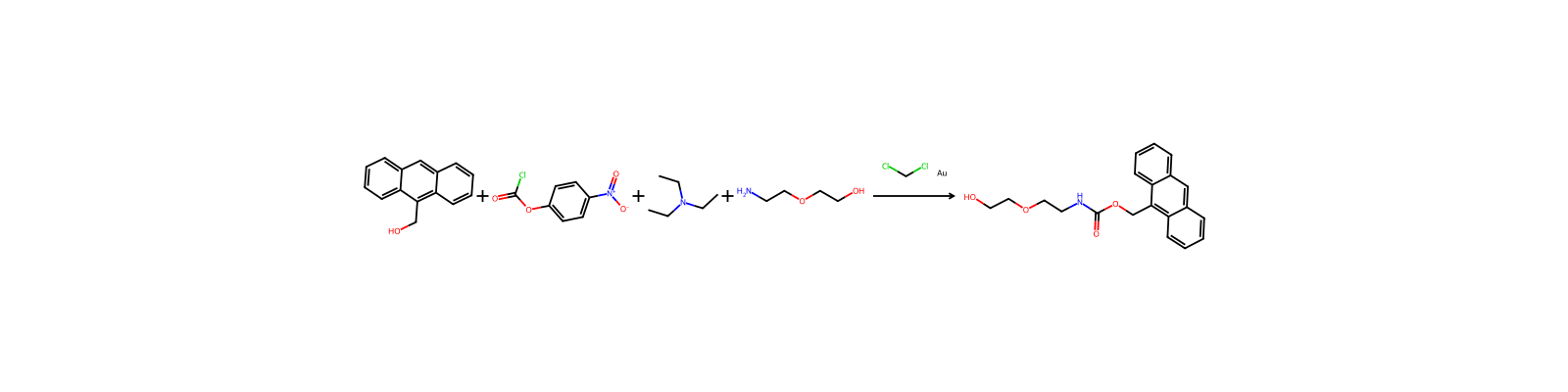
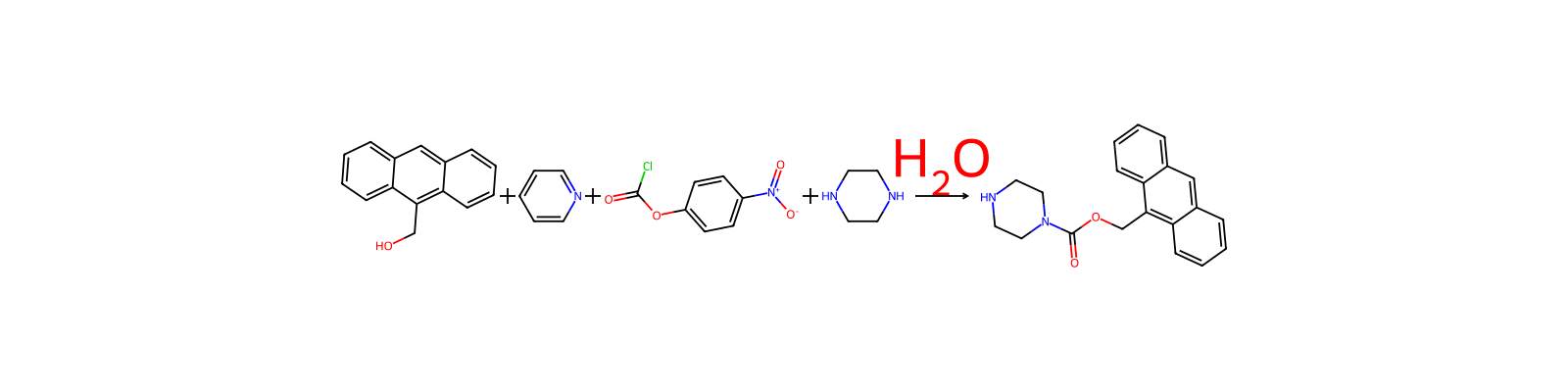
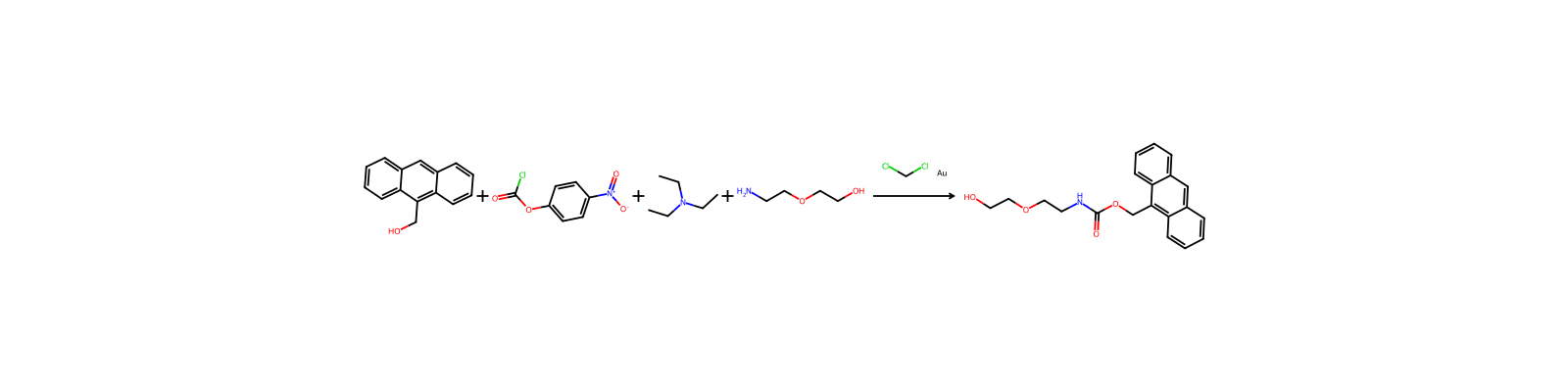
Verwenden9-Anthracenemethanol can be used:As a starting material to prepare 9-anthracenylmethyl-1-piperazinecarboxylate, which acts as a reagent in the determination of isocyanates using HPLC.In the Diels-Alder reaction with dimethylacetylene-dicarboxylate to yield lactone derivatives.As an initiator in the ring-opening polymerization of δ-valerolactone to yield poly(δ-valerolactone).As a starting material in the synthesis of polymer-supported anthracene, which acts as a dienophile scavenger in cycloaddition reactions.
Darstellung
synthetische9-Anthracenemethanol is synthesized by hydrogenation of 9-anthracenecarboxaldehyde. It is a versatile precursor to supramolecular assemblies.
Vor- und nachgelagerte Produkte
Vorgelagerte Rohstoffe
Nachgelagerte Produkte
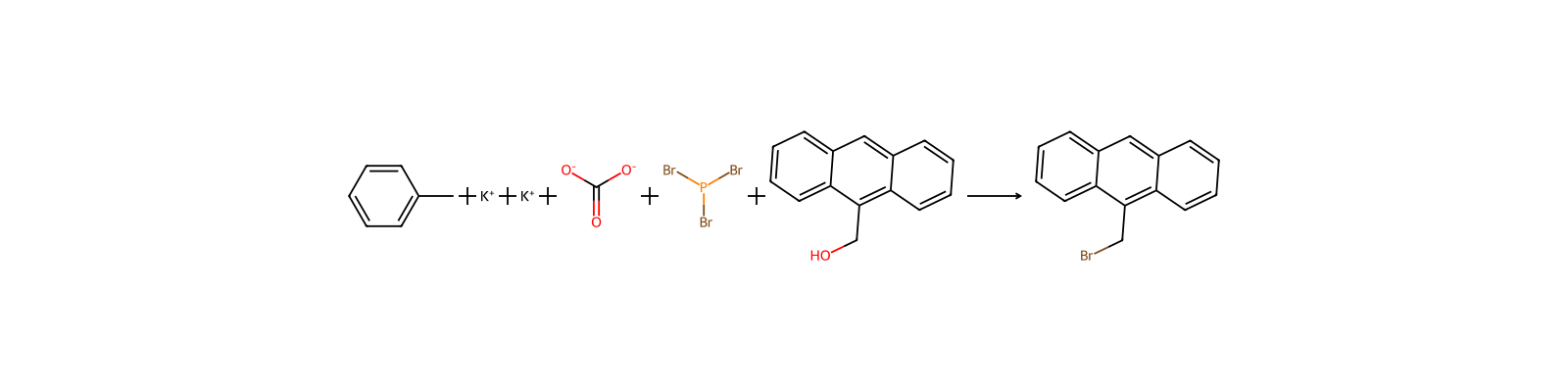
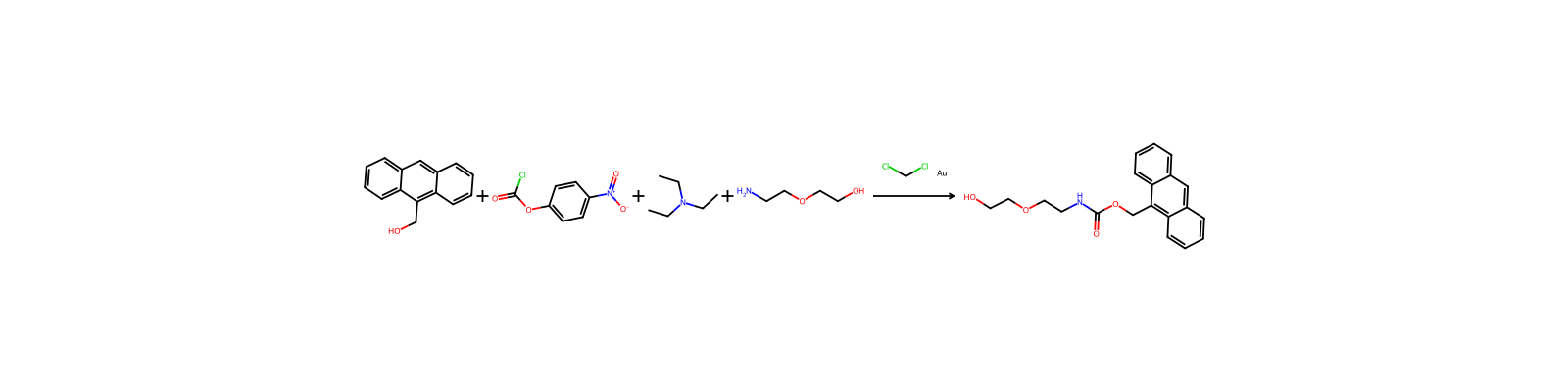
Zugehörige Reaktionen
37


Notizen zur Verbindung
Wird geladen…