
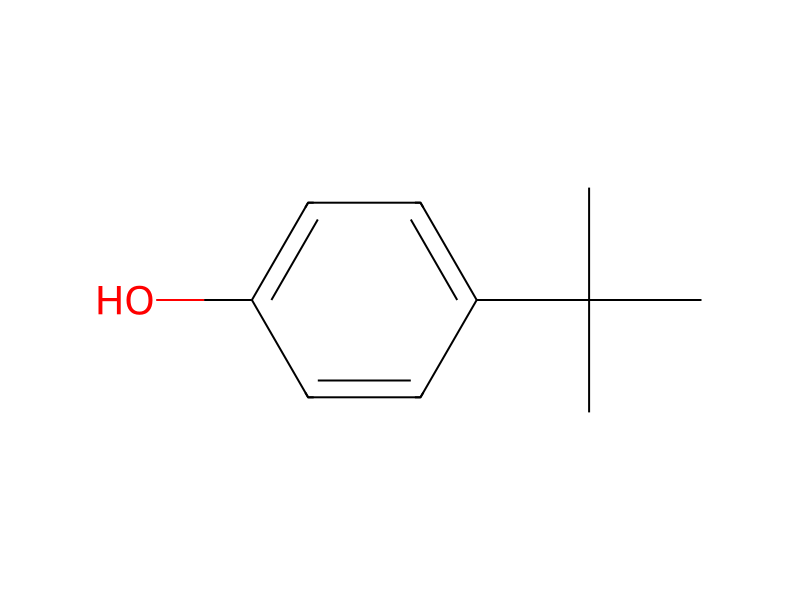
Grundinformationen
- Standard-SMILES
CC(C)(C)c1ccc(O)cc1- InChIKey
QHPQWRBYOIRBIT-UHFFFAOYSA-N- Summenformel
- C10H14O
- Durchschnittliche Molmasse
- 150,22 g/mol
- Monoisotopische Masse
- 150,10446507
Überblick
Crystals or practically white flakes. Has a disinfectant-like odor. May float or sink in water. Insoluble in water. (NTP, 1992)
Namen und Bezeichner
- Bevorzugter Name
- 4-tert-Butylphenol
- IUPAC
- 4-tert-butylphenol
- Lokaler Name
- 4-tert-Butylphenol
- Englischer Name
- 4-tert-Butylphenol
- Summenformel
- C10H14O
- Molmasse
- 150.22
Namen und Synonyme
4-tert-Butylphenol98-54-4p-tert-ButylphenolButylphen4-(1,1-Dimethylethyl)phenol4-t-ButylphenolPTBPp-t-Butyl phenolPhenol, p-tert-butyl-p-terc.ButylfenolPhenol, 4-(1,1-dimethylethyl)-4-tert-butyl-phenol
Weitere Namen anzeigen
PARA-TERT-BUTYLPHENOLt-ButylphenolPhenol, 4-tert-butyl-Propargite IMpurity B4-tert-Butylphenol, extra pure
Phenol, p-(tert-butyl)-Ucar butylphenol 4-T4-tert-butyl phenolDTXSID1020221Ucar butylphenol 4-T flakepara-tertiary-butylphenol4-tertiary-butylphenolO81VMW36CV
Datenbank-Bezeichner
- CAS
98-54-4- PubChem CID
- 7393
- DTXSID
DTXSID1020221- ChEMBL
CHEMBL16217- ChEBI
CHEBI:34444- UNII
- O81VMW36CV
- EC Number
- 202-679-0
- Nikkaji
- J3.579C
Eigenschaften
Berechnete Struktureigenschaften
- XLogP
- 3,3
- Polarare Oberfläche (TPSA)
- 20,2 Ų
- H-Brücken-Donoren
- 1
- H-Brücken-Akzeptoren
- 1
- Frei drehbare Bindungen
- 1
- Schwere Atome
- 11
- Formalladung
- 0
- Komplexität
- 115
Experimentelle und physikochemische Eigenschaften
Chemical Classes
Other Classes -> Phenols
Antioxidant
SpringerMaterials Properties13C nuclear magnetic resonance spectrum
FragrancesFragrance substance (p-tert-Butylphenol) -> IFRA amendment 40
LogP
log Kow = 3.31
3.31
2.4/3.4
3.16
OdorDistinctive odor
Food AdditivesFLAVORING AGENT OR ADJUVANT -> FDA Substance added to food
Density
0.908 at 176 °F (NTP, 1992) - Less dense than water; will float
1.037 at 25 °C
Density: 0.908 g/cu cm at 80 °C
0.9 g/cm³
0.908
1.037 @25 °C
Flavoring AgentsEU Flavoring substances
Viscosity2.4 mPa.s at 110 °C
Color/Form
Needles from water
Needles from lignin
White crystals
Crystals, needles, or practically white flakes
Solubility
Insoluble (NTP, 1992)
In water, 580 mg/L at 25 °C
In water, 610 mg/L at 25 deg (OECD Guideline 105)
In water, 607.2 mg/L at 25 °C (pH 6-7) National Standard ASTM E 1148 - 02, which is similar to OECD Guideline No. 105)
Soluble in ethanol, ether, chloroform, alkalis
0.58 mg/mL at 25 °C
Flash Point
235 °F (NTP, 1992)
235 °F
113 °C (235 °F) - closed cup
115 °C o.c.
235 °F
Physikochemische Eigenschaften
- Schmelzpunkt
- 96 · 96-101 °C (lit.)
- Siedepunkt
- 236 · 236-238 °C (lit.)
- Dichte
- 0.908 g/mL · 0.908 g/mL at 25 °C (lit.)
- Dampfdruck
- 1 mm · 1 mm Hg ( 70 °C)
- Brechungsindex
- 1.4787 · 1.4787
- FEMA
- 3918 · 3918 | P-TERT-BUTYLPHENOL
- Flammpunkt
- 113 °C · 113 °C
- storage temp.
- 30 °C · Store below +30°C.
- Löslichkeit
- 50 mg/mL, · ethanol: soluble50mg/mL, clear, colorless
- Aggregatzustand
- Flakes or Pastilles
- pka
- 10.23 · 10.23(at 25℃)
- Farbe
- White to light beige
- Wichte
- 0.908 · 0.908
- Geruch (Odor)
- 1 % · at 1.00 % in propylene glycol. oakmoss leather
- PH
- 7 · 7 (10g/l, H2O, 20℃)
- Explosionsgrenze
- 0.8 · 0.8-5.3%(V)
- Geruchsart
- leathery
- Biologische Quelle
- synthetic
- Wasserlöslichkeit
- 8.7 g/L · 8.7 g/L (20 ºC)
- JECFA Number
- 733 · 733
- Merck
- 14 · 14,1585
- BRN
- 1817334 · 1817334
- Henry's Law Constant
- 8.9 · 8.9×100 mol/(m3Pa) at 25℃, Parsons et al. (1972)
- Stabilität
- Stable. Incompatible with copper, steel, bases, acid chlorides, acid anhydrides, oxidizing agents.
- InChI
- 1S/C10H14O/c1-10(2,3)8-4-6-9(11)7-5-8/h4-7,11H,1-3H3
- InChIKey
- QHPQWRBYOIRBIT-UHFFFAOYSA-N
- SMILES
- CC(C)(C)c1ccc(O)cc1
- LogP
- 3 at · 3 at 23℃
- CAS Datenbank
- 98 · 98-54-4(CAS DataBase Reference)
- NIST chemische Informationen
- Phenol, p-tert-butyl-(98-54-4)
- EPA chemische Informationen
- p-tert-Butylphenol (98-54-4)
Sicherheit und Regulatorisches
GHS-Klassifizierung
GHS Classification
Danger
H315: Causes skin irritation [Warning Skin corrosion/irritation]
P203, P264, P264+P265, P273, P280, P302+P352, P305+P354+P338, P317, P318, P321, P332+P317, P362+P364, P391, P405, and P501 (click each P-code to see the statement)
This chemical does not meet GHS hazard criteria for 0.2% (7 of 3826) of reports.
Danger
H314 (12.2%): Causes severe skin burns and eye damage [Danger Skin corrosion/irritation]
Gefahrenhinweise
Regulatory Information
Chemical: Phenol, 4-(1,1-dimethylethyl)-
Hazard Traits - Endocrine Toxicity
Commission Regulation (EC) No 1565/2000 (Repealed by Com. Implementing Reg. (EU) No 872/2012)
Phenol, 4-(1,1-dimethylethyl)- is listed on the EPA's Chemical Data Reporting (CDR) system. Manufacturers and importers of Phenol, 4-(1,1-dimethylethyl)- are required to report information about their production and use of this chemical to the EPA under the Toxic Substances Control Act (TSCA). (40 eCFR Part 711)
Status: Active Update: 07-02-2023 https://echa.europa.eu/registration-dossier/-/registered-dossier/15260
Substance: 4-tert-butylphenol
Other Safety InformationIMAP assessments - Phenol, 4-(1,1-dimethylethyl)-: Human health tier II assessment
DOT LabelCorrosive
Fire Hazards
Combustible. (NTP, 1992)
Combustible.
Fire PotentialCombustible when exposed to heat or flame.
Health HazardsSYMPTOMS: Irritating to eyes, noses and throat. If inhaled, will cause difficult breathing.
Hazards Summary
A severe skin, eye, and respiratory tract irritant; May cause skin sensitization and dermatitis after prolonged contact; May cause skin depigmentation; After chronic exposure, may cause effects on the liver and nervous system; [ICSC] Danger of cutaneous absorption; Danger of skin sensitization; [MAK] A corrosive substance that can cause injury to the skin, eyes, and respiratory tract; No sensitizing effects known; Inhalation may cause chemical pneumonitis; Can be absorbed through skin; [MSDSonline]
Reactive GroupPhenols and Cresols
UN ClassificationUN Hazard Class: 8; UN Pack Group: III
TSCA Requirements
Section 8(a) of TSCA requires manufacturers of this chemical substance to report preliminary assessment information concerned with production, exposure, and use to EPA as cited in the preamble in 51 FR 41329. Effective date: 3/29/96; Reporting date: 5/29/96.
Pursuant to section 8(d) of TSCA, EPA promulgated a model Health and Safety Data Reporting Rule. The section 8(d) model rule requires manufacturers, importers, and processors of listed chemical substances and mixtures to submit to EPA copies and lists of unpublished health and safety studies. 4-tert-Butylphenol is included on this list. Effective date: 3/29/96; Reporting date: 6/30/98.
FIFRA Requirements
As the federal pesticide law FIFRA directs, EPA is conducting a comprehensive review of older pesticides to consider their health and environmental effects and make decisions about their continued use. Under this pesticide reregistration program, EPA examines newer health and safety data for pesticide active ingredients initially registered before November 1, 1984, and determines whether the use of the pesticide does not pose unreasonable risk in accordance to newer safety standards, such as those described in the Food Quality Protection Act of 1996. Pesticides for which EPA had not issued Registration Standards prior to the effective date of FIFRA '88 were divided into three lists based upon their potential for human exposure and other factors, with List B containing pesticides of greater concern than those on List C, and with List C containing pesticides of greater concern than those on List D. Butylphenol is found on List C. Case No: 3035; Pesticide type: fungicide, antimicrobial; Case Status: No products containing the pesticide are actively registered. Therefore, we are characterizing the case as "cancelled." Under FIFRA, pesticide producers may voluntarily cancel their registered products. EPA also may cancel pesticide registrations if registrants fail to pay required fees or make/meet certain reregistration commitments, or if EPA reaches findings of unreasonable adverse effects.; Active ingredient (AI): butylphenol; Data Call-in (DCI) Date(s): None; AI Status: The active ingredient is no longer contained in any registered products. Thus, we characterize it as "cancelled."
Reactivity Profile
Phenols, such as 4-TERT-BUTYL PHENOL, do not behave as organic alcohols, as one might guess from the presence of a hydroxyl (-OH) group in their structure. Instead, they react as weak organic acids. Phenols and cresols are much weaker as acids than common carboxylic acids (phenol has pKa = 9.88). These materials are incompatible with strong reducing substances such as hydrides, nitrides, alkali metals, and sulfides. Flammable gas (H2) is often generated, and the heat of the reaction may ignite the gas. Heat is also generated by the acid-base reaction between phenols and bases. Such heating may initiate polymerization of the organic compound. Phenols are sulfonated very readily (for example, by concentrated sulfuric acid at room temperature). The reactions generate heat. Phenols are also nitrated very rapidly, even by dilute nitric acid.
Sicherheit und Schutzausrüstung
Fire Fighting
A fire in your laboratory involving this chemical should be extinguished with a dry chemical, carbon dioxide or halon extinguisher. (NTP, 1992)
Use alcohol-resistant foam, powder, carbon dioxide.
First Aid Measures
Fresh air, rest.
Remove contaminated clothes. Rinse and then wash skin with water and soap. Refer for medical attention .
First rinse with plenty of water for several minutes (remove contact lenses if easily possible), then refer for medical attention.
Rinse mouth. Give one or two glasses of water to drink. Rest. Refer for medical attention .
First Aid
EYES: First check the victim for contact lenses and remove if present. Flush victim's eyes with water or normal saline solution for 20 to 30 minutes while simultaneously calling a hospital or poison control center. Do not put any ointments, oils, or medication in the victim's eyes without specific instructions from a physician. IMMEDIATELY transport the victim after flushing eyes to a hospital even if no symptoms (such as redness or irritation) develop.
Safe StorageWell closed.
Exposure Control and Personal Protection0.08 [ppm]
Fire Fighting Procedures
Suitable extinguishing media: Use water spray, alcohol-resistant foam, dry chemical or carbon dioxide.
Advice for firefighters: Wear self-contained breathing apparatus for firefighting if necessary.
Storage ConditionsKeep container tightly closed in a dry and well-ventilated place. Keep in a dry place.
Cleanup Methods
ACCIDENTAL RELEASE MEASURES: Personal precautions, protective equipment and emergency procedures: Use personal protective equipment. Avoid dust formation. Avoid breathing vapors, mist or gas. Ensure adequate ventilation. Evacuate personnel to safe areas. Avoid breathing dust. Environmental precautions: Prevent further leakage or spillage if safe to do so. Do not let product enter drains. Discharge into the environment must be avoided. Methods and materials for containment and cleaning up: Pick up and arrange disposal without creating dust. Sweep up and shovel. Keep in suitable, closed containers for disposal.
Nonfire Spill Response
SMALL SPILLS AND LEAKAGE: If you spill this chemical, use absorbent paper to pick up all liquid spill material. Your contaminated clothing and absorbent paper should be sealed in a vapor-tight plastic bag for eventual disposal. Solvent wash all contaminated surfaces with alcohol followed by washing with a strong soap and water solution. Do not reenter the contaminated area until the Safety Officer (or other responsible person) has verified that the area has been properly cleaned.
Disposal Methods
SRP: Recycle any unused portion of the material for its approved use or return it to the manufacturer or supplier. Ultimate disposal of the chemical must consider: the material's impact on air quality; potential migration in air, soil or water; effects on animal, aquatic and plant life; and conformance with environmental and public health regulations. If it is possible or reasonable use an alternative chemical product with less inherent propensity for occupational harm/injury/toxicity or environmental contamination.
Product: Offer surplus and non-recyclable solutions to a licensed disposal company. Contact a licensed professional waste disposal service to dispose of this material. Contaminated packaging: Dispose of as unused product.
Spillage Disposal
Personal protection: filter respirator for organic gases and particulates adapted to the airborne concentration of the substance. Do NOT let this chemical enter the environment. Sweep spilled substance into sealable containers. If appropriate, moisten first to prevent dusting. Carefully collect remainder. Then store and dispose of according to local regulations.
Preventive Measures
ACCIDENTAL RELEASE MEASURES: Personal precautions, protective equipment and emergency procedures: Use personal protective equipment. Avoid dust formation. Avoid breathing vapors, mist or gas. Ensure adequate ventilation. Evacuate personnel to safe areas. Avoid breathing dust. Environmental precautions: Prevent further leakage or spillage if safe to do so. Do not let product enter drains. Discharge into the environment must be avoided.
Precautions for safe handling: Avoid contact with skin and eyes. Avoid formation of dust and aerosols. Further processing of solid materials may result in the formation of combustible dusts. The potential for combustible dust formation should be taken into consideration before additional processing occurs. Provide appropriate exhaust ventilation at places where dust is formed.
Appropriate engineering controls: Handle in accordance with good industrial hygiene and safety practice. Wash hands before breaks and at the end of workday.
Gloves must be inspected prior to use. Use proper glove removal technique (without touching glove's outer surface) to avoid skin contact with this product. Dispose of contaminated gloves after use in accordance with applicable laws and good laboratory practices. Wash and dry hands.
For more Preventive Measures (Complete) data for p-tert-Butylphenol (6 total), please visit the HSDB record page.
Toxikologische Informationen
Health EffectsLeukoderma, vitiligo.
Ecotoxicity Values
LC50; Species: Crangon septemspinosa (Bay Shrimp, Sand Shrimp) length 6.4-8.3 cm, weight 2.4-4.5 g; Conditions: saltwater, renewal, 10 °C; Concentration: 1900 ug/L for 96 hr
EC50; Species: Daphnia magna (Water Flea) age 6-24 hr; Conditions: freshwater, static, 20 °C, pH > or =7.0; Concentration: 4200 ug/L for 24 hr (95% confidence interval: 3800-4700 ug/L); Effect: intoxication, immobilization /formulated product/
EC50; Species: Daphnia magna (Water Flea) age 6-24 hr; Conditions: freshwater, static, 20 °C, pH > or =7.0; Concentration: 3900 ug/L for 48 hr (95% confidence interval: 3400-4500 ug/L); Effect: intoxication, immobilization /formulated product/
LC50; Species: Pimephales promelas (Fathead Minnow) age 31-35 days, weight 97 mg; Conditions: freshwater, flow through, 24.6 °C, pH 6.9-7.7, hardness 44.9 mg/L CaCO3 (42.4-46.6 mg//L CaCO3), alkalinity 42.9 mg/L CaCO3 (39.6-61.4 mg/L CaCO3), dissolved oxygen 7.4 mg/L (4.6-8.8 mg/L); Concentration: 6210 ug/L for 24 hr (95% confidence interval: 5780-6680 ug/L) />99% purity/
For more Ecotoxicity Values (Complete) data for p-tert-Butylphenol (8 total), please visit the HSDB record page.
Environmental Fate
TERRESTRIAL FATE: Based on a classification scheme(1), an estimated Koc value of 1290(SRC), determined from a structure estimation method(2), indicates that p-tert-butylphenol is expected to have low mobility in soil(SRC). The pKa of p-tert-butylphenol is 10.16(3), indicating that this compound will exist almost entirely in the neutral form in the environment. Volatilization of p-tert-butylphenol from moist soil surfaces is not expected to be an important fate process(SRC) given a Henry's Law constant of 1.19X10⁻⁶ atm-cu m/mole(4). p-tert-Butylphenol is not expected to volatilize from dry soil surfaces(SRC) based upon a vapor pressure of 0.00919 mm Hg at 25 °C(5). Results of biodegradation screen tests suggest p-tert-butylphenol can be readily biodegradable via adapted microorganisms and at concentrations below inhibitory effects(6). Therefore, biodegradation is expected to be an important fate process(SRC).
AQUATIC FATE: Based on a classification scheme(1), an estimated Koc value of 1290(SRC), determined from a structure estimation method(2), indicates that p-tert-butylphenol is expected to adsorb to suspended solids and sediment(SRC). Volatilization from water surfaces is expected(3) based upon a Henry's Law constant of 1.19X10⁻⁶ atm-cu m/mole(4). Using this Henry's Law constant and an estimation method(3), volatilization half-lives for a model river and model lake are 38 and 279 days, respectively(SRC). According to a classification scheme(5), a measured BCF range of 20-120(6,7), suggests the potential for bioconcentration in aquatic organisms is low to moderate(SRC). Results of biodegradation screen tests suggest p-tert-butylphenol can be readily biodegradable via adapted microorganisms and at concentrations below inhibitory effects(8). Therefore, biodegradation is expected to be an important fate process(SRC). p-tert-Butylphenol was found to be stable to hydrolysis at pH 4, pH 7 and pH 9 using OECD Guideline 111(9).
ATMOSPHERIC FATE: According to a model of gas/particle partitioning of semivolatile organic compounds in the atmosphere(1), p-tert-butylphenol, which has a vapor pressure of 0.00919 mm Hg at 25 °C(2), is expected to exist solely as a vapor in the ambient atmosphere. Vapor-phase p-tert-butylphenol is degraded in the atmosphere by reaction with photochemically-produced hydroxyl radicals(SRC); the half-life for this reaction in air is estimated to be 9.5 hours(SRC), calculated from its rate constant of 4.1X10⁻¹¹ cu cm/molecule-sec at 25 °C(SRC) that was derived using a structure estimation method(3). p-tert-Butylphenol absorbs at wavelengths >290 nm(4,5) and, therefore, may be susceptible to direct photolysis by sunlight(SRC).
Food Survey Valuesp-Butylphenol (isomers not specified) was qualitatively detected in cassava volatiles(1).
Adverse EffectsNeurotoxin - Other CNS neurotoxin
Exposure Routes
The substance can be absorbed into the body by inhalation of its aerosol and through the skin.
Dermal
Toxicity Summary
IDENTIFICATION AND USE: p-tert-Butylphenol (4-TBP) is a solid. It is used as a plasticizer for cellulose acetate, intermediate for antioxidants, special starches, oil-soluble phenolic resins, as a pour-point depressors and emulsion breakers for petroleum oils and some plastics, as a synthetic lubricants, industrial odorants, and motor-oil additives. It is no longer used as insecticide. HUMAN STUDIES: In a routine test series of the North American Contact Dermatitis Group in 1,900 patients with contact dermatitis revealed 1.9% positive reactions and the test series with 900-2,000 contact dermatitis patients revealed 1.1% positive reactions to 2% of 4-TBP. Ten shoemakers with eczema due to occupational exposure to 4-TBP containing glues were patch-tested for sensitization. Positive reactions to the glue, its ingredients and 4-TBP were observed in all patients. After 24 hours, reaction in the 4-TBP test was erythema, edema or papules, and some patients showed a few vesicles. After 48 hours, all patients showed these symptoms. In the search for environmental compounds responsible for contact or occupational vitiligo, it was found that the most potent was 4-TBP. In vitro 4-TBP induced oxidative stress that was more readily overcome by melanocytes from normally pigmented individuals than from two individuals with vitiligo. ANIMAL STUDIES: Sluggishness, unsteady gait, prostration, unkempt appearance, and nasal discharge were observed as the principal signs of toxicity in acute studies in rats. After inhalation exposure in rats, clinical signs observed on the day of exposure and up to 7 days after it included mucosal irritation and respiratory distress. Male hamsters given a 15 g/kg in a diet developed hyperplasia in the forestomach and papillomatous lesions. Male rats given a 15 g/kg in a diet for 51 weeks developed forestomach hyperplasia, but no tumors in the other organs. there were no treatment related toxic effects on pregnant and lactating females or their offspring in developmental studies in rats. 4-TBP did not induce gene mutation in S. Typhimurium TA100, TA98, TA1535, TA1537 and E. coli WP2 uvrA with and without exogenous metabolic activation system. However, 4-TBP induced both structural and numerical chromosome aberrations in vitro.
4-Tert-butylphenol is structurally similar to the melanin precursor tyrosine, and acts as a substrate for tyrosinase. Tyrosinase oxidizes 4-tert-butylphenol to a quinone (4-tert-butylcyclohexa-3,5-diene-1,2-dione) which in turn rapidly reacts with glutathione (GSH). A depletion of the GSH defence system may allow the quinone to generate reactive oxygen species that damage melanocytes and induce apoptosis, leading to leukoderma/vitiligo. (A15209, A15210)
Animal Concentrationsp-tert-Butylphenol was not detected (detection limit not reported) in snails collected from the Fujima and Shiratori Rivers (near Lake Biwa, Japan) during 1999-2000(1).
Signs and Symptoms
Cough. Sore throat.
Redness. Pain.
Redness. Pain.
Nausea. Vomiting.
Loss of skin pigmentation.
Ongoing Test Status
EPA has released the Interactive Chemical Safety for Sustainability (iCSS) Dashboard. The iCSS Dashboard provides an interactive tool to explore rapid, automated (or in vitro high-throughput) chemical screening data generated by the Toxicity Forecaster (ToxCast) project and the federal Toxicity Testing in the 21st century (Tox21) collaboration. /The title compound was tested by ToxCast and/or Tox21 assays/[USEPA; ICSS Dashboard Application; Available from, as of August 9, 2018: http://actor.epa.gov/dashboard/]
Effluent Concentrations
Leachate samples collected at four landfills in the Gothenburg region, Sweden had a median p-tert-butylphenol concentration of 0.97 ug/L (range of 0.027-8.1 ug/L)(1). Leachate samples collected from a municipal landfill in Gryta, Sweden in May 1990 contained tert-butylphenol(2). p-tert-Butylphenol was qualitatively detected in trench leachate samples collected from low-level radioactive waster disposal sites at Maxey Flats, KY and West Valley, NY(3). p-tert-Butylphenol was detected in the influent to a waste treatment facility in North Carolina (possibly due to its use as a detergent constituent)(4). p-tert-Butylphenol was detected in emissions from incinerators(5). Untreated wastewater and septage samples from Cod Cod, MA (1996-1997 sampling) contained p-tert-butylphenol concentrations of 2.2-3.5 and 0.16-3.9 ug/L respectively(6).
ICSC Environmental DataThe substance is toxic to aquatic organisms. Bioaccumulation of this chemical may occur in fish.
Regulatorische Informationen
TSCA Requirements
Section 8(a) of TSCA requires manufacturers of this chemical substance to report preliminary assessment information concerned with production, exposure, and use to EPA as cited in the preamble in 51 FR 41329. Effective date: 3/29/96; Reporting date: 5/29/96.
Pursuant to section 8(d) of TSCA, EPA promulgated a model Health and Safety Data Reporting Rule. The section 8(d) model rule requires manufacturers, importers, and processors of listed chemical substances and mixtures to submit to EPA copies and lists of unpublished health and safety studies. 4-tert-Butylphenol is included on this list. Effective date: 3/29/96; Reporting date: 6/30/98.
FIFRA Requirements
As the federal pesticide law FIFRA directs, EPA is conducting a comprehensive review of older pesticides to consider their health and environmental effects and make decisions about their continued use. Under this pesticide reregistration program, EPA examines newer health and safety data for pesticide active ingredients initially registered before November 1, 1984, and determines whether the use of the pesticide does not pose unreasonable risk in accordance to newer safety standards, such as those described in the Food Quality Protection Act of 1996. Pesticides for which EPA had not issued Registration Standards prior to the effective date of FIFRA '88 were divided into three lists based upon their potential for human exposure and other factors, with List B containing pesticides of greater concern than those on List C, and with List C containing pesticides of greater concern than those on List D. Butylphenol is found on List C. Case No: 3035; Pesticide type: fungicide, antimicrobial; Case Status: No products containing the pesticide are actively registered. Therefore, we are characterizing the case as "cancelled." Under FIFRA, pesticide producers may voluntarily cancel their registered products. EPA also may cancel pesticide registrations if registrants fail to pay required fees or make/meet certain reregistration commitments, or if EPA reaches findings of unreasonable adverse effects.; Active ingredient (AI): butylphenol; Data Call-in (DCI) Date(s): None; AI Status: The active ingredient is no longer contained in any registered products. Thus, we characterize it as "cancelled."
Sicherheitsdaten
- wgk
- 2
- tsca
- TSCA listed
- ridadr
- UN 3077 9/PG 3
- hs_code
- 29071900
- RTECS-Nr.
- SJ8925000
- risk_code
- 37/38-41-51/53-62-38-37-34
- Toxizität
- LD50 orally in rats: 3.25 ml/kg (Smyth)
- hazard_code
- Xi,N
- safety_code
- 26-39-61-36/37/39-45
- hazard_class
- 8
- packing_group
- III
- Speicherklasse
- 11 - Combustible Solids
- Giftige Stoffe Daten
- 98-54-4(Hazardous Substances Data)
- Hazard Classifications
- Aquatic Chronic 1Eye Dam. 1Repr. 2Skin Irrit. 2
- Selbstentzündungstemperatur
- 475°C
Chemie und Industrie
Pharmakologische Informationen
Biological Half-Life
Workers in a factory with semi-automatization were examined. Non-detectable amounts to traces were found in the urine of plant operators and 1.55-3.34 ug/mL were found in urine of 3 product packers (time averages). The biological half-life of p-t-butylphenol in urine taken from these 3 examinees was calculated to be 4 hr on average.
Metabolism/Metabolites
(14)C-labelled p-t-butylphenol was given intravenously to male Wistar rats at a single dose of 1.2-10.4 mg/kg b.w. and, bile and urine were collected for 4 hours, subsequently. 65-71% and 17-21% of the applied dose were excreted as glucuronide conjugate and sulfate conjugate, respectively (total recovery of radioactivity: 91-93%). The study on incubation of isolated hepatocytes with 3.6-120.2 ug/mL at 37 °C for 1 hour supported the above results concerning the ratio of conjugates and dose-dependency.
[U-(14)C] p-t-butylphenol was given intravenously to rats at a dose of 18 mg/kg b.w. Urine and bile were collected during 24 hours. 1.5 +/- 0.2 umol was excreted as sulfate in the urine, while no significant amounts were found in the biliary excretes. Incubation of 112.65 mg [U-(14)C] p-tbutylphenol with rat liver cytosol at 37 °C for 1 hour yielded 65.5 +/- 11.8 nmol/min/mg protein-1 of sulfated test substance.
4-tert-Butylphenol has known human metabolites that include (2S,3S,4S,5R)-6-(4-tert-butylphenoxy)-3,4,5-trihydroxyoxane-2-carboxylic acid.
Absorption, Distribution and Excretion
Occupational exposure to p-tert-butylphenol (PTBP) was studied in a workplace where workers were engaged in packing this alkylphenol in bags or transporting the bags by fork-lift. The geometrical mean of eight-hour-time-weighted-average (8 hr-TWA) value for personal ambient PTBP level of the packers was 0.39 mg/cu m (n = 15), higher than that of the carriers (0.10 mg/cu m, n = 5). Amounts of PTBP collected in the respirators used by the workers were in proportion to the 8 hr-TWA values but lower than the estimated theoretical amounts; considerable amounts of PTBP were assumed to be absorbed through the respiratory tract. The urine excreted during the latter half of the shift showed the highest levels of PTBP (geometrical mean: packer, 5.07 micrograms/mL, n = 20; carrier, 3.03 micrograms/mL, n = 8). When the workers were away from the workplace, PTBP levels decreased; most was excreted within 24 hr. Correlation between the urinary PTBP levels and 8 hr-TWA values was significant (r = 0.46, n = 19, P less than 0.05), but its extent was weak. The total amounts of urinary PTBP excreted for 24 hr after the start of the shift were two to three times higher than the estimated respiratory absorption of PTBP; PTBP was assumed to be absorbed not only through the respiratory tract but also through intact skin. It was concluded that the personal ambient PTBP level is not a suitable index for personal exposure, and biological monitoring via the PTBP level in the urine excreted at the end of the each shift is useful for the evaluation of personal exposure.
(14)C-labelled p-t-butylphenol (147 ug/kg/day) in Keltrol solution was administered to male Wistar rats by gavage daily for 3 days. Urine and feces were collected daily. 26.7% and 72.9% of the applied dose was eliminated via feces and urine, respectively. Distribution in tissues and organs was as follows: retention in abdominal adipose tissue: not detectable (< 0.01%/g), liver: 0.02%, lung: not detectable (< 0.01%), carcass: 0.1% (data in percent of the applied doses).
Urine samples of workers engaged in packing of p-t-butylphenol (bagging, weighing and sealing of the bags) were collected for 24 hours after the start of each shift. Mean level in urine was 4.20 ug/mL at day shift and 6.12 ug/mL at night shift. In contrast to the urine samples, no free p-tbutylphenol could be detected in sweat collected from the back of workers immediately after bathing.
Cellular LocationsMembrane
Verwendung und Herstellung
Uses
Used as a plasticizer and intermediate; [Hawley]
For p-tert-butylphenol (USEPA/OPP Pesticide Code: 064113) there are 0 labels match. /SRP: Not registered for current use in the USA, but approved pesticide uses may change periodically and so federal, state and local authorities must be consulted for currently approved uses./
The active ingredient is no longer contained in any registered products. Thus, we characterize it as "cancelled."
Plasticizer for cellulose acetate; intermediate for antioxidants, special starches, oil-soluble phenolic resins; pour-point depressors and emulsion breakers for petroleum oils and some plastics; synthetic lubricants; insecticides; industrial odorants; motor-oil additives.
Intermediate in the manufacture of varnish and lacquer resins; as a soap antioxidant; ingredient in de-emulsifiers for oil field use; in motor oil additives.
4-tert-Butylphenol has antioxidant properties and is used as a stabilizer in rubber and chlorinated hydrocarbons, and, formerly, in soaps. The esters of 4-tert-butylphenol with phosphorous and phosphoric acids are UV stabilizers for plastics and lacquers. ... 4-tert-Butylphenol serves as a chain-length regulator in the production of polycarbonate resins.
U.S. Production
2023: 10,000,000 - <50,000,000 lb
Non-confidential 2016 Chemical Data Reporting (CDR) information on the production and use of chemicals manufactured or imported into the United States. Chemical: Phenol, 4-(1,1-dimethylethyl)-:
Consumer UsesBinder
Industry UsesIntermediate
IFRA Fragrance Standards
p-tert-Butylphenol
4-tert-Butylphenol; 4-(1,1-Dimethylethyl) phenol; 1-Hydroxy-4-tert-butylbenzene; Phenol, 4-(1,1-dimethylethyl)-; Phenol, p-tert-butyl
IFRA_STD_118.pdf
40
IFRA 51st Amendment - Guidance for the use of IFRA Standards
Prohibition: This material should not be used as a fragrance ingredient
Methods of Manufacturing
4-tert-Butylphenol is obtained by reaction of phenol with isobutene at normal or slightly elevated pressure and ca. 80-140 °C in the presence of strongly acidic catalysts such as sulfuric or phosphoric acids, boron trifluoride, activated clays, zeolites or strongly acidic ion-exchange resins. 4-tert-Butylphenol is obtained in ca. 70% yield if tert-butyl phenyl ether is heated to 100 °C in the presence of a clay catalyst that has been activated with sulfuric acid. Silica-alumina (75% SiO2) which has been sintered at 600 °C is said to catalyze isomerizations - trans-alkylations. Mixtures of phenol with 2-tert-butylphenol and 2,4-di-tert-butylphenol give 4-tert-butylphenol at 165 °C. In the industrial process, dehydrated strongly acidic sulfonated polystyrene-polydivinylbenzene ion-exchange resins of the macroporous form are employed which are placed on supporting sieves in columntype reactors. For maximum yields two reactors in series, held at different temperatures, must be used. The first reactor, where the exothermic alkylation takes place ( 90 kJ per mole isobutene reacted), is held at 90-100 °C; the second reactor (isomerization-transalkylation reactor) is held at 120 °C. ... The reactants are introduced to the top of the first reactor in a phenol-isobutene molar ratio of 1.4:1. ... The reaction product leaving the isomerizer is worked up by continuous distillation under reduced pressure (4-10 kPa). ... Product yield is 95 % and product purity is > 98 %.
Catalytic alkylation of phenol with olefins.
Prepared by heating phenol with isobutanol in the presence of zinc chloride.
Household ProductsInformation on 5 consumer products that contain 4-tert-Butylphenol in the following categories is provided:
Use Classification
Flavouring Agent -> FLAVOURING_AGENT -> JECFA Functional Classes
Flavoring Agents -> JECFA Flavorings Index
Flavouring Agent -> FLAVOURING_AGENT -> JECFA Functional Classes
Flavouring Agent -> FLAVOURING_AGENT -> JECFA Functional Classes
General Manufacturing Information
Construction
Phenol, 4-(1,1-dimethylethyl)-: ACTIVE
Anwendungen
BeschreibungPara-tertiary-butylphenol formaldehyde resin (PTBPF- R) is a polycondensate of para-tertiary-butylphenol and formaldehyde. Major occupational sources are neoprene glues and adhesives in industry, in the shoemaking and leather industry or in car production. It is also used as a box preservative in box and furniture manufacture, and in the production of casting moulds, car-brake linings, insulated electrical cables, adhesives, printing inks and paper laminates. Para-tertiary-butyl-phenol is the sensitizer.
OccurrenceReported found in origanum (Coridothymus cap. (L.) Richb.)
Verwenden4-tert-Butylphenol is a phenol derivative. Its contact with skin may lead to leukoderma. It is widely used in the polymer industry. Reaction of 4-tert-Butylphenol with mushroom tyrosinase has been reported to afford 4-t-butyl-o-benzoquinone and kinetics of this enzymatic reaction has been investigated.
Darstellung
synthetischePrepared by heating phenol with isobutanol in the presence of zinc chloride; also from phenol, tert- butyl chloride and excess alkali in alcohol
Vor- und nachgelagerte Produkte
Vorgelagerte Rohstoffe
Nachgelagerte Produkte
Ergänzende Hinweise
DefinitionChEBI: 4-tert-butylphenol is a member of the class of phenols that is phenol substituted with a tert-butyl group at position 4. It has a role as an allergen.
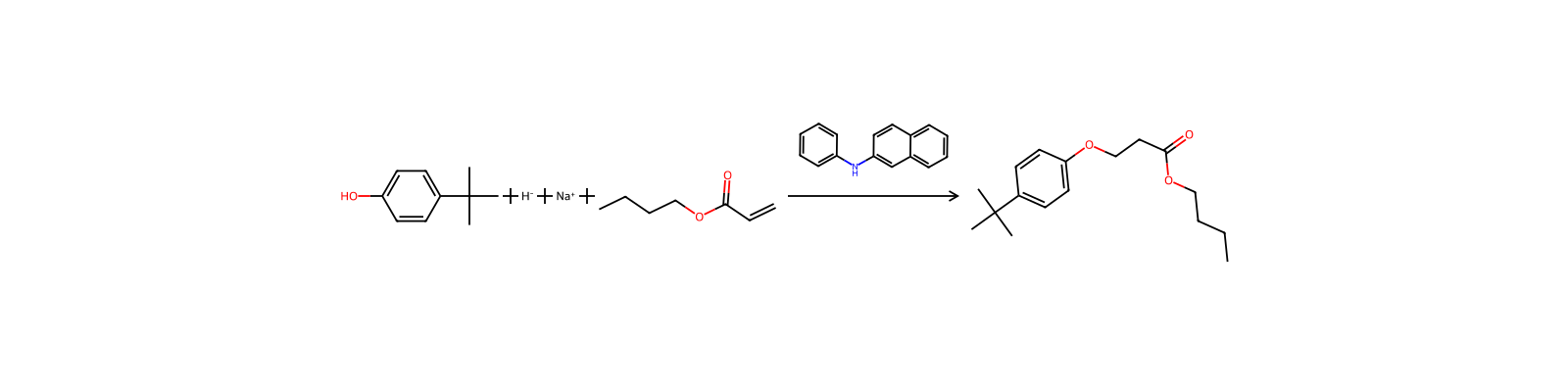
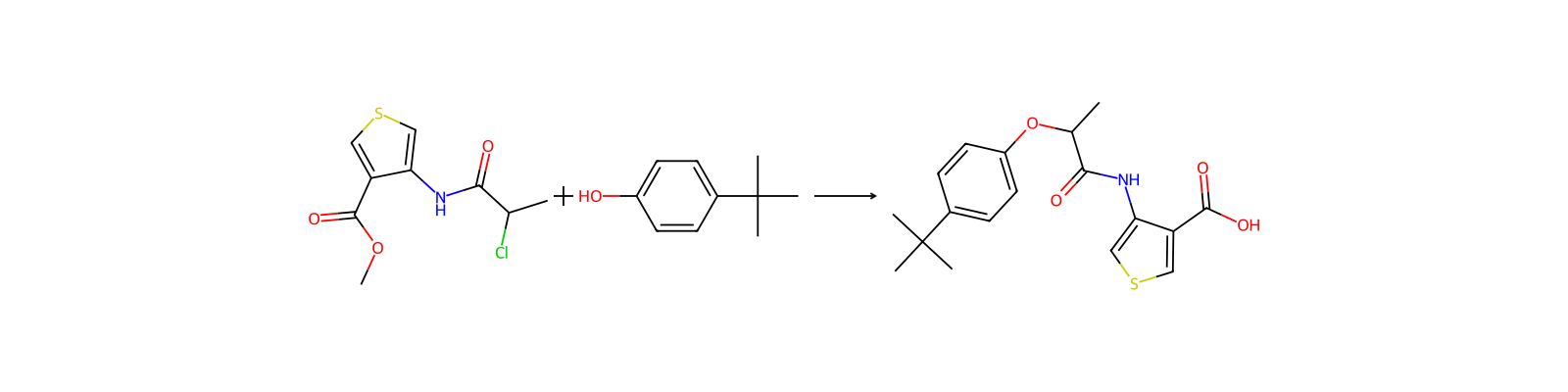
Zugehörige Reaktionen
280




Verknüpfte Notizen
Wird geladen…