
Grundinformationen
- Standard-SMILES
Cc1ccc(S(=O)(=O)Cl)cc1- InChIKey
YYROPELSRYBVMQ-UHFFFAOYSA-N- Summenformel
- C7H7ClO2S
- Durchschnittliche Molmasse
- 190,65 g/mol
- Monoisotopische Masse
- 189,98552814
Überblick
P-toluene sulfonylchloride appears as a white to gray powdered solid with a distinctive odor. Insoluble in water and denser than water. Contact may irritate skin, eyes and mucous membranes. May be toxic by ingestion, inhalation and skin absorption. Used to make other chemicals.
Namen und Bezeichner
- Bevorzugter Name
- 4-Toluenesulfonyl chloride
- IUPAC
- 4-methylbenzenesulfonyl chloride
- Lokaler Name
- Tosylchlorid
- Englischer Name
- Tosyl chloride
- Summenformel
- C7H7ClO2S
- Molmasse
- 190.65
Namen und Synonyme
4-Toluenesulfonyl chlorideRefChem:169391P-TOLUENESULFONYL CHLORIDE98-59-9Tosyl chloride4-Methylbenzenesulfonyl chloridep-Tosyl chloride4-methylbenzene-1-sulfonyl chloridep-Toluenesulphonyl chloridep-Tolylsulfonyl chloridep-Toluenesulfochloridetosylchloride
Weitere Namen anzeigen
TsClTOS-CLPTSCPARA TOLUENE SULFONYL CHLORIDEp-toluenesulfonyl
p-Toluenesulfonic acid chloridep-Methylbenzenesulfonyl chloridepara-Toluenesulfonyl chloride4-Tosyl chlorideBenzenesulfonyl chloride, 4-methyl-4-toluene sulfonyl chloridep-Toluene sulphonyl chlorideToluenesulfonyl chloride
Datenbank-Bezeichner
- CAS
98-59-9- PubChem CID
- 7397
- DTXSID
DTXSID1052660- UNII
- 027KYN78B4
- EC Number
- 202-684-8
- Nikkaji
- J3.580G
Eigenschaften
Berechnete Struktureigenschaften
- XLogP
- 3
- Polarare Oberfläche (TPSA)
- 42,5 Ų
- H-Brücken-Donoren
- 0
- H-Brücken-Akzeptoren
- 2
- Frei drehbare Bindungen
- 1
- Schwere Atome
- 11
- Formalladung
- 0
- Komplexität
- 209
Experimentelle und physikochemische Eigenschaften
Chemical ClassesToxic Gases & Vapors -> Acid Halides
SpringerMaterials PropertiesSchoenflies notation
LogP3.49
Density
1.3 g/cm³
1.33 @25 °C
Color/Form
CRYSTALS
TRICLINIC CRYSTALS FROM ETHER OR PETROLEUM ETHER
Solubility
INSOL IN WATER; FREELY SOL IN ALCOHOL, BENZENE, ETHER
Solubility in water: reaction
Flash Point128 °C c.c.
Boiling Point146 °C @ 15 MM HG
Melting Point
69-71 °C
69-71 °C
Vapor DensityRelative vapor density (air = 1): 6.6
Vapor Pressure
Vapor pressure, Pa at 25 °C: 0.16
1 [mm Hg] @88 °C
Physical Description
P-toluene sulfonylchloride appears as a white to gray powdered solid with a distinctive odor. Insoluble in water and denser than water. Contact may irritate skin, eyes and mucous membranes. May be toxic by ingestion, inhalation and skin absorption. Used to make other chemicals.
A white to gray solid; [CAMEO] Hygroscopic; [eChemPortal: SIDSUNEP] White or light yellow crystalline solid; [MSDSonline]
COLOURLESS-TO-YELLOW HYGROSCOPIC CRYSTALS WITH PUNGENT ODOUR.
Physikochemische Eigenschaften
- Schmelzpunkt
- 65 · 65-69 °C(lit.)
- Siedepunkt
- 134 °C10 · 134 °C10 mm Hg(lit.)
- Dichte
- 1 · 1,006 g/cm3
- Dampfdruck
- 1 mm · 1 mm Hg ( 88 °C)
- Flammpunkt
- 128 °C · 128 °C
- storage temp.
- 30 °C · Store below +30°C.
- Löslichkeit
- 0.2 g/mL, · methylene chloride: 0.2 g/mL, clear
- Aggregatzustand
- Crystalline Powder
- Farbe
- White
- Wasserlöslichkeit
- hydrolyses
- Merck
- 14 · 14,9534
- BRN
- 607898 · 607898
- Henry's Law Constant
- 1 · 1.0×100 mol/(m3Pa) at 25℃, Zhang et al. (2010)
- Stabilität
- Stable. Substances to be avoided include strong bases and strong oxidizing agents and water. Moisture sensitive.
- InChI
- 1S/C7H7ClO2S/c1-6-2-4-7(5-3-6)11(8,9)10/h2-5H,1H3
- InChIKey
- YYROPELSRYBVMQ-UHFFFAOYSA-N
- SMILES
- Cc1ccc(cc1)S(Cl)(=O)=O
- CAS Datenbank
- 98 · 98-59-9(CAS DataBase Reference)
- NIST chemische Informationen
- 4 · Benzenesulfonyl chloride, 4-methyl-(98-59-9)
- EPA chemische Informationen
- p-Toluenesulfonyl chloride (98-59-9)
Sicherheit und Regulatorisches
GHS-Klassifizierung
GHS Classification
This chemical does not meet GHS hazard criteria for 5.7% (53 of 926) of reports.
Danger
H290 (20%): May be corrosive to metals [Warning Corrosive to Metals]
P234, P260, P261, P264, P264+P265, P271, P272, P280, P301+P330+P331, P302+P352, P302+P361+P354, P304+P340, P305+P354+P338, P316, P317, P319, P321, P332+P317, P333+P317, P362+P364, P363, P390, P403+P233, P405, P406, and P501 (click each P-code to see the statement)
Aggregated GHS information provided per 926 reports by companies from 25 notifications to the ECHA C&L Inventory. Each notification may be associated with multiple companies.
Gefahrenhinweise
Regulatory Information
Chemical: Benzenesulfonyl chloride, 4-methyl-
Status: Active Update: 12-10-2020 https://echa.europa.eu/registration-dossier/-/registered-dossier/13242
4-Toluenesulphonyl chloride: Does not have an individual approval but may be used under an appropriate group standard
DOT LabelCorrosive
Fire Hazards
Excerpt from ERG Guide 154 [Substances - Toxic and/or Corrosive (Non-Combustible)]:
Combustible. Gives off irritating or toxic fumes (or gases) in a fire.
Health HazardsExcerpt from ERG Guide 154 [Substances - Toxic and/or Corrosive (Non-Combustible)]:
Hazards Summary
A skin, eye, and respiratory tract irritant; [HSDB] Reacts violently with water evolving hydrochloric acid; A corrosive substance that can cause injury to the skin, eyes, and respiratory tract; Inhalation may cause chemical pneumonitis; [MSDSonline] Slowly hydrolyzes to strong acids (HCl and p-toluenesulfonic acid); Severely irritating to skin and eyes in animal testing; [AIHA] Contact dermatitis documented in a chemist; [Kanerva, p. 1841]
Reactive GroupAcyl Halides, Sulfonyl Halides, and Chloroformates
UN ClassificationUN Hazard Class: 8; UN Pack Group: II
Chemical DangersDecomposes on heating. This produces toxic and corrosive fumes including sulfur oxides and hydrogen chloride. Reacts with water and moist air. This produces hydrogen chloride (see ICSC 0163).
Packaging and LabellingUnbreakable packaging. Put breakable packaging into closed unbreakable container.
Air and Water ReactionsInsoluble in water.
Hazard Classes and CategoriesMet. Corr. 1 (20%)
Sicherheit und Schutzausrüstung
Fire Fighting
Excerpt from ERG Guide 154 [Substances - Toxic and/or Corrosive (Non-Combustible)]:
Use dry powder, carbon dioxide. NO water. NO foam.
First Aid Measures
Fresh air, rest.
Remove contaminated clothes. Rinse skin with plenty of water or shower.
Rinse with plenty of water (remove contact lenses if easily possible). Refer immediately for medical attention.
Rinse mouth. Give one or two glasses of water to drink. Refer for medical attention .
First AidExcerpt from ERG Guide 154 [Substances - Toxic and/or Corrosive (Non-Combustible)]:
Safe StorageDry. Well closed. Store in an area without drain or sewer access.
Nonfire Spill ResponseExcerpt from ERG Guide 154 [Substances - Toxic and/or Corrosive (Non-Combustible)]:
Spillage Disposal
Personal protection: filter respirator for organic gases and particulates adapted to the airborne concentration of the substance. Do NOT let this chemical enter the environment. Sweep spilled substance into containers. Carefully collect remainder. Then store and dispose of according to local regulations.
Isolation and EvacuationExcerpt from ERG Guide 154 [Substances - Toxic and/or Corrosive (Non-Combustible)]:
Eye PreventionWear safety goggles or eye protection in combination with breathing protection if powder.
Fire PreventionNO open flames.
Inhalation RiskA harmful concentration of airborne particles can be reached quickly when dispersed, especially if powdered.
Skin PreventionProtective gloves.
Exposure PreventionPREVENT DISPERSION OF DUST!
Toxikologische Informationen
Adverse EffectsDermatotoxin - Skin burns.
Signs and Symptoms
Cough.
Redness. Pain.
Redness. Pain.
Sore throat.
ICSC Environmental DataThe substance is harmful to aquatic organisms.
Human Toxicity Excerpts
...PRODUCE SEVERE PRIMARY IRRITATION OF EYES, SKIN, OR RESP TRACT. DELAYED VESICATION IS NOT UNCOMMON. SENSITIZATION MAY ALSO OCCUR... /ACID HALIDES/
STRONG IRRITANT & VESICANT. /FROM TABLE/
WHILE CUMULATIVE TOXIC EFFECTS ARE THEORETICALLY POSSIBLE IF ORIGINAL ORG ACID IS ALSO KNOWN TO BE CUMULATIVE IN ACTION...IRRITANT PROPERTIES OF THE HALIDE PREVENT VOLUNTARY EXPOSURE TO SIGNIFICANT AMOUNTS... /ACID HALIDES/
Non-Human Toxicity Excerpts
REMSEN FAHLBERG SACCHARIN & ITS CONTAMINANTS (O-TOLUENE SULFONAMIDE (OTS), P-TOLUENE SULFONAMIDE (PTS), O-SULFAMOYL BENZOIC ACID, P-SULFAMOYL BENZOIC ACID) WERE TESTED FOR MUTAGENICITY. CONTAMINANTS OTS & ITS ISOMER PTS WERE MUTAGENIC IN AMES TEST & BASC TEST IN DROSOPHILA.
Sicherheitsdaten
- F
- 9-21
- wgk
- 1
- tsca
- TSCA listed
- ridadr
- UN 3261 8/PG 2
- hs_code
- 29049020
- risk_code
- 34-29-41-38
- Toxizität
- LD50 orally in Rabbit: 4680 mg/kg
- hazard_code
- C,Xi
- hazard_note
- Corrosive
- safety_code
- 26-36/37/39-45-27-39
- hazard_class
- 8
- packing_group
- II
- Speicherklasse
- 8A - Combustible corrosive hazardous materials
- Giftige Stoffe Daten
- 98-59-9(Hazardous Substances Data)
- Hazard Classifications
- Eye Dam. 1Met. Corr. 1Skin Irrit. 2Skin Sens. 1
Chemie und Industrie
Verwendung und Herstellung
Uses
Used to make other organic chemicals; [Hawley] Used to make food additives, foaming agents for plastics and rubber, riboflavin, antithrombotic drugs, and dye condensing agents; [eChemPortal: SIDSUNEP]
ORGANIC SYNTHESIS
Methods of ManufacturingMADE BY TREATING TOLUENE WITH CHLOROSULFONIC ACID.
General Manufacturing Information
Benzenesulfonyl chloride, 4-methyl-: ACTIVE
10 OF 16 MERCURATED SULFONAMIDES TESTED AS BACTERICIDES & FUNGICIDES AGAINST E COLI, RHIZOCTONIA SOLANI, S AUREUS, A NIGER, & CHETOMIUM GLOBOSSUM WERE MORE TOXIC THAN ZINEB. SULFONAMIDES PREPD BY CONDENSING ANILINE BASE WITH P-TOLUENESULFONYL CHLORIDE IN PRESENCE OF PYRIDINE + BENZENE.
Darstellung
synthetischeTosyl chloride is a by-product from the production of ortho-toluenesulfonyl chloride (a precursor for the synthesis of the common food additive and catalyst saccharin), via the chlorosulfonation of toluene:CH3C6H5+ SO2Cl2→ CH3C6H4SO2Cl + HCl
Vor- und nachgelagerte Produkte
Vorgelagerte Rohstoffe
Nachgelagerte Produkte
Anbieter50 Anbieter
国药集团化学试剂有限公司86-21-63210123 · [email protected]
梯希爱(上海)化成工业发展有限公司021-67121386 · [email protected]
衢州润东化工有限公司0570-8789886 18892685668 · [email protected]
上海阿拉丁生化科技股份有限公司400-6206333 13167063860 · [email protected]
山东艾利特生物科技有限公司0539-18853986-090 13053958157 · [email protected]
爱斯特(成都)生物制药股份有限公司+86-28-85122536 85324413 · [email protected]
南京兰亚化工贸易有限公司+86-25-8331-5620 · [email protected]
科瑞迪化学400-821-5857 021-64326257 · [email protected]
Syntechem Co.,Ltd[email protected]
Ark Pharm, Inc.847-367-3680 · [email protected]
上海迈瑞尔生化科技有限公司4006356688 18621169109 · [email protected]
北京华威锐科化工有限公司0757-86329057 18934348241 · [email protected]
阿法埃莎(中国)化学有限公司400-6106006 · [email protected]
太原市瑞和丰科贸有限公司+86 351 7031519 · [email protected]
安耐吉化学&3A(安徽泽升科技股份有限公司)400-0056266 · [email protected]
上海瀚鸿科技股份有限公司021-54306202 13764082696 · [email protected]
上海景颜化工科技有限公司13817811078 · [email protected]
嘉兴市艾森化工有限公司0573-85285100 18627885956 · [email protected]
池州捷峰生物科技有限公司0566-8928158 · [email protected]
上海泰坦科技股份有限公司400-6009262 15618770481 · [email protected]
合肥天健化工有限公司551-65418679 15856988503;15837135945 · [email protected]
山东曜明化工有限公司15550028560 · [email protected]
山东西亚化学有限公司13355009207 13355009207 · [email protected]
玛雅试剂+86 (573) 82222445 (0)18006601000 452520369 · [email protected]
四川库利南科技有限公司400-1166-196 18981987031 · [email protected]
天津希恩思生化科技有限公司400 638 7771 · [email protected]
南京维奥化工有限公司Please Send Email 18652950785 · [email protected]
嘉兴信思得进出口有限公司+86 (573) 8203-0555 · [email protected]
寿光诺盟化工有限公司0536-5399456 13869682027 · [email protected]
斯百全化学(上海)有限公司021-021-021-67601398-809-809-809 15221380277 · [email protected]
艾科试剂4008-755-333 18080918076 · [email protected]
天津科创医药中间体技术生产力促进有限公司022-60116533 13207668525 · [email protected]
上海思域化工科技有限公司86-21-34053660 · [email protected]
赛默飞世尔科技(中国)有限公司800-810-5118 · [email protected]
北京伊诺凯科技有限公司400-810-7969 010-59572699 · [email protected]
张家港保税区凯利特化工有限公司18606289633 15862625988 · [email protected]
上海遐瑞医药科技有限公司+86 21 61551611
南京诺利斯医药科技有限公司13901585132 · [email protected]
江苏艾康生物医药研发有限公司025-66113011 13913916777 · [email protected]
TOKYO CHEMICAL INDUSTRY CO., LTD.03-36680489 · [email protected]
越林试剂021-62960152 · [email protected]
无锡中坤生化科技有限公司+86 0510-85629785
哈尔滨凯美柯化工产品经销有限公司13945082518;18004515037 · [email protected]
北京环宇世纪化学科技有限公司hysj_bj.com
安徽科迪达化工有限公司0554-2106669 · [email protected]
HBCChem, Inc.+1-510-219-6317 · [email protected]
日照力德士化工有限公司010-51268198 · [email protected]
青岛德达志成化工有限公司18766299236 · [email protected]
美岚实业(上海)有限公司021-58958189 · [email protected]
上海石洋化工有限公司021-56795766 · [email protected]
Zugehörige Reaktionen
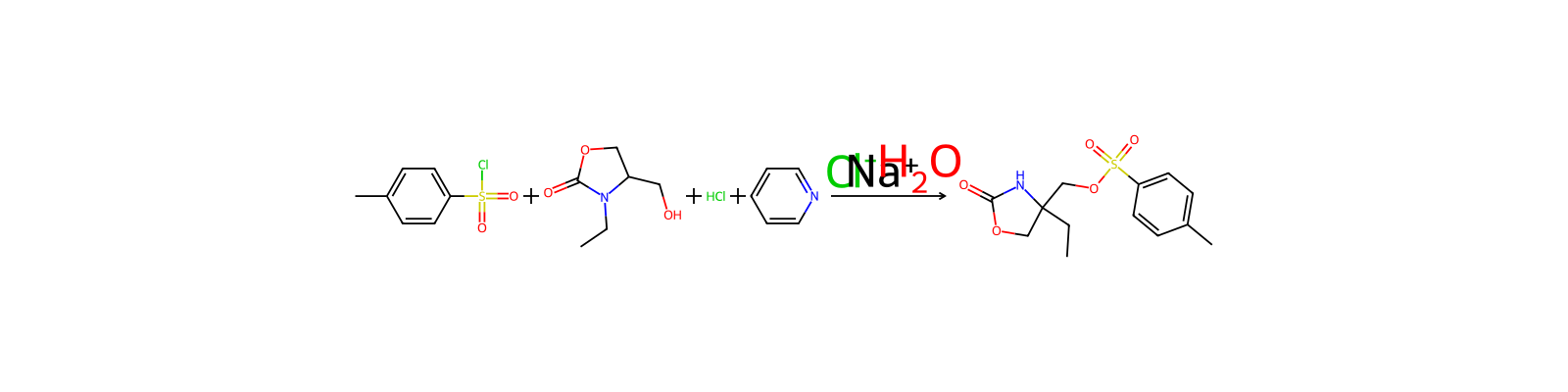
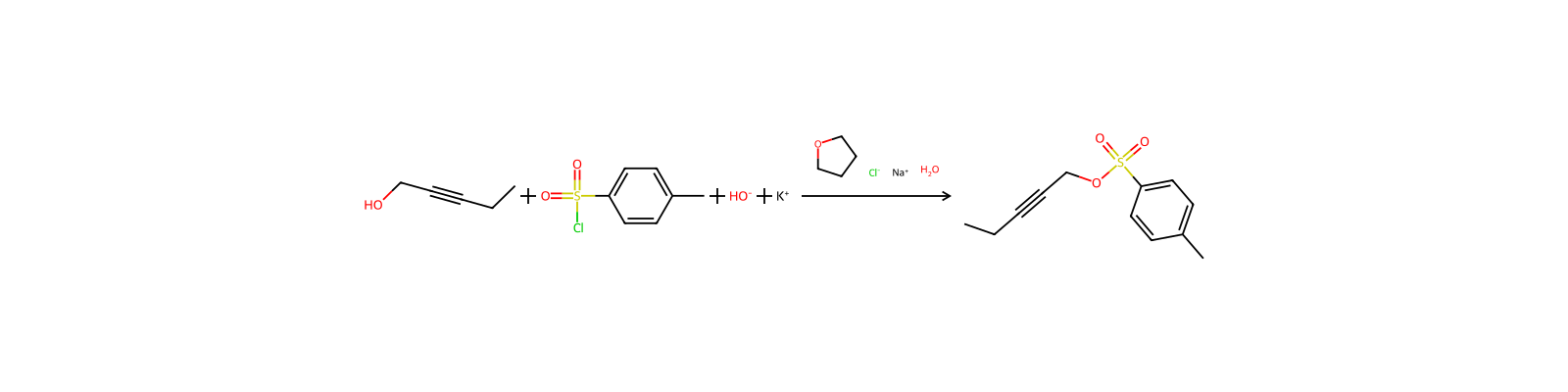
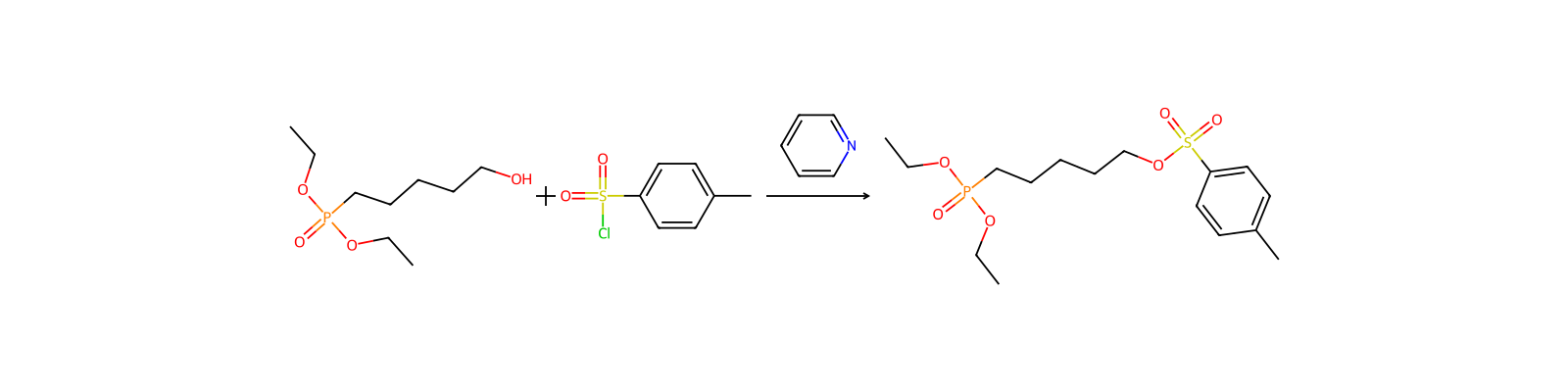
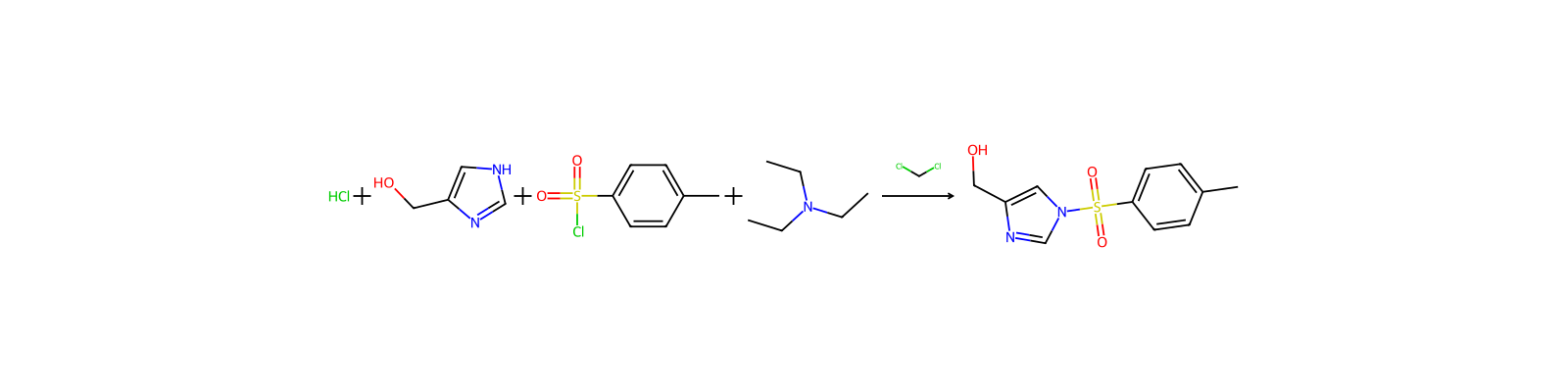
7.091




Verknüpfte Notizen
Wird geladen…