StartseiteMCPWorkbenchSkills
StartseiteWorkbenchBenachrichtigungenMein Bereich
llms.txt · MCP-AnleitungDatenschutz · Nutzungsbedingungen · Supportv1.8.0
  1. Startseite
  2. /Verbindung

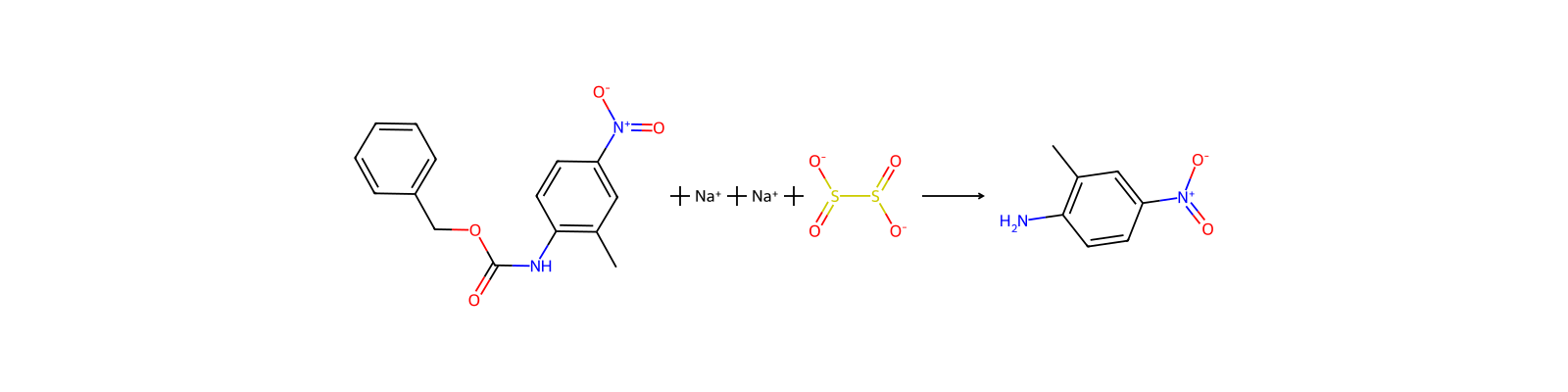
4-Nitro-o-toluidin

2-Methyl-4-nitroaniline

HCID 7441
Neue NotizNeue ReaktionAnfrage stellen
Druckvorschau
GrundinformationenÜberblickNamen und BezeichnerEigenschaftenSicherheit und RegulatorischesChemie und IndustrieZugehörige ReaktionenNotizen zur Verbindung
TeilstruktursucheÄhnliche Strukturen suchen

Grundinformationen

CAS
99-52-5
Standard-SMILES
Cc1cc([N+](=O)[O-])ccc1N
InChIKey
XTTIQGSLJBWVIV-UHFFFAOYSA-N
Summenformel
C7H8N2O2
Durchschnittliche Molmasse
152,15 g/mol
Monoisotopische Masse
152,0585775

Überblick

2-methyl-4-nitroaniline appears as yellow needles or mustard yellow powder. (NTP, 1992)

Namen und Bezeichner

Bevorzugter Name
2-Methyl-4-nitroaniline
IUPAC
2-methyl-4-nitroaniline
Lokaler Name
4-Nitro-o-toluidin
Englischer Name
2-Methyl-4-nitroaniline
Summenformel
C7H8N2O2
Molmasse
152.15

Namen und Synonyme

2-Methyl-4-nitroaniline99-52-52-Amino-5-nitrotoluene4-Nitro-o-toluidineBenzenamine, 2-methyl-4-nitro-2-Methyl-4-nitrobenzenamine2-Methyl-4-nitrophenylamine4-NITRO-2-TOLUIDINE4-Nitro-o-toludine2-Methyl-p-nitroaniline3-Methyl-4-aminonitrobenzeneCCRIS 2877
Weitere Namen anzeigen
FAST REDPNOTredrlbase2-AMino-5-FAST RED RL BASETemloTempraCI 37100
Azoic diazo component 34, baseDTXSID30256292-Amino-1-methyl-5-nitrobenzeneFFY36EWC4RNSC 2075EINECS 202-762-1BRN 0775772AI3-16312

Datenbank-Bezeichner

CAS
99-52-5
PubChem CID
7441
DTXSID
DTXSID3025629
ChEMBL
CHEMBL1319213
UNII
FFY36EWC4R
EC Number

Eigenschaften

Berechnete Struktureigenschaften

XLogP
1,1
Polarare Oberfläche (TPSA)
71,8 Ų
H-Brücken-Donoren
1
H-Brücken-Akzeptoren
3
Frei drehbare Bindungen
0
Schwere Atome
11
Formalladung
0
Komplexität
155

Experimentelle und physikochemische Eigenschaften

SpringerMaterials PropertiesDensity
Density1.1586 at 284 °F (NTP, 1992) - Denser than water; will sink
Solubilityless than 1 mg/mL at 72 °F (NTP, 1992)
Melting Point268 to 271 °F (NTP, 1992)
Physical Description2-methyl-4-nitroaniline appears as yellow needles or mustard yellow powder. (NTP, 1992)

Physikochemische Eigenschaften

Schmelzpunkt
130 · 130-132 °C(lit.)
Siedepunkt
294.61 °C · 294.61°C (rough estimate)
Dichte
1.1586 · 1.1586
Dampfdruck
20.4 hPa · 20.4hPa at 133.5℃
Brechungsindex
1.6276 · 1.6276 (estimate)
Flammpunkt
157.2 ℃ · 157.2℃
storage temp.

Sicherheit und Regulatorisches

Sicherheitsangaben dienen nur zur Orientierung und ersetzen weder das Sicherheitsdatenblatt (SDB) des Lieferanten noch geltende Vorschriften oder eine fachliche Bewertung.

GHS-Klassifizierung

GHS Classification · 5 Einträge

Danger

H301 (100%): Toxic if swallowed [Danger Acute toxicity, oral]

P260, P261, P262, P264, P270, P271, P273, P280, P301+P316, P302+P352, P304+P340, P316, P319, P321, P330, P361+P364, P391, P403+P233, P405, and P501 (click each P-code to see the statement)

Aggregated GHS information provided per 47 reports by companies from 7 notifications to the ECHA C&L Inventory. Each notification may be associated with multiple companies.

Not Classified

Gefahrenhinweise

Regulatory Information · 3 Einträge

Chemical: Benzenamine, 2-methyl-4-nitro-

REACH registered substance: 4-nitro-o-toluidine (EC: 202-762-1)

2-Methyl-4-nitroaniline: Does not have an individual approval but may be used under an appropriate group standard

DOT LabelPoison
Fire HazardsFlash point data for this chemical are not available; however, it is probably combustible. (NTP, 1992)
Health HazardsSYMPTOMS: Symptoms of exposure to this compound include irritation of the eyes and skin. Structurally similar chemicals may cause methemoglobinemia.
Reactive GroupNitro, Nitroso, Nitrate, and Nitrite Compounds, Organic
Reactivity Profile2-METHYL-4-NITROANILINE is incompatible with acids, acid chlorides, acid anhydrides, chloroformates and strong oxidizing agents. (NTP, 1992)
Air and Water ReactionsInsoluble in water.

Chemie und Industrie

Verwendung und Herstellung

General Manufacturing InformationBenzenamine, 2-methyl-4-nitro-: ACTIVE
Anwendungen · 1 Eintrag

Verwenden2-Methyl-4-nitroaniline was used in preparing in-plane aligned nanofibers by the electrospinning technique. It was the starting reagent in the synthesis of 3-chloro-5-methylphenyl isocyanate. It was used to deposit polycrystalline thin films on Ag, Cu and Si by conventional and partially ionized beam deposition.

Vor- und nachgelagerte Produkte

Vorgelagerte Rohstoffe

NatriumsulfitMethansulfonylchloridToluidin (o)BenzolsulfonsäurechloridNatriumhydrogencarbonatNatriumhydroxid

Nachgelagerte Produkte

2-Methyl-4-nitrobenzoldiazonium4-Bromo-2-methylbenzonitrile1H-Indazole-5-carbonitrile2-Bromo-6-methyl-4-nitroaniline3,5-Dichloro (1H)indazole4-Fluor-N-methylanilin

Zugehörige Reaktionen

155
Reaktionsaufzeichnung erstellen
Reaktionsgleichung von HRID 26366
HRID 26366als Eduktuspto-grants-1979_04
Reaktionsgleichung von HRID 38146
HRID 38146als Eduktuspto-grants-2013_09
Reaktionsgleichung von HRID 93019
HRID 93019als EduktTraining data from https://doi.org/10.1039/C8SC04228D (2/10)
Reaktionsgleichung von HRID 102895
HRID 102895als EduktTraining data from https://doi.org/10.1039/C8SC04228D (2/10)
Reaktionsgleichung von HRID 133767
HRID 133767als Eduktuspto-grants-2008_06
Reaktionsgleichung von HRID 161573
HRID 161573als EduktTraining data from https://doi.org/10.1039/C8SC04228D (9/10)
Reaktionsgleichung von HRID 175252
HRID 175252als ProduktTraining data from https://doi.org/10.1039/C8SC04228D (6/10)
Reaktionsgleichung von HRID 268437
HRID 268437als Eduktuspto-grants-1976_03
Seite 1 von 20

Notizen zur Verbindung

Wird geladen…

Auf dieser SeiteGrundinformationenÜberblickNamen und BezeichnerEigenschaftenSicherheit und RegulatorischesChemie und IndustrieZugehörige ReaktionenNotizen zur Verbindung
Weitere Aktionen
Neue NotizNeue ReaktionAnfrage stellen
202-762-1
Nikkaji
J95.088B
30 °C · Store below +30°C.
Löslichkeit
Dichloromethane, DMSO, Ethyl Acetate, Methanol
Aggregatzustand
Crystalline Powder or Fine Needles
pka
0.92 · 0.92±0.10(Predicted)
Farbe
Yellow to khaki or brownish
PH
7 · 7 (H2O)(aqueous suspension)
Wasserlöslichkeit
0.1 g/100 · <0.1 g/100 mL at 22 ºC
BRN
775772 · 775772
InChI
1S/C7H8N2O2/c1-5-4-6(9(10)11)2-3-7(5)8/h2-4H,8H2,1H3
InChIKey
XTTIQGSLJBWVIV-UHFFFAOYSA-N
SMILES
Cc1cc(ccc1N)[N+]([O-])=O
LogP
1.311 at · 1.311 at 25℃
CAS Datenbank
99 · 99-52-5(CAS DataBase Reference)
NIST chemische Informationen
5 · 5-Nitro-2-aminotoluene(99-52-5)
EPA chemische Informationen
2 · 2-Methyl-4-nitroaniline (99-52-5)
Hazard Classes and Categories · 2 Einträge

Acute Tox. 3 (100%)

Hazardous to the aquatic environment (Acute) - Category 3

Sicherheit und Schutzausrüstung

Fire FightingFires involving this material can be controlled with a dry chemical, carbon dioxide or Halon extinguisher. A water spray may also be used. (NTP, 1992)
First Aid · 1 Eintrag

EYES: First check the victim for contact lenses and remove if present. Flush victim's eyes with water or normal saline solution for 20 to 30 minutes while simultaneously calling a hospital or poison control center. Do not put any ointments, oils, or medication in the victim's eyes without specific instructions from a physician. IMMEDIATELY transport the victim after flushing eyes to a hospital even if no symptoms (such as redness or irritation) develop.

Nonfire Spill Response · 1 Eintrag

SMALL SPILLS AND LEAKAGE: Should a spill occur while you are handling this chemical, FIRST REMOVE ALL SOURCES OF IGNITION, then you should dampen the solid spill material with 60-70% ethanol and transfer the dampened material to a suitable container. Use absorbent paper dampened with 60-70% ethanol to pick up any remaining material. Seal the absorbent paper, and any of your clothes, which may be contaminated, in a vapor-tight plastic bag for eventual disposal. Solvent wash all contaminated surfaces with 60-70% ethanol followed by washing with a soap and water solution. Do not reenter the contaminated area until the Safety Officer (or other responsible person) has verified that the area has been properly cleaned.

Isolation and EvacuationExcerpt from ERG Guide 153 [Substances - Toxic and/or Corrosive (Combustible)]:
Personal Protective Equipment (PPE) · 1 Eintrag

RECOMMENDED RESPIRATOR: Where the neat test chemical is weighed and diluted, wear a NIOSH-approved half face respirator equipped with an organic vapor/acid gas cartridge (specific for organic vapors, HCl, acid gas and SO2) with a dust/mist filter. (NTP, 1992)

Sicherheitsdaten

wgk
2
tsca
TSCA listed
ridadr
UN 2660 (NITROTOLUIDINES (MONO))
hs_code
29214300
RTECS-Nr.
XU8210000
risk_code
23/24/25-33-51/53
hazard_code
T,N,Xi
hazard_note
Irritant
safety_code
28-36/37-45-61-28A
hazard_class
6.1
packing_group
III
Speicherklasse
6.1C - Combustible acute toxic Cat.3toxic compounds or compounds which causing chronic effects
Hazard Classifications
Acute Tox. 3 DermalAcute Tox. 3 InhalationAcute Tox. 3 OralAquatic Chronic 2STOT RE 2
Indazol-5-ylamin
2,5-Dinitrobenzoesure
3-Iodo-5-nitro (1H)indazole
3-Chlor-5-nitro-1H-indazol
3-Chloro-1H-indazol-5-amine
5-Nitroindazol
5-Bromo-2-chlorotoluene
2-Brom-5-nitrotoluol
5-Bromo-2-chloro-benzoyl chloride
2-Methyl-4-nitroanisol
6-Nitro-o-toluidin
2,7-Naphthalenedisulfonic acid, 6-amino-4-hydroxy-3-[(2-methyl-4-nitrophenyl)azo]-, disodium salt
Disperse Blue 344