
1,3-Diisopropylbenzol
1,3-Diisopropylbenzene

Grundinformationen
- CAS
99-62-7- Standard-SMILES
CC(C)c1cccc(C(C)C)c1- InChIKey
UNEATYXSUBPPKP-UHFFFAOYSA-N- Summenformel
- C12H18
- Durchschnittliche Molmasse
- 162,27 g/mol
- Monoisotopische Masse
- 162,14085058
Überblick
1,3-Diisopropylbenzene is an alkylbenzene.
Namen und Bezeichner
- Bevorzugter Name
- 1,3-Diisopropylbenzene
- IUPAC
- 1,3-di(propan-2-yl)benzene
- Lokaler Name
- 1,3-Diisopropylbenzol
- Englischer Name
- 1,3-Diisopropylbenzene
- Summenformel
- C12H18
- Molmasse
- 162.27
Namen und Synonyme
1,3-DIISOPROPYLBENZENE99-62-7m-DiisopropylbenzeneBenzene, 1,3-bis(1-methylethyl)-Benzene, m-diisopropyl-1,3-Bis(1-methylethyl)benzenem-DiisopropylbenzolHSDB 5325DTXSID8026640EINECS 202-773-1BRN 1905828AI3-08224
Weitere Namen anzeigen
meta-DiisopropylbenzeneAlkazene 123-ISOPROPYLCUMENE3-Diisopropylbenzenem-diisopropyl-benzen
482VXW192E3,5-DIISOPROPYLBENZENEDTXCID006640EC 202-773-11,3-DIISOPROPYLBENZENE [HSDB]mDiisopropylbenzolmDiisopropylbenzeneBenzene, mdiisopropyl
Datenbank-Bezeichner
- CAS
99-62-7- PubChem CID
- 7450
- DTXSID
DTXSID8026640- ChEMBL
CHEMBL31352- ChEBI
CHEBI:189570- UNII
- 482VXW192E
- EC Number
- 202-773-1
- Nikkaji
- J3.585H
Eigenschaften
Berechnete Struktureigenschaften
- XLogP
- 4,8
- Polarare Oberfläche (TPSA)
- 0 Ų
- H-Brücken-Donoren
- 0
- H-Brücken-Akzeptoren
- 0
- Frei drehbare Bindungen
- 2
- Schwere Atome
- 12
- Formalladung
- 0
- Komplexität
- 110
Experimentelle und physikochemische Eigenschaften
SolventsSolvents -> Aromatic Solvents
SpringerMaterials PropertiesBoiling point
LogP4.50
Density
0.8559 @ 20 °C/4 °C
0.856 @25 °C
Color/FormCOLORLESS LIQ
Solubility
INSOL IN WATER
Sol in all proportions of alcohol, ether, acetone, benzene.
0.0425 mg/mL at 25 °C
Boiling Point
203.2 °C @ 760 MM HG
203.2 °C @760 [mm Hg]
Melting Point
-61 °C
-63.7 °C
-61 °C
Vapor Pressure
0.39 [mmHg]
1 mm Hg at 34.7 °C
1 [mm Hg] @34.700000000000003 °C
Sicherheit und Regulatorisches
Sicherheitsangaben dienen nur zur Orientierung und ersetzen weder das Sicherheitsdatenblatt (SDB) des Lieferanten noch geltende Vorschriften oder eine fachliche Bewertung.
GHS-Klassifizierung
GHS Classification
This chemical does not meet GHS hazard criteria for 2.5% (3 of 119) of reports.
Danger
H304 (87.4%): May be fatal if swallowed and enters airways [Danger Aspiration hazard]
P273, P301+P316, P331, P391, P405, and P501 (click each P-code to see the statement)
Aggregated GHS information provided per 119 reports by companies from 4 notifications to the ECHA C&L Inventory. Each notification may be associated with multiple companies.
Warning
Gefahrenhinweise
Regulatory Information
Chemical: Benzene, 1,3-bis(1-methylethyl)-
Benzene, 1,3-bis(1-methylethyl)- is listed on the EPA's Chemical Data Reporting (CDR) system. Manufacturers and importers of Benzene, 1,3-bis(1-methylethyl)- are required to report information about their production and use of this chemical to the EPA under the Toxic Substances Control Act (TSCA). (40 eCFR Part 711)
Status: Active Update: 23-12-2022 https://echa.europa.eu/registration-dossier/-/registered-dossier/10411
Benzene, 1,3-bis(1-methylethyl)-: Does not have an individual approval but may be used as a component in a product covered by a group standard. It is not approved for use as a chemical in its own right.
Hazards SummaryA skin, eye, and respiratory tract irritant; [MSDSonline] Not highly toxic in animal feeding studies; Rats showed organ damage, including hepatic, after exposure for 5 weeks to 30-150 ppm 90 minutes daily; [HSDB]
Hazard Classes and Categories
Asp. Tox. 1 (87.4%)
Flammable liquids - Category 4
Sicherheit und Schutzausrüstung
Chemie und Industrie
Pharmakologische Informationen
Cellular LocationsMembrane
Verwendung und Herstellung
Uses
Used as a solvent; chemical intermediate; [HSDB]
SOLVENT; INTERMEDIATE
CHEM INT FOR RESORCINOL & ACETONE
SOLVENT
U.S. Imports
(1980) 3.48X10+5 GRAMS (PRINCPL CUSTMS DISTS)
(1982) 8.51X10+5 GRAMS (PRINCPL CUSTMS DISTS)
U.S. Production
2023: 8,500,000 - <10,000,000 lb
(1979) AT LEAST 2.27X10+6 G-UNSPECIFIED ISOMER
(1981) AT LEAST 2.27X10+6 G-UNSPECIFIED ISOMER
Consumer UsesNot Known or Reasonably Ascertainable
Industry UsesIntermediate
Methods of ManufacturingALKYLATION OF BENZENE OR CUMENE WITH PROPYLENE IN THE PRESENCE OF A CATALYST FOLLOWED BY FRACTIONATION; BY-PRODUCT OF CUMENE PRODN FROM BENZENE & PROPYLENE
Formulations/PreparationsDiisopropylbenzene ... occurs in three isomeric forms, namely as the ortho, the meta, and the para derivatives, all being flammable liquids.
General Manufacturing Information
Petroleum Refineries
Benzene, 1,3-bis(1-methylethyl)-: ACTIVE
Anwendungen
Verwenden1,3-Diisopropylbenzene was used in the synthesis of benzene-1,3,5-triphosphonic acid.
Zugehörige Reaktionen
11
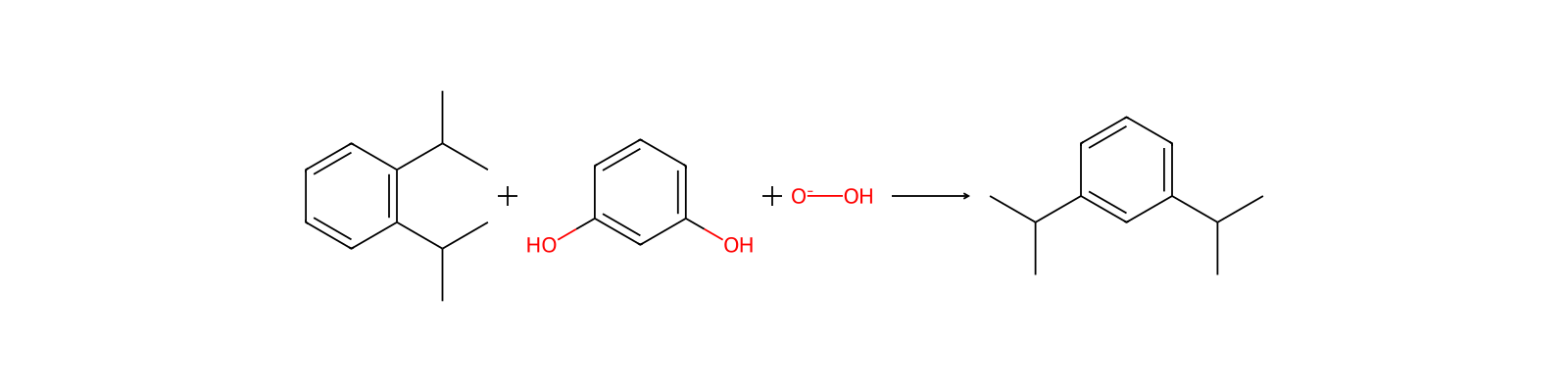


Notizen zur Verbindung
Wird geladen…