Cyclobutylamin
Cyclobutylamine
Daten werden ergänzt – lade die Seite später neu, um den aktuellen Stand zu sehen

Grundinformationen
- CAS
2516-34-9- Standard-SMILES
NC1CCC1- InChIKey
KZZKOVLJUKWSKX-UHFFFAOYSA-N- Summenformel
- C4H9N
- Durchschnittliche Molmasse
- 71,12 g/mol
- Monoisotopische Masse
- 71,07349929
Namen und Bezeichner
- Bevorzugter Name
- Cyclobutylamine
- IUPAC
- cyclobutanamine
- Lokaler Name
- Cyclobutylamin
- Englischer Name
- Cyclobutylamine
- Summenformel
- C4H9N
- Molmasse
- 71.12
Namen und Synonyme
CyclobutylamineCyclobutanamine2516-34-9Aminocyclobutane1-AminocyclobutaneHFH6FE5D4YDTXSID00870982RefChem:1082441DTXCID10818658219-736-0cyclobutaneaminecyclobutyl amine
Weitere Namen anzeigen
obutyLAURORA KA-7608Ring-butylaMine1-CyclobutanamineCyclobutylaMine 98%Cyclobutylamine,98%Cyclobutane-1-amine
cyclobutylaminMFCD00001328EINECS 219-736-0Cyclobutylamine, 98%UNII-HFH6FE5D4YPS-9374CS-0006656Q31190376
Datenbank-Bezeichner
- CAS
2516-34-9、6291-01-6- PubChem CID
- 75645
- DTXSID
DTXSID00870982- UNII
- HFH6FE5D4Y
- EC Number
- 219-736-0
- Nikkaji
- J80.508D
Eigenschaften
Berechnete StruktureigenschaftenWird ergänzt
- XLogP
- 0,2
- Polarare Oberfläche (TPSA)
- 26 Ų
- H-Brücken-Donoren
- 1
- H-Brücken-Akzeptoren
- 1
- Frei drehbare Bindungen
- 0
- Schwere Atome
- 5
- Formalladung
- 0
- Komplexität
- 30,6
Experimentelle und physikochemische Eigenschaften
SpringerMaterials PropertiesSchoenflies notation
Physikochemische Eigenschaften
- Schmelzpunkt
- 133 · 133-135.5 °C(Solv: ligroine (8032-32-4); dichloromethane (75-09-2))
- Siedepunkt
- 80.5 · 80.5–81.5 °C (176.9–178.7 °F; 353.6–354.6 K)
- Dichte
- 0.83 · 0.83
- Brechungsindex
- 1.4356 · 1.4356
- Flammpunkt
- -1 °C · -1 °C
- storage temp.
- 2 · 2-8°C
- pka
- 10.8 · 10.80±0.20(Predicted)
- Aggregatzustand
- liquid
- Farbe
- colorless
- Wasserlöslichkeit
- slightly soluble
- BRN
- 2069297 · 2069297
- InChI
- 1S/C4H9N/c5-4-2-1-3-4/h4H,1-3,5H2
Sicherheit und Regulatorisches
Sicherheitsangaben dienen nur zur Orientierung und ersetzen weder das Sicherheitsdatenblatt (SDB) des Lieferanten noch geltende Vorschriften oder eine fachliche Bewertung.
GHS-Klassifizierung
GHS Classification
Danger
H225 (98%): Highly Flammable liquid and vapor [Danger Flammable liquids]
P210, P233, P240, P241, P242, P243, P260, P264, P280, P301+P330+P331, P302+P361+P354, P303+P361+P353, P304+P340, P305+P354+P338, P316, P321, P363, P370+P378, P403+P235, P405, and P501 (click each P-code to see the statement)
Aggregated GHS information provided per 49 reports by companies from 6 notifications to the ECHA C&L Inventory. Each notification may be associated with multiple companies.
Gefahrenhinweise
Hazard Classes and CategoriesFlam. Liq. 2 (98%)
Sicherheitsdaten
- wgk
- 3
- ridadr
- UN 2733 3/PG 2
- hs_code
- 2921300090
- risk_code
- 11-34-20/21/22-36/37/38
- hazard_code
- F,C,Xi
- safety_code
- 16-26-36/37/39-45-33-7/9
- hazard_class
- 3
- packing_group
- II
- Speicherklasse
- 3 - Flammable liquids
- Hazard Classifications
- Flam. Liq. 2Skin Corr. 1B
Chemie und Industrie
Anwendungen
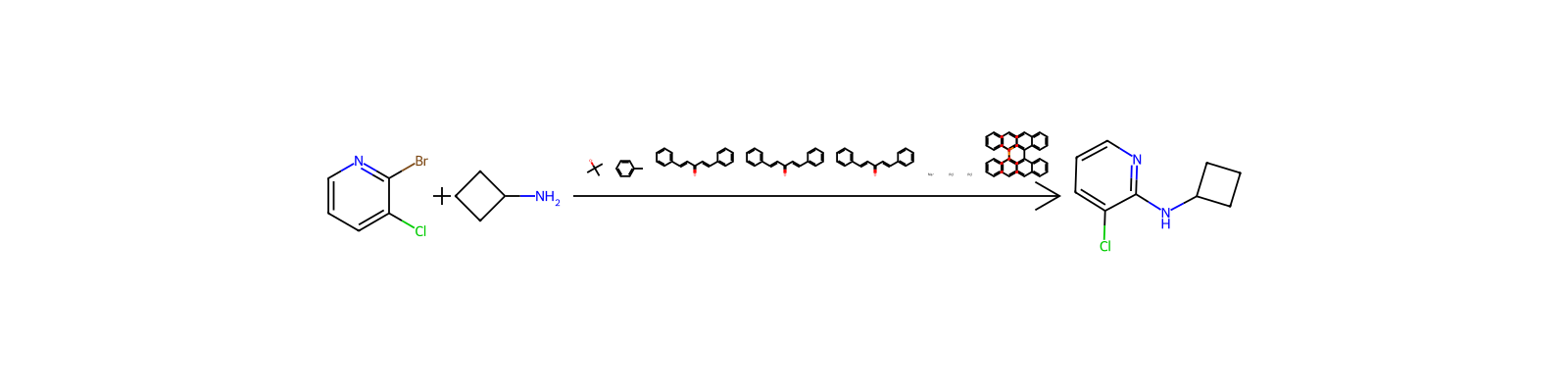
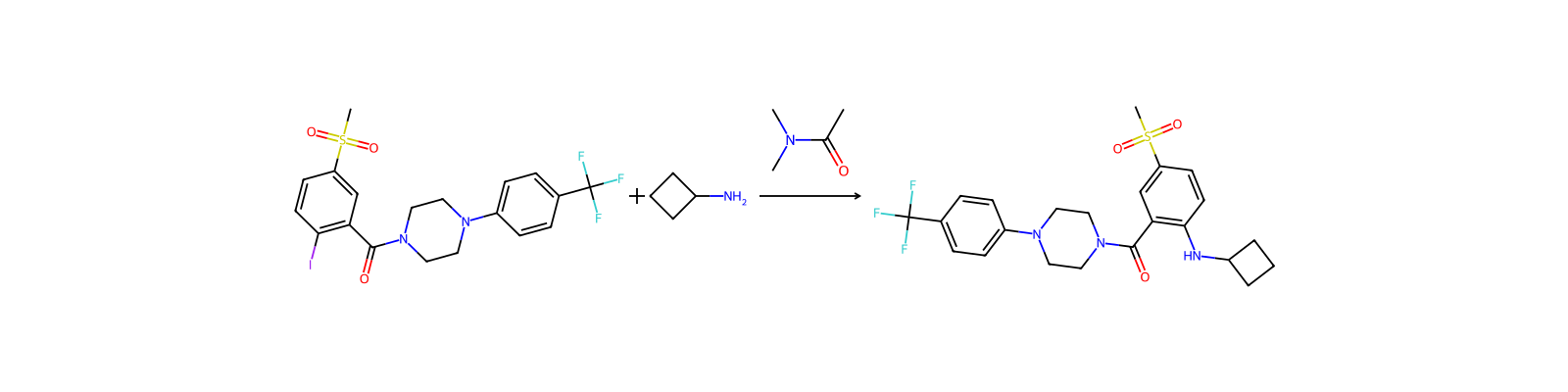
VerwendenCyclobutylamine is a substrate employed in a microwave-assisted synthesis of 7-azaindoles from dihalopyridines. Also it is a reactant in the preparation of imidazo[1,2-b]pyridazine derivatives as selective and orally available Mps1 (TTK) kinase inhibitors.
Darstellung
synthetischeThe preparation of cyclobutylamine from cyclobutanecarboxylic acid and hydrazoic acid has been reported previously. Cyclobutylamine has also been prepared by the Hofmann-type rearrangement of cyclobutanecarboxamide. More recently it has been prepared in 82–87% overall yield from cyclobutanecarboxamide by oxidative rearrangement with lead tetraacetate or iodosobenzene diacetate.Synthesis of cyclobutylamine
Vor- und nachgelagerte Produkte
Nachgelagerte Produkte
Zugehörige Reaktionen
386


Notizen zur Verbindung
Wird geladen…