
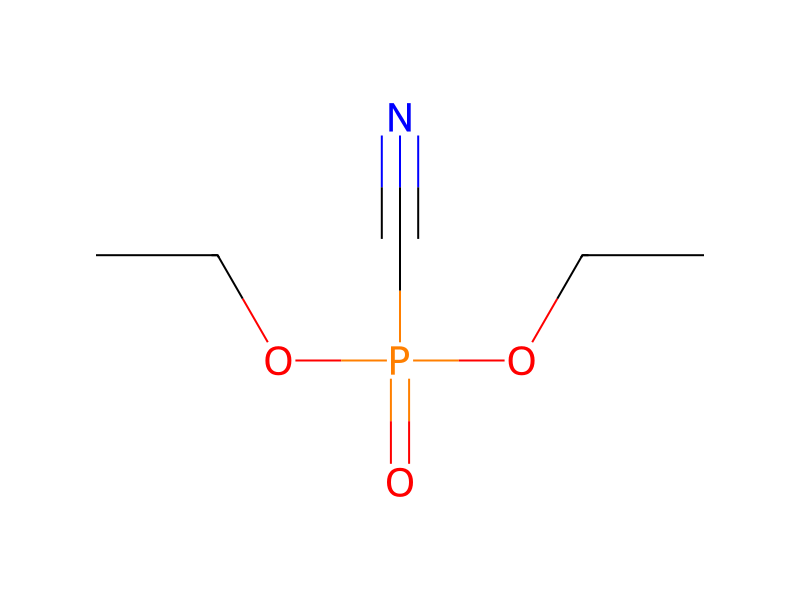
Grundinformationen
- Standard-SMILES
CCOP(=O)(C#N)OCC- InChIKey
ZWWWLCMDTZFSOO-UHFFFAOYSA-N- Summenformel
- C5H10NO3P
- Durchschnittliche Molmasse
- 163,11 g/mol
- Monoisotopische Masse
- 163,03982981
Überblick
reagent for solid phase peptide synthesis; structure
Namen und Bezeichner
- Bevorzugter Name
- Diethyl cyanophosphonate
- IUPAC
- diethoxyphosphorylformonitrile
- Lokaler Name
- Diethylcyanidophosphat
- Englischer Name
- Diethyl cyanophosphonate
- Summenformel
- C5H10NO3P
- Molmasse
- 163.11
Namen und Synonyme
Diethyl cyanophosphonate2942-58-7Diethyl phosphorocyanidatePhosphorocyanidic acid, diethyl esterDiethylphosphorocyanidateDiethylcyanophosphonatePAD4WPZ7T0diethoxyphosphoryl cyanideDTXSID90183639DCNP cpdRefChem:587426DTXCID80106130
Weitere Namen anzeigen
DEPCDIETHYLPHOSPHORYL CYANIDE(ETO)2P(O)CNDiethypyrocarbonateDiethyl cyanophospho
220-936-5diethoxyphosphorylformonitrileDiethylcyanophosphateCyanophosphonic Acid Diethyl EsterDiethyl cyanidophosphatediethyl cyanophosphateDiethoxy-phosphoryl cyanideDiethyl cyanophosphosphonate
Datenbank-Bezeichner
- CAS
2942-58-7- PubChem CID
- 76257
- DTXSID
DTXSID90183639- UNII
- PAD4WPZ7T0
- EC Number
- 220-936-5
- Nikkaji
- J50.413K
Eigenschaften
Berechnete Struktureigenschaften
- XLogP
- 0,3
- Polarare Oberfläche (TPSA)
- 59,3 Ų
- H-Brücken-Donoren
- 0
- H-Brücken-Akzeptoren
- 4
- Frei drehbare Bindungen
- 4
- Schwere Atome
- 10
- Formalladung
- 0
- Komplexität
- 173
Experimentelle und physikochemische Eigenschaften
Chemical ClassesOther Uses -> Biochemical Research
Physical DescriptionYellow liquid; [Alfa Aesar MSDS]
Physikochemische Eigenschaften
- Siedepunkt
- 104 · 104-105 °C19 mm Hg(lit.)
- Dichte
- 1.075 g/mL · 1.075 g/mL at 25 °C(lit.)
- Brechungsindex
- 20 · n20/D 1.403(lit.)
- Flammpunkt
- 177 °F · 177 °F
- storage temp.
- 2 · 2-8°C
- Löslichkeit
- Acetonitrile (Slightly), Chloroform (Slightly)
- Aggregatzustand
- Liquid
- Wichte
- 1.075 · 1.075
- Farbe
- Clear colorless to yellow
- Wasserlöslichkeit
- DECOMPOSES
- BRN
- 1768938 · 1768938
- Stabilität
- Moisture Sensitive
- InChI
- 1S/C5H10NO3P/c1-3-8-10(7,5-6)9-4-2/h3-4H2,1-2H3
- InChIKey
- ZWWWLCMDTZFSOO-UHFFFAOYSA-N
- SMILES
- CCOP(=O)(OCC)C#N
- CAS Datenbank
- 2942 · 2942-58-7(CAS DataBase Reference)
- NIST chemische Informationen
- Diethyl cyanophosphonate(2942-58-7)
Sicherheit und Regulatorisches
GHS-Klassifizierung
GHS Classification
Danger
H300+H310+H330 (75%): Fatal if swallowed, in contact with skin or if inhaled [Danger Acute toxicity, oral; acute toxicity, dermal; acute toxicity, inhalation]
P260, P262, P264, P270, P271, P280, P284, P301+P316, P301+P330+P331, P302+P352, P302+P361+P354, P304+P340, P305+P354+P338, P316, P320, P321, P330, P361+P364, P363, P403+P233, P405, and P501 (click each P-code to see the statement)
Aggregated GHS information provided per 52 reports by companies from 7 notifications to the ECHA C&L Inventory. Each notification may be associated with multiple companies.
Gefahrenhinweise
Hazards Summary
Intraperitoneal LD50 (mouse) = 1.4 mg/kg; [RTECS] Hydrolyzed by water; Causes burns; Inhalation may cause corrosive injuries to upper respiratory tract and lungs; Highly toxic by ingestion, inhalation, and skin absorption; [Alfa Aesar MSDS] See Tabun.
Hazard Classes and CategoriesAcute Tox. 2 (98.1%)
Toxikologische Informationen
Adverse EffectsDermatotoxin - Skin burns.
Sicherheitsdaten
- F
- 10-13-21
- wgk
- 3
- ridadr
- UN 2922 8/PG 2
- hs_code
- 29319090
- RTECS-Nr.
- TD2500000
- risk_code
- 34-32-26/27/28
- hazard_code
- C,Xi,T+
- hazard_note
- Irritant
- safety_code
- 26-36-45-50A-36/37/39-28A-36/37-28
- hazard_class
- 8
- packing_group
- II
- Speicherklasse
- 6.1A - Combustible acute toxic Cat. 1 and 2very toxic hazardous materials
- Hazard Classifications
- Acute Tox. 2 DermalAcute Tox. 2 InhalationAcute Tox. 2 OralEye Dam. 1Skin Corr. 1B
Chemie und Industrie
Verwendung und Herstellung
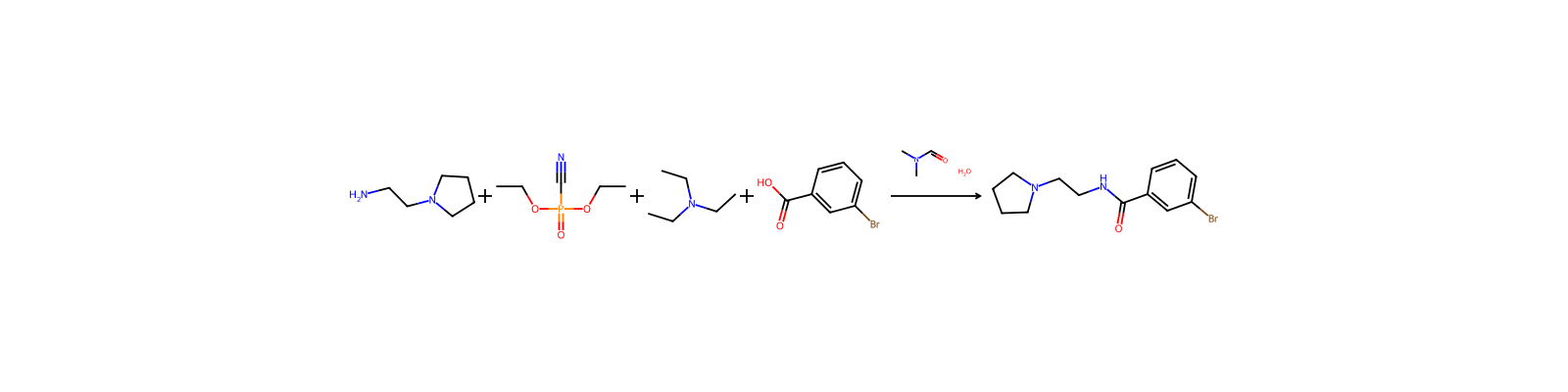
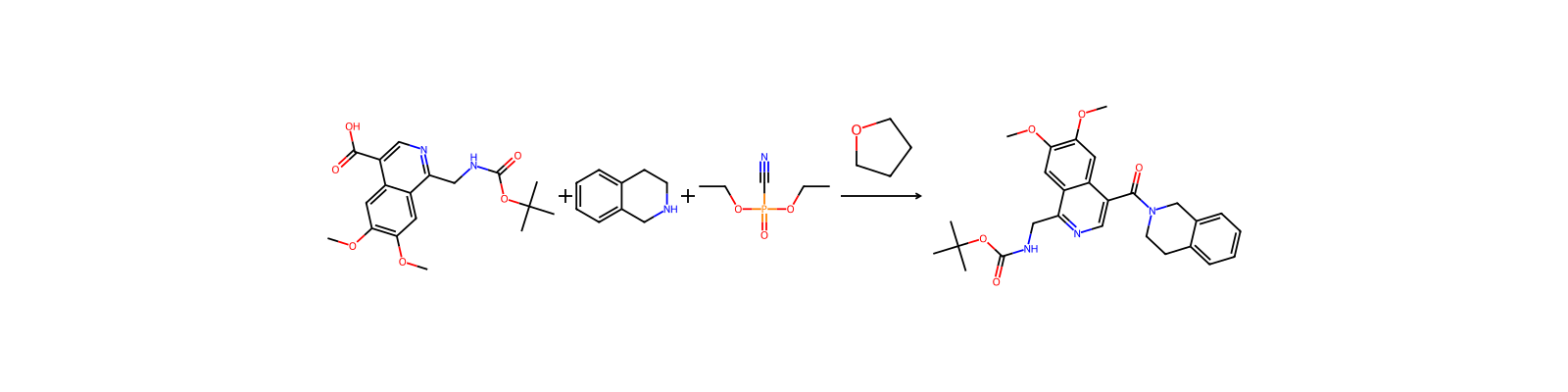
UsesReagent for solid phase peptide synthesis. [ChemIDplus]
Anwendungen
VerwendenDiethyl cyanophosphonate was used in the synthesis of 4-acylthiol-4-deoxy-4′-demethyl epipodophyllotoxin analogs. Coupling reagent for peptide synthesis. Reagent for the phosphorylation of phenols. Activating agent for fluorescent derivatization of carboxylic acids which allows separation by HPLC.
Vor- und nachgelagerte Produkte
Vorgelagerte Rohstoffe
Nachgelagerte Produkte
Anbieter50 Anbieter
南京波普生物医药研发有限公司025-87138562 18951783565 · [email protected]
梯希爱(上海)化成工业发展有限公司021-67121386 · [email protected]
阿诺西(上海)生物技术有限公司400-1107768 15058188853 · [email protected]
上海阿拉丁生化科技股份有限公司400-6206333 13167063860 · [email protected]
LIDE PHARMACEUTICALS LIMITED+852-55945652 · [email protected]
上海麦克林生化科技股份有限公司021-50706066 15221275939 · [email protected]
合肥翰刚医药科技有限公司+8618062405514 · [email protected]
上海毕得医药科技股份有限公司400-1647117 13681763483 · [email protected]
Suzhou ARTK Medchem Co., Ltd.+86-18168183658 · [email protected]
环生美森医药技术(山东)有限公司0531-88762217 18301471076 · [email protected]
Dayang Chem (Hangzhou) Co.,Ltd.+86-0571-88938639 17705817739 · [email protected]
Syntechem Co.,Ltd[email protected]
上海迈瑞尔生化科技有限公司4006356688 18621169109 · [email protected]
武汉易泰科技有限公司上海分公司18930552037 · [email protected]
阿法埃莎(中国)化学有限公司400-6106006 · [email protected]
安耐吉化学&3A(安徽泽升科技股份有限公司)400-0056266 · [email protected]
上海瀚鸿科技股份有限公司021-54306202 13764082696 · [email protected]
广东方信生物科技有限公司0751-2838688 13376594225 · [email protected]
南京诺利斯医药科技有限公司13901585132 · [email protected]
北京博奥森生物技术有限公司400-901-9800 18611424007 · [email protected]
苏州启航生物科技有限公司18662190603;18151111370 · [email protected]
山东西亚化学有限公司13355009207 13355009207 · [email protected]
HONG KONG IPURE BIOLOGY CO.,LIMITED86 18062405514 18062405514 · [email protected]
四川库利南科技有限公司400-1166-196 18981987031 · [email protected]
ZHEJIANG JIUZHOU CHEM CO., LTD+86-0576225566889 +86-13454675544 · [email protected];[email protected];[email protected]
湖南汇百侍生物科技有限公司0731-85526065 13308475853 · [email protected]
艾科试剂4008-755-333 18080918076 · [email protected]
上海思域化工科技有限公司86-21-34053660 · [email protected]
赛默飞世尔科技(中国)有限公司800-810-5118 · [email protected]
北京伊诺凯科技有限公司400-810-7969 010-59572699 · [email protected]
南京诺利斯医药科技有限公司13901585132 · [email protected]
江苏艾康生物医药研发有限公司025-66113011 13913916777 · [email protected]
TCI AMERICA800-4238616 · [email protected]
TOKYO CHEMICAL INDUSTRY CO., LTD.03-36680489 · [email protected]
TCI Europe320-37350700 · [email protected]
南京毕科生物科技有限公司025-58906079 15151970915 · [email protected]
Sigma-Aldrich西格玛奥德里奇(上海)贸易有限公司021-61415566 800-8193336 · [email protected]
天津荣燊化工有限公司18317763565; 18317763565 · [email protected]
九鼎化学(上海)科技有限公司4009209199 · [email protected]
韶远科技(上海)有限公司021-50795510 4000665055 · [email protected]
北京建强伟业科技有限公司(FUSION弗珍试剂品牌)0531-88924771 15614660963 · [email protected]
广东翁江化学试剂有限公司0751-2886766 13927870850 · [email protected]
上海珈得尔化学技术有限公司021-4007787-550 400-7787-550 · [email protected]
R&D Scientific Inc.+1-2266000236 · [email protected]
安阳鸿蒙新材料有限公司19588588067 · [email protected]
淄博百极荣创医药科技有限公司0533-6092686 13371592196 · [email protected]
嘉兴市浙嘉生物科技有限公司0573-85609002 · [email protected]
上海德欣致远生物技术有限公司58088081 18317173152 · [email protected]
成都润泽本土化工有限公司028-88469284 18000562381 · [email protected]
安阳鸿蒙新材料有限公司0372-19588588067 19588588067 · [email protected]
Zugehörige Reaktionen
1.001




Verknüpfte Notizen
Wird geladen…