
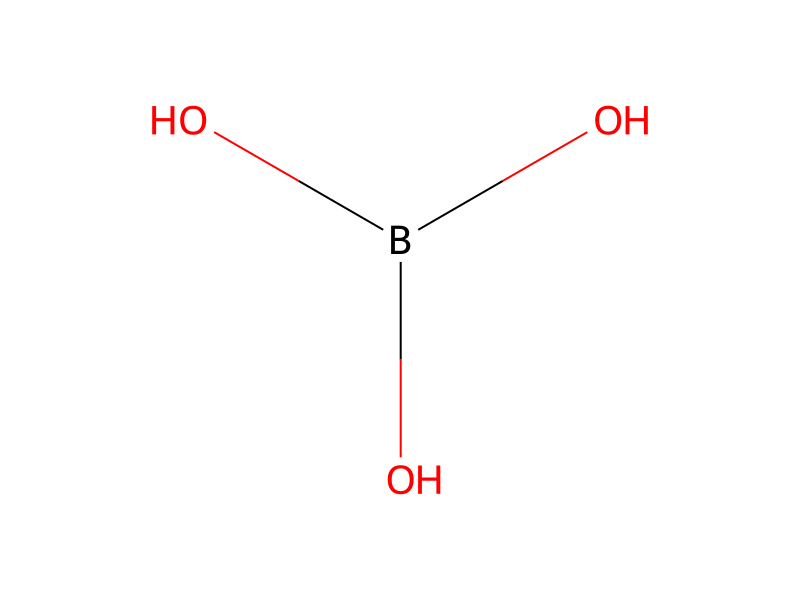
Grundinformationen
- Standard-SMILES
OB(O)O- InChIKey
KGBXLFKZBHKPEV-UHFFFAOYSA-N- Summenformel
- BH3O3
- Durchschnittliche Molmasse
- 61,84 g/mol
- Monoisotopische Masse
- 62,01752436
Überblick
Boric acid is an odorless white solid. Melting point 171 °C. Sinks and mixes with water. (USCG, 1999)
Namen und Bezeichner
- Bevorzugter Name
- Boric Acid
- IUPAC
- boric acid
- Lokaler Name
- Borsure
- Englischer Name
- Boric acid
- Summenformel
- BH3O3
- Molmasse
- 61.83
Namen und Synonyme
BORIC ACIDOrthoboric acid10043-35-3Boracic acidBorofaxBoron hydroxideBoric acid (H3BO3)Boron trihydroxideBasilit BThree ElephantBoric acid (BH3O3)Trihydroxyborane
Weitere Namen anzeigen
BORATE BUFFERboricBoric acid flakespengsuanTBE BUFFERBoricacid,99.8%
TrihydroxyboroneFlea PrufeSuper Flea EliminatorOrthoborsaeureBorsaeureBorsaureOrthoboric acid (B(OH)3)NCI-C56417
Datenbank-Bezeichner
- CAS
10043-35-3、11113-50-1、13813-79-1- PubChem CID
- 7628
- DTXSID
DTXSID1020194- ChEMBL
CHEMBL42403- ChEBI
CHEBI:33118- UNII
- R57ZHV85D4
- EC Number
- 233-139-2、234-343-4
- Nikkaji
- J43.588K
Eigenschaften
Berechnete Struktureigenschaften
- Polarare Oberfläche (TPSA)
- 60,7 Ų
- H-Brücken-Donoren
- 3
- H-Brücken-Akzeptoren
- 3
- Frei drehbare Bindungen
- 0
- Schwere Atome
- 4
- Formalladung
- 0
- Komplexität
- 8
Experimentelle und physikochemische Eigenschaften
Chemical ClassesMetals -> Metalloid Compounds (Boron)
Cosmetics
Cosmetic ingredients (Boric Acid) -> CIR (Cosmetic Ingredient Review)
Antimicrobial
pH
3,8-4,8 (3,3 % aqueous solution)
pH = 5.1 (0.1 Molar)
Pesticides
Insecticides
Active substance -> EU Pesticides database: Not approved
LogP
log Kow = 0.175
0.18
-1.09
OdorOdorless
TasteFaintly bitter
Food AdditivesLUBRICANT OR RELEASE AGENT -> FDA Substance added to food
Density
1.435 at 68 °F (USCG, 1999) - Denser than water; will sink
1.5 g/cu cm
Relative density (water = 1): 1.5
1.435
1.435 @25 °C
Color/Form
Colorless, transparent crystals or white granules or powder
Colorless triclinic crystals
White waxy triclinic solid plates
Solubility
10 to 50 mg/mL at 66 °F (NTP, 1992)
Soluble in hot water, partially soluble in cold water
Slightly unctuous to touch; volatile with steam; solubility in water increased by hydrochloric, citric or tartaric acids
Solubility: in glycerol 17.5% at 25 °C; ethylene glycol 18.5% at 25 °C; in methanol 173.9 g/L at 25 °C; in ethanol 94.4 g/L at 25 °C; in acetone 0.6% at 25 °C; ethyl acetate 1.5% at 25 °C
Water solubility: 2.52% at 0 °C; 3.49% at 10 °C; 4.72% at 20 °C; 6.23% at 30 °C; 8.08% at 40 °C; 10.27% at 50 °C; 12.97% at 60 °C; 15.75% at 70 °C; 19.10% at 80 °C; 23.27% at 90 °C; 27.53% at 100 °C
Solubility in water is increased by hydrochloric acid
Animal DrugsPharmaceuticals -> UK Veterinary Medicines Directorate List
Physikochemische Eigenschaften
- Schmelzpunkt
- 160 °C · 160 °C (dec.) (lit.)
- Siedepunkt
- 219 · 219-220 °C (9.7513 mmHg)
- Dichte
- 1.44 g/cm3 · 1.440 g/cm3
- Dampfdruck
- 2.6 mm · 2.6 mm Hg ( 20 °C)
- Brechungsindex
- 20 · n20/D 1.330-1.340
- storage temp.
- 5 °C · Store at +5°C to +30°C.
- Löslichkeit
- 2 O: · H2O: soluble
- Aggregatzustand
- working solution
- pka
- 8.91 · 8.91±0.43(Predicted)
- Wichte
- 1.435 · 1.435
- Farbe
- 10 · ≤10(APHA)
- PH
- 3.6 · 3.6-4.4 (25℃, saturated solution in H2O)
- Geruch (Odor)
- Odorless
- Wasserlöslichkeit
- 49.5 g/L · 49.5 g/L (20 ºC)
- Spezifische Wärmekapazität
- 1.39 J/ · Cp(crystal): 1.39 J/(g·K), at 25℃
- Merck
- 14 · 14,1336
- BRN
- 1697939 · 1697939
- Henry's Law Constant
- 3.8 · 3.8×106 mol/(m3Pa) at 25℃, HSDB (2015)
- Kosmetik-Inhaltsstoffe Funktionen
- BUFFERINGDENATURANTANTIMICROBIAL
- InChI
- 1S/BH3O3/c2-1(3)4/h2-4H
- InChIKey
- KGBXLFKZBHKPEV-UHFFFAOYSA-N
- SMILES
- OB(O)O
- LogP
- -1.09 at · -1.09 at 22℃
- CAS Datenbank
- 10043 · 10043-35-3(CAS DataBase Reference)
- NIST chemische Informationen
- 3 · B(OH)3(10043-35-3)
- EPA chemische Informationen
- Orthoboric acid (10043-35-3)
- Absorption
- 0.05 at · ≤0.05 at 260 in H2O at 1M≤0.05 at 280 in H2O at 1M
Sicherheit und Regulatorisches
GHS-Klassifizierung
GHS Classification
Danger
H360FD: May damage fertility; May damage the unborn child [Danger Reproductive toxicity]
P203, P280, P318, P405, and P501 (click each P-code to see the statement)
Danger
H360FD: May damage fertility; May damage the unborn child [Danger Reproductive toxicity]
P203, P280, P318, P405, and P501 (click each P-code to see the statement)
Gefahrenhinweise
Regulatory Information
Chemical: Boric acid (H3BO3)
Chemical: Boric acid
Hazard Traits - Reproductive Toxicity
Regulation (EC) No 257/2010
Boric acid (H3BO3) is listed on the EPA's Chemical Data Reporting (CDR) system. Manufacturers and importers of Boric acid (H3BO3) are required to report information about their production and use of this chemical to the EPA under the Toxic Substances Control Act (TSCA). (40 eCFR Part 711)
2004/129/EC
Other Safety Information
IMAP assessments - Boric acid and precursors to boric acid: Environment tier II assessment
IMAP assessments - Boric acid and precursors to boric acid: Environment tier II assessment
Fire Hazards
Literature sources indicate that this compound is nonflammable. (NTP, 1992)
Not combustible. Gives off irritating or toxic fumes (or gases) in a fire.
Fire PotentialNot flammable
Health Hazards
Although no adverse effects have been reported from inhaling boric acid dust, it is absorbed through mucous membranes. Ingestion of 5 grams or more may irritate gastrointestinal tract and affect central nervous system. Contact with dust or aqueous solutions may irritate eyes; no chronic effects have been recognized, but continued contact should be avoided. Dust and solutions are absorbed through burns and open wounds but not through unbroken skin. (USCG, 1999)
Hazards Summary
In typical cases of poisoning by ingestion, the victims have vomiting and diarrhea, skin desquamation, mucosal erosions, and injury to the liver and kidneys; Evidence of neurotoxicity includes seizures, delirium, and coma. The mechanism of toxicity is not known. [Ford, p. 750-1] A skin irritant; [Quick CPC] In high-dose reproductive studies of animals, boric acid causes testicular damage and fetal loss. [Frazier, p. 252-4] The basis for the TLV for inorganic borate compounds (including boric acid) is irritation of the nose and respiratory tract. Studies of workers exposed to sodium borate dusts found no evidence of pulmonary function or reproductive impairment. [ACGIH] A skin, eye, and respiratory tract irritant; May have effects on the GI tract, liver, and kidneys; Can be absorbed through skin; May cause adverse effects to human reproduction, based on animal studies; [ICSC] Not likely to pose a hazard to human reproduction, based on usual human exposures being well below the doses considered to have adverse effects on reproduction; [REPROTOX] A mild skin irritant; May cause reproductive effects; [Alfa Aesar MSDS] See Boron.
FDA Requirements
Boric acid is an indirect food additive for use only as a component of adhesives.
Drug products containing certain active ingredients offered over-the-counter (OTC) for certain uses. A number of active ingredients have been present in OTC drug products for various uses, as described below. However, based on evidence currently available, there are inadequate data to establish general recognition of the safety and effectiveness of these ingredients for the specified uses: boric acid is included in topical acne drug products; dandruff/seborrheic dermatitis/psoriasis drug products; skin protectant drug products; astringent drug products; fever blister and cold sore treatment drug products; insect bite and sting drug products; poison ivy, poison oak, poison sumac drug products; ophthalmic anti-infective drug products; diaper rash drug products; and antiseptic drug products.
Reactive GroupAcids, Weak
EC ClassificationR: 60-61; S: 53-45; Symbol: T
Special Reports
Siegel E, Wason S; Pediatr Clin North Am 33 (2): 363-67 (1986)
USEPA/OWRS; Quality Criteria for Water 1986 Boron (1986) EPA 440/5-86-001
DHHS/ATSDR; Toxicological Profile for Boron (1992) ATSDR/TP-91/05
DHHS/NTP; Toxicology and Carcinogenesis Studies of Boric Acid (CAS No. 10043-35-3) in B6C3F1 Mice (Feed Studies) Technical Report Series No. 324 (1987) NIH Publication No. 88-2580[Available from, as of April 4, 2003: http://ntp.niehs.nih.gov/ntp/htdocs/LT_rpts/tr324.pdf]
For more Special Reports (Complete) data for BORIC ACID (7 total), please visit the HSDB record page.
EPA Safer ChemicalChemical: Orthoboric acid
FIFRA Requirements
Residues of boric acid are exempted from the requirement of a tolerance when used in accordance with good agricultural practice as inert (or occasionally active) ingredients in pesticide formulations applied to growing crops only. Use: sequestrant. Limit: none.
An exemption from the requirement of a tolerance is established for residues of the pesticidal chemical boric acid and its salts, borax (sodium borate decahydrate), disodium octaborate tetrahydrate, boric oxide (boric anhydride), sodium borate and sodium metaborate, in or on raw agricultural commodities when used as an active ingredient in insecticides, herbicides, or fungicides preharvest or postharvest in accordance with good agricultural practices.
Based on the reviews of the generic data for the active ingredients of boric acid and its sodium salts, the Agency has sufficient information on the health effects of boric acid and its sodium salts and their potential for causing adverse effects in fish and wildlife and the environment. Therefore, the Agency concludes that products containing boric acid and its sodium salts for all uses are eligible for reregistration. The Agency has determined that boric acid and its sodium salts, labeled and used as specified in the RED document, will not pose unreasonable risks or adverse effects to humans or the environment.
As the federal pesticide law FIFRA directs, EPA is conducting a comprehensive review of older pesticides to consider their health and environmental effects and make decisions about their continued use. Under this pesticide reregistration program, EPA examines newer health and safety data for pesticide active ingredients initially registered before November 1, 1984, and determines whether the use of the pesticide does not pose unreasonable risk in accordance to newer saftey standards, such as those described in the Food Quality Protection Act of 1996. Borax is found on List A, which contains most food use pesticides and consists of the 194 chemical cases (or 350 individual active ingredients) for which EPA issued registration standards prior to FIFRA '88. Case No: 0024; Pesticide type: insecticide, fungicide herbicide; Registration Standard Date: 11/01/85; Case Status: RED Approved 9/93; OPP has made a decision that some/all uses of the pesticide are eligible for reregistration, as reflected in a Reregistration Eligibility Decision (RED) document .; Active ingredient (AI): boric acid; Data Call-in (DCI) Date(s): 2/16/94; AI Status: OPP has completed a Reregistration Eligibility Decision (RED) for the case/AI.
Sicherheit und Schutzausrüstung
Fire Fighting
Fire Extinguishing Agents: Water fog. (USCG, 1999)
In case of fire in the surroundings, use appropriate extinguishing media.
First Aid Measures
Fresh air, rest.
Rinse and then wash skin with water and soap.
Rinse with plenty of water (remove contact lenses if easily possible).
Rinse mouth. Do NOT induce vomiting. Refer immediately for medical attention.
First Aid
EYES: First check the victim for contact lenses and remove if present. Flush victim's eyes with water or normal saline solution for 20 to 30 minutes while simultaneously calling a hospital or poison control center. Do not put any ointments, oils, or medication in the victim's eyes without specific instructions from a physician. IMMEDIATELY transport the victim after flushing eyes to a hospital even if no symptoms (such as redness or irritation) develop.
Safe StorageSeparated from strong bases.
Exposure Control and Personal Protection10.0 [mg/m3], inhalable fraction[German Research Foundation (DFG)]
Storage ConditionsPreserve in well-closed containers.
Nonfire Spill Response
SMALL SPILLS AND LEAKAGE: If you spill this chemical, you should dampen the solid spill material with water, then transfer the dampened material to a suitable container. Use absorbent paper dampened with water to pick up any remaining material. Seal your contaminated clothing and the absorbent paper in a vapor-tight plastic bag for eventual disposal. Wash all contaminated surfaces with a strong soap and water solution. Do not reenter the contaminated area until the Safety Officer (or other responsible person) has verified that the area has been properly cleaned.
Disposal Methods
SRP: The most favorable course of action is to use an alternative chemical product with less inherent propensity for occupational exposure or environmental contamination. Recycle any unused portion of the material for its approved use or return it to the manufacturer or supplier. Ultimate disposal of the chemical must consider: the material's impact on air quality; potential migration in soil or water; effects on animal, aquatic, and plant life; and conformance with environmental and public health regulations.
Spillage Disposal
Personal protection: particulate filter respirator adapted to the airborne concentration of the substance. Sweep spilled substance into covered containers. If appropriate, moisten first to prevent dusting. Wash away remainder with plenty of water.
Preventive Measures
SRP: The scientific literature for the use of contact lenses by industrial workers is inconsistent. The benefits or detrimental effects of wearing contact lenses depend not only upon the substance, but also on factors including the form of the substance, characteristics and duration of the exposure, the uses of other eye protection equipment, and the hygiene of the lenses. However, there may be individual substances whose irritating or corrosive properties are such that the wearing of contact lenses would be harmful to the eye. In those specific cases, contact lenses should not be worn. In any event, the usual eye protection equipment should be worn even when contact lenses are in place.
Containers of boric acid should bear an autoclavable poison label.
Avoid depositing product onto exposed food and feed processing, preparation and serving surfaces, or introducing material into air. Do not apply when food processing facility is in operation. Any product visible after application must be brushed into cracks and crevices, or removed. Place product in areas that are inaccessible to children and pets.
Eye PreventionWear safety spectacles or eye protection in combination with breathing protection.
Inhalation RiskEvaporation at 20 °C is negligible; a harmful concentration of airborne particles can, however, be reached quickly , especially if powdered.
Toxikologische Informationen
Body Burden
In serum (children): Conventional reference range: < 7 mg/L; international recommended reference range: < 119 umol/L /From table, borate/
In serum (male adult): Conventional reference range: < 2 mg/L; international recommended reference range: < 34 umol/L /From table, borate/
In serum (toxic concn): Conventional reference range: > 20 mg/L; international recommended reference range: > 340 umol/L /From table, borate/
Treatment
EYES: irrigate opened eyes for several minutes under running water. INGESTION: do not induce vomiting. Rinse mouth with water (never give anything by mouth to an unconscious person). Seek immediate medical advice. SKIN: should be treated immediately by rinsing the affected parts in cold running water for at least 15 minutes, followed by thorough washing with soap and water. If necessary, the person should shower and change contaminated clothing and shoes, and then must seek medical attention. INHALATION: supply fresh air. If required provide artificial respiration.
Interactions
... Genetic effects of boric acid and borax (2.5, 5 and 10 microm) on cultures with and without TiO(2) addition. No significant increase in /sister-chromatid exchanges/ (SCE) and micronuclei frequencies were observed at all concentrations of boron compounds. However, TiO(2)-induced SCE and micronuclei could be reduced significantly by the presence of boric acid and borax. In conclusion, this study indicated for the first time that boric acid and borax led to an increased resistance of DNA to damage induced by TiO(2).
Boric acid enhanced action of hypnotics, but devoid of activity itself.
The usefulness of N-acetylcysteine (NAC) as a chelating agent was studied for ... boric acid. Mature Sprague-Dawley rats were intoxicated; urinary excretion rates of intoxicant and total urine volume were determined during treatment. N-acetylcysteine proved to be the most effective agent at increasing the excretion of boron and was also able to reverse the oliguria associated with this chemical.
... Previous results have shown that exposure of pregnant rats on GD10 to either hyperthermia (42C) or boric acid (BA) specifically targets segmentation patterns. Exposure to hyperthermia increased the prevalence of fused and/or reduced numbers of vertebrae and ribs, primarily in the thoracic area. BA (500-1000 mg/kg, single oral dose) resulted in a significant increase in segmentation defects similar to those seen after hyperthermia, with a greater incidence in lumbar defects. In this study, we focused on the interaction of these two agents and their effects on axial skeletal development. Pregnant rats were treated on GD10 as follows: Anesthesia with Nembutal (30 mg/kg), followed by oral dosing with either water or BA (500 mg/kg) and immersion in a water bath at 37C (30 min) or 42C (rectal temp maintained at 42C for 5 min). After delivery, pups were evaluated on postnatal day (PND) 1 and 3 for number, sex, and weight. No differences were seen in litter size, pup survival, or pup weight in any of the groups. On PND3, pups were examined and processed for skeletal staining with alizarin red and alcian blue. Preliminary data indicate an increase in skeletal alterations with BA+37C (47%), water+42C (75%), or BA+42C (67%), as compared to water+37C controls (0%). Alterations included defects in ribs and vertebrae and a decrease in the number of presacral vertebrae. Because the incidence of segmentation defects in the water+42C group was high, any interaction between BA and hyperthermia might have been obscured...
Ecotoxicity Values
LC50; Species: Oncorhynchus mykiss (Rainbow trout); Concentration: 100 ppm for 96 hr (soft water); exposure was initiated subsequent to fertilization and maintained through 4 days posthatching /Conditions of bioassay not specified in source examined/
LC50; Species: Oncorhynchus mykiss (Rainbow trout); Concentration: 79 ppm for 96 hr (hard water); exposure was initiated subsequent to fertilization and maintained through 4 days posthatching /Conditions of bioassay not specified in source examined/
LC50; Species: Ictalurus punctatus (Channel catfish); Concentration: 155 ppm for 96 hr (soft water); exposure was initiated subsequent to fertilization and maintained through 4 days posthatching /Conditions of bioassay not specified in source examined/
LC50; Species: Ictalurus punctatus (Channel catfish); Concentration: 22 ppm for 96 hr (hard water); exposure was initiated subsequent to fertilization and maintained through 4 days posthatching /Conditions of bioassay not specified in source examined/
For more Ecotoxicity Values (Complete) data for BORIC ACID (46 total), please visit the HSDB record page.
Environmental Fate
TERRESTRIAL FATE: The pKa of boric acid is 9.24 at 25 °C(1), indicating that this compound will exist primarily in the undissociated form at an environmental pH range between pH 5 and pH 9, although the anion form will partially exist in alkaline soils(SRC). Adsorption of boron in soils depends on pH, organic content and types of clay and minerals in the soil(1). At acidic pH, boron exists in solutions in the form of undissociated boric acid; at alkaline pH, presence of borate ion occurs, which reaches maximum adsorption at pH 8.5-9(2). Field studies have observed boron to leach readily in soil(1); undissociated boric acid is transported in soil with little adsorption(2). Volatilization of boric acid from moist soil surfaces is not expected to be an important fate process(SRC) given an estimated Henry's Law constant of 2.6X10⁻¹² atm-cu m/mole(SRC), based upon its vapor pressure, 1.6X10⁻⁶ mm Hg(3), and water solubility, 5X10+4 mg/L(4). Boric acid is not expected to volatilize from dry soil surfaces(SRC) based upon its vapor pressure. No biotransformation processes have been reported for boron compounds, including boric acid(2).
AQUATIC FATE: The pKa of boric acid is 9.24 at 25 °C(1), indicating that this compound will exist primarily in the undissociated form at an environmental pH range between 5 and 9, although the anion form will partially exist in alkaline waters(SRC). Boric acid leaches readily in soils(2) which indicates adsorption to suspended solids and sediment in water will not be an important fate process(SRC). Volatilization from water surfaces is not expected(3) based upon an estimated Henry's Law constant of 2.6X10⁻¹² atm-cu m/mole(SRC), derived from its vapor pressure, 1.6X10⁻⁶ mm Hg(4), and water solubility, 5X10+4 mg/L(5). However, evaporation of seawater itself is reported to be the biggest environmental contribution of boric acid to air(2). No biotransformation processes have been reported for boron compounds, including boric acid(2).
ATMOSPHERIC FATE: According to a model of gas/particle partitioning of semivolatile organic compounds in the atmosphere(1), boric acid, which has a vapor pressure of 1.6X10⁻⁶ mm Hg at 25 °C(2), will exist in both the vapor and particulate phases in the ambient atmosphere. One monitoring study found that approximately 90% of boric acid in the atmosphere is in gaseous form and 10% in particulate form(3). Vapor-phase boric acid is degraded in the atmosphere by reaction with photochemically-produced hydroxyl radicals(SRC); the half-life for this reaction in air is estimated to be about 38 days(SRC), calculated from its rate constant of 4.2X10⁻¹³ cu cm/molecule-sec at 25 °C(SRC) that was derived using a structure estimation method(4). Particulate-phase boric acid may be removed from the air by wet or dry deposition(SRC).
Adverse EffectsNeurotoxin - Other CNS neurotoxin
Exposure RoutesThe substance can be absorbed into the body by inhalation of dust and by ingestion.
Toxicity Summary
The Expert Panel concludes that Sodium Borate and Boric Acid, in concentrations less than or equal to 5 percent, are safe as cosmetic ingredients when used as currently recommended; however, cosmetic formulations containing free Sodium Borate or Boric Acid at this concentration should not be used on infant skin or injured skin. Note: In 2003, the CIR Expert Panel considered available new data on these ingredients and reaffirmed the above conclusion.
Safe for use in cosmetics, with qualifications
Ecotoxicity Excerpts
/AQUATIC SPECIES/ As a contribution to the investigation of properties of macrophytic water plants as bio-indicators the submerged softwater-macrophytes Myriophyllum alterniflorum, Ranunculus penicillatus and Elodea canadensis were polluted in an aquarium system with oligotrophic, Ca-poor water up to 4 wk with increasing concentrations of /boron/ (B) (H3BO3-/boric acid/) and with different compounds of B. The effect of the test substances was measured as a change of the net photosynthesis. Low B concentrations up to 2 mg B/L, which can be found in highly polluted waters, had only a small negative effect on R. penicillatus and E. canadensis. Stronger damages occurred with 5 mg B/l on M. alterniflorum and with 10 mg/L on the other 2 spp. The toxicity of different B compounds to E. canadensis at 2 mg B/L increased from boric acid and perborate to metaborate and borax. Boron trioxide had no negative influence after 21 test days in comparison with the control. Ecophysiological tests demonstrated that M. alterniflorum is a highly competitive species in oligotrophic softwater. The opinion of B as an environmental hazard has to be revised. At least in softwater systems, B had a much higher toxicity than formerly assumed.
/AQUATIC SPECIES/ A static renewal procedure, with batch-wise replacement of test and control solutions at regular intervals...was... /conducted using Daphnia magna/. ... There were 4 replicates for each test concentration and the control, resulting in 5 daphnids per replicate or a total of 20 organisms per concentration. ...The chronic study began by placing one neonate in each tube, where the daphnid remained for the entire study. Each Monday, Wednesday, and Friday the young produced by each adult were counted and discarded, and adult survival was recorded. In addition, on the same days, the dissolved oxygen, pH, and temperature in each test concentration and the control were measured and recorded. After enumeration of the young, the adults were transferred to clean beakers containing fresh test and control solutions, in addition to a new supply of food. The boric acid test concentrations used for the chronic test were 7, 14, 28, 56, and 105 mg/L as boron. ...The mean boron concentration was 0, 6.4, 13.6, 29.4, and 59.3 at 0, 7, 14, 28, and 56 mg/L, respectively. ...Throughout the chronic test the dissolved oxygen and temperature ranged from 7.3-8.0 mg/L and 19.5-20.5 °C, respectively. Mortality during the 21-day test was 0, 0, 10, 5, and 40% at 0, 7, 14, 28, and 56 mg/L, respectively. /No/... daphnids exposed to the highest concentration of boric acid (105 mg/L as boron) ... survived to reproductive age. Time to first reproduction was not affected by the test concentrations. The mean number of broods per daphnid, mean total young per daphnid, mean brood size per daphnid, and mean size all differed significantly from control at 13.6 mg/L. It appeared that the most biologically, as well as statistically, important endpoints for this study were those associated with reproduction and growth. Therefore, determination of the /maximum acceptable toxicant concentration/ (MATC) was based on the endpoints of mean total young per replicate, mean brood size, and mean size. The MATC of boric acid was estimated to lie between 6.4 and 13.6 mg/L as boron.
/AQUATIC SPECIES/ Static 96-hr exposures /of Oncorhynchus tshawytscha (Chinook salmon) and Oncorhynchus kisutch (Coho salmon)/ were conducted in 19.6-L glass jars containing 15 L of test solution /of boric acid/ and maintained at 12 +/-1 °C in temperature-controlled water baths. Each test consisted of exposing groups of 10 fish to a series of toxicant concentrations that differed by 60% between treatments, and a control. For large, advanced fry, duplicate sets of jars were used and only 5 fish were stocked in each jar to maintain loading densities of 0.8 g/L or lower. Observations of mortality and abnormal behavioral responses were made at 24-hour intervals, and all dead fish were removed after each observation. In 1 set of tests, 2 life stages of Chinook salmon and Coho salmon were tested with boric acid. One life stage composed of swim-up fry 8-12 weeks old (post hatch) tested in fresh water. The 2nd life stage composed of advanced fry 15-21 weeks old tested in brackish water. Chinook salmon were also tested in soft water. In tests conducted in the 2 site-specific waters, pH was measured at the beginning and end of the test. Eyed eggs, alevins, and swim-up fry of Chinook salmon were tested in soft water to determine the relative sensitivity of those various life stages to boron. ...Groups of 25 eggs, 10 alevins, or 10 swim-up fry were exposed to a series of toxicant concentrations that differed by 56% between treatments, and a control. Criteria of death for eggs were the presence of an opaque (whitened) membrane. Alevins were examined under 30x magnification for the absence of a heartbeat, which was the criterion for death. The 24-hr LC50 of Chinook and Coho salmon (fresh or brackish water) was >1000 mg/L. Boron was relatively non-toxic. Young Coho salmon tested in fresh water were less tolerant than older fish tested in brackish water and Chinook salmon tested in either dilution water. The relative sensitivity of various early life stages of Chinook salmon to boron changed significantly as the fish developed. Fry were consistently more sensitive than either the embryos or alevins to boron. The pH in test concentrations and controls were not markedly different, ranging from 6.5 to 8.1. No significant differences in 96-hr LC50 values were found among dilution water qualities, thus indicating that differences in water quality characteristics tested did not modify the toxicity of these chemicals.
/AQUATIC SPECIES/ /Water flea/ screening test was performed for 48-hours /in which Ceriodaphnia dubia were exposed/ to nominal concentrations of 0, 0.10, 1, 10, 100, and 1000 mg/L /boric acid, purity >99%/. At the end of the test there was 0% survival at 1000 mg/L, 10% survival at 100 mg/L, and 100% survival at all lower concentrations. ...Water quality parameters were within acceptable limits throughout the study. Dissolved oxygen concentrations were always above 7.8 mg/L. During the test, the mean temperature was 24.4 °C, the mean conductivity was 350 umhos/cm, and the pH ranged from 7.1 to 8.3. Hardness ranged from 88 to 100 mg/L in control vessels and from 88 to 108 mg/L in vessels containing 100 mg/L of the test substance. Alkalinity ranged from 16 to 21 mg/L in control vessels and from 16 to 23 mg/L in vessels containing 100 mg/L of the test substance. The percentage of surviving adults was not significantly reduced at any tested concentration, and sublethal effects were not observed at any concentration. The mean number of young per surviving adult was significantly lower than the control at the 3 highest tested concentrations (25, 50, and 100 mg/L). The most sensitive biological endpoint was production of young. The NOEC, LOEC, and MATC were 12.5, 25, and 17.7 mg/L, respectively.
For more Ecotoxicity Excerpts (Complete) data for BORIC ACID (12 total), please visit the HSDB record page.
Signs and Symptoms
Cough. Sore throat.
No acute symptoms expected.
Redness. Pain.
Nausea. Vomiting. Diarrhoea. Abdominal pain. Skin rash. Headache. Drowsiness. Convulsions.
Ongoing Test Status
The following link will take the user to the National Toxicology Program (NTP) Test Agent Search Results page, which tabulates all of the "Standard Toxicology & Carcinogenesis Studies", "Developmental Studies", and "Genetic Toxicity Studies" performed with this chemical. Clicking on the "Testing Status" link will take the user to the status (i.e., in review, in progress, in preparation, on test, completed, etc.) and results of all the studies that the NTP has done on this chemical.[Available from: http://ntp-apps.niehs.nih.gov/ntp_tox/index.cfm?fuseaction=ntpsearch.searchresults&searchterm=10043-35-3]
Medical SurveillanceNo specific considerations are needed for boric acid or borates except for general health and liver and kidney function. /Boric acid and borates/
Regulatorische Informationen
FDA Requirements
Boric acid is an indirect food additive for use only as a component of adhesives.
Drug products containing certain active ingredients offered over-the-counter (OTC) for certain uses. A number of active ingredients have been present in OTC drug products for various uses, as described below. However, based on evidence currently available, there are inadequate data to establish general recognition of the safety and effectiveness of these ingredients for the specified uses: boric acid is included in topical acne drug products; dandruff/seborrheic dermatitis/psoriasis drug products; skin protectant drug products; astringent drug products; fever blister and cold sore treatment drug products; insect bite and sting drug products; poison ivy, poison oak, poison sumac drug products; ophthalmic anti-infective drug products; diaper rash drug products; and antiseptic drug products.
FIFRA Requirements
Residues of boric acid are exempted from the requirement of a tolerance when used in accordance with good agricultural practice as inert (or occasionally active) ingredients in pesticide formulations applied to growing crops only. Use: sequestrant. Limit: none.
An exemption from the requirement of a tolerance is established for residues of the pesticidal chemical boric acid and its salts, borax (sodium borate decahydrate), disodium octaborate tetrahydrate, boric oxide (boric anhydride), sodium borate and sodium metaborate, in or on raw agricultural commodities when used as an active ingredient in insecticides, herbicides, or fungicides preharvest or postharvest in accordance with good agricultural practices.
Based on the reviews of the generic data for the active ingredients of boric acid and its sodium salts, the Agency has sufficient information on the health effects of boric acid and its sodium salts and their potential for causing adverse effects in fish and wildlife and the environment. Therefore, the Agency concludes that products containing boric acid and its sodium salts for all uses are eligible for reregistration. The Agency has determined that boric acid and its sodium salts, labeled and used as specified in the RED document, will not pose unreasonable risks or adverse effects to humans or the environment.
As the federal pesticide law FIFRA directs, EPA is conducting a comprehensive review of older pesticides to consider their health and environmental effects and make decisions about their continued use. Under this pesticide reregistration program, EPA examines newer health and safety data for pesticide active ingredients initially registered before November 1, 1984, and determines whether the use of the pesticide does not pose unreasonable risk in accordance to newer saftey standards, such as those described in the Food Quality Protection Act of 1996. Borax is found on List A, which contains most food use pesticides and consists of the 194 chemical cases (or 350 individual active ingredients) for which EPA issued registration standards prior to FIFRA '88. Case No: 0024; Pesticide type: insecticide, fungicide herbicide; Registration Standard Date: 11/01/85; Case Status: RED Approved 9/93; OPP has made a decision that some/all uses of the pesticide are eligible for reregistration, as reflected in a Reregistration Eligibility Decision (RED) document .; Active ingredient (AI): boric acid; Data Call-in (DCI) Date(s): 2/16/94; AI Status: OPP has completed a Reregistration Eligibility Decision (RED) for the case/AI.
State Drinking Water Guidelines
(CA) CALIFORNIA 1000 ug/L /Boron/
(NH) NEW HAMPSHIRE 630 ug/L /Boron/
(ME) MAINE 1,400 ug/L /Boron/
(MN) MINNESOTA 1,000 ug/L /Boron/
(WI) WISCONSIN 960 ug/L /Boron/
Federal Drinking Water GuidelinesEPA 600 ug/L /Boron/
Sicherheitsdaten
- F
- 3
- wgk
- 2
- tsca
- TSCA listed
- hs_code
- 28100090
- RTECS-Nr.
- ED4550000
- risk_code
- 36/37/38-60-63-62-61
- Toxizität
- LD50 orally in rats: 5.14 g/kg (Smyth).
- hazard_code
- Xi,T,Xn
- safety_code
- 26-36-53-45-37/39-36/37/39-22-24/25-23
- Speicherklasse
- 6.1C - Combustible acute toxic Cat.3toxic compounds or compounds which causing chronic effects
- Giftige Stoffe Daten
- 10043-35-3(Hazardous Substances Data)
- Hazard Classifications
- Repr. 1B
Chemie und Industrie
Pharmakologische Informationen
ATC Code
S - Sensory organs
QS - Sensory organs
Protein BindingNo protein binding reported.
PharmacodynamicsBoric acid exhibits minimal bacteriostatic and antifungal activities. Boric acid is likely to mediate antifungal actions at high concentrations over prolonged exposures.
Mechanism of Action
Information regarding the mechanism of action of boric acid in mediating its antibacterial or antifungal actions is limited. Boric acid inhibits biofilm formation and hyphal transformation of _Candida albicans_, which are critical virulence factors. In addition, arrest of fungal growth was observed with the treatment of boric acid.
Boric acid and its derivatives have been shown to promote riboflavinuria in both animals and man. Boric acid complexes with the polyhydroxyl ribitol side chain of riboflavin and greatly increases its water solubility.
Biological Half-Life
According to human cases of poisoning, the elimination half-life of boric acid ranges from 13 to 24 hours.
The kinetics of elimination of boron have been evaluated in human volunteers given boric acid via the intravenous and oral routes. The half-life for elimination was the same by either route in these studies and was approximately 21 hr.
A mean half-life of 13.4 hours (range, 4 to 28 hours) was reported in nine human cases of poisoning /with boric acid/.
In humans, the reported excretion half-life is between 13 and 21 hr.
The elimination half-life reported for rats is 4.6 hr.
... Excretion is relatively rapid, occurring over a period of a few to several days, with a half-life of elimination of 24 hr or less.
Metabolism/Metabolites
No metabolic pathways reported.
Metabolism of inorganic borates by biological systems is not feasible owing to the excessive energy (523 kJ/mol) required to break the boron-oxygen bond. Inorganic borates, in low concentrations, convert to boric acid at physiological pH in the aqueous layer overlying mucosal surfaces prior to absorption. This is supported by the evidence in both human and animal studies, where more than 90% of the administered dose of borate is excreted as boric acid. There is evidence in both in vitro and in vivo systems that boric acid has an affinity for cis-hydroxyl groups, and this may be the mechanism that explains the biological effects of boric acid. However, this attachment is known to be reversible and concentration dependent, responding to clearance mechanisms.
MeSH Pharmacological ClassificationPesticides designed to control insects that are harmful to man. The insects may be directly harmful, as those acting as disease vectors, or indirectly harmful, as destroyers of crops, food products, or textile fabrics.
Absorption, Distribution and Excretion
Boric acid is well absorbed from the gastrointestinal tract, open wounds, and serous cavities but displays limited absorption in intact skin. Following intraperitoneal injection in mice, the peak concentration was reached in about 1.0-1.5 hr in the brain whereas the value was 0.5 hr in other tissues.
Regardless the route of administration, boric acid predominantly undergoes rapid renal excretion of >90% of total administered dose as unchanged form. Small amounts are also excreted into sweat, saliva, and feces. Following administration as ointment, urinary excretion of boric acid accounted for only 1% of the administered dose.
Volume of distribution ranges from 0.17 to 0.5 L/kg in humans, where large amounts of boric acid are localized in brain, liver, and kidney.
A case report of acute boric acid poisoning following oral ingestion of 21 g of boric acid presents the total body clearance of 0.99 L/h before hemodialysis.
Boric acid is readily absorbed from GI tract, serous cavities, and abraded or inflamed skin. It does not penetrate intact skin. Approximately 50% of given dose is excreted within 24 hr. During chronic administration, plateau in urinary excretion is reached only after 2 wk. ... Large amounts of boric acid are localized in brain, liver, and kidney. ... Intracytoplasmic inclusions in pancreas /have been noted/ in fatal cases. /Boric acid/
In animals, boric acid has been shown to be readily absorbed from the GI tract. Among the species studied were rats, rabbits, sheep, and cattle.
Cellular LocationsCytoplasm
Verwendung und Herstellung
Uses
CIR ingredient: Boric Acid
Used as an insecticide to kill ants and roaches, as a soldering flux, a flame retardant and weatherproofing agent; also used as an additive to dyes, nickeling baths, film developers, glass, enamels, soaps, paints, paper, adhesives, and steel; [HSDB] Used as a flux, an additive for heat-resistant borosilcate glass and glass fibers, a flame retardant for textile and insulation products, a fungicide for citrus fruits, an eye medicine, and a solute for nickel electroplating baths; Boric acid is formed by crystallizing a solution of hydrochloric acid or sulfuric acid and borax. [Hawley] Used for weatherproofing wood, as a preservative, in cosmetics, printing and dyeing, electric condensers, photography, and painting, for impregnating wicks and hardening steel, and to make cements, crockery, porcelain, borates, leather, carpets, hats, and artificial gems; Used therapeutically as an astringent and antiseptic and as a veterinary antibacterial and antifungal; [Merck Index] Registered US pesticide uses include insecticides (stomach poisons for ants, cockroaches, silverfish, and termites), fungicides (wood preservatives), and herbicides (desiccants, photosynthesis interrupters, and algae control in swimming pools and sewage systems); [Reference #1]
Steel Producing [Category: Industry]
Both oil base and water base fracturing fluids are being used in the fracturing industry. Water base, which includes alcohol-water mixtures and low strength acids, make up the majority of treating fluids. The common chemicals added to these fluids are polymers for viscosity development, crosslinkers for viscosity enhancement, pH control chemicals, gel breakers for polymer degradation following the treatment, surfactants, clay stabilizers, alcohol, bactericides, fluid loss additives and friction reducer. /Hydraulic fracturing/
Hydraulic fracturing uses a specially blended liquid which is pumped into a well under extreme pressure causing cracks in rock formations underground. These cracks in the rock then allow oil and natural gas to flow, increasing resource production. ... Chemical Name: Boric acid; Chemical Purpose: Maintains fluid viscosity as temperature increases; Product Function: Crosslinker.
For boric acid (USEPA/OPP Pesticide Code: 011001) ACTIVE products with label matches. /SRP: Registered for use in the U.S. but approved pesticide uses may change periodically and so federal, state and local authorities must be consulted for currently approved uses./
ImpuritiesThe principal impurities in technical grade boric acid are the by-product sulfate (0.1%) and various minor metallic impurities present in the borate ore /technical grade/
U.S. Exports
(1972) 1.72X10+11 G (PLUS SODIUM BORATES)
(1975) 1.91X10+10 G
(1984) 3.63X10+10 g
(1987) 5.95X10+4 content ton
For more U.S. Exports (Complete) data for BORIC ACID (9 total), please visit the HSDB record page.
U.S. Imports
(1984) 7.03x10+9 g
(1986) 12.28x10+6 lb
(1985) 10 short tons
(1986) 6 short tons
For more U.S. Imports (Complete) data for BORIC ACID (11 total), please visit the HSDB record page.
U.S. Production
2023: 500,000,000 - <1,000,000,000 lb
(1972) 6.17X10+10 G
(1975) 6.81X10+10 G
Production volumes for non-confidential chemicals reported under the Inventory Update Rule. [Table#3175]
Production volume for non-confidential chemicals reported under the 2006 Inventory Update Rule. Chemical: Boric acid. Aggregated National Production Volume: 100 to < 500 million pounds.
Consumption Patterns
Textile-grade glass fibers, 35%; borosilicate glasses, 20%; fire retardants, 15%; enamels, fruits and glazes, 7%; metallurgy, 5%; adhesives, 3%; miscellaneous, 15% (1984)
Boron oxide & boric acid combined: 20% is used in textile glass fibers; 19% as a flux in enamels, frits, & glazes; 9% in glasses; 1% as a herbicide; 51% in misc applications, including use as a catalyst in oxidation of hydrocarbons, as a conditioning agent, & in manufacture of other boron compounds (1969)
Consumer UsesChemical reaction regulator
Industry UsesProcessing aids not otherwise specified
Methods of Manufacturing
Boric acid is manufactured industrially from borate minerals and brines. Alkali and alkaline-earth metal borates, such as borax, kernite, colemanite, ascharite, ulexite, or hydroboracite, react with strong mineral acids to form boric acid. In the United States boric acid is made primarily from sodium borate minerals, whereas in Europe it is made from colemanite imported from Turkey.
(1) By adding hydrochloric or sulfuric acid to a solution of borax and crystallizing. (2) From weak borax brines, by extraction with a kerosine solution of chelating agent such as 2-ethyl-1,3-hexanediol, or other polyols. Borates are stripped from the chelate by sulfuric acid
Boric acid is produced mainly from sodium- or calcium-containing borate ores. The mined ore is crushed and ground before being reacted with sulfuric acid in the presence of a hot aqueous recycled liquor containing some boric acid. The resultant slurry contains insoluble gangue and either calcium or sodium sulfate by-product. After separation of unwanted insoluble gangue, recovery of the boric acid product is similar to that for borax.
Crushed kernite ore is reacted with sulfuric acid in recycled weak liquor (contains low concentration of borates) at 100 °C. Coarse gangue is separated by rake classifiers and fine particles are settled in a thickener. The boric acid strong liquor (high borate concentration) is nearly saturated with sodium sulfate. Complete solubility of sodium sulfate is maintained throughout the process by careful control of pH and temperature. The strong liquor is filtered at 98 °C and boric acid crystallized in two stages using continuous evaporative crystallizers. The temperature is dropped to 70 °C in the first stage and to 35 °C in the second. Crystals are filtered and washed with progressively weaker liquor in a countercurrent fashion. The final product is dried in rotary driers and screened for packaging.
Formulations/Preparations
Technical, 99.9%; CP; USP
Three grades of granular and powdered boric acid are manufactured in the United States. ... technical grade, NF grade ... /and/ special quality grade
Single Active Ingredient Products: Wettable powder 99.0%; Dust 99.0%, 64.0%, and 65.0%; Liquid Concentrate 26.3%; Ready-to-Use Paste 50.0%; Pelleted/Tableted 40.0%; Bait Tube 53.3%.
Harris Famous Roach Tablets (P.F. Harris Manufacturing Co., LLC), Boric acid 40%.
For more Formulations/Preparations (Complete) data for BORIC ACID (117 total), please visit the HSDB record page.
Household ProductsInformation on 82 consumer products that contain Boric acid in the following categories is provided:
Use Classification
EPA Safer Chemical Functional Use Classes -> Enzymes and Enzyme Stabilizers
Safer Chemical Classes -> Yellow triangle - The chemical has met Safer Choice Criteria for its functional ingredient-class, but has some hazard profile issues
Food additives
Food Additives -> PRESERVATIVE -> JECFA Functional Classes
Cosmetics -> Antimicrobial
Anwendungen
BeschreibungBoric acid is a monobasic acid that exhibits extremely weak acidity (Ka = 5.8 × 10⁻¹⁰), similar to silicic acid (K₁ = 2 × 10⁻¹⁰). Upon ionisation in water, it does not donate protons directly but instead forms a complex with hydroxide ions present in the solution:H₃BO₃ + 2H₂O → H₃O⁺ + B(OH)₄⁻This behaviour is related to the electron-deficient nature characteristic of boron compounds. In boric acid, the boron atom acts as an electron pair acceptor by bonding with a hydroxide ion, where the oxygen atom serves as the electron pair donor. Thus, boric acid is considered a typical Lewis acid.When glycerol or mannitol [CH₂(OH)(CHOH)₄CH₂OH] is added to a boric acid solution, its acidity increases. This is because boric acid forms a coordination complex (anion) with glycerol, which facilitates the release of H⁺ ions, thereby enhancing ionisation.In the crystal structure of boric acid, the fundamental unit is the planar triangular BO₃ group. Each boron atom undergoes sp² hybridisation, and each oxygen atom forms a covalent bond with a boron atom, while also interacting with two hydrogen atoms through covalent and hydrogen bonding. These interactions give rise to layered, sheet-like macromolecular structures. Upon heating, the weak hydrogen bonds are disrupted, leading to disintegration of the macromolecular sheets and an increase in solubility.
HistoryThe discovery and utilization of borax dates back to ancient Egypt, where it was used as a flux in glass production. The chemical composition of boric acid remained an enigma until the early 19th century, when it was first employed by alchemists.In 1702, the French physician Homberg first reacted borax (Na₂B₄O₇·10H₂O) with sulfuric acid to produce boric acid, naming it "salsedativum"(sedative salt). This reaction laid the foundation for the early production of boric acid.In 1741, the French chemist Pott further investigated the reaction and discovered that it also produced sodium sulfate, revealing the double displacement nature of borax's reaction with acids.
Darstellung
synthetischeBoric acid is produced from borax, colemanite, or other inorganic borates by reaction with sulfuric acid or hydrochloric acid, and cooling the solution to proper temperature:Na2B4O7 10Η2Ο + H2SO4 → 4H3BO3 + Na2SO4 + 5H2OIt also may be prepared by extraction of weak borax brine with a kerosene solution of an aromatic diol, such as 2-ethyl-1,3-hexanediol or 3-chloro- 2-hydroxy-5-(1,1,3,3-tetramethylbutyl)benzyl alcohol. The diol-borate chelate formed separates into a kerosene phase. Treatment with sulfuric acid yields boric acid which partitions into aqueous phase and is purified by recrystallization.
Vor- und nachgelagerte Produkte
Vorgelagerte Rohstoffe
Nachgelagerte Produkte
Anbieter50 Anbieter
国药集团化学试剂有限公司86-21-63210123 · [email protected]
河北贞田食品添加剂有限公司0319-5925599 13373390591
Hong Kong Tiansheng New Material Trading Co., Ltd+8617320695765 · [email protected]
上海遐瑞医药科技有限公司+86-021-61551413 · [email protected]
Hebei shuoxi biotechnology co. LTD+8613081092107
河北展药生物科技有限公司15369953316 +8615369953316 · [email protected]
陕西帕尼尔生物科技有限公司029-84385017-8007 17602929471
Baoji Guokang Healthchem co.,ltd+8615604608665 15604608665 · [email protected]
Hebei Henghe Import and Export Trading Co. LTD+8618032935937 18032916000 · [email protected]
济南创世化工有限公司0531-88770911 18888332244;15154153272
武汉绿景丰华生物科技有限公司19972070065 · [email protected]
江西瑞威尔生物科技有限公司18502762009 · [email protected]
上海合勒化学科技有限公司16621266837 · [email protected]
河北缤享新材料科技有限公司+8618633865755 · [email protected]
上海沃化化工有限公司021-57681602-802 17302146015 · [email protected]
上海景颜化工科技有限公司13817811078 · [email protected]
河北茹麒科技有限公司176-03256889 17603256889 · [email protected]
广东谦进化学试剂有限公司0751-2818792 13435114148 · [email protected]
上海竺钥化工有限公司021-33559231 18964673308 · [email protected]
南京美博生物科技有限公司025-58619198 · [email protected]
山东艺鸿化工有限公司15253143303 15269100373
山东西亚化学有限公司13355009207 13355009207 · [email protected]
四川库利南科技有限公司400-1166-196 18981987031 · [email protected]
Hebei Qige Biological Technology Co. Ltd+86 +8618733132031
武汉吉业升化工有限公司027-13545242311 13545242311 · [email protected]
艾科试剂4008-755-333 18080918076 · [email protected]
武汉普洛夫生物科技有限公司17612776928 · [email protected]
上海洪创医药科技有限公司18151128828 · [email protected]
北京环宇世纪化学科技有限公司hysj_bj.com
上海将来实业股份有限公司400-0066400 13621662912 · [email protected]
成都零六生物科技有限公司400-1166-196 13458535857 · [email protected]
天津普西唐生物医药科技有限公司010-60605840 · [email protected]
上海孚一生物科技有限公司+86 (21) 61124340
陕西缔都医药化工有限公司029-81024372 17792795018 · [email protected]
池州凯隆进出口贸易有限公司[email protected]
石家庄通洋进出口有限公司[email protected]
Hebei Runbin Biotechnology Co. LTD13180553332 · [email protected]
武汉鑫儒化工有限公司15927387915 15337108568
厦门志信化学有限公司+86-5922680277 +86-13806087780 · [email protected]
泰安嘉岳生物化工有限公司15318151873 · [email protected]
广东翁江化学试剂有限公司0751-2886766 13927870850 · [email protected]
sgtlifesciences pvt ltd+91-8790379245 · [email protected]
湖北兴银河化工有限公司13437271305 · [email protected]
河北方乾新材料科技有限公司86-180-3439-5858-5858 18034395858
Shanghai Yunao International Trade Co., Ltd+86-17621705551 · [email protected]
艾万拓威达优尔国际贸易(上海)有限公司400-821-8006 · [email protected]
上海前衍生物科技有限公司02781293128 · [email protected]
湖北倍思电子材料有限公司0716-0716-2852356 18971568347 · [email protected]
河北克拉维尔生物科技有限公司19930508148 · [email protected]
河北贞佳新材料有限公司0319-5925599 13315915972
Zugehörige Reaktionen
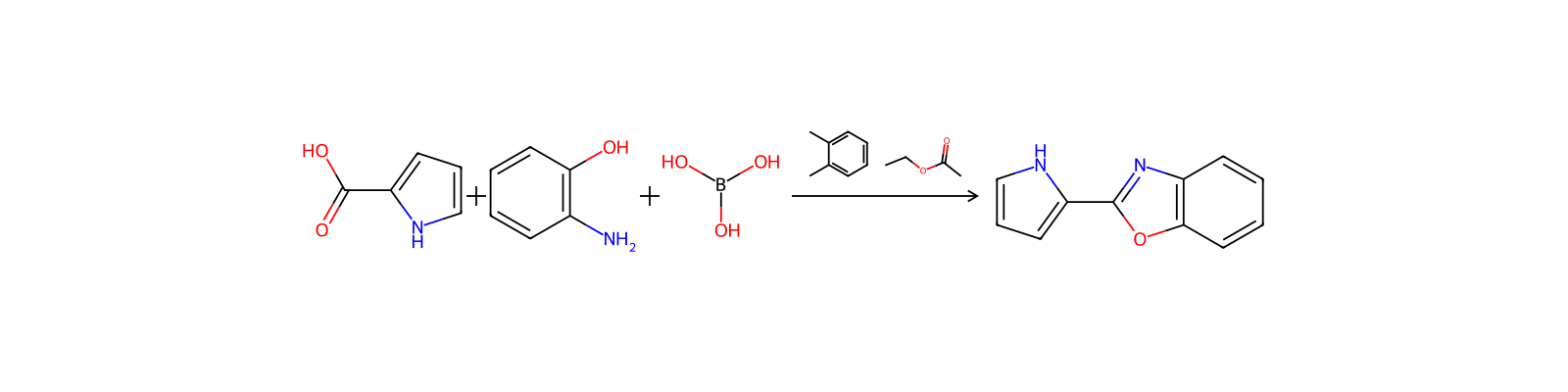
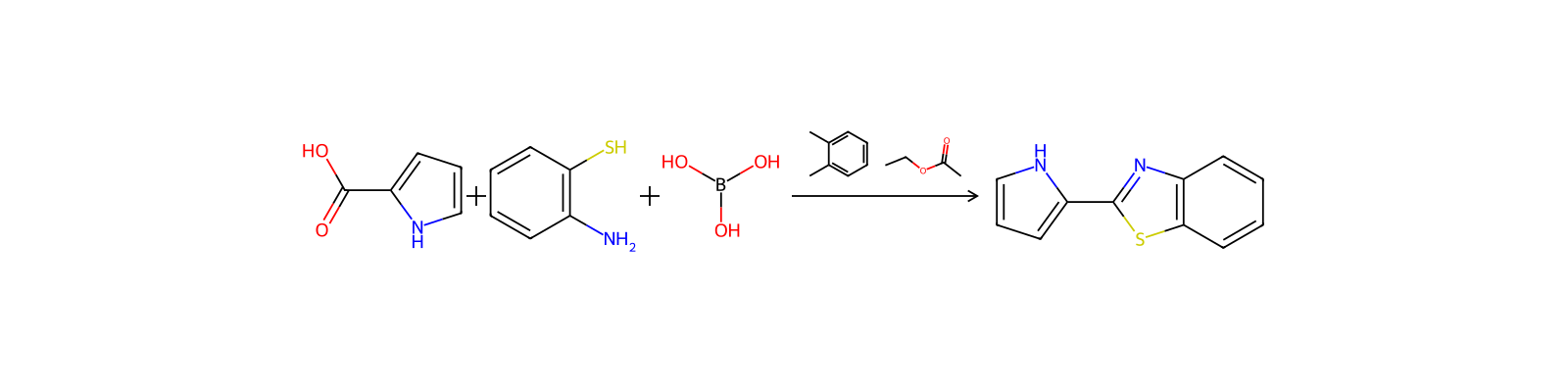
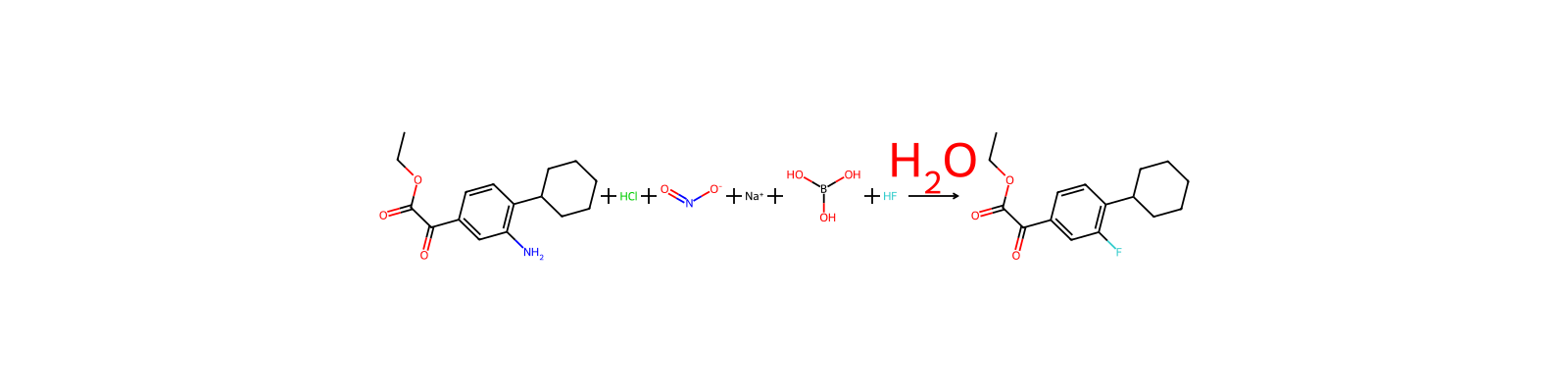
346



Verknüpfte Notizen
Wird geladen…