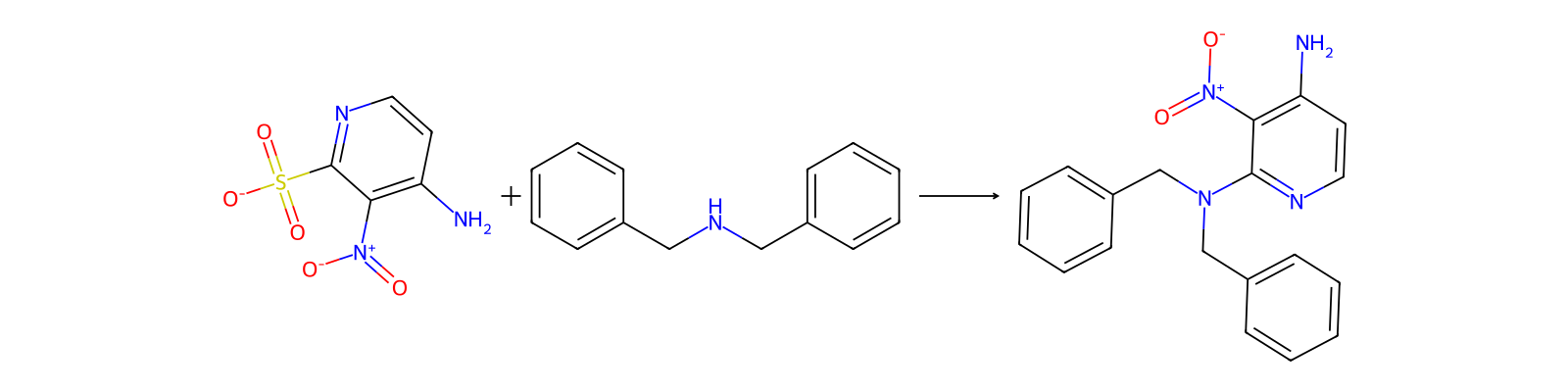
Dibenzylamin
Dibenzylamine
Daten werden ergänzt – lade die Seite später neu, um den aktuellen Stand zu sehen

Grundinformationen
- CAS
103-49-1- Standard-SMILES
c1ccc(CNCc2ccccc2)cc1- InChIKey
BWLUMTFWVZZZND-UHFFFAOYSA-N- Summenformel
- C14H15N
- Durchschnittliche Molmasse
- 197,27 g/mol
- Monoisotopische Masse
- 197,12044948
Namen und Bezeichner
- Bevorzugter Name
- Dibenzylamine
- IUPAC
- N-benzyl-1-phenylmethanamine
- Lokaler Name
- Dibenzylamin
- Englischer Name
- Dibenzylamine
- Summenformel
- C14H15N
- Molmasse
- 197.28
Namen und Synonyme
Dibenzylamine103-49-1Benzenemethanamine, N-(phenylmethyl)-BibenzylamineN-(Phenylmethyl)benzenemethanamineDTXSID60443553G0YFX01C6NSC-4811DTXCID4024355RefChem:132868203-117-7N-benzyl-1-phenylmethanamine
Weitere Namen anzeigen
Accelerator DBADBZADIBAMVulcaid 28forLabetalol
N,N-DibenzylamineN-BenzylbenzylaminebisbenzylamineDIBENZYL-AMINE(N-Benzylaminomethyl)benzeneMFCD00004770NSC 4811N,N-Dibenylamine
Datenbank-Bezeichner
- CAS
103-49-1- PubChem CID
- 7656
- DTXSID
DTXSID6044355- ChEMBL
CHEMBL3182419- ChEBI
CHEBI:189125- UNII
- 3G0YFX01C6
- EC Number
- 203-117-7
- Nikkaji
- J37.741D
Eigenschaften
Berechnete StruktureigenschaftenWird ergänzt
- XLogP
- 2,7
- Polarare Oberfläche (TPSA)
- 12 Ų
- H-Brücken-Donoren
- 1
- H-Brücken-Akzeptoren
- 1
- Frei drehbare Bindungen
- 4
- Schwere Atome
- 15
- Formalladung
- 0
- Komplexität
- 137
Experimentelle und physikochemische Eigenschaften
Vapor Pressure0.00026 [mmHg]
Physical DescriptionLiquid with an ammoniacal odor; [Merck Index] Colorless liquid with a weak odor; [Alfa Aesar MSDS]
Ionization Efficiency
Positive
5
2.7
Agilent XCT
Electrospray ionization
formic acid (5.3nM)
Kovats Retention Index
1688.9;1670
2427;2473;2473
Collision Cross Section149.6 Ų [M+H]+ [CCS Type: DT; Buffer gas: N2; Ionization: ESI+; Dataset: TOXCAST; Source Identifier: DTXSID6044355];150.8 Ų [M+H]+ [CCS Type: DT; Buffer gas: N2; Ionization: APCI+; Dataset: TOXCAST; Source Identifier: DTXSID6044355]
Physikochemische Eigenschaften
- Schmelzpunkt
- -26 °C · -26 °C (lit.)
- Siedepunkt
- 300 °C · 300 °C (lit.)
Sicherheit und Regulatorisches
Sicherheitsangaben dienen nur zur Orientierung und ersetzen weder das Sicherheitsdatenblatt (SDB) des Lieferanten noch geltende Vorschriften oder eine fachliche Bewertung.
GHS-Klassifizierung
GHS Classification
Danger
H302 (99.6%): Harmful if swallowed [Warning Acute toxicity, oral];H314 (75.4%): Causes severe skin burns and eye damage [Danger Skin corrosion/irritation];H315 (24.6%): Causes skin irritation [Warning Skin corrosion/irritation];H318 (42.2%): Causes serious eye damage [Danger Serious eye damage/eye irritation];H319 (24.6%): Causes serious eye irritation [Warning Serious eye damage/eye irritation];H410 (44.1%): Very toxic to aquatic life with long lasting effects [Warning Hazardous to the aquatic environment, long-term hazard];H412 (18.8%): Harmful to aquatic life with long lasting effects [Hazardous to the aquatic environment, long-term hazard]
P260, P264, P264+P265, P270, P273, P280, P301+P317, P301+P330+P331, P302+P352, P302+P361+P354, P304+P340, P305+P351+P338, P305+P354+P338, P316, P317, P321, P330, P332+P317, P337+P317, P362+P364, P363, P391, P405, and P501 (click each P-code to see the statement)
Aggregated GHS information provided per 256 reports by companies from 12 notifications to the ECHA C&L Inventory. Each notification may be associated with multiple companies.;Information may vary between notifications depending on impurities, additives, and other factors. The percentage value in parenthesis indicates the notified classification ratio from companies that provide hazard codes. Only hazard codes with percentage values above 10% are shown. For more detailed information, please visit ECHA C&L website.
Gefahrenhinweise
Regulatory Information
Chemical: Benzenemethanamine, N-(phenylmethyl)-
Benzenemethanamine, N-(phenylmethyl)- is listed on the EPA's Chemical Data Reporting (CDR) system. Manufacturers and importers of Benzenemethanamine, N-(phenylmethyl)- are required to report information about their production and use of this chemical to the EPA under the Toxic Substances Control Act (TSCA). (40 eCFR Part 711)
Status: Active Update: 14-02-2022 https://echa.europa.eu/registration-dossier/-/registered-dossier/11844;Status: Cease Manufacture Update: 06-02-2019 https://echa.europa.eu/registration-dossier/-/registered-dossier/24936;Status: Cease Manufacture Update: 14-03-2013 https://echa.europa.eu/registration-dossier/-/registered-dossier/7229
Chemie und Industrie
Verwendung und Herstellung
UsesUsed in the detection of cobalt, cyanate, and iron; [Merck Index] Used to make fine chemicals; [ExPub: ECHA REACH Registrations]
U.S. Production2022: 339,051 lb;2020: 523,600 lb
General Manufacturing InformationBenzenemethanamine, N-(phenylmethyl)-: ACTIVE
Anwendungen
VerwendenDibenzylamine is used to prepare rubber accelerator for the vulcanization process and reaction-stoppers. Dibenzylamine type accelerators reduce nitrosamine production in the compounding process. It is also used to produce dibenzyl-nitroso-amine.
Darstellung
synthetischeDibenzylamine is obtained by the reaction of benzyl chloride and liquid ammonia in ethanol.
Vor- und nachgelagerte Produkte
Vorgelagerte Rohstoffe
Nachgelagerte Produkte
Zugehörige Reaktionen
338
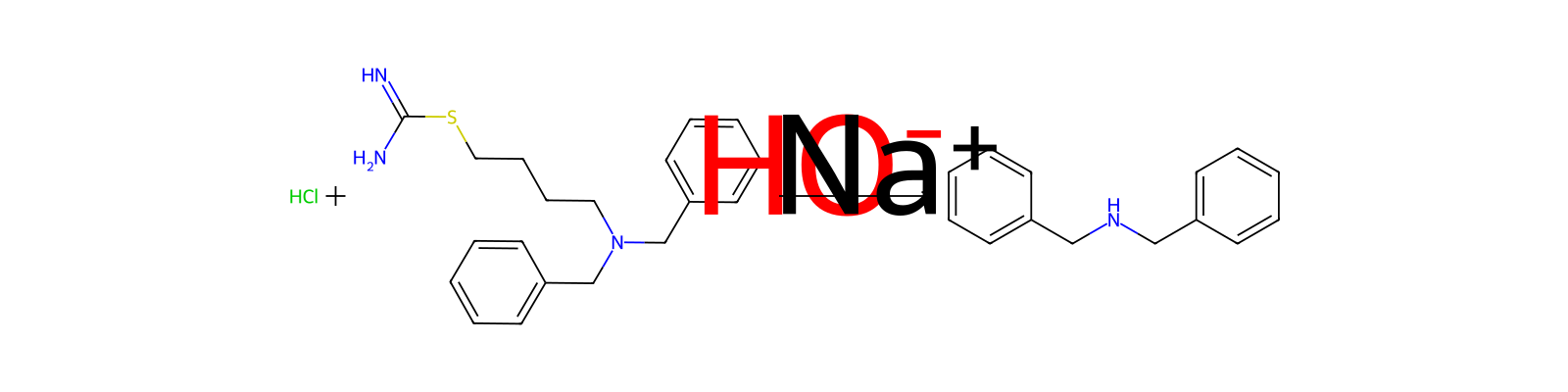


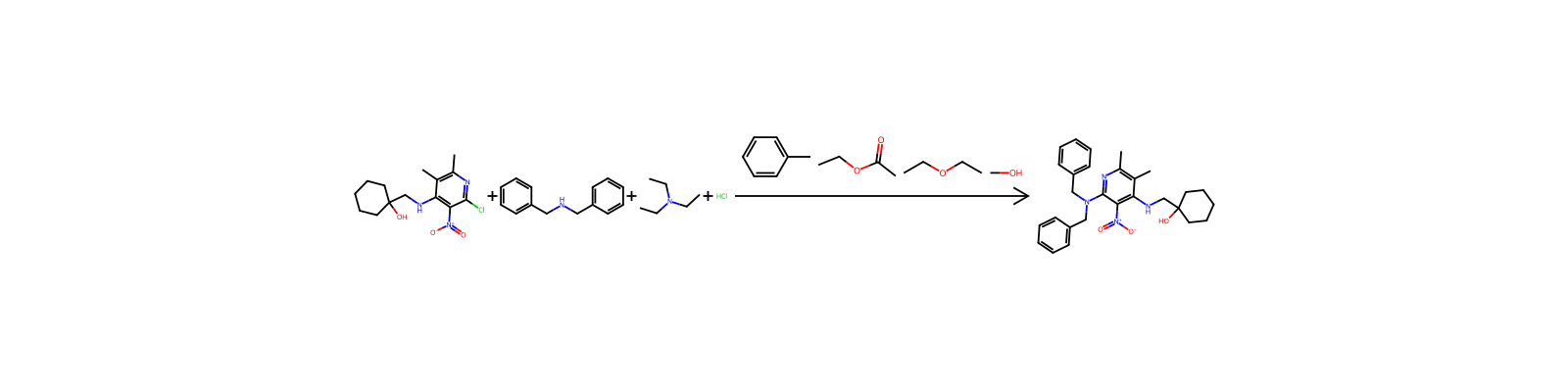
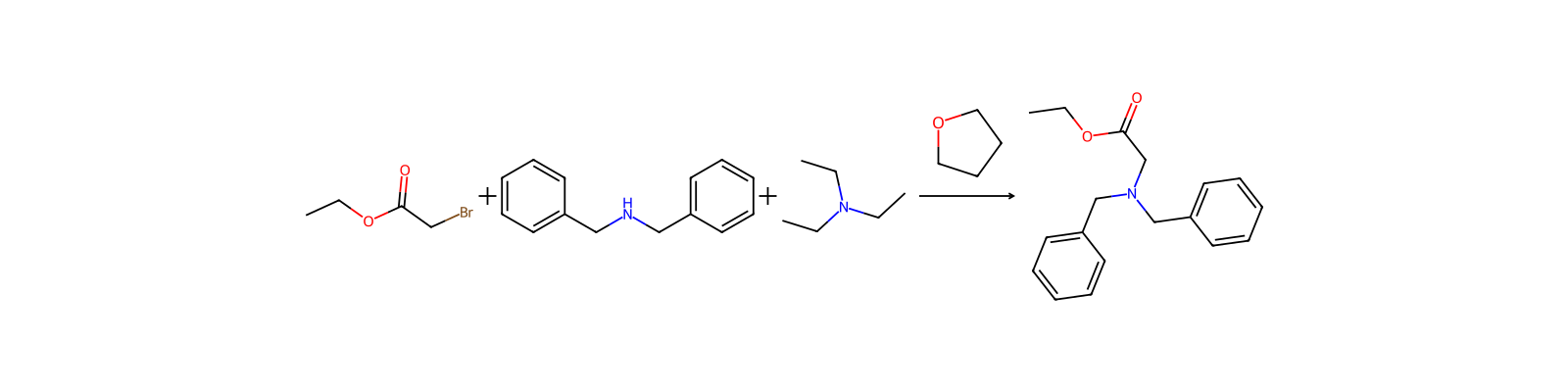

Notizen zur Verbindung
Wird geladen…