

Grundinformationen
- Standard-SMILES
O=C=Nc1ccccc1- InChIKey
DGTNSSLYPYDJGL-UHFFFAOYSA-N- Summenformel
- C7H5NO
- Durchschnittliche Molmasse
- 119,12 g/mol
- Monoisotopische Masse
- 119,03711378
Namen und Bezeichner
- Bevorzugter Name
- Phenyl isocyanate
- IUPAC
- isocyanatobenzene
- Lokaler Name
- Phenylisocyanat
- Englischer Name
- Phenyl isocyanate
- Summenformel
- C7H5NO
- Molmasse
- 119.12
Namen und Synonyme
PHENYL ISOCYANATEIsocyanatobenzene103-71-9Benzene, isocyanato-PhenylcarbimideCarbanilphenylisocyanatePhenyl carbonimideFenylisokyanatIsocyanic acid, phenyl esterMondur PPhNCO
Weitere Namen anzeigen
picAdditive tiYQSBZN-Phenylisocyanate1-Isocyanatobenzenemondurp
Karbanil196GO6BSOHDTXSID5051521CHEBI:53806NSC-74454RefChem:172961DTXCID1030070203-137-6
Datenbank-Bezeichner
- CAS
103-71-9- PubChem CID
- 7672
- DTXSID
DTXSID5051521- ChEBI
CHEBI:53806- UNII
- 196GO6BSOH
- EC Number
- 203-137-6
- Nikkaji
- J5.018K
Eigenschaften
Berechnete Struktureigenschaften
- XLogP
- 2,7
- Polarare Oberfläche (TPSA)
- 29,4 Ų
- H-Brücken-Donoren
- 0
- H-Brücken-Akzeptoren
- 2
- Frei drehbare Bindungen
- 1
- Schwere Atome
- 9
- Formalladung
- 0
- Komplexität
- 121
Experimentelle und physikochemische Eigenschaften
OdorAcrid odor
Density
1.08870 at 25.9 °C/4 °C; 1.0956 at 19.6 °C/4 °C; 1.092 at 15 °C/4 °C; 1.101 at 11.6 °C/4 °C
Density: 1.0956 g/cu cm at 20 °C
Relative density (water = 1): 1.095
1.0956 @ 19.6°C
Color/FormLiquid
Solubility
Decomposes in water, alcohol; very soluble in ether
Solubility in water: reaction
Flash Point
132 °F (55.5 °C) (Open Cup)
51 °C c.c.
132 °F (open cup)
Boiling Point
158-168 °C
BP: 55 °C at 13 mm Hg
158-168 °C
325.4 °F
DecompositionWhen heated to decomposition it emits toxic fumes of /hydrogen cyanide and nitrogen oxides/.
Melting Point
Freezing point: -30 °C
-30 °C
-22 °F
Vapor Density1.089
Vapor Pressure
2.57 [mmHg]
2.57 mm Hg at 25 °C
Vapor pressure, kPa at 20 °C: 0.2
2.57 mmHg
1 [mm Hg] @10.6 °C
Refractive IndexIndex of refraction: 1.53412 at 25.9 °C/D; 1.53684 at 19.6 °C/D
Physical Description
Phenyl isocyanate appears as a colorless liquid. About the same density as water. Very toxic by ingestion, inhalation or skin absorption. Very irritating to skin, eyes and mucous membranes.
Liquid
Liquid with an acrid odor; [Merck Index]
COLOURLESS-TO-YELLOW LIQUID WITH PUNGENT ODOUR.
Colorless to yellow liquid with a pungent odor.
Physikochemische Eigenschaften
- Schmelzpunkt
- -30 °C · -30 °C (lit.)
- Siedepunkt
- 162 · 162-163 °C (lit.)
- Dichte
- 1.096 g/mL · 1.096 g/mL at 25 °C (lit.)
- Dampfdruck
- 1.4 mm · 1.4 mm Hg ( 20 °C)
- Brechungsindex
- 20 · n20/D 1.535(lit.)
- Flammpunkt
- 132 °F · 132 °F
- storage temp.
- 2 · 2-8°C
- Löslichkeit
- Miscible with ether.
- Aggregatzustand
- Liquid
- Farbe
- Clear colorless to slightly yellow
- Explosionsgrenze
- 1.2 % · 1.2% (v/v)
- Wasserlöslichkeit
- decomposes
- Merck
- 14 · 14,7296
- BRN
- 471391 · 471391
- Henry's Law Constant
- 2.5 · 2.5×10-5 mol/(m3Pa) at 25℃, Yaws (2003)
- Dielectric constant
- 8.8 · 8.8(20℃)
- Stabilität
- Stable. Combustible. Incompatible with strong oxidizing agents, water, moisture, alcohols, amines, strong bases, strong acids. Protect from air.
- InChI
- 1S/C7H5NO/c9-6-8-7-4-2-1-3-5-7/h1-5H
- InChIKey
- DGTNSSLYPYDJGL-UHFFFAOYSA-N
- SMILES
- O=C=Nc1ccccc1
- LogP
- 2.59 at · 2.59 at 25℃
- CAS Datenbank
- 103 · 103-71-9(CAS DataBase Reference)
- NIST chemische Informationen
- Benzene, isocyanato-(103-71-9)
- EPA chemische Informationen
- Phenyl isocyanate (103-71-9)
Sicherheit und Regulatorisches
GHS-Klassifizierung
GHS Classification
Danger
H226 (85.2%): Flammable liquid and vapor [Warning Flammable liquids];H302 (90.5%): Harmful if swallowed [Warning Acute toxicity, oral];H314 (89%): Causes severe skin burns and eye damage [Danger Skin corrosion/irritation];H317 (93.1%): May cause an allergic skin reaction [Warning Sensitization, Skin];H318 (62.1%): Causes serious eye damage [Danger Serious eye damage/eye irritation];H330 (90.5%): Fatal if inhaled [Danger Acute toxicity, inhalation];H334 (97.4%): May cause allergy or asthma symptoms or breathing difficulties if inhaled [Danger Sensitization, respiratory];H335 (67%): May cause respiratory irritation [Warning Specific target organ toxicity, single exposure; Respiratory tract irritation];H400 (62.9%): Very toxic to aquatic life [Warning Hazardous to the aquatic environment, acute hazard];H410 (46%): Very toxic to aquatic life with long lasting effects [Warning Hazardous to the aquatic environment, long-term hazard];H411 (18.2%): Toxic to aquatic life with long lasting effects [Hazardous to the aquatic environment, long-term hazard]
P210, P233, P240, P241, P242, P243, P260, P261, P264, P264+P265, P270, P271, P272, P273, P280, P284, P301+P317, P301+P330+P331, P302+P352, P302+P361+P354, P303+P361+P353, P304+P340, P305+P354+P338, P316, P317, P319, P320, P321, P330, P333+P317, P342+P316, P362+P364, P363, P370+P378, P391, P403, P403+P233, P403+P235, P405, and P501 (click each P-code to see the statement)
Aggregated GHS information provided per 391 reports by companies from 19 notifications to the ECHA C&L Inventory. Each notification may be associated with multiple companies.;Information may vary between notifications depending on impurities, additives, and other factors. The percentage value in parenthesis indicates the notified classification ratio from companies that provide hazard codes. Only hazard codes with percentage values above 10% are shown. For more detailed information, please visit ECHA C&L website.
Gefahrenhinweise
Hazards IdentificationToxic/poison by inhalation (TIH/PIH)
Regulatory Information
Chemical: Benzene, isocyanato-
Benzene, isocyanato- is listed on the EPA's Chemical Data Reporting (CDR) system. Manufacturers and importers of Benzene, isocyanato- are required to report information about their production and use of this chemical to the EPA under the Toxic Substances Control Act (TSCA). (40 eCFR Part 711)
Status: Active Update: 14-08-2022 https://echa.europa.eu/registration-dossier/-/registered-dossier/33957;Status: Active Update: 03-05-2023 https://echa.europa.eu/registration-dossier/-/registered-dossier/12563;Status: Active Update: 01-03-2013 https://echa.europa.eu/registration-dossier/-/registered-dossier/8140
Phenyl isocyanate: HSNO Approval: HSR004628 Approved with controls
The New Jersey Worker and Community Right to Know Act requires public and private employers to provide information about hazardous substances at their workplaces. (N.J.S.A. 34:5A-1 et. seq.)
DOT LabelPoison Inhalation Hazard Flammable Liquid
Fire Hazards
Excerpt from ERG Guide 155 [Substances - Toxic and/or Corrosive (Flammable / Water-Sensitive)]:;HIGHLY FLAMMABLE: Will be easily ignited by heat, sparks or flames. Vapors form explosive mixtures with air: indoors, outdoors and sewers explosion hazards. Most vapors are heavier than air. They will spread along the ground and collect in low or confined areas (sewers, basements, tanks, etc.). Vapors may travel to source of ignition and flash back. Those substances designated with a (P) may polymerize explosively when heated or involved in a fire. Substance will react with water (some violently) releasing flammable, toxic or corrosive gases and runoff. Corrosives in contact with metals may evolve flammable hydrogen gas. Containers may explode when heated or if contaminated with water. (ERG, 2024)
· HIGHLY FLAMMABLE: Will be easily ignited by heat, sparks or flames.;· Vapors form explosive mixtures with air: indoors, outdoors and sewers explosion hazards.;· Most vapors are heavier than air. They will spread along the ground and collect in low or confined areas (sewers, basements, tanks, etc.).;· Vapors may travel to source of ignition and flash back.;· Those substances designated with a (P) may polymerize explosively when heated or involved in a fire.;· Substance will react with water (some violently) releasing flammable, toxic or corrosive gases and runoff.;· Corrosives in contact with metals may evolve flammable hydrogen gas.;· Containers may explode when heated or if contaminated with water.
Flammable. Gives off irritating or toxic fumes (or gases) in a fire. Above 51 °C explosive vapour/air mixtures may be formed.
Fire Potential
Flammable liquid when exposed to heat or flame ... .
Moderate fire risk.
Health Hazards
Excerpt from ERG Guide 155 [Substances - Toxic and/or Corrosive (Flammable / Water-Sensitive)]:;TOXIC and/or CORROSIVE; inhalation, ingestion or contact (skin, eyes) with vapors, dusts or substance may cause severe injury, burns or death. Bromoacetates and chloroacetates are extremely irritating/lachrymators (cause eye irritation and flow of tears). Reaction with water or moist air may release toxic, corrosive or flammable gases. Reaction with water may generate much heat that will increase the concentration of fumes in the air. Fire will produce irritating, corrosive and/or toxic gases. Runoff from fire control or dilution water may be corrosive and/or toxic and cause environmental contamination. (ERG, 2024)
· TOXIC and/or CORROSIVE; inhalation, ingestion or contact (skin, eyes) with vapors, dusts or substance may cause severe injury, burns or death.;· Bromoacetates and chloroacetates are extremely irritating/lachrymators (cause eye irritation and flow of tears).;· Reaction with water or moist air may release toxic, corrosive or flammable gases.;· Reaction with water may generate much heat that will increase the concentration of fumes in the air.;· Fire will produce irritating, corrosive and/or toxic gases.;· Runoff from fire control or dilution water may be corrosive and/or toxic and cause environmental contamination.
Hazards Summary
A lachrymator and strong irritant of the eyes and respiratory tract; [HSDB] No quantitative data from human studies; The lung appears to be the target organ in lethal concentration studies of experimental animals. The 1-hour LC50 was 12.6 ppm with most deaths recorded 8 to 12 days post-exposure. TLV Basis is upper respiratory tract irritation; Appears to have sensitization potential (skin and respiratory); [ACGIH] Danger of skin and airway sensitization; [MAK] See Methyl isocyanate and Monoisocyanates.
DOT ID and Guide2487 155
Reactive GroupIsocyanates and Isothiocyanates
UN ClassificationUN Hazard Class: 6.1; UN Subsidiary Risks: 3; UN Pack Group: I
TSCA Requirements
Section 8(a) of TSCA requires manufacturers of this chemical substance to report preliminary assessment information concerned with production, exposure, and use to EPA as cited in the preamble in 51 FR 41329. Effective date: 10/29/90; Reporting date: 12/27/90.
Pursuant to section 8(d) of TSCA, EPA promulgated a model Health and Safety Data Reporting Rule. The section 8(d) model rule requires manufacturers, importers, and processors of listed chemical substances and mixtures to submit to EPA copies and lists of unpublished health and safety studies. Benzene, isocyanato- is included on this list. Effective date: 10/29/90; Sunset date: 6/30/98.
Reactivity AlertsHighly Flammable
Sicherheit und Schutzausrüstung
Fire Fighting
Excerpt from ERG Guide 155 [Substances - Toxic and/or Corrosive (Flammable / Water-Sensitive)]:;Note: Most foams will react with the material and release corrosive/toxic gases. CAUTION: For Acetyl chloride (UN1717), use CO2 or dry chemical only.;SMALL FIRE: CO2, dry chemical, dry sand, alcohol-resistant foam.;LARGE FIRE: Water spray, fog or alcohol-resistant foam. FOR CHLOROSILANES, DO NOT USE WATER; use alcohol-resistant foam. If it can be done safely, move undamaged containers away from the area around the fire. Avoid aiming straight or solid streams directly onto the product.;FIRE INVOLVING TANKS, RAIL TANK CARS OR HIGHWAY TANKS: Fight fire from maximum distance or use unmanned master stream devices or monitor nozzles. Do not get water inside containers. Cool containers with flooding quantities of water until well after fire is out. Withdraw immediately in case of rising sound from venting safety devices or discoloration of tank. ALWAYS stay away from tanks in direct contact with flames. (ERG, 2024)
Use dry powder, carbon dioxide, alcohol-resistant foam. NO water. In case of fire: keep drums, etc., cool by spraying with water. NO direct contact with water.
First Aid Measures
Fresh air, rest. Half-upright position. Artificial respiration may be needed. Refer for medical attention.
Remove contaminated clothes. Rinse and then wash skin with water and soap. Refer for medical attention .
First rinse with plenty of water for several minutes (remove contact lenses if easily possible), then refer for medical attention.
Rinse mouth. Give one or two glasses of water to drink. Do NOT induce vomiting. Refer for medical attention .
Accidental Release Measures
· CALL 911. Then call emergency response telephone number on shipping paper. If shipping paper not available or no answer, refer to appropriate telephone number listed on the inside back cover.;· Keep unauthorized personnel away.;· Stay upwind, uphill and/or upstream.;· Ventilate closed spaces before entering, but only if properly trained and equipped.
· ELIMINATE all ignition sources (no smoking, flares, sparks or flames) from immediate area.;· All equipment used when handling the product must be grounded.;· Do not touch damaged containers or spilled material unless wearing appropriate protective clothing.;· Stop leak if you can do it without risk.;· A vapor-suppressing foam may be used to reduce vapors.;· FOR CHLOROSILANES, use alcohol-resistant foam to reduce vapors.;· DO NOT GET WATER on spilled substance or inside containers.;· Use water spray to reduce vapors or divert vapor cloud drift. Avoid allowing water runoff to contact spilled material.;· Prevent entry into waterways, sewers, basements or confined areas.;Small Spill;· Cover with DRY earth, DRY sand or other non-combustible material followed with plastic sheet to minimize spreading or contact with rain.;· Use clean, non-sparking tools to collect material and place it into loosely covered plastic containers for later disposal.
First Aid
Excerpt from ERG Guide 155 [Substances - Toxic and/or Corrosive (Flammable / Water-Sensitive)]:;Refer to the "General First Aid" section. Specific First Aid: For corrosives, in case of contact, immediately flush skin or eyes with running water for at least 30 minutes. Additional flushing may be required. (ERG, 2024)
General First Aid:;· Call 911 or emergency medical service.;· Ensure that medical personnel are aware of the material(s) involved, take precautions to protect themselves and avoid contamination.;· Move victim to fresh air if it can be done safely.;· Administer oxygen if breathing is difficult.;· If victim is not breathing:;-- DO NOT perform mouth-to-mouth resuscitation; the victim may have ingested or inhaled the substance.;-- If equipped and pulse detected, wash face and mouth, then give artificial respiration using a proper respiratory medical device (bag-valve mask, pocket mask equipped with a one-way valve or other device).;-- If no pulse detected or no respiratory medical device available, provide continuous compressions. Conduct a pulse check every two minutes or monitor for any signs of spontaneous respirations.;· Remove and isolate contaminated clothing and shoes.;· For minor skin contact, avoid spreading material on unaffected skin.;· In case of contact with substance, remove immediately by flushing skin or eyes with running water for at least 20 minutes.;· For severe burns, immediate medical attention is required.;· Effects of exposure (inhalation, ingestion, or skin contact) to substance may be delayed.;· Keep victim calm and warm.;· Keep victim under observation.;· For further assistance, contact your local Poison Control Center.;· Note: Basic Life Support (BLS) and Advanced Life Support (ALS) should be done by trained professionals.;Specific First Aid:;· For corrosives, in case of contact, immediately flush skin or eyes with running water for at least 30 minutes. Additional flushing may be required.
Safe StorageFireproof. Keep in a well-ventilated room. Dry.
Exposure Control and Personal Protection
· Wear positive pressure self-contained breathing apparatus (SCBA).;· Wear chemical protective clothing that is specifically recommended by the manufacturer when there is NO RISK OF FIRE.;· Structural firefighters' protective clothing provides thermal protection but only limited chemical protection.
TIH (Toxic Inhalation Hazard) - Term used to describe gases and volatile liquids that are toxic when inhaled. Some are TIH materials themselves, e.g., chlorine, and some release TIH gases when spilled in water, e.g., chlorosilanes. [ERG 2016].
Fire Fighting Procedures
If material on fire or involved in fire: Use water in flooding quantities as fog. Use foam, dry chemical, or carbon dioxide. Keep run-off water out of sewers and water sources. Cool all affected containers with flooding quantities of water. Apply water from as far a distance as possible.
Evacuation: If fire becomes uncontrollable or container is exposed to direct flame - consider evacuation of one-third (1/3) mile radius.
Where there is a fire involving isocyanates, carbon dioxide or powder extinguishers must be employed. Firemen must be equipped with self-contained breathing apparatus. /Isocyanates/
Storage Conditions
Isocyanates are transported in railroad tank cars, tank trucks, tanks in ships, containers, and drums. They are stored in steel tanks and processed in steel equipment. For long-term storage stainless steel is recommended. To avoid contamination by atmospheric moisture, a dry air or inert gas blanket is essential. /Isocyanates/
Cleanup Methods
Decontamination of spilled isocyanates and disposal of isocyanate waste are best conducted by using aqueous ammonia (3-8% concentrated ammonia solution in 90-95% water with 0.2-5% liquid detergent) or aqueous sodium carbonate (5-10% sodium carbonate in 90-95% water and 0.2-5% liquid detergent). An alcoholic solution (50% ethanol, isopropyl alcohol, or butanol; 45% water; and 5% concentrated ammonia) may be preferred because of the low miscibility of isocyanates with water. /Isocyanates/
Nonfire Spill Response
Excerpt from ERG Guide 155 [Substances - Toxic and/or Corrosive (Flammable / Water-Sensitive)]:;ELIMINATE all ignition sources (no smoking, flares, sparks or flames) from immediate area. All equipment used when handling the product must be grounded. Do not touch damaged containers or spilled material unless wearing appropriate protective clothing. Stop leak if you can do it without risk. A vapor-suppressing foam may be used to reduce vapors. FOR CHLOROSILANES, use alcohol-resistant foam to reduce vapors. DO NOT GET WATER on spilled substance or inside containers. Use water spray to reduce vapors or divert vapor cloud drift. Avoid allowing water runoff to contact spilled material. Prevent entry into waterways, sewers, basements or confined areas.;SMALL SPILL: Cover with DRY earth, DRY sand or other non-combustible material followed with plastic sheet to minimize spreading or contact with rain. Use clean, non-sparking tools to collect material and place it into loosely covered plastic containers for later disposal. (ERG, 2024)
Disposal Methods
SRP: The most favorable course of action is to use an alternative chemical product with less inherent propensity for occupational harm/injury/toxicity or environmental contamination. Recycle any unused portion of the material for its approved use or return it to the manufacturer or supplier. Ultimate disposal of the chemical must consider: the material's impact on air quality; potential migration in soil or water; effects on animal and plant life; and conformance with environmental and public health regulations.
SRP: Wastewater from contaminant suppression, cleaning of protective clothing/equipment, or contaminated sites should be contained and evaluated for subject chemical or decomposition product concentrations. Concentrations shall be lower than applicable environmental discharge or disposal criteria. Alternatively, pretreatment and/or discharge to a permitted wastewater treatment facility is acceptable only after review by the governing authority and assurance that "pass through" violations will not occur. Due consideration shall be given to remediation worker exposure (inhalation, dermal and ingestion) as well as fate during treatment, transfer and disposal. If it is not practicable to manage the chemical in this fashion, it must be evaluated in accordance with EPA 40 CFR Part 261, specifically Subpart B, in order to determine the appropriate local, state and federal requirements for disposal.
Spillage Disposal
Personal protection: chemical protection suit including self-contained breathing apparatus. Ventilation. Remove all ignition sources. Collect leaking and spilled liquid in sealable containers as far as possible. Absorb remaining liquid in sand or inert absorbent. Then store and dispose of according to local regulations.
Toxikologische Informationen
Treatment
Antidotes to cyanide poisoning include hydroxocobalamin and sodium nitrite, which release the cyanide from the cytochrome system, and rhodanase, which is an enzyme occurring naturally in mammals that combines serum cyanide with thiosulfate, producing comparatively harmless thiocyanate. Oxygen therapy can also be administered. (L97)
Health Effects
Exposure to high levels of cyanide for a short time harms the brain and heart and can even cause coma, seizures, apnea, cardiac arrest and death. Chronic inhalation of cyanide causes breathing difficulties, chest pain, vomiting, blood changes, headaches, and enlargement of the thyroid gland. Skin contact with cyanide salts can irritate and produce sores. (L96, L97)
Environmental Fate
TERRESTRIAL FATE: Isocyanates hydrolyze rapidly in water(1); therefore, soil mobility, biodegradation, and volatilization of phenyl isocyanate in moist soil are not expected to be important environmental fate processes(SRC). Volatilization of phenyl isocyanate from dry soils is expected based on an extrapolated vapor pressure of 2.6 mm Hg at 25 °C(2).
AQUATIC FATE: Since isocyanates hydrolyze rapidly in water(1) (hydrolysis half-lives of phenyl isocyanate range from 20 seconds(2) to 75.5 minutes)(3), biodegradation, aquatic bioconcentration, volatilization, and adsorption to sediment of phenyl isocyanate are not expected to be important fate processes(SRC).
ATMOSPHERIC FATE: According to a model of gas/particle partitioning of semivolatile organic compounds in the atmosphere(1), phenyl isocyanate, which has an extrapolated vapor pressure of 2.6 mm Hg at 25 °C(2), is expected to exist solely as a vapor in the ambient atmosphere. Vapor-phase phenyl isocyante is degraded in the atmosphere by reaction with photochemically-produced hydroxyl radicals(SRC); the half-life for this reaction in air is estimated to be 5 days(SRC), calculated from its rate constant of 2.1X10⁻¹² cu cm/molecule-sec at 25 °C(SRC) that was derived using a structure estimation method(3).
Adverse Effects
Lacrimator (Lachrymator) - A substance that irritates the eyes and induces the flow of tears.;Skin Sensitizer - An agent that can induce an allergic reaction in the skin.;Asthma - Reversible bronchoconstriction (narrowing of bronchioles) initiated by the inhalation of irritating or allergenic agents.;Toxic Pneumonitis - Inflammation of the lungs induced by inhalation of metal fumes or toxic gases and vapors.
Exposure Routes
The substance can be absorbed into the body by inhalation and by ingestion.
Oral (L96) ; inhalation (L96) ; dermal (L96)
Toxicity Summary
IDENTIFICATION AND USE: Phenyl isocyanate is a liquid with an acrid odor. It decomposes in water, alcohol; very soluble in ether. It is used as a chemical intermediate and as a reagent. HUMAN EXPOSURE AND TOXICITY: Workers exposed to phenyl isocyanate showed increases in asthmatic symptoms. Exposure to isocyanates is irritating to the skin, mucous membranes, eyes and respiratory tract. Contact dermatitis can result in symptoms such as rash, itching, hives and swelling of the extremities. Phenyl isocyanate is a potent chemical sensitizer. A worker suspected of having isocyanate induced asthma/sensitization will exhibit traditional symptoms of acute airway obstruction coughing, wheezing, shortness of breath, tightness of chest and nocturnal awakening. Isocyanate induced hypersensitivity pneumonitis symptoms are flu like which includes shortness of breath, nonproductive cough, fever, chills sweats and malaise and nausea. An irreversible decline in pulmonary function and interstitial fibrosis have also been observed. At high doses isocyanates affect the mucous membranes of the respiratory tract and may lead to fatal pulmonary edema or chromic catarrh. ANIMAL STUDIES: The toxic effects of repeated inhalation exposures to phenyl isocyanate vapors in male rats was conducted. Animals experienced decreased weight gain, hypoactivity, hypothermia, and signs of respiratory tract irritation. There was delayed onset of mortality, and changes in organ weights. Pulmonary function tests demonstrated decreased forced expiratory flow volume. Arterial hypoxia was also observed. Pregnant mice were given phenyl isocyanate on select days of gestation. Phenyl isocyanate did demonstrate embryotoxicity. In a micronucleus assay, male and female mice received a single administration of phenyl isocyanate ip; there was an altered ratio between polychromatic and normochromatic erythrocytes in the bone marrow, and no clastogenic effect was observed. Phenyl isocyanate did not cause significant indu
Cyanide is an inhibitor of cytochrome c oxidase in the fourth complex of the electron transport chain (found in the membrane of the mitochondria of eukaryotic cells). It complexes with the ferric iron atom in this enzyme. The binding of cyanide to this cytochrome prevents transport of electrons from cytochrome c oxidase to oxygen. As a result, the electron transport chain is disrupted and the cell can no longer aerobically produce ATP for energy. Tissues that mainly depend on aerobic respiration, such as the central nervous system and the heart, are particularly affected. Cyanide is also known produce some of its toxic effects by binding to catalase, glutathione peroxidase, methemoglobin, hydroxocobalamin, phosphatase, tyrosinase, ascorbic acid oxidase, xanthine oxidase, succinic dehydrogenase, and Cu/Zn superoxide dismutase. Cyanide binds to the ferric ion of methemoglobin to form inactive cyanmethemoglobin. (L97)
Signs and Symptoms
Cough. Sore throat. Burning sensation. Laboured breathing. Shortness of breath. Symptoms may be delayed.
Redness. Blisters. Pain. Skin burns.
Watering of the eyes. Redness. Pain. Severe deep burns.
Burning sensation. Abdominal pain. Shock or collapse.
Cyanide poisoning is identified by rapid, deep breathing and shortness of breath, general weakness, giddiness, headaches, vertigo, confusion, convulsions/seizures and eventually loss of consciousness. (L96, L97)
Effluent ConcentrationsPhenyl isocyanate was detected at a total concentration of 1.070 g (total yield of 9.8 mg/kg hydrocarbons generated) in emissions generated from an automobile fire test using a 1998 coupe(1).
Soil Adsorption/MobilityIsocyanates, such as phenyl isocyanate, are hydrolyzed rapidly by water(1), indicating that soil and sediment adsorption are not important environmental fate processes(SRC).
TSCA Test Submissions
Phenyl Isocyanate (CAS# 103-71-9) was evaluated for acute inhalation toxicity in groups of 4 male and 4 female albino rats (strain not specified) exposed to unspecified concentrations of test material for one-hour. The use of controls was not specified. Animals were observed for 14-days post-exposure. Clinical obervations include piloerection, weight loss, and respiratory distress. Mortality and necropsy data were not specified. Histopathological data were not specified. The LC50 for male and female albino rats was 12.6 (8.4-19.0) ppm.
Human Toxicity Excerpts
/HUMAN EXPOSURE STUDIES/ Sera of six workers with conclusive evidence for IgE-mediated sensitization to isocyanates were used for evaluation of immunologic cross-reactivities among eight different isocyanate-protein conjugates. In all cases RAST and/or skin-test investigations revealed the presence of IgE antibodies reacting specifically with HSA conjugated with those isocyanates to which workers were exposed as well as with other isocyanates with which they had not been in contact. By the RAST inhibition technique, moderate to strong mutual cross-reactivities between all tested isocyanate-HSA conjugates--even between aromatic and aliphatic ones--could be demonstrated in tests with five sera. The magnitudes of cross-reactivities differed, however, from one patient to another. One serum contained IgE antibodies that were almost completely specific to TDI-HSA; with this serum only weak cross-reactivities with other isocyanate conjugates could be demonstrated. These results indicate the predominance of closely related antigenic determinants in HSA conjugated with different isocyanates. The common antibody-binding regions are obviously recognized to different extents by antibodies of clinically sensitized workers, indicating individual differences in specificities and avidities of antibody populations. Nearly complete lack of IgE binding of ovalbumin-bound TDI in RAST and RAST inhibition indicates carrier-specific antigenicity of isocyanate-protein conjugates. In addition, since unmodified HSA did not bind IgE, antigenic determinants of the conjugates studied should be predominantly formed by the isocyanate-protein bond regions and concurrently by neighboring amino acid residues of the HSA molecule. /Isocyanates/
/SIGNS AND SYMPTOMS/ Workers exposed to isocyanates including phenyl isocyanate showed specific IgE for isocyanate-albumin conjugates. These workers also showed asthmatic symptoms...A comparison of the toxic effects of 4-chlorophenyl isocyanate, phenyl isocyanate and 4-isopropylphenyl isocyanate in humans ...is also presented. In humans, the only toxic effect described is an itchy erythema after repeated contact with chlorophenyl isocyanate.
/SIGNS AND SYMPTOMS/ Strong mucous membrane irritation causes eye, pulmonary, and gastrointestinal tract symptoms. These compounds are potent pulmonary sensitizers which cause bronchospasm, even in patients without prior airway hyperreactivity. Diisocyanate compounds act either as inducers of nonspecific bronchial hyperreactivity or as direct pharmacologic agonists. Isocyanates apparently have the potential to sensitize certain segments of the population. Elevated humoral antibodies (ie, specific IgE antibodies to the p-tolyl determinant but not the diisocyanate conjugate) were detected in sensitized workers, but cell-mediated immunity also may produce hypersensitivity reactions. In the absence of renewed exposure, radioallergosorbent titers may not distinguish sensitive from nonsensitized workers. At high doses, toluene diisocyanate may act directly on bronchial mucosa by interfering with cholinergic and adrenergic mechanisms. /Isocyanates/
/SIGNS AND SYMPTOMS/ Exposure to isocyanates is irritating to the skin, mucous membranes, eyes, and respiratory tract. The most common adverse health outcome associated with isocyanate exposure is asthma due to sensitization; less prevalent are contact dermatitis (both irritant and allergic forms) and hypersensitivity pneumonitis (HP). Contact dermatitis can result in symptoms such as rash, itching, hives, and swelling of the extremities. /Isocyanates/
For more Human Toxicity Excerpts (Complete) data for PHENYL ISOCYANATE (9 total), please visit the HSDB record page.
Artificial Pollution SourcesPhenyl isocyanate's use as a reagent for identifying alcohols and amines and as an intermediate for organic synthesis(1) may result in its release to the environment through various waste streams(SRC).
Regulatorische Informationen
Regulatory Information
Chemical: Benzene, isocyanato-
Benzene, isocyanato- is listed on the EPA's Chemical Data Reporting (CDR) system. Manufacturers and importers of Benzene, isocyanato- are required to report information about their production and use of this chemical to the EPA under the Toxic Substances Control Act (TSCA). (40 eCFR Part 711)
Status: Active Update: 14-08-2022 https://echa.europa.eu/registration-dossier/-/registered-dossier/33957;Status: Active Update: 03-05-2023 https://echa.europa.eu/registration-dossier/-/registered-dossier/12563;Status: Active Update: 01-03-2013 https://echa.europa.eu/registration-dossier/-/registered-dossier/8140
Phenyl isocyanate: HSNO Approval: HSR004628 Approved with controls
The New Jersey Worker and Community Right to Know Act requires public and private employers to provide information about hazardous substances at their workplaces. (N.J.S.A. 34:5A-1 et. seq.)
TSCA Requirements
Section 8(a) of TSCA requires manufacturers of this chemical substance to report preliminary assessment information concerned with production, exposure, and use to EPA as cited in the preamble in 51 FR 41329. Effective date: 10/29/90; Reporting date: 12/27/90.
Pursuant to section 8(d) of TSCA, EPA promulgated a model Health and Safety Data Reporting Rule. The section 8(d) model rule requires manufacturers, importers, and processors of listed chemical substances and mixtures to submit to EPA copies and lists of unpublished health and safety studies. Benzene, isocyanato- is included on this list. Effective date: 10/29/90; Sunset date: 6/30/98.
Sicherheitsdaten
- F
- 21
- wgk
- 2
- tsca
- TSCA listed
- ridadr
- UN 2487
- hs_code
- 29291000
- RTECS-Nr.
- DA3675000
- risk_code
- 10-22-26-34-42-52-36/37/38
- hazard_code
- T+,T,C
- hazard_note
- Irritant
- safety_code
- 16-26-28-36/37/39-45-38-28A
- hazard_class
- 6.1
- packing_group
- I
- Speicherklasse
- 3 - Flammable liquids
- Giftige Stoffe Daten
- 103-71-9(Hazardous Substances Data)
- Hazard Classifications
- Acute Tox. 1 InhalationAcute Tox. 4 OralAquatic Acute 1Aquatic Chronic 1Eye Dam. 1Flam. Liq. 3Resp. Sens. 1Skin Corr. 1CSkin Sens. 1ASTOT SE 3
- Selbstentzündungstemperatur
- 645°C
Chemie und Industrie
Pharmakologische Informationen
Metabolism/Metabolites
Cyanide is rapidly alsorbed through oral, inhalation, and dermal routes and distributed throughout the body. Cyanide is mainly metabolized into thiocyanate by either rhodanese or 3-mercaptopyruvate sulfur transferase. Cyanide metabolites are excreted in the urine. (L96)
Verwendung und Herstellung
Uses
Used as a chemical intermediate and analytical reagent; [Hawley]
Reagent for identifying alcohols and amines, intermediate
U.S. Production
2023: 50,000 - <250,000 lb;2022: 250,000 - <550,000 lb;2021: 250,000 - <550,000 lb;2020: 50,000 - <250,000 lb
Production volumes for non-confidential chemicals reported under the Inventory Update Rule. [Table#5363]
Industry UsesAdhesion/cohesion promoter
Methods of ManufacturingPrepared by passing carbonyl chloride into a hot solution of aniline in toluene, saturated with hydrochloric acid.
Household ProductsInformation on 1 consumer products that contain Phenyl isocyanate in the following categories is provided:;• Home Maintenance
General Manufacturing Information
Adhesive Manufacturing
Benzene, isocyanato-: ACTIVE
Nature of the binding group on the protein may be studied by reacting the protein with a series of "covering" groups. ...protein modifying reagents which have been used including ... phenyl isocyanate ...
Anwendungen
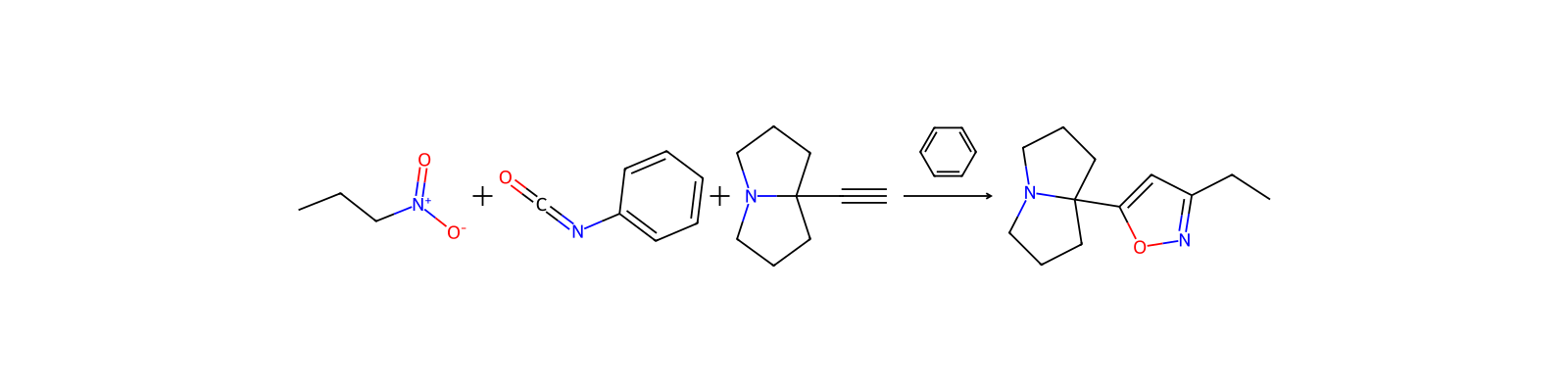
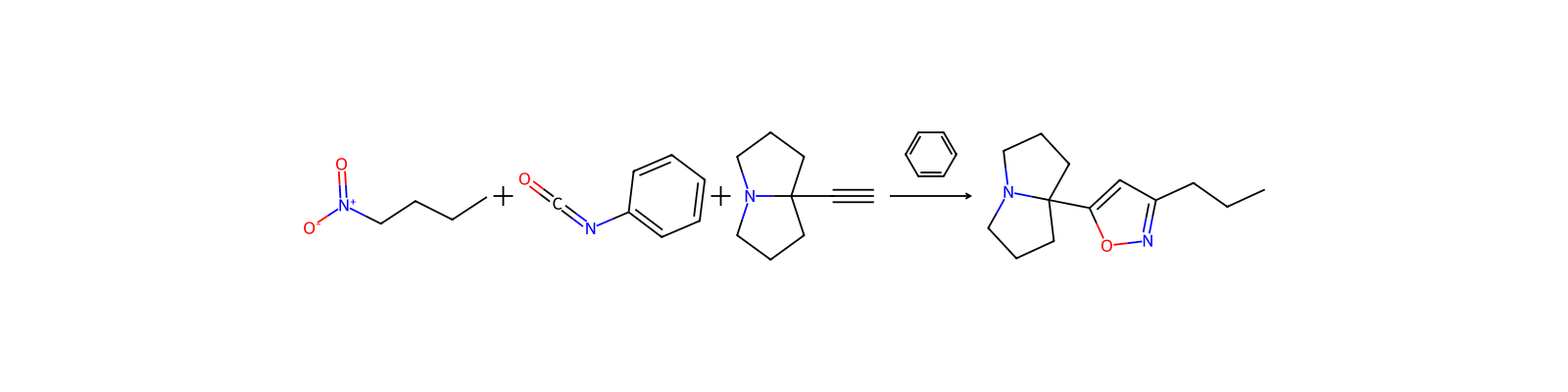
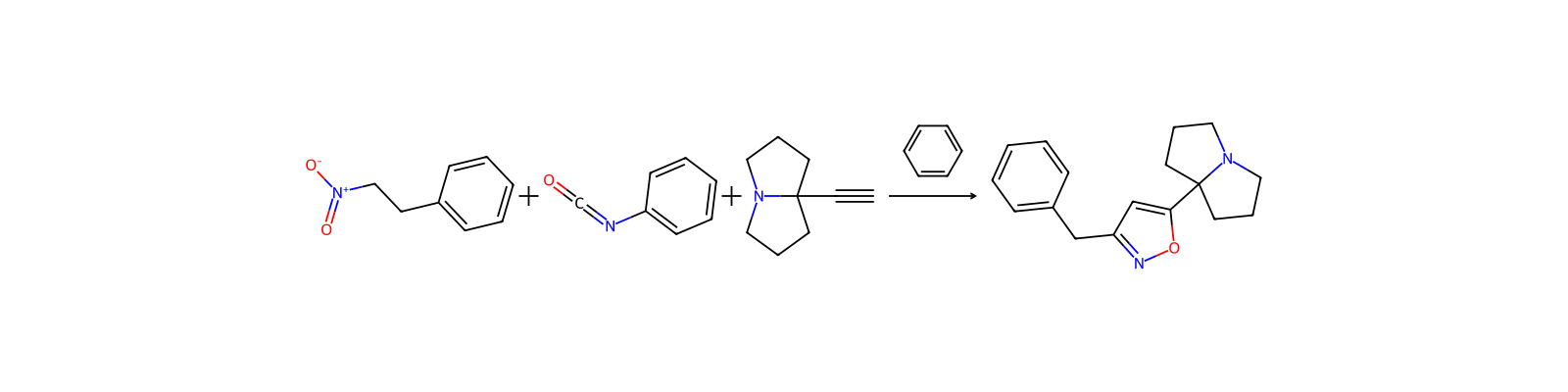
VerwendenPhenyl Isocyanate is also used in the synthesis of cyanopyridine derivatives in the search for anticancer compounds. It is also used in the synthesis of aminobenzimidazole derivatives with phenylcyclohexyl acetic groups showing antiobesity-antidiabetic activity.
Darstellung
synthetischeTo a mixture of aniline hydrochloride (12.95 g, 0.1 mol) and dry dioxane (100 mL) was added diphosgene (6.3 mL, 10.4 g, 0.05 mol). The mixture was heated to 60 °C; after stirring for 1.5 h, it became a clear solution. Heating was stopped after 3.5 h and the solvent was removed under reduced pressure. The residue was distilled at 70–73.5 °C (36 mmHg) to give 10.6 g (89%) of phenyl isocyanate. It could be redistilled almost quantitatively, bp 75–77 °C(39 mmHg) or 55–57 °C(16 mmHg).
Vor- und nachgelagerte Produkte
Vorgelagerte Rohstoffe
Nachgelagerte Produkte
Ergänzende Hinweise
DefinitionChEBI: An isocyanate composed of a benzene ring bearing a single isocyanato substituent.
Zugehörige Reaktionen
1.899


Verknüpfte Notizen
Wird geladen…