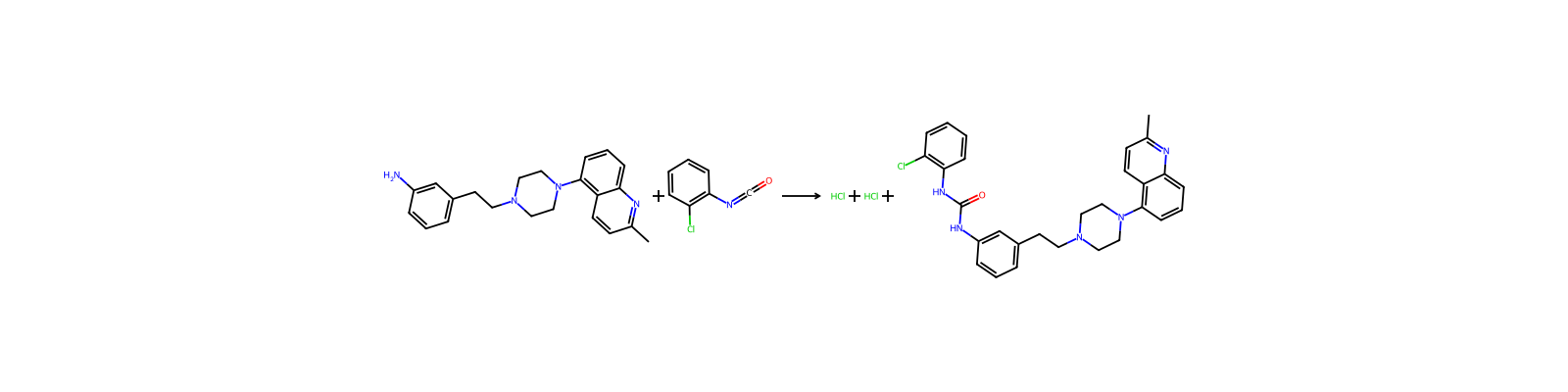
2-Chlorphenylisocyanat
Chlorophenyl isocyanate
Daten werden ergänzt – lade die Seite später neu, um den aktuellen Stand zu sehen
Grundinformationen
- CAS
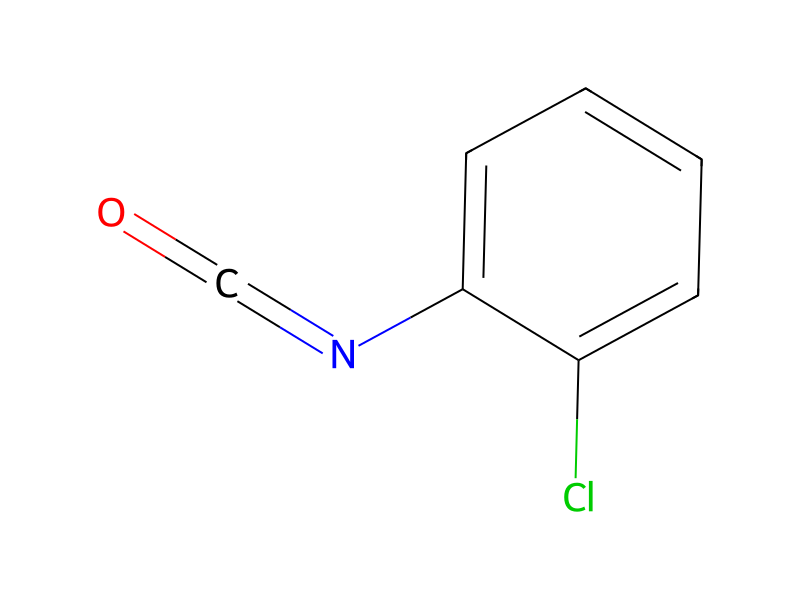
3320-83-0- Standard-SMILES
O=C=Nc1ccccc1Cl- InChIKey
NOHQUGRVHSJYMR-UHFFFAOYSA-N- Summenformel
- C7H4ClNO
- Durchschnittliche Molmasse
- 153,56 g/mol
- Monoisotopische Masse
- 152,99814143
Überblick
structure in first source
Namen und Bezeichner
- Bevorzugter Name
- Chlorophenyl isocyanate
- IUPAC
- 1-chloro-2-isocyanatobenzene
- Lokaler Name
- 2-Chlorphenylisocyanat
- Englischer Name
- 2-Chlorophenyl isocyanate
- Summenformel
- C7H4ClNO
- Molmasse
- 153.57
Namen und Synonyme
Chlorophenyl isocyanateRefChem:5624382-Chlorophenyl isocyanate3320-83-01-Chloro-2-isocyanatobenzeneo-Chlorophenyl isocyanate2-ChlorophenylisocyanateBenzene, 1-chloro-2-isocyanato-1-Chloro-2-isocyanato-benzeneIsocyanic acid, o-chlorophenyl esterMFCD00001999NSC 8761
Weitere Namen anzeigen
2-Chlorophenylo-chlorophenylcarbonimide2-chlorophenylcarbonimide2-ChlorophenylIsocyanate>1-chloro-2-isocyanato-benzen2-CHLOROPHENYL ISOCYANATE 99%2-Chlorophenyl isocyanate,99%
Isocyanic Acid 2-Chlorophenyl EsterEINECS 222-023-751134-03-3EC 222-023-72-chlorobenzenisocyanateBenzene, chloroisocyanato-Chloroisocyanatobenzenechlorophenylisocyanate
Datenbank-Bezeichner
- CAS
3320-83-0、51134-03-3- PubChem CID
- 76833
- DTXSID
DTXSID5062974- EC Number
- 222-023-7、257-001-6
- Nikkaji
- J30.178G
Eigenschaften
Berechnete StruktureigenschaftenWird ergänzt
- XLogP
- 3,4
- Polarare Oberfläche (TPSA)
- 29,4 Ų
- H-Brücken-Donoren
- 0
- H-Brücken-Akzeptoren
- 2
- Frei drehbare Bindungen
- 1
- Schwere Atome
- 10
- Formalladung
- 0
- Komplexität
- 154
Experimentelle und physikochemische Eigenschaften
SpringerMaterials PropertiesNuclear quadrupole resonance spectroscopy
Physikochemische Eigenschaften
- Schmelzpunkt
- 2 · 2-4 °C
- Siedepunkt
- 83 · 83-84 °C (10 mmHg)
- Dichte
- 1.273 g/mL · 1.273 g/mL at 25 °C(lit.)
- Brechungsindex
- 1.5565 · 1.5565-1.5585
- Flammpunkt
- 88 °C · 88 °C
- Löslichkeit
- Decomposes
- Aggregatzustand
- liquid
- Farbe
- Clear, colourless
- Wasserlöslichkeit
- Decomposes
- BRN
- 386478 · 386478
- InChI
- InChI=1S/C7H4ClNO/c8-6-3-1-2-4-7(6)9-5-10/h1-4H
- InChIKey
- NOHQUGRVHSJYMR-UHFFFAOYSA-N
Sicherheit und Regulatorisches
Sicherheitsangaben dienen nur zur Orientierung und ersetzen weder das Sicherheitsdatenblatt (SDB) des Lieferanten noch geltende Vorschriften oder eine fachliche Bewertung.
GHS-Klassifizierung
GHS Classification
Danger
H314 (100%): Causes severe skin burns and eye damage [Danger Skin corrosion/irritation]
P233, P260, P261, P264, P264+P265, P271, P272, P273, P280, P284, P301+P330+P331, P302+P352, P302+P361+P354, P304+P340, P305+P354+P338, P316, P317, P320, P321, P333+P317, P342+P316, P362+P364, P363, P391, P403, P403+P233, P405, and P501 (click each P-code to see the statement)
Aggregated GHS information provided per 49 reports by companies from 6 notifications to the ECHA C&L Inventory. Each notification may be associated with multiple companies.
Gefahrenhinweise
Regulatory InformationStatus: Active Update: 16-09-2019 https://echa.europa.eu/registration-dossier/-/registered-dossier/5200
Hazard Classes and CategoriesSkin Corr. 1B (100%)
Sicherheitsdaten
- wgk
- 2
- tsca
- TSCA listed
- ridadr
- 2206
- hs_code
- 29291090
- risk_code
- 42-36/37/38-23/24/25-42/43-34-20/21/22-51/53-26
- hazard_code
- T,C,N,T+
- hazard_note
- Toxic/Corrosive/Lachrymatory/Moisture Sensitive
- safety_code
- 45-38-36/37/39-28A-26-23-61-28
- hazard_class
- 6.1
- packing_group
- II
- Speicherklasse
- 6.1A - Combustible acute toxic Cat. 1 and 2very toxic hazardous materials
Chemie und Industrie
Verwendung und Herstellung
General Manufacturing InformationBenzene, 1-chloro-2-isocyanato-: ACTIVE
Anwendungen
Verwenden2-Chlorophenyl isocyanate has been used:as standard to investigate the photocatalytic degradation of Monuron over TiO2 suspensionsin the preparation of 2-(2-chlorophenylamino)-3,5-dihydro-5,5-dimethyl-3-phenyl-6H-imidazo[1,2-b]-1,2,4-triazol-6-onein synthesis of pentenylated β-cyclodextrin chlorophenyl carbamates
Vor- und nachgelagerte Produkte
Vorgelagerte Rohstoffe
Nachgelagerte Produkte
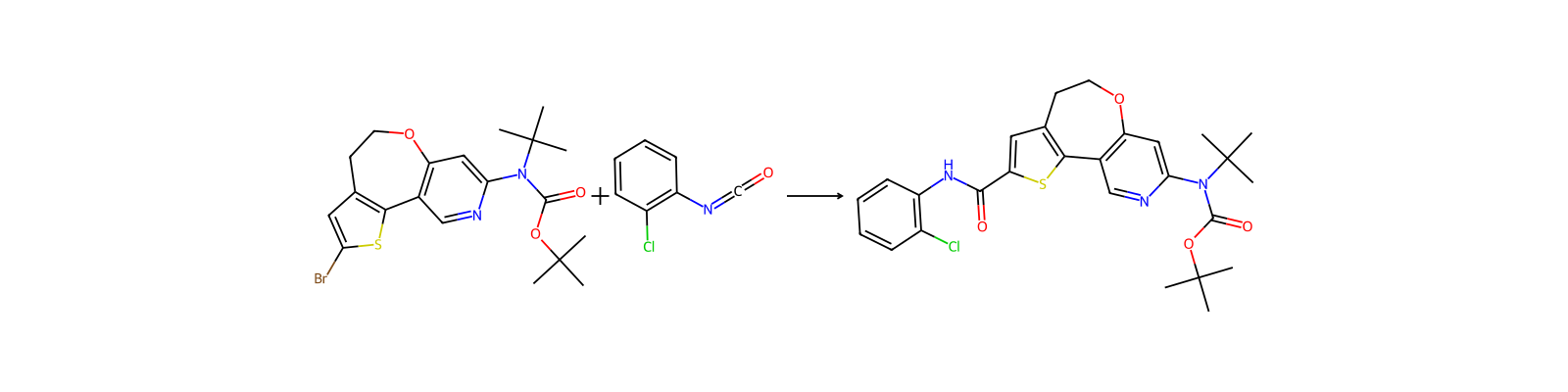
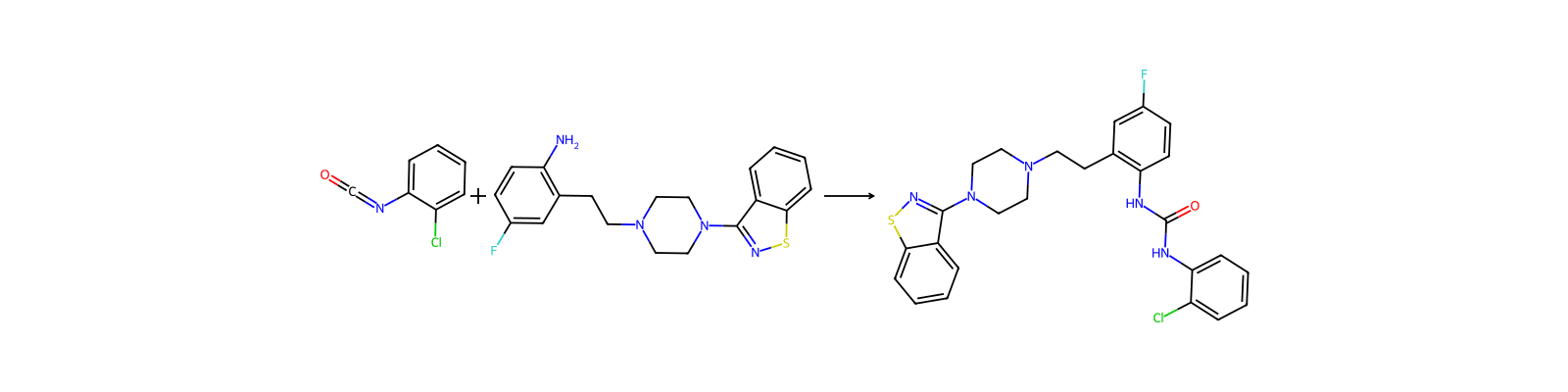
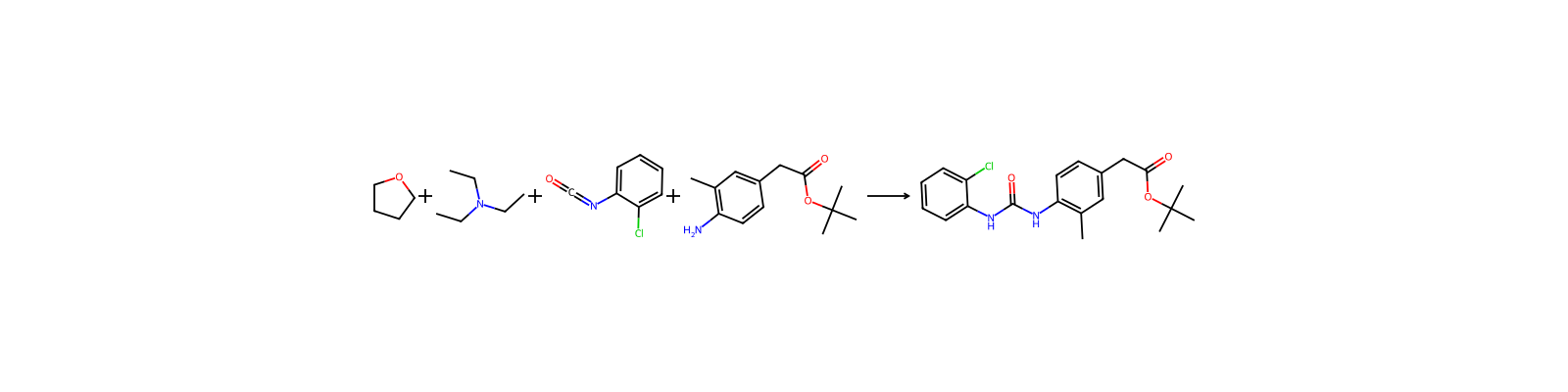
Zugehörige Reaktionen
173



Notizen zur Verbindung
Wird geladen…