StartseiteMCPWorkbenchSkills
StartseiteWorkbenchBenachrichtigungenMein Bereich
llms.txt · MCP-AnleitungDatenschutz · Nutzungsbedingungen · Supportv1.8.0
  1. Startseite
  2. /Verbindung

p-Tolualdehyd

4-Methylbenzaldehyde
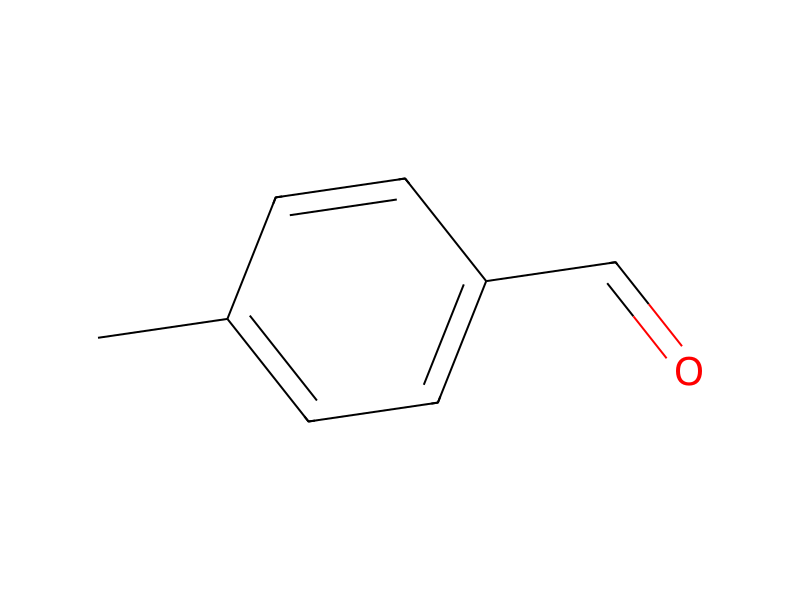
HCID 7725
Neue NotizNeue ReaktionAnfrage stellen
Druckvorschau
GrundinformationenÜberblickNamen und BezeichnerEigenschaftenSicherheit und RegulatorischesChemie und IndustrieZugehörige ReaktionenNotizen zur Verbindung
TeilstruktursucheÄhnliche Strukturen suchen

Grundinformationen

CAS
104-87-0
Standard-SMILES
Cc1ccc(C=O)cc1
InChIKey
FXLOVSHXALFLKQ-UHFFFAOYSA-N
Summenformel
C8H8O
Durchschnittliche Molmasse
120,15 g/mol
Monoisotopische Masse
120,05751487

Überblick

P-tolualdehyde is a tolualdehyde compound with the methyl substituent at the 4-position. It has a role as a plant metabolite.

Namen und Bezeichner

Bevorzugter Name
4-Methylbenzaldehyde
IUPAC
4-methylbenzaldehyde
Lokaler Name
p-Tolualdehyd
Englischer Name
p-Tolualdehyde
Summenformel
C8H8O
Molmasse
120.15

Namen und Synonyme

p-Tolualdehyde4-METHYLBENZALDEHYDE104-87-04-Tolualdehydep-Tolylaldehydep-Formyltoluenep-MethylbenzaldehydeBenzaldehyde, 4-methyl-p-Toluylaldehydepara-Tolualdehydepara-Methylbenzaldehydepara-Toluyl aldehyde
Weitere Namen anzeigen
FEMA 3068p-Toluic aldehydep-Tolualdehyde ,98%4-methyl-benzaldehyd
Paratolualdehyde4-ToluylaldehydeDTXSID9041520GAX22QZ28QCHEBI:28617NSC-2224FEMA NO. 3068, P-DTXCID7021520

Datenbank-Bezeichner

CAS
104-87-0
PubChem CID
7725
DTXSID
DTXSID9041520
ChEMBL
CHEMBL190927
ChEBI
CHEBI:28617
UNII
GAX22QZ28Q
EC Number
203-246-9
Nikkaji
J5.036I

Eigenschaften

Berechnete Struktureigenschaften

XLogP
2,1
Polarare Oberfläche (TPSA)
17,1 Ų
H-Brücken-Donoren
0
H-Brücken-Akzeptoren
1
Frei drehbare Bindungen
1
Schwere Atome
9
Formalladung
0
Komplexität
90,7

Experimentelle und physikochemische Eigenschaften

Chemical ClassesOther Classes -> Benzaldehydes
SpringerMaterials Properties13C nuclear magnetic resonance spectrum
FragrancesFragrance Ingredient (p-Tolualdehyde) -> IFRA transparency List
OdorFloral odor
Density1.0194 g/cu cm at 17 °C
Flavoring AgentsEU Flavoring substances
Color/FormCOLORLESS LIQUID
Solubility · 3 Einträge

Miscible with ethanol, ethyl ether, acetone; very soluble in chloroform

In water, 2.27X10+3 mg/L at 25 °C

2.27 mg/mL at 25 °C

Boiling Point · 3 Einträge

204 °C

BP: 106 °C at 10 mm Hg

204.00 °C. @ 760.00 mm Hg

Decomposition

Sicherheit und Regulatorisches

Sicherheitsangaben dienen nur zur Orientierung und ersetzen weder das Sicherheitsdatenblatt (SDB) des Lieferanten noch geltende Vorschriften oder eine fachliche Bewertung.

GHS-Klassifizierung

GHS Classification · 6 Einträge

Warning

H302 (99.8%): Harmful if swallowed [Warning Acute toxicity, oral]

P264, P264+P265, P270, P280, P301+P317, P305+P351+P338, P330, P337+P317, and P501 (click each P-code to see the statement)

Aggregated GHS information provided per 1818 reports by companies from 11 notifications to the ECHA C&L Inventory. Each notification may be associated with multiple companies.

Warning

H227: Combustible liquid [Warning Flammable liquids]

Gefahrenhinweise

Regulatory Information · 5 Einträge

Chemical: Benzaldehyde, 4-methyl-

Commission Regulation (EC) No 1565/2000 (Repealed by Com. Implementing Reg. (EU) No 872/2012)

Benzaldehyde, 4-methyl- is listed on the EPA's Chemical Data Reporting (CDR) system. Manufacturers and importers of Benzaldehyde, 4-methyl- are required to report information about their production and use of this chemical to the EPA under the Toxic Substances Control Act (TSCA). (40 eCFR Part 711)

REACH registered substance: p-tolualdehyde (EC: 203-246-9)

4-Methylbenzaldehyde: Does not have an individual approval but may be used under an appropriate group standard

Hazards SummaryA skin, eye, and respiratory tract irritant; Dilute solutions of tolualdehydes did not induce skin sensitization in volunteers; [HSDB] An irritant; [MSDSonline]
TSCA Requirements · 2 Einträge

Section 8(a) of TSCA requires manufacturers of this chemical substance to report preliminary assessment information concerned with production, exposure, and use to EPA as cited in the preamble in 51 FR 41329. Effective date 9/30/91; Reporting date: 11/27/91.

Pursuant to section 8(d) of TSCA, EPA promulgated a model Health and Safety Data Reporting Rule. The section 8(d) model rule requires manufacturers, importers, and processors of listed chemical substances and mixtures to submit to EPA copies and lists of unpublished health and safety studies. Benzaldehyde, 4-methyl- is included on this list. Effective date 9/30/91; Sunset date: 6/30/98.

Chemie und Industrie

Pharmakologische Informationen

Metabolism/Metabolites · 5 Einträge

Aromatic aldehydes are oxidized in vivo almost entirely to corresponding acid. Thus, in rabbits, p-tolualdehyde is converted to p-toluic acid which has been detected in urine as the ester glucuronide.

p-Tolualdehyde was oxidized to p-toluic acid by resting cells of pseudomonas aeruginosa. Perillaldehyde dehydrogenase, isolated from soil pseudomonad, catalyzed the oxidn of m- & p-tolualdehyde but not o-tolualdehyde.

Aldehydes are readily oxidized to organic acids. Oxidation of aldehydes is catalyzed by aldehyde dehydrogenase, which has been found in the brain, erythrocytes, liver, kidney, heart, and placenta. /Aldehydes/

... The detoxification of aldehydes can be seen to proceed basically via two routes: (1) an oxidation to yield readily metabolized acids; (2) inactivation by reaction with sulfhydryl groups, particularly glutathione. Under conditions that either deplete glutathione levels, or that result in an inhibition of aldehyde dehydrogenase (for example, Antabuse treatment), the acute and chronic effects of aldehyde toxicity might be more fully expressed. /Aldehydes/

For more Metabolism/Metabolites (Complete) data for 4-METHYLBENZALDEHYDE (7 total), please visit the HSDB record page.

Cellular LocationsCytoplasm

Verwendung und Herstellung

Uses · 3 Einträge

Used in flavors, perfumes, and as an intermediate for pharmaceuticals and dyestuffs; [HSDB]

In perfumes; pharmaceutical and dyestuff intermediate, flavoring agent

Derivatives: 4-methylphenylacetaldehyde

U.S. Imports · 2 Einträge

(1979) 8.25X10+5 GRAMS

(1981) 3.60X10+5 GRAMS

U.S. Production · 4 Einträge

2023: 28,204 lb

(1979) PROBABLY GREATER THAN 4.54X10+6 GRAMS

(1981) PROBABLY GREATER THAN 4.54X10+6 GRAMS

Production volumes for non-confidential chemicals reported under the Inventory Update Rule. [Table#5372]

Zugehörige Reaktionen

384
Reaktionsaufzeichnung erstellen
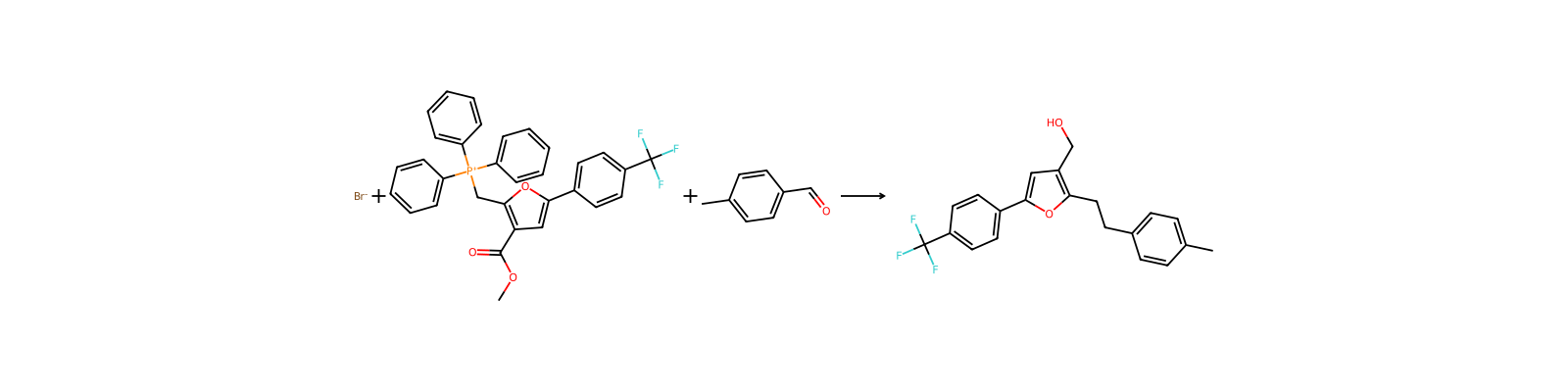
Reaktionsgleichung von HRID 6209
HRID 6209als Eduktuspto-grants-1993_09
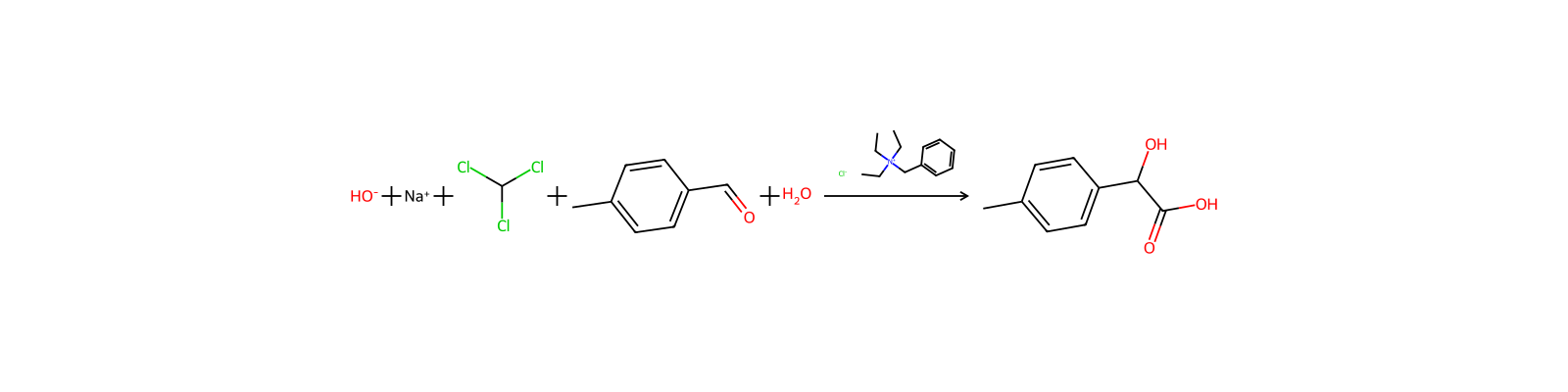
Reaktionsgleichung von HRID 9071
HRID 9071als Eduktuspto-grants-2006_08
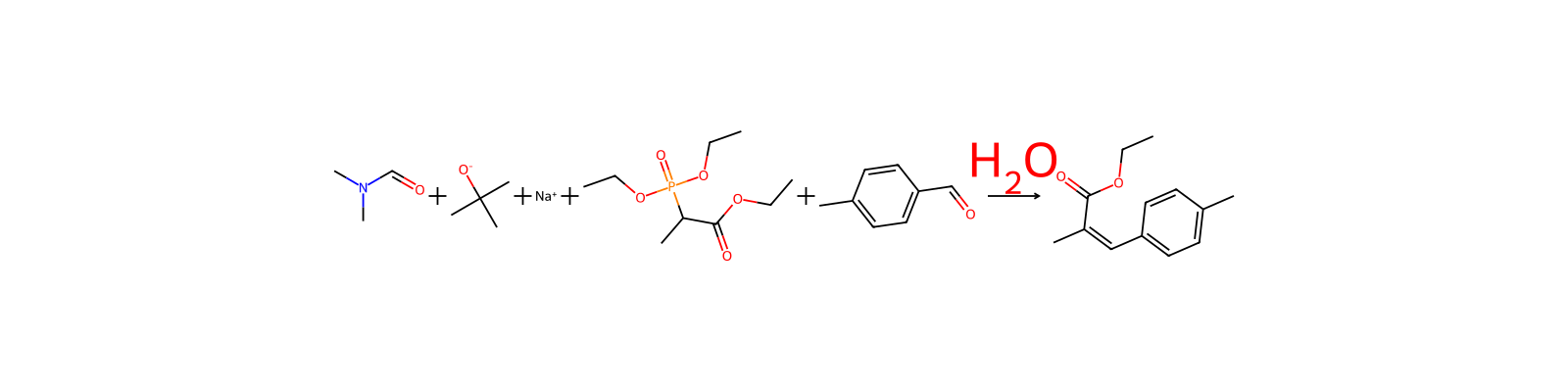
Reaktionsgleichung von HRID 9072
HRID 9072als Eduktuspto-grants-2006_08
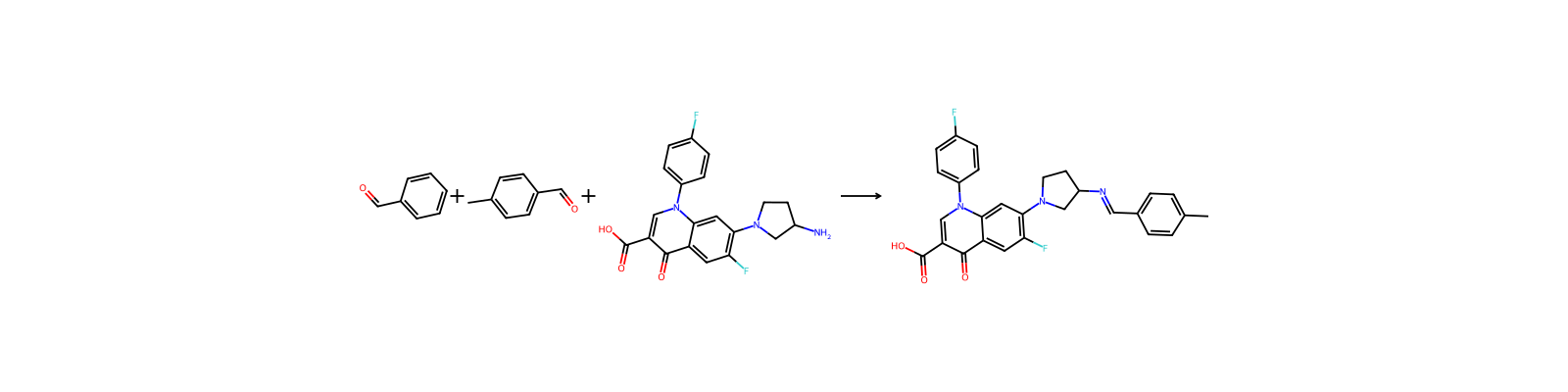
Reaktionsgleichung von HRID 9650
HRID 9650als Eduktuspto-grants-2006_08
Reaktionsgleichung von HRID 10384
HRID 10384als Eduktuspto-grants-2006_08
Reaktionsgleichung von HRID 15408
HRID 15408als Eduktuspto-grants-2010_06
Reaktionsgleichung von HRID 29116
HRID 29116als Eduktuspto-grants-2008_09
Reaktionsgleichung von HRID 34633
HRID 34633als Eduktuspto-grants-1988_08
Seite 1 von 48

Notizen zur Verbindung

Wird geladen…

Auf dieser SeiteGrundinformationenÜberblickNamen und BezeichnerEigenschaftenSicherheit und RegulatorischesChemie und IndustrieZugehörige ReaktionenNotizen zur Verbindung
Weitere Aktionen
Neue NotizNeue ReaktionAnfrage stellen
When heated to decomposition it emits acrid smoke and irritating vapors.
Melting Point · 2 Einträge

-6 °C

-6 °C

Vapor Pressure · 2 Einträge

0.25 [mmHg]

2.5X10⁻¹ mm Hg at 25 °C

Physikochemische Eigenschaften

Schmelzpunkt
-6 °C · -6 °C
Siedepunkt
204 · 204-205 °C (lit.) 82-85 °C/11 mmHg (lit.)
Dichte
1.019 g/mL · 1.019 g/mL at 25 °C (lit.)
Dampfdruck
0.33 hPa · 0.33 hPa (25 °C)
FEMA
3068 · 3068 | TOLUALDEHYDES (MIXED O,M,P)
Brechungsindex
20 · n20/D 1.545(lit.)
Flammpunkt
176 °F · 176 °F
storage temp.
30 °C · Store below +30°C.
Löslichkeit
0.25 g/L · water: soluble0.25 g/L at 25°C
Aggregatzustand
Liquid
Farbe
Clear colorless to yellow
Geruch (Odor)
5 % · at 5.00 % in dipropylene glycol. fruity cherry deep phenolic
Geruchsart
fruity
Biologische Quelle
synthetic
Explosionsgrenze
0.9 · 0.9-5.6%(V)
Wasserlöslichkeit
0.25 g/L · 0.25 g/L (25 ºC)
BRN
385772 · 385772
Henry's Law Constant
5.3 · 5.3×10-1 mol/(m3Pa) at 25℃, Brockbank (2013)
Kosmetik-Inhaltsstoffe Funktionen
FRAGRANCE
InChI
1S/C8H8O/c1-7-2-4-8(6-9)5-3-7/h2-6H,1H3
InChIKey
FXLOVSHXALFLKQ-UHFFFAOYSA-N
SMILES
[H]C(=O)c1ccc(C)cc1
LogP
2.25 · 2.25
CAS Datenbank
104 · 104-87-0(CAS DataBase Reference)
NIST chemische Informationen
4 · Benzaldehyde, 4-methyl-(104-87-0)
EPA chemische Informationen
4 · 4-Methylbenzaldehyde (104-87-0)
Hazard Classes and Categories · 2 Einträge

Acute Tox. 4 (99.8%)

Flammable liquids - Category 4

Skin, Eye, and Respiratory IrritationsThe low molecular weight aldehydes, the halogenated aliphatic aldehydes, and the unsaturated aldehydes are particularly irritating. /Aldehydes/

Sicherheit und Schutzausrüstung

Disposal Methods · 1 Eintrag

SRP: The most favorable course of action is to use an alternative chemical product with less inherent propensity for occupational exposure or environmental contamination. Recycle any unused portion of the material for its approved use or return it to the manufacturer or supplier. Ultimate disposal of the chemical must consider: the material's impact on air quality; potential migration in soil or water; effects on animal, aquatic, and plant life; and conformance with environmental and public health regulations.

Preventive Measures · 1 Eintrag

SRP: The scientific literature for the use of contact lenses in industry is conflicting. The benefit or detrimental effects of wearing contact lenses depend not only upon the substance, but also on factors including the form of the substance, characteristics and duration of the exposure, the uses of other eye protection equipment, and the hygiene of the lenses. However, there may be individual substances whose irritating or corrosive properties are such that the wearing of contact lenses would be harmful to the eye. In those specific cases, contact lenses should not be worn. In any event, the usual eye protection equipment should be worn even when contact lenses are in place.

Toxikologische Informationen

Body Burdenp-Methylbenzaldehyde was detected in expired air at an average concentration of 6.5 ng/L from 28 human subjects(1). 5.6% of expired air samples from 54 human subjects contained 4-methylbenzaldehyde at a mean concentration of 3.3 ng/L(2).
Ecotoxicity ValuesEC50; Species: Tetrahymena pyriformis (Ciliate, GL-C strain); Conditions: freshwater, static; Concentration: 134510 ug/L for 48 hr (95% confidence limit: 95820-164650 ug/L); Effect: decreased population growth
Environmental Fate · 3 Einträge

TERRESTRIAL FATE: Based on a classification scheme(1), an estimated Koc value of 62(SRC), determined from a water solubility of 2,270 mg/L(2) and a regression-derived equation(3), indicates that 4-methylbenzaldehyde is expected to have high mobility in soil(SRC). Volatilization of 4-methylbenzaldehyde from moist soil surfaces is expected to be an important fate process(SRC) given an estimated Henry's Law constant of 1.7X10⁻⁵ atm-cu m/mole(SRC), derived from its vapor pressure, 0.25 mm Hg(4), and its water solubility(2). 4-Methylbenzaldehyde is expected to volatilize from dry soil surfaces(SRC) based upon its vapor pressure(4). Based on limited information, 4-methylbenzaldehyde is expected to biodegrade in soil(SRC). A Pseudomonas strain was able to utilize 4-methylbenzaldehyde as the sole carbon source(5); a yeast strain grown with both this compound and either sucrose or pyruvate biodegraded 4-methylbenzaldehyde to the respective aromatic carbinol or alcohol(6).

AQUATIC FATE: Based on a classification scheme(1), an estimated Koc value of 62(SRC), determined from a water solubility of 2,270 mg/L(2) and a regression-derived equation(3), indicates that 4-methylbenzaldehyde is not expected to adsorb to suspended solids and sediment(SRC). Volatilization from water surfaces is expected(3) based upon an estimated Henry's Law constant of 1.7X10⁻⁵ atm-cu m/mole(SRC), derived from its vapor pressure, 0.25 mm Hg(4), and its water solubility(2). Using this Henry's Law constant and an estimation method(3), volatilization half-lives for a model river and model lake are 2.4 and 21 days, respectively(SRC). According to a classification scheme(5), an estimated BCF of 8(SRC), from its water solubility(2) and a regression-derived equation(3), suggests the potential for bioconcentration in aquatic organisms is low(SRC). Based on limited data, biodegradation of 4-methylbenzaldehyde will take place in water(SRC). A Pseudomonas strain was able to utilize 4-methylbenzaldehyde as the sole carbon source(6); a yeast strain grown with both this compound and either sucrose or pyruvate biodegraded 4-methylbenzaldehyde to the respective aromatic carbinol or alcohol(7).

ATMOSPHERIC FATE: According to a model of gas/particle partitioning of semivolatile organic compounds in the atmosphere(1), 4-methylbenzaldehyde, which has a vapor pressure of 0.25 mm Hg at 25 °C(2), is expected to exist solely as a vapor in the ambient atmosphere. Vapor-phase 4-methylbenzaldehyde is degraded in the atmosphere by reaction with photochemically-produced hydroxyl radicals(SRC); the half-life for this reaction in air is estimated to be 21 hrs(SRC), calculated from its rate constant of 1.8X10⁻¹¹ cu cm/molecule-sec at 25 °C(3). The reactivity of 4-methylbenzaldehyde (1 ppm) with NOx (0.5 ppm) in light was measured in a smog chamber as 1.78 ppb/min(4). 4-Methylbenzaldehyde contains chromophores that absorb at wavelengths >290 nm(5) and therefore may be susceptible to direct photolysis by sunlight(SRC).

Food Survey Values4-Methylbenzaldehyde is a constituent of coffee aroma(1), roasted filberts(2), roasted earth almonds (Cyperus esculentus L.)(3). 4-Methylbenzaldehyde was detected in a Spanish type paprika oleoresin at 1.3 mg/kg(4).
Plant Concentrations4-Methylbenzaldehyde was detected in raw earth almonds (Cyperus esculentus L.)(1).
Effluent Concentrations · 2 Einträge

Operation of a four-stroke outboard motor resulted in the exhaust emission of 2.8 mg/10 min of 4-methylbenzaldehyde into the water(1). 4-Methylbenzaldehyde was emitted from a fireplace burning jack pine, cedar, red oak, and green ash wood at concns of 0.114-0.475 g/kg(2). 4-Methylbenzaldehyde was emitted from non-catalyst and catalyst automobiles at 7.7 and 1.7 ug/km, respectively(3). Heavy-duty diesel trucks emitted 2.3 ug 4-methylbenzaldehyde/km(3). 4-Methylbenzaldehyde was identified in rush hour traffic air samples taken at the Oakland-San Francisco Bay Bridge toll plaza 4/23/2001, 5-7 pm, 4/24/2001, 6-10 am, and 3-7 pm at concns of 0.018-0.023 ug/cu m(4). 4-Methylbenzaldehyde was found in highway tunnels in Tuscarora; light duty trucks emitted 0.023 mg/km traveled or 0.305 mg/L fuel used, heavy duty trucks emitted 0.335 mg/km traveled or 0.962 mg/L fuel used(5). 4-Methylbenzaldehyde emissions from an automobile running on Swedish environmental classified diesel fuel were 0.6 mg/km and the same automobile running on European program emissions fuel were also 0.6 mg/km(6).

3-Methylbenzaldehyde/4-methylbenzaldehyde was measured in the emissions of burnt wood at 12 and 27 mg/kg of pine and eucalyptus, but was not detected in the emissions of burnt oak(1).

Soil Adsorption/Mobility · 1 Eintrag

The Koc of 4-methylbenzaldehyde is estimated as 62(SRC), using a water solubility of 2,270 mg/L(1) and a regression-derived equation(2). According to a classification scheme(3), this estimated Koc value suggests that 4-methylbenzaldehyde is expected to have high mobility in soil.

TSCA Test Submissions · 5 Einträge

P-Tolualdehyde (CAS # 104-87-0) was evaluated for acute oral toxicity. The test substance was administered to 10 rats (sex and strain not indicated) at a dosage range of 200-3200 mg/kg. No unusual clinical signs were observed, except for evidence of slight toxicity. Mortality data were not provided, except for time of death (within 1 day). The LD50 was determined to be 1600 mg/kg.

P-Tolualdehyde (CAS # 104-87-0) was evaluated for acute inhalation toxicity by exposing 6 rats (sex and strain not indicated) to a single six-hour inhalation exposure of 373 and 444 ppm. No mortality occurred. The rats gained weight normally and there were no unusual clinical signs other than irritation.

P-Tolualdehyde (CAS # 104-87-0) was evaluated for subchronic oral toxicity. The test substance was administered by gavage to 5/rats/dose (sex and strain not indicated) at dosage levels of 100 or 1000 mg/kg/day for a total of 12 doses over 17 days. Feed consumption and weight gain were normal. Hematology, clinical chemistry, liver and kidney weights, and gross and histopathological findings were normal.

P-Tolualdehyde (CAS # 104-87-0) was evaluated for subchronic dermal toxicity. The test substance was administered (dosage not indicated) to the clipped backs of guinea pigs (number, sex, and strain not indicated) and repeated applications produced a slight exacerbation of the irritation response seen from a single application.

For more TSCA Test Submissions (Complete) data for 4-METHYLBENZALDEHYDE (8 total), please visit the HSDB record page.

Natural Pollution Sources4-Methylbenzaldehyde was detected in raw earth almonds (Cyperus esculentus L.)(1).
Atmospheric Concentrations · 3 Einträge

URBAN/SUBURBAN: 4-Methylbenzaldehyde, analyzed in Athens, Greece, June to December 2000, was detected at Patission Street at concns of 1.2-5.9 ug/cu m(1). 4-Methylbenzaldehyde was detected at average concns of 0.032-0.131 ug/cu m in Rio de Janeiro, Brazil Oct 1999 to Nov 2000(2). 4-Methylbenzaldehyde was analyzed but not detected in samples taken at the top of an 11 story building on the campus of Hong Kong University Science and Technology(3).

RURAL/REMOTE: 4-Methylbenzaldehyde was identified in forest air collected in the Southern Black Forest, Germany, at unreported concentrations(1).

SOURCE DOMINATED: 4-Methylbenzaldehyde was analyzed but not detected in kitchen exhaust(1).

Human Toxicity Excerpts · 2 Einträge

/SIGNS AND SYMPTOMS/ The mucus membranes of the nasal and oral passages and the upper respiratory tract are affected, producing a burning sensation, ... bronchial constriction, choking, and coughing. The eyes tear, and a burning sensation is noted on the skin of the face. /Aldehydes/

/SIGNS AND SYMPTOMS/ No evidence of skin sensitization was found in volunteers treated with dilute solutions. /Tolualdehydes/

Artificial Pollution Sources · 1 Eintrag

4-Methylbenzaldehyde's production and use in perfumes, as a pharmaceutical and dyestuff intermediate, and as a flavoring agent(1) may result in its release to the environment through various waste streams(SRC). Exhaust from outboard motors(2), automobiles and trucks(3), and emissions from fireplaces(4) contain 4-methylbenzaldehyde.

Regulatorische Informationen

TSCA Requirements · 2 Einträge

Section 8(a) of TSCA requires manufacturers of this chemical substance to report preliminary assessment information concerned with production, exposure, and use to EPA as cited in the preamble in 51 FR 41329. Effective date 9/30/91; Reporting date: 11/27/91.

Pursuant to section 8(d) of TSCA, EPA promulgated a model Health and Safety Data Reporting Rule. The section 8(d) model rule requires manufacturers, importers, and processors of listed chemical substances and mixtures to submit to EPA copies and lists of unpublished health and safety studies. Benzaldehyde, 4-methyl- is included on this list. Effective date 9/30/91; Sunset date: 6/30/98.

Sicherheitsdaten

F
9-23
wgk
1
tsca
TSCA listed
ridadr
NA 1993 / PGIII
hs_code
29122900
RTECS-Nr.
CU7034500
risk_code
22-36/37/38-36/38
Toxizität
LD50 orally in Rabbit: 1600 mg/kg
hazard_code
Xn
safety_code
26-36-37/39
Speicherklasse
10 - Combustible liquids
Giftige Stoffe Daten
104-87-0(Hazardous Substances Data)
Hazard Classifications
Acute Tox. 4 OralEye Irrit. 2Skin Irrit. 2
Selbstentzündungstemperatur
395 °C DIN 51794
Consumer UsesIntermediate
Industry UsesIntermediate
Methods of Manufacturing · 3 Einträge

4-Methylbenzaldehyde is produced industrially by a modified Gattermann-Koch reaction. Toluene is reacted with carbon monoxide in the presence of hydrogen fluoride and tantalum(V) fluoride or hydrogen fluoride and boron trifluoride.

Toluene + dimethylformamide (Vilsmeier reaction)

Toluene + carbon monoxide (Gattermann-Koch reaction)

Formulations/PreparationsGrades: Technical; Pure.
Use ClassificationFragrance Ingredients
General Manufacturing Information · 2 Einträge

All Other Basic Organic Chemical Manufacturing

Benzaldehyde, 4-methyl-: ACTIVE

Anwendungen

Verwendenp-Tolualdehyde is made by the Vilsmeier reaction employing toluene and dimethylformamide or the Guttermann–Koch reaction employing toluene and carbon monoxide.

Vor- und nachgelagerte Produkte

Vorgelagerte Rohstoffe

p-Xylol

Nachgelagerte Produkte

Ozagrel6-(bromomethyl)isoquinoline6-Methylisochinolin7-Methylisochinolin3-(Bromomethyl)phenol3-(p-Tolyl)propionsureIsoquinoline, 7-(bromomethyl)- (9CI)p-Methylamphetamine5-Formyl-2-methylbenzoic acid2,2',5,5'-TetramethylbiphenylN-tert-butylhydroxylaminetrans-p-MethylzimtsureMethyl-p-toluatEthylpyridin-2-carboxylat4,4'-Dimethylbenzoin4-Methylbenzophenon2,4,6-trip-tolyl-1,3,5-triazine

Ergänzende Hinweise

DefinitionChEBI: A tolualdehyde compound with the methyl substituent at the 4-position.