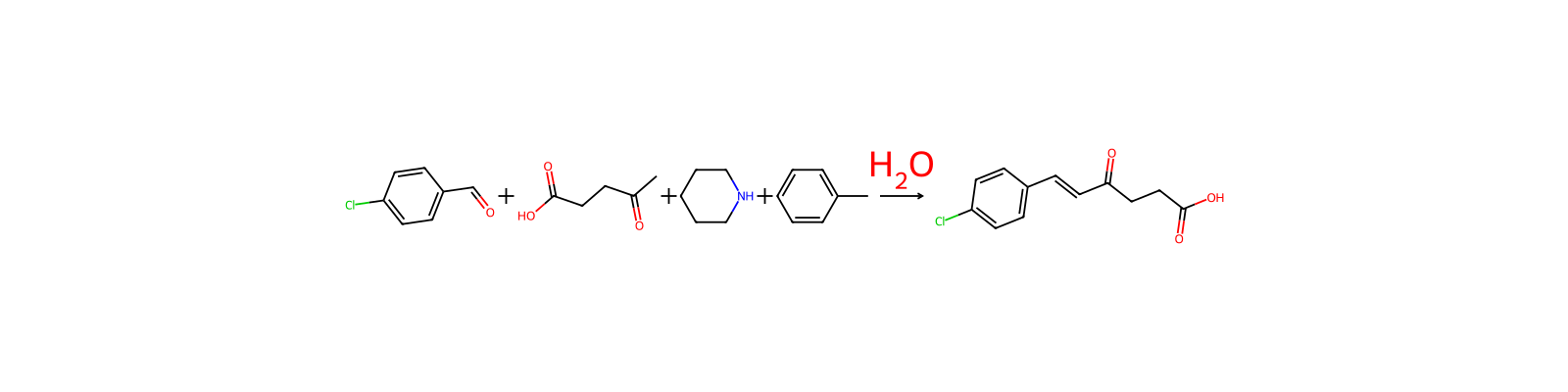
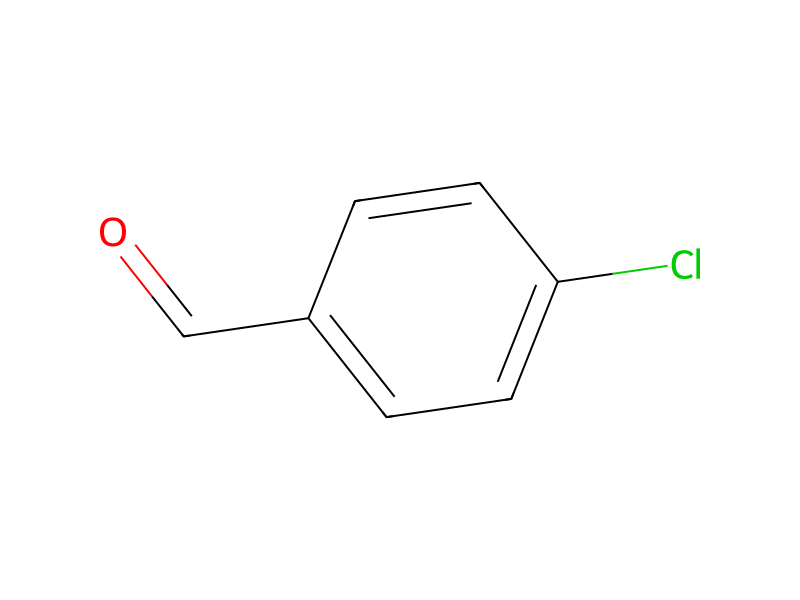
Grundinformationen
- Standard-SMILES
O=Cc1ccc(Cl)cc1- InChIKey
AVPYQKSLYISFPO-UHFFFAOYSA-N- Summenformel
- C7H5ClO
- Durchschnittliche Molmasse
- 140,56 g/mol
- Monoisotopische Masse
- 140,0028925
Namen und Bezeichner
- Bevorzugter Name
- 4-Chlorobenzaldehyde
- IUPAC
- 4-chlorobenzaldehyde
- Lokaler Name
- 4-Chlorbenzaldehyd
- Englischer Name
- 4-Chlorobenzaldehyde
- Summenformel
- C7H5ClO
- Molmasse
- 140.57
Namen und Synonyme
4-Chlorobenzaldehyde104-88-1P-CHLOROBENZALDEHYDEBenzaldehyde, 4-chloro-Benzaldehyde, p-chloro-p-ChlorobenzenecarboxaldehydePARA-CHLOROBENZALDEHYDEDTXSID2021860E67727UP9ZNSC-2078DTXCID501860RefChem:98544
Weitere Namen anzeigen
AQUEOUS AMMONIAAMMONIA WATERAMMONIA GASAMMONIUM ION CHROMATOGRAPHY STANDARDorobenzaLAMMONIA NO 1AMMONIA NO 2
203-247-44-chloro-benzaldehyde4-Chlorobenzenaldehyde4-chloro benzaldehydeMFCD000033794-ChlorbenzaldehydCCRIS 857PCAD
Datenbank-Bezeichner
- CAS
104-88-1- PubChem CID
- 7726
- DTXSID
DTXSID2021860- ChEMBL
CHEMBL1474- UNII
- E67727UP9Z
- EC Number
- 203-247-4
- Nikkaji
- J96.206F
Eigenschaften
Berechnete Struktureigenschaften
- XLogP
- 2,1
- Polarare Oberfläche (TPSA)
- 17,1 Ų
- H-Brücken-Donoren
- 0
- H-Brücken-Akzeptoren
- 1
- Frei drehbare Bindungen
- 1
- Schwere Atome
- 9
- Formalladung
- 0
- Komplexität
- 95
Experimentelle und physikochemische Eigenschaften
Density1.196 at 142 °F (NTP, 1992) - Denser than water; will sink
Solubilityless than 1 mg/mL at 67.1 °F (NTP, 1992)
Flash Point190 °F (NTP, 1992)
Boiling Point415 to 417 °F at 760 mmHg (NTP, 1992)
Melting Point111 to 117 °F (NTP, 1992)
Vapor Pressure0.18 [mmHg]
Physical Description
4-chlorobenzaldehyde appears as colorless to yellow powder or white crystalline solid. Pungent odor. (NTP, 1992)
Colorless to yellow solid with a pungent odor; [CAMEO] Beige crystalline solid; [Sigma-Aldrich MSDS]
Kovats Retention Index1116;1122.6;1113.2;1137;1107
Physikochemische Eigenschaften
- Schmelzpunkt
- 46 °C · 46 °C
- Siedepunkt
- 213 · 213-214℃
- Dichte
- 1.196 · 1.196
- Dampfdichte
- 0.6 · 0.6 (vs air)
- Dampfdruck
- 8.75 atm · 8.75 atm ( 21 °C)
- Brechungsindex
- 1.555 · 1.5550 (estimate)
- Flammpunkt
- 52 °F · 52 °F
- storage temp.
- 30 °C · Store below +30°C.
- Löslichkeit
- 935 mg/l · 935mg/l
- Aggregatzustand
- Liquid
- Farbe
- White to pale yellow
- Wasserlöslichkeit
- 935 mg/L · 935 mg/L (20 ºC)
- BRN
- 385858 · 385858
- Dielectric constant
- 72 · 72(0.0℃)
- Stabilität
- Stable, but air and light-sensitive. Incompatible with strong bases, strong reducing agents, strong oxidizing agents.
- InChI
- 1S/C7H5ClO/c8-7-3-1-6(5-9)2-4-7/h1-5H
- InChIKey
- AVPYQKSLYISFPO-UHFFFAOYSA-N
- SMILES
- [H]C(=O)c1ccc(Cl)cc1
- LogP
- 2.34 at · 2.34 at 25℃ and pH7
- CAS Datenbank
- 104 · 104-88-1(CAS DataBase Reference)
- NIST chemische Informationen
- 4 · Benzaldehyde, 4-chloro-(104-88-1)
- EPA chemische Informationen
- p-Chlorobenzaldehyde (104-88-1)
Sicherheit und Regulatorisches
GHS-Klassifizierung
GHS Classification
Warning
H302 (100%): Harmful if swallowed [Warning Acute toxicity, oral];H315 (99.6%): Causes skin irritation [Warning Skin corrosion/irritation];H317 (76.7%): May cause an allergic skin reaction [Warning Sensitization, Skin];H319 (99.6%): Causes serious eye irritation [Warning Serious eye damage/eye irritation];H335 (17.2%): May cause respiratory irritation [Warning Specific target organ toxicity, single exposure; Respiratory tract irritation];H411 (81.5%): Toxic to aquatic life with long lasting effects [Hazardous to the aquatic environment, long-term hazard]
P261, P264, P264+P265, P270, P271, P272, P273, P280, P301+P317, P302+P352, P304+P340, P305+P351+P338, P319, P321, P330, P332+P317, P333+P317, P337+P317, P362+P364, P391, P403+P233, P405, and P501 (click each P-code to see the statement)
Aggregated GHS information provided per 227 reports by companies from 11 notifications to the ECHA C&L Inventory. Each notification may be associated with multiple companies.;Information may vary between notifications depending on impurities, additives, and other factors. The percentage value in parenthesis indicates the notified classification ratio from companies that provide hazard codes. Only hazard codes with percentage values above 10% are shown. For more detailed information, please visit ECHA C&L website.
Gefahrenhinweise
Regulatory Information
Chemical: Benzaldehyde, 4-chloro-
Status: Active Update: 13-09-2022 https://echa.europa.eu/registration-dossier/-/registered-dossier/2167;Status: Active Update: 30-11-2012 https://echa.europa.eu/registration-dossier/-/registered-dossier/8298
4-Chlorobenzaldehyde: Does not have an individual approval but may be used under an appropriate group standard
DOT LabelPoison
Fire HazardsThis chemical is combustible. (NTP, 1992)
Health Hazards
SYMPTOMS: Symptoms of exposure to this compound include irritation of the skin, eyes and mucous membranes.;ACUTE/CHRONIC HAZARDS: This chemical may be harmful by inhalation, ingestion or skin absorption. It is an irritant of the skin, eyes and mucous membranes. When heated to decomposition it emits toxic fumes of carbon monoxide, carbon dioxide and hydrogen chloride gas. (NTP, 1992)
Hazards Summary
No mortalities observed in rats exposed by inhalation to 321 mg/m3 for 4 hours or 250 mg/m3 for 7 hours; Causes mild to severe skin and mild eye irritation in rabbits; [IUCLID] Causes altered sleep time (including change in righting reflex), somnolence, and excitement in oral lethal-dose studies of mice and rats; [RTECS] A skin, eye, and mucous membrane irritant; [NTP] A skin and strong eye irritant; Harmful by ingestion; [Sigma-Aldrich MSDS]
Reactive GroupAldehydes;Hydrocarbons, Aromatic;Aryl Halides
Reactivity Profile4-CHLOROBENZALDEHYDE is sensitive to exposure to air. It is also sensitive to light. REACTIVITY: This chemical is incompatible with strong bases, strong oxidizers and strong reducing agents. (NTP, 1992)
Air and Water ReactionsThis chemical is sensitive to exposure to air. Insoluble in water.
Hazard Classes and Categories
Acute Tox. 4 (100%);Skin Irrit. 2 (99.6%);Skin Sens. 1 (76.7%);Eye Irrit. 2A (99.6%);STOT SE 3 (17.2%);Aquatic Chronic 2 (81.5%)
Acute toxicity (Oral) - Category 4;Skin corrosion/irritation - Category 2;Serious eye damage/eye irritation - Category 2B;Specific target organ toxicity - Single exposure - Category 2 (central nervous system);Hazardous to the aquatic environment (Acute) - Category 2;Hazardous to the aquatic environment (Long-term) - Category 2
CSL Reaction Information
CSL00161
Chlorosulfonic acid + 4-Chlorobenzaldehyde
Reaction resulted in an explosion.
Explosive
Not Available
User Reported
Sicherheit und Schutzausrüstung
Fire FightingFires involving this material can be controlled with a dry chemical, carbon dioxide or Halon extinguisher. A water spray may also be used. (NTP, 1992)
First Aid
EYES: First check the victim for contact lenses and remove if present. Flush victim's eyes with water or normal saline solution for 20 to 30 minutes while simultaneously calling a hospital or poison control center. Do not put any ointments, oils, or medication in the victim's eyes without specific instructions from a physician. IMMEDIATELY transport the victim after flushing eyes to a hospital even if no symptoms (such as redness or irritation) develop.;SKIN: IMMEDIATELY flood affected skin with water while removing and isolating all contaminated clothing. Gently wash all affected skin areas thoroughly with soap and water. If symptoms such as redness or irritation develop, IMMEDIATELY call a physician and be prepared to transport the victim to a hospital for treatment.;INHALATION: IMMEDIATELY leave the contaminated area; take deep breaths of fresh air. If symptoms (such as wheezing, coughing, shortness of breath, or burning in the mouth, throat, or chest) develop, call a physician and be prepared to transport the victim to a hospital. Provide proper respiratory protection to rescuers entering an unknown atmosphere. Whenever possible, Self-Contained Breathing Apparatus (SCBA) should be used; if not available, use a level of protection greater than or equal to that advised under Protective Clothing.;INGESTION: DO NOT INDUCE VOMITING. If the victim is conscious and not convulsing, give 1 or 2 glasses of water to dilute the chemical and IMMEDIATELY call a hospital or poison control center. Be prepared to transport the victim to a hospital if advised by a physician. If the victim is convulsing or unconscious, do not give anything by mouth, ensure that the victim's airway is open and lay the victim on his/her side with the head lower than the body. DO NOT INDUCE VOMITING. IMMEDIATELY transport the victim to a hospital. (NTP, 1992)
Nonfire Spill Response
SMALL SPILLS AND LEAKAGE: Should a spill occur while you are handling this chemical, FIRST REMOVE ALL SOURCES OF IGNITION, then you should dampen the solid spill material with 60-70% ethanol and transfer the dampened material to a suitable container. Use absorbent paper dampened with 60-70% ethanol to pick up any remaining material. Seal the absorbent paper, and any of your clothes, which may be contaminated, in a vapor-tight plastic bag for eventual disposal. Solvent wash all contaminated surfaces with 60-70% ethanol followed by washing with a soap and water solution. Do not reenter the contaminated area until the Safety Officer (or other responsible person) has verified that the area has been properly cleaned.;STORAGE PRECAUTIONS: You should protect this chemical from exposure to light. Keep the container tightly closed under an inert atmosphere, and store under refrigerated temperatures. (NTP, 1992)
Isolation and Evacuation
Excerpt from ERG Guide 154 [Substances - Toxic and/or Corrosive (Non-Combustible)]:;IMMEDIATE PRECAUTIONARY MEASURE: Isolate spill or leak area in all directions for at least 50 meters (150 feet) for liquids and at least 25 meters (75 feet) for solids.;SPILL: Increase the immediate precautionary measure distance, in the downwind direction, as necessary.;FIRE: If tank, rail tank car or highway tank is involved in a fire, ISOLATE for 800 meters (1/2 mile) in all directions; also, consider initial evacuation for 800 meters (1/2 mile) in all directions. (ERG, 2024)
Personal Protective Equipment (PPE)
RECOMMENDED RESPIRATOR: Where the neat test chemical is weighed and diluted, wear a NIOSH-approved half face respirator equipped with an organic vapor/acid gas cartridge (specific for organic vapors, HCl, acid gas and SO2) with a dust/mist filter. (NTP, 1992)
Toxikologische Informationen
Toxicity DataLC (rat) > 473 mg/m3/4hr
Regulatorische Informationen
Regulatory Information
Chemical: Benzaldehyde, 4-chloro-
Status: Active Update: 13-09-2022 https://echa.europa.eu/registration-dossier/-/registered-dossier/2167;Status: Active Update: 30-11-2012 https://echa.europa.eu/registration-dossier/-/registered-dossier/8298
4-Chlorobenzaldehyde: Does not have an individual approval but may be used under an appropriate group standard
Sicherheitsdaten
- F
- 8-9
- wgk
- 2
- tsca
- TSCA listed
- ridadr
- UN 1219 3/PG 2
- hs_code
- 29130000
- RTECS-Nr.
- CU5076000
- risk_code
- 22-36/37/38-51/53-36/38
- Toxizität
- LD50 orally in Rabbit: 840 mg/kg LD50 dermal Rat 5000 mg/kg
- hazard_code
- F,C,N,Xn,Xi
- safety_code
- 26-61-37/39-36
- hazard_class
- 9
- packing_group
- III
- Speicherklasse
- 11 - Combustible Solids
- Hazard Classifications
- Acute Tox. 4 OralAquatic Chronic 2Eye Irrit. 2Skin Irrit. 2Skin Sens. 1
- Selbstentzündungstemperatur
- 302 °C
Chemie und Industrie
Verwendung und Herstellung
UsesUsed as an intermediate for dyes, pharmaceuticals, and other organic compounds; [NTP] Used as an intermediate in chemical manufacturing; [ExPub: ECHA REACH Registrations]
General Manufacturing InformationBenzaldehyde, 4-chloro-: ACTIVE
Anwendungen
Verwenden4-Chlorobenzaldehyde is used as an intermediate for the manufacture of dyestuffs, optical brighteners, pharmaceuticals, agricultural chemicals and metal finishing products.
Darstellung
synthetische4-Chlorobenzaldehyde can be obtained by chlorinated hydrolysis of p-chlorotoluene: add p-chlorotoluene and phosphorus trichloride to the reaction pot, raise the temperature to 155°C under light and pass chlorine. Control the temperature at 160-170℃ and pass chlorine to the calculated amount to obtain the chlorination solution. Add it to concentrated sulfuric acid with stirring, and stir for 5h at room temperature. let it stand and stratify, take the lower layer into ice water to crystallize, and filter it when it is cold to below 5℃. The filter cake was washed with ice water to obtain the crude product, distilled under reduced pressure and collected 108-111℃ (3.33kPa) fraction to obtain p-chlorobenzaldehyde.
Vor- und nachgelagerte Produkte
Vorgelagerte Rohstoffe
Nachgelagerte Produkte
Anbieter50 Anbieter
国药集团化学试剂有限公司86-21-63210123 · [email protected]
梯希爱(上海)化成工业发展有限公司021-67121386 · [email protected]
衢州润东化工有限公司0570-8789886 18892685668 · [email protected]
上海阿拉丁生化科技股份有限公司400-6206333 13167063860 · [email protected]
爱斯特(成都)生物制药股份有限公司+86-28-85122536 85324413 · [email protected]
上海赫文斯化工有限公司15721252604 17321035817 · [email protected]
韶远科技(上海)有限公司021-50795510 4000665055 · [email protected]
科瑞迪化学400-821-5857 021-64326257 · [email protected]
Syntechem Co.,Ltd[email protected]
上海迈瑞尔生化科技有限公司4006356688 18621169109 · [email protected]
阿法埃莎(中国)化学有限公司400-6106006 · [email protected]
安耐吉化学&3A(安徽泽升科技股份有限公司)400-0056266 · [email protected]
武汉凯威斯科技有限公司86-027-67849912 · [email protected]
上海瀚鸿科技股份有限公司021-54306202 13764082696 · [email protected]
上海景颜化工科技有限公司13817811078 · [email protected]
嘉兴市艾森化工有限公司0573-85285100 18627885956 · [email protected]
合肥天健化工有限公司551-65418679 15856988503;15837135945 · [email protected]
孝感深远化工有限公司15527621225; 15527621225 · [email protected]
玛雅试剂+86 (573) 82222445 (0)18006601000 452520369 · [email protected]
四川库利南科技有限公司400-1166-196 18981987031 · [email protected]
上海耐士化工科技有限公司400-188-0725 +86 21 34310725 13611771617
天津希恩思生化科技有限公司400 638 7771 · [email protected]
南京维奥化工有限公司Please Send Email 18652950785 · [email protected]
河南多贝化工有限公司0370-2785118 17550508557 · [email protected]
斯百全化学(上海)有限公司021-021-021-67601398-809-809-809 15221380277 · [email protected]
艾科试剂4008-755-333 18080918076 · [email protected]
上海思域化工科技有限公司86-21-34053660 · [email protected]
赛默飞世尔科技(中国)有限公司800-810-5118 · [email protected]
北京伊诺凯科技有限公司400-810-7969 010-59572699 · [email protected]
上海纳谦化学科技有限公司13598610367 0373-7129549 · [email protected]
南京诺利斯医药科技有限公司13901585132 · [email protected]
江苏艾康生物医药研发有限公司025-66113011 13913916777 · [email protected]
TCI AMERICA800-4238616 · [email protected]
TOKYO CHEMICAL INDUSTRY CO., LTD.03-36680489 · [email protected]
TCI Europe320-37350700 · [email protected]
上海贤鼎生物科技有限公司4009209199 · [email protected]
深圳振强药物研发有限公司0755-66853366 13670046396 · [email protected]
深圳康特腾科技有限公司86-0755-86635001 · [email protected]
越林试剂021-62960152 · [email protected]
枣阳市赐祥医药科技有限公司0710-15671321689 15671321689 · [email protected]
上海宸香医药科技有限公司021-20960837 · [email protected]
上海洪创医药科技有限公司18151128828 · [email protected]
北京环宇世纪化学科技有限公司hysj_bj.com
上海将来实业股份有限公司400-0066400 13621662912 · [email protected]
上海将来实业股份有限公司021-61552785 · [email protected]
安徽科迪达化工有限公司0554-2106669 · [email protected]
HBCChem, Inc.+1-510-219-6317 · [email protected]
日照力德士化工有限公司010-51268198 · [email protected]
郑州阿尔法化工有限公司0371-53732842 15981811963 · [email protected]
郑州鸿晟医药科技有限公司0371-0371-13526885213 15637198702 · [email protected]
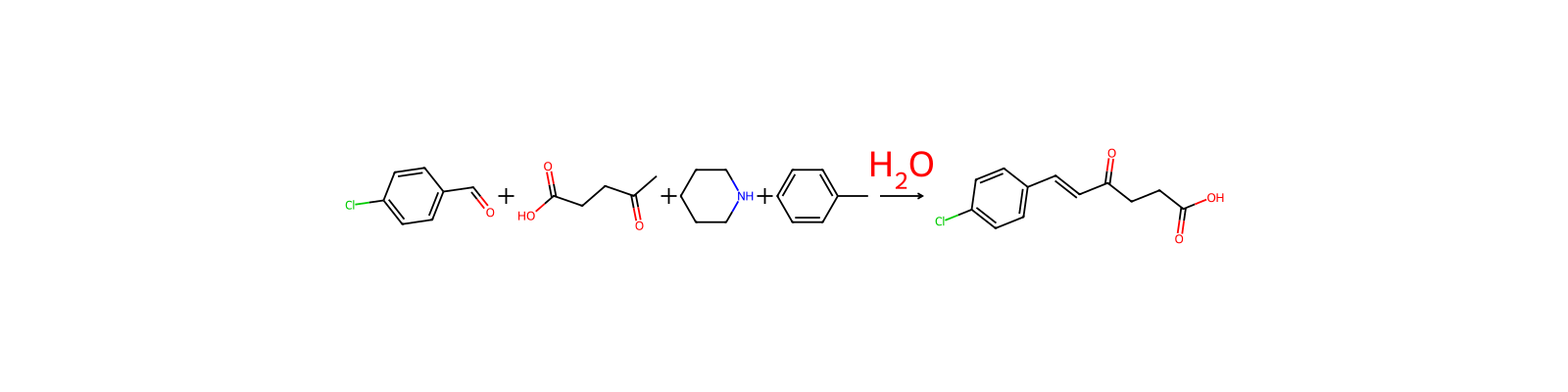
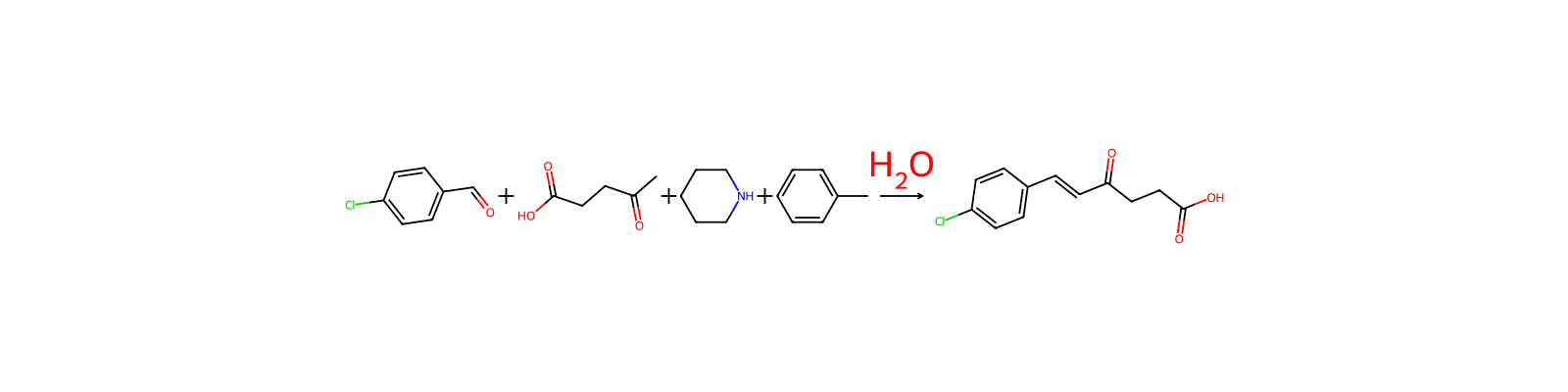
Zugehörige Reaktionen
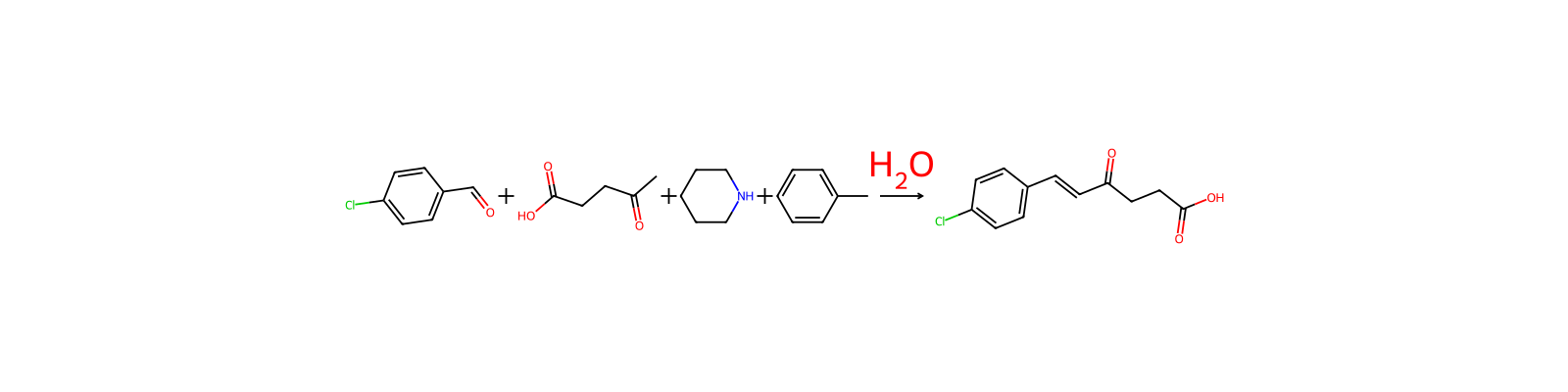
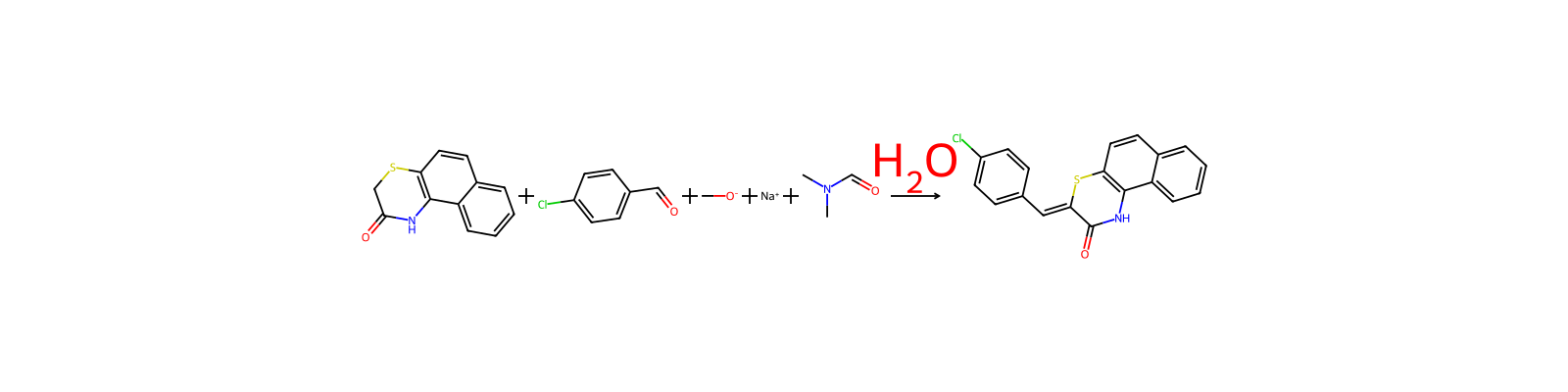
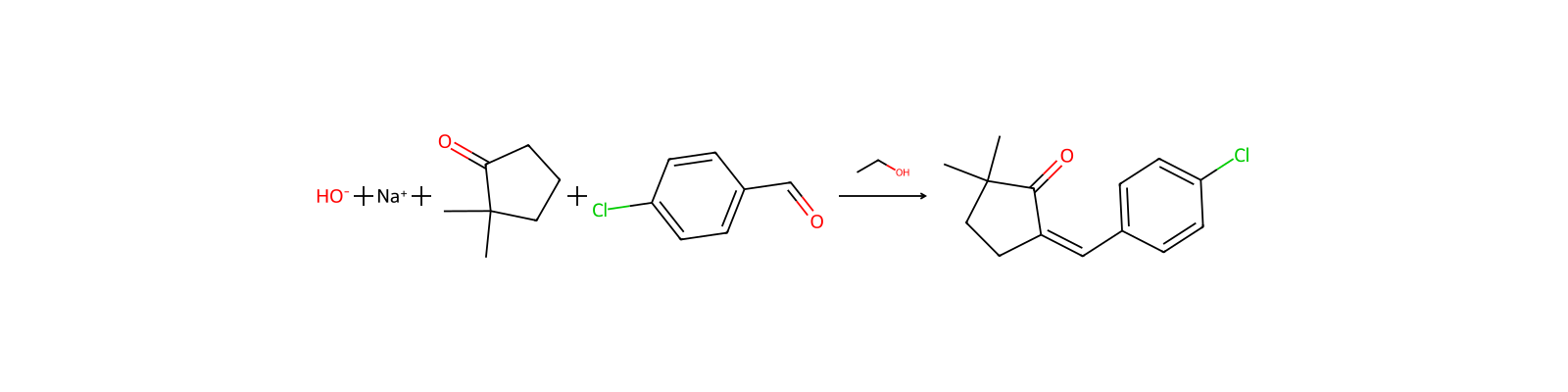
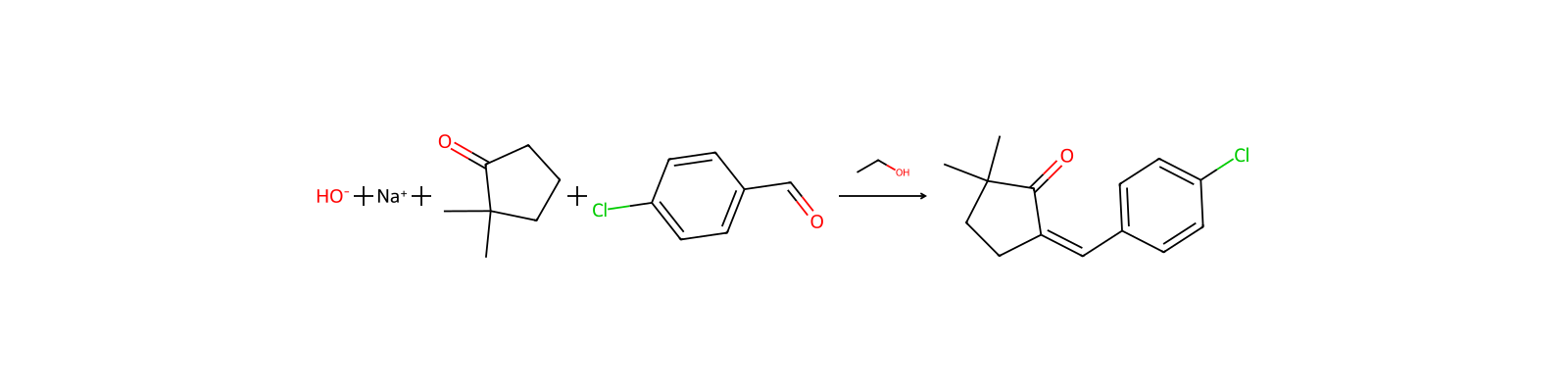
837

Verknüpfte Notizen
Wird geladen…