StartseiteMCPWorkbenchSkills
StartseiteWorkbenchBenachrichtigungenMein Bereich
llms.txt · MCP-AnleitungDatenschutz · Nutzungsbedingungen · Supportv1.8.0
  1. Startseite
  2. /Verbindung

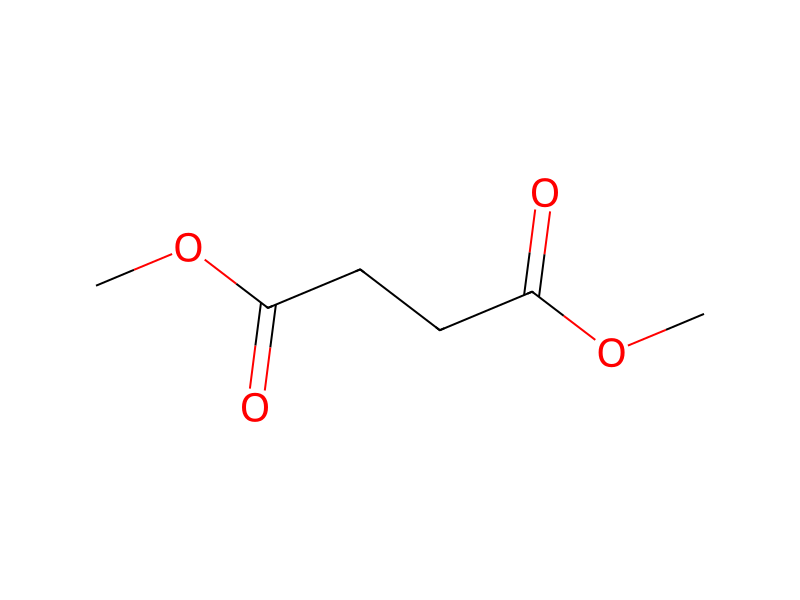
Dimethylsuccinat

Dimethyl Succinate
HCID 7820
Neue NotizNeue ReaktionAnfrage stellen
Druckvorschau
GrundinformationenÜberblickNamen und BezeichnerEigenschaftenSicherheit und RegulatorischesChemie und IndustrieZugehörige ReaktionenNotizen zur Verbindung
TeilstruktursucheÄhnliche Strukturen suchen

Grundinformationen

CAS
106-65-0
Standard-SMILES
COC(=O)CCC(=O)OC
InChIKey
MUXOBHXGJLMRAB-UHFFFAOYSA-N
Summenformel
C6H10O4
Durchschnittliche Molmasse
146,14 g/mol
Monoisotopische Masse
146,0579088

Überblick

Dimethyl succinate is a colorless liquid. (USCG, 1999)

Namen und Bezeichner

Bevorzugter Name
Dimethyl Succinate
IUPAC
dimethyl butanedioate
Lokaler Name
Dimethylsuccinat
Englischer Name
Dimethyl succinate
Summenformel
C6H10O4
Molmasse
146.14

Namen und Synonyme

DIMETHYL SUCCINATE106-65-0Dimethyl butanedioateDimethylsuccinateButanedioic acid, dimethyl esterSuccinic acid, dimethyl esterMethyl butanedioateFEMA No. 2396DTXSID50251521,4-dimethyl butanedioateButanedioic acid, 1,4-dimethyl esterNSC-52209
Weitere Namen anzeigen
FEMA 2396Succinic acid dimethylDimethyl 2,3-butanedioateDBE-4 DIBASIC ESTER, 99% (DIMETHYL SUCCI NATE)DBE-4ESTASOL(R)
914I2127JRDTXCID005152RefChem:134276203-419-9Methyl succinateSuccinic acid dimethyl esterDBE-4 dibasic esterMFCD00008466

Datenbank-Bezeichner

CAS
106-65-0
PubChem CID
7820
DTXSID
DTXSID5025152
ChEMBL
CHEMBL556489
ChEBI
CHEBI:165393
UNII
914I2127JR
EC Number
203-419-9
Nikkaji
J3.244A

Eigenschaften

Berechnete Struktureigenschaften

XLogP
0,4
Polarare Oberfläche (TPSA)
52,6 Ų
H-Brücken-Donoren
0
H-Brücken-Akzeptoren
4
Frei drehbare Bindungen
5
Schwere Atome
10
Formalladung
0
Komplexität
114

Experimentelle und physikochemische Eigenschaften

SolventsSolvents -> Esters (<C12)
Cosmetics · 2 Einträge

Cosmetic ingredients (Dimethyl Succinate) -> CIR (Cosmetic Ingredient Review)

Emollient

SpringerMaterials PropertiesBoiling point
FragrancesFragrance Ingredient (Dimethyl succinate) -> IFRA transparency List
LogP · 3 Einträge

Log Kow = 0.35

0.35

0.19

OdorPLEASANT, ETHEREAL, WINEY ODOR
TasteFRUITY, WINEY, & BURNING FLAVOR
Food AdditivesFLAVORING AGENT OR ADJUVANT -> FDA Substance added to food
Density · 5 Einträge

1.117 (USCG, 1999) - Denser than water; will sink

1.1202 @ 18 °C/4 °C

1.114-1.118

1.117

1.1202 @ 18°C

Sicherheit und Regulatorisches

Sicherheitsangaben dienen nur zur Orientierung und ersetzen weder das Sicherheitsdatenblatt (SDB) des Lieferanten noch geltende Vorschriften oder eine fachliche Bewertung.

GHS-Klassifizierung

GHS Classification · 6 Einträge

This chemical does not meet GHS hazard criteria for 61.8% (730 of 1181) of all reports.

Warning

H319 (36.4%): Causes serious eye irritation [Warning Serious eye damage/eye irritation]

P264+P265, P280, P305+P351+P338, and P337+P317 (click each P-code to see the statement)

Aggregated GHS information provided per 1181 reports by companies from 9 notifications to the ECHA C&L Inventory.

Warning

Gefahrenhinweise

Regulatory Information · 4 Einträge

Chemical: Butanedioic acid, dimethyl ester

Butanedioic acid, 1,4-dimethyl ester is listed on the EPA's Chemical Data Reporting (CDR) system. Manufacturers and importers of Butanedioic acid, 1,4-dimethyl ester are required to report information about their production and use of this chemical to the EPA under the Toxic Substances Control Act (TSCA). (40 eCFR Part 711)

Status: Active Update: 25-11-2022 https://echa.europa.eu/registration-dossier/-/registered-dossier/15043

Dimethyl succinate: Does not have an individual approval but may be used under an appropriate group standard

Other Safety InformationIMAP assessments - Butanedioic acid, dimethyl ester: Environment tier I assessment
DOT LabelCombustible Liquid
Fire HazardsThis chemical is combustible. Vapor forms explosive mixtures with air. (NTP, 1992)
Health HazardsMay be harmful by inhalation, ingestion or skin absorption. May cause irritation. (USCG, 1999)
Hazards SummaryMay cause irritation; [MSDSonline]

Chemie und Industrie

Pharmakologische Informationen

Mechanism of Action · 2 Einträge

Dibasic esters are a solvent mixture of dimethyl adipate; dimethyl glutarate, and dimethyl succinate used in the paint and coating industry. Subchronic inhalation toxicity studies have demonstrated that dibasic ester induce a mild degeneration of the olfactory, but not the respiratory, epithelium of the rat nasal cavity. Carboxylesterase-mediated hydrolysis of the individual dibasic esters is more efficient in olfactory than in respiratory mucosal homogenates. In the present study, an in vitro system of cultured rat nasal explants was utilized to determine if dibasic ester toxicity is dependent on a metabolic activation by nonspecific carboxylesterase. Explants from both the olfactory and the respiratory regions of the female rat nasal cavity were incubated for 2 hr in Williams' medium E containing 10-100 mM dimethyl adipate, dimethyl glutarate, or dimethyl succinate, dibasic ester caused a dose-related increase in nasal explant acid phosphatase release, a biochemical index of cytotoxicity. HPLC analysis demonstrated parallel increases in the carboxylesterase-mediated formation of monomethyl ester metabolites. Diacid metabolite production in the nasal explant system was not entirely concentration-dependent. Metabolite concentrations and acid phosphatase release were generally greater in olfactory than respiratory tissues. dibasic ester-induced cytotoxicity and acid metabolite production were markedly attenuated in nasal tissue excised from rats which were pretreated with bis(p-nitrophenyl)phosphate, a carboxylesterase inhibitor. This study presents a viable in vitro method for assessing organic ester cytotoxicity in the rat nasal cavity. It was shown that dibasic ester are weak nasal toxicants under the conditions of this system. It was further demonstrated that dibasic ester toxicity is dependent on a carboxylesterase-mediated activation. A similar mechanism was proposed for the nasal toxicity induced by other organic esters following inhalation exposure.

Inhalation exposure of rats to dibasic esters revealed lesions of the nasal olfactory epithelium similar to those observed with other ester solvents. Female rats are more sensitive to these effects than are male rats. It has been proposed that carboxylesterase conversion of inhaled esters within nasal tissues to organic acids may be a critical biochemical step in converting these chemicals to toxic substances. These experiments measured the kinetic parameters Vmax, Km, Ksi, and V/K for the hydrolysis of the dibasic esters in the target nasal tissue, olfactory mucosa, and nontarget tissue, respiratory mucosa. It was determined that under the conditions of these experiments, diacid metabolites are not formed. Esterase activity was inhibited by pretreatment with bis p-nitrophenyl phosphate. Vmax values for the three dibasic esters were 5- to 13-fold greater in olfactory mucosa than respiratory mucosa for male or female rats. V/K values were 4- to 11-fold greater in olfactory mucosa than respiratory mucosa for male or female rats. V/K was similar between male and female olfactory mucosa when dimethyl glutarate was used as the substrate. With dimethyl succinate or dimethyl adipate as the substrate, V/K for female olfactory tissue was 0.5- or 2-fold that of males, respectively. Differences in V/K were mainly due to decreases in KM associated with increasing carbon chain length. Substrate inhibition was observed at dibasic ester concentrations greater than approximately 25 mM, which are unlikely to be achieved in vivo. These results lend further support to the hypothesis that organic acid accumulation in the target tissue, olfactory mucosa, plays a significant role in the pathogenesis of dibasic ester-induced nasal lesions. The mechanism nay be applicable to a wide range of inhaled esters.

Zugehörige Reaktionen

59
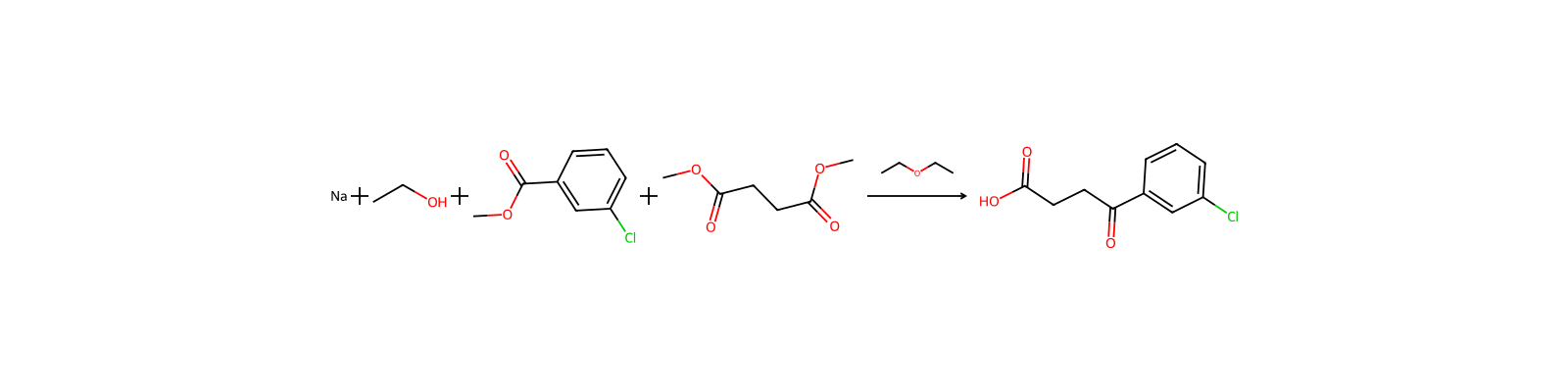
Reaktionsaufzeichnung erstellen
Reaktionsgleichung von HRID 1493
HRID 1493als Eduktuspto-grants-1998_03
Reaktionsgleichung von HRID 1561
HRID 1561als Eduktuspto-grants-1998_03
Reaktionsgleichung von HRID 2066
HRID 2066als Eduktuspto-grants-1998_03
Reaktionsgleichung von HRID 2107
HRID 2107als Eduktuspto-grants-1998_03
Reaktionsgleichung von HRID 2166
HRID 2166als Eduktuspto-grants-1998_03
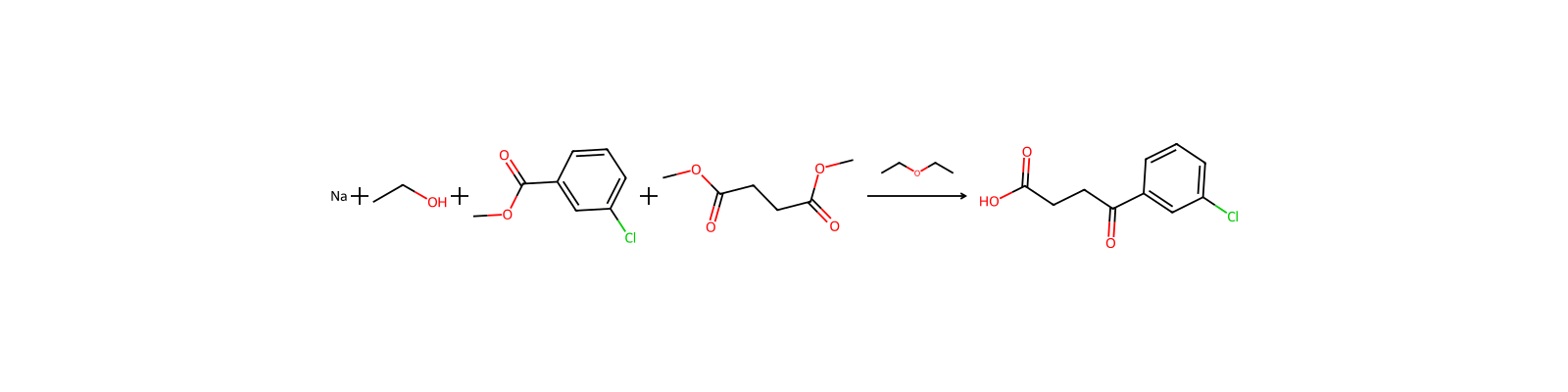
Reaktionsgleichung von HRID 129692
HRID 129692als Eduktuspto-grants-1995_11
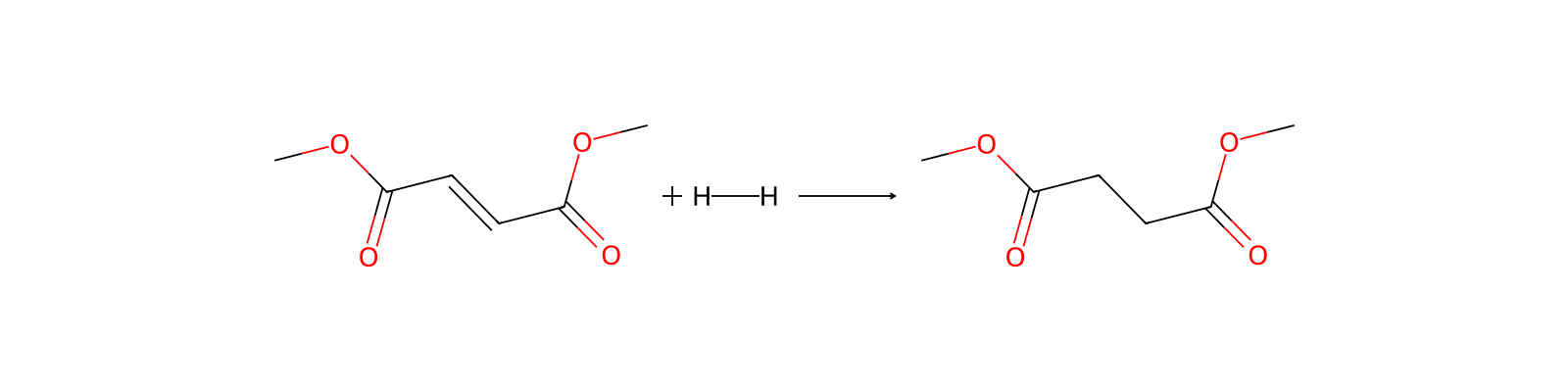
Reaktionsgleichung von HRID 188659
HRID 188659als ProduktTraining data from https://doi.org/10.1039/C8SC04228D (6/10)
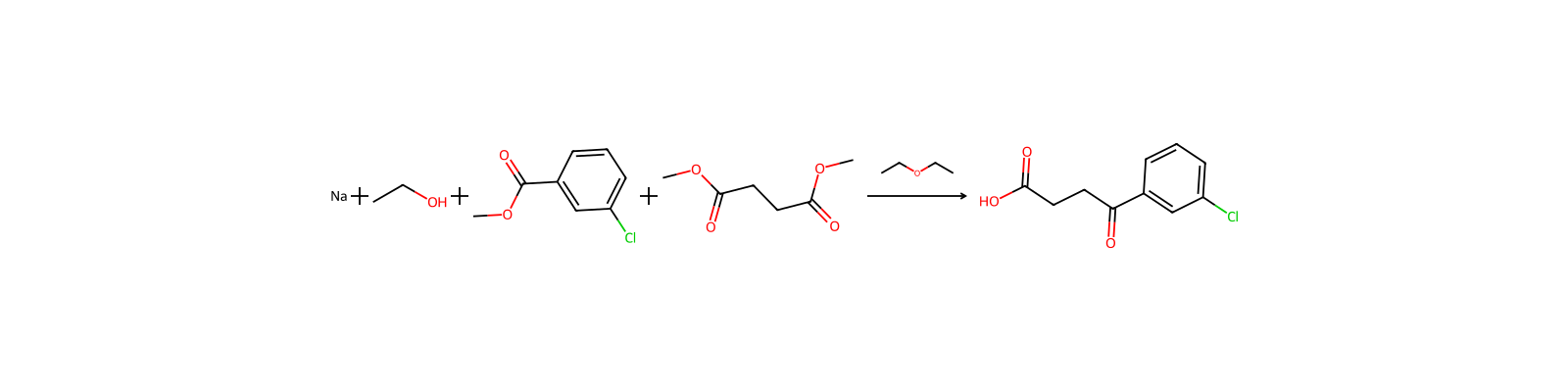
Reaktionsgleichung von HRID 238592
HRID 238592als Eduktuspto-grants-2014_02
Seite 1 von 8

Notizen zur Verbindung

Wird geladen…

Auf dieser SeiteGrundinformationenÜberblickNamen und BezeichnerEigenschaftenSicherheit und RegulatorischesChemie und IndustrieZugehörige ReaktionenNotizen zur Verbindung
Weitere Aktionen
Neue NotizNeue ReaktionAnfrage stellen
Flavoring Agents
EU Flavoring substances
Color/FormCOLORLESS LIQ @ ROOM TEMP; SOLIDIFIES WHEN COLD
Solubility · 6 Einträge

greater than or equal to 100 mg/mL at 73 °F (NTP, 1992)

SOL IN 120 PARTS WATER, 35 PARTS ALC

Slightly soluble in water, soluble in acetone, ethanol, very soluble in ethyl ether

25000 mg/L @ 20 °C (exp)

slightly soluble to soluble in water; slightly soluble in alcohol; miscible in oils

1 mL in 1 mL 95% alcohol (in ethanol)

Physikochemische Eigenschaften

Schmelzpunkt
16 · 16-19 °C (lit.)
Siedepunkt
200 °C · 200 °C (lit.)
Dichte
1.117 g/mL · 1.117 g/mL at 25 °C (lit.)
Dampfdruck
0.3 mm · 0.3 mm Hg ( 20 °C)
Brechungsindex
20 · n20/D 1.419(lit.)
FEMA
2396 · 2396 | DIMETHYL SUCCINATE
Flammpunkt
185 °F · 185 °F
storage temp.
30 °C · Store below +30°C.
Löslichkeit
75 g/l · 75g/l
Aggregatzustand
Liquid
Farbe
Clear
Geruch (Odor)
Fruity
Geruchsart
fruity
Biologische Quelle
synthetic
Explosionsgrenze
1 · 1.0-8.5%(V)
Wasserlöslichkeit
8.5 g/L · 8.5 g/L (20 ºC)
Merck
14 · 14,8869
JECFA Number
616 · 616
BRN
956776 · 956776
Henry's Law Constant
3 · 3.0×101 mol/(m3Pa) at 25℃, Katrib et al. (2003)
Dielectric constant
5.1 · 5.1(20℃)
Stabilität
Stable. Combustible. Incompatible with oxidizing agents, acids, bases, reducing agents.
Major Application
flavors and fragrances
Kosmetik-Inhaltsstoffe Funktionen
SKIN CONDITIONING - EMOLLIENTSOLVENTFRAGRANCESKIN CONDITIONING
InChI
1S/C6H10O4/c1-9-5(7)3-4-6(8)10-2/h3-4H2,1-2H3
InChIKey
MUXOBHXGJLMRAB-UHFFFAOYSA-N
SMILES
COC(=O)CCC(=O)OC
LogP
0.33 at · 0.33 at 40℃
CAS Datenbank
106 · 106-65-0(CAS DataBase Reference)
NIST chemische Informationen
Butanedioic acid, dimethyl ester(106-65-0)
EPA chemische Informationen
Dimethyl succinate (106-65-0)
FDA Requirements · 1 Eintrag

Dimethyl succinate is a food additive permitted for direct addition to food for human consumption as a synthetic flavoring substance and adjuvant in accordance with the following conditions: 1) the quantity added to food does not exceed the amount reasonably required to accomplish its intended physical, nutritive, or other technical effect in food, and 2) when intended for use in or on food it is of appropriate food grade and is prepared and handled as a food ingredient.

Reactive GroupEsters, Sulfate Esters, Phosphate Esters, Thiophosphate Esters, and Borate Esters
EPA Safer ChemicalChemical: Dimethyl succinate
Reactivity Profile · 1 Eintrag

DIMETHYL SUCCINATE reacts with acids to liberate heat along with methanol and succinic acid. May react with strong oxidizing acids to liberate enough heat to ignite the reaction products. Heat is also generated by the interaction with caustic solutions. Flammable hydrogen is generated with alkali metals and hydrides.

Air and Water ReactionsWater soluble.
Hazard Classes and Categories · 2 Einträge

Eye Irrit. 2 (36.4%)

Flammable liquids - Category 4

Sicherheit und Schutzausrüstung

Fire FightingFire Extinguishing Agents: Carbon dioxide, dry chemical, alcohol foam. (USCG, 1999)
First Aid · 1 Eintrag

EYES: First check the victim for contact lenses and remove if present. Flush victim's eyes with water or normal saline solution for 20 to 30 minutes while simultaneously calling a hospital or poison control center. Do not put any ointments, oils, or medication in the victim's eyes without specific instructions from a physician. IMMEDIATELY transport the victim after flushing eyes to a hospital even if no symptoms (such as redness or irritation) develop.

Nonfire Spill Response · 1 Eintrag

SMALL SPILLS AND LEAKAGE: If you spill this chemical, use absorbent paper to pick up all liquid spill material. Seal the absorbent paper, as well as any of your clothing which may be contaminated, in a vapor-tight plastic bag for eventual disposal. Wash any surfaces you may have contaminated with a soap and water solution. Do not reenter the contaminated area until the Safety Officer (or other responsible person) has verified that the area has been properly cleaned.

Isolation and EvacuationExcerpt from ERG Guide 128 [Flammable Liquids (Water-Immiscible)]:
Protective Action Criteria (PAC) · 3 Einträge

16 [mg/m3]

230 [mg/m3]

1400 [mg/m3]

Personal Protective Equipment (PPE)Wear self-contained breathing apparatus, rubber boots and heavy rubber gloves. (USCG, 1999)

Toxikologische Informationen

Environmental Fate · 3 Einträge

TERRESTRIAL FATE: Based on a recommended classification scheme(1), an estimated Koc value of 37(SRC), determined from a measured log Kow of 0.35(2) and a recommended regression-derived equation(3), indicates that dimethyl succinate is expected to have very high mobility in soil(SRC). Volatilization of dimethyl succinate from moist soil surfaces(SRC) is not expected to be important given an estimated Henry's Law constant of 6.4X10⁻⁸ atm-cu m/mole(SRC), using a fragment constant estimation method(4). Based upon a group contribution method for predicting the probability and rate of aerobic biodegradation(5), dimethyl succinate has been estimated to be highly biodegraded with complete biodegradation occurring over a period of weeks(SRC).

AQUATIC FATE: Based on a recommended classification scheme(1), an estimated Koc value of 37(SRC), determined from a measured log Kow of 0.35(2) and a recommended regression-derived equation(3), indicates that dimethyl succinate is not expected to adsorb to suspended solids and sediment in water(SRC). Dimethyl succinate is not expected to volatilize from water surfaces(3,SRC) based on an estimated Henry's Law constant of 6.4X10⁻⁸ atm-cu m/mole(SRC), developed using a fragment constant estimation method(4). According to a classification scheme(5), an estimated BCF value of 1.1(3,SRC), from a measured log Kow(2), suggests that bioconcentration in aquatic organisms is low(SRC). Based upon a group contribution method for predicting the probability and rate of aerobic biodegradation(6), dimethyl succinate has been estimated to be highly biodegraded with complete biodegradation occurring over a period of weeks(SRC).

ATMOSPHERIC FATE: According to a model of gas/particle partitioning of semivolatile organic compounds in the atmosphere(1), dimethyl succinate, which has an estimated vapor pressure of 0.46 mm Hg at 25 °C(2,SRC), is expected to exist solely as a vapor in the ambient atmosphere. Vapor-phase dimethyl succinate is degraded in the atmosphere by reaction with photochemically-produced hydroxyl radicals(SRC); the half-life for this reaction in air is estimated to be about 14 days(3,SRC).

Food Survey ValuesDimethyl succinate was identified as a volatile component of roasted filberts(1).
Adverse EffectsNeurotoxin - Acute solvent syndrome
Toxicity SummarySafe in the present practices of use and concentration. Ingredient, concentration, and use information are available in documents discoverable at https://cir-reports.cir-safety.org
Effluent ConcentrationsTrace amounts, less than 0.5 mg/l, of dimethyl succinate were detected in industrial waste samples from the Hercules, Inc. plant site near Wilmington, NC(1).
Soil Adsorption/Mobility · 1 Eintrag

The Koc of dimethyl succinate is estimated as approximately 37(SRC), using a measured log Kow of 0.35(1) and a regression-derived equation(2,SRC). According to a recommended classification scheme(3), this estimated Koc value suggests that dimethyl succinate is expected to have very high mobility in soil(SRC).

Natural Pollution SourcesDimethyl succinate was identified as a volatile component of roasted filberts(1).
Artificial Pollution SourcesDimethyl succinate's production and use as a solvent for fruit flavors(1) may result in its release to the environment through various waste streams(SRC).
Environmental BiodegradationBased upon a group contribution method for predicting the probability and rate of aerobic biodegradation(1), dimethyl succinate has been estimated to be highly biodegraded with complete biodegradation occurring over a period of weeks(SRC).
Environmental Bioconcentration · 1 Eintrag

An estimated BCF value of 1.1 was calculated for dimethyl succinate(SRC), using a measured log Kow of 0.35(1) and a recommended regression-derived equation(2). According to a classification scheme(3), this BCF value suggests that bioconcentration in aquatic organisms is low(SRC).

Volatilization from Water/Soil · 1 Eintrag

The Henry's Law constant for dimethyl succinate is estimated as 6.4X10⁻⁸ atm-cu m/mole(SRC) using a fragment constant estimation method(1). This value indicates that dimethyl succinate will be essentially nonvolatile from water surfaces(2,SRC). Dimethyl succinate's Henry's Law constant(1,SRC) indicates that volatilization from moist soil surfaces is not expected to occur(SRC).

Non-Human Toxicity Excerpts · 2 Einträge

This study was conducted to investigate the initial tissue damage, morphogenesis, and reversibility of nasal lesions induced by the inhalation of dibasic esters. Young male rats were exposed, nose-only, to an aerosol/vapor mixture of dibasic esters at a concentration of 5,900 mg/cu m for 4 hr and subsequently killed at 1, 4, 7, 14, 21, and 42 days after exposure. Nasal lesions were distributed along major inspiratory airflow routes. Widespread epithelial denudation occurred in the anterior nasal cavity, but the lesions were confined to the dorsal meatus, adjacent the nasal septum, and the lateral middle meatus in the mid-anterior nasal cavity. The lesions were markedly less severe in the posterior nasal cavity and sharply confined to the tips of dorsal ethmoturbinates and adjacent nasal septum. The damaged cuboidal/nonciliated and respiratory epithelium in the anterior nasal cavity regained a normal structure by 4 and 7 days postexposure, respectively. The regeneration of damaged olfactory epithelium was related to the severity of initial tissue damage. Slightly damaged epithelium regained a normal appearance within 1-2 weeks, but the extensively denuded epithelium of the dorsal meatus in the anterior nasal cavity failed to regain a normal structure by 6 weeks. The sustentacular cells of the olfactory epithelium appeared to be the initial site of DBE nasal injury. In the early stages of regeneration, the epithelium was repaired by proliferating stem cells derived from basal cells. Numerous mitotic figures and bromodeoxyuridine labeling were found in the regenerating basal cells, stem cells, and sustentacular cells at 4 and 7 days. As repair processes advanced, the numbers of olfactory neurons and vesicles were increased with a proportional decrease in stem cells.

Dibasic esters are a solvent mixture of dimethyl adipate, dimethyl glutarate and dimethyl succinate which causes a selective degeneration of the nasal olfactory epithelium in rats following a 90-day inhalation exposure. In short-term cultures of rat nasal explants, it has been demonstrated that dibasic esters cytotoxicity is due to a carboxylesterase-mediated activation. In the present study, the putative toxic metabolites of dibasic esters, the monomethyl esters and the dicarboxylic acids, were evaluated in the explant system at concentrations ranging from 10 to 50 mM. Mononethyl adipate, monomethyl glutarate, and monomethyl succinate induced increases in nasal explant acid phosphatase release, a biochemical index of cytotoxicity. The nasal explant-mediated metabolism of Mononethyl adipate and monomethyl glutarate to their corresponding diacids paralleled the increases in acid phosphatase release. A carboxylesterase inhibitor, bis(p-nitrophenyl)phosphate, inhibited both the cytotoxicity and the hydrolysis of and monomethyl glutarate in the nasal explant system. The metabolism and cytotoxicity of monomethyl succinate was not attenuated as effectively by bis(p-nitrophenyl)phosphate pretreatment. Adipate, glutarate, and succinate induced concentration-related increases in cytotoxicity in the nasal explant system. These dicarboxylic acids were neither metabolized nor utilized significantly by the nasal explants. Diacid-induced cytotoxicity was not attenuated by bis(p-nitrophenyl)phosphate pretreatment. This study further established the utility of the nasal explant system for evaluating cytotoxicity of organic esters in vitro. It was established that both the monomethyl ester and diacid metabolites are cytotoxic in rat nasal explants. Finally, it was concluded that although both the monomethyl esters and the diacids contribute to the cytotoxic potential of dibasic esters in vitro, it is critical to establish if one or both of these are formed in vivo in order to identify the ultimate toxic metabolite of dibasic esters.

Regulatorische Informationen

FDA Requirements · 1 Eintrag

Dimethyl succinate is a food additive permitted for direct addition to food for human consumption as a synthetic flavoring substance and adjuvant in accordance with the following conditions: 1) the quantity added to food does not exceed the amount reasonably required to accomplish its intended physical, nutritive, or other technical effect in food, and 2) when intended for use in or on food it is of appropriate food grade and is prepared and handled as a food ingredient.

Sicherheitsdaten

wgk
1
tsca
TSCA listed
ridadr
UN 1993
hs_code
29171990
RTECS-Nr.
WM7675000
risk_code
36
hazard_code
Xi
safety_code
26-24/25
Speicherklasse
10 - Combustible liquids
Giftige Stoffe Daten
106-65-0(Hazardous Substances Data)
Hazard Classifications
Eye Irrit. 2
Selbstentzündungstemperatur
689 °F
Cellular LocationsCytoplasm

Verwendung und Herstellung

Uses · 4 Einträge

CIR ingredient: Dimethyl Succinate

Used as a solvent for fruit flavors and a synthetic flavor; [HSDB]

SOLVENT FOR FRUIT FLAVORS

SYNTHETIC FLAVOR

U.S. Production2023: 10,000,000 - <25,000,000 lb
Consumer UsesCleaning agent
Industry UsesAdsorbent
Methods of ManufacturingBY DIRECT ESTERIFICATION OF THE ACID WITH THE ALC IN BENZENE SOLN AT THE BOIL IN THE PRESENCE OF CONCENTRATED SULFURIC ACID.
Household ProductsInformation on 21 consumer products that contain Dimethyl succinate in the following categories is provided:
Use Classification · 6 Einträge

EPA Safer Chemical Functional Use Classes -> Solvents

Safer Chemical Classes -> Green circle - The chemical has been verified to be of low concern

Fragrance Ingredients

Flavouring Agent -> FLAVOURING_AGENT -> JECFA Functional Classes

Flavoring Agents -> JECFA Flavorings Index

Flavouring Agent -> FLAVOURING_AGENT -> JECFA Functional Classes

General Manufacturing Information · 4 Einträge

Plastics Material and Resin Manufacturing

Butanedioic acid, 1,4-dimethyl ester: ACTIVE

NON-ALCOHOLIC BEVERAGES 1.0-100 PPM; ICE CREAM, ICES, ETC 5.0 PPM; CANDY 15 PPM; BAKED GOODS 15 PPM; CHEWING GUM 5.0 PPM.

FEMA NUMBER 2396

Anwendungen

OccurrenceReported found in filbert nuts and starfruit.

VerwendenDimethyl succinate is used as a flavoring agent. It have wide range of industrial applications such as Functional fluids (open systems), Intermediates, Paint additives and coating additives, Pigments Solvents, Viscosity adjustors.

Darstellung

synthetischeBy direct esterification of the acid with the alcohol in benzene solution at the boil in the presence of concentrated H2SO4

Vor- und nachgelagerte Produkte

Vorgelagerte Rohstoffe

Concentrated sulfuric acidMethanolBernsteinsure

Nachgelagerte Produkte

5-Methoxymethyl-2,3-pyridinedicarboxylic acidMethyl5,5,5-trifluoro-4-oxopentanoateButan-1,4-diolSuccinohydrazidSuccinamidDimethylmethylmalonat2-(Methylthio)thiophenegamma-ButyrolactonMethylhydrogensuccinatBernsteinsureanhydrid