
But-1-in
1-Butyne
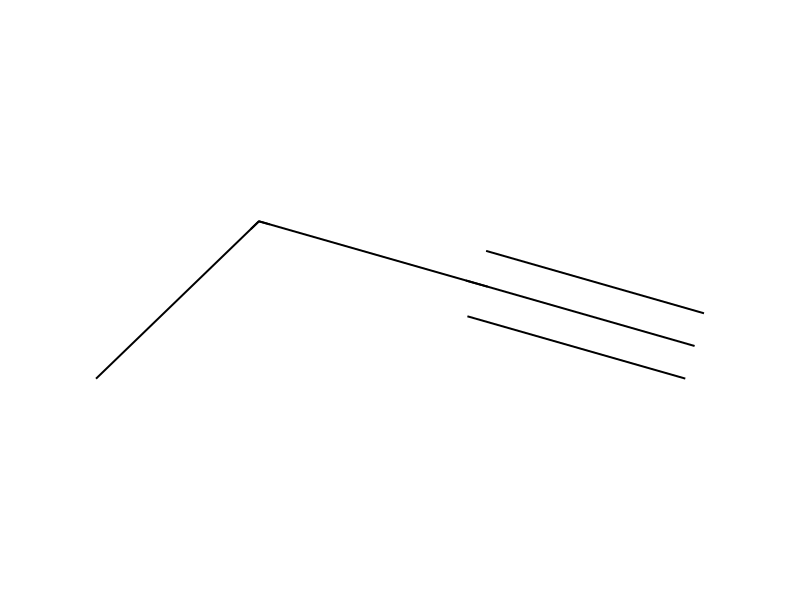
Grundinformationen
- CAS
107-00-6- Standard-SMILES
C#CCC- InChIKey
KDKYADYSIPSCCQ-UHFFFAOYSA-N- Summenformel
- C4H6
- Durchschnittliche Molmasse
- 54,09 g/mol
- Monoisotopische Masse
- 54,04695019
Überblick
Ethyl acetylene, stabilized appears as a colorless gas. Denser than air. Prolonged exposure to intense heat may cause the containers to rupture violently and rocket.
Namen und Bezeichner
- Bevorzugter Name
- 1-Butyne
- IUPAC
- but-1-yne
- Lokaler Name
- But-1-in
- Englischer Name
- 1-Butyne
- Summenformel
- C4H6
- Molmasse
- 54.09
Namen und Synonyme
1-BUTYNEbut-1-yneEthyl acetyleneButyne-1UN2452Ethylacetylene, inhibitedUNII-A6B47CPN6WEINECS 203-451-3A6B47CPN6WEtilacetileno, inhibidoEthylacetylene, stabiliseEthyl acetylene, inhibited
Weitere Namen anzeigen
Ethylethyne1-BUTYNE 98%C2H5CequivCHETHYLACETYLENE1-BUTYNE, 98+%1-Butyne (8CI, 9CI)ethylacetylene,inhibited
UN 2452C2H5C.$.CHDTXSID4029141CHEBI:48087ETHYL ACETYLENE, (STABILIZED)Etilacetileno, inhibido (Spanish DOT)Ethylacetylene, stabilise (French DOT)ETHYL ACETYLENE, [STABILIZED]
Datenbank-Bezeichner
- CAS
107-00-6- PubChem CID
- 7846
- DTXSID
DTXSID4029141- ChEBI
CHEBI:48087- UNII
- A6B47CPN6W
- EC Number
- 203-451-3
- Nikkaji
- J4.044D
Eigenschaften
Berechnete Struktureigenschaften
- XLogP
- 1,3
- Polarare Oberfläche (TPSA)
- 0 Ų
- H-Brücken-Donoren
- 0
- H-Brücken-Akzeptoren
- 0
- Frei drehbare Bindungen
- 0
- Schwere Atome
- 4
- Formalladung
- 0
- Komplexität
- 35,2
Experimentelle und physikochemische Eigenschaften
Chemical Classes
Other Classes -> Aliphatics, Unsaturated
Flammable agents - 4th degree
SpringerMaterials PropertiesCoriolis coupling
LogP1.46
Physical Description
Ethyl acetylene, stabilized appears as a colorless gas. Denser than air. Prolonged exposure to intense heat may cause the containers to rupture violently and rocket.
Liquid; Gas Vapor
Colorless gas; [CAMEO] Odor of garlic; [Matheson Tri-Gas MSDS]
Physikochemische Eigenschaften
- Schmelzpunkt
- -126 °C · -126°C
- Siedepunkt
- 8 °C · 8°C
- Dichte
- 0.678 · 0.678
- Brechungsindex
- 1.3962 · 1.3962
- Flammpunkt
- -0.15 °C · -0.15°C
- storage temp.
- 2 · 2-8°C
Sicherheit und Regulatorisches
Sicherheitsangaben dienen nur zur Orientierung und ersetzen weder das Sicherheitsdatenblatt (SDB) des Lieferanten noch geltende Vorschriften oder eine fachliche Bewertung.
GHS-Klassifizierung
GHS Classification
This chemical does not meet GHS hazard criteria for 3% (5 of 164) of reports.
Danger
H220 (97%): Extremely flammable gas [Danger Flammable gases]
P203, P210, P222, P280, P377, P381, P403, and P410+P403 (click each P-code to see the statement)
Aggregated GHS information provided per 164 reports by companies from 4 notifications to the ECHA C&L Inventory. Each notification may be associated with multiple companies.
Gefahrenhinweise
Regulatory Information
Chemical: 1-Butyne
1-Butyne is listed on the EPA's Chemical Data Reporting (CDR) system. Manufacturers and importers of 1-Butyne are required to report information about their production and use of this chemical to the EPA under the Toxic Substances Control Act (TSCA). (40 eCFR Part 711)
1-Butyne: Does not have an individual approval but may be used under an appropriate group standard
The New Jersey Worker and Community Right to Know Act requires public and private employers to provide information about hazardous substances at their workplaces. (N.J.S.A. 34:5A-1 et. seq.)
Other Safety InformationIMAP assessments - 1-Butyne: Human health tier I assessment
DOT LabelFlammable Gas
Fire Hazards
Excerpt from ERG Guide 116 [Gases - Flammable (Unstable); polymerization hazard]:
· EXTREMELY FLAMMABLE.
Health Hazards
Excerpt from ERG Guide 116 [Gases - Flammable (Unstable); polymerization hazard]:
· Vapors may cause dizziness or asphyxiation without warning, especially when in closed or confined areas.
Chemie und Industrie
Verwendung und Herstellung
UsesUsed as an intermediate and special fuel; [Hawley]
U.S. Production2023: 1,000,000 - <8,500,000 lb
Consumer UsesIntermediate
Industry UsesIntermediate
General Manufacturing Information
Petroleum Refineries
1-Butyne: ACTIVE
Anwendungen
VerwendenSpecialty fuel, chemical intermediate.
Vor- und nachgelagerte Produkte
Vorgelagerte Rohstoffe
Nachgelagerte Produkte
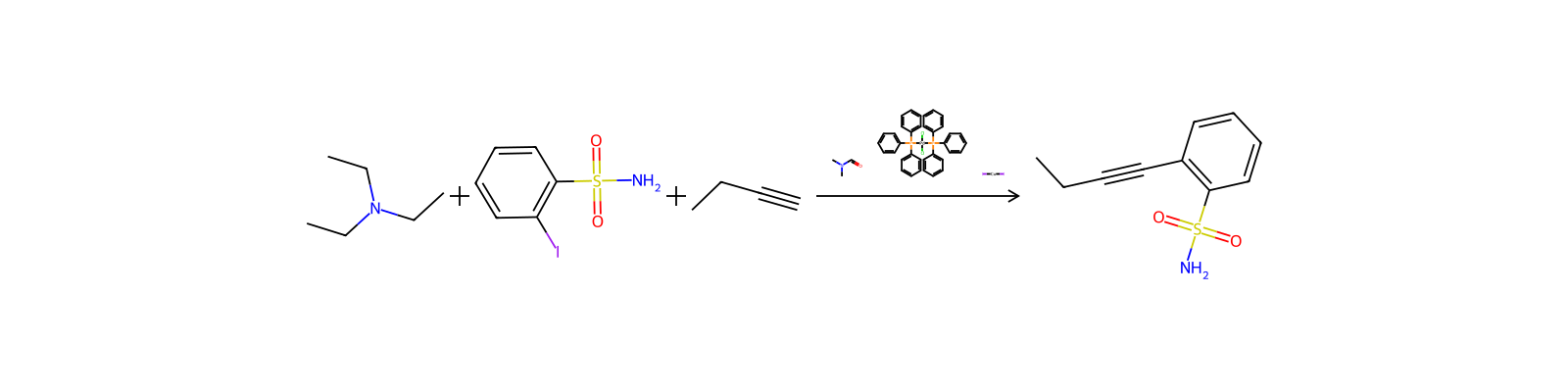
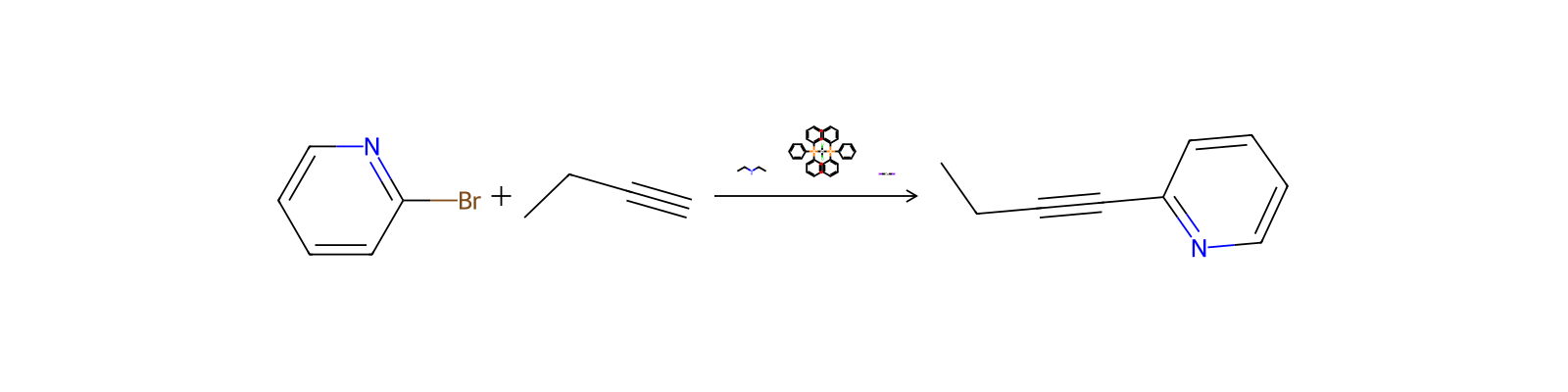
Zugehörige Reaktionen
46





Notizen zur Verbindung
Wird geladen…